2027 Nutrition Careers With the Best Long-Term Stability

Co-Founder and Chief Data Scientist
Facing a rapidly shifting healthcare landscape, nutrition professionals confront increasing pressure to secure roles resilient to automation, policy changes, and shifting payer priorities. Despite robust job growth projections from the Bureau of Labor Statistics, which forecasts a 15% increase for dietitians and nutritionists over the next decade, many candidates underestimate how program delivery, credential flexibility, and online education accessibility directly influence their career stability.
The rise of adult learners balancing work and study also redefines enrollment patterns, favoring programs with adaptable formats that align with evolving workforce demands. This article evaluates nutrition careers with the strongest long-term stability, guiding students and professionals toward strategic educational and career decisions.
Key Things You Should Know
- Registered dietitians dominate employment in clinical nutrition, with the Bureau of Labor Statistics 2024 projecting only 8% growth, forcing candidates to weigh extended credentialing against stable hospital jobs.
- Corporate wellness roles are expanding 15% faster, but employers favor candidates with combined business acumen, shifting workforce demands toward interdisciplinary degrees beyond pure nutrition.
- Subbaccalaureate nutrition careers, with median wages 20% below national averages, provide faster entry yet risk stagnation, presenting a critical timing and cost tradeoff for career pivots.
What nutrition careers offer the strongest long-term job stability in the United States?
Clinical dietitians within hospitals and health systems occupy nutrition careers with the strongest long-term job stability in the United States, largely due to the sector's regulatory barriers and growing healthcare demands. Median annual salaries for clinical registered dietitians are approximately $73,850 as of May 2025, with employment expected to grow 7% from 2023 to 2033, outpacing many other fields.
Hospital-based dietitians must obtain Registered Dietitian Nutritionist (RDN) status and often state licensure, which limits market saturation but requires significant upfront investment in accredited education and supervised practice. This credentialing gatekeeping contrasts with community or wellness nutrition roles, where less formal regulation leads to more volatile employment conditions and generally weaker compensation. For those assessing the best nutrition jobs for long-term employment in the US, targeting clinical settings remains a strategic choice despite higher educational friction.
Employers in clinical environments prioritize evidence-based training and clinical experience, influencing program selection decisions. Candidates who bypass these requirements risk entering oversupplied segments with lower retention. Navigating these tradeoffs demands balancing educational costs against realistic job demands and credentialing timelines.
Those pursuing accelerated career routes might also consider related healthcare fields offering faster credentials, such as the shortest online nurse practitioner program, particularly when weighing expanded clinical roles alongside nutrition expertise.
What degrees and training do you need for the most stable nutrition careers?
Meeting stable nutrition careers demands more than a degree; it requires navigating layered credential and practical experience prerequisites. A bachelor's degree accredited by bodies like ACEND is the minimum to qualify for the Registered Dietitian Nutritionist (RDN) credential, which employers strictly prefer for clinical and community roles. Advanced roles often require a master's degree in public health nutrition or a related specialty to accommodate heightened research and technical expectations. This reflects essential nutrition degree requirements for long-term career stability, as the field increasingly privileges applied competence over theoretical credentials alone.
Completion of at least 1,200 hours in an accredited supervised practice program is mandatory for RDN certification, representing substantial time and financial investment. Without this training, opportunities diminish sharply, especially in community health organizations that prioritize RDN credentials to comply with federal nutrition program mandates and ensure measurable outcomes. The workforce projection indicating a 36% increase in dietitians and nutritionists by 2025, outpacing 20% job growth in community and public health, foreshadows intense competition and rising credentialing standards.
For professionals making career pivots, accelerated coordinated undergraduate or master's programs with integrated supervised practice offer a route to fulfill certifications and training for stable nutrition careers without redundant study. Still, candidates must weigh geographic constraints, cost, and employer network strength when selecting programs, particularly in rural or underserved regions.
Beyond nutrition alone, those interested in administrative roles in health fields might consider doctorate in healthcare administration programs, which can complement clinical expertise with strategic leadership skills for broader career flexibility within health systems.doctorate in healthcare administration programs
What is the salary potential and long-term earning outlook in nutrition fields?
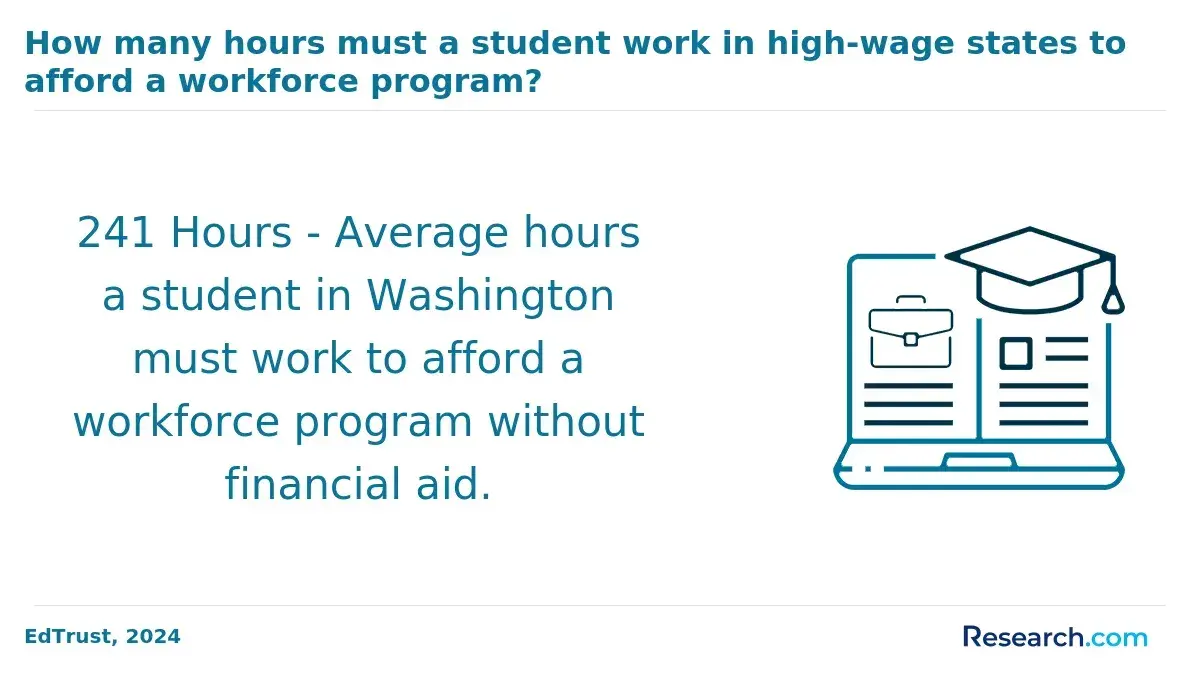
The long-term earning potential in nutrition careers depends heavily on specialization and the ability to demonstrate measurable business value. Registered dietitians typically earn between $60,000 and $75,000 annually in clinical or community roles, but the salary outlook for nutrition professionals in the United States improves significantly in workforce nutrition and corporate wellness sectors, with compensation often ranging from $85,000 to $100,000. This divergence reflects employer investment in integrated health strategies rather than isolated nutrition interventions.
Employers prioritize candidates skilled in multi-component workplace nutrition programs that produce positive ROI, a factor confirmed by a 2024 systematic review in Nutrition Reviews. Professionals who can design, analyze, and implement data-driven wellness solutions are positioned for higher salaries and sustained career growth. By contrast, entry-level positions lacking competencies in program evaluation or cost-benefit analysis often confront wage stagnation.
For nutritionists considering a strategic career pivot, shifting from general clinical duties to corporate wellness consultancy offers a notable salary boost and greater job stability aligned with evolving business demands. Understanding organizational goals and integrating evidence-based nutrition interventions is essential. Individuals pursuing this path should weigh the value of advanced education, such as a master in health administration, to enhance relevant skills and marketability.
How does the job market and demand compare across key nutrition career paths?
Positions in long-term care and geriatric nutrition stand out as the most stable within nutrition career growth projections in the United States for 2026, driven by aging demographics and consistent federal healthcare funding. More than half of dietitians work in hospitals, nursing homes, clinics, or rehabilitation centers, where demand remains resilient due to chronic disease management needs and eldercare complexity.
Community nutritionists and public health dietitians, by comparison, experience more cyclical job market demand for nutrition specialists by region, often tied to fluctuating government budgets and grant availability. These roles, while impactful, lack the consistent hiring pipelines found in clinical environments, introducing financial and career uncertainties.
Corporate nutritionists in wellness and food sectors face a different set of challenges, requiring combined expertise in marketing or product development alongside nutrition knowledge to remain competitive. This pivot makes job security more sensitive to market trends rather than public health imperatives.
For a registered dietitian prioritizing stable employment, targeting hospitals or long-term care facilities offers clearer career progression and practical alignment with employer expectations. Specialization in geriatric care, chronic disease, or rehabilitation nutrition improves employability, often necessitating clinical credentials and relevant internships. Practical training in these settings accelerates entry into reliable roles compared to community or private wellness pathways.
Those investigating pathways for strategic advancement should also consider complementary degrees like the RN BSN, which can broaden clinical competencies and employment options across healthcare sectors.
What accreditation should nutrition and dietetics programs have to support stable careers?
Choosing an ACEND-accredited program is a practical necessity for those seeking meaningful employment as Registered Dietitian Nutritionists (RDNs) in regulated environments. Without this accreditation, graduates often hit a wall in licensure eligibility and credentialing, limiting them primarily to nonclinical roles with restricted wage progression. For example, hospitals and insurance-based telehealth companies typically require RDN certification, which mandates completion of an ACEND-recognized program.
The growth of telehealth nutrition and virtual counseling, projected at 7% through 2032, highlights the increasing demand for practitioners equipped with relevant clinical training and telehealth competencies. However, not every ACEND-accredited program incorporates emerging virtual care skills into its curriculum. This gap directly affects employability in expanding remote service markets and may hinder career pivots toward technology-enabled personalized nutrition services.
Key considerations for prospective students include:
- Verifying whether the program's curriculum aligns with current telehealth best practices and personalized nutrition delivery models.
- Understanding that some states explicitly require ACEND accreditation for licensing, which makes this recognition non-negotiable for clinical practice in many jurisdictions.
- Recognizing the tradeoff between programs that are solely ACEND-accredited versus those also integrating practical digital nutrition competencies critical to future workforce relevance.
Ultimately, selecting a nutrition education pathway demands scrutiny of both accreditation status and curriculum content to ensure access to licensure, clinical roles, and emerging telehealth markets.
How do online nutrition degrees compare to campus-based programs for career stability?
Online nutrition degrees often deliver theoretical knowledge comparable to campus programs but typically fall short in providing the hands-on practicum and professional networking that employers demand. This deficit is especially critical in specialized roles like sports nutritionists or performance dietitians, where verified clinical experience and industry connections heavily influence hiring decisions.
Graduates who complete online programs without supplementing their education with supervised practice or internships may face limited opportunities. For example, a recent graduate targeting a role in sports nutrition will need to pursue outside certifications and practical engagements with athletic teams or clinics to meet employer expectations and gain access to higher-paying positions.
While online programs offer cost efficiency and scheduling flexibility advantageous to nontraditional students, these benefits must be balanced against reduced direct access to career fairs, mentorship, and networking events typically embedded in campus settings. Online students should therefore proactively build professional networks through local industry contacts and platforms tailored to nutrition fields.
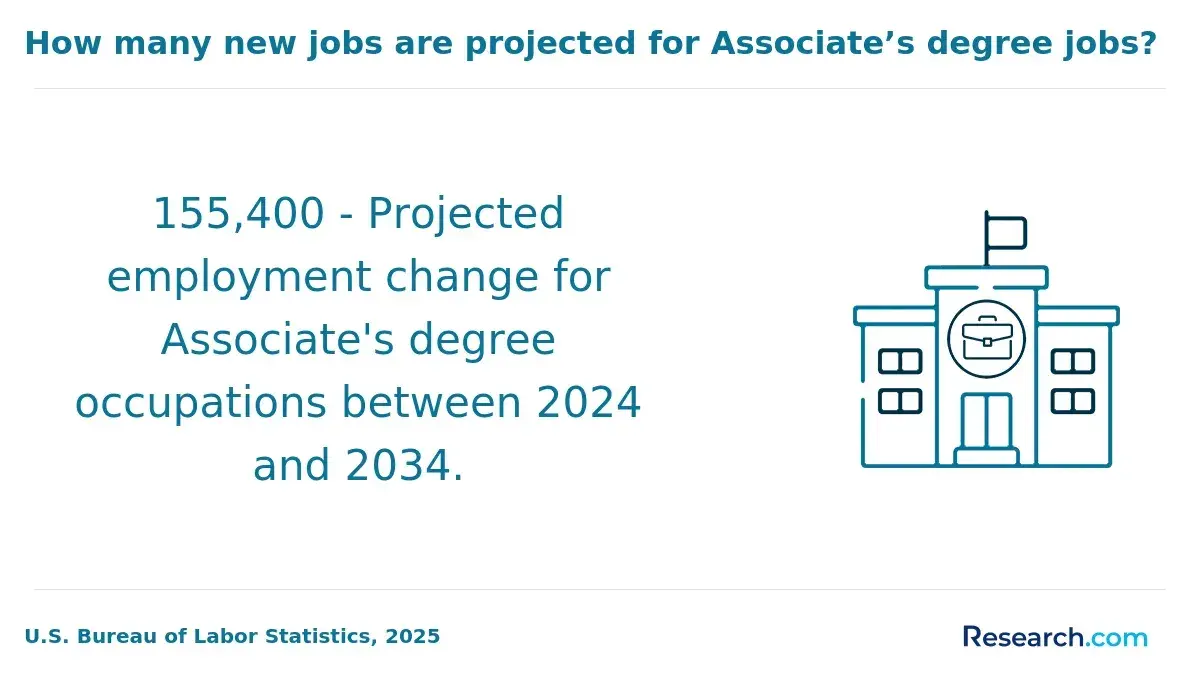
To secure upward mobility in a field with a forecasted growth of 7% through 2033-as reported by the U.S. Bureau of Labor Statistics and CollegeVine-combining rigorous online coursework with verified supervised experience and strategic networking is essential. Neglecting these components risks stagnation in entry-level roles despite a growing demand for skilled nutrition professionals.
What are the typical admission requirements and program lengths for nutrition degrees?
Admission to nutrition degree programs demands more than minimum academic thresholds; candidates must demonstrate competence in core sciences and relevant experience. High school applicants generally need strong backgrounds in biology, chemistry, and math, with competitive GPAs of 3.0 or above. While some schools still require SAT or ACT scores, this is shifting. Personal statements and documented volunteer or work involvement in healthcare or community nutrition play critical roles in admissions." At the graduate level, a bachelor's degree in nutrition or a related science is mandatory, alongside prerequisite coursework in biochemistry, physiology, and statistics. Letters of recommendation and interviews assess analytical and interpersonal skills aligned with professional contexts.
The time commitment varies widely by credential and career objectives:
- Associate degrees take around two years, targeting technician or assistant roles.
- Bachelor's degrees span four years, balancing scientific foundations with applied skills suited for entry-level dietitian and public health positions.
- Registered dietitian status requires an ACEND-accredited didactic program followed by a 6-12 month supervised internship.
- Master's programs run 18 months to two years, emphasizing clinical specialization, food industry innovation, or managerial roles.
This layered timeline shapes workforce entry and mobility. For example, professionals pursuing management roles-about 5% according to Wayne State University-must weigh the longer educational and supervised practice phases against the potential for higher job responsibilities in clinical management or pharmaceutical sales. These factors affect both accessibility and long-term employability in the nutrition sector.
What core courses and skills best prepare students for resilient nutrition roles?
Navigating a pathway into nutrition roles that command competitive wages requires more than foundational coursework; it demands targeted expertise in both science and data proficiency. Core subjects such as biochemistry, human physiology, and molecular biology establish essential understanding of nutrient metabolism, but without advanced skills in statistics and research methodologies, candidates may be ill-prepared for roles involving clinical studies or large-scale health data analysis. For instance, success within a clinical nutrition research team hinges on fluency in evidence synthesis and strict data protocols, directly influencing grant acquisition and policy outcomes.
Employers increasingly prioritize competencies in advanced data analytics and programming languages like R, SPSS, or Python, reflecting a shift toward personalized nutrition and epidemiological research. Equally important are strong written and verbal communication skills capable of translating complex findings for multidisciplinary audiences in academia or government settings.
Applied knowledge of food systems, public health nutrition, and compliance with regulatory standards is essential to operate across diverse institutions. Data from the American Society for Nutrition show a median annual wage of $69,680 for nutrition-related jobs, with advanced positions surpassing $98,000. Graduates lacking interdisciplinary and technical fluency typically face stagnation in entry-level or service-oriented roles, underscoring that breadth and depth in both science and analytics are decisive for employability and long-term income stability.
Which licenses and certifications are required or recommended for long-term nutrition careers?
Achieving licensure as a Registered Dietitian Nutritionist (RDN) remains the definitive route for broad clinical, institutional, and community employment within nutrition. This credential requires a bachelor's degree from an ACEND-accredited program, a supervised internship of roughly 1,200 hours, and passing a national registration exam. Because state licensure regulations vary but often reflect these criteria, candidates must navigate additional applications and fees, which can create barriers. Without RDN status, access to roles in hospitals, schools, or government is significantly constrained.
Conversely, private practitioners or those targeting functional and integrative nutrition often pursue the Certified Nutrition Specialist (CNS) credential. This requires a master's or doctoral degree, 1,000 hours of supervised experience, and a separate exam. The CNS can enhance credibility and income potential, especially since median salaries for registered nutritionists nationally are around $68,200, rising above $95,440 with experience according to NutritionEd.org and May 2024 BLS data. Yet, CNS certification does not unlock the independent practice of medical nutrition therapy in many states.
Prospective professionals should weigh several operational tradeoffs:
- The time and financial investment for internships and exam preparation may extend training timelines, particularly for those without an accredited degree.
- State-specific licensure laws determine whether nutritionists can practice independently or must work under medical supervision.
- Continuing education is mandatory to maintain credentials, impacting long-term costs and scheduling.
Analyzing these factors critically ensures alignment between educational choices and realistic employment outcomes in a fragmented regulatory environment.
How can prospective students evaluate and choose reputable nutrition schools and programs?
Choosing a nutrition program without verified regional and ACEND accreditation risks closing doors to clinical and public health employment where registration as a dietitian is mandatory. Employers and credentialing bodies strictly require these credentials; otherwise, graduates face substantial barriers entering core workforce sectors.
Graduation rates and Commission on Dietetic Registration exam pass rates offer concrete evidence of program efficacy. For instance, a 90% pass rate signals strong curriculum alignment with industry standards, while programs lacking targeted coursework in community nutrition or health policy often underprepare students for specialized roles, limiting their job prospects.
The growing sectors of nutrition policy and public health nutrition demand expertise in health systems and advocacy-fields experiencing employment growth roughly double the national average. Programs emphasizing experiential learning through clinical internships or placements in government and nonprofit agencies provide critical real-world exposure, enhancing employability in these competitive arenas.
Tradeoffs between program formats also matter: full-time paths might expedite credentialing and entry into stable roles but require significant financial and time commitments upfront. Hybrid or part-time options may suit working professionals but delay workforce integration and hands-on experience.
- Confirm accreditation status before committing.
- Prioritize programs reporting strong board exam pass rates and graduate employment.
- Seek curricula balancing clinical, community, and policy training.
- Evaluate program formats against personal capacity for upfront investment.
- Leverage schools with established internship and employer networks for applied skills.
Other Things You Should Know About Nutrition
In 2027, nutrition careers offering the best long-term stability include registered dietitians, nutrition consultants, and public health nutritionists. These roles benefit from a growing emphasis on preventive health and nutrition education, with steady demand across healthcare facilities, wellness centers, and governmental health agencies.
Specialization strengthens job security by targeting niche markets with less competition. For example, becoming a certified pediatric or renal nutrition specialist can open stable roles in hospitals or outpatient clinics. However, specialization narrows job options, so assess whether the market demand supports sustained roles in your chosen niche. Investing in credentials tied to growing sectors like integrative nutrition or precision nutrition is advisable for adaptability over time.
Supervised practice is critical for nutrition careers that require licensure, and employers weigh hands-on experience heavily when hiring. Programs with structured internships offering exposure to diverse populations and settings increase job readiness and expand professional networks. Credentials without practical training often limit entry to entry-level roles, restricting advancement. Choose programs with strong internship pipelines aligned to your target employment sector for optimal long-term outcomes.
Public sector nutrition roles, such as government health agencies, offer more consistent funding and job security, but often involve lower salaries and bureaucratic constraints. Private sector roles in corporations or startups tend to pay better and allow innovation but carry higher volatility and performance pressures. Candidates seeking stability should prioritize roles with government or nonprofit employers, while those willing to navigate market fluctuations can leverage growth opportunities in private nutrition companies.
References
- How Do I Become a Nutritionist? - MPH Online https://www.mphonline.org/how-do-i-become-a-nutritionist/
- Home https://www.husson.edu/online/blog/2024/03/careers-in-nutrition-and-wellness
- Eligibility & Requirements https://www.kumc.edu/school-of-health-professions/academics/departments/dietetics-and-nutrition/academics/dual-masters-degreedietetic-internship-program/eligibility-and-requirements.html
- The Evolving Professional Roles of Dietetics: Trends and Career Opportunities — Diversify Dietetics https://www.diversifydietetics.org/ddblog/2025/7/18/the-evolving-professional-roles-of-dietetics-trends-and-career-opportunities
- 2-Year vs 4-Year Nutrition Degree Online: What Is the Right Path for You? https://becomeanutritionist.org/blog/2-year-vs-4-year-nutrition-degree-online-what-is-the-right-path-for-you/
- Online Degrees - nutritioned.org https://www.nutritioned.org/online-degrees/
- The Nutrition Institute https://www.thenutritioninstitute.com/us/en/blog-evaluating-online-courses
- Nutrition Careers for Those Who Love Food and What It Can Do | ISSA https://www.issaonline.com/blogs/nutrition/nutrition-careers-for-those-who-love-food-and-what-it-can-do
- Assessing the Nutritional Knowledge Gap: Students’ View of UK Medical School Education https://www.cureus.com/articles/426820-assessing-the-nutritional-knowledge-gap-students-view-of-uk-medical-school-education
- Nutrition Major Jobs: 12 Best, Simple Career Paths - Liv Hospital https://int.livhospital.com/nutrition-major-jobs-career-paths/