2027 Best Online Bachelor's in Nutrition With Public Health Nutrition Coursework

Co-Founder and Chief Data Scientist
The challenge for many aspiring nutrition professionals lies in balancing comprehensive education with the need for flexibility and accessibility. As workforce demands intensify, nearly 60% of adult learners now prefer programs offering online or hybrid formats according to data from the National Center for Education Statistics. This shift reveals a growing necessity for programs that accommodate working students and career changers without sacrificing the depth of public health nutrition coursework crucial for evidence-based practice. Selecting the right online bachelor's degree requires careful evaluation of curriculum relevance, real-world applicability, and institutional support. This article reviews top programs integrating core public health nutrition content to guide informed decisions for career advancement in this competitive field.
Key Things You Should Know
- Integrating public health nutrition coursework frequently extends degree completion by 6-12 months per the National Center for Education Statistics, impacting time-to-employment and increasing tuition costs by up to 15% on average.
- Employers in government and community health sectors prioritize candidates with public health nutrition knowledge, correlating to a 22% higher likelihood of securing entry-level positions, as reported by the Bureau of Labor Statistics.
- Programs lacking accredited practicum components face credentialing limitations, reducing eligibility for Registered Dietitian Nutritionist pathways and narrowing mid-career advancement opportunities, according to the Commission on Dietetic Registration.
What is an online bachelor's in nutrition with a public health focus?
An online bachelor's degree in nutrition with public health specialization prepares graduates for population-level health roles that extend beyond individual dietary advice, blending nutrition science with health policy and epidemiology. This approach suits candidates aiming to work in government agencies or community organizations by addressing social determinants of health and creating scalable interventions.
For example, someone employed at a city health department might analyze community obesity data to develop culturally relevant education campaigns. Meanwhile, a position within school nutrition programs would demand navigating federal regulations and coordinating stakeholders to promote equitable food access.
Such a bachelor's program in nutrition focusing on public health usually includes skills in program management, statistical analysis, and targeted communication. However, students should anticipate the need for carefully arranged field experiences or internships, particularly when studying fully online, since local placements may be required to meet certification or employer demands.
The median wage for dietitians and nutritionists was $69,300 in 2024, with a steady job growth rate of 6% projected through 2032. Regional variations and funding constraints can affect job availability and competition in public health roles.
Decision-makers must consider how program accreditation aligns with Registered Dietitian credentials, especially if clinical options remain relevant.
Those interested in advanced training might also review dietetics masters programs as a subsequent step in this career pathway.
How does an online nutrition bachelor's compare to a campus-based program?
Online nutrition bachelor's degrees offer flexibility unmatched by campus-based programs, particularly for working professionals balancing multiple responsibilities. However, the tradeoff often concerns practical training: unlike traditional campus programs, online formats typically require students to secure local internships and clinical hours independently. This self-arranged experience can complicate meeting accreditation and employer expectations, especially in public health nutrition roles that emphasize fieldwork and community engagement.
Employers increasingly accept accredited online degrees but tend to scrutinize candidates' hands-on experience more rigorously. For example, students aiming to become registered dietitians typically benefit from on-campus programs' direct supervision and structured clinical placements critical for licensure. Online learners must proactively coordinate these essential experiences locally, which may delay their certification or limit networking opportunities.
Between 2019 and 2023, over half of U.S. college students enrolled in at least one distance education course, signaling mainstream acceptance of online formats. Still, prospective students should weigh their career goals against the differences between on-campus and online public health nutrition education-particularly the degree of in-person mentorship and direct client interaction afforded.
Those targeting data analysis or policy roles in nutrition often find online programs equally effective, benefiting from greater schedule control and the ability to integrate coursework with current work projects. Students can also explore complementary pathways such as an online health administration degree to broaden their skill set within the health sector.
- Online nutrition bachelor's degrees versus traditional campus programs reveal a clear divide in practical training logistics.
- Differences between on-campus and online public health nutrition education center on the accessibility of clinical supervision and experiential learning.
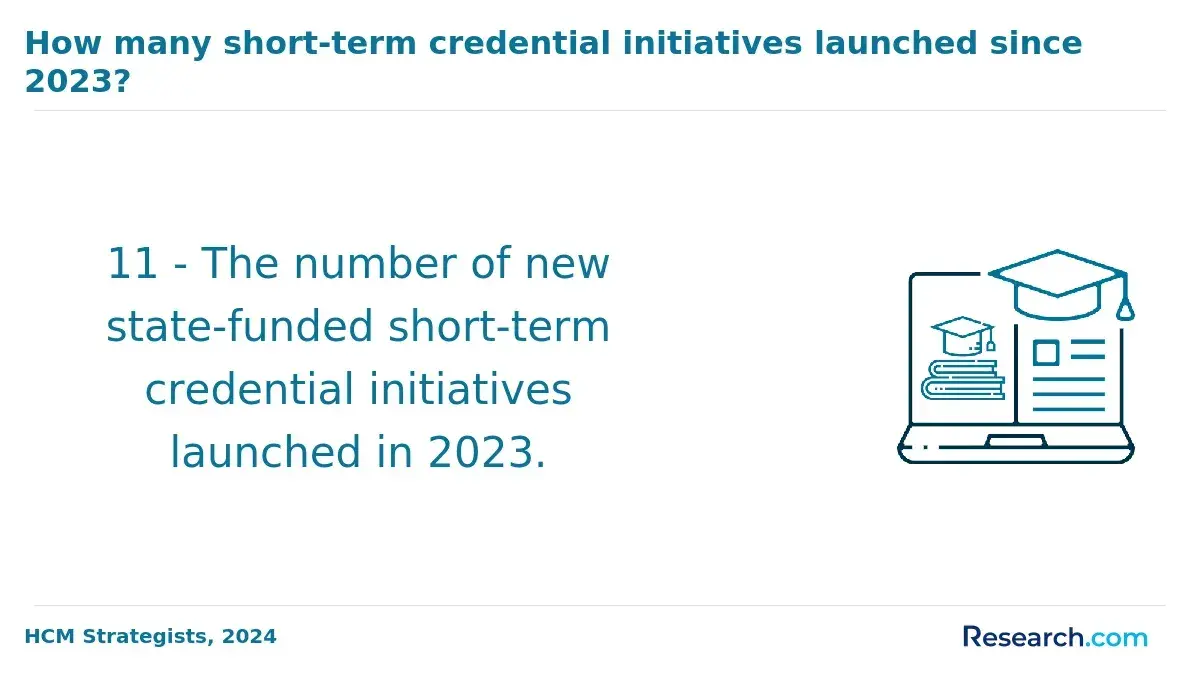
Which accredited schools offer online nutrition degrees with public health coursework?
Choosing online bachelor's in nutrition programs with public health courses requires weighing practical workforce outcomes over mere academic breadth. For instance, Colorado State University Global integrates public health concepts into its Nutrition and Dietetics degree, providing a curriculum that aligns with government agency and nonprofit requirements. Similarly, the University of Florida's online Bachelor of Science in Public Health with a nutrition concentration emphasizes population health analytics and policy evaluation, skills increasingly demanded by public health employers.
These accredited online nutrition degrees offering public health nutrition coursework meet rigorous standards from CEPH or ACEND, ensuring graduates possess applicable expertise in epidemiology, dietary assessment, and health promotion. Such competencies translate directly to roles in community clinics or large-scale health initiatives rather than purely clinical nutrition settings.
Cost remains a critical factor in selecting a program. According to BestColleges 2025 data, in-state tuition ranges from $5,929 to $9,752 annually, with out-of-state costs slightly variable but still competitive relative to private nonprofit options. This pricing framework supports working professionals seeking a career pivot without incurring excessive debt, particularly if they pursue supplemental certifications like a healthcare management certificate.
Prospective students must consider the demand for public health nutrition roles, which favors candidates demonstrating applied public health competencies integrated with nutrition science. Evaluating course offerings and accreditation ensures educational investments align closely with employment eligibility beyond general nutrition knowledge.
What public health nutrition courses are typically included in these online programs?
Online bachelor's programs in public health that focus on nutrition emphasize competencies critical for navigating complex population health challenges and policy environments. Core public health nutrition classes in online bachelor's programs typically include nutritional epidemiology, training students to analyze diet-related disease trends and support surveillance or intervention implementation within government agencies and NGOs. Food security and food systems coursework equips students with an understanding of food production logistics and access inequities, preparing them for urban planning or nonprofit program roles.
Essential coursework for public health nutrition majors in online degrees also covers community nutrition, where learners design targeted education campaigns informed by demographic data, directly meeting public health departments' needs for culturally tailored interventions. Policy and advocacy classes clarify how nutrition standards and regulations develop, aligning students with professional paths in health policy or regulatory sectors.
More than 70% of accredited public health bachelor's programs now incorporate dedicated nutrition or food systems content, a trend driven by employer demand for expertise that extends beyond clinical nutrition. Many working professionals value these programs' integration of applied skills such as grant writing and program evaluation, which are necessary to substantiate impact in funding proposals and reports.
A notable tradeoff is the scarcity of practicum or fieldwork options in fully online formats, requiring students to secure internships independently. This limitation contrasts with the programs' strength in data analysis, policy comprehension, and systems thinking, which align well with evolving public health nutrition roles in research, community outreach, and government.
For those comparing nursing and nutrition pathways, understanding nuances in program accreditation and outcomes can be crucial. For instance, insights about Capella university nursing accreditation might inform related decisions on program quality and applicability.
What admission requirements and prerequisites do online nutrition bachelor's programs have?
Admission to online bachelor's programs combining nutrition with public health nutrition coursework demands a firm foundation in science and analytics, conditions often overlooked by applicants prioritizing convenience over career alignment. The baseline high school diploma or GED must be supplemented by a GPA generally between 2.5 and 3.0, but more critical are prerequisites in biology, chemistry (commonly including a lab component), and mathematics, which underpin advanced public health nutrition competencies. Candidates who lack recent academic experience may submit SAT or ACT scores, yet many programs now waive these for those with relevant college credits or professional background, reflecting a pragmatic flexibility for working adults.
The workforce implications are tangible: community nutritionists earning around $64,100 annually require facility with diverse regulatory frameworks and evidence-informed practices, which hinge on sound scientific literacy. Roles demanding over $80,000 focus extensively on data analysis and policy advocacy, elevating the importance of prerequisites like introductory statistics and social sciences. Without these, graduates face a steep learning curve entering these positions.
Applicants must also prepare detailed personal statements and letters of recommendation that convincingly demonstrate both academic aptitude and applied skills. Successful navigation of these admissions hurdles correlates with readiness for virtual lab work, data management systems, and the analytical rigor typical of public health nutrition curricula.
Students should therefore inventory their completed science courses and relevant experience critically, weighing how specific prerequisites align with target career paths to avoid costly detours or credential gaps.
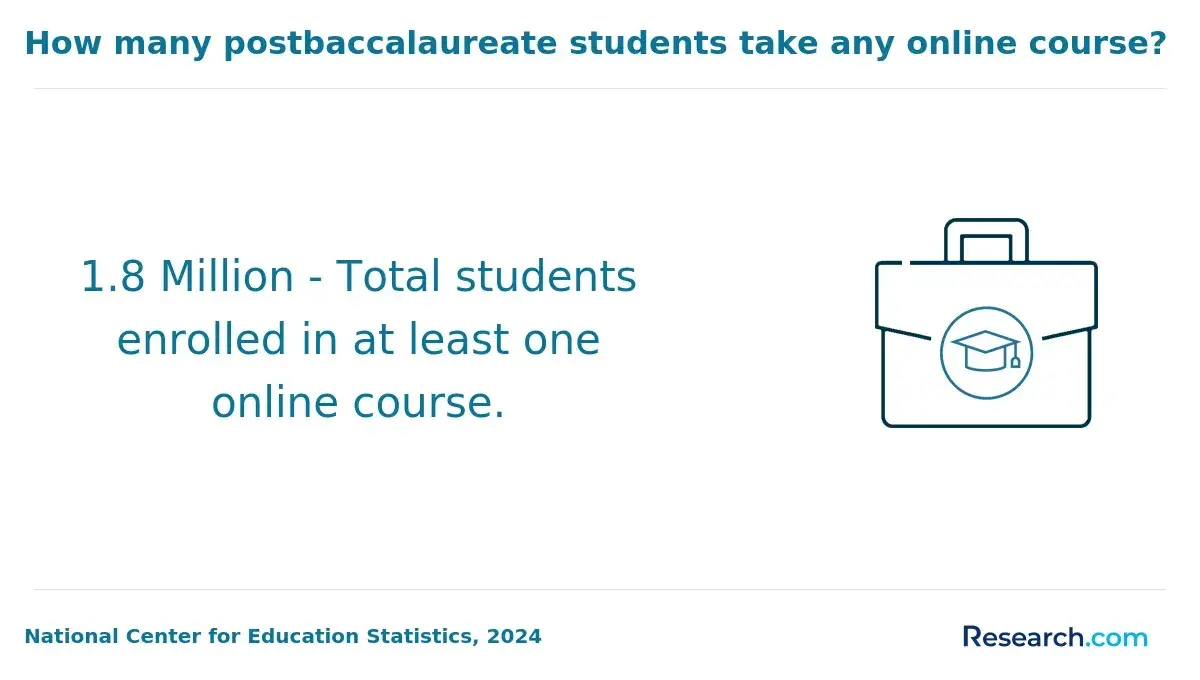
How long do online nutrition bachelor's programs take, and what do they cost?
Choosing an online bachelor's program in nutrition with a focus on public health nutrition demands a clear-eyed evaluation of timelines, costs, and workforce alignment. While a traditional full-time path spans four years, accelerated tracks compress this to three but raise immediate tuition intensity and academic pressure. Conversely, part-time options extend duration to five or six years, which impacts overall financial planning and earnings potential during study.
Costs fluctuate widely: public institutions typically charge between $8,000 and $20,000 annually for in-state students, whereas private schools push beyond $20,000 to $40,000 a year. Total program expenses-factoring fees, materials, and extended enrollment-may range from $32,000 to upward of $160,000. Students must weigh faster degree completion's financial benefits against the risk of compromised mastery of complex public health nutrition concepts, which are critical for employer preferences.
The labor market anticipates a 15-20% demand increase for nutrition professionals specialized in public health nutrition over the next decade. However, employers emphasize candidates integrating public health principles with nutrition expertise, highlighting the necessity of practicum opportunities, program accreditation, and flexible scheduling for working professionals.
- Accelerated programs reduce living costs but increase workload and tuition intensity in the short term.
- Extended part-time tracks offer balance for employed students but come with delayed workforce reentry costs.
- Employer preference favors comprehensive curriculum with public health nutrition integration for roles in government and clinical prevention.
What careers can graduates pursue in nutrition and public health settings?
The practical value of a bachelor's in nutrition hinges on integrating applied skills with academic knowledge, particularly through experiential learning that aligns with targeted career roles. Hiring managers emphasize real-world competencies such as nutritional assessment, program development, and regulatory navigation over whether a degree was obtained online or on-campus.
For instance, a public health nutritionist working in a local health department must interpret community dietary data to design effective interventions that consider social determinants of health and equity. Graduates without supervised practicum experience may face barriers entering these positions.
Graduates aiming for clinical roles typically require additional credentialing-such as dietitian registration-that mandates supervised practice hours beyond the bachelor's degree, unlike community or educational positions which prioritize communication skills and cultural competency.
More than 60% of accredited nutrition and dietetics bachelor's programs offer online or hybrid options with curricula comparable to traditional formats, addressing employer concerns about training quality. Still, practical experience remains the differentiator for employability and career progression.
- Critical workforce skills include program planning, policy interpretation, and culturally informed communication.
- Knowledge of social determinants and health equity enhances suitability for public health roles.
- Credentialing requirements vary significantly by sector and role specialization.
Prospective students should evaluate how their chosen program's experiential components prepare them for their intended niche within nutrition to ensure both workforce readiness and long-term relevance.
What are typical salaries and earning potential for public health nutrition professionals?
Salary expectations in public health nutrition vary considerably depending on sector and experience, with entry-level positions often ranging from $45,000 to $75,000 annually. Government and large non-profits typically offer salaries exceeding $85,000 for experienced professionals, while community-based roles may start lower. This wage variation reflects how specialized skills and workplace settings influence earning potential.
Practical experience in both nutrition science and public health methods is a decisive hiring factor. Graduates demonstrating skills in epidemiology and program evaluation tend to secure more stable and advancing roles. Network-building with public health employers during study programs can directly impact job outcomes and salary trajectories.
Job growth in this field is projected near 8% through 2032, but financial planning must consider tuition costs, frequently offset by financial aid-seen in over 85% of online nutrition bachelor's students. Prospective students should carefully assess aid availability alongside geographic salary differences to optimize return on investment.
Sectors such as maternal and child health or chronic disease prevention generally command 10-15% higher salaries due to niche expertise. Those intending to pursue these areas should weigh additional credentialing or graduate education costs against longer-term salary gains.
How do accreditation and state requirements affect licensure or certification in nutrition?
Graduation from an ACEND-accredited program is a decisive factor for licensure eligibility and professional mobility in nutrition careers. State licensure boards typically require completion of such accredited coursework to qualify candidates for registered dietitian or licensed nutritionist exams, with pass rates exceeding 90% for these graduates according to NutritionEd data. Without this accreditation, candidates often confront barriers to exam access and employment in regulated healthcare roles.
State requirements demonstrate significant variation that impacts educational choice and career trajectory:
- California mandates both an ACEND-accredited degree and extensive supervised practice hours for clinical nutrition licensure
- Texas enforces additional state-specific exam content focused on public health nutrition competencies
- Some states emphasize coursework tailored to regional health concerns or supervised practice components
These differences necessitate early research into state licensure criteria to ensure alignment between chosen programs and professional goals. Opting for accredited online programs typically involves higher upfront cost and academic rigor but yields clearer pathways to licensing and broader employment options, especially within healthcare institutions prioritizing certification. Non-accredited programs restrict licensure eligibility and stall career advancement in regulated environments. Ongoing review of evolving state regulations is crucial to maintain certification and relevance in practice.
Prospective students must weigh these factors pragmatically, balancing the expense and demands of accredited programs against the leverage and compliance they afford in a dynamic licensing landscape.
What criteria should students use to choose a reputable online nutrition program?
Accreditation and curriculum design significantly affect outcomes for students selecting an online nutrition program that includes public health coursework. Programs accredited by recognized agencies like the Accreditation Council for Education in Nutrition and Dietetics (ACEND) validate that graduates meet certification standards widely required by employers. Critical program elements include integration of public health principles-such as epidemiology, policy analysis, and community health-alongside core nutrition science to prepare students for diverse roles in government, nonprofit, or local health settings.
When comparing options, graduates' employment rates and completion timelines provide a practical lens on efficiency and return on investment. PublicHealthDegrees' 2026 data indicates many public health nutrition graduates regain their educational costs within 5-7 years, buoyed by a strong ROI linked to moderate tuition and positive job outlook.
Practicum flexibility is a key differentiator, especially for working adults balancing multiple responsibilities. Programs offering virtual labs or remote internships through partnerships with urban health departments can sharpen local expertise-valuable in job markets prioritizing community knowledge. Prospective students should also assess faculty credentials, tech support, and mentorship access, which influence both learning depth and career navigation.
Considering total cost entails more than tuition; hidden fees and limited career services can diminish value. Evaluating alumni networks and employer connections relative to intended career geography ensures the program aligns with real hiring landscapes and sector expectations.
Other Things You Should Know About Nutrition
Both synchronous and asynchronous coursework have benefits. Synchronous classes provide real-time interaction with instructors and peers but require strict scheduling. Asynchronous classes offer flexibility, allowing students to complete work on their own schedule. The best choice depends on the student's learning style and schedule needs.
Employers prioritize program accreditation and relevant coursework over delivery mode. Graduates from accredited online nutrition programs with robust public health nutrition content are considered equally qualified, especially if they complete experiential components such as practicums. However, some employers may value on-campus experience for networking and hands-on lab skills, so supplementing online study with internships or certifications can improve job market competitiveness.
Online nutrition programs with a public health focus often demand a rigorous workload due to integrated science and community health topics. Students must balance coursework, research projects, and possibly fieldwork or internships, which are essential for practical experience. Managing this workload remotely requires disciplined scheduling, and students should prioritize programs that clearly structure these components to avoid overlap and burnout, especially if simultaneously working or handling family responsibilities.
Yes, integrated practicums are critical for bridging theory and practice in nutrition careers focused on public health. These experiential components develop applied skills and professional networks that purely theoretical programs lack. Prospective students should prioritize programs that guarantee practicum placements or partnerships with public health organizations, as these significantly enhance employability and readiness for roles demanding community nutrition intervention skills.
References
- What is the Best Online Nutrition Certification Program? | ISSA https://www.issaonline.com/blogs/nutrition/what-is-the-best-online-nutrition-certification-program
- Nutrition Degree Programs Guide 2026 https://www.publichealthonline.org/nutrition/degree-programs/
- Public Health Career Salaries: What to Expect Across Roles https://www.scuhs.edu/bshs-article/public-health-career-salaries-what-to-expect-across-roles/
- 2-Year vs 4-Year Nutrition Degree Online: What Is the Right Path for You? https://becomeanutritionist.org/blog/2-year-vs-4-year-nutrition-degree-online-what-is-the-right-path-for-you/
- Nutrition https://www.publichealthdegrees.org/program/short-courses/nutrition/
- Home https://www.husson.edu/online/online-degrees/bachelor-of-science-in-nutrition-and-health
- Top 25 MPH Nutrition Programs - MPH Online https://www.mphonline.org/best-mph-nutrition/
- Online Degrees - nutritioned.org https://www.nutritioned.org/online-degrees/
- The Nutrition Institute https://www.thenutritioninstitute.com/uk/en/blog-salary
- How to Become A Registered Dietitian (Without a Bachelor’s in Nutrition) https://www.emilieeats.com/how-to-become-a-registered-dietitian-without-a-nutrition-bachelors-degree/