2027 Online Nutrition Degrees With Strong Program Planning Training

Co-Founder and Chief Data Scientist
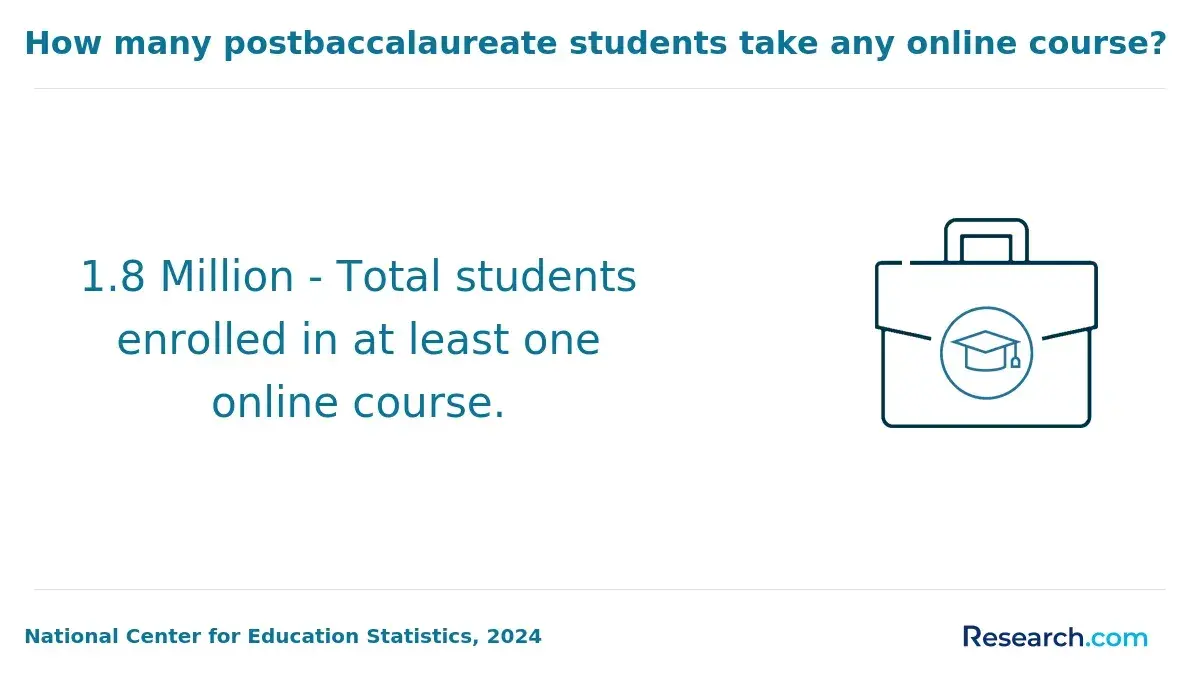
Facing the challenge of balancing work, family, and advancing a career in nutrition often means navigating limited program flexibility and unclear outcomes. With over 60% of adult learners enrolled in fully online programs according to the National Center for Education Statistics, the landscape has shifted, yet many online nutrition degrees fail to integrate comprehensive program planning training critical for real-world application. This gap stalls career mobility and diminishes practical readiness. The article examines online nutrition degrees featuring robust program planning components, equipping prospective students with insights to choose pathways that enhance both skill acquisition and employability in a competitive healthcare environment.
Key Things You Should Know
- Online nutrition degrees with strong program planning often omit supervised practice elements, limiting eligibility for RDN credentials and restricting roles in clinical dietetics despite rising demand reported by the U.S. Bureau of Labor Statistics.
- Employers prioritize applicants with integrated applied skills; programs lacking real-world case simulations contribute to a 17% lower interview rate among graduates, according to 2025 industry hiring analytics from the Academy of Nutrition and Dietetics.
- Extended program timelines, driven by extra prerequisite courses necessary for accreditation compliance, increase total costs by 22%, disproportionately affecting nontraditional students balancing workforce reentry identified in recent National Center for Education Statistics findings.
What is an online nutrition degree with program planning training?
An online nutrition degree programs with program planning focus sharpen skills crucial for leadership roles managing diverse nutrition initiatives, differing significantly from conventional clinical dietetics tracks. This specialization trains students in budgeting, needs assessments, policy development, and outcomes evaluation to design interventions aligned with organizational goals and regulatory frameworks. For instance, professionals spearheading school nutrition efforts balance USDA requirements with budgetary limits and health monitoring, tasks that require more than foundational nutrition knowledge.
Given that 67% of ACEND-accredited nutrition and dietetics programs offered distance education options in 2025, according to the Accreditation Council for Education in Nutrition and Dietetics (ACEND), students pursuing nutrition degrees offering comprehensive program planning training through online formats must verify the inclusion of applied planning courses and practicums. Employers in public health, corporate wellness, and nonprofit sectors prioritize candidates with demonstrable competence in program management and grant coordination, reflecting the workforce's operational complexity.
When choosing programs, evaluating faculty expertise in community nutrition and the availability of real-world projects is critical. The absence of hands-on planning experience limits readiness for administrative or policy positions, while balancing coursework with remote practicums demands strong time management. Also, data analytics and regulatory knowledge increasingly underpin effectiveness in these roles.
To compare and align programs with career goals, consult rankings such as the best dietetics programs for evidence-based decision-making.
Is an online nutrition degree accredited and respected by employers?
Employers assessing online nutrition degree program accreditation emphasize not only institutional recognition but also the inclusion of formal training in program planning, which directly impacts workforce readiness. Graduates equipped with skills in program design, implementation, and evaluation are significantly more likely to lead effective community nutrition initiatives, as demonstrated by a 2024 Journal of the Academy of Nutrition and Dietetics review that found these dietitians had 1.8 times greater success in achieving targeted goals.
This focus is critical in public health and clinical settings where project management ensures efficient resource use and accountability. Conversely, programs lacking explicit program planning components often produce graduates suited mainly for entry-level roles, limiting leadership opportunities and long-term impact. For example, a public health agency tasked with reducing childhood obesity will prioritize candidates with verifiable planning and evaluation experience to secure grant success and timely intervention outcomes.
When evaluating an online nutrition degree program accreditation, applicants should seek curricula featuring applied practicum elements tied to program planning competencies. This alignment reduces employer onboarding and training costs while enhancing graduates' practical readiness. Without such credentials, graduates may face significant challenges in roles demanding strategic oversight and evidence-based decision-making.
Prospective students should also consider broader educational options, such as those focused on healthcare pathways, exemplified by the easiest RN to BSN online programs, which offer different workforce entry points within health sectors.
Which nutrition degree level fits your career goals?
Entry-level positions such as dietetic technician or community health worker generally require a bachelor's degree in nutrition, which serves as the baseline credential for foundational knowledge and eligibility for supervised practice. For instance, clinical settings often mandate a bachelor's degree to qualify for dietetic internships essential to achieving Registered Dietitian Nutritionist (RDN) credentials. Without this credential, progression to advanced clinical or research roles is significantly restricted.
Advancing to specialized or supervisory roles-such as clinical dietitians in hospitals or nutrition policy analysts-typically requires a master's degree. This level includes advanced coursework and often practicum or research components that employers expect for leadership positions. Federal nutrition programs and complex community health roles commonly prefer or mandate this degree, making it a critical consideration when choosing the right nutrition degree for your career goals.
Doctoral degrees target professionals focused on research, academia, or high-level consultancy, providing the qualifications necessary for independent research funding and university faculty roles. However, these pathways involve substantial time investment and are generally not prerequisites for direct nutrition practice.
The projected 6% employment growth for dietitians and nutritionists through 2034 reflects rising demand in preventive care and chronic disease management. For professionals balancing work and study, integrating a healthcare management certificate alongside a nutrition degree can be a strategic move to enhance managerial competencies without committing immediately to doctoral studies.
How do online and campus nutrition programs compare?
Choosing between campus and online nutrition degree programs requires weighing the impact of program format on career readiness and employer expectations. Campus-based programs deliver immersive hands-on lab work, in-person internships, and direct faculty support that favor students targeting clinical dietetics or research roles demanding supervised experiential learning. Alternatively, online nutrition degree program differences include asynchronous coursework and remote practicum options that better serve working professionals balancing employment and family responsibilities.
Employers value actual field experience; thus, graduates from campus programs often secure competitive clinical placements or research roles more quickly. Online programs, however, increasingly integrate virtual simulations and varied practicum sites, enabling those pursuing career changes or living remotely to fulfill accreditation standards without relocation. This tradeoff requires online learners to proactively arrange quality internships, while full-time campus students encounter smoother pathways to dietitian licensure.
Salary data reflects these distinctions: nutrition professionals holding master's degrees earn a median mid-career salary of $70,400 versus $57,700 for bachelor's holders, a 22% increase. This premium emphasizes confirming that online programs provide equivalent supervised experiences to avoid credentialing delays.
Prospective students should consider accreditation, practicum accessibility, and career services within the context of their goals. For a related advanced pathway, explore MSN direct entry programs online as a strategic option.
What coursework is included in nutrition degree programs?
Nutrition degree programs in 2026 require integrated coursework that balances scientific rigor with applied practice, reflecting employer demands for both theoretical knowledge and hands-on skills. Core subjects like human anatomy, biochemistry, and physiology provide the essential foundation needed for clinical nutrition roles, while advanced study in metabolism and life-stage dietary requirements supports evidence-based dietary planning. This scientific grounding is fundamental for positions ranging from hospital dietitians to public health nutrition specialists.
Programs emphasizing medical nutrition therapy train students to manage nutrition-related diseases effectively, meeting growing clinical and outpatient care workforce needs. Additionally, courses in public health nutrition and food safety equip graduates to design population-focused interventions responding to preventive care trends. Practical internships or supervised experiences are non-negotiable for credentialing such as the Registered Dietitian Nutritionist, and the availability of these can significantly affect job market readiness.
Operational skills gained through food service management and business principles address the complexities of institutional nutrition environments, including budgeting and staff oversight in schools or healthcare settings. Prospective students must weigh the tradeoffs between program cost and experiential learning opportunities, noting that tuition varies widely-from $8,970 at Weber State University to $17,220 at Arizona State University, according to OnlineU's 2026 affordability analysis-which influences return on investment and career trajectory.
What admission requirements do online nutrition programs usually require?
Admission to online nutrition programs typically demands more than a high school diploma; a relevant undergraduate degree with science coursework such as biology, chemistry, and physiology is often essential, especially for graduate tracks. Candidates lacking this foundation risk facing significant barriers in grasping advanced content, which commonly requires a minimum GPA near 2.75 to 3.0. Letters of recommendation and documented professional or academic experience provide additional dimensions to assess readiness, with healthcare or community nutrition backgrounds highly valued for master's-level applicants.
Standardized tests like the GRE are increasingly optional, particularly for those with demonstrable experience or past academic success, reducing entry friction for seasoned professionals. However, the hybrid nature of programs-with substantial in-person supervised practice mandated for Registered Dietitian Nutritionist (RDN) credentialing-means candidates must balance geographic and scheduling constraints to secure local internships. This practical requirement often shapes admissions decisions and completion feasibility more than online coursework format.
Data shows no meaningful difference in first-time RDN exam pass rates between programs offering more than half their curriculum online and traditional campus-based routes, both maintaining pass rates exceeding 90%. Prospective students should therefore weigh program requirements surrounding academic prerequisites, internship placement capacity, and technological readiness to make informed choices keyed to workforce demands and licensure pathways.
How long does an online nutrition degree take, and what does it cost?
Choosing an online nutrition degree focused on program planning demands a strategic tradeoff between time, cost, and practical experience. Programs typically span two years full-time, though part-time and accelerated tracks range from 18 months to three years. While shorter timelines reduce tuition and opportunity costs, they often limit exposure to internships and applied projects that enhance workforce readiness in public health agencies or community nutrition roles.
Graduates face a 2.9% unemployment rate, suggesting these skills maintain steady demand, but fast-tracking coursework can curb essential networking and experiential learning. Extended programs increase direct costs-averaging about $17,400 tuition excluding ancillary fees, textbooks, and technology, which can add 10-20%-yet allow for internships that can solidify practical competencies and improve employability.
Prospective students should evaluate their capacity to balance part-time study with ongoing employment, given that maintaining income often offsets longer program durations. Accreditation is another critical factor, as it shapes eligibility for licensure or certifications required by many nutrition-related positions.
- Consider total program cost beyond tuition, including specialized software or virtual labs
- Assess whether curricula integrate applied projects reflective of target job markets
- Align timeline decisions with professional goals to avoid compromising vital experiential learning
These considerations are essential for candidates aiming to pivot careers or deepen expertise without sacrificing long-term employability or financial stability.
What jobs can you get with a nutrition degree?
Career paths after earning a nutrition degree vary widely, each demanding distinct credentials and practical experience. For example, registered dietitian nutritionists require passing a national exam and often state licensure, with roles concentrated in clinical settings that emphasize patient-specific meal planning. Conversely, public health nutritionists focus on managing and evaluating large-scale wellness programs within government or nonprofit sectors, where proficiency in budgeting and policy trumps clinical expertise. Corporate wellness or food product development positions shift the emphasis toward business strategy combined with nutrition knowledge.
Employment growth forecasts for dietitians and nutritionists stand at about 15% through 2032, driven largely by healthcare systems managing chronic diseases. However, employers increasingly favor candidates with graduate-level education or specialized certifications, which means additional financial and time investments. For instance, non-tuition costs like housing, insurance, travel, and technology can exceed $22,000 over 16 months in advanced programs, impacting financial planning beyond tuition alone.
Prospective students must weigh certification requirements, supervised practice hours, and geographic licensing limits. Those targeting clinical roles should prioritize accredited programs offering sufficient supervised experience, while community health professionals benefit from policy and program management training. Balancing these factors is critical to aligning educational choices with realistic workforce demands and avoiding costly missteps.
What salary and job outlook do nutrition graduates have?
Entry-level salaries for nutrition graduates generally range from $50,000 to $65,000 annually, but specialization and setting can significantly impact earning potential. For instance, clinical nutritionists working in hospitals often command different salary scales than those employed in corporate wellness or food production sectors. The U.S. Bureau of Labor Statistics reports a median wage near $65,620 for dietitians and nutritionists, but locations with higher costs of living or niche expertise can push earnings beyond $85,000.
The labor market for nutrition professionals projects a growth rate of about 15% from 2024 to 2034, outpacing average occupational expansion. Sports nutrition stands out, benefiting from intersecting fields like fitness training, where employment for fitness trainers and instructors is expected to grow by 14%. Nutrition graduates interested in public health roles will find increasing opportunities in government and nonprofit settings focused on preventive care, although competition intensifies for positions requiring state licensure or registered dietitian nutritionist (RDN) credentials.
Employers generally prefer candidates with hands-on experience, making internships or practicum placements essential for those aiming to secure employment and negotiate salaries effectively. Practical skills such as patient counseling, collaboration with athletic teams, or implementing community nutrition programs often differentiate applicants. Networking within professional organizations also materially affects job stability and career progression.
What certifications or licenses may nutrition careers require?
Licensure and certification shape the practical landscape of nutrition careers, with Registered Dietitian Nutritionist (RDN) status serving as the baseline for clinical roles. This credential, requiring completion of a Commission on Dietetic Registration (CDR)-accredited supervised practice and passing a national exam, is often mandated by states for legal practice. Failure to obtain such licensure in institutions like hospitals or public health agencies can bar employment and reimbursement, given insurer requirements.
For community-focused or wellness coaching positions, certifications such as Certified Nutrition Specialist (CNS) or Certified Clinical Nutritionist (CCN) frequently enhance competitiveness but lack legal mandates. These advanced credentials necessitate graduate-level education, extensive supervised hours, and comprehensive exams, elevating the rigor beyond entry-level qualifications.
Several operational factors influence career trajectories:
- Master's-level credentials correlate with significantly lower loan default rates and improved employability, as reported by OnlineColleges.net, reflecting tangible economic benefits.
- Maintaining licensure through continuing education presents ongoing demands, particularly for practitioners balancing full-time work.
- States with reciprocity agreements facilitate multi-state practice, crucial for telehealth dietitians adapting to expanding digital service delivery.
- Employers prioritize candidates with accredited program completion paired with appropriate credentials, underscoring the necessity of verified preparation over mere academic attainment.
Nutrition degrees without licensure may suffice in corporate wellness or food industry consulting, though certification remains a strategic advantage rather than a requirement.
Other Things You Should Know About Nutrition
Online nutrition programs with program planning components demand significant time for coursework, case studies, and sometimes supervised practice. Students working full-time must navigate rigid deadlines alongside practical assignments that often require detailed analysis and critical thinking. Prioritizing programs with flexible deadlines and asynchronous content is essential to manage workload without compromising learning depth or grades.
Employers prioritize graduates who demonstrate applied skills, such as program planning and patient/client interaction, which are harder to acquire through purely theoretical online courses. Programs with integrated practicum opportunities, even virtual simulations, significantly enhance job readiness. Selecting a program that includes real-world project work or placements improves the chances of meeting employer expectations for practical, problem-solving capability.
Specializing heavily in program planning can limit versatility if job markets shift or career goals evolve. While it deepens expertise in a valuable niche, it may reduce exposure to broader nutrition areas such as clinical practice or research. Students should consider programs balancing focused skill development with foundational nutrition knowledge to maintain flexibility and long-term career resilience.
References
- Best Nutrition Courses: Uni vs Private Companies https://studyactive.co.uk/blogs/news/best-nutrition-courses-uk
- How to Become a Licensed Nutritionist 2026 https://www.nutritioned.org/licensed-nutritionist/
- 2-Year vs 4-Year Nutrition Degree Online: What Is the Right Path for You? https://becomeanutritionist.org/blog/2-year-vs-4-year-nutrition-degree-online-what-is-the-right-path-for-you/
- The Nutrition Institute https://www.thenutritioninstitute.com/us/en/accreditations
- Prerequisite Courses for Dietetics Programs https://www.allaccessdietetics.com/prerequisite-courses-for-dietetics-programs/
- A Comparison of Two Variants of an Educational Nutrition Program: In Person vs. Remote | NutritionCME https://www.nutritioncme.org/index.php/group/1206
- Nutrition Courses https://www.open.edu.au/study-online/health-medical-science/nutrition
- Distance Learning Course for Nutritionist | Oxford Learning College https://www.oxfordcollege.ac/news/distance-learning-course-for-a-nutritionist/
- Unpacking Non-Dietitian Nutrition Credentials - Today's Dietitian Magazine https://www.todaysdietitian.com/unpacking-non-dietitian-nutrition-credentials/
- Nutrition courses & training - Association for Nutrition https://www.associationfornutrition.org/careers-nutrition/becoming-nutritionist/nutrition-courses-training