2027 Employers Hiring Most Aggressively for Nutrition Talent

Co-Founder and Chief Data Scientist
Qualified nutrition professionals face intense competition from employers rapidly expanding their teams in response to increased public health mandates and corporate wellness programs. The U. S. Bureau of Labor Statistics projects a 15% growth for dietitians and nutritionists through 2032, signaling high demand but also raising the bar for exactly which credentials and experiences differentiate candidates. Meanwhile, 60% of adult learners now prefer flexible online programs according to the National Center for Education Statistics, influencing when and how prospective students can enter the nutrition workforce. This confluence demands strategic educational planning that balances timely enrollment, practical skills acquisition, and employer expectations.
This article identifies the employers hiring most aggressively and analyzes trends to help nutrition students and professionals make informed decisions about where to focus their efforts and accelerate career advancement.
Key Things You Should Know
- Demand for nutrition talent in 2026 grows 12% annually, per Bureau of Labor Statistics, pressuring employers to prefer candidates with RDN credentials over generalist degrees, which narrows hiring pools and delays onboarding timelines.
- Healthcare and foodservice sectors increasingly require interdisciplinary skills combining nutrition science and data analytics, forcing education programs to adapt curricula or risk graduate underemployment in technically evolving roles.
- Average entry costs and 6-9 month certification delays create barriers for mid-career pivots, leading employers to weigh hiring experienced professionals vs. investing in lengthy in-house training to meet credential standards.
Which industries are hiring the most nutrition professionals and what roles are in demand?
Hiring dynamics for nutrition professionals vary sharply by industry, shaping educational priorities and workforce readiness. Healthcare remains the largest market, with hospitals and clinics seeking clinical dietitians who not only hold Registered Dietitian Nutritionist (RDN) credentials but also demonstrate competency in managing chronic diseases and collaborating within multidisciplinary teams. Experience with electronic health records is increasingly non-negotiable here. This sector exemplifies how opting for pathways emphasizing practical clinical training directly impacts employability in patient-focused roles.
Food manufacturing illustrates a contrasting demand. Employers prioritize nutrition specialists versed in product development, regulatory compliance, and ingredient safety, requiring familiarity with FDA and USDA standards and rigorous data analysis for nutrient verification. This environment favors candidates with a strong foundation in food science and regulatory coursework to navigate complex labeling and allergen controls effectively.
Public health employers expect advanced degrees and research expertise to manage community nutrition programs and policy implementation. Those targeting these roles need skills in program evaluation, health behavior strategies, and grant writing, often alongside epidemiological data experience. The varied employer requirements underscore the importance of selecting educational tracks aligned with distinct job functions to avoid retraining pitfalls.
Employment of dietitians and nutritionists is projected to grow 6% from 2024 to 2034, creating around 6,200 new openings annually, reflecting steady demand in these diverse fields.
For students evaluating dietitian graduate programs, analyzing employer hiring nutrition professionals by industry and recognizing top roles in demand for nutrition specialists can clarify which specialized competencies-clinical practice, regulatory affairs, or public health research-warrant investment. This strategic alignment mitigates unnecessary transitions and enhances workforce integration.
What education and degree pathways prepare you best for nutrition-focused careers?
A bachelor's degree in dietetics, nutrition science, or a related discipline remains the most direct educational path aligning with employer expectations for entry-level nutrition roles in the US. This foundational degree equips candidates with essential knowledge in biochemistry, physiology, and public health, critical for positions requiring tailored diet plans for specific health conditions. However, for eligibility as a Registered Dietitian Nutritionist (RDN)-a credential most clinical, community, and foodservice employers require-completion of an ACEND-accredited supervised practice program is mandatory.
Advanced degrees like a Master's in Nutrition or Public Health Nutrition differentiate candidates for specialized or leadership roles, as seen in hospital settings emphasizing pediatric or oncology nutrition where expertise demands are higher. These programs also cater to emerging sectors such as health informatics and nutrition policy, responding to evolving employer needs. Practical certifications and continuing education in niche areas like sports nutrition or diabetes education further reflect segmented industry requirements.
Individuals seeking career pivots into nutrition can leverage post-baccalaureate programs and internships to build relevant credentials efficiently. The reality of workforce entry underscores the value of credential layering and targeted education. Notably, the U.S. Bureau of Labor Statistics reports the median annual wage for dietitians and nutritionists at $73,850 in May 2024, up from $66,450 in 2022, reinforcing tangible returns on comprehensive preparation.
For those considering alternative routes, online RN programs for non nurses in Florida demonstrate the viability of cross-disciplinary educational pivots within the health professions.
The landscape of nutrition degree programs for career advancement in the US demands careful alignment with both immediate employability and long-term specialization. Selecting pathways that balance academic rigor, accreditation, and applied credentials provides the best practical outcomes for professionals navigating their next steps.
What is the job outlook and employment growth for nutrition majors in the United States?
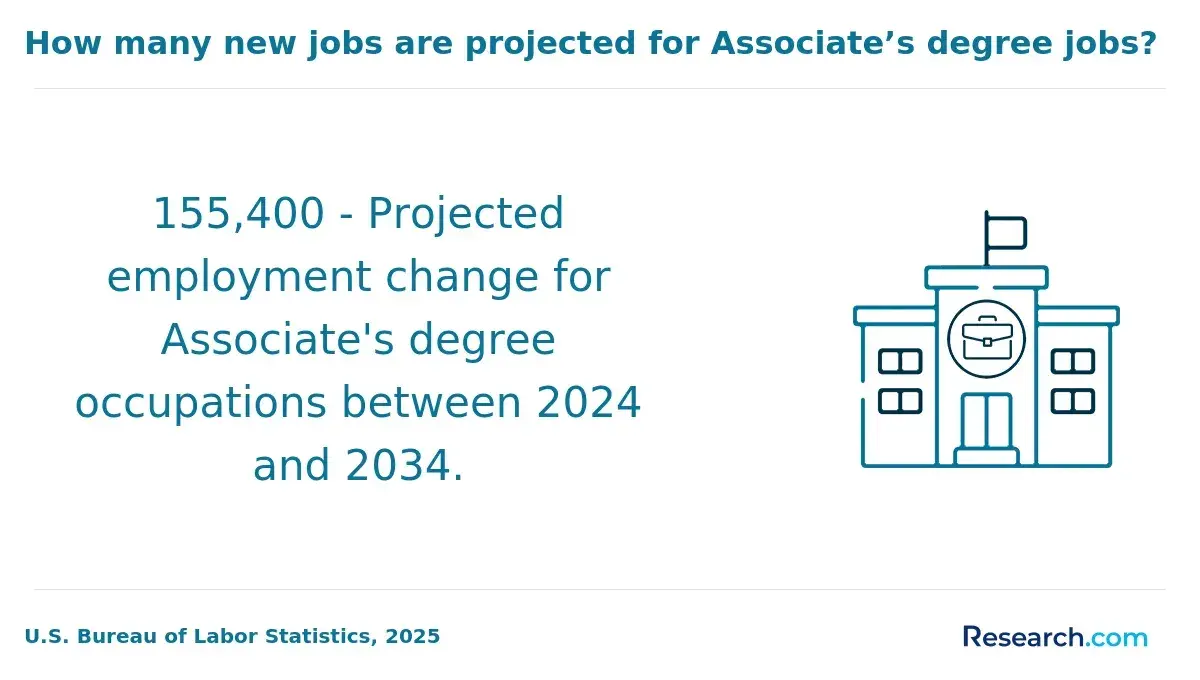
The nutrition job outlook in the United States is shaped by a clear shift toward hybrid roles that blend dietary science with data analytics and digital health capabilities. Job postings demanding nutrition expertise rose by 22% from 2023 to 2024, reflecting employers' focus on candidates who can analyze complex datasets and apply technology-driven solutions. This trend is particularly notable within healthcare systems, wellness tech firms, and public health agencies, where personalized nutrition strategies increasingly rely on precise data interpretation.
Traditional dietitian positions, while still present, are no longer the sole pathway for nutrition majors. Employers prioritize professionals with interdisciplinary skills who can bridge clinical principles with real-time data tracking or demographic analytics, depending on the role. For example, a professional working in hospital wellness programs must combine clinical nutrition knowledge with proficiency in software tools to monitor patient nutrition metrics effectively.
This evolving landscape creates a tangible tradeoff: nutrition programs focused exclusively on dietary science may limit graduate employability. Students aiming to align with employment growth trends for nutrition majors US should pursue supplemental training in data management, biostatistics, or health informatics to match employer expectations and job market realities.
Those targeting community health or large-scale interventions benefit from enhanced quantitative abilities, while others may find online ABSN programs a strategic alternative for expanding their healthcare qualifications alongside nutrition expertise.
Which nutrition careers offer the highest salaries and what factors affect pay?
Salary trends in nutrition careers show clear segmentation, with the highest earnings concentrated in clinical dietetics, research science, and functional food innovation. Clinical dietitians working in hospitals or outpatient clinics typically earn $70,000 to $90,000, rising above $100,000 when including advanced credentials and management duties. Nutrition scientists engaged in research, focusing on preventative health or chronic disease, command $85,000 to $120,000, influenced by degree level and funding sources. Professionals leading functional food development, particularly in large food and beverage firms, can surpass $95,000, reflecting the sector's significant investment in product innovation. Such figures illustrate that understanding nutrition career salary trends demands attention to specialization and role context.
Employers heavily favor candidates who demonstrate cross-disciplinary skills combined with regulatory knowledge, a reality amplified by the 70% expansion in health and wellness, nutrition, and functional food roles within large food companies between 2023 and 2025. Pay variance hinges on several factors:
- Educational background: Higher degrees in nutrition science or dietetics and certifications elevate earning potential.
- Work setting: Clinical and R&D roles usually offer higher pay than community nutrition or public health jobs.
- Geographic location: Urban centers with major food firms provide better salaries but entail higher living costs.
- Experience and responsibility: Supervisory or managerial roles in product development or clinical services command premium compensation.
For those weighing their options, the decision often involves a tradeoff between rigorous clinical credentialing-with its promise of salary growth in healthcare-and the dynamic, innovation-driven functional food sector, where continuous technical upskilling is essential and salaries fluctuate with market success. Navigating this landscape successfully requires strategic certification and targeted networking within expanding nutrition subfields. Professionals considering career pivots should assess these factors alongside practical workforce realities, particularly in light of ongoing shifts in nutrition specialist pay and employer demands.
Prospective students can explore pathways that balance affordability and progression, such as programs comparable to a cheapest RN to BSN, which exemplify the tradeoffs between cost, credentialing, and job market preparedness.
What are the key differences between clinical, community, and corporate nutrition careers?
Choosing between clinical, community, and corporate nutrition careers hinges on understanding their distinct demands and employer expectations. Clinical nutrition requires precise medical knowledge and credentials like the Registered Dietitian Nutritionist (RDN) licensure, with responsibilities centered on patient-specific interventions in healthcare environments. This pathway involves high stakes where nutritional decisions directly affect disease management, making accuracy and clinical judgment non-negotiable.
Community nutrition shifts focus from individuals to populations, emphasizing program development, policy advocacy, and cultural competence. Professionals design and implement public health initiatives-such as federally funded obesity reduction efforts in underserved neighborhoods-that demand epidemiological insight and grant writing skills. The tradeoff here is less clinical detail but more systemic, broad-scale influence requiring robust outreach capabilities.
Corporate nutrition integrates business and science, emphasizing product development, marketing, and employee wellness programs. Nutritional expertise merges with consumer behavior analysis and regulatory compliance. For example, developing functional foods alongside R&D teams demands cross-disciplinary fluency, which differs substantially from clinical or community tracks.
Workforce data reflects these distinctions: over 18,000 nutrition-related U.S. positions were advertised in 2025 with nearly 1,000 new monthly openings. Practical employability depends on aligning education and credentials to these contexts-clinical roles require rigorous credentialing and time investment; community roles demand policy and outreach proficiency; corporate roles prioritize business acumen alongside nutrition knowledge.
What nutrition credentials, certifications, and state licenses do employers require?
Employers prioritizing registered dietitian (RD) or registered dietitian nutritionist (RDN) credentials as foundational qualifications dictate hiring patterns across clinical, community, and foodservice Nutrition roles. These credentials confirm completion of accredited education, supervised practice, and successful passage of the Commission on Dietetic Registration exam. State licensure, mandatory in over 40 U.S. states, ensures both legal compliance and independent patient counseling capability. For example, licensed RDs are essential in clinical hospital settings due to regulatory safety demands, whereas public health agencies might accept dietetic technicians but prefer RDNs for leadership positions.
Advanced credentials such as Board Certified Specialist in Diabetes Management (BC-ADM) or Certified Nutrition Support Clinician (CNSC) serve as specialized qualifiers rather than substitutes for RD/RDN status. Employers offering premium salaries expect these certifications to demonstrate expertise managing chronic diseases and critical care scenarios.
Current workforce data estimates full-time registered dietitians earn an average of around $86,000 annually, which exceeds median wage averages and correlates with licensure, certification, and cumulative experience. Without RD status or state licensure, candidates face limited access to higher-paying clinical roles, restricting career trajectories primarily to outpatient or wellness contexts where alternative credentials like Certified Nutrition Specialist (CNS) may suffice.
For those evaluating this pathway, verifying state-specific licensure requirements and weighing the tradeoffs between foundational versus advanced certifications is essential for aligning education investments with realistic employability outcomes.
How do nutrition employers view online degrees compared with campus-based programs?
Employers in nutrition overwhelmingly favor campus-based programs for clinical, regulatory-compliance, and research and development roles due to their proven capacity to deliver comprehensive hands-on training. Clinical nutrition jobs, for instance, necessitate verified clinical hours and supervised patient interactions that online formats struggle to replicate. Healthcare employers specifically seek candidates with accredited degrees that include in-person practicum experience, as these ensure readiness for real-world clinical settings.
In regulatory and R&D positions, campus access to labs and collaborative research is critical to acquire applied technical skills and an understanding of quality control systems, aspects often absent or limited in virtual programs. While online degrees might support entry-level or public health nutrition roles focused on theory, they generally fall short for direct patient care or development positions without supplemental on-site internships or certifications.
Key practical implications include:
- Verification of clinical experience beyond simulations remains a hiring prerequisite for most professional nutrition roles.
- In-person instruction facilitates deeper learning of regulatory frameworks and essential networking opportunities.
- Online pathways may delay employment readiness due to added requirements for practical experience validation.
Students aiming for competitive positions in advanced nutrition fields should weigh campus degrees' alignment with employer expectations and quicker workforce entry against the flexibility but practical limitations of online options. Planning for supplementary credentialing is often necessary when pursuing remote study routes.
What coursework and skills do hiring managers look for in nutrition graduates?
Employers hiring nutrition graduates in 2026 prioritize candidates with applied coursework in biochemistry, food safety regulations, and clinical nutrition, favoring practical skills over purely theoretical knowledge. Proficiency in data analysis software and a thorough understanding of federal nutrition policies, such as the Dietary Guidelines for Americans, are critical. These skills enable professionals to manage compliance tasks and contribute to regulatory strategy within food manufacturing or public health consulting sectors.
For example, nutrition-focused regulatory specialists earn approximately $81,000 annually in the U.S., positioning them among the top-earning non-physician roles in the field. This wage reflects the high demand for candidates able to interpret and translate complex nutrition legislation and food labeling requirements into actionable protocols across multiple states.
Effective communication skills-particularly the ability to produce clear, evidence-based reports and policy summaries-are essential. Employers also look for interdisciplinary knowledge in microbiology and toxicology where nutrition intersects with product safety, which requires critical analytical rigor.
Graduates who lack these competencies face obstacles securing roles beyond entry level, especially as regulatory environments evolve quickly with digital tracking of nutrition claims. Certifications in regulatory affairs and internships with food regulatory bodies enhance employment prospects and salary potential, mitigating risks of stagnation in limited-growth positions.
How can students choose an accredited nutrition program aligned with employer needs?
Choosing an accredited nutrition program that integrates technology is essential for aligning education with evolving workforce demands. With a documented 30% rise in hybrid job roles by 2025 in nutrition-related fields, candidates must master digital health applications, AI-driven personalization, and e-commerce strategies to remain competitive. For example, professionals working with healthcare providers focused on telehealth nutrition services will require strong competencies in nutrition science combined with technology platforms, while those targeting food retailers will need expertise in digital consumer engagement and supply chain analytics.
When evaluating programs, prioritize accreditation from the Council on Education for Nutrition and Dietetics (ACEND) or recognized regional bodies to ensure quality, licensure eligibility, and employer recognition. Scrutinize curricula that integrate data analytics and consumer behavior alongside traditional nutrition fundamentals, and assess outcome transparency such as graduate placement in technology-integrated roles or employer partnerships offering internships.
Modality flexibility matters: hybrid or blended formats can deliver technical proficiency without sacrificing foundational knowledge. Faculty expertise in nutrition technology research or industry collaboration often signals relevant, cutting-edge instruction. Align program resources intentionally with your professional target-clinical informatics experience benefits those entering digital health companies, whereas courses in supply chain management better serve aspirants focused on food e-commerce strategy.
Addressing these factors reduces skill gaps, improves job readiness, and better prepares students for a nutrition workforce increasingly shaped by technology and interdisciplinary demands.
What early career steps help new nutrition graduates become competitive job candidates?
Early career success for nutrition graduates hinges on securing targeted experience in sectors where employer demand exceeds candidate availability, notably corporate wellness, community health, and the food industry. These areas have lengthier hiring processes and higher compensation offers due to a supply shortage.
Hands-on exposure, such as internships focused on wellness program design in corporate settings, offers a rare practical skill set-data-driven health interventions-that academic programs seldom provide. In food industry roles, certifications tied to food safety regulations increase candidate value, but only when combined with project experience like product reformulation or community initiatives.
Practical experience in community health agencies, including population health assessments, signals adaptability and public health insight-qualities sought by employers managing complex client needs.
Graduates should also develop proficiency in nutrition-related data analysis tools and electronic health record systems, seen as baseline technical skills. Networking through professional organizations specializing in niche nutrition fields aids in uncovering selective job leads tied to sector-specific expertise.
Given reported prolonged hiring cycles and intensified competition after 2024 by entities like the Academy of Nutrition and Dietetics and the U.S. Bureau of Labor Statistics, combining practical credentials with technical fluency is essential to shorten hiring timelines and increase leverage over compensation.
Other Things You Should Know About Nutrition
In 2027, the employers hiring most aggressively for nutrition talent include health and wellness startups, telehealth companies, and large healthcare providers. These organizations are expanding their nutrition-focused teams to address growing consumer demand for personalized health advice and preventive care strategies.
Employers increasingly prioritize hands-on experience, such as internships or supervised practice, over purely academic achievements because practical skills directly impact job performance. Candidates with documented practice hours in diverse settings tend to outperform those with only theoretical knowledge. For job seekers, it is strategic to seek programs that integrate experiential learning components to meet employer expectations and improve employability.
Specializing in areas like sports nutrition or pediatric nutrition can lead to niche roles with higher expertise demands but narrower job markets. Generalist roles offer broader employment opportunities but may require continuous learning to maintain relevance across diverse populations. Applicants should evaluate market demand and personal career goals: select specialization if targeting advanced roles within specific sectors, or choose generalist paths for greater job flexibility and stability.
Most employers require ongoing certification renewal, involving continuing education and sometimes practical competency updates. This creates an additional workload that can compete with daily job responsibilities. Nutrition professionals should plan their career timelines and select employers known for supporting professional development, as this eases the burden of compliance while ensuring credentials remain current and competitive.
References
- Nutrition Jobs - Nutrition Talent https://www.nutritiontalent.com/nutrition-jobs/
- How recent graduates can get a competitive edge in the job market https://www.sirius.com.au/blog/2020/09/how-recent-graduates-can-get-a-competitive-edge-in-the-job-market
- Career tips for new graduate dietitians — Gemma Sampson https://www.gemmasampson.com/blog/career-tips-dietitian
- Finding work & Work experience - Association for Nutrition https://www.associationfornutrition.org/careers-nutrition/becoming-nutritionist/finding-work
- State Requirements for Nutritionist and Registered Dietician https://becomeanutritionist.org/states/
- Job Search, Career Advice & Hiring Resources | iHireNutrition https://www.ihirenutrition.com/
- Nutrition & Ingredients Expert Search & Headhunting Agency | UK, Leeds https://www.spencer-riley.com/recruitment/nutrition
- Three things today’s dietitians can do to stay competitive in their careers. https://www.northeastcollege.edu/learn/online-masters-in-nutrition
- Online Degree vs. Traditional: Choosing the Right Path https://beal.edu/online-degree-vs-traditional/
- Nutrition Careers Field Guide https://educate.bastyr.edu/nutrition-careers-field-guide