2027 Best 3-Year Accelerated PsyD Programs

Co-Founder and Chief Data Scientist
Becoming a licensed psychologist often requires only a master’s degree, but earning a Doctor of Psychology (PsyD) can significantly enhance your career prospects and professional opportunities. While traditional PsyD programs typically span five years, accelerated options allow you to complete your degree in just three years.
If you’re looking to fast-track your path to a PsyD, this article highlights several three-year accelerated programs designed to help you achieve your goals efficiently without compromising the quality of your education.
What are the benefits of getting accelerated PsyD programs?
- Accelerated PsyD programs allow students to enter the workforce sooner, enabling them to begin their careers and start gaining professional experience in as little as three years.
- Completing a PsyD program in a shorter timeframe reduces tuition and living expenses compared to traditional five-year programs, making the degree more financially accessible.
- These programs are designed with a focused curriculum, providing intensive training and hands-on experience without unnecessary delays, ensuring students acquire the skills they need efficiently.
What can I expect from accelerated PsyD programs?
Accelerated PsyD programs offer a condensed and intensive pathway to earning a Doctor of Psychology degree, typically completed in three years instead of the usual five. These programs maintain rigorous academic and clinical training standards but are designed with a more streamlined curriculum, allowing students to progress quickly. Expect a demanding schedule with full-time coursework, including foundational psychology subjects, advanced clinical skills, and research methods, often integrated with practical field training or internships. The pace requires strong time management and dedication, as students are immersed in academic and hands-on experiences simultaneously.
Many accelerated programs also emphasize specialization options, enabling students to focus on areas like clinical, school, or health service psychology. While challenging, these programs are ideal for individuals with clear career goals who want to minimize time spent in academia and advance into professional roles sooner.
Where can I work with an accelerated PsyD degree?
With an accelerated PsyD degree, you can work in a variety of settings that align with your expertise and career goals. Many graduates establish themselves as self-employed or independent practitioners, a path chosen by 26% of psychologists in the United States, according to the U.S. Bureau of Labor Statistics. Schools and ambulatory healthcare services are the largest employers, offering opportunities to provide psychological support in educational or outpatient care environments. Additionally, some psychologists find roles within government agencies, addressing public health needs, or in hospitals, where they assist patients with mental health and wellness.
How much can I make with an accelerated PsyD degree?
An accelerated PsyD degree can lead to a competitive salary, influenced by your specialization, experience, and industry. Psychologists in the U.S. earn a median annual income of $92,740, though certain roles offer significantly higher pay. For instance, industrial-organizational psychologists often earn over $147,000 annually due to the demand for their expertise in workplace dynamics. Government-employed psychologists typically earn around $115,400 per year, while those in private practice or healthcare settings may see their earnings vary based on location, clientele, and professional experience.
- Best 3-Year Accelerated PsyD Programs for 2027 Best PsyD Programs
- How long does it take to complete an accelerated PsyD program? How long does it take to complete an accelerated PsyD program?
- How does an online accelerated PsyD program compare to an on-campus program? Online vs. On-Campus
- What is the average cost of accelerated PsyD programs? Cost
- What are the financial aid options for students enrolling in accelerated PsyD programs? Financial Aid
- What are the prerequisites for enrolling in accelerated PsyD programs? Requirements
- What courses are typically in accelerated PsyD programs? Courses
- What types of specializations are available in accelerated PsyD programs? Specializations
- Are these accelerated PsyD programs accredited and recognized? Are these accelerated PsyD programs accredited and recognized?
- What is the return on investment for an accelerated PsyD program? What is the return on investment for an accelerated PsyD program?
- What challenges do students face in accelerated PsyD programs? What challenges do students face in accelerated PsyD programs?
- Do accelerated PsyD programs adequately prepare graduates for licensure exams? Do accelerated PsyD programs adequately prepare graduates for licensure exams?
- Can an accelerated PsyD program be integrated with BCBA certification? Can an accelerated PsyD program be integrated with BCBA certification?
- Are there any fully funded PsyD programs available? Are there any fully funded PsyD programs available?
- Can supplementary certifications enhance the value of an accelerated PsyD degree? Can supplementary certifications enhance the value of an accelerated PsyD degree?
- How do you choose the best accelerated PsyD program? How do you choose the best accelerated PsyD program?
- What career paths are available for graduates of accelerated PsyD programs? What career paths are available for graduates of accelerated PsyD programs?
- What is the job market for graduates with an accelerated PsyD degree? Job Outlook
- How are accelerated PsyD programs preparing graduates for future mental health trends? How are accelerated PsyD programs preparing graduates for future mental health trends?
- How do accelerated PsyD programs support ongoing mentorship and professional networks? How do accelerated PsyD programs support ongoing mentorship and professional networks?
- How do accelerated PsyD programs address ethical and legal challenges? How do accelerated PsyD programs address ethical and legal challenges?
Best 3-Year and Fast-Track PsyD Programs for 2027
An accelerated PsyD can shorten the path to doctoral-level psychology training, but the faster timeline comes with trade-offs: heavier course loads, less scheduling flexibility, intensive clinical requirements, and the need to verify that the program supports licensure in the state where you plan to practice. This guide is for students comparing 3-year PsyD programs, post-master’s PsyD options, online or hybrid doctoral pathways, and accelerated psychology doctorates that may help them move into clinical, behavioral health, leadership, school, or specialized practice roles more quickly.
You will learn which programs offer accelerated PsyD pathways, how online and campus-based options differ, what costs and financial aid factors to compare, what prerequisites are commonly required, and how to evaluate accreditation, licensure preparation, clinical training, and return on investment before applying.
Quick answer: Are 3-year accelerated PsyD programs worth considering?
Yes, a 3-year or fast-track PsyD can be a strong option for students who already have graduate-level preparation, can study full time, and want a practice-focused doctorate with supervised clinical training. The best choice is not always the shortest program. Students should prioritize APA accreditation where licensure is the goal, strong practicum and internship placement support, transparent tuition and fees, licensure exam outcomes, and a curriculum that matches their intended practice area.
How do we rank schools?
Research.com rankings are built to help students compare programs using transparent education data rather than marketing claims. For this ranking, our research team reviewed information from the IPEDS database, Peterson’s database, including the Distance Learning Licensed Data Set, the College Scorecard database, and the National Center for Education Statistics. You can read the full ranking process in our methodology page here.
Top accelerated PsyD programs at a glance
| School | Program focus | Length | Credits or units listed | Cost listed | Accreditation listed |
| The Chicago School | Applied Clinical Psychology | 3 years | 66 | $1,737 per credit | American Psychological Association (APA) |
| Western Carolina University | Health Service Psychology | 3 years | 60 | $5,120.28 per semester for in-state students; $10,479.78 per semester for out-of-state students | APA |
| Wright Institute | Clinical Psychology | 3 years | N/A | $42,350 for the entire program | APA |
| George Washington University | Clinical Psychology | 3-4 years | 83 | $52,444 for the entire program | APA |
| Walden University | Behavioral Leadership | Varies per student but can be completed in 2-3 years | 83-98 quarter credits | $630 per quarter hour for coursework credits | APA |
| University of Hartford | Clinical Psychology | 3 years | 96 | $1,346 per credit | APA |
1. The Chicago School
The Chicago School offers a PsyD in Applied Clinical Psychology for students who already hold a master’s degree in a mental health-related discipline from an accredited institution. The program is available at the Anaheim and Los Angeles campuses and online, giving students more format options than many campus-only doctoral programs. Its applied clinical focus is designed for professionals who want to work in settings such as clinics, hospitals, private practice environments, nonprofit organizations, government agencies, and educational institutions.
- Program length: 3 years
- Track or concentration: Applied Clinical Psychology
- Cost per credit: $1,737
- Credits required: 66
- Accreditation listed: American Psychological Association (APA)
2. Western Carolina University
Western Carolina University’s PsyD in Health Service Psychology is a full-time, in-person program for post-master’s students seeking training across clinical and school psychology. It is not structured for part-time study or online coursework, so it is best suited to students who can commit to a campus-based doctoral schedule. The curriculum includes training in behavioral biology, social influences, cognitive and emotional processes, assessment, and research methods.
- Program length: 3 years
- Track or concentration: Health Service Psychology
- Cost: $5,120.28 per semester for in-state students; $10,479.78 per semester for out-of-state students
- Credits required: 60
- Accreditation listed: APA
3. Wright Institute
The Wright Institute’s PsyD in Clinical Psychology uses a developmental training model in which students move through a fixed sequence of coursework. The structure is intended to build clinical judgment over time, beginning with research foundations, assessment, and theory before advancing into more complex professional preparation. Students generally take four courses each trimester, making the program highly structured and predictable.
- Program length: 3 years
- Track or concentration: Clinical Psychology
- Cost: $42,350 for the entire program
- Credits required: N/A
- Accreditation listed: APA
4. George Washington University
George Washington University’s PsyD in Clinical Psychology is a full-time, campus-based program completed over nine semesters. The program lists three tracks: Adult, Assessment, and Child and Adolescent. Reported outcomes include 90% of graduates advancing to psychologist roles and all students obtaining paid internships, which are important data points for applicants comparing clinical training pipelines and career readiness.
- Program length: 3-4 years
- Tracks or concentrations: Adult Track; Assessment Track; Child and Adolescent Track
- Cost: $52,444 for the entire program
- Credits required: 83
- Accreditation listed: APA
5. Walden University
Walden University’s PsyD in Behavioral Leadership is designed for students interested in leadership roles within behavioral health rather than a traditional clinical psychology pathway. The program offers a general option plus specializations in Health Psychology, Healthcare Management, Industrial and Organizational Psychology, International Practice, Public Health, and Teaching. Students with an MBA or MHA may be able to complete the program in two years. The admissions process lists no application fee, standardized test requirement, or essay requirement, and the program also emphasizes transfer credit flexibility.
- Program length: Varies per student but can be completed in 2-3 years
- Tracks or concentrations: General Program; Health Psychology; Healthcare Management; Industrial and Organizational Psychology; International Practice; Public Health; Teaching
- Cost: $630 per quarter hour for coursework credits
- Credits required: 83-98 quarter credits
- Accreditation listed: APA
6. University of Hartford
The University of Hartford’s PsyD in Clinical Psychology prepares students for practitioner roles in mental health and related service environments. Coursework may be completed in as little as three years, and graduates pursue work in settings such as private practice, community clinics, hospitals, schools, social service agencies, nonprofits, and academic institutions. The program admits 20–25 full-time students annually, creating a relatively small cohort structure.
- Program length: 3 years
- Track or concentration: Child and Adolescent Proficiency
- Cost per credit: $1,346
- Credits required: 96
- Accreditation listed: APA
How long does it take to complete an accelerated PsyD program?
Most accelerated PsyD programs are built around a three-year timeline, which is shorter than many traditional doctoral pathways that may take five years. The shortened schedule usually means full-time enrollment, carefully sequenced coursework, clinical training, and limited breaks between academic terms. Students comparing how fast can you get a psychology degree online should understand that doctoral-level speed depends heavily on transfer credits, previous graduate study, practicum requirements, and whether the program is designed for post-master’s applicants.
Some programs may be even faster for applicants with specific prior credentials. Walden University, for example, states that students with an MBA or MHA can complete its pathway in two years. Psychology also remains a popular doctoral field: it ranked among the top 10 fields with the most doctoral degrees earned in the U.S. during the 2020-21 academic year, according to data reported by Statista. Popularity, however, should not be the main reason to choose a PsyD. Licensure alignment, clinical placement support, debt, and career fit matter more.
| Timeline | Best fit | Important caution |
| 2 years | Students with qualifying prior graduate credentials such as an MBA or MHA where accepted | May not match the needs of students seeking a traditional clinical psychology licensure pathway |
| 3 years | Post-master’s students who can study full time and handle a compressed schedule | Requires careful planning for practicum, internship, and state licensure requirements |
| 3-4 years | Students who want a fast but slightly more flexible clinical psychology structure | Total cost can increase if additional semesters are needed |
How does an online accelerated PsyD program compare to an on-campus program?
Online and campus-based accelerated PsyD programs can serve different types of students. Online options may work well for learners who need to remain employed, cannot relocate, or want access to programs beyond their local area. Students researching fast online degrees should remember that doctoral psychology programs are different from undergraduate online programs because they often include supervised clinical experiences, residency components, practicum expectations, or in-person internship requirements.
Campus-based APA accredited PsyD programs may offer stronger face-to-face interaction with faculty, supervisors, and classmates. They may also provide easier access to on-campus clinics, research resources, assessment materials, and local practicum networks. The trade-off is that students often have less control over location and schedule.
The right format depends on your licensure goal, learning style, location, and ability to complete required clinical training. Before choosing an online format, ask the program exactly where and how clinical hours are completed and whether the curriculum satisfies requirements in your state.
| Factor | Online or hybrid accelerated PsyD | On-campus accelerated PsyD |
| Flexibility | Usually better for students balancing work, family, or location limits | Typically follows a fixed weekly campus schedule |
| Clinical training | May require students to secure approved local placements | May provide stronger direct access to campus or regional training sites |
| Peer and faculty interaction | Often delivered through video meetings, discussion boards, and virtual advising | More frequent face-to-face collaboration and informal networking |
| Relocation | May reduce the need to move, depending on residency requirements | Usually requires living near campus or commuting regularly |
| Best for | Self-directed students who verify licensure and placement details early | Students who want structured clinical immersion and in-person support |
What is the average cost of accelerated PsyD programs?
Accelerated PsyD costs vary widely by school type, residency status, credit load, format, fees, and clinical training expenses. Listed tuition for accelerated PsyD programs can range from $30,000 to more than $100,000 for the full program. Public universities may be less expensive for in-state students, while private institutions often charge higher tuition.
Students comparing doctoral psychology options with affordable online psychology degrees should look beyond advertised tuition. Online programs may reduce commuting, housing, and relocation costs, but they can still include technology fees, residency expenses, proctored exam costs, and clinical placement-related expenses. One study found that 17% of large institutions charge higher fees for online instruction, so online does not automatically mean cheaper.
What financial aid options are available for accelerated PsyD students?
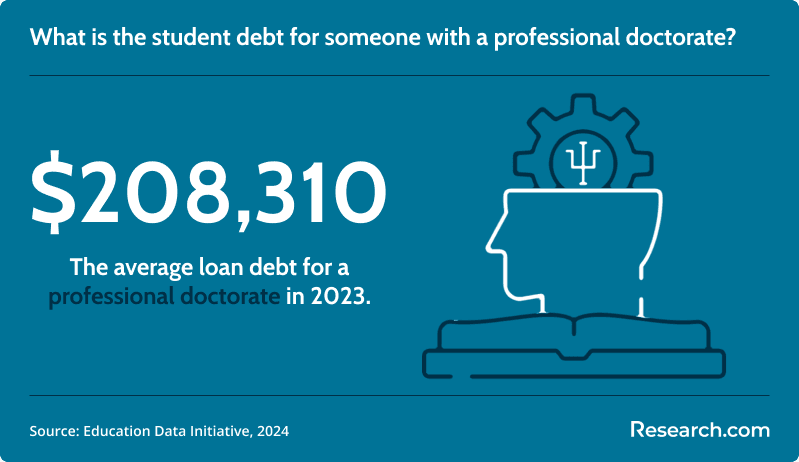
Funding a PsyD requires a careful plan because accelerated programs can compress costs into fewer years. Students should complete the FAFSA when eligible, compare institutional aid, ask about assistantships, and estimate monthly loan payments before committing.
- Federal Student Aid: Eligible students can use the FAFSA to apply for federal loans and other available aid.
- Scholarships and Fellowships: Universities and professional organizations, including the American Psychological Association, may offer merit-based or need-based support.
- Employer Tuition Reimbursement: Some employers help pay for advanced education when it supports the employee’s current or future role. In one survey, 34.2% of doctoral psychology students reduced education costs through teaching assistantships.
- State Grants: Some states provide financial support for students preparing for high-need service professions, including psychology-related careers.
- Loan Forgiveness Programs: Graduates who work in eligible public service or underserved settings may qualify for programs such as Public Service Loan Forgiveness (PSLF).
| Cost question to ask | Why it matters |
| Is tuition charged by credit, semester, quarter hour, or full program? | Different billing models make programs hard to compare unless you calculate the full expected cost. |
| Are practicum, internship, residency, or assessment fees separate? | Clinical programs can include expenses beyond classroom tuition. |
| Does tuition change for online, in-state, or out-of-state students? | Residency and delivery format can significantly affect total cost. |
| Can prior graduate credits transfer? | Transfer credits may reduce cost and time, but policies vary widely. |
| What percentage of students receive assistantships or institutional aid? | Scholarship availability can change the real net price of attendance. |
What are the prerequisites for enrolling in accelerated PsyD programs?
Prerequisites vary, but many accelerated PsyD programs expect applicants to have a bachelor’s degree in psychology or a closely related field, and post-master’s tracks often require prior graduate preparation in counseling, psychology, social work, or another mental health discipline. Students considering an accelerated psychology masters program before a PsyD should look for coursework in abnormal psychology, statistics, research methods, assessment, development, and counseling or clinical foundations.
Programs commonly look for a minimum GPA of 3.0–3.5, though more selective schools may expect stronger academic records. Applicants may also need letters of recommendation, a personal statement, a resume, GRE scores where required, and evidence of work, research, or volunteer experience in psychology-related settings.
If your broader goal is therapy practice, compare PsyD requirements with other routes. Research.com’s guide to the different therapist roles explains how do you become a therapist and why the required degree, supervision, and licensure process differ by profession.
What courses are typically included in accelerated PsyD programs?
Accelerated PsyD programs combine doctoral coursework with supervised clinical training. The exact curriculum depends on whether the program emphasizes clinical psychology, school psychology, behavioral health leadership, assessment, or another specialization.
- Psychopathology: Study of mental health conditions, diagnostic frameworks, and treatment planning.
- Cognitive and Behavioral Therapies: Training in evidence-based intervention approaches used with individuals and groups.
- Ethics and Professional Issues: Preparation for confidentiality, informed consent, boundaries, mandated reporting, and professional decision-making.
- Psychological Assessment: Instruction in selecting, administering, interpreting, and communicating assessment results.
- Research Methods: Development of skills needed to evaluate studies, use data, and apply research to practice.
- Cultural Competency: Training in culturally responsive care, bias awareness, and effective service delivery across diverse populations.
Students also complete supervised practica and internships. If you are asking how hard is it to get a psychology degree, a PsyD is challenging because it combines academic intensity, clinical skill development, ethical responsibility, and professional self-reflection in a compressed timeline.
What types of specializations are available in accelerated PsyD programs?
Specializations help students align doctoral training with the populations, settings, and services they want to provide. Not every accelerated program offers the same options, and some tracks may affect practicum placements or licensure preparation.
- Clinical Psychology: Focuses on assessment, diagnosis, therapy, and treatment planning for mental health conditions.
- Forensic Psychology: Applies psychological knowledge in courts, corrections, criminal justice, and legal evaluation settings.
- Child and Adolescent Psychology: Prepares students to work with children, teens, families, and youth-serving systems.
- Neuropsychology: Examines brain-behavior relationships and may connect to some high paying jobs with psychology degree pathways when paired with advanced specialization and experience.
- Health Psychology: Addresses the relationship between behavior, physical health, stress, illness management, and wellness.
Choose a specialization based on the clients you want to serve and the credentials required in your state, not only on salary potential or program speed.
Are accelerated PsyD programs accredited and recognized?
Accreditation is one of the most important factors in choosing a PsyD program. For students seeking psychologist licensure, accreditation can affect internship eligibility, state board approval, employer recognition, and professional mobility. Applicants should verify both institutional accreditation and programmatic accreditation when applicable. Do not rely only on a school’s marketing page; confirm details through the accreditor and your state licensing board.
Students comparing doctoral formats can also review Research.com’s online doctorate in psychology resource to understand how accreditation and doctoral pathways differ across psychology-related programs.
What is the return on investment for an accelerated PsyD program?
The ROI of an accelerated PsyD depends on more than how quickly you graduate. A shorter program can reduce opportunity cost by helping students return to the workforce sooner, but high tuition, loan interest, unpaid clinical hours, relocation, and delayed licensure can reduce the financial benefit.
Before enrolling, compare total tuition, fees, living costs, expected borrowing, internship placement outcomes, licensure pass rates, and likely career settings. PsyD graduates may work in clinical practice, assessment, leadership, education, school settings, behavioral health organizations, or counseling-related roles. Research.com’s guide to types of counselors can help students compare psychology and counseling career options before committing to a doctoral path.
What challenges do students face in accelerated PsyD programs?
The main challenge is intensity. Accelerated PsyD students may face dense reading loads, sequential coursework, demanding practicum schedules, and less time for reflection between clinical experiences. Students who work full time, provide family care, or need schedule flexibility should be especially cautious.
Common pressure points include balancing clinical hours with coursework, securing approved placements, managing dissertation or doctoral project deadlines, preparing for internship applications, and maintaining personal well-being. Students who need a more flexible structure may want to compare accelerated options with online PsyD programs, but they should still verify clinical training and licensure requirements.
Do accelerated PsyD programs prepare graduates for licensure exams?
They can, but only if the program is properly designed around licensure competencies, supervised clinical experience, ethical practice, assessment skills, and state board requirements. A compressed timeline should not reduce the quality of training. Applicants should ask for licensure exam pass rates, internship match outcomes, practicum support details, and state-by-state licensure disclosures before applying.
Students who want to compare doctoral academic structures can review an online doctorate in psychology pathway, but they should distinguish between doctorates that prepare graduates for licensed psychologist practice and doctorates focused on research, education, consulting, or leadership.
Can an accelerated PsyD program be integrated with BCBA certification?
Some PsyD programs include behavior analysis-related electives or coursework in behavior modification, assessment, and intervention. However, a PsyD does not automatically satisfy BCBA certification requirements. Students who want both clinical psychology training and behavior analysis credentials should compare the PsyD curriculum with current certification requirements and ask whether coursework has been verified for that purpose.
For students whose primary goal is behavior analysis, a dedicated pathway such as the cheapest BCBA online program may be a more direct and cost-conscious option than adding behavior analysis coursework to a PsyD.
Are there any fully funded PsyD programs available?
Some PsyD programs may offer scholarships, assistantships, grants, tuition support, or stipends, but fully funded PsyD opportunities are less common than students often expect. Funding can also be competitive and may depend on full-time enrollment, assistantship assignments, academic standing, or application deadlines.
Applicants should ask each program whether funding covers tuition only or also includes living expenses, fees, health insurance, travel, or clinical placement costs. Students comparing lower-cost options can review fully funded PsyD programs and related affordability resources to build a realistic funding plan.
Can supplementary certifications enhance the value of an accelerated PsyD degree?
Additional credentials can strengthen a PsyD graduate’s expertise when they are aligned with career goals. Useful add-ons may include specialized training in assessment, trauma-informed care, telehealth, supervision, behavioral interventions, or applied behavior analysis. The key is to avoid stacking credentials without a clear professional purpose.
For example, students interested in behavioral intervention may compare doctoral electives with an online masters in applied behavior analysis to decide whether a separate ABA-focused credential would provide deeper preparation.
How do you choose the best accelerated PsyD program?
The best accelerated PsyD program is the one that fits your licensure goal, clinical interests, financial limits, learning format, and timeline. Do not choose a program only because it is shorter. A fast program that does not meet your state requirements can cost more in the long run.
- Confirm accreditation: Check institutional accreditation and programmatic accreditation, especially APA accreditation when required or preferred for your career path.
- Verify licensure alignment: Ask whether the program meets requirements in the state where you plan to practice.
- Compare clinical training support: Look for strong practicum advising, internship preparation, supervisor quality, and placement transparency.
- Calculate total cost: Include tuition, fees, travel, residencies, books, assessment materials, lost wages, and loan interest.
- Review outcomes: Ask for licensure pass rates, internship outcomes, graduation rates, and alumni career paths.
- Evaluate faculty fit: Look for faculty whose experience matches your intended specialization, such as child psychology, assessment, health psychology, or forensic work.
Common mistakes to avoid when choosing an accelerated PsyD
| Mistake | Better approach |
| Choosing the shortest timeline without checking licensure requirements | Confirm state board requirements before applying. |
| Looking only at tuition | Compare full cost of attendance, fees, residency expenses, and borrowing needs. |
| Assuming online programs eliminate in-person requirements | Ask about residencies, practica, internships, and local placement rules. |
| Ignoring transfer credit policies | Request a written transfer evaluation before committing. |
| Relying only on rankings | Use rankings as a starting point, then verify outcomes, accreditation, and program fit. |
| Assuming salary outcomes are guaranteed | Compare likely roles, geographic markets, licensure status, and experience requirements. |
What career paths are available for graduates of accelerated PsyD programs?
Accelerated PsyD graduates may work in clinical, educational, assessment, behavioral health, leadership, consulting, or academic settings, depending on their program focus and licensure status. In 2023, the majority of practicing psychologists specialize in clinical and counseling psychology.
- Clinical Psychologist: Provides assessment, diagnosis, therapy, and treatment planning in settings such as clinics, hospitals, and private practice.
- School Psychologist: Supports students, families, teachers, and school systems through assessment, intervention, consultation, and mental health services.
- Forensic Psychologist: Applies psychological expertise in legal settings, including evaluations, consultation, expert testimony, and criminal justice-related cases. Specialized forensic roles may connect to some highest paying psychologist career paths, depending on training, experience, location, and setting.
- Health Psychologist: Works on behavioral factors connected to illness, wellness, stress, adherence, prevention, and health-related decision-making.
- Researcher or Educator: Teaches, supervises, conducts applied research, or contributes to program development in academic and professional environments.
What is the job market for graduates with an accelerated PsyD degree?
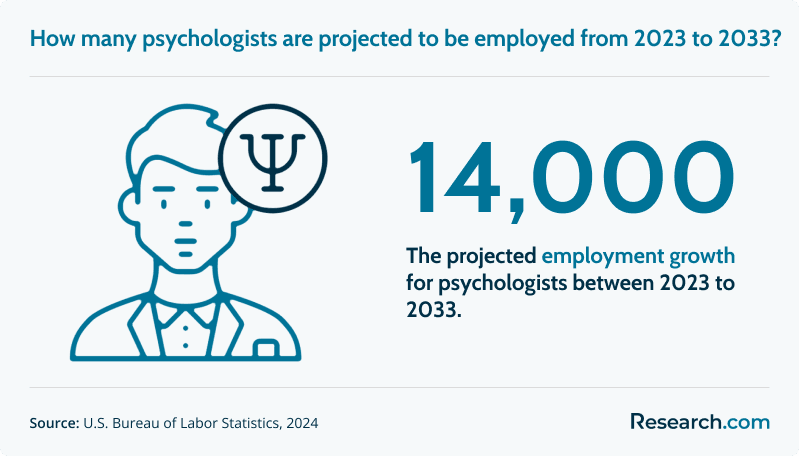
The psychologist labor market is projected to grow. According to the U.S. Bureau of Labor Statistics, employment of psychologists is expected to increase by 7% from 2023 to 2033, which is faster than the average for all occupations. Demand is influenced by ongoing need for clinical, counseling, and school-based mental health services. Students interested in education settings can explore careers in school psychology to compare roles, credentials, and work environments.
An accelerated PsyD may help graduates enter professional practice sooner, but employment outcomes still depend on licensure, supervised experience, specialization, geographic location, and employer requirements. Students should evaluate job postings in their target region before enrolling.
How are accelerated PsyD programs preparing graduates for future mental health trends?
Fast-track PsyD programs are increasingly expected to prepare students for a mental health field shaped by telepsychology, digital records, remote assessment considerations, integrated care, culturally responsive practice, and interdisciplinary teams. Programs that include ethical telehealth training, evidence-based intervention, data-informed decision-making, and supervision across varied populations may better prepare graduates for current practice environments.
Students comparing psychology with adjacent helping professions can review the differences between social work vs psychology length of education to understand how training timelines and professional roles differ.
How do accelerated PsyD programs address ethical and legal challenges?
Ethics and legal compliance are central to PsyD training because psychologists handle sensitive information, high-stakes assessments, risk concerns, mandated reporting duties, informed consent, and complex clinical boundaries. Accelerated programs must teach these responsibilities quickly but thoroughly through coursework, supervision, case discussion, and practicum evaluation.
Students interested in behavior-focused clinical work may also compare doctoral ethics training with specialized ABA graduate programs, especially when working with clients who require behavioral assessment and intervention.
How do accelerated PsyD programs promote diversity and cultural competence?
Effective psychology practice requires cultural humility, awareness of bias, and the ability to adapt assessment and treatment to each client’s background and context. Accelerated PsyD programs may address this through diversity-focused coursework, case simulations, community-based training, supervision, and discussion of ethical practice with diverse populations.
Students interested in family systems, couples work, or multicultural relational practice may also compare PsyD training with online MFT programs to determine which professional pathway best matches their intended work.
What do graduates have to say about accelerated PsyD degree programs?
- Carla: "Finishing my PsyD in three years helped me move toward practice sooner than I expected. The online structure made it possible to keep up with work and family responsibilities, but the program still demanded consistent effort every week. I felt pushed academically and supported by faculty, and the experience helped me build confidence for the next stage of my career."
- Eli : "I knew the accelerated format would be intense, and it was. What made it worthwhile was the combination of advanced coursework, supervised experience, and faculty feedback. Studying online gave me flexibility, but I still had to stay organized and proactive. By the end, I felt much more prepared to pursue clinical psychology work."
- Stanley: "The program shortened my route to doctoral training while allowing me to continue working. I also gained access to faculty, classmates, and resources outside my local area. It was not an easy path, but it helped me expand my professional network and opened career opportunities I had not seriously considered before."
How do accelerated PsyD programs support mentorship and professional networking?
Mentorship matters even more in an accelerated program because students have less time to build relationships organically. Strong programs provide faculty advising, supervisor feedback, peer cohorts, alumni connections, internship preparation, and career services that help students move from coursework into supervised practice and postdoctoral opportunities.
Students who want additional graduate-level preparation before a doctorate can compare affordable psychology masters programs as a way to build academic readiness, explore specializations, or strengthen future PsyD applications.
Can accelerated PsyD programs integrate interdisciplinary certifications to strengthen clinical expertise?
Some accelerated PsyD programs allow students to add electives or external training in related disciplines, including behavior analysis, health systems, leadership, or education. Interdisciplinary preparation can be useful when it supports a specific career goal, such as working in integrated care, autism services, organizational consulting, public health, or school-based mental health.
Students considering behavior-focused add-ons should compare the PsyD curriculum with dedicated ABA graduate programs to determine whether they need a full certification pathway or only supplemental knowledge.
References:
- Hanson, M. (2024, May 29). Average cost of online college [2023]: Yearly tuition + fees. Education Data Initiative. Retrieved January 21, 2025.
- Hanson, M. (2024, August 28). Student loan forgiveness statistics [2023]: PSLF data. Education Data Initiative. Retrieved January 21, 2025.
- U.S. BLS. (2024, August 29). Occupational outlook handbook: Psychologists. U.S. Bureau of Labor Statistics. Retrieved January 21, 2025.
- U.S. BLS. (2024, August 29). Psychologists: Work environment. U.S. Bureau of Labor Statistics. Retrieved January 21, 2025.
- U.S. BLS. (2024, August 29). Psychologists: Pay. U.S. Bureau of Labor Statistics. Retrieved January 21, 2025.
Key Insights
- Accelerated does not always mean better. A 3-year PsyD can save time, but only if it meets licensure, clinical training, accreditation, and career requirements.
- Post-master’s students are often the best fit. Many accelerated PsyD pathways assume that applicants already have graduate coursework, clinical exposure, or related professional preparation.
- APA accreditation and state licensure alignment should be verified early. Do not enroll until you know whether the program supports your intended state and career path.
- Online PsyD programs can be flexible, but clinical training is still hands-on. Ask where practica, internships, residencies, and supervision happen before choosing an online or hybrid format.
- Total cost matters more than tuition alone. Compare fees, transfer credits, residency expenses, loan interest, assistantships, and time away from paid work.
- Career outcomes depend on specialization and licensure. Clinical, school, forensic, health psychology, leadership, and education roles have different credential expectations.
- The best program is the one that fits your end goal. Use rankings as a starting point, then evaluate accreditation, outcomes, placement support, faculty fit, and affordability before applying.
Other Things You Should Know About Accelerated PsyD Programs
Yes. A PsyD program can be accredited by the American Psychological Association Commission on Accreditation if it meets APA standards for doctoral training, supervised practicum, internship placement, faculty oversight, and outcomes review. APA accreditation is the main benchmark used for licensure preparation in the United States.
A 3-Year Accelerated PsyD Program in 2027 typically involves intensive coursework in psychology, assessments, and interventions, accompanied by clinical practicum experiences. Most programs also require a dissertation or capstone project, as well as internship placements that are usually completed in the final year.
Admission requirements typically include a bachelor’s degree in psychology or a related field, a minimum GPA, GRE scores, letters of recommendation, a personal statement, and relevant work experience. Some programs may have specific prerequisite courses. Always check individual program requirements for the most accurate information.