2027 LPC Counseling Licensure Requirements in Kentucky

Co-Founder and Chief Data Scientist
Becoming a Licensed Professional Counselor in Kentucky is a multi-step process: you must complete the right graduate degree, meet Kentucky’s coursework rules, earn supervised clinical experience, pass required examinations, and apply through the Kentucky Board of Licensed Professional Counselors. The path matters because counseling is a regulated profession; choosing the wrong program, missing required courses, or starting supervised hours before you are properly credentialed can delay licensure and add unnecessary cost.
This guide is for students comparing counseling master’s programs, graduates preparing for LPCA status, out-of-state counselors considering Kentucky licensure, and career changers who want a realistic view of the timeline, costs, and job impact. Kentucky reports 12% job growth for mental health counselors through 2030, but demand alone is not enough reason to enroll in a program. You need to understand the licensure rules before you invest time and money.
Quick Answer: Kentucky LPC Licensure Requirements
To become licensed as a professional counselor in Kentucky, you generally need a qualifying graduate degree in counseling or a closely related field, required counseling coursework, supervised post-master’s experience, a national counseling exam, a Kentucky jurisprudence requirement, and approval from the state licensing board.
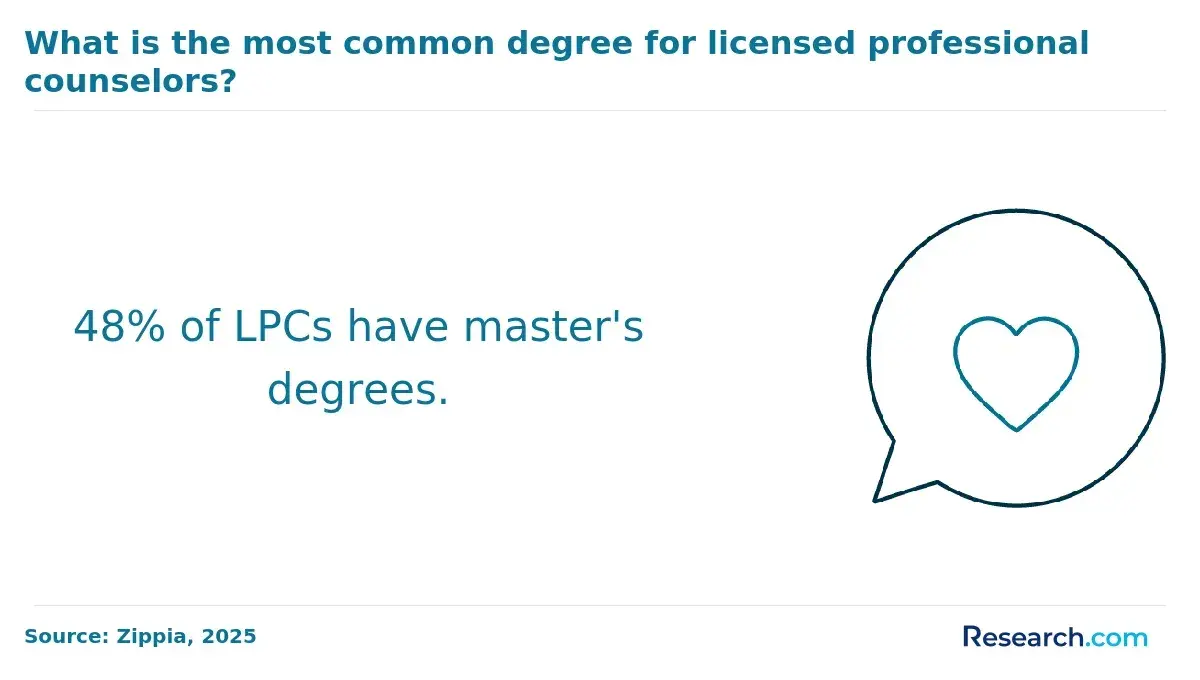
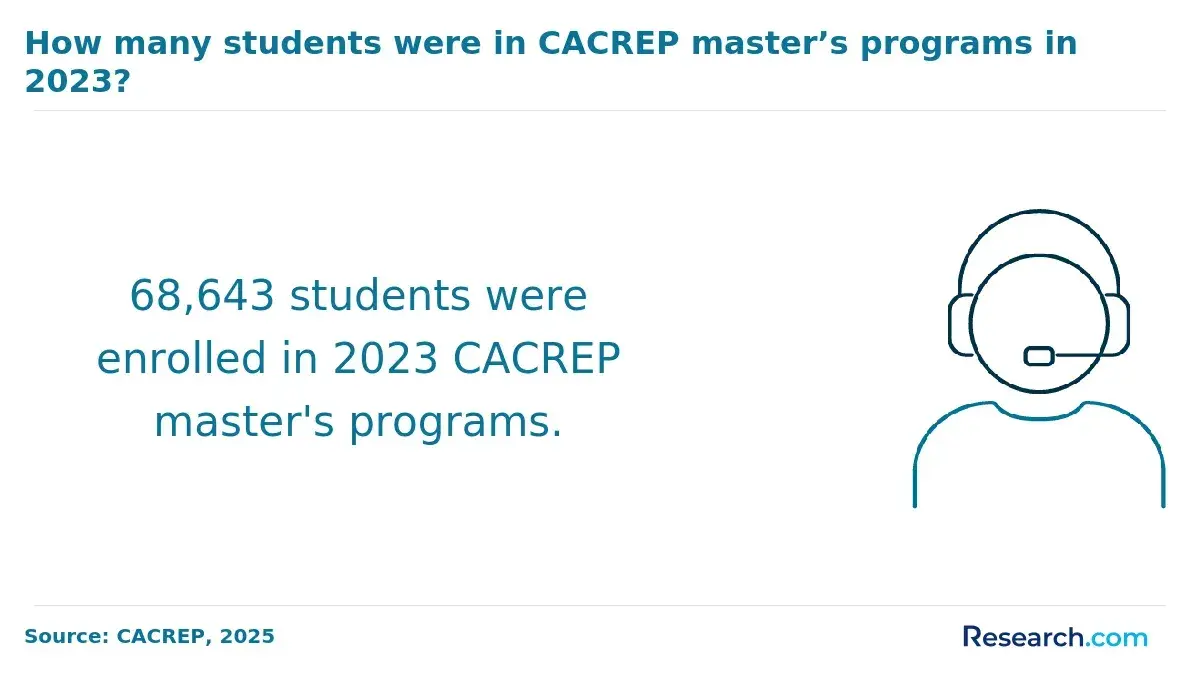
- Kentucky requires a master’s degree or higher in counseling or a related field with at least 60 semester hours from a CACREP-accredited program or an equivalent qualifying program.
- Before full independent licensure, candidates must complete supervised post-master’s clinical counseling experience. Kentucky licensure guidance is commonly discussed in terms of a 3,000-hour requirement, while the supervised-experience pathway described below includes 4,000 hours; applicants should confirm the current board form and rule before beginning supervision.
- Candidates must pass an accepted national counseling examination, such as the National Counselor Examination (NCE), and meet Kentucky-specific jurisprudence requirements before becoming fully licensed.
- What degree is required to become an LPC in Kentucky?
- What core coursework is required for LPC licensure in Kentucky?
- How many supervised counseling hours are required for LPC licensure in Kentucky?
- What exams are required for LPC licensure in Kentucky?
- How do you apply for LPC licensure in Kentucky?
- How long does it take to be a Licensed Professional Counselor in Kentucky?
- What types of LPC licenses are offered in Kentucky?
- What are the financial implications of pursuing LPC licensure in Kentucky?
- What are the continuing education and renewal requirements for LPC licensure in Kentucky?
- Does Kentucky have LPC reciprocity with other states?
- What is the demand for LPCs in Kentucky?
- How does LPC licensure affect career growth in Kentucky?
What degree is required to become an LPC in Kentucky?
Kentucky requires graduate-level preparation for professional counseling licensure. A bachelor’s degree may help you qualify for admission to a counseling master’s program, but it does not qualify you for LPC-level practice on its own. Your graduate program must also contain the counseling content Kentucky expects for safe clinical practice.
- Master’s degree in counseling or a related field: The standard route is a master’s degree from a regionally accredited institution. Counseling is the most direct major, but related fields such as psychology, social work, or human services may be considered when the coursework aligns with Kentucky’s requirements.
- Specialist degree in counseling or a related field: A specialist degree can also meet the education requirement when it is above the master’s level, below a doctorate, regionally accredited, and focused on counseling or a closely connected discipline.
- Doctoral degree in counseling or a related field: A PhD, EdD, PsyD, or similar doctorate may qualify when it comes from a regionally accredited institution and includes the required counseling preparation.
- CACREP accreditation rule: For students who began graduate study after January 15, 2015, or graduated after May 31, 2020, Kentucky expects the degree to come from a CACREP-accredited program to satisfy licensing standards.
The safest choice for future Kentucky licensure is a CACREP-accredited, 60-semester-hour counseling program that clearly maps its curriculum to state licensure requirements. If you choose a related-degree program, ask the school and the Kentucky Board how course equivalency will be reviewed before enrolling.
| Graduate option | When it may make sense | Licensure risk to check |
| Master’s in counseling | Best fit for most students planning to become Kentucky LPCs or LPCCs | Confirm CACREP status, 60 semester hours, practicum, internship, and required course areas |
| Related master’s degree | May work for students with psychology, social work, or human services training | Course-by-course review may be needed, and missing counseling courses can delay eligibility |
| Specialist degree | Useful for advanced graduate study beyond the master’s level | Must still align with counseling licensure content, not just general behavioral science |
| Doctoral degree | Appropriate for those interested in advanced clinical, academic, or leadership roles | The doctorate must include the required counseling foundation; a doctorate alone does not erase coursework rules |
What core coursework is required for LPC licensure in Kentucky?
Kentucky’s required coursework is designed to make sure future counselors understand clinical theory, human development, ethical practice, assessment, diagnosis, multicultural counseling, and evidence-informed care. When comparing programs, do not look only at the degree title. Review the actual course list and ask whether the program prepares graduates for Kentucky counseling licensure.
- The helping relationship, including counseling theory and practice: Courses in this area teach core counseling models, intervention strategies, rapport building, and the practical skills used in individual counseling sessions.
- Human growth and development: This content examines development across the lifespan and helps counselors adapt treatment to age, life stage, family context, and developmental needs.
- Lifestyle and career development: Career counseling coursework connects work, identity, transitions, stress, and life planning to mental health and client functioning.
- Group dynamics, process, counseling, and consulting: This area covers how groups form, how group counseling is structured, and how counselors manage group leadership, conflict, and therapeutic interaction.
- Assessment, appraisal, and testing of individuals: Students learn how to use assessment tools, interpret results responsibly, and understand the limits of testing in counseling practice.
- Social and cultural foundations, including multicultural issues: This coursework prepares counselors to work ethically with clients from different cultural, racial, socioeconomic, religious, geographic, and identity backgrounds.
- Principles of etiology, diagnosis, treatment planning, and prevention: These courses address mental health conditions, diagnostic reasoning, treatment planning, prevention, and clinical decision-making.
- Research and evaluation: Research coursework helps counselors understand evidence-based practice, evaluate interventions, read professional literature, and use data responsibly.
- Professional orientation and ethics: This requirement introduces professional identity, counseling ethics, scope of practice, confidentiality, documentation, and Kentucky-specific legal expectations.
Kentucky also expects a supervised practicum or internship of at least 600 hours. That fieldwork is where classroom knowledge becomes applied counseling skill. It is also one of the most important program-quality indicators, because a weak field placement can make the transition to post-master’s supervised practice harder. Students who are still exploring the profession can compare broader roles in Research.com’s guide to counseling career paths.
Questions to ask before enrolling in a counseling program
- Is the program CACREP-accredited, and does that accreditation apply to the specific campus or online format I plan to attend?
- Does the curriculum include at least 60 semester hours and all Kentucky-required counseling content areas?
- Will the school provide a licensure course map for Kentucky?
- How are practicum and internship placements arranged?
- Does the program support students seeking LPCA status after graduation?
- If the program is online, does it meet Kentucky’s fieldwork and licensure expectations?
How many supervised counseling hours are required for LPC licensure in Kentucky?
After earning the qualifying graduate degree, Kentucky candidates must complete supervised counseling practice before becoming fully licensed for independent clinical work. The supervised-experience pathway described here requires 4,000 hours after the master’s degree. Graduate practicum or internship hours are important for education, but they do not replace the post-master’s supervised experience required for licensure.
- Direct client contact: At least 1,600 hours must involve direct counseling services, such as assessment, diagnosis, treatment planning, and counseling with clients.
- Face-to-face supervision: Candidates need at least 100 hours of individual supervision with an approved professional, such as an LPCC, psychologist, or another qualified supervisor recognized by the board.
- Additional counseling-related duties: Up to 2,400 hours may come from professional counseling activities such as case notes, care coordination, consultation, treatment planning, and related clinical responsibilities.
- Correct timing and credential status: Hours must be earned after the master’s degree and after the candidate holds LPCA status. Hours accumulated too early may not count.
| Supervised experience component | Requirement stated in this pathway | Why it matters |
| Total post-master’s supervised experience | 4,000 hours | Demonstrates sustained supervised clinical practice before independent licensure |
| Direct client contact | At least 1,600 hours | Shows that the candidate has provided substantial counseling services, not only administrative support |
| Individual supervision | At least 100 hours | Provides structured feedback, ethical oversight, and clinical development |
| Other counseling activities | Up to 2,400 hours | Recognizes case management, documentation, consultation, and other professional duties tied to counseling care |
A Kentucky licensed professional counselor who completed the process after graduating from a local university described the supervised period as demanding but formative. In her experience, the hardest part was not simply reaching the total number of hours; it was securing reliable weekly supervision while managing a full client schedule. She emphasized that the 100 hours of individual supervision were most useful when each meeting focused on case conceptualization, ethics, and skill development rather than paperwork alone.
Her advice to new LPCAs is practical: choose a supervisor before accepting a position, confirm how supervision time will be documented, and keep your own records from the first week. Supervised practice is both a licensing requirement and a training period, so the quality of the setting matters as much as the number of hours.
What exams are required for LPC licensure in Kentucky?
Kentucky requires candidates to pass an accepted national counseling examination before full licensure. The exam requirement is intended to confirm that applicants have a professional-level understanding of counseling knowledge, ethical practice, clinical reasoning, and client care.
- National Counselor Examination for Licensure and Certification (NCE): The NCE includes 200 multiple-choice questions. It covers areas such as human development, counseling theories, group counseling, assessment, ethics, and professional practice. It is often chosen by candidates who want a broad examination of counseling knowledge.
- National Clinical Mental Health Counselor Examination (NCMHCE): The NCMHCE uses 10-11 clinical case simulations. It emphasizes clinical judgment, assessment, diagnosis, treatment planning, and decision-making in realistic counseling scenarios.
Both examinations are administered through the National Board for Certified Counselors, with registration handled through the CCE. Candidates should verify the current Kentucky exam option before registering, because exam rules, approval steps, and documentation procedures can affect the licensure timeline. If you are comparing the total investment for clinical careers, Research.com’s therapist pathway guide explains training routes and costs for becoming a therapist.
| Exam | Format | Best fit for candidates who want to demonstrate |
| NCE | 200 multiple-choice questions | Broad counseling knowledge across theory, development, ethics, assessment, and practice |
| NCMHCE | 10-11 clinical case simulations | Applied clinical reasoning, diagnosis, treatment planning, and case-based decision-making |
How do you apply for LPC licensure in Kentucky?
The Kentucky LPC licensure process is sequential. You need the right education first, then LPCA status, then approved supervision, then exam completion and full licensure review. Skipping a step can make hours ineligible or delay board approval.
- Complete a qualifying graduate degree: Earn a master’s degree or higher in counseling or a closely related field from an accredited institution. The program should include at least 60 graduate semester hours and the required counseling content areas. If the degree title is not counseling, prepare for a more detailed coursework review.
- Arrange official transcripts: Request official transcripts from your institution. They must be sent directly by the school or submitted in sealed envelopes, depending on the board’s instructions.
- Complete the FBI background check: Kentucky requires an FBI criminal background check with the application. A state-only check or an affidavit is not enough.
- Apply for LPCA status: Submit the Licensed Professional Counselor Associate application online and pay the $50 fee. LPCA status allows you to begin earning supervised post-master’s experience.
- Secure an approved supervisor: Identify a qualified clinical supervisor and complete the supervision agreement before the supervised work begins. Do not assume supervision hours will count without the proper agreement.
- Accumulate supervised experience: Complete at least 4,000 hours of post-master’s supervised counseling while licensed as an LPCA. Your supervisor must verify the hours and the nature of the experience.
- Pass the required national exam: Take and pass the NCE or NCMHCE, as accepted by Kentucky, before applying for the full credential.
- Submit the LPCC application: After completing supervision and exam requirements, file the LPCC application online and pay the $150 fee. Submit materials at least ten days before the board’s monthly review to avoid missing a review cycle.
- Keep the license active: Renew on time each year. Kentucky requires 10 hours of continuing education, including domestic violence and suicide assessment training, plus the renewal fee of $150 for LPCCs or $50 for LPCAs.
Common application mistakes that delay Kentucky counseling licensure
- Starting supervised hours before LPCA approval: Hours earned before the correct credential or supervision agreement may not count.
- Choosing a program without checking CACREP status: Program name and marketing language are not enough; verify accreditation for your exact program.
- Assuming related degrees automatically qualify: A psychology or human services degree may still be missing required counseling coursework.
- Keeping incomplete supervision records: Candidates should track dates, hours, client-contact totals, supervision meetings, and supervisor signatures consistently.
- Waiting too long to schedule the exam: Exam preparation, registration, score reporting, and board review can extend the timeline.
- Budgeting only for tuition: Licensure also involves application fees, exam costs, background checks, supervision-related costs, continuing education, and renewal fees.
How long does it take to be a Licensed Professional Counselor in Kentucky?
The full Kentucky counseling licensure path often takes about eight years from the start of undergraduate study through full licensure. The exact timeline depends on transfer credits, graduate program format, full-time versus part-time enrollment, employment setting, supervision availability, exam scheduling, and board processing time.
- Bachelor’s degree: Many future counselors spend about four years completing undergraduate study. Psychology, social work, human services, and related majors can provide useful preparation, though the graduate degree is the licensure requirement.
- Master’s degree in counseling: Graduate counseling programs typically require two to three years. During this stage, students complete classroom requirements and a 600-hour practicum or internship, including about 240 hours of direct client contact.
- LPCA application: After graduation, candidates apply for Licensed Professional Counselor Associate status so they can begin counting post-master’s supervised practice.
- Supervised post-master’s experience: The 4,000-hour supervised period often takes around two years, though part-time work, limited client hours, or inconsistent supervision can extend it.
- National examination: Candidates must prepare for and pass the NCE or NCMHCE. Scheduling, studying, and score processing may add several months.
- Final licensure review: The last stage includes the LPCC application, background check documentation, supervision verification, fee payment, and board review. Processing can take a few months depending on timing and completeness.
| Stage | Typical time involved | Decision point |
| Bachelor’s degree | About four years | Choose courses and experience that support graduate counseling admission |
| Master’s in counseling | Two to three years | Prioritize CACREP alignment, 60 semester hours, and strong field placements |
| LPCA approval | Varies by application timing | Do not begin counting supervised hours until the credential and supervision plan are in place |
| Supervised practice | Around two years for many candidates | Confirm client-contact expectations, supervision access, and documentation procedures |
| Exam and final LPCC application | Several months may be needed | Schedule the exam early enough to avoid delaying full licensure |
One Kentucky-licensed counselor described the process as a long but useful progression. He completed the journey in just over eight years from starting college to receiving his license. Work and family responsibilities extended his supervised-experience stage, but he said the added time also gave him more exposure to real client needs, crisis work, documentation, and interdisciplinary collaboration.
His main takeaway was that the timeline should not be treated as a race. Candidates who use each stage to build clinical judgment, ethical discipline, and strong supervision habits are better prepared for independent practice once the license is issued.
What types of LPC licenses are offered in Kentucky?
Kentucky uses a tiered counseling licensure structure. This allows graduates to practice under supervision before moving into independent clinical practice and, later, supervisory roles.
- Licensed Professional Counselor Associate (LPCA): This is the associate-level credential for graduates who have met the education requirement but still need supervised post-master’s experience.
- Licensed Professional Clinical Counselor (LPCC): This is the full professional credential for counselors who have completed the required supervision, passed the accepted national examination, and received board approval for independent practice.
- Licensed Professional Clinical Counselor Supervisor (LPCC-S): This designation is for qualified LPCCs who complete additional requirements and receive approval to supervise LPCAs.
| Kentucky counseling credential | Primary purpose | Practice implications |
| LPCA | Supervised entry into professional counseling after graduate education | Allows supervised practice while working toward full licensure |
| LPCC | Full clinical counseling license | Supports independent professional practice within Kentucky’s scope of practice |
| LPCC-S | Approved supervision role | Allows experienced counselors to supervise associates and support workforce development |
Some counselors later pursue doctoral study for teaching, leadership, research, or advanced specialization. If that is part of your long-term plan, you can compare affordable doctoral options through Research.com’s guide to the cheapest online PhD in counseling programs.
What are the financial implications of pursuing LPC licensure in Kentucky?
The cost of becoming an LPC in Kentucky is broader than graduate tuition. Students and graduates should budget for application fees, background checks, exam registration, books, technology, commuting or residency costs for online programs, professional liability insurance, supervision-related expenses, and continuing education after licensure.
The known application and renewal fees in this pathway include a $50 LPCA application fee, a $150 LPCC application fee, a $150 LPCC renewal fee, and a $50 LPCA renewal fee. These amounts are only part of the total investment. Tuition, living costs, exam fees, and supervision arrangements can have a much larger impact on affordability.
| Cost category | What to consider | How to reduce risk |
| Graduate tuition | Program price, fees, books, practicum costs, and whether the program is full time or part time | Compare total program cost, not only price per credit |
| Licensure applications | $50 LPCA application fee and $150 LPCC application fee | Submit complete materials to avoid delays or repeated submissions |
| Background check | FBI background check is required | Complete it early enough to meet application deadlines |
| Exam preparation and testing | NCE or NCMHCE preparation materials and registration costs may apply | Choose the exam that fits your strengths and study timeline |
| Supervised experience | Some positions include supervision, while others may require separate arrangements | Ask employers whether supervision is provided, paid, and board-approved |
| Renewal and continuing education | Annual renewal and 10 hours of continuing education are required in this pathway | Plan CE activities throughout the year instead of waiting until renewal |
Prospective students should also look for scholarships, employer tuition assistance, graduate assistantships, public-service employment benefits, and lower-cost accredited programs. For a Kentucky-specific overview of the professional pathway, see Research.com’s guide on how to become a mental health counselor in Kentucky.
What are the continuing education and renewal requirements for LPC licensure in Kentucky?
Licensure is not a one-time requirement. Kentucky counselors must renew their credentials and complete continuing education to keep practicing. In the pathway outlined here, renewal requires 10 hours of continuing education, including domestic violence and suicide assessment training, along with the applicable renewal fee.
Continuing education is more than a compliance task. It helps counselors stay current on ethical standards, risk assessment, trauma-informed care, telehealth practices, documentation expectations, and changes in mental health treatment. Counselors should keep certificates and documentation in case the board requests proof.
- Track continuing education hours as they are completed.
- Choose approved providers and retain certificates.
- Include required topics such as domestic violence and suicide assessment when applicable.
- Renew before the deadline to avoid interruptions in practice authority.
- Confirm whether supervision, telehealth, ethics, or specialty training requirements apply to your role.
If you want to compare faster education routes while still respecting licensure requirements, Research.com explains options in its guide to the fastest way to become a counselor in Kentucky.
Does Kentucky have LPC reciprocity with other states?
Kentucky has limited reciprocity arrangements for Licensed Professional Counselor credentials. The state has official reciprocity agreements with Tennessee and Ohio, which can simplify the process for counselors licensed in those states. Counselors from other states may still apply, but they should expect a more detailed review rather than automatic approval.
For reciprocity consideration, applicants generally need an active license in good standing, a 60-credit graduate counseling degree, and at least five years of post-licensure experience. They must also submit an application, pay the $150 fee, provide verification of good standing from other licensing jurisdictions, and complete a background check. Applicants with less than five years of experience may need to document supervised practice and exam completion.
The most important practical point is this: reciprocity does not mean “transfer without review.” Kentucky evaluates whether the applicant’s education, coursework, practicum, supervision, exam record, and license history meet state expectations. Out-of-state counselors should contact the board before relocating, accepting a Kentucky-based clinical job, or advertising services to Kentucky clients.
What is the demand for LPCs in Kentucky?
Kentucky’s demand for licensed professional counselors is supported by rising attention to mental health, behavioral health treatment needs, school-based services, substance use treatment, and access challenges in both urban and rural communities. The state reports 12% job growth for mental health counselors through 2030, which suggests continued opportunity for qualified professionals.
LPCs and LPCCs may work in community mental health centers, schools, hospitals, private practices, correctional settings, nonprofit agencies, substance abuse treatment programs, and telehealth services. Demand is especially visible in behavioral health and substance use treatment because Kentucky continues to face public health challenges connected to opioid addiction and related mental health needs.
Louisville and other urban areas may offer more concentrated job openings, while rural and Appalachian communities often need clinicians who can address access gaps, cultural context, transportation barriers, poverty-related stressors, and limited provider availability. Students comparing clinical professions may also want to review the differences between LPC and LCSW degree programs before choosing a graduate path.
How does LPC licensure affect career growth in Kentucky?
Licensure has a direct effect on counseling career mobility in Kentucky. Employers often require licensure for clinical counseling roles, insurance reimbursement, independent practice, supervisory responsibilities, and advancement into specialized or leadership positions. While licensure does not guarantee a specific salary or job offer, it usually expands the range of roles a counselor can pursue.
- Broader employment eligibility: Many counseling jobs in Kentucky require LPCA, LPCC, or related licensure. Full licensure signals that you have met education, supervision, examination, and ethics requirements.
- Stronger earning potential: Licensed counselors generally have access to roles that pay more than unlicensed support positions. LPC salaries in Kentucky typically range between $50,000 and $60,000, while senior roles can approach $76,000.
- Private practice access: Counselors who want to build an independent practice need the appropriate full license. Private practice can offer flexibility, but it also requires business planning, documentation systems, risk management, and referral development.
- Supervision and leadership opportunities: Experienced LPCCs who meet supervisor requirements may become LPCC-S professionals, allowing them to supervise LPCAs and move into training or clinical leadership roles.
- Specialization options: Licensure can support movement into trauma counseling, substance abuse treatment, school-based mental health, crisis work, telehealth, family-related services, and other focused practice areas.
| If your goal is... | Licensure implication | What to plan for now |
| Community mental health work | LPCA may help you enter supervised clinical roles; LPCC supports broader responsibility | Choose placements with strong supervision and diverse client exposure |
| Private practice | Full LPCC status is essential for independent clinical work | Build clinical skills, referral networks, billing knowledge, and documentation habits |
| School or youth counseling roles | Counseling licensure may strengthen eligibility depending on role requirements | Seek internship or supervised experience with children, adolescents, and families |
| Substance use or trauma specialization | Licensure can support advanced clinical practice and specialty training | Use CE, supervision, and work settings to build focused competence |
| Supervising future counselors | LPCC-S status is needed for approved supervision | Develop ethical supervision skills and meet board requirements for supervisor approval |
Counselors interested in adjacent therapy careers may also compare family-therapy options, including Research.com’s ranking of the shortest online MFT programs, before deciding which license best matches their long-term goals.
What do LPCs in Kentucky say about their career?
- My counseling education at the University of Kentucky helped me understand how mental health needs vary across the state. Working in a local school has shown me how much students in Appalachian communities benefit from consistent, culturally aware support. The school setting gives me professional stability, but the deeper reward is helping young people navigate challenges they may not have language for yet. Kentucky’s close-knit communities keep me committed to this work and to my own development as a counselor. Arnel
- Eastern Kentucky University gave me the academic foundation I needed to begin counseling work with confidence. My first role in an educational setting exposed me to the pressures many Kentucky students carry, including economic strain, family stress, and trauma. That experience strengthened my resilience and pushed me to keep improving my trauma-informed approach. I continue to be motivated by the determination I see in clients and by the chance to support meaningful change. June
- Bellarmine University shaped both my clinical knowledge and my personal growth. Kentucky’s mix of urban, suburban, and rural communities creates real opportunities to learn how culture, geography, and access affect mental health care. In school-based work, I have been able to support emotional wellness initiatives and apply counseling strategies that respect local context. The work is challenging, but the connection to community makes it deeply fulfilling. Clay
Key Insights
- Kentucky LPC licensure starts with the right graduate program. A CACREP-accredited, 60-semester-hour counseling degree is usually the lowest-risk route for students who know they want to practice in Kentucky.
- Supervised experience must be planned carefully. Do not start counting hours until you have LPCA status, an approved supervisor, and a clear documentation process.
- The exam choice matters. The NCE focuses on broad counseling knowledge, while the NCMHCE emphasizes clinical case decision-making through 10-11 simulations.
- The full pathway often takes about eight years when undergraduate study, graduate school, supervised practice, examination, and board review are included.
- Licensure can expand career options in community agencies, schools, hospitals, private practice, behavioral health programs, correctional settings, and telehealth, but salary and advancement are not guaranteed.
- Reciprocity is limited. Counselors licensed in Tennessee and Ohio may have a smoother process, but all out-of-state applicants should confirm Kentucky’s requirements before relocating or practicing.
- The biggest avoidable mistakes are choosing a nonqualifying program, overlooking CACREP rules, failing to document supervision, budgeting only for tuition, and assuming that online or out-of-state programs automatically meet Kentucky licensure standards.
Related Articles for Nearby States
- 2027 LPC Counseling Licensure Requirements in Indiana
- 2027 LPC Counseling Licensure Requirements in Ohio
- 2027 LPC Counseling Licensure Requirements in Tennessee
- 2027 LPC Counseling Licensure Requirements in West Virginia
- 2027 LPC Counseling Licensure Requirements in Virginia
- 2027 LPC Counseling Licensure Requirements in Illinois
- 2027 LPC Counseling Licensure Requirements in Missouri
- 2027 LPC Counseling Licensure Requirements in North Carolina
- 2027 LPC Counseling Licensure Requirements in Georgia
- 2027 LPC Counseling Licensure Requirements in Mississippi
References:
- Kentucky Board of Licensed Professional Counselors https://lpc.ky.gov/
- State Licensure | Western Kentucky University https://www.wku.edu/csa/counseling/licensure.php
- Kentucky Psychology & Social Work Licensure | All Psychology Schools https://dev.allpsychologyschools.com/licensing/kentucky/
- KY Master's Licensure: Licensed Psychological Associate (LPA) vs. LPCC, LCSW, and LMFT - Dr. Joseph H. Hammer https://drjosephhammer.com/resources/ky-masters-licensure-licensed-psychological-associate-lpa-vs-lpcc-lcsw-and-lmft/
- Licensed Professional Clinical Counselor (LPCC) - PT 81(9) https://chfs.ky.gov/agencies/dms/provider/Pages/LPCC.aspx
- Licensed Professional Counselors’ Ability to Diagnose - Scope of Practice Policy https://www.ncsl.org/scope-of-practice-policy/practitioners/behavioral-health-professionals/licensed-professional-counselors-ability-to-diagnose
- LCSW vs LPC: Licensed Clinical Social Workers vs Licensed Professional Counselors https://www.masterofsocialwork.com/faqs/lcsw-vs-lpc
- Counselor vs. Therapist vs. Psychologist - Human Services EduHuman Services Edu https://www.humanservicesedu.org/counselor-vs-psych-vs-therapist/
- Therapist Credentials|Lexington Counseling-Paul Dalton https://www.counselinglexingtonky.com/credentials-qualifications-lexington-counseling-psychiatry
Other Things You Need to Know About LPC Counseling Licensure Requirements in Kentucky
For LPC licensure in Kentucky in 2027, candidates must complete at least 4,000 hours of supervised professional counseling, with 1,600 of those being direct client contact, and under the guidance of a board-approved supervisor.
To maintain LPC licensure in Kentucky in 2027, counselors must complete 10 hours of continuing education annually, including at least 3 hours in ethics. These hours must be reported to the Kentucky Board of Licensed Professional Counselors each renewal period.
Kentucky requires a master’s or doctoral degree in counseling or a closely related field from an accredited program. The program must include at least 60 graduate semester hours and specific coursework in areas such as human growth, ethics, assessment, career development, and counseling techniques.