
2027 How to Become a Nutritionist in Virginia

Co-Founder and Chief Data Scientist
Becoming a nutrition professional in Virginia can mean different things depending on the title you want to use, the services you plan to offer, and whether you want to work in clinical healthcare. The most important distinction is this: Virginia does not license the general title “nutritionist,” but dietitians who provide dietetics services must meet the requirements of the Virginia Board of Medicine. That difference affects your degree choice, supervised practice, certification options, job settings, and long-term earning potential.
This guide is for students, career changers, wellness professionals, and aspiring dietitians who want a realistic path into nutrition work in Virginia. You will learn what education is required, when licensure matters, how long the process takes, what credentials employers recognize, what costs to expect, and how to choose a path that fits your career goals.
Quick answer: How do you become a nutritionist in Virginia?
- Virginia does not require a state license for someone using the general title “nutritionist,” but dietitians must be licensed by the Virginia Board of Medicine.
- To become a licensed dietitian, candidates generally need a bachelor’s degree in nutrition or a related field, an accredited supervised practice program, and a passing score on the Commission on Dietetic Registration (CDR) exam.
- For those pursuing the Registered Dietitian Nutritionist pathway, the Commission on Dietetic Registration requires a master’s degree starting January 1, 2024.
- The Certified Nutrition Specialist (CNS) credential is another advanced option and requires a master’s degree and 1,000 hours of supervised practice.
- Licensed dietitians must complete 30 hours of continuing education every two years to keep their license active.
- The employment of dietitians and nutritionists in Virginia is projected to grow 7% through 2033, while national demand is projected to grow by 6% from 2024 to 2034.
- Education requirements for nutrition careers in Virginia
- Virginia licensing rules for nutritionists and dietitians
- Typical timeline to become a nutrition professional
- Certification options: RDN, CNS, and related credentials
- Supervised practice and hands-on experience
- Estimated cost of becoming a nutritionist or dietitian
- Virginia salary and job outlook
- Career growth and advancement options
- Working with substance abuse counselors
- Using advanced certifications and continuing education
- Building interdisciplinary healthcare partnerships
- How advanced education affects career progression
- Technology trends in nutrition practice
- Mentorship and professional development resources
- Nutrition policy and advocacy in Virginia
- Coordinating nutrition care with pharmacists
- Specialization options for Virginia nutritionists
- Transitioning from nutritionist to registered dietitian
- Common challenges in Virginia nutrition careers
- Legal responsibilities and scope-of-practice issues
- Starting and managing a private nutrition practice
- Insurance billing, reimbursement, and practice operations
What education do you need to become a nutritionist in Virginia?
Your education requirements depend on whether you want to offer general nutrition coaching, earn an advanced nutrition credential, or become a licensed dietitian. Virginia does not license the general nutritionist title, but clinical employers, hospitals, public health agencies, and insurance-based practices typically expect recognized credentials and accredited training.
- Bachelor’s degree: A bachelor’s degree in food and nutrition, dietetics, food sciences, or a closely related field is the usual starting point. Students planning to become dietitians should prioritize programs accredited by the Accreditation Council for Education in Nutrition and Dietetics (ACEND). Students who need flexibility can compare accredited online nutrition bachelor’s programs.
- Master’s degree: Starting January 1, 2024, the Commission on Dietetic Registration requires a master’s degree for candidates pursuing the registered dietitian pathway. A graduate degree can also support roles in clinical nutrition, research, public health, integrative nutrition, and leadership.
- Accredited dietetics coursework: Virginia students may complete Didactic Programs in Dietetics (DPD) or Graduate Programs (GP), depending on their academic background and credential goal. Schools such as Virginia State University and James Madison University offer nutrition-related pathways that prepare students for supervised practice and professional exams.
- Continuing education: Even when it is not required for entry-level nutrition work, continuing education is essential because nutrition science, chronic disease guidelines, food access issues, and healthcare technology continue to evolve.
| Career goal | Typical education needed | Best fit |
| General nutrition or wellness coaching | Nutrition-related coursework, bachelor’s-level study, or voluntary certification | People who want to work in wellness, fitness, education, or non-clinical settings |
| Certified Nutrition Specialist | Master’s degree plus 1,000 hours of supervised practice | Professionals interested in advanced, evidence-based nutrition practice, often with an integrative or specialized focus |
| Registered Dietitian Nutritionist | Accredited dietetics education, supervised practice, master’s degree requirement, and CDR exam | Students who want clinical, hospital, long-term care, public health, or insurance-recognized roles |
Do nutritionists need a license in Virginia?
Virginia does not require a license for someone to call themselves a nutritionist. However, that does not mean all nutrition services are legally or professionally equivalent. Dietetics is regulated, and professionals who want to practice as dietitians must meet the Virginia Board of Medicine’s requirements.
This distinction matters when choosing your education path. If you want to work in hospitals, clinics, long-term care, school nutrition administration, or medical nutrition therapy, the Registered Dietitian Nutritionist pathway is usually the safer and more portable credential. If you want to work in wellness coaching, fitness nutrition, corporate wellness, community education, or private non-clinical consulting, a non-licensed nutrition path may be possible, but your scope of practice must be clear.
| Title or path | Virginia license required? | Important considerations |
| Nutritionist | No specific state license for the general title | Credentials vary widely; avoid diagnosing, treating, or presenting services as medical dietetics unless qualified and legally permitted |
| Registered Dietitian Nutritionist | Dietitians must be licensed by the Virginia Board of Medicine | Requires accredited education, supervised practice, and the CDR exam |
| Certified Nutrition Specialist | Voluntary credential | Requires a master’s degree and 1,000 hours of supervised practice; can strengthen credibility for advanced nutrition work |
Professional organizations such as the Virginia Academy of Nutrition and Dietetics can help students and practitioners understand credentialing, networking, continuing education, and ethical practice expectations. Cultural competence is also important in Virginia because clients may come from different regions, income levels, food traditions, and health backgrounds.
How long does it take to become a nutritionist in Virginia?
The timeline can range from about four years to six years or more, depending on whether you stop at a bachelor’s-level nutrition role or continue into advanced certification or dietitian licensure.
| Step | Typical time involved | Why it matters |
| Bachelor’s degree | About four years | A bachelors in nutritional science degree or a related degree in dietetics, food science, or nutrition builds the academic foundation for most roles. |
| Master’s degree | Additional two years | Needed for the CNS pathway and required by CDR for registered dietitian candidates starting January 1, 2024. |
| Supervised practice | Six months to a year, depending on structure and availability | Advanced credentials commonly require hands-on experience; the CNS pathway includes at least 1,000 hours. |
| Exam preparation | Several months for many candidates | Time is needed to review coursework, practice exam questions, and prepare for the relevant credentialing exam. |
Students who are comparing broader wellness careers may also want to explore holistic nutrition education, but they should verify how each program defines scope of practice and whether it supports state-regulated or employer-recognized roles.
What certification options are available for nutritionists in Virginia?
The two most important credentials to compare are the Registered Dietitian Nutritionist and Certified Nutrition Specialist. Both can strengthen credibility, but they serve different career goals.
| Credential | Main requirements stated | When it makes sense |
| Registered Dietitian Nutritionist | Bachelor’s degree in nutrition or a related field, supervised practice, and the national examination administered by the Commission on Dietetic Registration | Best for clinical practice, hospitals, clinics, long-term care, public health nutrition, and roles where dietitian licensure is expected |
| Certified Nutrition Specialist | Master’s degree in nutrition or a related field, 1,000 hours of supervised practice, and a certification exam | Useful for advanced nutrition counseling, integrative nutrition, research-informed practice, and professional differentiation |
| Online or specialized nutrition certificates | Requirements vary by provider | Helpful for skill-building, but students should not assume a certificate replaces licensure, accredited dietetics education, or graduate-level credentialing |
The RDN credential is often the strongest option for students who want to work in medical settings. The CNS credential may appeal to professionals who already have or plan to earn a graduate degree and want an advanced nutrition credential outside the traditional dietetics pathway.
What practical experience do nutritionists need in Virginia?
Practical experience is where nutrition education becomes client-ready skill. It helps you learn how to assess diet patterns, communicate clearly, document appropriately, work with healthcare teams, and adapt recommendations to real-life barriers such as income, culture, medical conditions, and food access.
| Experience type | Where it may happen | Skills developed |
| Clinical nutrition experience | Hospitals, clinics, rehabilitation facilities, and long-term care settings | Patient communication, medical chart review, nutrition assessment, and collaboration with dietitians and other healthcare providers |
| Community nutrition work | Local health departments, food access programs, nonprofits, and Virginia Cooperative Extension programs | Group education, culturally relevant nutrition messaging, program planning, and public health outreach |
| Food service management | Schools, hospitals, residential facilities, and institutional dining programs | Menu planning, food safety awareness, dietary accommodation, and operations management |
| Research or academic projects | Universities such as Virginia Tech or faculty-led nutrition initiatives | Evidence review, data interpretation, research communication, and applied nutrition science |
How much does it cost to become a nutritionist in Virginia?
The total cost depends on the degree, school, credential, supervised practice placement, commuting needs, and whether you study online or on campus. Students should compare the full cost of attendance, not tuition alone.
| Cost category | Amount stated | Planning note |
| Virginia State University's Dietetic Internship Program tuition | Approximately $8,500 | Listed as $4,250 per semester |
| Application fee | $50 | Non-refundable |
| Graduation fee | $60 | Budget as a required program expense |
| Books and supplies | Estimated between $150 and $250 | May vary by course and program format |
| Parking | Around $70 | More relevant for campus-based or internship placements |
| Lab coats or uniforms | About $50 | Often needed for supervised practice or clinical environments |
| Professional memberships and meeting attendance | May add another $250 | Can support networking, continuing education, and career development |
| Rent | Averaging around $800 per month | Housing can be one of the largest non-tuition expenses |
| Background checks and drug screenings | Can add up to $160 | Often required before internships or clinical placements |
Students who need more flexibility should compare campus-based options with an online nutrition degree accredited pathway. Online study may reduce commuting or relocation costs, but students should confirm whether the program supports supervised practice, graduate admission, and credentialing goals.
What is the job outlook and salary for nutritionists in Virginia?
The labor market is favorable for qualified nutrition professionals, especially those with credentials that match healthcare, public health, school nutrition, and wellness roles. According to the U.S. Bureau of Labor Statistics, demand for nutritionists and dietitians nationwide is projected to grow by 6% from 2024 to 2034, faster than the average for all occupations. In Virginia, employment of dietitians and nutritionists is projected to grow 7% through 2033.
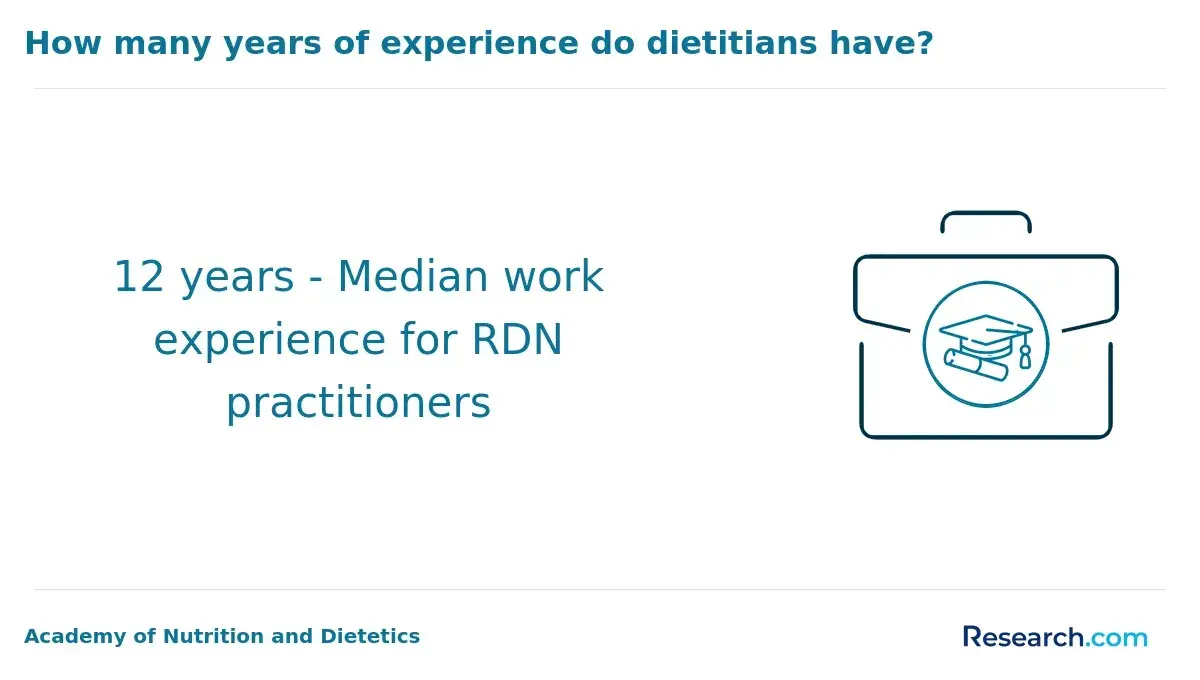
In Virginia, the average salary for nutritionists is approximately $60,000 per year. Actual earnings may differ by credential, employer, region, experience, specialization, and whether the role is clinical, administrative, public health, corporate wellness, or private practice. Urban areas, such as Northern Virginia, often offer higher salaries because of cost of living and demand for specialized services.
- Preventive healthcare: More employers and healthcare systems are emphasizing nutrition’s role in managing chronic disease and improving health outcomes.
- Multiple work settings: Nutrition professionals may find roles in hospitals, schools, community agencies, corporate wellness programs, long-term care, and private practice.
- Aging population: Older adults often need nutrition support related to chronic conditions, medication use, mobility limitations, and recovery.
- Public health initiatives: Nutrition education, food access, and school wellness programs can create opportunities for professionals with community health skills.
How can nutritionists advance their careers in Virginia?
Career advancement usually comes from a combination of stronger credentials, practical specialization, leadership experience, and the ability to work across healthcare or community systems. The right next step depends on where you want to work.
| Advancement path | What it can lead to | Best for |
| Registered Dietitian Nutritionist credential | Clinical, hospital, long-term care, public health, and leadership roles | Nutritionists who want the broadest healthcare credibility |
| Certified Nutrition Specialist credential | Advanced counseling, specialized nutrition consulting, and evidence-based practice roles | Graduate-educated professionals seeking a recognized advanced credential |
| Clinical specialization | Work with chronic disease, rehabilitation, aging populations, or specialized patient groups | Practitioners interested in patient-centered care |
| Public health nutrition | Community programs, health education, policy work, and nonprofit or government roles | Professionals focused on population health and food access |
| Food service management | Menu planning, compliance, school nutrition, and institutional leadership | Nutrition professionals with operations and management interests |
| Private practice | Independent counseling, niche services, group programs, and consulting | Experienced professionals with business, marketing, and documentation skills |
Major healthcare employers in Virginia include Sentara Healthcare and Bon Secours. Nutritionists who want career mobility should track employer credential requirements before choosing a program or certification.
How can nutritionists work with substance abuse counselors?
Nutrition and behavioral health often overlap, especially for clients in recovery who may be rebuilding daily routines, managing cravings, addressing chronic health concerns, or stabilizing eating patterns. Nutritionists can improve care by creating referral relationships with licensed behavioral health and substance abuse professionals instead of trying to manage issues outside their scope.
If you want to understand how recovery-focused care teams are trained and regulated, reviewing how to become a substance abuse counselor in Virginia can help you communicate more effectively with counselors and make better referrals.
How can advanced certifications and continuing education strengthen a Virginia nutrition career?
Continuing education helps nutrition professionals stay current with research, client communication methods, cultural nutrition needs, food systems, chronic disease prevention, and digital practice tools. Advanced credentials can also help separate evidence-based practitioners from unregulated wellness advice online.
Flexible learning options, including a nutrition course online, may be useful for professionals who want targeted skill development. Before enrolling, check whether the course is accepted for continuing education, recognized by employers, or aligned with your intended credential.
How can nutritionists build interdisciplinary healthcare partnerships?
Nutrition care is often more effective when it is coordinated with physicians, nurses, pharmacists, behavioral health providers, fitness professionals, and social service agencies. Strong partnerships can improve referrals, reduce duplicated advice, and help clients receive support for medical, social, and behavioral barriers.
Nutritionists who work closely with nursing teams may benefit from understanding board of nursing program requirements in Virginia. This can clarify how nursing education, clinical responsibilities, and healthcare documentation standards intersect with nutrition care.
How does advanced education affect nutrition career progression in Virginia?
Graduate education can support roles that require deeper scientific knowledge, leadership, research literacy, and specialized counseling ability. A master’s or doctoral pathway may be especially useful for professionals interested in clinical leadership, academic work, advanced certification, public health programs, or complex nutrition cases.
Students comparing graduate outcomes can review career options connected to human nutrition and dietetics. The main decision is whether the degree supports your desired credential, supervised practice plan, and target employers.
How are emerging technologies changing nutrition practice in Virginia?
Telehealth, digital food tracking, wearable devices, electronic health records, and data-informed coaching are changing how nutrition professionals monitor progress and communicate with clients. These tools can improve convenience and continuity, but they also raise questions about privacy, documentation, accessibility, and evidence-based interpretation.
Private-practice nutritionists may also need stronger administrative skills as digital care grows. Understanding healthcare operations, including how to become a medical biller and coder in Virginia, can help practitioners communicate with billing teams, organize documentation, and reduce avoidable claim problems.
How can nutritionists find mentorship and continuing education in Virginia?
Mentorship can shorten the learning curve for students and early-career nutritionists. Good mentors can help you choose supervised practice sites, prepare for exams, understand scope-of-practice limits, evaluate job offers, and build confidence with clients.
Useful sources of professional development may include academic departments, dietetics internship directors, local health departments, professional associations, conferences, and structured peer networks. Interdisciplinary learning can also sharpen analytical skills; for example, reviewing forensic scientist education requirements in Virginia can expose students to evidence handling, scientific reasoning, and documentation practices used in another applied science field.
How can nutritionists advocate for nutrition policy in Virginia?
Nutritionists can contribute to policy discussions on food access, school meals, chronic disease prevention, community wellness, and public health education. Effective advocacy is usually local and practical: attend public meetings, build relationships with health departments, contribute data-informed testimony, join advisory groups, and work with organizations already serving affected communities.
Nutrition professionals who want to understand broader healthcare policy may find it useful to review how to become a nurse practitioner in Virginia, especially because nurse practitioners often work in community care, chronic disease management, and healthcare access initiatives.
Why should nutritionists understand pharmacist licensure and medication coordination?
Nutrition advice can intersect with medication use, especially for clients managing diabetes, cardiovascular disease, gastrointestinal conditions, kidney concerns, or weight-related treatment plans. Nutritionists should not practice pharmacy, but they should know when to refer and how food choices may relate to medication timing, tolerance, or safety.
Reviewing pharmacist licensure requirements in Virginia can help nutrition professionals better understand the pharmacist’s role and coordinate more responsibly on food–drug interaction concerns.
What nutrition specializations are available in Virginia?
Specialization can help nutritionists serve a clearer audience and compete for roles that require focused expertise. The best specialization depends on your credential, supervised experience, local demand, and comfort working with specific populations.
| Specialization | What it focuses on | Virginia career relevance |
| Clinical nutrition | Nutrition support for patients with chronic illnesses and medical needs | Relevant in hospitals, rehabilitation centers, long-term care, and outpatient clinics |
| Sports nutrition | Fueling, recovery, hydration, and performance support for athletes | Useful in school, collegiate, recreational, and competitive athletic environments |
| Pediatric nutrition | Child and family nutrition, growth, feeding habits, and healthy eating education | Important for families, schools, pediatric clinics, and community programs |
| Public health nutrition | Nutrition education, food access, population health, and community intervention | Relevant to food insecurity, prevention campaigns, and local health initiatives |
James Madison University offers a program in Clinical Nutrition, and students interested in specialized practice should compare coursework, supervised experiences, faculty expertise, and credential outcomes before enrolling.
How do you transition from nutritionist to registered dietitian in Virginia?
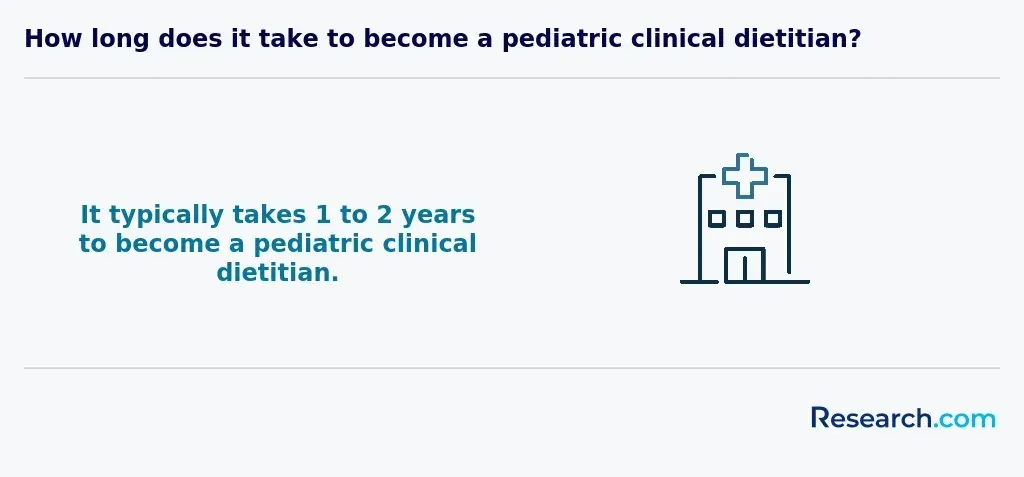
Moving from a general nutrition role into registered dietitian practice requires planning. Start by confirming whether your prior coursework meets dietetics requirements. If it does not, you may need additional accredited coursework before entering supervised practice or a graduate pathway.
- Review your transcripts against accredited dietetics requirements.
- Identify any missing nutrition science, food service, biochemistry, physiology, or clinical coursework.
- Choose an ACEND-aligned pathway that supports the CDR exam and Virginia licensure.
- Complete the required supervised practice experience.
- Prepare for and pass the CDR examination.
- Submit required documentation to the Virginia Board of Medicine.
- Plan for 30 hours of continuing education every two years after licensure.
For a more detailed pathway, see this guide to the requirements to become a registered dietitian in Virginia.
What challenges do nutritionists face in Virginia?
Nutrition careers can be rewarding, but students should understand the practical barriers before investing in a program or credential.
| Challenge | Why it matters | Better approach |
| Regulatory confusion | Many people assume nutritionist and dietitian rules are the same, but Virginia treats them differently. | Verify state licensure rules before choosing a title, service model, or credential path. |
| Food insecurity | Some communities have limited access to affordable, nutrient-dense foods. | Build partnerships with community programs, food access organizations, and public health agencies. |
| Nutrition misinformation | Social media trends can make clients skeptical of evidence-based guidance. | Use clear explanations, avoid fear-based claims, and cite reputable sources when educating clients. |
| Cost of training | Degrees, internships, living costs, and fees can add up quickly. | Compare total program cost, financial aid, transfer policies, and supervised practice requirements. |
| Credential mismatch | A certificate may not qualify you for clinical or licensed roles. | Start with your target job postings, then work backward to the required credential. |
What legal responsibilities should Virginia nutritionists understand?
Because Virginia does not license the general nutritionist title, practitioners must be especially careful about how they describe their services. Avoid implying that you are a licensed dietitian, diagnosing diseases, treating medical conditions, or providing medical nutrition therapy unless your education, credential, license, and scope of practice allow it.
Voluntary certification, such as the CNS credential, can strengthen professional credibility, but it is not the same as state dietitian licensure. Local rules may also affect business operations, advertising, zoning, or health-related services, so private practitioners should check both state and local requirements.
Some students also consider adjacent wellness careers. If you are comparing nutrition with fitness or movement-related pathways, researching online exercise science degree cost can help you compare education expenses and career fit.
How can nutritionists start and manage a private practice in Virginia?
A private practice offers independence, but it also requires business discipline. Before launching, define your niche, ideal client, scope of services, pricing model, documentation process, referral network, and legal structure. Do not rely only on social media visibility; sustainable practices usually combine referrals, local relationships, client education, and consistent follow-up systems.
- Create a written business plan with services, expenses, revenue expectations, and target market.
- Clarify whether you are offering education, coaching, counseling, or licensed dietetics services.
- Set documentation standards for intake forms, progress notes, consent forms, and referrals.
- Develop referral relationships with physicians, therapists, pharmacists, fitness professionals, and community organizations.
- Use ethical marketing that avoids guaranteed outcomes or unsupported health claims.
Nutritionists who want broader healthcare context can review how to become a nurse in Virginia to understand how another regulated health profession approaches education, licensure, and patient care responsibilities.
How can nutritionists handle insurance billing and reimbursement in Virginia?
Insurance billing can make private practice more accessible for clients, but it also adds administrative complexity. Reimbursement depends on payer rules, provider credentialing, diagnosis codes, documentation quality, medical necessity, and whether the practitioner is eligible to bill for the service.
- Confirm which credentials each payer recognizes before promising coverage to clients.
- Maintain clear documentation that supports the service provided.
- Use billing software or experienced billing support if claims become time-consuming.
- Explain out-of-pocket costs and coverage limits before the first appointment.
- Track denials to identify documentation or eligibility problems.
Nutrition practices that collaborate with advanced clinicians may also benefit from understanding how nurse practitioner education and care models work. Reviewing the best accredited NP programs in Virginia can provide useful context for interdisciplinary care and referral relationships.
Common mistakes to avoid when choosing a nutrition career path in Virginia
| Mistake | Why it can hurt you | What to do instead |
| Assuming any nutrition certificate leads to clinical jobs | Many employers require RDN, CNS, accredited coursework, or state licensure. | Check job postings and credential requirements before enrolling. |
| Choosing a school without checking accreditation | Non-aligned coursework may not support dietitian eligibility. | Verify ACEND status if your goal is RDN licensure. |
| Looking only at tuition | Fees, housing, transportation, supplies, background checks, and internship costs can change affordability. | Calculate the full cost of attendance and supervised practice expenses. |
| Ignoring scope of practice | Unclear claims can create legal and ethical risk. | Use accurate titles and refer clients when needs exceed your training. |
| Waiting too long to get experience | Classroom knowledge alone may not prepare you for clients or employers. | Seek volunteer work, supervised practice, community programs, and research opportunities early. |
| Assuming salary outcomes are guaranteed | Pay varies by region, credential, employer, and specialization. | Compare local job postings and talk with professionals in your target setting. |
Questions to ask before enrolling in a nutrition program
- Is the program accredited by the organization required for my intended credential?
- Will the coursework help me qualify for supervised practice, the CDR exam, or the CNS pathway?
- Does the program publish clear tuition, fee, internship, and living cost information?
- Can I complete supervised practice in Virginia or near where I live?
- What credentials do graduates typically pursue?
- Does the program support transfer credits, online learning, or part-time study?
- Will this pathway qualify me for the job settings I actually want?
- What career advising, exam preparation, and placement support are available?
Key Insights
- Virginia does not license the general title “nutritionist,” but dietitians must be licensed by the Virginia Board of Medicine.
- The RDN pathway is the strongest fit for students who want clinical, hospital, public health, or insurance-recognized roles.
- The CNS credential can be valuable for graduate-educated nutrition professionals, especially those interested in advanced counseling or integrative nutrition.
- Starting January 1, 2024, the CDR requires a master’s degree for registered dietitian candidates.
- Expect the process to take about four years for bachelor’s-level preparation and six years or more for graduate-level credentials and supervised practice.
- Virginia State University's Dietetic Internship Program lists approximately $8,500 in tuition, but students should also budget for fees, supplies, housing, transportation, screenings, and professional expenses.
- Virginia employment for dietitians and nutritionists is projected to grow 7% through 2033, but salary and job access depend heavily on credential, location, and work setting.
- The safest way to choose a path is to start with your target job, verify its required credential, then select an accredited program that supports that outcome.
Related Articles for Nearby States
- 2027 How to Become a Nutritionist in West Virginia
- 2027 How to Become a Nutritionist in Maryland
- 2027 How to Become a Nutritionist in North Carolina
- 2027 How to Become a Nutritionist in Tennessee
- 2027 How to Become a Nutritionist in Kentucky
- 2027 How to Become a Nutritionist in Pennsylvania
- 2027 How to Become a Nutritionist in South Carolina
- 2027 How to Become a Nutritionist in Ohio
- 2027 How to Become a Nutritionist in Delaware
- 2027 How to Become a Nutritionist in New Jersey
References:
- Become a Nutritionist.Org. Becoming a licensed or non-licensed nutritionist in Virginia. becomeanutritionist.org.
- Holistic Council. Virginia nutritional law. holisticcouncil.org.
- Legislative Information System - Virginia Law. Administrative Code | 12VAC5-371-340. Dietary and food service program. law.lis.virginia.gov.
- nutritionED.org. Virginia nutritionist certification. nutritioned.org.
- NutritionistDegreeOnline.Org. How to become a nutritionist and registered dietitian in Virginia. nutritionistdegreeonline.org.
- On Board Virginia. How to become a registered dietitian in Virginia. onboardvirginia.com.
- Virginia Health Workforce Development Authority. Registered dietitian. vhwda.org.
- Virginia State University. Program costs. vsu.edu.
- Virginia Tech. Nutrition and dietetics. vt.edu.
- Virginia Tech - Department of Human Nutrition, Foods, and Exercise. Nutrition and Dietetics (NAD). hnfe.vt.edu.
Other Things You Should Know about Becoming a Nutritionist in Virginia
In 2027, nutritionists in Virginia must complete 15 hours of continuing education every two years to maintain their licensure. This includes attending workshops, conferences, or completing online courses approved by the Virginia Board of Dietetics and Nutrition.
Virginia Board of Medicine application review usually takes 2 to 4 weeks after the board receives a complete file. Missing transcripts, verification forms, or background-check items can delay approval. Applicants should submit all materials together and monitor the board’s licensing portal for status updates.
To become a licensed nutritionist in Virginia in 2027, you'll need a bachelor's degree in dietetics, nutrition, or a related field. Completing 900 hours of supervised practice and passing the Commission on Dietetic Registration (CDR) exam are also required steps.


