2027 How to Become a Nutritionist in Indiana

Co-Founder and Chief Data Scientist
If you want to work in nutrition in Indiana, the first decision is not simply which school to attend. You need to understand the difference between offering general nutrition guidance, becoming a credentialed nutrition professional, and qualifying for licensed dietitian practice. Those paths can lead to different education requirements, legal responsibilities, job settings, and earning potential.
This guide explains how to become a nutritionist in Indiana in practical terms: what education may be enough for general nutrition work, when licensure matters, how long each route can take, what certifications can strengthen credibility, what costs to expect, and how to evaluate whether the registered dietitian path is worth the additional training. It is designed for students, career changers, wellness professionals, and healthcare workers who want a clear plan before investing time and money.
The need for qualified nutrition support is also tied to real public health issues in the state. In 2025, data showed that nearly 2 in 10 Indiana children, or 18.2%, experienced food insecurity. Nutrition professionals can contribute through community education, clinical care teams, school wellness initiatives, food access programs, private coaching, and public health outreach.
Quick Answer: How Do You Become a Nutritionist in Indiana?
Indiana does not require a state license for every person who gives general nutrition advice. However, Indiana does regulate dietitians, and anyone who wants to practice as a registered dietitian or use protected dietitian credentials must meet formal education, supervised practice, exam, and licensure requirements. A strong path for most serious nutrition careers is to earn a degree in nutrition, dietetics, public health, exercise science, or a related field; complete supervised experience; consider a recognized certification; and stay within the legal scope of practice for your credentials.
| Path | Typical preparation | Best fit | Main limitation |
| General nutritionist | Certificate, undergraduate coursework, bachelor’s degree, or related health background | Wellness education, health coaching, community programs, fitness settings | Must avoid representing yourself as a licensed dietitian if you do not hold that credential |
| Registered Dietitian Nutritionist | Bachelor’s degree, accredited supervised practice, national exam, and state licensure | Clinical nutrition, hospitals, medical nutrition therapy, healthcare teams | Longer and more structured training route |
| Certified Nutrition Specialist | Graduate-level preparation and supervised practice | Advanced clinical, integrative, research-informed nutrition work | Requires significant education and experience |
| Specialized nutrition coach | Focused certification in sports, wellness, holistic, or behavior-based nutrition | Fitness, lifestyle coaching, private coaching, wellness programs | May not qualify you for clinical dietitian roles or insurance-based services |
Key Things You Should Know About Becoming a Nutritionist in Indiana
- Indiana does not require all nutritionists to be licensed, but dietitians are regulated, and the licensed dietitian title is protected.
- Registered dietitian candidates generally need a bachelor’s degree in nutrition or a related field, supervised practice, a passing score on the Commission on Dietetic Registration exam, and state licensure.
- The Indiana State Department of Health is connected with dietitian licensure oversight, while general nutrition practice is not handled the same way as licensed dietitian practice.
- Credentials such as Certified Nutrition Specialist and Certified Clinical Nutritionist can help demonstrate training, ethical commitment, and professional seriousness, even when a state license is not required for general nutrition work.
- Before choosing a program, confirm whether it supports your intended career path: wellness coaching, community nutrition, sports nutrition, clinical dietetics, public health, private practice, or graduate study.
- What education do you need to become a nutritionist in Indiana?
- Does Indiana require nutritionists to be licensed?
- How long does it take to become a nutritionist in Indiana?
- Which nutrition certifications are useful in Indiana?
- What hands-on experience should Indiana nutritionists get?
- How much does nutrition education and certification cost in Indiana?
- What salary and job outlook should Indiana nutritionists expect?
- How can Indiana nutritionists use professional networks?
- Can nutritionists work with substance abuse counselors in Indiana?
- How can continuing education and research improve nutrition practice?
- What advancement opportunities exist for nutritionists in Indiana?
- How is technology changing nutrition work in Indiana?
- What business opportunities can Indiana nutritionists pursue?
- What can nutritionists learn from other scientific fields?
- How do insurance and reimbursement affect nutrition practice?
- How can nutritionists collaborate with pharmacists?
- What nutrition specializations are available in Indiana?
- What challenges do nutritionists face in Indiana?
- How can nutritionists and nurses coordinate patient care?
- Can additional credentials expand a nutritionist’s role?
- Is the registered dietitian credential worth pursuing in Indiana?
- What legal responsibilities apply to nutritionists in Indiana?
What education do you need to become a nutritionist in Indiana?
Your education should match the type of nutrition work you want to do. A short certificate may be enough for basic wellness coaching in some settings, but it will not prepare you for clinical dietetics, medical nutrition therapy, or many healthcare roles. If you want broader career options, a degree in nutrition, dietetics, nutritional science, public health, food science, kinesiology, or a related field is usually the stronger choice.
| Education option | What it can prepare you for | When it makes sense |
| Certificate or short training program | Introductory nutrition coaching, fitness-based nutrition support, wellness education | You want a faster entry point and do not plan to provide clinical dietitian services |
| Associate-level or community college coursework | Dietary management support, food service roles, transfer preparation | You want a lower-cost start or plan to transfer into a bachelor’s program |
| Bachelor’s degree | Nutrition education, community health, wellness programming, dietetics preparation | You want stronger employment options or plan to pursue registered dietitian training |
| Master’s degree | Advanced nutrition practice, research, specialized clinical or public health roles | You want deeper expertise, leadership potential, or advanced credentials |
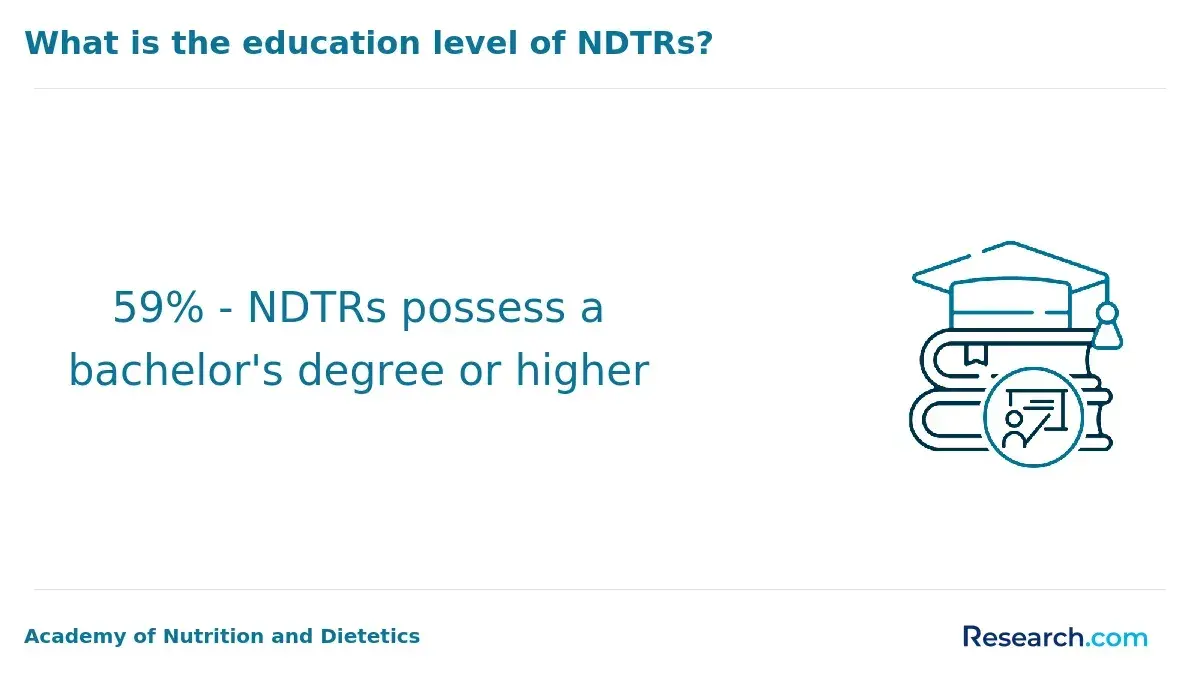
- Bachelor’s degree: A bachelor’s program in nutrition, dietetics, nutritional science, or a related discipline gives students a scientific base in food, metabolism, disease prevention, counseling, and public health. Programs accredited by the Accreditation Council for Education in Nutrition and Dietetics are especially important for students planning to become dietitians.
- Graduate study: A master’s degree is not required for every nutrition job, but it can improve readiness for advanced practice, research, teaching, public health leadership, or specialized clinical work. Indiana University and other institutions offer pathways that can support deeper study in nutrition science.
- Program variety: Indiana students can consider options ranging from dietary management certificates at Ivy Tech Community College to dietetics-focused bachelor’s study at the University of Southern Indiana. The right choice depends on whether you want a support role, a wellness career, a transfer pathway, or dietitian eligibility.
- Core coursework: Strong programs usually include nutrition principles, chemistry, biology, anatomy and physiology, food science, lifecycle nutrition, counseling, community nutrition, and research methods. These courses help you understand both the science and the communication side of nutrition practice.
If you are comparing degree options, start with programs that align with your intended role rather than choosing only by convenience. Students who want flexible undergraduate study can also review online bachelor’s degrees in nutritional science to understand how distance programs may support nutrition-related career goals.
Does Indiana require nutritionists to be licensed?
Indiana does not require every nutritionist to hold a state license. That means a person may provide general nutrition education or wellness guidance without becoming a licensed dietitian, as long as they do not misrepresent their qualifications or step into a regulated scope of practice.
The distinction matters. Indiana licenses dietitians and protects the “licensed dietitian” title and the abbreviation “L.D.” If your goal is to work in hospitals, clinical nutrition, disease-specific nutrition therapy, or roles that require dietitian credentials, you should plan for the registered dietitian and state licensure pathway.
For consumers, the lack of universal nutritionist licensure means credentials deserve careful review. For aspiring professionals, it means you should be transparent about your education, certifications, services, and limits. Ethical practice is not optional just because a general nutritionist license is not required.
| Question | Practical answer |
| Can I call myself a nutritionist in Indiana? | General nutrition practice is not licensed the same way dietetics is, but you should avoid implying that you are a licensed dietitian unless you meet those requirements. |
| Do I need licensure for clinical dietitian roles? | Yes, dietitian practice is regulated, and employers commonly require registered dietitian credentials and state licensure for clinical roles. |
| Can a certification replace dietitian licensure? | No. A private certification may improve credibility, but it does not automatically grant the legal status of a licensed dietitian. |
| What should clients ask? | Clients should ask about education, supervised practice, certifications, scope of services, referral policies, and experience with their health concern. |
How long does it take to become a nutritionist in Indiana?
The timeline depends on whether you want to enter general wellness work quickly or qualify for dietitian-level practice. The fastest route can take months, while the registered dietitian or advanced clinical route can take several years.
| Career route | Estimated timeline | What happens during that time |
| Non-licensed nutritionist or nutrition coach | Six months to a year | Complete a focused online or professional certification and begin building experience in wellness, fitness, or community education. |
| Bachelor’s degree graduate | Four years | Complete undergraduate study in nutrition, dietetics, food science, public health, or a related field. |
| Master’s degree student | Additional two years | Build advanced knowledge in nutrition science, clinical practice, research, public health, or specialization areas. |
| Registered Dietitian Nutritionist | Five to seven years | Complete a bachelor’s degree, a 1,200-hour supervised internship, and a national exam. |
| Certified Nutrition Specialist | Five to seven years | Complete graduate-level education and supervised practice before pursuing the credential. |
| Short specialized credential | As little as six months | Complete a targeted credential such as the NESTA Certified Sports Nutritionist or another focused program. |
A shorter path can be appropriate if you plan to work in fitness, lifestyle coaching, or general wellness education. However, if you want clinical authority, employer mobility, or roles in healthcare systems, the longer registered dietitian route is often more defensible. Students interested in natural, whole-person approaches can also compare how holistic nutrition training fits with their career goals and legal responsibilities.
Which nutrition certifications are useful in Indiana?
Certification is not the same as state licensure, but the right credential can strengthen your credibility, improve client trust, and show that you have completed structured training. The best certification depends on whether you want to work in clinical nutrition, wellness coaching, sports nutrition, integrative nutrition, or community education.
| Credential | What it signals | Best for |
| Registered Dietitian Nutritionist | Formal dietetics education, supervised practice, national examination, and eligibility for licensed dietitian roles | Clinical care, hospitals, long-term care, disease-specific nutrition, medical teams |
| Certified Nutrition Specialist | Advanced academic preparation and supervised experience in nutrition science | Advanced practice, research-informed nutrition, integrative or specialized settings |
| Certified Clinical Nutritionist | Focused clinical nutrition preparation through a private credentialing pathway | Practitioners who want a structured nutrition credential outside the dietitian route |
| Sports or wellness nutrition certification | Training in performance nutrition, coaching, behavior change, or lifestyle support | Fitness centers, coaching businesses, athlete support, corporate wellness |
Choose carefully. A short certification may be useful for coaching clients on habits, meal planning basics, or performance goals, but it may not qualify you for clinical jobs. If you want to work with patients who have diabetes, kidney disease, eating disorders, cardiovascular disease, gastrointestinal disorders, or other complex conditions, dietitian training is usually the more appropriate pathway.
What hands-on experience should Indiana nutritionists get?
Nutrition is applied work. Employers and clients want more than coursework; they want evidence that you can assess needs, communicate clearly, design practical plans, document appropriately, and collaborate with other professionals. Hands-on experience is especially important if you hope to move beyond basic education roles.
- Clinical exposure: Hospitals, outpatient clinics, long-term care facilities, and community health centers can help students understand patient assessment, nutrition screening, care planning, and interdisciplinary communication.
- Community nutrition work: Food banks, schools, county health programs, WIC-related services, and public health campaigns can provide experience with food insecurity, family education, and culturally responsive nutrition outreach.
- Food service experience: Work in institutional dining, school nutrition, healthcare food service, or campus dining can build practical knowledge of menu planning, safety standards, budgeting, and dietary accommodations.
- Research and data projects: University research, community needs assessments, and program evaluation projects can strengthen your ability to interpret evidence and measure whether nutrition interventions are working.
- Client communication practice: Shadowing, supervised coaching, peer education, and counseling simulations help future nutritionists learn how to translate science into realistic behavior change.
If you plan to become a registered dietitian, supervised practice is not optional; it is part of the credentialing pathway. If you are not pursuing dietitian licensure, you should still seek supervised or mentored experience because it helps you practice ethically and recognize when a client needs referral to a licensed healthcare professional.
How much does nutrition education and certification cost in Indiana?
The cost to become a nutritionist in Indiana varies widely because the available routes are so different. A short certification costs far less than a bachelor’s or graduate degree, but it also leads to a narrower range of roles. When comparing options, look beyond sticker tuition and consider total cost, credential value, transfer options, financial aid, and the jobs each pathway can realistically support.
- Tuition: Undergraduate nutrition programs at institutions such as Indiana University or Purdue University may range from $10,000 to $30,000 annually. Advanced study can cost more, and doctoral-level Nutrition and Dietetics coursework can reach up to $861 per credit hour for non-residents, totaling nearly $89,000.
- Certification expenses: Programs such as the NASM Certified Nutrition Coach or ISSA Nutritionist Certification typically cost between $600 and $1,200, including course materials and exam-related fees.
- Books and supplies: Students should also plan for textbooks and materials, which can cost between $200 and $500 each semester.
- Hidden costs: Consider exam fees, background checks, immunizations for clinical placements, transportation, technology, liability insurance, professional memberships, and lost income if you reduce work hours during internships or practicum experiences.
| Cost factor | Why it matters | Question to ask before enrolling |
| Accreditation or recognition | Some career paths require specific program approval or supervised practice eligibility. | Will this program qualify me for the credential or role I want? |
| Transfer credits | Accepted credits can reduce time and cost. | How many of my previous credits will apply to this degree? |
| Internship placement | Supervised practice can affect graduation, credentialing, and employability. | Does the school help students secure supervised placements? |
| Online format | Online study can improve flexibility but may still require in-person labs or fieldwork. | What parts of the program must be completed in person? |
| Career outcomes | Low tuition is not enough if the credential has limited market value. | What roles do graduates actually obtain? |
Students considering graduate study can review online master’s degrees in nutrition to compare flexible formats and determine whether advanced education fits their career and budget.
What salary and job outlook should Indiana nutritionists expect?
Nutrition careers in Indiana are influenced by healthcare demand, public health priorities, chronic disease prevention, school and community wellness programs, and consumer interest in food and health. According to the U.S. Bureau of Labor Statistics, employment of dietitians and nutritionists is projected to grow by 7% through 2033, faster than the average for all occupations.
Indiana nutrition roles can be found in hospitals, outpatient clinics, schools, public health agencies, long-term care facilities, sports and fitness organizations, corporate wellness programs, food service operations, and private practice. The average salary for nutritionists in Indiana is around $60,000, while another cited average salary figure is $60,590. Actual pay depends on credential level, employer type, location, experience, specialization, and whether the role requires registered dietitian licensure.
| Work setting | Typical work focus | Credential advantage |
| Hospitals and clinics | Patient assessment, nutrition intervention, disease management support | Registered dietitian credentials are commonly important or required. |
| Schools and community programs | Nutrition education, menu support, family outreach, food access initiatives | Public health, dietetics, or community nutrition training is valuable. |
| Fitness and sports settings | Performance nutrition, body composition goals, habit coaching | Sports nutrition credentials and exercise science knowledge can help. |
| Corporate wellness | Employee health programs, workshops, coaching, wellness campaigns | Communication skills and program design experience matter. |
| Private practice | One-on-one counseling, group programs, niche coaching services | Strong credentials, referral relationships, and business skills are critical. |
Salary figures are not guarantees. Before committing to an education path, compare local job postings and note whether employers ask for a bachelor’s degree, master’s degree, registered dietitian credential, state licensure, or a specific certification.
How can Indiana nutritionists use professional networks?
Professional networks can help nutritionists find mentors, referrals, continuing education, job leads, and interdisciplinary partners. In Indiana, useful networking may include dietetics associations, public health coalitions, hospital education events, university alumni groups, local wellness organizations, food access nonprofits, and conferences focused on chronic disease prevention or community health.
Networking is most useful when it is tied to a clear goal. A student may use it to find internship sites. A new practitioner may use it to learn documentation standards. A private practice nutritionist may use it to build referral relationships with physicians, therapists, pharmacists, nurses, or fitness professionals. Nutritionists interested in broader healthcare collaboration can also compare related pathways such as how to become a nurse in Indiana.
Can nutritionists work with substance abuse counselors in Indiana?
Yes. Nutrition can play a supportive role in recovery-oriented care, especially when clients are rebuilding eating routines, addressing nutrient gaps, managing stress, or working toward overall health stability. Nutritionists do not replace substance abuse counselors, but they can contribute to a coordinated plan when roles are clearly defined.
Strong collaboration may include referral agreements, shared care goals, client consent for communication, and awareness of trauma-informed practice. Nutrition professionals who want to understand this adjacent field can review how to become a substance abuse counselor in Indiana and use that knowledge to communicate more effectively with behavioral health providers.
How can continuing education and research improve nutrition practice?
Nutrition science changes as new evidence emerges, and continuing education helps practitioners avoid outdated guidance. Indiana nutritionists can use workshops, webinars, graduate courses, professional conferences, journal clubs, and supervised training to keep their practice evidence-based.
Continuing education is especially important in areas such as diabetes prevention, cardiovascular health, pediatric nutrition, gastrointestinal disorders, eating behavior, food insecurity, sports performance, and culturally responsive counseling. Practitioners who want deeper academic preparation can explore master’s programs for dietitians as one way to strengthen research literacy and advanced practice skills.
What advancement opportunities exist for nutritionists in Indiana?
Career growth in nutrition usually comes from a combination of stronger credentials, specialized experience, leadership skills, and a clear professional niche. Indiana nutritionists may advance by moving into clinical dietetics, program management, private practice, public health leadership, research, education, or wellness consulting.
- Registered Dietitian Nutritionist: Earning the RDN credential can expand access to clinical roles, healthcare teams, and positions that require dietitian licensure.
- Corporate wellness: Employers may hire nutrition professionals to design workshops, coaching programs, healthy eating campaigns, and employee wellness initiatives.
- Public health programs: Nutritionists can work with community health agencies, WIC-related services, food security organizations, and prevention-focused initiatives.
- Private practice: Independent practitioners can offer coaching, group programs, meal planning education, specialty consulting, and partnerships with local providers.
- Research and academia: Nutrition professionals with advanced training may contribute to studies, teach future practitioners, or support food and health policy work.
Hospitals, medical clinics, and educational institutions are among the major employers of nutrition professionals in Indiana. With an average salary of $60,590 and projected job growth of 7% over the next decade, the field can offer room for development, though advancement depends heavily on credentials and experience. Those interested in combining nutrition with nursing-related expertise can review nutrition nurse certification options to understand adjacent clinical pathways.
How is technology changing nutrition work in Indiana?
Digital tools are now part of many nutrition workflows. Telehealth platforms can reduce travel barriers, food and activity tracking apps can support accountability, and electronic health records can improve communication across care teams. Artificial intelligence and analytics may also help practitioners organize data, identify patterns, and personalize education, but they do not replace clinical judgment or ethical counseling.
Nutritionists should use technology carefully. Client privacy, data accuracy, accessibility, and scope of practice still matter. A tracking app can support behavior change, but it can also create stress or encourage over-monitoring for some clients. Professionals who want a stronger academic foundation in both nutrition science and evolving practice tools can explore a nutritional science degree.
What business opportunities can Indiana nutritionists pursue?
Entrepreneurial nutritionists in Indiana may build services around private coaching, corporate wellness, sports nutrition, family meal planning education, community workshops, grocery store tours, school wellness consulting, food service consulting, or partnerships with local clinics and fitness centers. A successful business requires more than nutrition knowledge; it also requires clear positioning, ethical marketing, referral relationships, documentation, payment systems, and legal awareness.
Before launching a practice, define who you serve, what problems you help solve, what credentials support your services, and when you will refer clients to licensed healthcare providers. Nutritionists who plan to manage billing or administrative systems may find it useful to understand related healthcare operations, including how to become a medical biller and coder in Indiana.
What can nutritionists learn from other scientific fields?
Nutrition work benefits from the same habits that support strong scientific practice in other disciplines: careful data collection, evidence review, documentation, ethical boundaries, and transparent reasoning. Borrowing these habits helps nutritionists avoid overclaiming, relying on weak evidence, or treating anecdotal success as proof.
For example, forensic science emphasizes precision, chain of evidence, and methodical analysis. Nutritionists can apply a similar mindset when reviewing food records, lab-related information provided by medical teams, program outcomes, or research claims. Professionals interested in how another science-based career structures education and evidence can review forensic scientist education requirements in Indiana.
How do insurance and reimbursement affect nutrition practice?
Insurance coverage can shape whether nutrition services are financially sustainable, especially for practitioners who want to work with medical referrals or long-term client care. Coverage rules vary by insurer, condition, provider credential, documentation standards, and referral requirements. Many plans are more likely to recognize services provided by licensed or registered professionals than by general nutrition coaches.
If you plan to run a nutrition practice, learn how to document services, verify benefits, communicate with referring providers, and explain payment policies clearly to clients. Some nutrition professionals also build interdisciplinary referral networks with clinicians who have broader reimbursement pathways. Those exploring advanced healthcare roles can review how to become a nurse practitioner in Indiana to understand how clinical credentials can affect service delivery and collaboration.
How can nutritionists collaborate with pharmacists?
Nutritionists and pharmacists can work together when food choices, supplements, medications, and chronic disease management overlap. This collaboration is especially relevant for clients managing conditions where medication timing, nutrient interactions, hydration, appetite changes, or supplement use may affect outcomes.
Effective collaboration requires clear scope boundaries. Pharmacists address medication safety and counseling, while nutrition professionals support food-related behavior, nutrition education, and diet planning within their qualifications. Understanding pharmacist licensure requirements in Indiana can help nutritionists communicate more effectively with pharmacy professionals and build responsible referral relationships.
What nutrition specializations are available in Indiana?
Specialization can make a nutrition career more focused and marketable. It also helps you decide which education, credentials, and experience are worth pursuing. Indiana nutritionists may specialize in clinical care, sports performance, child and family nutrition, food access, corporate wellness, or public health.
| Specialization | Typical clients or setting | Why it matters in Indiana |
| Clinical nutrition | Hospitals, clinics, long-term care, outpatient care | Supports chronic disease management and medical care teams. |
| Sports nutrition | Athletes, schools, colleges, fitness organizations | Indiana’s strong school and university sports culture creates demand for performance-focused guidance. |
| Pediatric nutrition | Children, families, schools, community programs | Childhood nutrition education is important where food insecurity and obesity concerns affect families. |
| Public health nutrition | Health departments, nonprofits, community programs | Food access, prevention, and nutrition education are major community priorities. |
| Corporate wellness | Employers, workforce wellness vendors, benefits programs | Workplace health initiatives often include nutrition workshops and coaching. |
| Holistic or integrative nutrition | Wellness clients, private coaching, lifestyle programs | Can appeal to clients seeking whole-person support, but practitioners must stay within legal and ethical boundaries. |
A sports nutritionist supporting an Indiana university athletic department, for example, may help with fueling strategies, hydration education, recovery planning, and team workshops. A public health nutritionist might focus on food access, family education, or community programs in underserved areas. Purdue University’s Nutrition Science pathway is one example of formal study that can expose students to multiple nutrition directions while building scientific training.
What challenges do nutritionists face in Indiana?
Indiana nutrition professionals work in a state with real public health needs, uneven food access, varying levels of health literacy, and a mixed regulatory environment. Understanding these challenges early can help you prepare for the realities of practice.
- Food access barriers: Some communities have limited access to affordable fresh foods, especially in rural or underserved areas. According to the USDA, nearly 15% of Indiana residents live in food deserts, which can make standard nutrition advice unrealistic unless it accounts for cost, transportation, storage, and local availability.
- Credential confusion: Clients may not understand the difference between a nutritionist, health coach, dietitian, licensed dietitian, and registered dietitian nutritionist. Clear communication is essential.
- Misinformation: Social media trends, fad diets, supplement claims, and outdated nutrition myths can make evidence-based counseling harder.
- Licensure boundaries: General nutritionists must understand what they can and cannot claim, especially when working with medical conditions.
- Rural service gaps: Nutrition support may be harder to access outside larger metro areas, creating both a challenge and an opportunity for telehealth and community partnerships.
How can nutritionists and nurses coordinate patient care?
Nurses and nutritionists often see different parts of the same client or patient experience. Nurses may observe symptoms, medication adherence, wound healing, blood glucose patterns, discharge needs, or family barriers, while nutrition professionals can translate food and lifestyle goals into practical steps. When communication is coordinated, patients are less likely to receive conflicting advice.
Collaboration can include shared education sessions, community screenings, chronic disease prevention programs, discharge planning, and referral protocols. Nutritionists who want to understand nursing education and regulatory expectations can review board of nursing program requirements in Indiana for context on healthcare standards that affect interdisciplinary work.
Can additional credentials expand a nutritionist’s role?
Additional credentials can help, but only when they match your career plan. A sports credential may be useful if you work with athletes. A behavior change credential may support coaching. A graduate degree may help with leadership or research. A clinical healthcare credential may broaden your ability to participate in patient care teams.
The mistake is collecting credentials without a strategy. Before enrolling, ask whether the credential is recognized by employers, whether it changes your legal scope, whether it improves referral opportunities, and whether clients will understand its value. Nutrition professionals interested in advanced clinical collaboration may compare options such as the best accredited NP programs in Indiana to see how healthcare credentials can shape broader career pathways.
Is the registered dietitian credential worth pursuing in Indiana?
For many students who want a long-term clinical nutrition career, the registered dietitian credential is worth serious consideration. It generally provides stronger access to hospital jobs, medical nutrition therapy roles, long-term care positions, healthcare teams, and roles where licensure or reimbursement matters. It also gives clients and employers a clearer signal of standardized training.
However, it is not the right path for everyone. If your goal is fitness nutrition, general wellness education, meal planning workshops, or corporate lifestyle coaching, you may not need the full dietitian pathway. The decision comes down to the work you want to be legally and professionally qualified to do. To compare the formal route, review the requirements to become a registered dietitian in Indiana.
| Choose the RDN path if... | Consider another nutrition path if... |
| You want to work in hospitals, clinics, or medical nutrition therapy. | You mainly want to provide general wellness coaching. |
| You want a credential that employers widely recognize in healthcare. | You want a faster, lower-cost entry into fitness or lifestyle education. |
| You are prepared for supervised practice and national exam requirements. | You do not want a multi-year credentialing pathway. |
| You want stronger options for interdisciplinary clinical work. | You plan to build a non-clinical coaching business and refer medical cases out. |
What legal responsibilities apply to nutritionists in Indiana?
Indiana law licenses dietitians and protects the “licensed dietitian” title and “L.D.” abbreviation. General nutritionists may provide nutrition education or wellness guidance, but they must not claim a protected title or imply a regulated credential they do not hold. This distinction is central to ethical and legal practice in the state.
Nutritionists should also avoid diagnosing disease, prescribing medical treatment, or presenting nutrition coaching as a substitute for licensed medical care. When a client has a complex condition, abnormal labs, an eating disorder, medication concerns, pregnancy-related complications, kidney disease, diabetes, or another medical issue, referral to a qualified licensed professional may be appropriate.
- Represent credentials accurately: Use only titles you have earned and can document.
- Define your scope: Explain what services you provide and what you do not provide.
- Use evidence-based guidance: Avoid exaggerated claims, miracle cures, or supplement promises.
- Refer when needed: Build relationships with dietitians, physicians, therapists, pharmacists, nurses, and other licensed professionals.
- Document responsibly: Keep clear records of client goals, education provided, referrals, and consent when applicable.
Students exploring related health and wellness fields may also compare affordable online exercise science programs to see how exercise science can complement nutrition education in non-clinical wellness settings.
Common Mistakes to Avoid When Becoming a Nutritionist in Indiana
| Mistake | Why it can hurt you | Better approach |
| Assuming “nutritionist” and “dietitian” mean the same thing | You may choose a program that does not qualify you for clinical or licensed roles. | Decide early whether you want general wellness work or dietitian-level practice. |
| Choosing the cheapest certificate without checking recognition | A low-cost credential may have limited employer value. | Compare curriculum, exams, supervised practice, professional recognition, and career fit. |
| Ignoring licensure boundaries | Misrepresenting your role can damage trust and create legal risk. | Use accurate titles and refer clinical cases when they exceed your training. |
| Focusing only on tuition | Books, exams, internships, transportation, and lost work time can change total cost. | Build a full budget before enrolling. |
| Relying only on rankings or school reputation | A well-known school may not be the best fit for your credential goal, schedule, or budget. | Ask whether the program supports your exact career pathway. |
| Building a business before defining a niche | Generic nutrition services can be hard to market and differentiate. | Identify your audience, problem area, referral partners, and service boundaries. |
Questions to Ask Before Choosing a Nutrition Program in Indiana
- Does this program prepare students for registered dietitian eligibility, general nutrition careers, graduate study, or wellness coaching?
- Is the program accredited or otherwise recognized for the credential I want?
- Are supervised practice, internship, or fieldwork placements included or supported?
- How many transfer credits will the school accept?
- What is the total cost, including fees, books, exams, supplies, and travel?
- Can online students complete required labs, practicums, or internships near where they live?
- What jobs have recent graduates obtained?
- Will this credential qualify me for the employers I see in Indiana job postings?
- What support does the school provide for certification exams, licensure, or career placement?
- How does the program teach ethics, scope of practice, documentation, and referral decisions?
Here’s What Graduates Say About Nutrition Work in Indiana
“My nutrition career in Indiana has connected me with organizations working to reduce childhood obesity. Seeing families make small, realistic changes has shown me how powerful community-based nutrition education can be.” – Lucy
“Beginning my career here gave me experience with both urban neighborhoods and smaller communities. I had to learn how to adjust my guidance based on food access, culture, budget, and local resources, which made me a stronger practitioner.” – Silas
“What I value most is the direct community impact. Whether I am helping schools think through healthier meals or teaching workshops in underserved areas, the work feels practical and personal.” – Danielle
Related Articles for Nearby States
- 2027 How to Become a Nutritionist in Ohio
- 2027 How to Become a Nutritionist in Illinois
- 2027 How to Become a Nutritionist in Kentucky
- 2027 How to Become a Nutritionist in Michigan
- 2027 How to Become a Nutritionist in Wisconsin
- 2027 How to Become a Nutritionist in Missouri
- 2027 How to Become a Nutritionist in Tennessee
- 2027 How to Become a Nutritionist in Iowa
- 2027 How to Become a Nutritionist in West Virginia
- 2027 How to Become a Nutritionist in Minnesota
Key Insights
- Indiana does not license every nutritionist, but it does regulate dietitians and protects the licensed dietitian title.
- The right pathway depends on your target role. Wellness coaching may require less formal preparation, while clinical nutrition usually requires registered dietitian credentials and licensure.
- A bachelor’s degree is often the strongest foundation for serious nutrition careers, and graduate study can support advanced practice, research, leadership, or specialization.
- Short certifications can be useful, but they do not replace dietitian licensure or qualify you automatically for clinical healthcare roles.
- Practical experience in clinics, community programs, food service, public health, or supervised coaching is essential for building competence and trust.
- Costs vary widely, from $600 to $1,200 certification programs to degree pathways that may cost much more, so students should evaluate total cost and career value before enrolling.
- Employment of dietitians and nutritionists is projected to grow by 7% through 2033, but salary and job access depend heavily on credentials, employer type, and specialization.
- Food insecurity, food deserts, chronic disease prevention, and community health needs create meaningful opportunities for nutrition professionals in Indiana.
- The safest professional strategy is to be transparent about credentials, practice within scope, use evidence-based guidance, and build referral relationships with licensed healthcare providers.
References:
- Commission on Dietetic Registration. (2026, January 26). Nutrition Dietetics Technician, Registered (NDTR) and Dietetic Technician Registered by Region. Retrieved January 2026, from https://www.cdrnet.org/registry-statistics?id=6925&actionxm=All
- Become a Nutritionist. (n.d.). How Long Does It Take to Become a Nutritionist?. Become a Nutritionist.
- Bureau of Labor Statistics (BLS). (2024a). Indiana. Occupational Employment and Wage Statistics. BLS.
- Bureau of Labor Statistics (BLS). (2024b). Dietitians and Nutritionists. Occupational Outlook Handbook. BLS.
- Feeding America. (2025). What Hunger Looks Like in Indiana. Indiana. Feeding America.
- Indiana Career Explorer. (n.d.). Dietitians and Nutritionists. Health Sciences. Indiana Career Explorer.
- Indiana University Bloomington. (n.d.). Dietetics. Career Exploration & Student Employment. Indiana University Bloomington.
- Indiana University Bloomington. (n.d.). Preventing and treating disease through nutrition. Dietetics. Indiana University Bloomington.
- Indiana University Indianapolis. (n.d.). Nutrition & Dietetics. Academics. Indiana University Indianapolis.
- Indiana University Online. (n.d.). Nutrition, Undergraduate Certificate. Indiana University Online.
- National Association of Nutrition Professionals (NANP). (n.d.). Indiana. State Laws. NANP.
- NutritionistDegreeOnline. (n.d.). How to Become a Registered Dietitian in Indiana. NutritionistDegreeOnline.
- NutritionED. (n.d.). Becoming a Nutritionist in Indiana. NutritionED.
- University of Southern Indiana. (n.d.). Dietetics. Food and Nutrition. University of Southern Indiana.
- U.S. Bureau of Labor Statistics. (2025, August 28). Occupational projections and worker characteristics. Retrieved January 2026, from https://www.bls.gov/emp/tables/occupational-projections-and-characteristics.htm
Other Things You Should Know About Becoming a Nutritionist in Indiana
In Indiana, nutritionists do not need a specific license to practice, unlike dietitians, who must be licensed. This distinction raises questions about the credibility and recognition of nutritionists in the state. While anyone can call themselves a nutritionist, it's essential to consider the implications of this lack of regulation on your practice and client trust.
Cities like Bloomington, known for its vibrant health and wellness community, offer a unique environment for nutritionists. Engaging with local health initiatives and collaborating with wellness centers can enhance your practice.
To become a licensed nutritionist in Indiana in 2027, you need to earn a relevant bachelor's degree, complete a supervised practice program, and pass the Commission on Dietetic Registration's exam. Indiana may also require state-specific credentials, so check with the Indiana Professional Licensing Agency for updated requirements.
To become a nutritionist in Indiana in 2027, you need at least a bachelor's degree in nutrition, dietetics, or a related field from an accredited institution. Coursework typically includes human nutrition, food science, and public health. Some positions may require further certification or a master's degree.