
2027 How to Become a Nutritionist in New York

Co-Founder and Chief Data Scientist
Becoming a nutritionist in New York requires more than an interest in healthy eating. The state has a large healthcare market, a diverse client population, protected professional titles, and different rules depending on whether you want to offer general nutrition guidance, become certified by New York State, or pursue the Registered Dietitian Nutritionist pathway. The decision matters because your education, supervised practice, exam requirements, cost, and career options can change significantly based on the credential you choose.
This guide explains the practical path for students, career changers, and health professionals who want to work in nutrition in New York. You will learn the education requirements, licensing and certification options, timeline, costs, supervised practice expectations, job outlook, work settings, specialization choices, and common mistakes to avoid before investing in a program.
Quick Answer: How do you become a nutritionist in New York?
New York does not require every person using the general title “nutritionist” to hold a state license. However, professionals who want to practice under protected dietetics-nutrition titles, qualify for higher-level clinical roles, or become a Registered Dietitian Nutritionist generally need an accredited nutrition or dietetics degree, supervised practice, and a qualifying exam. The most recognized pathways are the Registered Dietitian Nutritionist credential and the New York State Certified Dietitian-Nutritionist license. Some professionals also pursue the Certified Nutrition Specialist credential, especially if they plan to work in advanced, integrative, or functional nutrition settings.
Key Things You Should Know About Becoming a Nutritionist in New York
- New York does not license all general nutritionists, but protected dietetics-nutrition titles are regulated through the New York State Education Department.
- To become a licensed dietitian or certified dietitian-nutritionist, candidates typically need qualifying education, supervised practice, and an approved exam process.
- The Registered Dietitian Nutritionist credential is the most widely recognized route for clinical nutrition, hospitals, medical nutrition therapy, and many insurance-based roles.
- The Certified Nutrition Specialist credential can be useful for professionals with graduate-level education who want an advanced nutrition credential outside the traditional RDN route.
- Continuing education is not optional for serious practitioners. Nutrition research, chronic disease guidance, telehealth practices, and payer rules change regularly.
- Career planning should begin before enrollment. Accreditation, internship placement, state eligibility, total program cost, and exam requirements are more important than the school name alone.
- Education requirements for nutritionists in New York
- Licensing rules for nutritionists and dietitians
- Typical timeline to enter the field
- Certification options to compare
- Supervised practice and hands-on experience
- Estimated cost of preparation
- Salary and job outlook in New York
- Using interdisciplinary collaboration to broaden your role
- Working with complementary health professionals
- Trends shaping nutrition careers
- How nursing experience can support nutrition practice
- Advancement options for New York nutritionists
- Nutrition specializations to consider
- Using research methods in nutrition practice
- Common challenges in the New York market
- Why related health licensure knowledge matters
- Insurance reimbursement and private practice
- Steps to become a registered dietitian in New York
- Legal responsibilities and state regulations
- Professional development for long-term growth
- Business strategies for nutrition practices
- Best work settings for nutritionists in New York
What are the educational requirements to become a nutritionist in New York?
Your education requirements depend on the type of nutrition work you want to do. General wellness coaching may not require the same preparation as clinical dietetics, but employers, hospitals, insurers, and state regulators usually expect formal training for roles involving medical nutrition therapy, patient care, or protected titles.
- Associate degree option: An Associate of Arts or Associate of Science can provide an entry point into nutrition-related work. The original requirements cited for this route include 30 semester hours in dietetics and nutrition and 15 semester hours in biological and social sciences. This option may support assistant-level, community, food service, or transfer pathways, but it is usually not enough for advanced clinical roles.
- Bachelor’s degree option: A Bachelor of Arts or Bachelor of Science in dietetics, nutrition, or a closely related field is a common foundation. Programs may include at least 45 semester hours in dietetics and nutrition and 20 semester hours in biological and social sciences. Students exploring broader nutritional science career paths can use these degrees as preparation for clinical, public health, corporate wellness, or graduate study.
- Graduate education: A master’s degree will be necessary to qualify for the Commission on Dietetic Registration exam. New York University offers a Master of Science in Nutrition and Dietetics, and the University at Buffalo offers undergraduate and graduate nutrition programs. Graduate education is especially important for students pursuing the RDN pathway, advanced clinical practice, or specialized credentials.
- Accreditation: Students who want eligibility for dietetics credentials should confirm that the program is accredited by the Accreditation Council for Education in Nutrition and Dietetics. Accreditation affects exam eligibility, internship access, employer recognition, and transferability of training.
| Education path | Best fit | Important limitation |
| Associate degree | Students testing the field, planning to transfer, or seeking support roles | Usually not sufficient for clinical dietitian roles |
| Bachelor’s degree | Students building a foundation in dietetics, nutrition science, food systems, or health promotion | May need graduate education and supervised practice for advanced credentials |
| Master’s degree | Future RDNs, advanced nutrition practitioners, career changers, and students pursuing higher-level practice | Higher cost and longer timeline; accreditation and internship structure matter |
| Accredited dietetics program | Students who want exam eligibility and clinical career flexibility | Must be checked carefully before enrollment |
Is there a licensing requirement to become a nutritionist in New York?
Not everyone who gives general nutrition advice in New York needs a state license. The key distinction is between using the broad, informal title “nutritionist” and using regulated professional titles or providing services that fall under dietetics-nutrition practice. New York State regulates certified dietitian-nutritionist practice through the New York State Education Department, and candidates must meet education, experience, and exam requirements to use protected credentials.
If your goal is to work in hospitals, long-term care, clinical nutrition, diabetes care, eating disorder treatment teams, renal nutrition, pediatric care, or insurance-reimbursed counseling, you should plan for a formal credential. Employers often prefer or require the Registered Dietitian Nutritionist credential, New York State certification, or both.
If your goal is non-clinical wellness work, such as general meal planning education, food literacy, cooking education, or health coaching, the legal requirements may be less demanding. Still, weaker credentials can limit your credibility, referral network, and ability to work with medical conditions. The safest approach is to choose education and certification that match the scope of services you intend to provide.
| Goal | Likely credential expectation | Decision note |
| General wellness nutrition education | May not require New York licensure | Stay within a non-medical scope of practice |
| Clinical nutrition or medical nutrition therapy | RDN and/or New York State dietetics-nutrition credential | Plan for accredited education, supervised practice, and examination |
| Private practice with insurance billing | Credential requirements vary by payer and service type | Confirm payer rules before building your business model |
| Advanced integrative nutrition | CNS may be relevant for qualified graduate-level practitioners | Review education and supervised practice requirements carefully |
Professional networking can also help. Organizations such as the New York State Academy of Nutrition and Dietetics can connect students and practitioners with mentors, continuing education, and local employment insight. Specialization in areas such as sports nutrition, pediatric nutrition, or holistic health may improve positioning, but specialization should be built on a legally sound credential foundation.
How long does it take to become a nutritionist in New York?
The timeline depends on whether you want a general nutrition-related role, a state-recognized dietetics-nutrition credential, or the Registered Dietitian Nutritionist credential. A short certificate may help with basic wellness knowledge, but it will not replace the education, supervised practice, and exam requirements tied to higher-level practice.
- Associate degree route: This route usually takes about two years and may prepare students for transfer, support positions, or entry-level nutrition-adjacent roles.
- Bachelor’s degree route: A bachelor’s program in dietetics or nutrition typically requires two to four additional years, depending on prior credits and enrollment status.
- Master’s degree requirement: A master’s degree will be required to qualify for the national registration exam. Many students should expect one to two years of graduate study, depending on the program design.
- Supervised practice: An accredited dietetic internship or supervised practice experience commonly lasts six to twelve months and gives students structured training in clinical, community, food service, and related settings.
- Exam preparation: After supervised practice, candidates often spend several weeks to months preparing for the national Registration Examination for Dietitians.
| Stage | Typical time | What to confirm before starting |
| Associate study | About two years | Transferability into a bachelor’s or dietetics program |
| Bachelor’s study | Two to four years | Accreditation, prerequisite courses, and internship placement support |
| Master’s study | One to two years | Eligibility for the national registration exam |
| Supervised practice | Six to twelve months | Clinical rotations, placement availability, and completion requirements |
| Exam preparation | Several weeks to months | Pass-rate support, review resources, and retake policies |
Students trying to control costs should compare accredited programs early rather than choosing solely by brand reputation. Research.com’s guide to the most affordable online nutrition and dietetics degree options can help you begin that comparison.
What are the certification options for nutritionists in New York?
The strongest certification choice depends on your intended scope of practice. In New York, the most important options to compare are the Registered Dietitian Nutritionist credential, the Certified Nutrition Specialist credential, and state certification for dietetics-nutrition practice. Health professionals may also combine nutrition training with another licensed role, such as becoming a nutrition nurse.
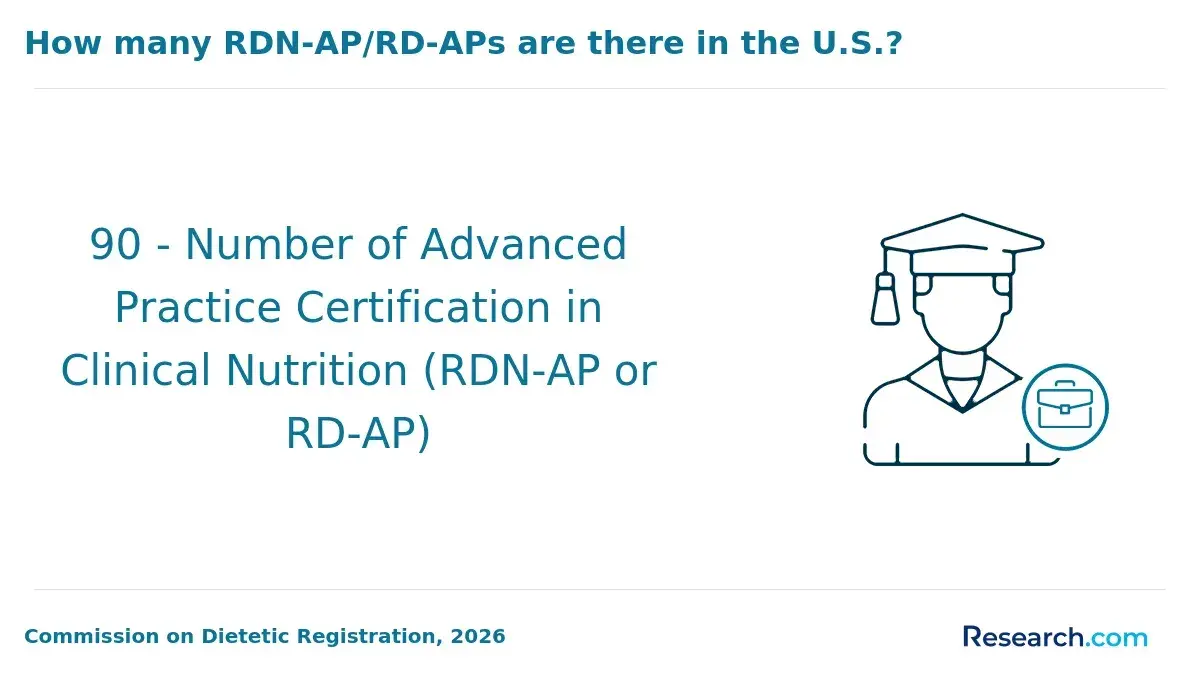
The RDN pathway is the most recognized option for clinical dietetics. It generally requires a qualifying degree in nutrition or a related field, supervised practice, and a national examination. It is widely used in hospitals, outpatient care, long-term care, public health, and medical nutrition therapy.
The CNS credential, offered through the Certification Board for Nutrition Specialists, is often associated with advanced nutrition science, functional nutrition, and integrative practice. The original requirements cited for this pathway include a master’s degree in nutrition or a related field and 1,000 hours of supervised practice. Students considering this route should compare it with state rules and employer expectations in their target setting.
| Credential | Best for | Core preparation mentioned | What to verify |
| Registered Dietitian Nutritionist | Clinical nutrition, hospitals, outpatient care, public health, and medical nutrition therapy | Bachelor’s or related nutrition education, supervised practice, and national examination | Accredited program status and exam eligibility |
| Certified Nutrition Specialist | Advanced, integrative, functional, or graduate-level nutrition practice | Master’s degree in nutrition or a related field and 1,000 supervised practice hours | State recognition, employer acceptance, and scope of practice |
| New York State dietetics-nutrition credential | Use of protected state titles and regulated dietetics-nutrition practice | Education, experience, and exam documentation submitted to NYSED | Current NYSED application requirements and fees |
What practical experience is required to become a nutritionist in New York?
Hands-on experience is where nutrition training becomes practical. Students learn how to assess dietary patterns, communicate with clients, account for culture and income, work with medical teams, and translate evidence into realistic food choices. For RDN candidates and state-recognized dietetics-nutrition professionals, supervised practice is a formal requirement rather than an optional résumé booster.
- Dietetic internships or supervised practice programs: These structured experiences are central for candidates pursuing the RDN pathway. They often include clinical care, community nutrition, food service systems, and professional practice training.
- Volunteer roles: Food banks, community health programs, senior centers, schools, and public health campaigns can help students understand food access, nutrition education, and culturally responsive communication.
- Clinical exposure: Shadowing or assisting registered dietitians in hospitals and clinics can help students understand patient assessment, care planning, charting, and interdisciplinary collaboration. Facilities such as NYU Langone Health may offer exposure to real clinical environments.
- Research participation: Universities such as Columbia University may involve students in nutrition-related research, which can strengthen evidence appraisal and prepare students for graduate study or academic roles.
- Corporate and wellness experience: Partnerships involving institutions such as the State University of New York and local wellness companies can introduce students to employee wellness, program design, and preventive health initiatives.
How much does it cost to become a nutritionist in New York?
The cost varies widely by school type, degree level, residency status, online versus campus format, and whether the program includes supervised practice. A major mistake is comparing tuition alone. Students should calculate total cost, including credits, fees, materials, certification expenses, transportation, lost work hours, and unpaid internship time.
At Pace University, the cited cost of nutritionist programs starts at around $53,930 for the first year. Tuition at private universities can reach up to $50,000 annually. Pace University charges approximately $1,420 per credit, and the first year requires 33 credits, totaling about $46,860 in tuition.
Students should also budget for added fees. The cited institution fee ranges from $323 to $456 per semester, the technology fee is $105 per semester, and health care fees are around $225 for the year. Textbooks and materials may add approximately $1,550, kitchen lab fees may add $150, and certification-related costs can include a $294 fee.
| Cost category | Amount cited | Why it matters |
| Pace University first-year program cost | Starts at around $53,930 | Shows the scale of investment at a private institution |
| Private university annual tuition | Often up to $50,000 annually | Tuition can be the largest single cost |
| Pace University tuition per credit | Approximately $1,420 per credit | Credit requirements directly affect total tuition |
| First-year Pace University credits | 33 credits, about $46,860 | Useful for estimating first-year academic cost |
| Institution fee | $323 to $456 per semester | Required fees can add up over multiple terms |
| Technology fee | $105 per semester | Applies beyond tuition |
| Health care fees | Around $225 for the year | Part of total attendance cost |
| Textbooks and materials | Approximately $1,550 | Needed for realistic budgeting |
| Kitchen lab fees | Additional $150 | Common in applied nutrition coursework |
| Certification fee | $294 | Credentialing costs should be included early |
Before enrolling, compare degree formats, transfer credit policies, financial aid eligibility, internship placement support, and total program length. You can also review Research.com’s list of online bachelor’s degrees in nutrition to compare program structures.
What is the job outlook and salary for nutritionists in New York?
Nutrition and dietetics careers in New York are supported by healthcare demand, chronic disease prevention, aging populations, public health needs, and employer interest in wellness. The original article cites a projected 21% increase in nutritionist positions by 2030. It also cites the U.S. Bureau of Labor Statistics projection that demand for dietitians and nutritionists is expected to grow by 11% through 2030, faster than the average for all occupations. Because projections can differ by source, geography, and occupational definition, students should verify the latest labor market data before making enrollment decisions.
- Healthcare demand: Hospitals, clinics, long-term care facilities, and outpatient practices hire nutrition professionals for patient assessment, meal planning, education, and chronic disease support.
- Preventive health interest: More clients seek dietary guidance for weight management, heart health, diabetes prevention, digestive health, pregnancy, sports performance, and healthy aging.
- Training ecosystem: New York’s universities, hospitals, and public health organizations create internship and networking opportunities for students.
- Compensation: The cited median annual salary for nutritionists in New York is approximately $70,000. Earnings may vary by credential, specialty, employer, region, experience, and whether the professional works in private practice.
| Career factor | What it means for students |
| Credential level | RDN, state certification, or graduate-level credentials can affect role eligibility |
| Work setting | Hospitals, private practice, public health, schools, and corporate wellness have different pay structures |
| Specialization | Sports, pediatric, geriatric, renal, diabetes, and eating disorder nutrition may require additional training |
| Business model | Private practice income depends on referrals, payer rules, pricing, marketing, and retention |
| Location | New York City, suburban, and rural markets can differ in demand and competition |
How can interdisciplinary collaboration expand the role of nutritionists in New York?
Nutrition care often works best when it is integrated with medicine, nursing, behavioral health, pharmacy, social work, and community services. In New York, interdisciplinary collaboration is especially important because clients may face complex combinations of chronic illness, food insecurity, cultural food traditions, medication interactions, mental health concerns, and limited access to consistent care.
Nutritionists who understand how other providers work can communicate more effectively, document better, and support coordinated care plans. For example, learning how nurses are trained and licensed in New York can help nutrition professionals understand clinical workflows, patient education responsibilities, and referral patterns.
Can nutritionists collaborate with complementary health professionals in New York?
Yes, but collaboration should be structured carefully. Nutrition professionals can work with behavioral health providers, substance abuse counselors, fitness professionals, physicians, nurse practitioners, pharmacists, and social workers when client needs extend beyond food and diet. The key is to stay within scope, make appropriate referrals, and avoid presenting nutrition advice as a substitute for medical or mental health treatment.
For example, a client in recovery may need nutrition support alongside counseling, medication management, and social services. Understanding the path to becoming a substance abuse counselor in New York can help nutritionists collaborate more responsibly with addiction and behavioral health professionals.
What emerging trends are reshaping nutrition careers in New York?
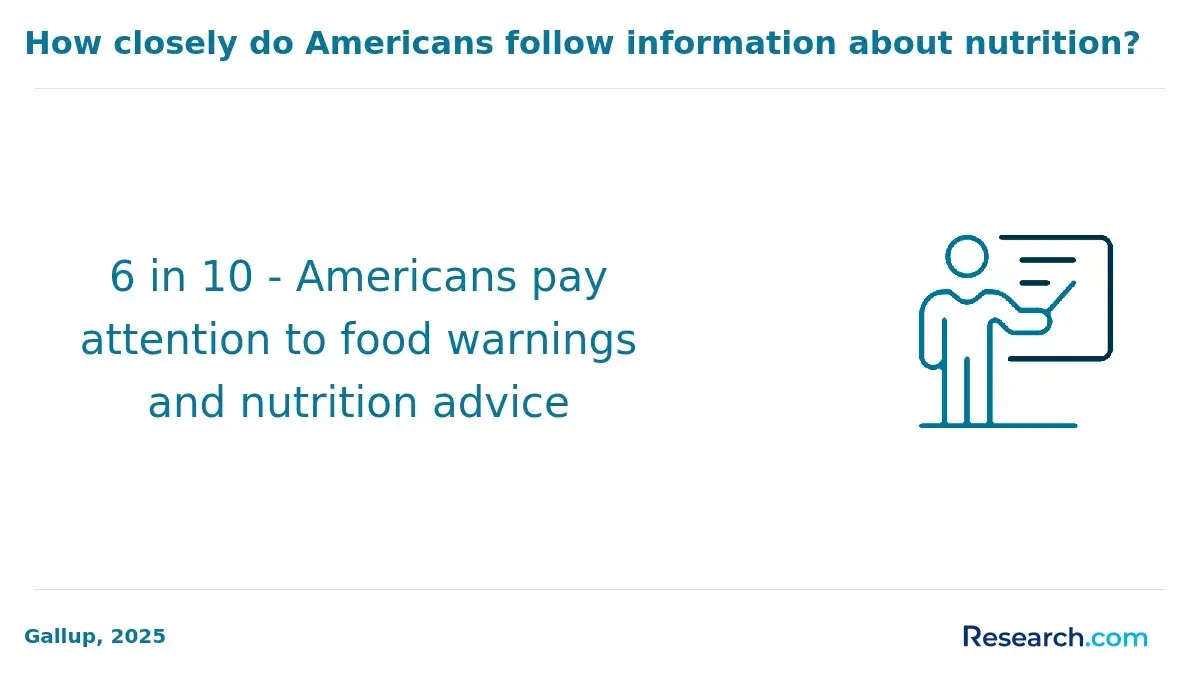
Several trends are changing nutrition careers: telehealth, personalized nutrition, wearable health data, sustainable food systems, culturally responsive care, and employer demand for measurable wellness outcomes. These trends create opportunities, but they also raise expectations. Clients and employers increasingly want evidence-based recommendations, clear documentation, privacy awareness, and practical plans that fit real budgets and food environments.
Nutrition professionals with science backgrounds may also find opportunities that connect nutrition with research, data, biology, and clinical innovation. Students comparing science-based career options can review Research.com’s guide to higher-paying careers for biology majors to understand adjacent roles that may complement nutrition training.
Can a nursing background enhance nutrition practice in New York?
A nursing background can strengthen nutrition practice because nurses are trained in patient assessment, care coordination, medication awareness, health education, and clinical documentation. This can be valuable in settings where nutrition support is connected to chronic disease, recovery, aging, pregnancy, or complex medical needs.
However, nursing and nutrition credentials are not interchangeable. A nurse who wants to provide advanced nutrition services still needs to understand dietetics-nutrition scope, state rules, and credential expectations. Reviewing New York nursing license requirements can help professionals compare how regulated healthcare roles differ and how dual expertise may support interdisciplinary practice.
What are the career advancement opportunities for nutritionists in New York?
Career growth in nutrition depends on credentials, experience, specialization, and the ability to work across healthcare, public health, education, and business settings. A nutrition degree can lead to many roles, but advancement usually requires more than completing coursework. Employers look for supervised experience, communication skill, cultural competence, documentation ability, and evidence-based practice.
- Clinical nutritionist or dietitian: Professionals in clinical settings assess patient needs, create nutrition interventions, monitor outcomes, and work with medical teams. This path often requires the strongest credential preparation.
- Public health nutritionist: Public agencies and nonprofits hire nutrition professionals to address community health, food access, maternal and child health, school nutrition, and nutrition education.
- Corporate wellness consultant: Companies may use nutrition professionals to design employee wellness programs, workshops, screenings, and behavior-change initiatives.
- Food service management: Schools, hospitals, long-term care facilities, and institutions need professionals who understand nutrition standards, menu planning, safety, budgets, and operations.
- Research and academia: Advanced degrees can support teaching, research, grant-funded projects, policy analysis, and program evaluation.
Hospitals and healthcare systems are among the largest employers of nutritionists in New York. With the cited projected 21% increase in nutritionist positions by 2030, students who plan carefully may find opportunities across clinical and community settings. To compare broader academic and career outcomes, review Research.com’s guide to the value of a nutritional science degree.
What specialization options are available for nutritionists in New York?
Specialization can help a nutrition professional stand out, but it should follow a strong general foundation. In New York’s competitive market, the best specialty is not simply the most popular one. It is the specialty that matches your credentials, clinical comfort level, client demand, and referral network.
- Clinical nutrition: Focuses on nutrition support for medical conditions, recovery, chronic disease, and patient care teams.
- Sports nutrition: Supports athletes and active clients with fueling, hydration, recovery, body composition, and performance goals.
- Pediatric nutrition: Addresses infant, child, and adolescent needs, including growth, allergies, selective eating, and family education.
- Geriatric nutrition: Serves older adults who may face chronic disease, medication effects, appetite changes, swallowing issues, or nutrient deficiencies.
- Public health nutrition: Works at the population level through education, policy, food access, and community programs.
| Specialization | Best work settings | Preparation to consider |
| Clinical nutrition | Hospitals, clinics, long-term care, outpatient care | RDN pathway, supervised clinical rotations, disease-specific training |
| Sports nutrition | Teams, gyms, universities, private practice | Performance nutrition coursework and athlete experience |
| Pediatric nutrition | Children’s hospitals, clinics, schools, private practice | Child development, family counseling, allergy and growth training |
| Geriatric nutrition | Senior care, long-term care, home health, hospitals | Aging, chronic disease, medication-nutrition considerations |
| Public health nutrition | Government, nonprofits, community health centers | Program planning, health equity, evaluation, food policy |
A sports nutritionist supporting a professional team such as the New York Knicks would likely focus on performance, recovery, travel schedules, and individualized fueling plans. That type of role is highly specialized and competitive, so students should build experience early through internships, athletics departments, research, and mentorship. New York University’s Master’s program in Nutrition and Dietetics is one example of graduate-level preparation that may support specialization planning.
How Can Advanced Research Methodologies Enhance Your Nutrition Practice in New York?
Nutrition professionals need to evaluate evidence, not just repeat trends. Strong research skills help practitioners judge the quality of studies, understand population differences, measure outcomes, and avoid overpromising results. This is especially important in New York, where clients may arrive with advice from social media, wellness influencers, medical providers, and cultural traditions that may not always align.
Nutritionists can strengthen their credibility by using systematic assessment, evidence-based protocols, outcome tracking, and clear documentation. Professionals interested in rigorous scientific training can compare how other evidence-driven fields structure education, such as forensic scientist education requirements in New York, where methodology and documentation are central to professional practice.
What are the biggest challenges faced by nutritionists in New York?
New York offers opportunity, but it is not an easy market. Nutritionists must compete for visibility, comply with state rules, serve culturally diverse clients, manage high operating costs, and keep up with rapidly changing nutrition science.
- Competition: New York has a large wellness and healthcare marketplace. To stand out, nutrition professionals need a clear niche, credible credentials, referral relationships, and strong client communication.
- Regulatory complexity: Students may confuse general nutrition advice with regulated dietetics-nutrition practice. Misunderstanding title protection or scope of practice can create legal and professional risk.
- Client diversity: Effective nutrition guidance must account for culture, religion, budget, language, medical history, food access, and family expectations.
- Cost of living and business expenses: Private practitioners must price services realistically while managing rent, insurance, billing tools, marketing, continuing education, and unpaid administrative work.
- Misinformation: Clients often encounter unsupported claims online. Nutritionists must explain evidence clearly without dismissing client concerns.
| Common mistake | Why it creates problems | Better approach |
| Choosing a program without checking accreditation | It may not support exam eligibility or employer requirements | Confirm ACEND status and state eligibility before enrolling |
| Focusing only on tuition | Fees, materials, internship costs, and lost work time can change affordability | Calculate full cost of attendance and credentialing |
| Assuming all online programs meet New York requirements | Online format does not guarantee state or exam eligibility | Ask the school directly about New York licensure and RDN preparation |
| Ignoring supervised practice placement | Internship access can determine whether you can complete the credential pathway | Review placement rates, partnerships, and rotation locations |
| Relying only on rankings | A highly ranked school may not be the best fit for your budget, schedule, or credential goal | Compare outcomes, accreditation, cost, support, and specialization fit |
| Assuming salary outcomes are guaranteed | Income varies by credential, employer, region, and business model | Use salary data as a planning tool, not a promise |
How Can Knowledge of Related Health Licensure Enhance Your Nutrition Practice in New York?
Nutritionists benefit from understanding how nearby healthcare professions are regulated. Licensure frameworks affect referrals, documentation, collaboration, billing, and client safety. Comparing nutrition requirements with other fields can help professionals understand why scope of practice matters and how to communicate with licensed providers.
For example, reviewing pharmacist licensure requirements in New York can help nutrition professionals appreciate medication safety, credential rigor, and regulatory accountability. This is useful when working with clients whose diets may interact with prescriptions, supplements, or chronic disease treatment plans.
How Do Insurance Reimbursement Policies Impact Your Nutrition Practice in New York?
Insurance reimbursement can determine whether a nutrition practice is financially sustainable. Practitioners who want to bill insurance need to understand payer rules, documentation requirements, covered diagnoses, referral requirements, coding, claim submission, and denial management. These rules can differ by payer, plan, provider credential, and service type.
Nutritionists who do not plan for reimbursement may underprice services, accept clients they cannot bill for, or spend too much time on unpaid administration. Clinicians who want broader clinical responsibilities may also compare adjacent healthcare programs, such as the best nurse practitioner programs in New York, where billing, care coordination, and interdisciplinary management are often part of advanced practice preparation.
What are the essential steps to meet the requirements to become a registered dietitian in New York?
To become a Registered Dietitian in New York, candidates generally need to complete qualifying nutrition or dietetics education from an accredited institution, finish supervised practice, and pass the national certification exam. Candidates then submit required documentation for applicable state recognition when pursuing New York dietetics-nutrition credentials.
- Choose an accredited nutrition or dietetics program that supports the RDN pathway.
- Complete the required degree coursework, including nutrition science, biological sciences, social sciences, food systems, and clinical topics.
- Finish a supervised practice program or dietetic internship with approved rotations.
- Prepare for and pass the national registration examination.
- Submit education, supervised practice, exam results, and required fees to the appropriate credentialing or state authority.
- Maintain the credential through continuing education and ethical practice.
For a focused checklist, see Research.com’s guide to the requirements to become a registered dietitian in New York.
What are the legal regulations and responsibilities for nutritionists in New York?
New York’s legal framework matters because it determines who may use protected professional titles and what services fall under regulated dietetics-nutrition practice. Article 157 addresses dietetics and nutrition, including functions such as assessing nutritional needs, planning food and nutrition services, and providing counseling. Professionals should understand these rules before advertising services, choosing credentials, or opening a private practice.
Nutritionists are also responsible for practicing ethically, using evidence-based guidance, referring clients when needs exceed their scope, maintaining confidentiality, and avoiding claims that imply guaranteed medical outcomes. New York City may have additional local requirements or business-related regulations, so practitioners operating in the city should check state and local rules.
Students who want to broaden their health and wellness expertise may consider complementary graduate study. For example, Research.com’s guide to the most affordable online master’s degrees in exercise science may be relevant for professionals interested in combining nutrition with movement, fitness, and performance.
How Can Ongoing Professional Development Enhance Your Nutrition Career in New York?
Nutrition careers require continuous learning because evidence, guidelines, technology, client expectations, and reimbursement rules change. Professional development can help nutritionists stay current in areas such as diabetes care, sports nutrition, gastrointestinal health, eating disorders, culinary nutrition, telehealth, cultural competence, and public health programming.
Workshops, conferences, supervised mentorship, specialty courses, and online nutrition certifications can strengthen expertise, but professionals should evaluate the credibility of each option. The best continuing education is evidence-based, aligned with your scope of practice, and recognized by employers or credentialing bodies.
How Can Effective Business Strategies Boost Your Nutrition Practice in New York?
Private practice success requires clinical skill and business discipline. Nutritionists need clear services, pricing, intake processes, documentation templates, referral relationships, privacy practices, scheduling systems, and a realistic marketing plan. Without these systems, even qualified professionals can struggle to maintain revenue and client retention.
Administrative skills also matter. Billing, coding, claim follow-up, and records management can affect cash flow and compliance. Nutrition professionals who want to understand the administrative side of healthcare can review Research.com’s guide on how to become a medical biller and coder in New York.
Which Work Settings Offer the Best Opportunities for Nutritionists in New York?
The best work setting depends on your credential, preferred client population, risk tolerance, and long-term goals. Clinical settings may offer structured employment and interdisciplinary teams, while private practice offers flexibility but requires business development. Public health roles may provide mission-driven work, and corporate wellness may focus more on prevention and behavior change.
| Work setting | Typical focus | Best fit for |
| Hospitals and health systems | Patient assessment, medical nutrition therapy, discharge planning, care teams | RDNs and clinically trained nutrition professionals |
| Private practice | Individual counseling, niche services, telehealth, group programs | Credentialed professionals with business and referral skills |
| Community health centers | Food access, chronic disease education, maternal and child health, prevention | Nutritionists interested in equity and public health |
| Corporate wellness | Employee education, screenings, workshops, wellness campaigns | Professionals skilled in communication and program design |
| Schools and food service | Menu planning, nutrition standards, operations, student wellness | Nutrition professionals interested in systems-level impact |
| Research and academia | Studies, teaching, grants, evaluation, nutrition science | Graduate-trained professionals and future educators |
Professionals who want to expand into advanced clinical care may also compare nutrition with nursing pathways. Research.com’s guide on how to become a nurse practitioner in New York explains another route into advanced healthcare practice.
Questions to Ask Before Choosing a Nutrition Program in New York
- Is the program accredited by the appropriate nutrition or dietetics accreditor?
- Does the program meet New York State requirements for the credential I want?
- Will the program make me eligible for the RDN exam, the CNS credential, or state certification?
- How are supervised practice placements arranged, and are placements guaranteed?
- What is the total cost, including tuition, fees, materials, commuting, exam costs, and unpaid internship time?
- What percentage of graduates complete supervised practice and pass required exams?
- Can I transfer credits from prior college work?
- Does the program support my intended specialty, such as clinical, sports, pediatric, geriatric, or public health nutrition?
- Are online students eligible for the same credentialing outcomes as campus students?
- What career services, alumni connections, and employer partnerships are available in New York?
Here's What Graduates Have to Say About Becoming a Nutritionist in New York
Building a nutrition career in New York gave me the chance to serve communities with very different food traditions, health needs, and wellness goals. The pace can be demanding, but it keeps me learning and helps me stay connected to new approaches in care. - Elisa
New York has allowed me to work near strong medical teams, research institutions, and community organizations. That mix has helped me grow professionally while seeing how nutrition can make a practical difference in people’s daily lives. - Jose
Practicing nutrition here is challenging because clients come from many backgrounds and often need realistic solutions, not textbook advice. That challenge is also what makes the work meaningful. - Rachel
Related Articles for Nearby States
- 2027 How to Become a Nutritionist in New Jersey
- 2027 How to Become a Nutritionist in Pennsylvania
- 2027 How to Become a Nutritionist in Connecticut
- 2027 How to Become a Nutritionist in Massachusetts
- 2027 How to Become a Nutritionist in Vermont
- 2027 How to Become a Nutritionist in Rhode Island
- 2027 How to Become a Nutritionist in Delaware
- 2027 How to Become a Nutritionist in Maryland
- 2027 How to Become a Nutritionist in New Hampshire
- 2027 How to Become a Nutritionist in Ohio
References:
- Academy of Nutrition and Dietetics. (2025). Become a registered dietitian nutritionist. https://www.eatright.org/become-an-rdn
- Academy of Nutrition and Dietetics. (2025). Become a registered dietitian nutritionist. https://www.eatright.org/become-an-rdn
- Accreditation Council for Education in Nutrition and Dietetics. (2026). ACEND accredited programs directory. https://www.eatrightpro.org/acend/accredited-programs
- Bureau of Labor Statistics. (2025). Dietitians and nutritionists: State employment and wage estimates for New York. https://www.bls.gov/oes/current/oes291031.htm
- Bureau of Labor Statistics. (2026). Employment projections for dietitians and nutritionists. https://www.bls.gov/emp/tables/occupational-projections-and-characteristics.htm
- Indeed. (2026). Registered dietitian salary in New York State. https://www.indeed.com/career/registered-dietitian/salaries/NY
- New York State Department of Education. (2026). Certified dietitian-nutritionist license requirements. https://www.op.nysed.gov/professions/dietetics-nutrition/license-requirements
- New York State Education Department Office of the Professions. Article 157, Dietetics and Nutrition. https://www.op.nysed.gov/professions/dietetics-nutrition/laws-rules-regulations/article-157
- SUNY Oneonta. Becoming a Registered Dietitian Nutritionist. https://suny.oneonta.edu/human-ecology/majors-programs/dietetics/becoming-registered-dietitian-nutritionist
- Pace University. Program Cost. https://www.pace.edu/college-health-professions/departments/nutrition-and-dietetics/academic-resources/program-cost
- HealthCareersInfo.net. What Do Dietitians and Nutritionists Do? https://www.healthcareersinfo.net/dietitians-nutritionists
- Bastyr University. What Can You Do with a Nutrition Degree? https://educate.bastyr.edu/nutrition-careers-field-guide
Key Insights
- The title “nutritionist” is broad in New York, but protected dietetics-nutrition practice requires careful attention to state rules, credentialing, and scope of practice.
- The RDN pathway is the strongest option for students who want clinical roles, hospital employment, medical nutrition therapy, or broader employer recognition.
- Accreditation should be checked before enrollment. A program that does not support credential eligibility can cost time and money without leading to the career outcome you want.
- The timeline can range from about two years for an associate-level path to several additional years for bachelor’s, master’s, supervised practice, and exam preparation.
- Costs should be evaluated beyond tuition. Fees, materials, certification expenses, and supervised practice logistics can significantly affect affordability.
- New York offers strong opportunities in healthcare, public health, corporate wellness, private practice, food service, and research, but competition is high and specialization matters.
- Before choosing a program, ask whether it meets New York requirements, supports supervised practice, prepares you for your intended credential, and fits your budget and work schedule.
Other Things You Should Know About Becoming a Nutritionist in New York
In 2027, to become a licensed dietitian-nutritionist (LDN) in New York, one must obtain the Registered Dietitian Nutritionist (RDN) credential through the Commission on Dietetic Registration (CDR) and fulfill state-specific licensing requirements. This typically includes completing an accredited dietetics program and supervised practice.
No. In New York, medical nutrition therapy is reserved for licensed professionals such as Registered Dietitian Nutritionists (RDNs) and other authorized practitioners. A nutritionist without an RDN credential cannot independently diagnose, treat disease, or provide medical nutrition therapy.


