2027 Best Nurse Practitioner Programs in New York – Accredited Schools Online & Campus

Co-Founder and Chief Data Scientist
Choosing a nurse practitioner program in New York is not just a school-selection decision. It affects your licensure path, clinical training, specialty options, debt level, schedule, and long-term career mobility in one of the country’s most complex healthcare markets. Nurse practitioners serve patients across primary care, acute care, mental health, pediatrics, women’s health, oncology, and other specialties, and the demand for nurse practitioners is projected to grow by 35% through 2034, much faster than the average for all occupations (BLS, 2025).
This guide is for registered nurses, BSN students, career changers, and licensed practical nurses planning a long-term route into advanced practice nursing in New York. You will learn how NP programs work, how long they take, what they cost, which New York schools are commonly considered, what to verify before applying, and how to avoid expensive mistakes. If you are still exploring the profession, start by reviewing what pursuing a nurse practitioner role in New York can involve before comparing programs.
Best Nursing Practitioner Schools in New York Table of Contents
- Quick answer: Are nurse practitioner programs in New York worth it?
- How do you become a nurse practitioner in New York?
- How long do nurse practitioner programs in New York take?
- How much do nurse practitioner programs in New York cost?
- New York schools offering nurse practitioner pathways for 2027
- How to compare nurse practitioner programs in New York
- Which certifications matter for nurse practitioners in New York?
- What jobs can nurse practitioners pursue in New York?
- What additional factors should influence your program choice?
- How can LPNs move toward advanced nursing roles in New York?
- What are the typical admission requirements for NP programs?
- Why do accreditation and licensing requirements matter?
- Best nurse practitioner programs in New York for 2027
- How do programs support LPN-to-NP career transitions?
- What career services should NP students expect?
- How can NP students pay for school in New York?
- Can NP programs help prepare students for nurse midwifery?
- How do programs address diversity and health disparities?
- How are clinical simulation and telehealth used in NP training?
- How do programs help students understand New York licensing rules?
- Do NP programs include healthcare leadership and management training?
Quick answer: Are nurse practitioner programs in New York worth it?
For many registered nurses, a New York nurse practitioner program can be worth the investment if it is accredited, leads to the specialty certification you want, provides strong clinical placement support, and fits your budget. The average entry-level salary of a nurse practitioner stands at $142,670 annually, as of January 2025, surpassing the national average (Indeed, 2025). High-paying areas such as Hempstead and Brooklyn can make the earning potential especially attractive, but salary outcomes depend on specialty, employer, experience, shift structure, and location.
A nurse practitioner in New York is an advanced practice registered nurse with state-defined responsibilities and requirements. The New York State Education Department explains the professional role and practice expectations for a nurse practitioner in New York. For nurses who want to move beyond bedside care, the NP credential may also support later transitions into clinical leadership, care coordination, quality improvement, policy, education, or healthcare administration careers.
| Decision point | What it means for New York NP students |
| Best fit | Registered nurses who want advanced clinical authority, a defined patient population, and graduate-level responsibility. |
| Most important requirement | Choose an accredited program that matches the certification and New York licensure pathway you intend to pursue. |
| Major trade-off | Graduate NP programs can improve career options, but tuition, clinical-hour scheduling, commuting, and reduced work hours can raise the real cost. |
| Best way to reduce risk | Confirm accreditation, clinical placement support, total program cost, certification eligibility, and state licensing alignment before enrolling. |
How do you become a nurse practitioner in New York?
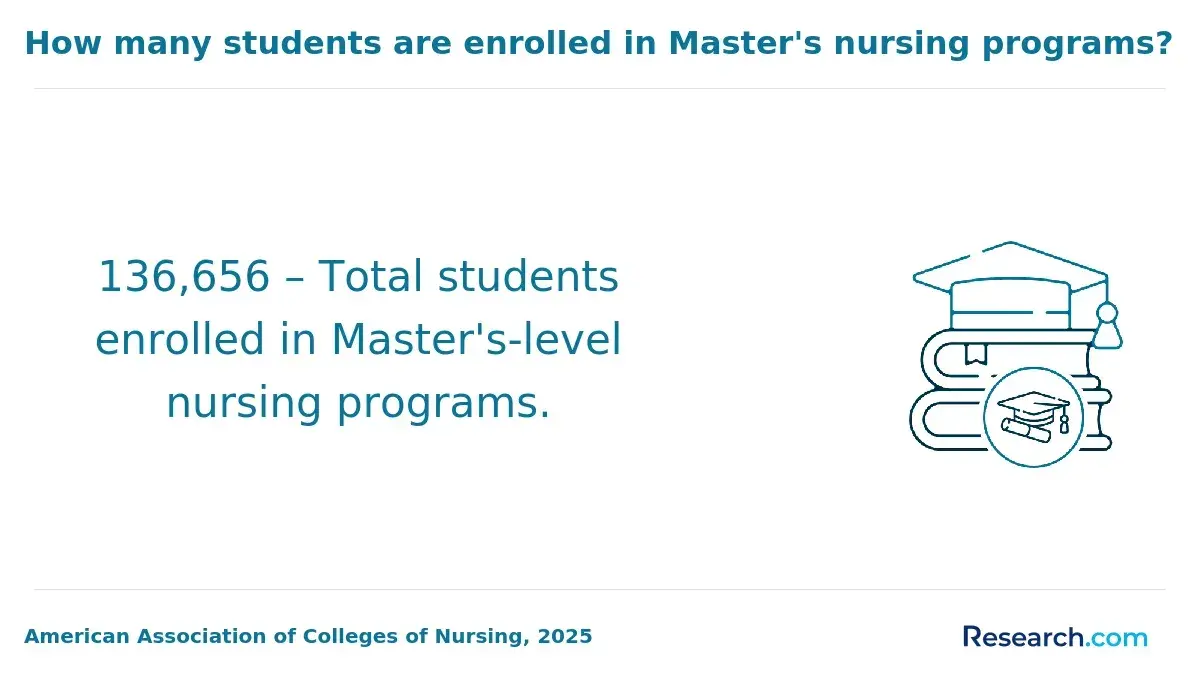
The usual route to becoming a nurse practitioner in New York starts with registered nursing preparation, continues through graduate nursing education, and ends with certification and state authorization. Approximately 32,700 freshly trained APRNs, who have completed master’s and doctoral programs, will be required annually until 2034 to address the increasing need for healthcare services (BLS, 2025).
- Earn the right nursing foundation. Most NP candidates complete a Bachelor of Science in Nursing before applying to an MSN, DNP, or post-graduate certificate pathway.
- Hold an active RN license. Graduate NP programs generally require current RN licensure before admission or before clinical coursework begins.
- Choose a patient population or specialty. Common tracks include family, adult-gerontology, psychiatric-mental health, acute care, pediatrics, women’s health, and other focused areas.
- Complete an accredited graduate program. The program should include advanced pharmacology, pathophysiology, assessment, specialty coursework, and supervised clinical experiences.
- Pass the appropriate national certification exam. Certification must match your population focus and intended practice area.
- Apply for New York authorization. Graduates must follow New York State Education Department requirements for nurse practitioner practice.
- Maintain credentials. Continuing education, certification renewal, and state requirements remain part of the career after graduation.
Once licensed and certified, NPs can apply for clinical roles while continuing to build expertise through continuing education, specialty practice, leadership development, and additional credentials.
How long do nurse practitioner programs in New York take?
Overall, it can take six to eight years to become a nurse practitioner, including earning a BSN degree, gaining clinical RN experience, and earning a graduate degree (Coursera, 2025). The exact timeline depends on your starting point, whether you study full time or part time, and whether you choose an MSN, DNP, or post-graduate certificate.
| Pathway | Typical timeline stated in source material | Best for |
| BSN to MSN | About two to three years | BSN-prepared RNs who want graduate NP preparation without committing to a doctorate immediately. |
| BSN to DNP | Usually three to four years | RNs who want doctoral-level clinical preparation, leadership training, or a terminal practice degree. |
| Post-BSN to DNP | Columbia University’s Post-BSN to DNP program for full-time students seeking a DNP nurse practitioner degree lasts three years. | Students ready for full-time doctoral study and intensive clinical preparation. |
| Part-time MSN option | Long Island University offers a seven-semester part-time MSN option for family nurse practitioners. | Working nurses who need a slower pace while continuing employment. |
If you need flexibility, an online MSN program may make graduate study easier to combine with work. However, online does not mean fully remote: NP programs still require in-person clinical experiences, and students should ask whether the school places students in New York clinical sites or expects students to secure their own preceptors.
How much do nurse practitioner programs in New York cost?
NP program costs in New York vary sharply by institution, degree level, residency status, pace, and clinical requirements. If you are an in-state resident, the quarterly tuition in nurse practitioner schools could be about $10,540, while out-of-state residents might pay around $15,100 per quarter (Nursing Process, 2025). If you already hold a BSN and pursue an MSN, tuition expenses could range from $85,420 to $192,610.
A BSN to DNP program could cost between $26,490 and $254,260. New York University offers several nurse practitioner options, with tuition and fees per semester totaling approximately $24,000. For comparison, some affordable healthcare colleges report a median in-state public tuition of $7,070 per year, although that figure should not be treated as an NP-program price.
| Cost category | What to verify before enrolling |
| Tuition | Ask whether the quoted rate is per credit, per semester, per quarter, or total program cost. |
| Fees | Clinical, simulation lab, technology, graduation, health clearance, and background-check fees can add to the bill. |
| Clinical travel | Commuting to New York clinical sites can be expensive, especially if placements are far from home. |
| Lost income | Some students reduce work hours during clinical-heavy terms, which can affect total affordability. |
| Certification and licensing | Budget for exam fees, application costs, credentialing, and renewals after graduation. |
New York schools offering nurse practitioner pathways for 2027
The schools below are New York institutions with nursing programs or advanced nursing pathways that may be relevant to future nurse practitioner students. Program details can change, and some information listed below reflects broader nursing offerings rather than only NP-specific tracks. Before applying, confirm the exact NP concentration, degree level, clinical placement model, accreditation status, certification eligibility, and current tuition directly with the school.
New York University
New York University Rory Meyers College of Nursing offers nursing education across undergraduate, graduate, and doctoral levels. Students benefit from New York City’s healthcare environment, faculty with professional nursing experience, and access to clinical learning opportunities through major healthcare institutions. Applicants considering NYU for an NP pathway should compare the specific advanced practice track, clinical placement expectations, and total semester-based cost.
- Program Length: 4 years
- Tracks/concentrations: Nursing
- Cost per Credit: $2,100
- Required Credits to Graduate: 128
- Accreditation: Commission on Collegiate Nursing Education
University Of Rochester
The University of Rochester School of Nursing provides degree, post-degree, and certificate options in online and hybrid formats. Its mission emphasizes socially conscious nursing practice and preparation to address inequities in healthcare. The University of Rochester offers a Dual Degree in Nursing (DDN) program, which is a four-and-a-half year pathway combining a bachelor’s degree with nursing education. Future NP candidates should review how its graduate tracks, clinical rotations, and format align with their specialty goals.
- Program Length: 4 years
- Tracks/concentrations: Nursing
- Cost per Credit: $1,740
- Required Credits to Graduate: 64
- Accreditation: Commission on Collegiate Nursing Education
Columbia University
Columbia School of Nursing is known for graduate nursing education and advanced clinical preparation. Its programs combine demanding coursework with clinical experiences designed to build practice readiness. Columbia’s Entry to Nursing option provides intensive preparation for students entering nursing, while its graduate pathways may be relevant for nurses seeking advanced practice roles. Applicants should confirm the current NP specialty options, degree structure, and clinical expectations before applying.
- Program Length: 15 months
- Tracks/concentrations: Nursing
- Cost per Credit: $350
- Required Credits to Graduate: 18
- Accreditation: Commission on Collegiate Nursing Education
Molloy College
Molloy College offers a traditional four-year Bachelor of Science in Nursing grounded in liberal arts and sciences. The nursing curriculum emphasizes communication, evaluation, evidence-based care, and clinical learning in healthcare settings. Molloy’s graduate nursing options may appeal to working nurses because of online and hybrid course formats, but applicants should check which NP concentrations are currently available and how clinical placements are arranged.
- Program Length: 4 years
- Tracks/concentrations: Nursing
- Cost per Credit: $1,090
- Required Credits to Graduate: 128
- Accreditation: Commission on Collegiate Nursing Education
Stony Brook University
The Stony Brook University School of Nursing offers nursing education for basic and advanced practice preparation, including Bachelor of Science, Master of Science, and Doctor of Nursing Practice options. Its connection to Stony Brook Medicine can be valuable for students seeking academic and clinical exposure. Prospective NP students should compare full-time and part-time options, specialty availability, and clinical site expectations.
- Program Length: 4 years
- Tracks/concentrations: Nursing
- Cost per Credit: $467
- Required Credits to Graduate: 60
- Accreditation: Commission on Collegiate Nursing Education
How to compare nurse practitioner programs in New York
The best NP program is not always the highest-ranked or most expensive school. The right choice is the program that prepares you for your intended specialty, supports your clinical training, fits your schedule, and keeps debt at a manageable level.
- Accreditation: Confirm that the nursing program is accredited by a recognized body such as the Commission on Collegiate Nursing Education or the Accreditation Commission for Education in Nursing. Accreditation affects educational quality, certification eligibility, and sometimes financial aid access.
- Specialty match: Do not enroll in a general graduate nursing program if your goal is a specific NP population focus. Verify that the program leads to the certification you intend to pursue.
- Clinical placement support: Ask whether the school assigns clinical sites, helps students find preceptors, or leaves the search entirely to the student.
- Faculty expertise: Look for faculty with clinical experience in your specialty, current practice involvement, scholarship, and mentoring capacity.
- Certification outcomes: Ask for certification exam pass rates and how the program supports exam preparation.
- Total cost: Compare tuition, fees, travel, books, certification costs, living expenses, and the cost of reduced work hours. Some students use free online nursing courses to strengthen background knowledge, but these do not replace accredited graduate NP coursework.
- Career services: Review job placement support, employer partnerships, alumni networks, resume help, and interview preparation.
- Reputation in your target region: A program’s local clinical relationships may matter more than broad name recognition if you plan to work in a specific New York community.
| Cost factor | Relative cost level |
| Housing | 385% higher |
| Groceries | 35% higher |
| Utilities | 3% higher |
| Transportation | 16% higher |
| Health | 8% higher |
Common mistakes to avoid when choosing a New York NP program
- Choosing by tuition alone. A cheaper program can become costly if students must locate their own preceptors, travel long distances, or extend their timeline.
- Assuming every online program works for New York licensure. Always verify state authorization, clinical requirements, and certification alignment.
- Ignoring clinical placement policies. Clinical site access can determine whether you graduate on time.
- Applying without a specialty plan. Family, acute care, psychiatric-mental health, pediatric, and women’s health tracks lead to different populations and career options.
- Relying only on rankings. Rankings can be useful, but accreditation, outcomes, clinical quality, and fit matter more for licensure and employment.
- Underestimating living costs. New York commuting, housing, and clinical travel can significantly change the total cost of attendance.
Which certifications matter for nurse practitioners in New York?
Certification is not an optional resume booster for most NP career paths; it is central to demonstrating specialty readiness. The right certification depends on the patient population you want to serve and the type of setting where you plan to work.
| Certification area | Best for | Certification body named in source material |
| Acute Care Nurse Practitioner Certification | NPs who want to work with acutely ill or critically ill patients in hospitals, emergency departments, intensive care units, or similar settings. | American Association of Critical-Care Nurses (AACN) |
| Family Nurse Practitioner Certification | NPs who want broad preparation to care for patients across the lifespan in primary care, community clinics, and family medicine settings. | American Nurses Credentialing Center (ANCC) and American Association of Nurse Practitioners (AANP) |
| Psychiatric-Mental Health Nurse Practitioner Certification | NPs who want to diagnose and treat mental health conditions and work in hospitals, outpatient clinics, community settings, or private practice. | American Nurses Credentialing Center (ANCC) |
| Pediatric Nurse Practitioner Certification | NPs who want to focus on children and adolescents, including growth, development, preventive care, and pediatric conditions. | Pediatric Nursing Certification Board (PNCB) |
| Women’s Health Nurse Practitioner Certification | NPs interested in reproductive health, prenatal care, OB/GYN practices, and women’s wellness. | National Certification Corporation (NCC) |
| Advanced Oncology Certified Nurse Practitioner Certification | NPs who want to care for cancer patients, including symptom management, oncology treatment support, and palliative care. | Oncology Nursing Certification Corporation (ONCC) |
How certifications affect career growth in New York
Specialty certification can influence the jobs you qualify for, the patient populations you may serve, and the employers that consider you competitive. New York’s healthcare market includes large academic medical centers, community hospitals, outpatient clinics, private practices, long-term care settings, behavioral health providers, and telehealth organizations. That variety can create strong opportunities, but it also makes specialty choice important.
- Primary care demand: Family and adult-gerontology tracks can support work in preventive care, chronic disease management, community health, and outpatient medicine.
- Mental health need: Psychiatric-mental health preparation can be valuable in a state with significant demand for behavioral health services.
- Hospital-based roles: Acute care preparation is typically more relevant for inpatient, emergency, and critical care environments.
- Leadership mobility: Experienced NPs may move into clinical direction, education, quality improvement, administration, or advocacy roles.
- Telehealth growth: Virtual care has expanded how NPs interact with patients, but students should learn the rules, documentation expectations, and care limits for remote practice.
For a broader overview of the profession, compare this program-focused guide with Research.com’s guide on how to become a nurse practitioner.
What jobs can nurse practitioners pursue in New York?
Nurse practitioners in New York work in a wide range of settings because the state includes dense urban systems, suburban networks, rural communities, academic medical centers, specialty hospitals, private practices, and community-based clinics. Career options depend heavily on your certification and clinical training.
Primary Care Nurse Practitioner
Primary care NPs provide assessments, diagnose common conditions, manage chronic disease, order and interpret tests within their scope, prescribe when authorized, and coordinate preventive care. This role is especially important in communities where access to physicians is limited.
Psychiatric-Mental Health Nurse Practitioner
Psychiatric-mental health NPs evaluate and treat patients with mental health conditions, including depression, anxiety, substance use disorders, and other behavioral health needs. Students interested in this specialty should compare program clinical placements carefully because psychiatric clinical experience is central to readiness. Cost-conscious applicants can also research affordable online PMHNP programs when evaluating flexible pathways.
Acute Care Nurse Practitioner
Acute care NPs focus on patients with complex, severe, or unstable conditions. They commonly work in hospitals, urgent care settings, emergency services, specialty units, and intensive care environments. This path is usually best for nurses who already enjoy high-acuity clinical decision-making.
Family Nurse Practitioner
Family nurse practitioners care for patients across the lifespan. The broad population focus can make the FNP pathway flexible, but students should still verify whether clinical rotations expose them to the age groups and care settings they want after graduation.
What additional factors should influence your program choice?
Beyond accreditation and curriculum, consider whether the school has a strong nursing reputation in the region where you want to work. Reviewing the best nursing schools in New York can help you identify institutions with strong visibility, but reputation should be only one part of the decision. The more practical questions are: Will the program place you in appropriate clinical settings? Will it prepare you for your intended certification? Can you afford the total cost? Can you complete the required hours while maintaining your work and family responsibilities?
| Question to ask | Why it matters |
| Does the program directly prepare students for my NP certification? | A mismatch can delay licensure or force additional coursework. |
| Who finds clinical placements? | Student-arranged clinicals can create delays, especially in competitive markets. |
| Can I attend part time? | Part-time study can protect income but may extend graduation. |
| What are the certification pass rates? | Pass-rate trends can reveal how well the program prepares graduates. |
| What support exists for working nurses? | Flexible scheduling, online coursework, and advising can determine whether students persist. |
How can LPNs move toward advanced nursing roles in New York?
Licensed Practical Nurses cannot usually move directly into NP practice without first becoming registered nurses and completing graduate nursing education. The most realistic route is a staged pathway: LPN to RN, RN to BSN if needed, BSN to MSN or DNP, then certification and New York authorization. Bridge programs can help LPNs build on prior clinical experience, but applicants should compare cost, schedule, accreditation, transfer credit, clinical requirements, and NCLEX-RN preparation. For early budgeting, review information about LPN program costs before planning the longer route to advanced practice.
What are the typical admission requirements for NP programs?
Most nurse practitioner programs expect applicants to show both academic readiness and professional nursing preparation. Requirements vary by school and specialty, so applicants should verify details before spending money on applications.
- BSN or qualifying nursing degree: Many NP programs require a Bachelor of Science in Nursing, although bridge options may exist for some students.
- Active RN license: Applicants generally need current RN licensure before admission or before clinical coursework begins.
- Clinical experience: Some specialties prefer or require relevant RN experience, especially acute care and psychiatric-mental health tracks.
- Official transcripts: Schools review prior coursework, grades, and degree completion.
- Recommendations: Faculty, supervisors, or advanced practice nurses may be asked to comment on readiness for graduate study.
- Personal statement: The strongest statements explain specialty fit, career goals, and readiness for advanced clinical responsibility.
- Additional review steps: Some programs may request a minimum GPA, standardized test scores, interviews, or a portfolio.
If you are not yet an RN, begin with the licensing basics in Research.com’s guide on how to become a registered nurse in New York.
Why do accreditation and licensing requirements matter?
Accreditation and licensing rules protect students and patients. An accredited NP program has been reviewed against recognized nursing education standards, including curriculum quality, faculty qualifications, clinical learning, assessment, and continuous improvement. New York licensing requirements then determine whether graduates can legally practice as nurse practitioners in the state.
Students should be cautious with any program that is vague about accreditation, clinical hours, certification eligibility, or state authorization. Accreditation can also affect access to federal financial aid, employer recognition, and later academic mobility. If you are comparing other healthcare bridge options while planning your nursing path, a medical assistant to LPN bridge program online may provide useful context, but it is not a substitute for an accredited NP pathway.
Best nurse practitioner programs in New York 2027
New York’s ongoing healthcare needs and the broader nursing shortage in the United States make nurse practitioners important contributors to patient access and care delivery. The strongest NP programs combine accredited coursework, appropriate specialty tracks, rigorous clinical training, accessible advising, and transparent outcomes.
When using any “best program” list, treat it as a starting point rather than a final answer. Your best option depends on whether the program prepares you for your desired certification, whether clinical placement support is strong, whether the schedule fits your life, and whether the total cost is reasonable for your expected career path.
How do programs support LPN-to-NP career transitions?
Some New York nursing schools support career progression through bridge curricula, RN-completion options, BSN pathways, and graduate advising. For LPNs, the key is understanding that NP practice requires several steps. A student may need to earn RN licensure first, complete a BSN or qualifying bachelor’s pathway, gain clinical RN experience, and then enter graduate NP preparation.
Good programs help students map the sequence clearly, identify transfer credits, understand clinical-hour expectations, and prepare for licensing milestones. LPNs who are still at the beginning of the pathway can review the state-specific process for how to get an LPN license in New York before planning the longer transition.
What career services should NP students expect?
Career support can make a meaningful difference, especially in a competitive healthcare market. Strong NP programs provide more than a job board. They help students understand employer expectations, prepare for certification and credentialing, build professional networks, and connect with clinical partners.
- Clinical networking: Preceptors and clinical sites can become important employment contacts.
- Resume and interview support: NP resumes should emphasize specialty training, clinical hours, certifications, and RN experience.
- Employer relationships: Programs with healthcare system partnerships may give students more exposure to hiring organizations.
- Alumni networks: Graduates can provide insight into local employers, specialty demand, and credentialing timelines.
- Flexible program options: Students who need online or hybrid coursework can compare online nursing programs in New York while still verifying clinical placement requirements.
How can NP students pay for school in New York?
Nurse practitioner education can be a major investment, but students have several funding options. The best strategy is to combine aid sources, compare total program costs, and avoid borrowing more than needed.
Federal and state financial aid
Students can complete the Free Application for Federal Student Aid to determine eligibility for federal grants, loans, and work-study. New York’s Tuition Assistance Program may support eligible in-state residents attending accredited institutions. Nurse Corps Loan Repayment programs may also provide financial benefits for nurses who commit to working in underserved areas after graduation.
Scholarships for graduate nursing students
Universities may offer school-based scholarships for nurse practitioner students. Programs such as the Jonas Nurse Leaders Scholars Program and the AACN Scholarship Fund may also support graduate nursing education. National organizations such as the American Association of Nurse Practitioners and the Nurse Practitioner Healthcare Foundation may offer merit-based awards that consider academics, leadership, and service.
Employer tuition reimbursement
Hospitals and healthcare systems may help employees pay for advanced nursing education. Read the agreement carefully because some benefits require continued employment after graduation or repayment if you leave early.
Cost-reduction strategies
Students can reduce expenses by comparing public and private institutions, seeking in-state tuition when eligible, using employer benefits, applying early for scholarships, and choosing online or hybrid formats when they reduce commuting and housing costs. Anyone planning the full route should also review Research.com’s guide on how to become a nurse practitioner in New York.
Can NP programs help prepare students for nurse midwifery?
Some nurse practitioner programs include women’s health coursework, maternal health content, or elective experiences that overlap with nurse midwifery interests. However, nurse practitioner preparation and nurse midwifery preparation are not automatically the same credential. If your goal is midwifery, verify whether the program is specifically designed for that pathway or whether you will need a separate nurse-midwifery program. Students comparing long-term options can review the requirements for nurse midwife qualifications in New York.
How do programs address diversity and health disparities?
New York NP programs increasingly need to prepare graduates for culturally responsive care because the state serves patients across many languages, communities, income levels, immigration backgrounds, and healthcare access barriers. Useful training may include clinical placements in diverse communities, simulation exercises, case studies on implicit bias, coursework on social determinants of health, and interprofessional projects with community organizations.
NP students should ask how programs teach communication across cultures, address health disparities, and prepare clinicians to serve underserved populations. For a broader look at another healthcare profession in the state, see Research.com’s guide on how to become a licensed pharmacist in New York.
How are clinical simulation and telehealth used in NP training?
Modern NP programs often use simulation labs, standardized patient encounters, electronic health record practice, and telehealth exercises to strengthen clinical judgment before students enter real patient-care settings. These tools do not replace supervised clinical hours, but they can help students practice assessment, documentation, diagnostic reasoning, communication, and escalation decisions.
Telehealth training is especially relevant because virtual visits now appear in many healthcare environments. Students should learn how to assess patients remotely, document appropriately, recognize when in-person care is needed, and understand privacy and regulatory requirements. For comparison with another hands-on healthcare route, review medical assistant training in New York.
How do programs help students understand New York licensing rules?
Strong NP programs do not leave licensing questions until graduation. They help students understand documentation, clinical-hour requirements, certification exams, scope-of-practice expectations, and continuing education responsibilities. Advising is especially important for online students, out-of-state students, and nurses changing specialties.
Before enrolling, ask whether the school confirms New York eligibility, provides licensure advising, and supports students through certification and state application steps. For related state licensing information, review Research.com’s guide on how to get a nursing license in New York.
Do NP programs include healthcare leadership and management training?
Many nurse practitioner programs include leadership, quality improvement, informatics, healthcare finance, ethics, and systems-based practice alongside clinical coursework. This matters because NPs often coordinate care, supervise teams, improve workflows, analyze patient outcomes, and contribute to policy or operational decisions.
Students interested in administration should look for programs with leadership practicums, quality improvement projects, population health coursework, and interprofessional training. Some NPs later add administrative credentials or revenue-cycle knowledge, including topics related to medical billing and coding certification in in New York, but those credentials supplement rather than replace NP clinical preparation.
Key Insights
- Start with licensure fit, not prestige. The best New York NP program is accredited, prepares you for the right certification, and aligns with New York practice requirements.
- Costs vary widely. In-state quarterly tuition may be about $10,540, out-of-state quarterly tuition may be around $15,100, MSN tuition may range from $85,420 to $192,610, and BSN to DNP costs may range from $26,490 to $254,260.
- Timeline depends on your starting point. The full route to NP practice can take six to eight years, while BSN to MSN options generally take two to three years and BSN to DNP options often take three to four years.
- Clinical placement support is a major quality marker. Ask whether the school secures placements, helps with preceptors, or expects students to arrange clinical sites independently.
- Specialty choice shapes your career. Family, psychiatric-mental health, acute care, pediatric, women’s health, and oncology pathways lead to different jobs and certification requirements.
- Online programs still require hands-on training. Online coursework can improve flexibility, but NP students must still complete supervised clinical experiences.
- Do not rely on rankings alone. Compare accreditation, outcomes, total cost, clinical training, certification pass rates, advising, and employer connections before enrolling.
References:
- American Nurses Credentialing Center. (n.d.). NP certification requirements. Retrieved 2025, from https://www.nursingworld.org/ancc
- Bureau of Labor Statistics. (2025). Nurse anesthetists, nurse midwives, and nurse practitioners. https://www.bls.gov/ooh/healthcare/nurse-anesthetists-nurse-midwives-and-nurse-practitioners.htm
- Coursera. (2025, January 10). How to become a nurse practitioner: A guide. https://www.coursera.org/articles/how-to-become-a-nurse-practitioner
- National League for Nursing (NLN). (n.d.). Accreditation and standards for NP education. Retrieved 2025, from https://www.nln.org
- New York State Education Department. (n.d.). Nurse practitioner career profile. Retrieved February 2026, from https://www.op.nysed.gov/careers/explore-your-options/nurse-practitioner
- Nursing Process. (2025). Nurse Practitioner Programs in New York. https://www.nursingprocess.org/nurse-practitioner-programs/new-york/
- Psychiatric Mental Health Nurse Practitioner (PMHNP) certification guidelines. (n.d.). PMHNP education requirements. Retrieved 2025, from https://www.pmhcna.org
- U.S. Bureau of Labor Statistics. (2025). Nursing career outlook 2026: Best time to enter the profession. https://blog.hipaacertify.com/nursing-career-outlook-2026/
- U.S. Bureau of Labor Statistics. (n.d.). Nurse anesthetists, nurse midwives, and nurse practitioners. Retrieved 2025, from https://www.bls.gov/ooh/healthcare/nurse-anesthetists-nurse-midwives-and-nurse-practitioners.htm
- U.S. Department of Health and Human Services, Health Resources & Services Administration. (2025). Health workforce projections. Retrieved December 2025, from https://bhw.hrsa.gov/data-research/projecting-health-workforce-supply-demand
Other Things You Should Know About Nurse Practitioner Programs in New York
The cost for nurse practitioner programs in New York can range from $30,000 to $60,000 depending on whether the program is private or public, and whether students are in-state or out-of-state residents. Always check individual program websites for precise figures.
The New York State Education Department’s Office of the Professions approves nurse practitioner education programs for licensure. Programs must also align with New York’s licensure rules, including graduate-level coursework and clinical preparation, before graduates can apply through the state board process.
Nurse practitioner students in New York programs typically engage in diverse clinical experience opportunities, including placements in hospitals, community clinics, and specialized practices. These experiences encompass various fields such as family health, pediatrics, and geriatrics, providing students with essential hands-on training for certification.