2027 Best Online MSN Pediatric Nurse Practitioner Programs

Co-Founder and Chief Data Scientist
It’s natural to question the long-term stability of a specialty like pediatrics, especially when you hear about falling birth rates and wonder if your passion aligns with a secure future. The truth is, the need for pediatric experts isn’t shrinking; it’s deepening.
With nearly 1-in-3 young people now living with a chronic condition, demand for Pediatric Nurse Practitioners (PNPs) is driven by the complexity of children's health needs—from a rise in chronic conditions and a nationwide crisis in pediatric mental health to the urgent push for health equity.
Our career planning experts, with over a decade of experience, have created this guide to provide you with a clear understanding of the modern PNP role. We’ll help you choose from the best online pediatric nurse practitioner programs to launch a career that is both profoundly impactful and professionally rewarding.
What are the benefits of getting an online MSN pediatric nurse practitioner program?
- It opens doors to advanced, autonomous clinical roles in a field with exceptionally high demand.
- It offers a substantial increase in earning potential, with an average salary of $102,409 for pediatric nurse practitioners.
- It offers the flexibility to complete rigorous coursework from a top-tier university without having to relocate.
What can I expect from an online MSN pediatric nurse practitioner program?
The structure of online pediatric nurse practitioner programs is designed to be both flexible and incredibly rigorous. It’s a graduate-level commitment that builds upon your existing nursing skills to prepare you for advanced practice.
You can expect didactic courses delivered online, which gives you control over your study schedule. The core of your training, however, will be the extensive, in-person clinical hours that you must complete in an approved healthcare setting.
Here’s a key piece of advice: while top programs offer significant support for finding these placements, you should expect to be a proactive partner in securing a site. This journey culminates in preparing for and passing a national board certification exam to earn your PNP credential.
Where can I work with an online MSN pediatric nurse practitioner program?
As a graduate, you'll be qualified to work across the entire spectrum of pediatric healthcare. Your choice of specialization—primary or acute care—will be the main factor that shapes your work environment.
Most PNPs work in outpatient settings, such as private pediatric practices, community health centers, and specialty clinics for areas like cardiology or endocrinology. If you pursue an acute care certification, you'll work in hospital-based settings, such as inpatient units, PICUs, and emergency departments.
There's also growing demand in school-based health centers and public health agencies, which are great options for making a significant community impact. Plus, the rise of telehealth is creating new, flexible opportunities for remote consultation and care.
How much can I make with an online MSN pediatric nurse practitioner program?
The median annual wage for all nurse practitioners is approximately $129,210, according to the U.S. Bureau of Labor Statistics. Specifically for this field, the average salary of a pediatric nurse practitioner is around $102,409.
It's essential to note that these figures will vary depending on your state, years of experience, and the type of practice setting you select. Even with that variance, this level of earning potential represents a substantial return on your educational investment. It provides a strong foundation for a financially secure career.
- List of the Best Online MSN Pediatric Nurse Practitioner Programs for 2027 List of Programs
- How long does it take to complete an online MSN pediatric nurse practitioner program? Completion Time
- How does an online MSN pediatric nurse practitioner program compare to an on-campus program? How does an online MSN pediatric nurse practitioner program compare to an on-campus program?
- What is the average cost of online pediatric nurse practitioner programs? Program Cost
- What are the financial aid options for students enrolling in online pediatric nurse practitioner programs? Financial Aid
- What are the prerequisites for enrolling in an online MSN pediatric nurse practitioner program? What are the prerequisites for enrolling in an online MSN pediatric nurse practitioner program?
- What courses are typically in an online MSN pediatric nurse practitioner program? What courses are typically in an online MSN pediatric nurse practitioner program?
- What types of specializations are available in an online MSN pediatric nurse practitioner program? What types of specializations are available in an online MSN pediatric nurse practitioner program?
- How to choose the best online pediatric nurse practitioner program? How to choose the best online pediatric nurse practitioner program?
- What career paths are available for graduates of an online MSN pediatric nurse practitioner program? Career Paths
- What is the job market for graduates of an online MSN pediatric nurse practitioner program? Job Market
- What challenges should I expect during an online MSN pediatric nurse practitioner program? What challenges should I expect during an online MSN pediatric nurse practitioner program?
- What post-graduation resources and professional support will advance my career? What post-graduation resources and professional support will advance my career?
Best Online MSN Pediatric Nurse Practitioner Programs for 2027
Choosing an online MSN pediatric nurse practitioner program is not just a school decision. It determines the patient population you will serve, the certification exam you will prepare for, the clinical settings available to you, and the amount of debt you may carry into advanced practice. For registered nurses who want more autonomy in pediatric care, the right MSN-PNP program can lead to primary care, acute care, behavioral health-focused practice, leadership, teaching, or policy roles.
This guide is designed for licensed RNs comparing online and hybrid MSN pediatric nurse practitioner programs. It explains how programs differ, what they cost, how long they take, what prerequisites matter, how to evaluate clinical placement support, and which career outcomes are realistic after graduation.
Quick answer: What is the best online MSN pediatric nurse practitioner program?
The best online MSN pediatric nurse practitioner program is the accredited program that matches your intended practice setting, state licensure requirements, clinical experience, budget, and schedule. Pediatric primary care programs prepare nurses for outpatient and community-based care, while pediatric acute care programs prepare nurses for hospital-based and high-acuity pediatric roles. Some schools also offer dual-track options for nurses who want broader preparation.
Before applying, confirm that the program is accredited, prepares graduates for the correct board certification, supports clinical placements in your state, and fits your financial plan. Ranking lists can help you build a shortlist, but they should not replace direct verification with each school.
How this ranking was developed
A pediatric nurse practitioner MSN is a major investment, so the schools below were reviewed with an emphasis on objective program information, accreditation, affordability, flexibility, and relevance to pediatric advanced practice. The ranking is intended to give prospective students a practical starting point rather than a one-size-fits-all answer.
Research.com reviews publicly available data from recognized sources, including the Integrated Postsecondary Education Data System, the College Scorecard, Peterson's database, and the National Center for Education Statistics. These sources help ground school comparisons in verifiable institutional data.
For more detail on the evaluation process, review the full Research.com school ranking methodology.
Online MSN pediatric nurse practitioner programs at a glance
| Rank | School and program | Format and focus | Credits | Cost per credit | Accreditation |
| 1 | Duke University School of Nursing - Pediatric Primary Care Nurse Practitioner MSN | Distance-based pediatric primary care with Pediatric Primary Care and Dual Pediatric Behavioral Mental Health options | 44 | $2,250 | Commission on Collegiate Nursing Education (CCNE) |
| 2 | University of Rochester - Master's in Nursing Pediatric Nurse Practitioner Program | Hybrid pediatric primary care with online coursework and on-campus intensives | 45 | $1,740 | Commission on Collegiate Nursing Education (CCNE) |
| 3 | University of Missouri-Kansas City - MSN Pediatric Nurse Practitioner | Hybrid pediatric primary care with online classes and required campus residencies | 46 | $922.75 | Commission on Collegiate Nursing Education (CCNE) |
| 4 | Marquette University - MSN Pediatric Acute Care and Primary Care Nurse Practitioner | Pediatric Acute Care, Pediatric Primary Care, and Dual Acute/Primary Care tracks | 42 | $1,400 | Commission on Collegiate Nursing Education (CCNE) |
| 5 | Maryville University - Online MSN Pediatric Nurse Practitioner | Fully online pediatric primary care with multiple annual starts | 44 | $863 | Commission on Collegiate Nursing Education (CCNE) |
| 6 | New York University - Pediatrics Nurse Practitioner Primary Care/Acute Care | Hybrid dual Primary/Acute Care preparation | 50 | $2,496 | Commission on Collegiate Nursing Education (CCNE) |
| 7 | Drexel University - MSN Pediatric Primary Care Nurse Practitioner | Online pediatric primary care with synchronous lectures and a quarter calendar | 52 quarter credits | $1,169 | Commission on Collegiate Nursing Education (CCNE) |
| 8 | Case Western Reserve University - MSN Acute Care and Primary Care Pediatric Nurse Practitioner | Distance-friendly Acute Care Pediatric Nurse Practitioner, Primary Care Pediatric Nurse Practitioner, and Dual Acute/Primary Care options | 45 | $2,377 | Commission on Collegiate Nursing Education (CCNE) |
| 9 | Vanderbilt University - MSN Pediatric Nurse Practitioner - Acute Care | Hybrid pediatric acute care for nurses with inpatient pediatric experience | 40 | $2,057 | Commission on Collegiate Nursing Education (CCNE) |
| 10 | Stony Brook University - MSN Pediatric Primary Care and Acute Care Nurse Practitioner | Distance education model with pediatric primary care and pediatric acute care tracks | 45 | $471 (in-state), $565 (out-of-state) | Commission on Collegiate Nursing Education (CCNE) |
1. Duke University School of Nursing - Pediatric Primary Care Nurse Practitioner MSN
Duke University’s pediatric primary care MSN is built for nurses who want to combine advanced pediatric assessment, family-centered care, and advocacy for health equity. The program prepares graduates to care for patients up to age 25 and will add a dual pediatric mental health specialty certification option starting in 2025.
- Program Length: 2 years
- Specializations: Pediatric Primary Care; Dual Pediatric Behavioral Mental Health
- Required Credits to Graduate: 44
- Cost per Credit: $2,250
- Accreditation: Commission on Collegiate Nursing Education (CCNE)
2. University of Rochester - Master's in Nursing Pediatric Nurse Practitioner Program
The University of Rochester’s pediatric nurse practitioner program is designed for nurses who want to care for children across preventive, acute, and chronic care needs. Its redesigned hybrid curriculum combines online learning with on-campus intensives and simulation lab experiences that support hands-on clinical readiness.
- Program Length: 2 years
- Specializations: Pediatric Primary Care
- Required Credits to Graduate: 45
- Cost per Credit: $1,740
- Accreditation: Commission on Collegiate Nursing Education (CCNE)
3. University of Missouri-Kansas City - MSN Pediatric Nurse Practitioner
The University of Missouri-Kansas City emphasizes family partnership, cultural responsiveness, and long-term care relationships in outpatient pediatric settings. Students complete most coursework online, with required campus residencies that reinforce clinical decision-making and evidence-based practice.
- Program Length: 2-3 years
- Specializations: Pediatric Primary Care
- Required Credits to Graduate: 46
- Cost per Credit: $922.75
- Accreditation: Commission on Collegiate Nursing Education (CCNE)
4. Marquette University - MSN Pediatric Acute Care and Primary Care Nurse Practitioner
Marquette University is a strong fit for nurses deciding between pediatric primary care, acute care, or a dual-track pathway. Through its partnership with the Medical College of Wisconsin, the program connects students with clinical learning opportunities at Children's Wisconsin and places meaningful attention on care for economically disadvantaged communities.
- Program Length: 2 years
- Specializations: Pediatric Acute Care, Pediatric Primary Care, and Dual Acute/Primary Care
- Required Credits to Graduate: 42
- Cost per Credit: $1,400
- Accreditation: Commission on Collegiate Nursing Education (CCNE)
5. Maryville University - Online MSN Pediatric Nurse Practitioner
Maryville University offers a fully online pediatric primary care MSN-PNP pathway that can be finished in as few as 28 months. With three start dates per year, the program may appeal to working nurses who need a predictable, flexible route into advanced pediatric practice.
- Program Length: 28 months
- Specializations: Pediatric Primary Care
- Required Credits to Graduate: 44
- Cost per Credit: $863
- Accreditation: Commission on Collegiate Nursing Education (CCNE)
6. New York University - Pediatrics Nurse Practitioner Primary Care/Acute Care
New York University’s pediatric NP program prepares nurses for both primary and acute pediatric practice, with a particular focus on leadership and care for medically underserved communities. Students complete interactive online coursework along with required campus meetings and immersive clinical experiences.
- Program Length: 2-3 years
- Specializations: Dual Primary/Acute Care
- Required Credits to Graduate: 50
- Cost per Credit: $2,496
- Accreditation: Commission on Collegiate Nursing Education (CCNE)
7. Drexel University - MSN Pediatric Primary Care Nurse Practitioner
Drexel University’s MSN-PNP program uses a quarter system and synchronous online lectures, making it a good match for students who prefer real-time interaction rather than entirely self-paced coursework. The curriculum emphasizes pediatric primary care, evidence-based practice, and collaboration across healthcare teams.
- Program Length: 2-3 years
- Specializations: Pediatric Primary Care
- Required Credits to Graduate: 52 quarter credits
- Cost per Credit: $1,169
- Accreditation: Commission on Collegiate Nursing Education (CCNE)
8. Case Western Reserve University - MSN Acute Care and Primary Care Pediatric Nurse Practitioner
Case Western Reserve University offers acute care, primary care, and dual-major pediatric NP options in a distance-friendly format. The program is especially relevant for nurses with strong pediatric clinical backgrounds, as applicants need at least one year of recent acute care pediatric experience.
- Program Length: 2-3 years
- Specializations: Acute Care Pediatric Nurse Practitioner; Primary Care Pediatric Nurse Practitioner; and Dual Acute/Primary Care
- Required Credits to Graduate: 45
- Cost per Credit: $2,377
- Accreditation: Commission on Collegiate Nursing Education (CCNE)
9. Vanderbilt University - MSN Pediatric Nurse Practitioner - Acute Care
Vanderbilt University’s pediatric acute care MSN is intended for experienced nurses who want to manage complex inpatient pediatric cases. Applicants need at least two years of relevant inpatient pediatric experience, and the hybrid program uses small cohorts and clinical rotations with experienced preceptors.
- Program Length: 2-3 years
- Specializations: Pediatric Acute Care
- Required Credits to Graduate: 40
- Cost per Credit: $2,057
- Accreditation: Commission on Collegiate Nursing Education (CCNE)
10. Stony Brook University - MSN Pediatric Primary Care and Acute Care Nurse Practitioner
Stony Brook University gives students separate pediatric primary care and pediatric acute care pathways through a distance education model with some on-site requirements. Its tuition is comparatively accessible, especially for New York residents, and the curriculum includes evidence-based practice and organizational leadership.
- Program Length: 2-3 years
- Specializations: Pediatric Primary Care and Pediatric Acute Care
- Required Credits to Graduate: 45
- Cost per Credit: $471 (in-state), $565 (out-of-state)
- Accreditation: Commission on Collegiate Nursing Education (CCNE)
How long does an online MSN pediatric nurse practitioner program take?
Most full-time online MSN pediatric nurse practitioner programs take 24 to 36 months. Part-time students often need three to five years, especially if they continue working full time, need additional clinical scheduling flexibility, or choose a dual-track option.
The timeline is similar to many other advanced nursing master’s pathways. Nurses comparing pediatric advanced practice with other APRN specialties may also review programs such as an online MSN degree in nurse midwifery to understand how specialty requirements affect completion time.
What affects your graduation timeline?
- Enrollment pace: Full-time study is faster, but part-time study may be more realistic for nurses working shifts or supporting families.
- Clinical placement timing: Pediatric preceptors can be competitive, so placement delays may extend your program even if coursework is on schedule.
- Track choice: Dual acute/primary care options may require more planning than a single-track program.
- Campus requirements: Hybrid programs may require travel for intensives, residencies, simulations, or skills assessments.
- Prior experience: Applicants with pediatric experience may move more smoothly into specialty clinical expectations than those transitioning from adult care settings.
Is the time commitment worth it?
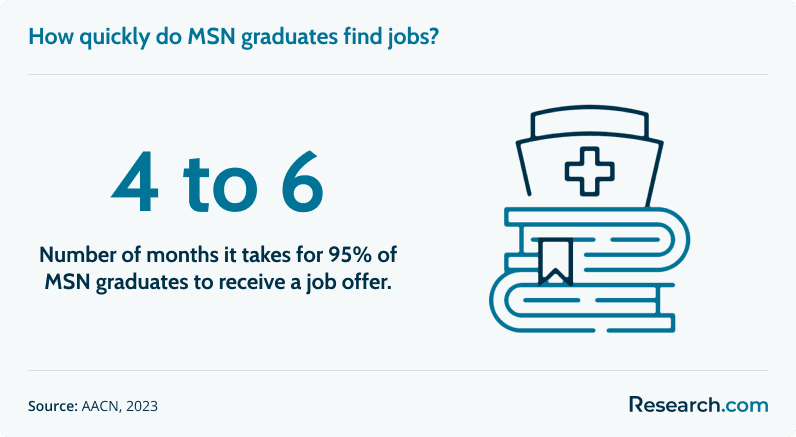
An MSN-PNP requires a serious commitment, but the career transition can happen quickly for many graduates. Recent reports indicate that 95% of MSN graduates receive a job offer within just four to six months of completing their program. That does not guarantee an offer for every graduate, but it does show that master’s-prepared nurses are entering a labor market with strong demand.
Online vs. on-campus MSN pediatric nurse practitioner programs: which format is better?
An accredited online MSN pediatric nurse practitioner program should provide the same advanced nursing degree and prepare students for the same certification pathway as a comparable campus-based program. The key difference is not usually academic legitimacy; it is how the program delivers coursework, clinical coordination, faculty interaction, and peer networking.
Employers typically focus on your RN license, graduate school reputation, specialty certification, clinical experience, and fit for the role. They are less concerned with whether didactic courses were completed online, in person, or through a hybrid structure.
| Factor | Online or hybrid MSN-PNP | On-campus MSN-PNP |
| Best for | Working RNs who need schedule flexibility or live far from a pediatric NP program | Students who want frequent in-person interaction and structured campus routines |
| Course delivery | Online lectures, discussion boards, synchronous sessions, simulations, and occasional intensives depending on the school | In-person classes, labs, faculty meetings, and campus-based peer engagement |
| Clinical training | Completed in approved clinical sites, often near the student’s location if permitted by the program and state | Completed through school-approved sites, often close to campus or affiliated systems |
| Networking | Requires more initiative through virtual events, clinical sites, professional organizations, and faculty outreach | More built-in interaction through cohorts, labs, campus events, and local clinical networks |
| Main risk | Assuming the school will automatically find every clinical site or that the program is authorized in every state | Higher relocation, commuting, or schedule constraints for some students |
When online learning makes the most sense
An online or hybrid MSN-PNP program is a strong option if you are already working as an RN, cannot relocate, or want access to a specialized pediatric track not offered locally. It can also work well for nurses who are self-directed and comfortable communicating with faculty, classmates, and preceptors through digital platforms.
If you are weighing advanced practice against academic or staff development roles, MSN nursing education online programs may also be worth comparing because they lead to a different professional path.
When a campus program may be the better fit
A campus-based MSN-PNP may be preferable if you learn best through face-to-face instruction, want direct access to faculty and simulation facilities, or need the structure of in-person class meetings. It may also be easier to build a local clinical network when the school has long-standing relationships with nearby pediatric hospitals, clinics, and health systems.
How much do online pediatric nurse practitioner programs cost?
Among the online and hybrid pediatric nurse practitioner programs listed here, tuition ranges from approximately $20,000 to over $120,000. The wide range reflects differences in public and private tuition, credit requirements, residency costs, technology fees, travel expectations, and whether students qualify for in-state pricing.
Cost should matter, but it should not be the only filter. A low-cost program that provides weak clinical placement support may become more stressful than expected, while a high-cost program is not automatically a better investment. Nurses comparing pediatric advanced practice with mental health-focused advanced practice may also review online MSN PMHNP options, which can involve similar tuition planning questions.
What to include in your real cost estimate
- Tuition: Multiply the cost per credit by the number of required credits and confirm whether tuition can change while you are enrolled.
- University fees: Ask about technology, distance learning, simulation, lab, clinical, graduation, and student service fees.
- Travel: Hybrid programs may require campus visits, hotel stays, transportation, and time away from work.
- Clinical expenses: Budget for background checks, drug screening, immunizations, professional liability coverage, uniforms, and health documentation.
- Certification and licensing: Graduation is not the final expense; you may also need board exam, state licensing, and credentialing fees.
- Lost wages: Some students reduce work hours during clinical rotations, which can affect overall affordability.
How to judge value, not just price
The best financial choice is usually the program that gives you a credible path to graduation, certification, and employment without taking on unnecessary debt. Ask each school for board certification pass rates, attrition information, clinical placement policies, and employment support. If a school cannot clearly explain how students complete clinical requirements, treat that as a major warning sign.
What financial aid is available for online MSN pediatric nurse practitioner students?
Financial aid for MSN-PNP students commonly includes federal loans, school-based scholarships, employer tuition benefits, and service-based repayment programs. The strongest aid packages often combine more than one source.
- Federal student loans: Students usually begin by completing the Free Application for Federal Student Aid (FAFSA).
- University scholarships: Nursing schools may offer merit awards, need-based aid, diversity scholarships, or mission-based funding.
- Employer tuition assistance: Hospitals and health systems may help pay for graduate study when nurses commit to continued employment or hard-to-fill specialties.
- Loan repayment programs: The Nurse Corps Loan Repayment Program may repay a significant portion of qualifying educational debt for nurses who work in facilities with critical nursing shortages.
How to reduce borrowing before you enroll
- Ask your employer first. Confirm whether tuition reimbursement applies to part-time study, online programs, NP tracks, and clinical semesters.
- Compare total cost, not advertised tuition. Include fees, travel, certification costs, and potential lost income.
- Apply early for school scholarships. Some funds are limited and awarded before final admission deadlines.
- Consider mission-fit programs. If you plan to work in underserved pediatric care settings, service-based funding may align with your career goals.
- Strengthen your application before applying. Leadership roles can improve your competitiveness. Nurses asking how to become a charge nurse may find that charge nurse experience also builds management, communication, and clinical judgment skills that graduate admissions committees value.
Why funding exists for advanced nursing education
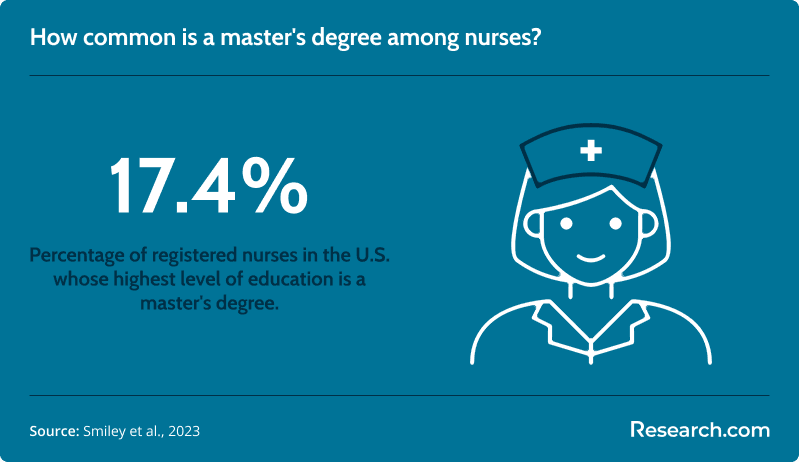
Graduate nursing aid is closely tied to workforce need. Only about 17.4% of the current RN workforce holds an MSN, which creates demand for nurses prepared for advanced clinical, teaching, leadership, and systems-level roles. Funding is not guaranteed, but applicants who can show strong clinical preparation and a clear service goal may be better positioned to compete for aid.
What prerequisites do online MSN pediatric nurse practitioner programs require?
Most online MSN pediatric nurse practitioner programs require a Bachelor of Science in Nursing from an accredited school, an active and unencumbered RN license, and a minimum GPA near 3.0. Competitive programs also look closely at pediatric clinical experience, professional references, writing ability, and evidence that the applicant understands the responsibilities of advanced practice.
Many schools prefer at least one to two years of relevant RN experience, especially in pediatric settings. Acute care programs may be stricter because students must be ready to manage complex pediatric patients in hospital-based environments.
| Requirement | Why it matters | What to verify |
| BSN from an accredited institution | Confirms foundational nursing preparation for graduate-level advanced practice coursework | Whether the school accepts your degree, transfer history, and prior institution accreditation |
| Current RN license | PNP students must hold professional nursing licensure before advanced practice training | Whether the program requires licensure in your state, the school’s state, or the clinical placement state |
| Minimum GPA of around 3.0 | Shows readiness for graduate-level science, pharmacology, assessment, and clinical reasoning | Whether prerequisite courses or last-degree GPA are evaluated separately |
| Pediatric RN experience | Builds the clinical foundation needed for specialty pediatric assessment and decision-making | Whether the program requires general pediatric, acute care pediatric, or inpatient pediatric experience |
| Clinical availability | Students must complete approved pediatric clinical hours to graduate and qualify for certification | Who finds preceptors, where placements may occur, and whether your state is eligible |
How the PNP path differs from other pediatric healthcare roles
Pediatric nurse practitioners have a broader diagnostic and treatment role than many other pediatric care team members. The higher admissions bar reflects the autonomy, clinical reasoning, and patient management responsibilities expected of advanced practice nurses. Pediatrics can also be a stable specialty for many nurses, with an RN turnover rate of just 12.2%.
If you are still exploring pediatric healthcare roles and want a shorter training path, comparing the pediatric medical assistant salary and career path can help clarify how scope of practice, education, and responsibility differ from the MSN-PNP route.
What courses are included in an online MSN pediatric nurse practitioner program?
Online MSN-PNP curricula move students from registered nursing practice into advanced assessment, diagnosis, pharmacologic management, health promotion, and pediatric specialty care. Coursework usually combines MSN core classes, advanced practice science, pediatric specialty courses, and supervised clinical experiences.
- Advanced Pathophysiology: Examines disease processes across the lifespan, with application to pediatric assessment and management.
- Advanced Pharmacology: Builds knowledge of medication selection, dosing, monitoring, and safety in pediatric populations.
- Advanced Physical Assessment: Develops comprehensive assessment skills for infants, children, adolescents, and young adults.
- Evidence-Based Practice: Teaches students to evaluate research and apply clinical evidence to patient care decisions.
- Health Policy: Explores regulation, access, reimbursement, advocacy, and systems-level barriers affecting child health.
- Pediatric Primary or Acute Care Management: Focuses on well-child care, common illnesses, chronic conditions, complex pediatric disease, or high-acuity care depending on the track.
- Clinical Practicum: Gives students supervised experience in approved pediatric settings aligned with their specialty track.
Why the curriculum is broader than bedside pediatric nursing
PNP coursework is intended to prepare nurses for independent and collaborative decision-making, not simply expanded task performance. Students learn to connect symptoms, development, family context, social needs, medications, diagnostic findings, and follow-up plans. That broader systems view can also help nurses understand different jobs in the medical field and how pediatric nurse practitioners collaborate with physicians, therapists, social workers, educators, pharmacists, and community organizations.
What pediatric nurse practitioner specializations are available online?
The two main MSN-PNP tracks are Pediatric Nurse Practitioner-Primary Care and Pediatric Nurse Practitioner-Acute Care. Some universities offer both, while others focus on one pathway. A few programs also provide dual-track options for nurses who want preparation across more than one pediatric setting.
| Specialization | Typical setting | Best fit for nurses who want to | Common focus areas |
| Pediatric Nurse Practitioner-Primary Care | Outpatient clinics, community health settings, school-linked care, and long-term pediatric care environments | Build ongoing relationships with children and families and manage preventive care, common illnesses, and chronic conditions | Well-child visits, immunization guidance, developmental milestones, family education, chronic disease follow-up, and health promotion |
| Pediatric Nurse Practitioner-Acute Care | Hospitals, specialty units, inpatient services, emergency-related settings, and high-acuity pediatric environments | Work with medically fragile, complex, or critically ill children who need advanced monitoring and treatment | Complex disease management, inpatient care planning, advanced assessment, pharmacology, and collaboration with specialty teams |
| Dual Primary/Acute Care | Programs and employers that value flexibility across outpatient and inpatient pediatric care | Keep a broader clinical scope and qualify for more than one type of pediatric NP role, where permitted by certification and state rules | Integrated preparation across primary care, acute care, transitions of care, and complex pediatric needs |
| Dual Pediatric Behavioral Mental Health | Pediatric settings where physical health and behavioral health needs overlap | Address children’s physical and mental health needs in a more integrated way | Behavioral health screening, mental health-informed pediatric care, family-centered planning, and coordination with behavioral health providers |
Why behavioral health is becoming more important in pediatric NP education
Recent data show that 25.8% of children face a mental or behavioral health problem. That reality is shaping pediatric practice because many children present with overlapping physical, developmental, emotional, and family needs. Programs with behavioral health preparation may be especially relevant for nurses who want to practice in underserved communities, integrated care clinics, or settings where mental health access is limited.
If you are deciding whether you want to diagnose and manage pediatric conditions or focus more heavily on wellness behavior change, reviewing how to become a nurse health coach can help you compare the responsibilities of health coaching with the broader diagnostic scope of the PNP role.
How to choose the best online pediatric nurse practitioner program
The best online MSN pediatric nurse practitioner program is the one that fits your intended certification, practice state, clinical background, finances, and learning style. A highly ranked school may still be the wrong fit if it cannot place students in your state, does not offer your preferred specialization, or requires travel you cannot manage.
Start with non-negotiables. Confirm that the program has CCNE accreditation, prepares students for the correct pediatric NP certification pathway, and is authorized to enroll students where you live. Then evaluate practical details such as clinical placement support, faculty access, board pass rates, and total cost.
Questions to ask before applying
| Question | Why it matters |
| Is the program accredited and eligible for my intended certification exam? | Accreditation and certification alignment affect licensure, employment, and professional credibility. |
| Can the school enroll students from my state? | State authorization rules may limit where online students can live while completing the program. |
| Who is responsible for finding clinical placements? | Some programs provide strong placement support, while others expect students to identify preceptors themselves. |
| What are the board certification pass rates? | Pass rates can help you judge how well the curriculum prepares graduates for certification. |
| How many campus visits are required? | Residencies and intensives can affect travel costs, work schedules, and family planning. |
| What pediatric experience do admitted students usually have? | This helps you assess whether your clinical background is competitive for the program. |
| What is the total estimated program cost? | Tuition alone may exclude fees, travel, clinical expenses, and certification costs. |
| Does the curriculum include telehealth, simulation, electronic health records, or clinical decision-support training? | Pediatric care increasingly uses digital tools, and graduates should be ready to practice safely in technology-enabled environments. |
Common mistakes to avoid
- Choosing based only on tuition. A cheaper program may become costly if it offers limited clinical support or requires unexpected travel.
- Ignoring accreditation. Accreditation affects certification eligibility, licensure, and employer confidence.
- Assuming online means no campus visits. Many online and hybrid programs still require intensives, simulations, or residency sessions.
- Overlooking state authorization. Not every online nursing program can enroll students in every state.
- Applying without pediatric experience. Some programs may admit nurses from other settings, but pediatric experience often strengthens an application.
- Relying only on rankings. Rankings are useful, but they cannot tell you whether a program fits your schedule, state, finances, or clinical goals.
Why fit matters more than prestige alone
Including undergraduate nursing education, the MSN-PNP route can represent six or more years of higher education. Because the commitment is significant, choose a program that supports the kind of pediatric care you actually want to provide. The strongest choice is usually the school that combines credible preparation, manageable cost, reliable clinical pathways, and a mission that matches your professional goals.
What careers can you pursue with an online MSN pediatric nurse practitioner degree?
Most MSN-PNP graduates move into direct pediatric clinical practice, but the degree can also support leadership, education, public health, care coordination, research, and administrative roles. The exact career path depends on certification, state scope-of-practice rules, clinical experience, and employer needs.
| Career path | Typical work | Who it may fit |
| Pediatric primary care nurse practitioner | Provides preventive care, manages common illnesses, monitors development, educates families, and follows chronic conditions | Nurses who want long-term relationships with children and families in outpatient care |
| Pediatric acute care nurse practitioner | Manages complex or high-acuity pediatric patients in hospital-based settings | Nurses who prefer fast-changing clinical situations and complex pediatric cases |
| Dual-track pediatric NP | Works across broader pediatric settings depending on certification, experience, and state regulations | Nurses who want flexibility between outpatient and inpatient pediatric care |
| Clinical leader or service-line manager | Oversees care quality, workflow, staff development, patient outcomes, or pediatric programs | PNPs interested in operations, leadership, and systems improvement |
| Faculty member or preceptor | Teaches nursing students, mentors NP students, and supports clinical education | Experienced PNPs who enjoy teaching and workforce development |
| Public health or policy role | Works on child health programs, access, prevention, equity, or community-based initiatives | Nurses who want to influence pediatric health beyond individual patient visits |
| Research, pharmaceutical, or medical device role | Contributes pediatric clinical knowledge to product development, safety, education, or research initiatives | PNPs interested in innovation, evidence generation, or industry roles |
How niche specialization can support advancement
Pediatrics accounts for approximately 3% of the total NP workforce who are prepared for primary care, which makes it a smaller but important advanced practice specialty. Nurses who build expertise in pediatric chronic illness, behavioral health, underserved care, or acute care may be well positioned for leadership over time.
If you are interested in moving from bedside care into systems-level clinical leadership, comparing the clinical nurse leader salary and career path can help you understand one nontraditional direction an MSN can support.
What is the job outlook for online MSN pediatric nurse practitioner graduates?
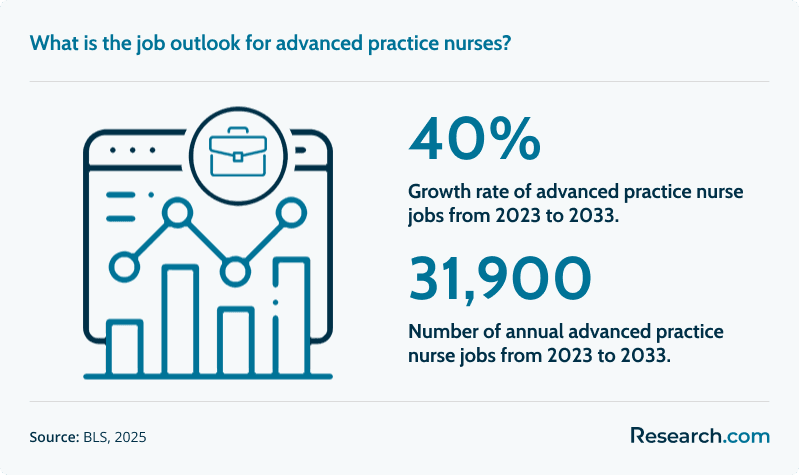
The overall nurse practitioner job market is strong. Employment for nurse practitioners is projected to grow by 40% over the next decade, much faster than the average for all occupations. Pediatric NP graduates enter that broader advanced practice market, although local opportunities depend on region, specialty track, experience, and state practice laws.
Demand for pediatric NPs is shaped by several forces: pediatric provider shortages in some communities, complex chronic conditions, behavioral health needs, health equity priorities, and the need for advanced practice clinicians in both outpatient and hospital settings. Nurses who are open to underserved areas, integrated care models, or high-need pediatric specialties may find more opportunities than those searching only in highly competitive markets.
If your interests lean toward population-level prevention, school health, community programs, or policy, the best online MSN in public health nursing programs may also be worth reviewing as an alternative graduate nursing pathway.
How technology is changing pediatric NP practice
Online MSN-PNP students should expect technology to be part of both education and practice. Simulation, telehealth, electronic health records, virtual case discussions, and digital communication with families are increasingly relevant to pediatric care. Programs that teach safe documentation, clinical reasoning, privacy, and technology-supported care can help graduates adapt more confidently to modern healthcare environments.
What graduates say about online MSN pediatric nurse practitioner programs
- : "I kept meeting children whose behavioral health needs were obvious, but our clinic did not have the tools to respond well. The online format let me study integrated pediatric care while keeping my work schedule. I now feel prepared to care for the whole child instead of treating physical symptoms in isolation. — Sorina"
- : "Hospital shifts were draining me, and I wanted a role with more clinical independence. My MSN-PNP program helped me build the judgment and confidence to move into primary care, where I manage a patient panel and form lasting relationships with families. — Rhys"
- : "I have always been interested in complicated pediatric cases. The advanced pathophysiology, pharmacology, online simulations, and case-based learning gave me the foundation I needed to care for children with serious chronic conditions. The work is demanding, but supporting these families is deeply meaningful. — Lior"
What challenges should you expect in an online MSN pediatric nurse practitioner program?
Online MSN pediatric nurse practitioner programs are flexible, but they are not easy. Students must manage graduate-level coursework, clinical hours, work schedules, family responsibilities, and certification preparation. The biggest challenge for many students is not the online classroom itself; it is coordinating clinical placements and protecting enough time to study deeply.
- Clinical scheduling pressure: Pediatric placements may be limited, so students should start planning early and communicate often with placement coordinators.
- Heavy science coursework: Advanced pharmacology, pathophysiology, and assessment require consistent weekly study time.
- Self-directed learning: Online students need discipline, organization, and comfort asking for help before falling behind.
- Technology expectations: Learning platforms, virtual simulations, video meetings, and digital submissions can take adjustment.
- Work-life strain: Clinical rotations may conflict with RN shifts, especially for students in acute care tracks.
Students who do not yet have a BSN should not apply directly to most MSN-PNP programs without first checking admissions pathways. For nurses or career changers who need an accelerated route into BSN-level preparation, BSN accelerated nursing programs may provide a more appropriate starting point.
What professional resources can help after graduation?
Graduation is only the beginning of professional development. New pediatric nurse practitioners should continue building expertise through certification maintenance, specialty conferences, mentoring, precepting, professional associations, and employer-based training. Alumni networks can also help graduates find clinical openings, leadership opportunities, research collaborations, and trusted colleagues in pediatric practice.
Ongoing learning is especially important in pediatrics because children’s care involves development, family systems, school needs, chronic conditions, behavioral health, social determinants of health, and changing clinical guidance. Graduates who stay connected to professional communities are better positioned to adapt and advance.
For nurses still completing foundational education before graduate study, the easiest RN to BSN degree program options may help build the academic base needed for future MSN-level preparation.
References used
- American Association of Colleges of Nursing. (2023). Employment of new nurse graduates and employer preferences for baccalaureate-prepared nurses. Retrieved August 5, 2025, from AACN.
- American Association of Nurse Practitioners. (2022). NP fact sheet. Retrieved August 5, 2025, from AANP.
- Data Resource Center for Child and Adolescent Health. (2024). National Survey of Children’s Health (NSCH) 2022/2023. NSCH Data. Retrieved August 5, 2025, from Data Resource Center for Child and Adolescent Health.
- NSI Nursing Solutions, Inc. (2023). 2023 NSI national health care retention & RN staffing report. Retrieved August 5, 2025, from NSI Nursing Solutions, Inc.
- Smiley, R. A., Allgeyer, R. L., Shobo, Y., Lyons, K. C., Letourneau, R., & Zhong, E. (2023). The 2022 national nursing workforce survey. Journal of Nursing Regulation, 14(1), S1-S96. Retrieved August 5, 2025, from the Journal of Nursing Regulation.
- U.S. Bureau of Labor Statistics. (2025a). Occupational employment and wage statistics, 29-1171 nurse practitioners. Retrieved August 5, 2025, from BLS.
- U.S. Bureau of Labor Statistics. (2025). Occupational outlook handbook, nurse anesthetists, nurse midwives, and nurse practitioners. Retrieved August 5, 2025, from BLS.
- Wisk, L. E., & Sharma, N. (2025). Prevalence and trends in pediatric-onset chronic conditions in the United States, 1999–2018. Academic Pediatrics, 25(4), 102810. ScienceDirect.
- Zippia. (2025). Pediatric nurse practitioner salary. Retrieved August 5, 2025, from Zippia.
Key Insights
- Start with certification fit. Choose pediatric primary care, acute care, dual-track, or behavioral health-focused preparation based on the patients and settings you want to serve.
- Accreditation and state eligibility are non-negotiable. Confirm CCNE accreditation, certification alignment, and whether the program can enroll students in your state before applying.
- Clinical placement support can make or break the experience. Ask exactly who finds preceptors, where clinicals can occur, and what happens if a placement falls through.
- Cost varies widely. Programs on this list range from approximately $20,000 to over $120,000, so compare total cost, not just cost per credit.
- Online does not mean less rigorous. Accredited online MSN-PNP programs still require advanced science coursework, supervised pediatric clinical training, certification preparation, and strong time management.
- The job market is favorable, but outcomes are not automatic. Nurse practitioner employment is projected to grow by 40% over the next decade, but your opportunities will depend on specialty, location, experience, certification, and state practice rules.
- The best program is the one that fits your real life. A strong choice balances academic quality, clinical access, affordability, schedule flexibility, and long-term career goals.
Other Things You Should Know About Online MSN Pediatric Nurse Practitioner Programs
Graduates must pass the Pediatric Nursing Certification Board exam, usually the CPNP-PC or CPNP-AC, depending on their specialty track. Certification requires an active RN license, an MSN or DNP from an accredited program, and completion of the required pediatric clinical hours.
Online MSN Pediatric Nurse Practitioner programs in 2027 typically require at least 500 clinical hours under a qualified preceptor. Students must complete these hours in pediatric settings to gain practical experience, which is essential for certification and meeting state licensure requirements.