2027 How to Become a BCBA in Texas

Co-Founder and Chief Data Scientist
Becoming a Board Certified Behavior Analyst (BCBA) in Texas requires more than choosing a graduate program and taking an exam. You need to align your degree, BACB-approved coursework, supervised fieldwork, certification exam preparation, Texas licensing steps, and continuing education obligations. Missing one requirement can delay certification, licensure, or employment eligibility.
This guide is for students, career changers, educators, psychology graduates, and ABA professionals who want a practical roadmap for becoming a BCBA in Texas. You will learn the required education, fieldwork hours, licensing process, exam expectations, salary range, job demand, program selection criteria, financial aid options, and career-building strategies that matter most before you commit time and money to this path.
Quick Answer: How Do You Become a BCBA in Texas?
To become a BCBA in Texas, you generally need a master’s degree in behavior analysis, psychology, education, or a closely related field; coursework that satisfies Behavior Analyst Certification Board (BACB) standards; supervised fieldwork; a passing score on the BCBA exam; and a Texas behavior analyst license. Texas does not create a separate BCBA certification, but it does require eligible practitioners to follow state licensing rules through the Texas Behavior Analyst Licensing Board.
| Step | What You Need to Complete | Why It Matters |
| 1. Earn a qualifying graduate degree | Complete a master’s degree in behavior analysis, psychology, or a related field | The BACB requires graduate-level preparation before you can qualify for BCBA certification |
| 2. Finish approved coursework | Take coursework aligned with BACB requirements, including ethics, assessment, and intervention content | Your coursework must prepare you for the exam and professional practice |
| 3. Complete supervised fieldwork | Accumulate at least 1,500 hours of supervised fieldwork, including at least 75 hours of supervision from a qualified BCBA | Fieldwork builds the applied skills needed to work with clients safely and ethically |
| 4. Apply for and pass the BCBA exam | Submit documentation and pass the 170-question multiple-choice exam | Passing the exam is required for BACB certification |
| 5. Apply for Texas licensure | Submit proof of BCBA certification, pay the application fee, and complete the background check process | Licensure is required to practice as a behavior analyst in Texas |
| 6. Maintain certification and license | Complete required continuing education and follow ethical standards | Ongoing education keeps your credential active and your practice compliant |
Key Things You Should Know About Becoming a BCBA in Texas
- BCBA certification comes from the BACB. Texas practitioners must meet Behavior Analyst Certification Board standards, which include graduate education, qualifying coursework, supervised experience, and a certification exam.
- Texas also requires state licensure. Although Texas does not issue its own BCBA certification, behavior analysts must comply with the Texas Behavior Analyst Licensing Board’s legal and professional requirements.
- Fieldwork is a major time commitment. Applicants must complete a minimum of 1,500 supervised fieldwork hours, with at least 75 hours of supervision from a qualified BCBA.
- The BCBA exam is comprehensive. The exam includes 170 multiple-choice questions and requires serious preparation, especially for candidates balancing work, graduate school, and fieldwork.
- Professional networks matter in Texas. Joining organizations such as the Texas Association for Behavior Analysis (TxABA) can help with continuing education, mentoring, advocacy, and job connections.
- What are the BCBA certification requirements in Texas?
- What are the state-specific licensing and legal requirements for BCBAs in Texas?
- What education pathways are available for aspiring BCBAs in Texas?
- How can I prepare for the BCBA exam in Texas?
- What supervised fieldwork opportunities exist for BCBAs in Texas?
- What is the career outlook and demand for BCBAs in Texas?
- What salary can I expect as a BCBA in Texas?
- How does technology transform BCBA practices in Texas?
- What continuing education and development options are available for BCBAs in Texas?
- How can BCBA expertise support forensic investigations in Texas?
- How Do Evolving Licensure Regulations Impact BCBA Practice in Texas?
- What specializations for BCBA are in demand in Texas?
- How Can Prioritizing Mental Health Sustain My BCBA Career in Texas?
- How Do I Choose the Right BCBA Program in Texas?
- What financial aid, scholarships, and grants are available for BCBA programs in Texas?
- How can interdisciplinary collaboration advance my BCBA career in Texas?
- Can pursuing dual licensure enhance my BCBA career in Texas?
- How can mentorship and professional networking shape my BCBA career in Texas?
What are the BCBA certification requirements in Texas?
Texas candidates must first qualify for BCBA certification through the BACB. The state licensing process depends on that national credential, so your first priority is making sure your education, coursework, and supervised fieldwork meet BACB standards before you apply for the exam.
- Graduate degree: You must hold a master’s degree in behavior analysis, psychology, education, or another acceptable related field. The degree should support the professional competencies required for behavior assessment, intervention planning, data analysis, and ethical practice.
- BACB-aligned coursework: Your academic program should include required behavior analysis content, such as ethics, measurement, assessment, behavior-change procedures, supervision, and intervention design.
- Supervised fieldwork: Candidates must complete at least 1,500 hours of supervised fieldwork. At least 75 hours must involve supervision from a qualified BCBA.
- BCBA examination: After meeting eligibility requirements, you must apply for the BCBA exam and pass the 170-question multiple-choice test.
- Texas licensure: After certification, you must meet Texas licensing requirements before practicing as a behavior analyst in the state.
| Requirement | What to Confirm Before You Enroll or Apply |
| Master’s degree | Ask whether the degree area and institution meet BACB eligibility standards |
| Coursework | Verify that the program’s courses satisfy current BACB content requirements |
| Fieldwork | Confirm whether the program helps you secure supervision or expects you to find it independently |
| Exam eligibility | Make sure the school can explain how graduates document their eligibility for the BCBA exam |
| Texas license | Check the Texas Behavior Analyst Licensing Board’s requirements before assuming certification alone is enough to practice |
What are the state-specific licensing and legal requirements for BCBAs in Texas?
In Texas, BCBA certification is not the final step. Practitioners must also follow rules set by the Texas Behavior Analyst Licensing Board. To apply for a Texas behavior analyst license, you must submit an application, pay the required fee, currently around $100, and provide proof of BCBA certification from the BACB.
Texas also requires a criminal background check, including fingerprint submission. Candidates should plan for this step early because background processing can affect the timing of employment, onboarding, or independent practice.
Continuing education rules can involve both state licensing and BACB certification obligations. Texas requires at least 20 hours of continuing education every two years to maintain the license. Separately, BACB certification maintenance includes continuing education expectations discussed later in this guide. Because licensing and certification rules can change, always verify current requirements directly with the relevant board before you submit renewal documents.
Transferring BCBA Licensing to Texas
If you are already licensed or certified elsewhere, you still need to apply for a Texas behavior analyst license before practicing in the state. The transfer process generally requires out-of-state license verification, proof of BCBA certification, the Texas application, fees, and the same background check requirements that apply to other applicants.
What education pathways are available for aspiring BCBAs in Texas?
Aspiring BCBAs in Texas usually choose one of three academic routes: an in-person graduate program, an online ABA or behavior analysis master’s program, or a related graduate degree paired with approved behavior analysis coursework. The right option depends on your schedule, fieldwork access, budget, and whether you need a program that helps coordinate supervision.
| Pathway | Best For | Important Trade-Off |
| Campus-based master’s program | Students who want face-to-face faculty access, local practicum connections, and structured peer interaction | Less flexible for working adults or students outside major metro areas |
| Online master’s program | Working professionals, rural students, and candidates who need scheduling flexibility | You may need to be more proactive about securing local supervised fieldwork |
| Related master’s degree plus BCBA coursework | Students who already study psychology, education, counseling, or a related field | You must confirm the coursework meets BACB requirements before relying on it for exam eligibility |
| Program with embedded practicum | Students who want academic coursework and supervised practice to be closely connected | Availability may vary by school, location, and employer partnerships |
- Online master’s programs: Online ABA programs can be useful if you need to keep working while completing graduate coursework. If cost is a major concern, compare options carefully and review affordable online BCBA programs.
- Universities with verified course sequences: Texas State University and the University of Houston are examples of institutions that offer coursework designed to align with BACB expectations. This can simplify the academic portion of your certification planning.
- Practicum and fieldwork support: Some programs integrate practicum experiences, while others expect students to arrange supervision separately. This difference can strongly affect your timeline, workload, and total cost.
How can I prepare for the BCBA exam in Texas?
The BCBA exam should be treated as a professional licensing-style exam, not a final course test. In Texas, the average pass rate for the BCBA exam hovers around 60-70%, so candidates should plan a structured study schedule well before their desired test date.
- Start with the exam content outline: Map each topic area to your coursework notes, textbooks, supervision experiences, and practice questions.
- Use practice exams strategically: Practice tests help you identify weak areas, improve pacing, and become comfortable with the 170-question multiple-choice format.
- Join a focused study group: A strong group can help you explain concepts out loud, compare reasoning, and stay accountable. Avoid groups that only trade memorized answers without discussing why an answer is correct.
- Use reputable online resources: Organizations such as the Association for Behavior Analysis International (ABAI) offer study-related resources that can support exam preparation.
- Attend local workshops: Texas-based workshops and seminars can provide exam strategies, ethical case discussions, and opportunities to ask experienced BCBAs about common preparation mistakes.
BCBA Exam Retake Policy in Texas
Texas candidates may retake the BCBA exam up to four times a year, but there is a required waiting period of at least 45 days between attempts. If you do not pass, use the waiting period to rebuild your study plan around the domains where you were weakest rather than repeating the same preparation routine.
What supervised fieldwork opportunities exist for BCBAs in Texas?
Supervised fieldwork is where BCBA candidates learn to apply behavior analysis with real clients, real data, and real ethical responsibilities. In Texas, opportunities may be available through clinics, schools, home-based service providers, private practices, and online supervision models.
- Graduate preparation: You must first have the required graduate-level education in behavior analysis or a related area. Students comparing academic routes can review master’s in behavioral psychology pathways to understand related options.
- BCBA coursework: Your coursework should satisfy BACB standards so that your fieldwork and academic record support the same certification goal.
- Supervised fieldwork: You need 1,500 hours of supervised fieldwork, including at least 75 hours of direct supervision, to meet the fieldwork requirement discussed in this guide.
Texas candidates can find supervision through several types of organizations. ABC Behavior Training offers a fully online supervision program that allows candidates to earn up to 130 hours of supervised fieldwork each month through group and individual sessions. This format may help students who need flexibility, although candidates should still verify that any supervision model meets current BACB standards.
Endeavor Behavioral Institute offers different supervision formats, including hourly and intensive options that can be completed in as little as a year. Its models emphasize face-to-face supervision while candidates work with clients, which can be valuable for building applied judgment and professional confidence.
Because fieldwork quality varies, do not choose a site based only on speed or convenience. Ask how supervisors provide feedback, how often you will work directly with clients, what data systems are used, and whether the experience exposes you to assessment, intervention, caregiver training, and ethical decision-making. If you still need a degree foundation, compare online ABA programs and related behavioral science options before committing to a supervision site.
| Fieldwork Setting | Potential Advantages | Questions to Ask |
| ABA clinic | Structured client services, frequent data collection, and exposure to treatment planning | Will I receive regular individual supervision and varied case experience? |
| School district | Experience with behavior support plans, special education teams, and classroom interventions | Will my duties meet BACB fieldwork standards? |
| Home-based provider | Family-centered practice and experience across natural environments | How are safety, documentation, and supervision handled during home visits? |
| Online supervision program | Greater scheduling flexibility, especially for candidates in rural areas | Does the model satisfy current BACB supervision rules? |
| Private practice | Exposure to business operations, intake, assessment, and individualized service models | Will I receive enough client-facing hours and high-quality feedback? |
What is the career outlook and demand for BCBAs in Texas?
Texas is one of the strongest states for BCBA employment demand. Recent data show a 14% increase in job openings from 2022 to 2023, and Texas ranks third in the nation for BCBA demand, behind California and Massachusetts. Texas is also home to over 4,000 BCBAs, which reflects both an established workforce and a competitive professional market.
- Demand is especially strong in autism and special education services: Many openings are connected to autism spectrum disorder services, school-based behavior support, and treatment programs serving children and families.
- Credentials alone may not be enough for top roles: As applied behavior analysis becomes more visible, employers may look closely at supervised experience, specialization, documentation skills, and comfort working with interdisciplinary teams.
- Large metro areas offer more opportunities: Houston, Dallas, San Antonio, and Austin tend to have more employers, broader service settings, and more networking opportunities. Houston is noted for some of the highest salaries in the state.
- Employers are diverse: BCBAs may work in schools, healthcare organizations, autism treatment centers, private practices, home-based programs, and consulting roles.
If you are still building your academic qualifications, online behavioral science programs may help you prepare for graduate study or related roles. Research.com’s guide to online behavioral psychology degree programs can help you compare broader education options.
What salary can I expect as a BCBA in Texas?
BCBAs in Texas typically earn between $60,000 and $90,000 per year, with the median salary hovering around $75,000. Actual pay depends on location, employer type, experience, specialization, caseload expectations, and whether the role includes supervision, program management, or leadership duties.
| Factor | How It Can Affect Pay |
| Location | Austin and Dallas roles can often exceed $80,000, while smaller towns may offer salaries around $60,000 to $70,000 |
| Experience | Entry-level BCBAs usually start closer to the lower end, while experienced practitioners may move into higher-paying clinical or supervisory roles |
| Specialization | Experience with autism spectrum disorders, school-based services, telehealth, or organizational behavior management may improve competitiveness |
| Employer type | Schools, clinics, healthcare providers, private practices, and consulting organizations may structure compensation differently |
| Supervisory responsibilities | Roles that include training staff, supervising candidates, or managing programs may offer stronger earning potential |
Salary should not be evaluated separately from workload. Before accepting an offer, ask about billable-hour expectations, caseload size, travel requirements, supervision duties, documentation time, benefits, continuing education support, and whether the employer provides paid time for training or case consultation.
How does technology transform BCBA practices in Texas?
Technology is changing how Texas BCBAs collect data, supervise trainees, communicate with caregivers, and deliver services across large or underserved regions. Telehealth can make consultation and follow-up easier for families who cannot regularly travel to clinics, while digital data systems can support faster analysis of behavior patterns and intervention progress.
Technology also affects training. Virtual supervision, online continuing education, and remote graduate programs can expand access for students outside major Texas cities. However, digital tools do not replace ethical judgment, careful assessment, or high-quality supervision. BCBAs should evaluate whether each platform protects client privacy, supports accurate data entry, and fits the needs of the client rather than adopting tools only because they are convenient. Students building a broader psychology foundation can also compare flexible options such as affordable online psychology degree programs.
What continuing education and development options are available for BCBAs in Texas?
Continuing education is required because BCBA practice changes over time as research, ethical guidance, service models, and state rules evolve. In Texas, practitioners need to track both state license renewal obligations and BACB certification maintenance requirements.
For BACB certification maintenance, BCBAs are required to complete 32 hours of continuing education every two years. Those hours must include specific content areas:
- Total CEUs: BCBAs must complete 32 Continuing Education Units within each two-year cycle.
- Ethics CEUs: At least 4 CEUs must focus on ethics.
- Supervision CEUs: BCBAs who supervise others need an additional 3 CEUs in supervision.
Professional development options include ACE-provider workshops, online courses, employer-sponsored trainings, university seminars, and conferences hosted by groups such as the Texas Association for Behavior Analysis. Conferences can be especially useful because they combine CEU opportunities with networking, research updates, and exposure to practice areas outside your current role.
Continuing education should be more than a renewal task. Use it to close specific skill gaps. For example, if your caseload is shifting toward school consultation, choose training in functional behavior assessment, IEP collaboration, and teacher coaching. If you supervise trainees, prioritize feedback models, documentation, and ethical supervision. Those considering additional graduate study can review behavioral psychology career options to understand related pathways.
How can BCBA expertise support forensic investigations in Texas?
Behavior analysis can sometimes contribute to forensic and investigative contexts, particularly when professionals need structured observation, risk assessment, behavior pattern review, or data-informed interpretation of actions. In Texas, this work generally requires collaboration with forensic scientists, law enforcement, psychologists, attorneys, or other qualified specialists rather than independent practice outside a BCBA’s scope.
BCBAs interested in this area should be cautious about role boundaries. Forensic work may involve legal standards, evidentiary rules, expert testimony, and populations that require additional training. If you want to understand the broader forensic landscape, Research.com’s guide to becoming a forensic scientist in Texas can provide useful context.
How Do Evolving Licensure Regulations Impact BCBA Practice in Texas?
Licensure rules influence where BCBAs can practice, how they document services, what continuing education they must complete, and how supervision is structured. Texas practitioners should monitor guidance from the Texas Behavior Analyst Licensing Board and the BACB rather than relying on old program handbooks, employer assumptions, or informal advice from peers.
Regulatory awareness is especially important for BCBAs who work across disciplines, supervise trainees, offer telehealth, move into private practice, or relocate from another state. Professionals who want a broader view of mental health regulation in the state may also find value in reviewing Texas psychology licensure requirements, while remembering that psychology licensure and behavior analyst licensure are separate pathways.
What specializations for BCBA are in demand in Texas?
Specialization can help Texas BCBAs compete for stronger roles, serve clients more effectively, and move into leadership or consulting positions. The best specialization depends on your preferred population, work setting, and tolerance for travel, documentation, family training, or interdisciplinary collaboration.
- Autism Spectrum Disorder (ASD): With over 1 in 54 children diagnosed with ASD, many Texas schools, clinics, and home-based providers need BCBAs who can design and evaluate evidence-informed intervention plans.
- School-based services: Texas has many school districts that need behavior support for students with behavioral challenges, special education needs, and classroom intervention plans.
- Telehealth services: Remote service models are increasingly useful in rural regions where families may have limited access to in-person ABA providers.
- Organizational Behavior Management (OBM): Some businesses use behavior analysis principles to improve workplace systems, productivity, training, and employee performance.
| Specialization | Good Fit If You Enjoy | Common Work Settings |
| Autism services | Early intervention, family coaching, skill acquisition, and behavior reduction plans | Clinics, home programs, schools, autism treatment centers |
| School consultation | Collaborating with teachers, IEP teams, administrators, and families | Public schools, private schools, special education programs |
| Telehealth ABA | Remote coaching, caregiver consultation, and technology-supported service delivery | Telehealth providers, hybrid practices, rural service programs |
| OBM | Systems improvement, staff training, performance analysis, and workplace behavior | Businesses, healthcare organizations, consulting firms |
How Can Prioritizing Mental Health Sustain My BCBA Career in Texas?
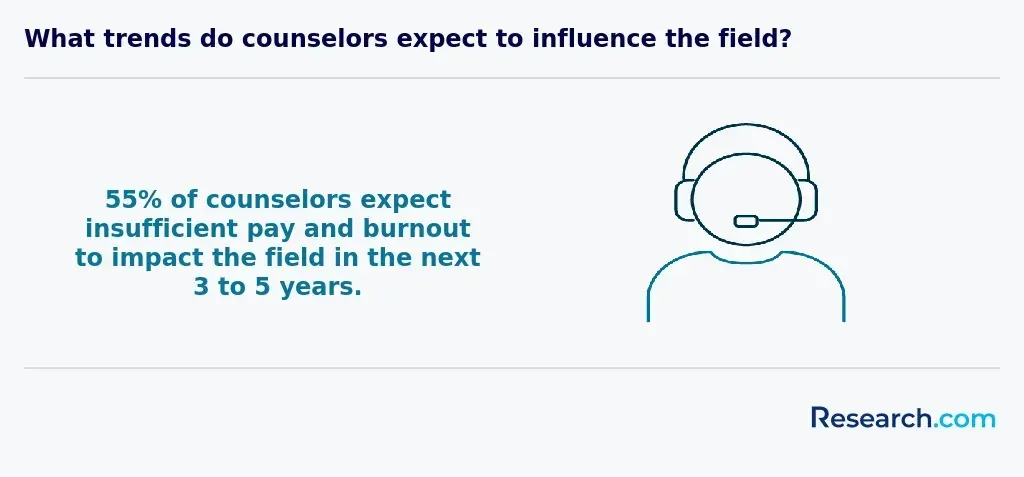
BCBA work can be rewarding, but it can also involve high caseloads, complex family needs, crisis behavior, travel, documentation pressure, and supervision demands. Protecting your own mental health is part of sustaining ethical, effective practice over the long term.
Practical strategies include setting realistic caseload boundaries, using peer consultation, seeking supervision when facing difficult cases, taking continuing education in burnout prevention, and using confidential counseling when stress becomes difficult to manage. BCBAs who work closely with mental health professionals may also benefit from understanding adjacent fields, including mental health counselor requirements in Texas.
How Do I Choose the Right BCBA Program in Texas?
The right BCBA program is not simply the cheapest, fastest, or highest-ranked option. It is the program that fits your certification goal, learning style, budget, fieldwork needs, and career plan. Before enrolling, confirm that the program’s coursework aligns with BACB requirements and that the school can clearly explain how students document eligibility for certification.
| Question to Ask | Why It Matters |
| Does the coursework meet BACB requirements? | Without qualifying coursework, your degree may not lead to exam eligibility |
| Does the program help arrange supervised fieldwork? | Fieldwork can become the biggest bottleneck if you must find supervision alone |
| What support is available for online students? | Online flexibility is useful only if advising, faculty access, and supervision guidance are strong |
| How does the program prepare students for the BCBA exam? | Exam preparation should be built into the academic experience, not left entirely to students |
| What is the total cost after fees, books, travel, and supervision expenses? | Tuition alone does not show the full cost of becoming a BCBA |
| What populations and settings does the program emphasize? | A program focused on autism clinics may feel different from one emphasizing schools, research, or OBM |
Students comparing Texas options may also want to review accredited psychology schools in Texas, especially if they are considering related graduate programs before pursuing BCBA eligibility.
Common Mistakes to Avoid When Becoming a BCBA in Texas
- Assuming any psychology master’s degree qualifies: A related graduate degree may help, but your coursework still needs to satisfy BACB requirements.
- Ignoring Texas licensure: BCBA certification is essential, but Texas licensure is also required for legal practice as a behavior analyst in the state.
- Choosing a program without checking fieldwork support: Some students finish coursework and then struggle to find qualified supervision.
- Looking only at tuition: Books, fees, exam costs, supervision expenses, travel, and lost work time can change the real cost of the pathway.
- Rushing exam preparation: The BCBA exam is broad, and the average pass rate in Texas hovers around 60-70%, so a casual review plan may not be enough.
- Assuming online programs automatically meet every requirement: Online study can be effective, but you must confirm coursework, fieldwork, and licensure alignment.
- Overlooking burnout risk: Sustainable practice requires boundaries, consultation, manageable caseloads, and mental health support.
What financial aid, scholarships, and grants are available for BCBA programs in Texas?
BCBA preparation can be expensive because students may need graduate tuition, textbooks, supervision, exam fees, licensure fees, and continuing education. Financial aid planning should begin before enrollment, not after the first tuition bill arrives.
- SABA Grants: The Society for the Advancement of Behavioral Analysis offers grants that support graduate research in applied behavior analysis. These awards can help students cover research-related expenses.
- University scholarships: Baylor University and the University of North Texas offer scholarships for BCBA students. Baylor’s Project PEACE initiative includes tuition scholarships, monthly stipends, and free textbooks.
- Student loan forgiveness: Candidates who work in underserved areas or with certain populations may qualify for loan forgiveness programs, depending on the program rules and employment setting.
- Employer-sponsored tuition assistance: Some Texas employers support employees pursuing ABA credentials through tuition reimbursement or education assistance.
When comparing programs, ask whether scholarships are guaranteed or competitive, whether aid applies to online students, and whether funding requires a work commitment. You can also compare graduate options through Research.com’s guide to online master’s in applied behavior analysis programs.
How can interdisciplinary collaboration advance my BCBA career in Texas?
BCBAs often work alongside teachers, speech-language pathologists, occupational therapists, physicians, counselors, social workers, psychologists, and family therapists. Strong collaboration can improve care planning, reduce conflicting recommendations, and help families receive more coordinated support.
In Texas, interdisciplinary skills may be especially valuable in schools, autism treatment centers, pediatric clinics, and community-based programs. BCBAs who understand the language and ethical boundaries of related professions can communicate more effectively and avoid working outside their own scope. For example, learning about marriage and family therapist education requirements in Texas can help BCBAs better understand family-systems perspectives when collaborating with therapy professionals.
Can pursuing dual licensure enhance my BCBA career in Texas?
Dual licensure can expand career options for some BCBAs, but it is not necessary for everyone. It may make sense if you want to combine behavior analysis with counseling, mental health treatment, school psychology, or another regulated profession. However, each license has separate education, supervision, examination, ethics, and renewal requirements.
For example, some professionals explore an LPC license in Texas to build stronger counseling-related competencies. This can be useful in certain clinical settings, but it also requires careful attention to scope of practice. You should not represent yourself as qualified to provide services under a license you do not hold.
How can mentorship and professional networking shape my BCBA career in Texas?
Mentorship can shorten the learning curve for new BCBAs. A strong mentor can help you improve case conceptualization, ethical reasoning, caregiver communication, documentation habits, and supervision skills. Networking can also expose you to job openings, conference opportunities, research updates, and practice settings you may not encounter in your current role.
Look for mentors through graduate programs, TxABA events, employer supervision structures, alumni networks, and online professional communities. If you are interested in school-based work, interdisciplinary networking may also help you understand related roles such as how to become a school psychologist in Texas.
Here's What Graduates Have to Say About Becoming a BCBA in Texas
-
: "
Practicing as a BCBA in Austin has given me the chance to work with families from many different backgrounds. Local professional support has made the work feel meaningful and connected to the community. Patricia
"
-
: "
Houston gave me access to a strong network of behavior analysis professionals. Collaborating with peers has helped me grow clinically and stay engaged with the field. Marlowe
"
-
: "
Becoming a BCBA in San Antonio created opportunities for me in schools and private practice. The need for qualified professionals has allowed me to keep developing in the areas I care about most. Maria
"
Key Insights
- BCBA certification and Texas licensure are separate but connected. You need BACB certification, and you must also satisfy Texas behavior analyst licensing requirements before practicing in the state.
- Fieldwork planning is critical. The 1,500-hour supervised fieldwork requirement, including at least 75 supervision hours, can shape your timeline more than coursework alone.
- Program choice affects certification readiness. Before enrolling, verify BACB-aligned coursework, supervision support, exam preparation, total cost, and online student services.
- Texas offers strong employment demand. The state ranks third nationally for BCBA demand, and job openings increased 14% from 2022 to 2023.
- Salary varies by role and location. Texas BCBAs typically earn between $60,000 and $90,000, with the median around $75,000, but metro areas and specialized roles may pay more.
- Continuing education is not optional. BCBAs must track certification and licensing renewal requirements, including ethics and supervision CEUs when applicable.
- The best career strategy is intentional specialization. Autism services, school-based practice, telehealth, and organizational behavior management are useful directions to consider based on your interests and market needs.
Related Articles for Nearby States
- 2027 How to Become a BCBA in Louisiana
- 2027 How to Become a BCBA in Oklahoma
- 2027 How to Become a BCBA in Arkansas
- 2027 How to Become a BCBA in New Mexico
- 2027 How to Become a BCBA in Kansas
- 2027 How to Become a BCBA in Missouri
- 2027 How to Become a BCBA in Colorado
- 2027 How to Become a BCBA in Mississippi
- 2027 How to Become a BCBA in Tennessee
- 2027 How to Become a BCBA in Arizona
References:
- ABA Matrix. (2024, March 12). BCBAs and BCaBAs: Here’s what you need to know about CEU requirements. ABA Matrix.
- BH Business. (2024, March 25). Demand for BCBAs vastly outstrips the total workforce. BH Business.
- BlueSprig Autism. (2024, May 3). Guide to becoming a BCBA. BlueSprig Autism.
- Bouvé College of Health Sciences, Northeastern University. (2023, June 2). How to become a Board Certified Behavior Analyst. Bouvé College of Health Sciences, Northeastern University.
Other Things You Should Know about Becoming a BCBA in Texas
To become a BCBA in Texas in 2027, candidates need to complete 2,000 hours of supervised fieldwork. This hands-on experience is crucial and must be supervised by a certified BCBA, ensuring the development of practical skills necessary for the role.
To become a BCBA in Texas in 2027, you need a master's degree in behavior analysis, education, or psychology, from an accredited institution. Additionally, you must complete supervised fieldwork and pass the BCBA exam.
The Behavior Analyst Certification Board, or BACB, certifies BCBAs in Texas. To earn certification, candidates must meet BACB coursework, supervised fieldwork, and exam requirements, then apply through the BACB and pass the BCBA certification exam.