
2027 How to Become a School Psychologist in North Carolina - School Psychology Programs and Certifications Online & Campus

Co-Founder and Chief Data Scientist
Becoming a school psychologist in North Carolina is a licensure-driven career decision, not just a degree choice. You must select the right graduate program, complete supervised fieldwork, pass the required exam, apply through the North Carolina Department of Public Instruction, and keep your credential active through continuing education. This guide explains the full pathway, including education requirements, internships, licensing steps, job settings, related mental health careers, and questions to ask before investing in a school psychology program.
Quick answer: How do you become a school psychologist in North Carolina?
To become a school psychologist in North Carolina, you generally need a specialist-level graduate degree in school psychology, such as an Ed.S. or equivalent, from an accredited or state-approved program. The program typically includes at least 60 graduate semester hours and a supervised internship of at least 1,200 hours. Candidates must also pass the Praxis School Psychologist exam and submit a licensure application to the North Carolina Department of Public Instruction (NCDPI). After licensure, school psychologists must complete continuing education to maintain eligibility to practice in school settings.
Key facts about school psychologist licensure in North Carolina
- Licensing agency: The North Carolina Department of Public Instruction (NCDPI) manages licensure for school psychologists working in the state’s public school system.
- Minimum education pathway: Candidates typically need a specialist-level school psychology degree, such as an Ed.S. or comparable credential, from an accredited institution or state-approved preparation program.
- Graduate study requirement: Programs commonly include a minimum of 60 graduate semester hours, along with assessment, consultation, intervention, ethics, child development, and school-based practice coursework.
- Internship requirement: Candidates generally complete at least 1,200 hours of supervised internship experience before qualifying for licensure.
- Required exam: Applicants must pass the Praxis School Psychologist exam. Because testing policies and passing scores may change, applicants should confirm the current requirement with ETS and NCDPI before applying.
- Application materials: NCDPI typically requires official transcripts, documentation of internship completion, Praxis scores, a completed application, and a non-refundable application fee based on the license type.
- License maintenance: Licensed school psychologists in North Carolina must complete 15 hours of continuing education every five years to remain current and maintain their credential.
| Decision point | What to verify before moving forward | Why it matters |
| Graduate program | Confirm that the program meets North Carolina school psychology licensure expectations. | A psychology degree alone may not qualify you for school psychologist licensure. |
| Internship placement | Ask whether the program helps students secure school-based internships in North Carolina. | The 1,200-hour internship is a core licensure requirement and can affect your timeline. |
| Praxis preparation | Check whether the curriculum prepares students for the Praxis School Psychologist exam. | A passing score is required before licensure can move forward. |
| Career setting | Decide whether you want to work in public schools, charter schools, private settings, or related mental health roles. | Licensure, supervision, and scope of practice can vary by setting. |
| Long-term goals | Consider whether you may want doctoral study, counseling licensure, BCBA certification, or leadership roles later. | Your first program choice can either support or limit later advancement options. |
- What education do North Carolina school psychologists need?
- How does the North Carolina school psychologist licensing process work?
- What internship and supervised experience rules apply in North Carolina?
- What is the job market like for school psychologists in North Carolina?
- What are the main benefits and challenges of this career?
- What can you do with a school psychology degree besides working in schools?
- What legal and ethical issues should school psychologists understand?
- What other mental health careers are available in North Carolina?
- How can a counseling license expand a school psychology career?
- What advancement options are available to North Carolina school psychologists?
- How can students pay for school psychology programs in North Carolina?
- Can accelerated PsyD programs help school psychologists move ahead faster?
- How can special education certification strengthen school psychology practice?
- Can BCBA certification improve your school psychology career options?
- Why should school psychologists collaborate with speech-language pathologists?
- What licensing policy updates should candidates monitor?
- How are school psychology and school counseling different?
- Which organizations support school psychologists in North Carolina?
- What trends are changing school psychology practice in North Carolina?
- How should you choose a school psychology program in North Carolina?
- How can marriage and family therapy training support school psychology practice?
- Why does cultural competence matter in North Carolina school psychology?
What are the educational requirements for school psychologists in North Carolina?
North Carolina school psychologists need graduate-level preparation that is specifically aligned with school psychology practice. The usual route is a specialist-level degree, such as an Educational Specialist (Ed.S.), though some candidates choose a Ph.D. or Psy.D. if they want advanced research, leadership, clinical, or academic opportunities.
The most important point for applicants is that the degree must prepare them for school-based psychological services, not simply general psychology work. A master’s degree in psychology or a related field may be part of the pathway, but most candidates need an Ed.S. or higher credential to meet school psychology practice expectations.
Typical education pathway
| Stage | What candidates usually complete | How it affects licensure |
| Undergraduate preparation | A bachelor’s degree, often in psychology, education, human development, or a related area. | Builds the foundation for graduate admission but does not qualify someone to practice as a school psychologist. |
| Graduate coursework | A school psychology program with assessment, intervention, child development, ethics, consultation, learning, and behavior coursework. | Provides the knowledge base NCDPI expects for school psychology practice. |
| Specialist-level training | An Ed.S. or comparable sixth-year/specialist program, commonly requiring at least 60 graduate semester hours. | Serves as the standard preparation level for many school psychologist candidates. |
| Doctoral training | A Ph.D. or Psy.D. in school psychology or a closely aligned field. | May support advanced practice, leadership, research, supervision, or postsecondary teaching goals. |
| Internship | At least 1,200 hours of supervised school psychology experience. | Connects academic preparation with real school-based practice and is central to licensure eligibility. |
How long does the education take?
An Ed.S. program commonly requires about three years of full-time study, including coursework and the internship year. Doctoral programs usually take five or more years because they include deeper research training, more advanced clinical preparation, and often a dissertation or doctoral project.
Who should choose the Ed.S. route?
The Ed.S. pathway is usually the most direct option for students who want to work as school psychologists in public school systems. It can be a strong fit if your main goal is assessment, consultation, intervention planning, crisis support, and student mental health work within K-12 schools.
Who should consider a doctorate?
A doctoral degree may make more sense if you want broader professional flexibility, including university teaching, research, advanced supervision, leadership in mental health systems, private practice options where permitted, or eventual licensure beyond school settings.
The North Carolina School Psychology Association emphasizes that strong preparation matters because school psychologists help create learning environments where students can receive academic, behavioral, and emotional support. NCDPI has also pointed to demand for school psychologists, including in rural areas where student mental health resources may be limited.
What is the certification and licensing process for school psychologists in North Carolina?
North Carolina’s certification process is designed to confirm that school psychologists have the right graduate preparation, field experience, and exam performance before serving students in school settings. The process is handled through the North Carolina Department of Public Instruction.
Step-by-step licensing process
- Complete an approved graduate program. Finish a school psychology graduate program at the sixth-year, specialist, or higher level. The program generally includes advanced coursework, supervised practica, and a year-long internship.
- Document your internship. Make sure your program and internship supervisor can verify completion of the required supervised experience, including the 1,200-hour internship expectation.
- Pass the Praxis School Psychologist exam. Register for the required exam, review the current ETS and NCDPI requirements, and submit your official passing scores as part of the licensure file.
- Gather application materials. Prepare official transcripts, proof of internship completion, exam scores, identity information, and any other NCDPI-required documents.
- Submit the NCDPI application. Apply through the state process and pay the applicable non-refundable fee for the license type you are seeking.
- Maintain the license. Complete continuing education and professional development on the required schedule so your credential remains active.
Common licensing delays
- Choosing a graduate program before confirming that it satisfies North Carolina school psychology requirements.
- Submitting incomplete transcripts or unofficial records when official documentation is required.
- Waiting too long to schedule the Praxis exam, especially if a retake becomes necessary.
- Failing to obtain clear written verification of internship hours and supervision.
- Assuming rules from another state automatically apply in North Carolina.
Applicants comparing licensure in multiple states should note that requirements are not identical. For a comparison point outside North Carolina, review the California psychology licensure criteria.
Can you work in a school without NCDPI school psychologist licensure?
Public school psychologist roles generally require the appropriate North Carolina school psychologist license. Some individuals with graduate psychology training may provide psychological services in schools if they hold a license from the North Carolina Psychology Board, but this depends on setting, job duties, employer expectations, and scope of practice. Candidates considering private, charter, or nontraditional roles should verify requirements directly with the employer and the relevant licensing board.
What are the internship and supervised experience requirements in North Carolina?
North Carolina candidates typically complete at least 1,200 hours of supervised internship experience, often across one academic year. This is where candidates move from classroom learning to supervised practice with students, families, educators, and multidisciplinary school teams.
What happens during the internship?
A school psychology internship usually includes assessment, report writing, student consultation, behavioral intervention planning, participation in school meetings, crisis response exposure, and collaboration with teachers, families, administrators, and related service providers. The internship should help candidates demonstrate professional judgment, ethical practice, data-based decision-making, and culturally responsive student support.
| Internship activity | Why it matters for practice | Question to ask before accepting a placement |
| Psychoeducational assessment | Builds skill in evaluating learning, behavior, and developmental needs. | Will I receive supervised experience with a range of assessment tools and student concerns? |
| Consultation | Prepares candidates to work with teachers, families, and school teams. | Will I participate in meetings with educators and caregivers? |
| Intervention planning | Develops the ability to connect evaluation findings with practical supports. | Will I help design, monitor, and adjust interventions? |
| Ethical decision-making | Strengthens judgment around confidentiality, consent, documentation, and student welfare. | How will my supervisor review ethical and legal questions? |
| School-based systems work | Shows how policies, resources, and school climate affect student services. | Will I observe or assist with schoolwide mental health or behavioral initiatives? |
How to find an internship in North Carolina
- Use your university’s placement network. School psychology programs often have relationships with school districts and may guide students toward approved placements.
- Contact school districts early. Internship openings can be competitive, especially in preferred geographic areas.
- Review education job boards. Districts and professional associations may post internship or trainee positions during hiring cycles.
- Ask about pay and benefits. Some internships are paid, but availability varies and applicants should not assume funding is guaranteed.
- Confirm supervision credentials. The internship should be supervised by qualified professionals who can document your experience for licensure.
Students who are still exploring undergraduate or graduate psychology options can compare academic pathways through the top online psychology degrees.
What is the job market and career outlook for school psychologists in North Carolina?
School psychologists are employed across North Carolina in public school units, charter schools, educational agencies, and related student support settings. The state includes 100 counties, and staffing needs can differ widely by region. Urban districts may have more openings but also stronger applicant competition, while rural communities may face greater difficulty attracting specialized mental health professionals.
Where school psychologists work
- Traditional public schools: Many school psychologists work directly in district or school-based roles supporting assessment, eligibility, intervention, consultation, and crisis response.
- Charter schools: Some charter schools hire or contract with school psychologists to meet student support and evaluation needs.
- Educational service organizations: Regional or specialized education agencies may employ psychologists to support multiple schools or programs.
- Higher education and training programs: Doctoral-level professionals may teach, supervise, or conduct research in university settings.
- Community and nonprofit settings: Some school psychology graduates work in child mental health, advocacy, program development, or educational consulting roles.
What affects hiring competitiveness?
| Factor | How it can influence employment | How candidates can respond |
| Geographic flexibility | Applicants open to rural or high-need areas may find more opportunities. | Consider internship placements outside the most competitive districts. |
| Specialized skills | Training in behavioral intervention, crisis response, autism support, or bilingual services can strengthen a profile. | Use practica, electives, and professional development to build targeted expertise. |
| Internship performance | Strong fieldwork evaluations can lead to references and job leads. | Treat the internship as both training and a professional audition. |
| Advanced credentials | Doctoral education or additional certifications may support leadership or specialized positions. | Choose credentials that match your actual career goals rather than collecting unrelated qualifications. |
| District needs | Staffing priorities can change by district, budget, and student population. | Speak with district HR offices and review postings before graduation. |
Salary expectations vary by district, experience level, contract structure, and role responsibilities. Before accepting an offer, candidates should review the district salary schedule, work calendar, benefits, supervision support, caseload expectations, and opportunities for professional growth. For broader psychology-related employment options, use this psychology degree career guide.
What are the challenges and rewards of being a school psychologist in North Carolina?
School psychology can be meaningful work, but it is not an easy role. Practitioners balance evaluations, meetings, student crises, consultation, documentation, legal timelines, and family communication. The strongest candidates enter the field with a realistic understanding of both the impact and the workload.
Major challenges
- Large caseloads: Some school psychologists may support upwards of 50 students, which can make it difficult to provide intensive follow-up for every case.
- Limited resources: Schools may not always have enough mental health staff, intervention programs, or community referral options to meet demand.
- Complex student needs: Students may face overlapping academic, behavioral, family, cultural, disability, and mental health concerns.
- Emotional strain: Crisis response, trauma exposure, and high-stakes decisions can contribute to stress and burnout.
- Administrative pressure: Timelines, compliance tasks, and paperwork can compete with direct student support.
Practical burnout prevention strategies
- Build peer consultation into your routine. Regular conversations with other school psychologists can reduce isolation and improve decision-making.
- Protect documentation time. Report writing and case notes are part of ethical practice, not optional extras.
- Clarify role boundaries. Define what you can reasonably provide and when students need outside referral or additional services.
- Use supervision and mentoring. Early-career school psychologists should seek structured support for difficult cases and legal questions.
- Invest in targeted professional development. Training in crisis intervention, trauma-informed care, behavior support, and culturally responsive assessment can make the work more manageable.
Why many professionals find the work rewarding
- Student impact: School psychologists help students access supports that can change their educational experience.
- Team-based problem-solving: The role involves collaboration with teachers, administrators, families, counselors, nurses, and related service providers.
- Varied workdays: Assessment, consultation, crisis response, training, meetings, and intervention planning make the job intellectually active.
- Community value: In areas with limited mental health resources, school psychologists may be a key point of support for children and families.
- Professional growth: Practitioners can specialize in behavioral services, trauma-informed supports, crisis planning, leadership, or program development.
-
: "
“The work can feel demanding when several urgent cases arrive at once, but seeing a student receive the right support after months of struggle reminds me why this profession matters.”
"
What alternative career paths are available with a school psychology degree in North Carolina?
A school psychology degree is most directly tied to K-12 school practice, but graduates may also use their training in related education, mental health, research, and advocacy roles. The best alternative depends on your license, degree level, supervision history, and whether you want to provide clinical services outside school systems.
| Alternative path | Best fit for | Important caution |
| Private practice or assessment services | Professionals who want to provide child, adolescent, or family-related psychological services outside a school district. | Private practice may require additional licensure and must follow North Carolina scope-of-practice rules. |
| Educational leadership | School psychologists interested in district-level student support, program coordination, policy, or administrator roles. | Leadership positions may require additional administrative credentials or experience. |
| Higher education | Doctoral-level professionals interested in teaching, supervision, research, or university program administration. | Faculty and research roles often require a Ph.D. or Psy.D. |
| Nonprofit and advocacy work | Professionals who want to support children, families, disability rights, mental health access, or educational equity. | Pay, funding, and role stability can vary by organization and grant support. |
| Consulting and program development | Experienced practitioners who can train educators, design interventions, or advise schools on mental health systems. | Credibility usually depends on documented school-based experience and specialized expertise. |
Some professionals discover that they prefer broader therapy, counseling, or community mental health roles. If you are comparing school psychology with therapy-focused careers, review these therapist alternative routes.
What are the legal and ethical considerations for school psychologists in North Carolina?
School psychologists work in a legally sensitive environment because their decisions can affect student services, disability eligibility, safety planning, records, and family rights. Candidates should study both federal requirements and North Carolina-specific rules before entering practice.
Core legal responsibilities
- Assessment and evaluation: School psychologists conduct evaluations that help identify learning, behavioral, developmental, and emotional needs.
- Intervention planning: They connect assessment findings with student supports, recommendations, and progress monitoring.
- IDEA compliance: Services for eligible students must align with the Individuals with Disabilities Education Act (IDEA) and North Carolina procedures.
- Documentation: Reports, notes, consent forms, and meeting records must be accurate, timely, and professionally written.
- Mandatory reporting: School psychologists must understand when concerns such as abuse, neglect, or safety threats trigger reporting obligations.
Confidentiality in school settings
Confidentiality is essential, but it is not absolute. School psychologists must protect student information while also recognizing exceptions involving safety, legal requirements, suspected abuse, or proper educational record access. They should explain confidentiality limits clearly to students and families whenever appropriate.
Common ethical dilemmas
- Balancing student privacy with parent, teacher, and administrator requests for information.
- Advocating for a student while remaining objective in eligibility and assessment decisions.
- Managing pressure to rush evaluations or reach predetermined conclusions.
- Using assessment tools fairly with students from diverse cultural, linguistic, or disability backgrounds.
- Maintaining professional boundaries when working in small or rural communities.
How to reduce legal risk
- Use current evaluation procedures and document the rationale for decisions.
- Consult supervisors or colleagues when cases involve unusual legal or ethical complexity.
- Keep continuing education focused on school law, disability services, crisis response, and ethics.
- Communicate early with families and school teams rather than waiting until conflict escalates.
- Stay within your training, credential, and job description.
What other mental health careers are available in North Carolina?
Students interested in child and adolescent mental health should compare school psychology with other licensed helping professions before committing to a program. North Carolina also has career pathways in marriage and family therapy, professional counseling, psychology, social work, behavior analysis, speech-language pathology, and school counseling. Each option has different graduate degree requirements, supervised experience rules, exams, and practice settings.
If family therapy is one of your options, the MFT licensing requirements in North Carolina can help you compare the education and licensure steps for becoming a marriage and family therapist in the state.
How can obtaining a counseling license complement your school psychology career in North Carolina?
A counseling license can broaden a professional’s understanding of therapeutic techniques, treatment planning, and community mental health systems. For some school psychologists, counseling credentials may support work with older students, family engagement, crisis response, or roles outside traditional school employment.
Dual credentialing is not necessary for every school psychologist. It makes the most sense when your long-term plan includes therapy-focused work, leadership in student mental health, or collaboration across school and community settings. Before pursuing this route, compare the time, cost, supervised experience requirements, and scope-of-practice rules. Candidates exploring this option can review guidance on how to become a therapist in North Carolina.
What are the career advancement opportunities for school psychologists in North Carolina?
School psychologists can advance by becoming lead psychologists, district-level student services coordinators, crisis response specialists, behavioral intervention consultants, supervisors, university trainers, or policy contributors. Advancement usually comes from a mix of experience, specialized training, leadership ability, and strong collaboration with educators and families.
Doctoral education may be useful for professionals who want more authority in supervision, clinical leadership, research, or higher education. Candidates considering advanced academic options can compare masters and PsyD combined programs to understand how combined pathways may fit their goals.
What financial aid and scholarships are available for school psychology students in North Carolina?
School psychology training can require several years of graduate study, so cost planning should happen before enrollment. Students should compare tuition, fees, internship funding, commuting costs, exam fees, application fees, and the opportunity cost of full-time study.
Scholarship and aid options to investigate
- North Carolina School Psychology Association scholarships: NCSPA scholarships may help graduate students reduce out-of-pocket costs for school psychology preparation.
- University-based scholarships: Institutions such as the University of North Carolina at Greensboro may offer scholarships to eligible students in school psychology programs.
- Federal student aid: Completing the Free Application for Federal Student Aid (FAFSA) is the starting point for federal loans, grants, and some state or institutional aid.
- Loan forgiveness programs: North Carolina has loan forgiveness options for school psychologists who work in high-need areas, including the North Carolina Teacher Loan Forgiveness Program.
- Internship support: Students may look for internship funding, including options such as the North Carolina Graduate Student Internship Grant.
Expected cost range
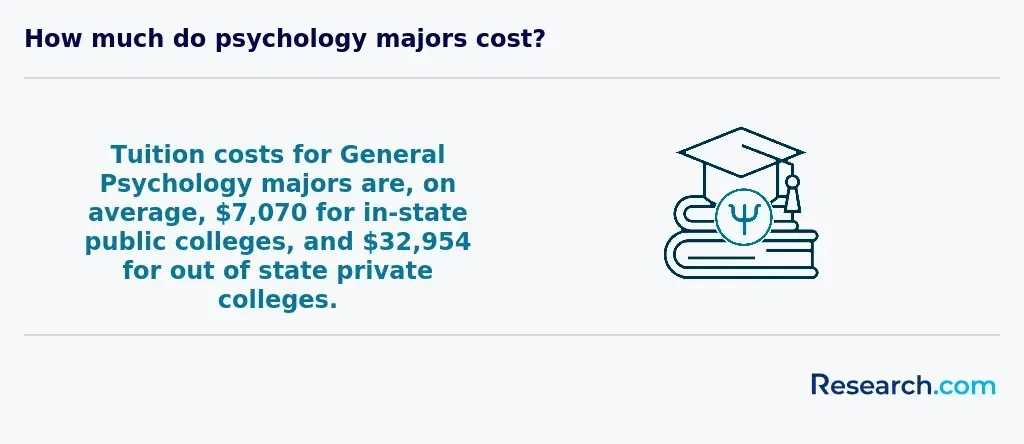
The average cost of a school psychology degree in North Carolina can range from $20,000 to $40,000, depending on the institution, program structure, and length of study. Students should request a full cost breakdown from each program rather than comparing tuition alone.
| Cost category | Why students overlook it | Question to ask the program |
| Tuition and fees | Published tuition may not include all mandatory fees. | What is the total estimated program cost through internship completion? |
| Internship year expenses | Students may need to relocate, commute, or accept limited pay. | Are internships commonly paid, and where are recent students placed? |
| Exam and licensure fees | Praxis and application costs may come later in the timeline. | What testing and licensure costs should I budget for? |
| Books and assessment materials | Graduate programs can require specialized materials. | Are materials included, loaned, or purchased separately? |
| Lost income | Full-time programs may limit work hours. | Can students complete the program part time or hold assistantships? |
Students who want to compare lower-cost academic options can also review affordable psychology degrees online.
How can accelerated PsyD programs streamline career advancement for school psychologists in North Carolina?
Accelerated doctoral study may appeal to school psychologists who want advanced clinical, supervisory, or leadership preparation without spending unnecessary time in a traditional sequence. These programs can be intensive, so candidates should confirm that condensed timelines still include appropriate coursework, supervised practice, and licensure preparation.
Before choosing an accelerated doctorate, ask whether the format fits your work schedule, financial situation, research goals, and intended license. To compare options, review accelerated PsyD programs.
How does special education certification enhance school psychology practice in North Carolina?
Special education knowledge can make school psychologists more effective when supporting students with learning disabilities, autism, emotional and behavioral needs, developmental delays, or complex eligibility questions. A stronger understanding of special education practice can also improve collaboration with teachers, case managers, parents, and related service providers.
Additional certification is most useful when it aligns with your job duties. If you want deeper involvement in individualized education planning, intervention design, or classroom support, review pathways such as special education certification online North Carolina.
Can a BCBA Certification Enhance Your School Psychology Career in North Carolina?
BCBA certification can strengthen a school psychologist’s ability to design, evaluate, and monitor behavioral interventions. This can be especially valuable in roles involving functional behavior assessment, behavior intervention plans, autism support, classroom consultation, or district-level behavior systems.
However, BCBA certification is a significant commitment. Candidates should compare coursework, supervision, exam requirements, and how behavior analysis fits their desired scope of practice. For state-specific guidance, review how to become a BCBA in North Carolina.
How can collaborating with speech-language pathologists benefit school psychology practice in North Carolina?
School psychologists and speech-language pathologists often evaluate different parts of the same student concern. A student’s academic or behavioral difficulty may involve language processing, social communication, pragmatic language, articulation, fluency, or comprehension issues that require SLP expertise.
Collaboration can improve referral decisions, assessment accuracy, intervention planning, and family communication. Joint case reviews are especially useful when students have overlapping communication, learning, attention, and behavior concerns. For more information on the related profession, review North Carolina SLP license requirements.
What are the recent legislative updates affecting licensure for school psychologists in North Carolina?
Licensure rules can change as states respond to workforce shortages, student mental health needs, educator credentialing policies, and continuing education expectations. Candidates should not rely only on program brochures or older advice from graduates. The safest approach is to verify current requirements directly with NCDPI before applying, before beginning an internship, and before submitting final licensure documents.
Professionals who want to track broader psychology credentialing rules in the state can review psychology licensure requirements in North Carolina.
What distinguishes school psychology from school counseling in North Carolina?
School psychologists and school counselors both support student well-being, but they are trained for different primary functions. School psychologists focus heavily on assessment, eligibility-related evaluation, data-based interventions, consultation, and behavioral or academic support. School counselors typically emphasize student guidance, academic planning, social-emotional support, college and career readiness, and schoolwide counseling programs.
| Role | Primary focus | Common responsibilities | Best fit for students who want to... |
| School psychologist | Assessment, intervention, consultation, disability-related services, and student mental health support. | Evaluate students, write reports, consult with teams, support behavior plans, assist with crisis response. | Use psychological assessment and data to guide student services. |
| School counselor | Academic, career, social, and emotional guidance for broad student populations. | Provide counseling lessons, support academic planning, help with transitions, assist with college and career preparation. | Work directly with students on planning, guidance, and personal development. |
People comparing the two roles can review the requirements to be a school counselor in North Carolina before choosing a graduate program.
What are the professional organizations and resources for school psychologists in North Carolina?
Professional organizations can help candidates and licensed school psychologists understand licensure, job openings, advocacy issues, continuing education, and best practices. In North Carolina, the North Carolina Association of School Psychologists (NCASP) is an important state-level resource for networking, professional learning, and advocacy.
Helpful resources to use
- NCASP: Offers professional development, networking, advocacy, and state-specific information for school psychologists.
- NCDPI: Provides licensure information, school employment resources, and state education policy updates.
- NASP: Offers national practice guidance, ethical standards, credentialing information, and resources for school psychology candidates.
- University supervisors and faculty: Can help students interpret program requirements, internship expectations, and licensure documentation.
- Mentors: Experienced school psychologists can help new professionals manage difficult cases, role boundaries, and district expectations.
The Nationally Certified School Psychologist (NCSP) credential is recognized in North Carolina and may be useful for candidates seeking mobility, professional recognition, or alignment with national standards. Candidates should still confirm exactly how the credential interacts with North Carolina’s licensing requirements.
Continuing education expectations should be verified with the relevant licensing authority. Some professional resources reference 80 hours of continuing education every five years, with discipline-specific content expectations. Because this differs from other continuing education figures candidates may encounter, applicants and licensed professionals should confirm current NCDPI requirements before relying on any single summary.
What are the trends and innovations in school psychology in North Carolina?
School psychology practice is changing as schools respond to student mental health concerns, staffing shortages, technology adoption, and the need for more coordinated support systems. North Carolina practitioners should expect the role to remain closely tied to assessment and compliance while also expanding into prevention, consultation, and mental health collaboration.
Trends affecting practice
- Greater focus on student mental health: Schools increasingly look to school psychologists for crisis support, early intervention, consultation, and system-level mental health planning.
- Telehealth and technology tools: Digital platforms can support remote consultation, data collection, and communication, particularly where distance limits access.
- More team-based services: Collaboration with counselors, social workers, nurses, SLPs, behavior analysts, administrators, and community agencies is becoming more important.
- Rural access concerns: Districts outside major population centers may need creative staffing models and stronger university-district partnerships.
- Culturally responsive practice: Assessment and intervention must account for language, culture, disability, family context, and equity concerns.
- Prevention-oriented supports: Schools are placing more attention on early identification, peer support, mental health awareness, and school climate initiatives.
AI and technology impact
AI and data tools may help school psychologists organize information, monitor interventions, and manage documentation more efficiently, but they do not replace professional judgment. Sensitive decisions involving eligibility, mental health, safety, and student rights require trained human interpretation, ethical oversight, and careful communication with families and school teams.
How to choose the right educational path for school psychologists in North Carolina?
The right program is the one that qualifies you for your intended license, fits your budget, supports your internship placement, and prepares you for the work setting you actually want. Rankings can be useful, but they should not be the only reason you choose a school psychology program.
Program selection checklist
- Licensure alignment: Ask the program to explain exactly how it meets North Carolina school psychologist requirements.
- Accreditation and approval: Prioritize programs aligned with NASP or APA standards when appropriate for your degree level and goals.
- Internship support: Confirm whether the program helps students obtain approved placements and whether recent students completed internships in North Carolina schools.
- Praxis outcomes: Ask how the program prepares students for the Praxis School Psychologist exam.
- Faculty expertise: Look for instructors with experience in assessment, intervention, consultation, ethics, school law, and culturally responsive practice.
- Cost and funding: Compare total program cost, assistantships, scholarships, internship pay, and loan forgiveness possibilities.
- Format: Decide whether full-time, part-time, online, hybrid, or campus-based study is realistic for your schedule and learning style.
- Career fit: Choose an Ed.S. for direct school practice or consider doctoral training if your goals include research, supervision, university teaching, or broader clinical options.
| Program type | Best for | Possible drawback |
| Ed.S. in school psychology | Students seeking the most direct path into K-12 school psychologist roles. | May offer fewer research or independent clinical practice options than a doctorate. |
| Ph.D. in school psychology | Students interested in research, faculty roles, leadership, or advanced specialization. | Usually takes longer and may require a stronger research commitment. |
| Psy.D. in school psychology or psychology | Students who want advanced applied clinical training and leadership opportunities. | Can be costly and must be checked carefully for school licensure alignment. |
| Online or hybrid graduate pathway | Working adults or students who need scheduling flexibility. | Must still provide approved practicum and internship experiences that meet North Carolina expectations. |
Students comparing institutions in the state can start with this guide to psychology colleges in North Carolina, then verify licensure fit directly with each program.
Common mistakes to avoid
- Assuming any psychology master’s degree qualifies for school psychologist licensure.
- Choosing an online program without confirming internship placement requirements.
- Comparing only tuition instead of the full cost through graduation and licensure.
- Waiting until the final year to ask about Praxis preparation.
- Ignoring whether a program has recent North Carolina internship placements.
- Assuming salaries or job offers are guaranteed after graduation.
- Relying only on rankings instead of checking accreditation, faculty support, and licensure outcomes.
How can integrating marriage and family therapy training enhance school psychology practice in North Carolina?
Family systems training can help school psychologists understand how home environment, caregiver relationships, stress, trauma, and family communication shape student behavior and learning. This perspective can improve consultation with parents, intervention planning, and referrals to community providers.
Marriage and family therapy training is most useful for school psychologists who want deeper skills in family engagement or who may later pursue therapy-focused roles. To compare the pathway, review the marriage and family therapist education requirements in North Carolina.
How does cultural competence shape effective school psychology practice in North Carolina?
Cultural competence is central to fair assessment, ethical intervention, and effective collaboration with families. North Carolina schools serve students from varied racial, ethnic, linguistic, socioeconomic, disability, and regional backgrounds. School psychologists must understand how culture and context affect test interpretation, behavior expectations, family communication, and access to support.
How to build culturally responsive practice
- Use assessment tools carefully with multilingual students and students from diverse cultural backgrounds.
- Consider whether behavior concerns are influenced by classroom context, trauma, language access, disability, or bias.
- Communicate with families in ways that respect language, culture, and decision-making norms.
- Seek consultation when working outside your area of cultural or linguistic expertise.
- Use data to identify patterns in referrals, discipline, eligibility, and intervention access.
Professionals interested in additional helping credentials can also explore the fastest way to become a counselor in North Carolina as a comparison point for counseling-focused practice.
Here's What Graduates Have to Say About Becoming a School Psychologists in North Carolina
"My work as a school psychologist in North Carolina has given me the chance to support students at moments when the right intervention can change the direction of their school experience. One student I worked with struggled with anxiety that was interfering with learning, and watching that student gain confidence reminded me why collaboration with teachers and families matters so much." — Saul
"The range of student needs in North Carolina keeps the work challenging, but it also makes the profession meaningful. I value being part of a school team that addresses emotional well-being while also helping students make academic progress." — Jon
"I grew up in a rural community, so I understand how hard it can be for students to access mental health support. Becoming a school psychologist has allowed me to advocate for students who may not always know how to ask for help, and those relationships with families are what keep me committed to the field." — Emma
Related Articles for Nearby States
- 2027 How to Become a School Psychologist in South Carolina - School Psychology Programs and Certifications Online & Campus
- 2027 How to Become a School Psychologist in Virginia - School Psychology Programs and Certifications Online & Campus
- 2027 How to Become a School Psychologist in Georgia - School Psychology Programs and Certifications Online & Campus
- 2027 How to Become a School Psychologist in Tennessee - School Psychology Programs and Certifications Online & Campus
- 2027 How to Become a School Psychologist in West Virginia - School Psychology Programs and Certifications Online & Campus
- 2027 How to Become a School Psychologist in Kentucky - School Psychology Programs and Certifications Online & Campus
- 2027 How to Become a School Psychologist in Florida - School Psychology Programs and Certifications Online & Campus
- 2027 How to Become a School Psychologist in Maryland - School Psychology Programs and Certifications Online & Campus
- 2027 How to Become a School Psychologist in Alabama - School Psychology Programs and Certifications Online & Campus
- 2027 How to Become a School Psychologist in Pennsylvania - School Psychology Programs and Certifications Online & Campus
Key Insights
- North Carolina school psychologist licensure is managed through NCDPI and usually requires specialist-level graduate preparation, a supervised internship, and the Praxis School Psychologist exam.
- The typical graduate pathway includes at least 60 graduate semester hours and a 1,200-hour internship, so program choice should be based on licensure alignment, not convenience alone.
- An Ed.S. is often the most direct route into public school practice, while a Ph.D. or Psy.D. may fit candidates seeking research, supervision, leadership, or broader clinical opportunities.
- Before enrolling, ask each program about accreditation, state approval, Praxis preparation, internship placement support, total cost, and recent graduate outcomes.
- School psychology offers meaningful student impact, but candidates should prepare for high caseloads, documentation demands, legal responsibilities, and emotionally complex cases.
- Related credentials in counseling, special education, behavior analysis, speech-language collaboration, or family therapy can strengthen practice when they match a clear career goal.
- Do not rely on outdated licensure summaries. Confirm current requirements directly with NCDPI, ETS, your graduate program, and any relevant licensing board before making final decisions.
References:
- dpi.nc.gov (n.d.). School Psychology Jobs and Internships. North Carolina Department of Public Instruction.
- Imed Bouchrika (23 Jul 2024). School Psychology Careers: 2024 Guide to Career Paths, Options & Salary. Research.com.
- nasponline.org (n.d.). North Carolina. National Association of School Psychologists.
- Emily Sohn (01 Jan 2024). There’s a strong push for more school psychologists. American Psychological Association.
Other Things You Should Know about How to Become a School Psychologist in North Carolina
In 2027, to become a school psychologist in North Carolina, you must earn a specialist-level degree (Ed.S. or equivalent) in school psychology, complete a supervised internship, and pass the Praxis School Psychologist exam. Additionally, you'll need to apply for licensure through the North Carolina Department of Public Instruction.
Typically, becoming a school psychologist in North Carolina takes about 6-7 years. This includes earning a bachelor's degree (4 years), then completing a specialist-level program or equivalent graduate study (2-3 years). Afterward, candidates must fulfill any additional state-specific certification requirements, which could extend the time frame slightly.


