
2027 How to Become a BCBA in Hawaii

Co-Founder and Chief Data Scientist
Becoming a Board Certified Behavior Analyst (BCBA) in Hawaii requires more than choosing a graduate program. You need to understand national BACB certification rules, Hawaii practice expectations, supervised fieldwork options, exam preparation, continuing education, and the realities of working across an island-based service system.
This guide is for students, career changers, educators, psychology graduates, and current behavioral health professionals who want a practical roadmap to BCBA certification in Hawaii. You will learn which degree paths qualify, how supervised fieldwork works, what Hawaii does and does not require at the state level, how to compare programs, what career settings hire BCBAs, and which mistakes can delay certification or limit your job options.
Quick Answer: How to Become a BCBA in Hawaii
- To work as a Board Certified Behavior Analyst (BCBA) in Hawaii, you generally need BACB certification, which requires a qualifying master’s degree, approved behavior analysis coursework, supervised fieldwork, and a passing score on the BCBA examination.
- Hawaii does not issue a separate state-specific BCBA certification, but practitioners are still expected to follow BACB ethics, employer policies, payer requirements, and setting-specific rules in schools, healthcare organizations, and community agencies.
- BCBA candidates must complete at least 1,500 hours of supervised experience in behavior analysis through approved fieldwork, practicum, internship, or employment-based arrangements.
- The BACB application requires documentation of education, coursework, supervised experience, and exam eligibility before candidates can sit for the BCBA exam.
- To keep BCBA certification active, professionals must complete 32 hours of continuing education every two years, including ethics-related training.
- BCBA education and certification requirements in Hawaii
- Hawaii licensing and legal requirements for BCBAs
- Education pathways for future BCBAs in Hawaii
- BCBA exam preparation in Hawaii
- Supervised fieldwork options in Hawaii
- Career outlook and demand for BCBAs in Hawaii
- Collaboration with mental health professionals
- Doctoral study for BCBA career growth
- How LPC licensure may support BCBA practice
- Forensic science options for behavior analysts
- How to monitor regulatory and compliance updates
- Practice challenges for new Hawaii BCBAs
- Mental health counseling qualifications and BCBA work
- How to compare accredited psychology schools in Hawaii
- BCBA salary expectations in Hawaii
- Continuing education for BCBAs in Hawaii
- In-demand BCBA specializations in Hawaii
- Financial aid, scholarships, and grants for BCBA students
What are the BCBA educational and certification requirements in Hawaii?
Hawaii follows the national BCBA certification structure administered by the Behavior Analyst Certification Board (BACB). In practical terms, this means your path depends on meeting BACB standards for graduate education, behavior analysis coursework, supervised fieldwork, and examination—not on earning a separate Hawaii-only BCBA credential.
| Requirement | What it means for Hawaii candidates | Why it matters |
| Graduate degree | You must hold a master’s degree in behavior analysis, psychology, or a closely related discipline from an accredited institution. | The graduate degree is the academic foundation for BACB eligibility and professional-level practice. |
| Verified coursework | You need coursework that aligns with BACB standards, usually covering ethics, assessment, intervention planning, research methods, and behavior-change procedures. | Incorrect or unapproved coursework can make you ineligible for the exam, even if you have a related degree. |
| Supervised experience | You must complete a minimum of 1,500 hours of supervised experience in applied behavior analysis. | Fieldwork proves that you can apply behavior analysis principles with clients under qualified supervision. |
| BCBA examination | After your education and fieldwork are approved, you must pass the BCBA exam. | Passing the exam confirms that you meet the professional knowledge standard for certification. |
Several Hawaii-based options can support this path. The University of Hawaii at Manoa offers a Master of Arts in Special Education with an Applied Behavior Analysis focus designed to prepare students for BCBA certification. Chaminade University also offers a Master of Science in Counseling Psychology with an Applied Behavior Analysis concentration aligned with BACB expectations.
Before enrolling, ask the program directly whether its coursework currently satisfies BACB requirements for the certification cycle you plan to use. Certification standards can change, so students should verify requirements with both the school and the BACB before committing time and tuition.
What are the state-specific licensing and legal requirements for BCBAs in Hawaii?
Hawaii does not currently offer a separate state-specific license or certification solely for BCBAs. Instead, employers and service settings generally rely on valid BACB certification as the core professional credential for behavior analysts.
That does not mean Hawaii practice is regulation-free. BCBAs must follow BACB ethical requirements, client protection standards, documentation expectations, supervision rules, and any policies that apply in the setting where services are delivered. A BCBA working in a school may face different compliance procedures than a BCBA working in a clinic, hospital, home-based service agency, or government-funded program.
| Practice issue | What to check before working in Hawaii |
| State credentialing | Confirm whether your role requires only BACB certification or additional employer, payer, school district, or agency documentation. |
| Healthcare settings | Ask whether the organization requires provider enrollment, background checks, insurance documentation, or internal clinical privileges. |
| School-based services | Review district requirements for contractors, employees, student records, and coordination with special education teams. |
| Ethics and scope | Make sure your services remain within BCBA competence and do not overlap with licensed mental health practice unless you hold the appropriate additional credential. |
Transferring BCBA Licensing to Hawaii
If you are already a certified BCBA and move to Hawaii, your BACB credential remains the key qualification. Because Hawaii recognizes BACB certification rather than issuing a separate BCBA license, relocation is often simpler than moving into a state with a separate behavior analyst licensure board.
Still, you should contact the Hawaii Department of Health, your prospective employer, and any payer or agency you plan to work with before starting services. This helps you confirm whether registration, documentation, background screening, or setting-specific approval is required.
What education pathways are available for aspiring BCBAs in Hawaii?
There is more than one route into BCBA work, but the safest path is the one that keeps certification eligibility in view from the start. Students in Hawaii should think backward from BACB requirements: degree, approved coursework, fieldwork, exam, and then employment setting.
| Pathway | Best fit | Key caution |
| Bachelor’s degree in psychology, education, or ABA-related study | Students beginning college who want a foundation in learning, development, research, and human behavior. | A bachelor’s degree alone is not enough for BCBA certification. |
| Master’s degree in applied behavior analysis | Students who want the most direct graduate route into behavior analysis practice. | Verify that the coursework meets current BACB standards before enrolling. |
| Master’s degree in psychology, counseling, or special education with ABA coursework | Students who want behavior analysis training plus preparation for adjacent education or behavioral health roles. | Not every related graduate degree includes the required verified course sequence. |
| Online ABA master’s program | Working adults, neighbor island residents, and students who need flexible scheduling. | Confirm fieldwork support in Hawaii; online coursework alone does not solve supervision access. |
| Doctoral study | BCBAs interested in research, university teaching, leadership, policy, or advanced clinical specialization. | A doctorate is not required for initial BCBA certification but may support long-term advancement. |
- Undergraduate preparation: Degrees in psychology, education, or applied behavior analysis can help students build a strong base before graduate study. Courses in child development, research methods, learning theory, special education, and statistics are especially useful.
- Graduate programs: Hawaii students may consider local options such as the University of Hawaii at Manoa or other graduate programs that include BCBA-aligned coursework.
- Online study: Online master’s programs can be practical for students who cannot relocate or attend classes on a fixed campus schedule. Those considering advanced study can also review a PhD in behavior science if research or academic leadership is part of their long-term plan.
- Accreditation and course approval: Program fit matters. Students should prioritize institutions with coursework that satisfies BACB expectations and supports supervised fieldwork, especially because employment for behavior analysts in Hawaii is projected to increase by more than 20% over the next decade.
A good program should not only help you finish a degree. It should help you document eligibility, connect with qualified supervisors, prepare for the exam, and understand Hawaii’s service landscape.
How can I prepare for the BCBA exam in Hawaii?
The BCBA exam is a national certification exam, so Hawaii candidates take the same exam as candidates elsewhere. The local challenge is usually not the test content itself; it is balancing exam preparation with fieldwork, employment, and island-specific access to peer study groups or review resources.
In Hawaii, the average pass rate for the BCBA exam hovers around 70%, which means preparation should be structured and deliberate. Treat the exam as a professional competency assessment, not a final course quiz.
- Create a written study calendar: Break the exam content into weekly targets, then schedule review time for concepts, applied scenarios, ethics, measurement, assessment, and intervention design.
- Use practice questions strategically: Practice exams are most helpful when you review why each answer is correct or incorrect instead of only tracking your score.
- Form or join a study group: Peer discussion can help you explain difficult concepts, compare examples from fieldwork, and stay accountable through the final weeks before testing.
- Use reputable review sources: Professional organizations, ABAI resources, university review sessions, and Hawaii-based peer networks can supplement your coursework and field experience.
BCBA Exam Retake Policy in Hawaii
Candidates who do not pass the BCBA exam can retake it after a 45-day waiting period. Use that time to analyze weak content areas, revisit applied examples from supervision, and complete targeted practice instead of simply rereading all materials from the beginning.
What supervised fieldwork opportunities exist for BCBAs in Hawaii?
Supervised fieldwork is where BCBA training becomes practical. Candidates learn how to conduct assessments, write behavior plans, collect and interpret data, supervise implementation, communicate with families, and make ethical decisions in real service environments.
In Hawaii, fieldwork may be available through university-supervised courses, ABA service organizations, schools, clinics, and community-based providers. For example, SPED 678 offers applied behavior analysis fieldwork under the supervision of a certified BCBA and includes seminar participation. Positive Behavior Supports Corporation (PBS Corp) has also provided opportunities for BCBAs and BCaBAs in Oahu, Maui, Kauai, and the Big Island.
| Fieldwork source | Potential advantages | Questions to ask |
| University fieldwork course | Structured supervision, academic oversight, and integration with coursework. | Does the course count toward BACB supervised experience requirements? |
| ABA provider agency | Direct client experience, employment-based learning, and exposure to clinical systems. | Who will supervise me, and how often will supervision occur? |
| School setting | Experience with IEP teams, classroom behavior supports, and special education collaboration. | Will my responsibilities include behavior analytic work that qualifies for fieldwork? |
| Community or home-based services | Practical experience with families, caregivers, and natural environments. | How are safety, travel, documentation, and supervisor availability handled? |
PBS Corp is known for supporting professional development through flexible schedules, competitive wages, data collection tools, and continuing education resources. Students who want to strengthen their graduate preparation can also compare affordable behavioral psychology master's programs that may support a broader behavioral psychology career path.
Before accepting any fieldwork placement, confirm that your supervisor is qualified, your hours will be documented correctly, and your activities match BACB fieldwork rules. Poor documentation can delay certification even when the experience itself was valuable.
What is the career outlook and demand for BCBAs in Hawaii?
BCBA demand in Hawaii is supported by the broader need for behavioral health, autism services, school-based behavioral support, and community interventions. The market is promising, but candidates should also understand that job availability can vary by island, employer type, funding source, and supervision needs.
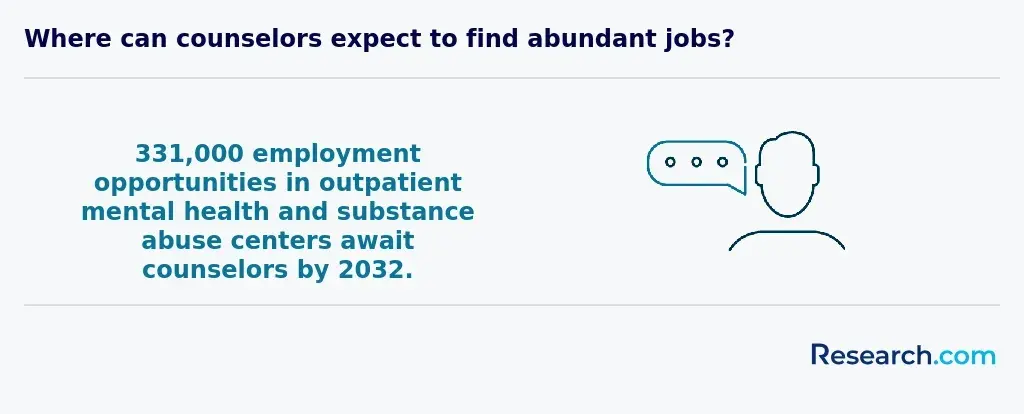
According to O*Net Online, the employment of substance abuse, behavioral disorder, and mental health counselors in Hawaii is projected to grow 25% through 2030.
This growth aligns with increased attention to behavioral health services and continued use of Applied Behavior Analysis (ABA) interventions, particularly for autism and developmental disabilities.
- Where demand is strongest: Honolulu and Hilo may offer more positions because larger populations often support more schools, clinics, and service agencies.
- Typical employers: BCBAs commonly work in public schools, private ABA practices, healthcare organizations, nonprofit agencies, home-based service programs, and developmental disability providers.
- Competition factors: Even with demand, some roles can be competitive because the number of qualified candidates, supervisors, and accredited training routes is limited. Students can strengthen their profiles by exploring best behavioral psychology programs and choosing programs with strong fieldwork support.
- Advancement opportunities: Experienced BCBAs may move into clinical supervision, program management, staff training, specialty practice, consulting, or leadership roles in organizations serving individuals with behavioral and developmental needs.
| Work setting | Common BCBA responsibilities | Good fit for candidates who want... |
| Schools | Behavior intervention plans, teacher consultation, student support, and collaboration with special education teams. | Education-based practice and multidisciplinary teamwork. |
| Private ABA clinics | Assessment, therapy planning, technician supervision, caregiver training, and outcomes tracking. | Structured clinical practice and autism-focused services. |
| Home and community programs | Family coaching, behavior support in natural settings, and individualized intervention implementation. | Direct community impact and flexible service delivery. |
| Healthcare or behavioral health organizations | Integrated care planning, documentation, data review, and collaboration with clinicians. | Clinical systems, complex cases, and coordinated care. |
How can BCBAs effectively collaborate with other mental health professionals in Hawaii?
BCBAs often work alongside counselors, psychiatrists, psychologists, social workers, educators, and marriage and family therapists. Collaboration is especially important in Hawaii because clients may receive services across schools, homes, clinics, and community agencies.
Effective collaboration starts with role clarity. A BCBA should explain the behavioral goals, data collection methods, reinforcement procedures, and environmental variables being addressed. Other professionals may focus on diagnosis, family systems, trauma, medication, or broader mental health treatment. When each provider understands the other’s scope, the care plan becomes more coherent and less duplicative.
BCBAs who frequently coordinate with family-focused providers may benefit from understanding marriage and family therapist education requirements in Hawaii. This knowledge can improve referrals, case communication, and team-based planning.
Can pursuing a doctoral degree advance a BCBA’s career in Hawaii?
A doctoral degree is not required to become a BCBA, but it can support career advancement for professionals who want to teach, publish research, lead programs, consult at a high level, or influence behavioral health policy. In Hawaii, doctoral training may be useful for BCBAs interested in university roles, advanced clinical leadership, supervision systems, or culturally responsive research.
The trade-off is cost and time. A doctorate makes the most sense when your career goal requires advanced scholarship, leadership credibility, or research training. If your goal is direct clinical practice, a master’s-level BCBA path may be sufficient. Professionals comparing long-term academic options can review PhD psychology programs.
How can obtaining an LPC license enhance a BCBA’s practice in Hawaii?
An LPC license can broaden a BCBA’s professional toolkit when the practitioner wants to provide counseling services in addition to behavior analytic services. This can be helpful for professionals working with clients whose needs include behavioral intervention, emotional regulation, family stress, anxiety, or broader mental health concerns.
However, dual credentials require careful scope management. BCBA certification does not automatically authorize counseling, and counseling licensure does not replace BACB requirements. Practitioners considering this route should review the LPC license in Hawaii process and decide whether the added training aligns with their population, service model, and career goals.
Can BCBA Expertise Expand Career Opportunities into Forensic Science in Hawaii?
BCBA training develops strong skills in observation, data interpretation, behavioral assessment, and function-based reasoning. Those skills may be relevant to forensic-adjacent work, such as risk-related behavior assessment, case consultation, correctional programming, or treatment planning in justice-involved settings.
Moving toward forensic work usually requires additional education, supervised experience, and careful attention to legal and ethical boundaries. BCBAs interested in this direction should research specialized training and compare it with forensic scientist education in Hawaii to understand how behavioral expertise may fit into investigative or forensic environments.
How can I stay updated on regulatory and compliance changes in Hawaii?
BCBAs should monitor both national BACB updates and Hawaii-specific practice developments. Certification standards, ethics rules, payer policies, school requirements, and healthcare documentation expectations can affect daily work even when the state does not issue a separate BCBA license.
- Review BACB certification and ethics updates regularly.
- Watch for announcements from Hawaii health, education, and professional agencies that affect behavioral services.
- Attend local workshops, association meetings, and continuing education events.
- Track related professional licensure developments, including updates summarized in resources on Hawaii psychology license requirements.
- Ask employers how they handle payer compliance, documentation audits, supervision records, and client consent.
What challenges do new BCBAs face when establishing their practice in Hawaii?
New BCBAs in Hawaii may face challenges that are less common in mainland markets. Services are distributed across multiple islands, supervision may be harder to access in some communities, travel logistics can affect service delivery, and culturally responsive practice is essential when working with diverse families and Native Hawaiian communities.
| Common challenge | Why it matters | Better approach |
| Limited supervision access | Some locations may have fewer qualified supervisors or employers. | Secure supervision agreements early and confirm documentation procedures. |
| Island geography | Travel, scheduling, and service continuity can be more complicated. | Ask employers how caseloads, telehealth, and travel time are managed. |
| Cultural fit | Interventions may be less effective if they ignore local values, family structures, or community norms. | Seek mentorship, cultural consultation, and community-informed practice strategies. |
| Scope confusion | Behavior analysis can overlap with education, counseling, and mental health services. | Clarify your role, collaborate appropriately, and refer when needs fall outside your scope. |
Professionals interested in school-based behavioral work may also find it useful to review how related roles are structured, including how to become a school psychologist in Hawaii.
Can pursuing mental health counseling qualifications complement a BCBA career in Hawaii?
Mental health counseling qualifications can complement BCBA practice when a professional wants to address both behavior change and broader emotional or psychological concerns. This combination may be valuable in clinics, integrated care teams, schools, and community agencies where clients have complex needs.
The decision should be intentional. Additional counseling qualifications require separate education, supervised experience, and compliance with counseling practice standards. If this path fits your goals, compare the requirements in Hawaii mental health counseling requirements before enrolling in another program.
How can I choose the best accredited psychology schools in Hawaii for BCBA training?
The best school for BCBA preparation is not automatically the most recognizable name or the lowest advertised tuition. It is the program that helps you meet certification requirements, complete fieldwork, prepare for the exam, and build a credible career in Hawaii’s behavioral health environment.
| Selection factor | What to ask the school |
| Accreditation and BACB alignment | Does the program’s coursework meet current BACB requirements for my intended certification timeline? |
| Fieldwork support | Does the program help students find qualified supervisors and approved field placements in Hawaii? |
| Faculty expertise | Do instructors have applied behavior analysis experience, research activity, or local practice knowledge? |
| Online versus campus format | Can I complete coursework on my schedule, and how will I complete supervision locally? |
| Student outcomes | What support is available for exam preparation, job placement, and documentation review? |
| Total cost | What is the full cost after tuition, fees, books, travel, technology, and lost work time? |
Students comparing local academic options can start with Research.com’s guide to the best accredited psychology schools in Hawaii, then contact each program directly to confirm BCBA preparation details.
What salary can I expect as a BCBA in Hawaii?
BCBA salaries in Hawaii typically range from $70,000 to $90,000 annually, depending on experience, island, employer type, specialization, and job duties. According to the Bureau of Labor Statistics, the median wage for BCBAs in Hawaii is approximately $80,000.
- Location differences: BCBAs in Honolulu may earn upwards of $85,000, while roles in more rural areas may be closer to $70,000.
- Experience level: Entry-level BCBAs may start around $65,000, while experienced professionals can earn more than $100,000.
- Specialized expertise: Training in areas such as trauma-informed care or autism spectrum disorders may improve earning potential, with some specialized BCBAs seeing salary increases of 10-20%.
- Funding environment: School, nonprofit, government-funded, clinic, and private-practice roles may use different compensation models.
Salary should not be evaluated in isolation. Hawaii’s cost of living, travel requirements, benefits, caseload expectations, supervision duties, and administrative workload can significantly affect the true value of an offer.
What continuing education and development options are available for BCBAs in Hawaii?
Continuing education is required to maintain BCBA certification and remain current in ethical, clinical, and supervisory practice. Hawaii BCBAs follow BACB renewal expectations, while also staying alert to local practice issues that may affect service delivery.
| Renewal requirement | Amount required | Purpose |
| Total continuing education | 32 hours every two years | Maintains professional competence and supports certification renewal. |
| Ethics training | At least 4 hours | Reinforces client welfare, professional boundaries, consent, documentation, and ethical decision-making. |
| Supervision training | 3 hours | Supports effective supervision of trainees, technicians, and other staff when applicable. |
Hawaii BCBAs can complete continuing education through workshops, online courses, university-based training, professional conferences, and events hosted by organizations such as the Hawai’i Association for Behavior Analysis (HABA). In-person events may also provide valuable networking, especially for professionals working on different islands or in specialized service settings.
When choosing continuing education, prioritize courses that improve your actual practice. Topics such as ethics, supervision, caregiver training, cultural responsiveness, telehealth, school consultation, crisis intervention, and data-based decision-making can directly strengthen your work. BCBAs exploring broader career options can also review behavior analysis career opportunities.
What specializations for BCBA are in demand in Hawaii?
Specialization can help Hawaii BCBAs serve specific populations, qualify for targeted roles, and differentiate themselves in the job market. The strongest specialization is one that matches both community need and your actual supervised experience.
- Autism Spectrum Disorder (ASD): With approximately 1 in 44 children diagnosed with ASD nationally, families in Hawaii need practitioners with strong autism assessment, intervention, and caregiver-training skills.
- Crisis intervention: Schools, community programs, and service agencies may need BCBAs who can support clients during behavioral escalation and help teams create prevention-focused plans.
- Cultural competency: Hawaii’s diverse communities need providers who can adapt services respectfully, including work with Native Hawaiian populations and families with distinct cultural values.
- Telehealth services: Remote service delivery expanded during the COVID-19 pandemic and remains important for reaching families in rural or underserved areas.
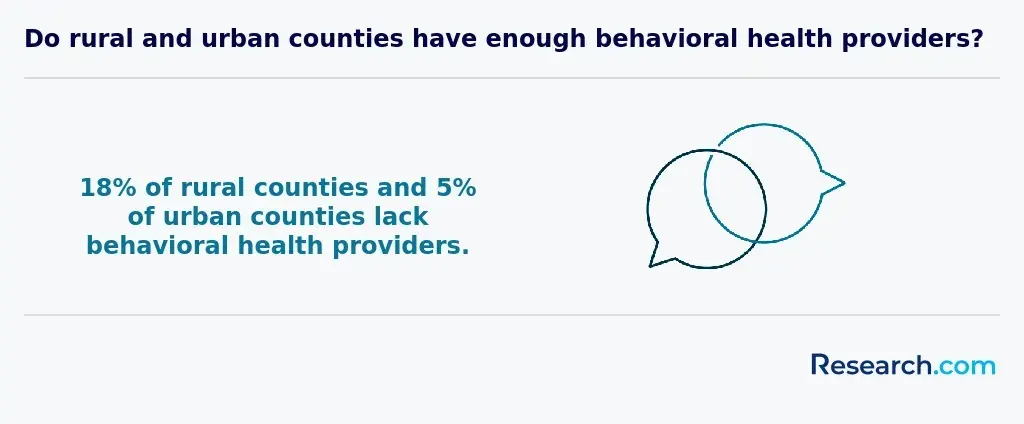
BCBAs in Hawaii may work for public schools, private clinics, nonprofit organizations, developmental disability providers, and community-based programs. Rural areas can create meaningful opportunities because access to specialized behavioral services may be limited. Telehealth and mobile models can help close that gap when used ethically and appropriately.
What financial aid, scholarships, and grants are available for BCBA programs in Hawaii?
BCBA training can be expensive, especially for students managing Hawaii’s high cost of living while completing graduate coursework and supervised fieldwork. The best financial strategy is to compare total program cost, available aid, fieldwork flexibility, and likely career fit before enrolling.
- Federal grants: Students can submit the FAFSA to determine eligibility for federal aid, including need-based grants such as the Pell Grant. Grants do not have to be repaid.
- State scholarships: The Hawaii Community Foundation offers scholarship opportunities for students in behavioral science-related fields, including those pursuing BCBA-aligned programs.
- Employer tuition assistance: Some Hawaii employers provide tuition reimbursement or support for employees working toward BCBA certification.
- Loan forgiveness programs: BCBAs serving in public service or underserved communities may qualify for student loan forgiveness or repayment programs. The National Health Service Corps offers loan repayment assistance for BCBAs who commit to designated shortage areas.
- Institutional scholarships: Universities such as the University of Hawaii at Manoa may offer school-based scholarships for eligible students in relevant graduate programs.
Students who need flexible graduate options can compare ABA degree programs online, but they should confirm how each program supports supervised fieldwork in Hawaii before enrolling.
| Common mistake | Why it can hurt you | Better decision |
| Choosing a program based only on tuition | A low-cost program may not provide fieldwork support or BACB-aligned coursework. | Compare total cost, certification alignment, supervision access, and exam preparation. |
| Assuming online means easier | Online coursework still requires discipline, fieldwork documentation, and qualified supervision. | Ask exactly how online students complete supervised experience in Hawaii. |
| Waiting to plan fieldwork | Supervision access can be limited, especially outside larger service areas. | Identify supervisors and placement options before or early in graduate study. |
| Ignoring certification changes | BACB requirements can affect coursework and eligibility timing. | Check current BACB rules and ask your program how it tracks updates. |
| Assuming salary is guaranteed | Pay depends on location, employer, experience, specialization, and caseload. | Evaluate job offers by salary, benefits, workload, supervision duties, and travel expectations. |
Here's What Graduates Have to Say About Becoming a BCBA in Hawaii
- Practicing as a BCBA in Hilo has helped me build meaningful relationships with families. The community places real value on trust, and seeing children make progress with family support has made the work deeply worthwhile. Lucy
- My Hawaii-based training helped me understand how cultural practices shape behavior and family decision-making. In Kailua, I have learned to design interventions that respect local values while still using behavior analytic principles. Charlie
- Working in Maui has given me the chance to partner with professionals from many disciplines. That team-based approach has improved my practice and shown me how strong the behavioral health network can be here. Allan
Related Articles for Nearby States
- 2027 How to Become a BCBA in Alaska
- 2027 How to Become a BCBA in California
- 2027 How to Become a BCBA in Oregon
- 2027 How to Become a BCBA in Washington
- 2027 How to Become a BCBA in Nevada
- 2027 How to Become a BCBA in Arizona
- 2027 How to Become a BCBA in Idaho
- 2027 How to Become a BCBA in Utah
- 2027 How to Become a BCBA in Montana
- 2027 How to Become a BCBA in Wyoming
Key Insights
- Hawaii does not have a separate BCBA license, so BACB certification is the central credential for behavior analysts in the state.
- The core path includes a qualifying master’s degree, BACB-aligned coursework, at least 1,500 hours of supervised experience, and a passing BCBA exam score.
- Fieldwork planning is one of the most important steps for Hawaii students because supervision access can vary by island and employer.
- According to O*Net Online, employment of substance abuse, behavioral disorder, and mental health counselors in Hawaii is projected to grow 25% through 2030, supporting a favorable broader behavioral health outlook.
- BCBA salaries in Hawaii commonly range from $70,000 to $90,000, but candidates should compare salary with cost of living, travel, caseload, benefits, and supervision responsibilities.
- Strong program choices are based on BACB alignment, fieldwork support, faculty expertise, exam preparation, cost transparency, and local employer connections—not rankings alone.
- Continuing education is not optional: BCBAs must complete 32 hours every two years, including ethics and supervision-related training requirements.
- Specializations in autism, crisis intervention, cultural competency, and telehealth can improve career fit and help address Hawaii’s diverse service needs.
References:
- Autism Speaks. (n.d.). Autism grants for families. autismspeaks.org.
- Behavior Live. (2024 September 18). Board Certified Behavior Analyst - Oahu, Maui, Kauai, and Hawaii!!! behaviorlive.com.
- College of Education University of Hawai‘i at Mānoa. (2019, May 3). Board Certified Behavior Analyst (BCBA). coe.hawaii.edu.
- Connect n Care ABA Therapy. (2024, May 3). Explore the Latest BCaBA Salary Trends by State. connectncareaba.com.
- Cross River Therapy. (2022, December 28). The Rate of Job Growth for BCBAs (In 2023). crossrivertherapy.com.
- Drexel University School of Education. (n.d.). How to Become a Board-Certified Behavior Analyst (BCBA). drexel.edu.
- Northeastern University Bouvé College of Health Sciences. (2023, June 2). How To Become a Board Certified Behavior Analyst. bouve.northeastern.edu.
- Regis College. (2021, November 8). How to Become a Board Certified Behavior Analyst (BCBA): Five Steps. regiscollege.edu.
- University of Hawai‘i at Mānoa. (n.d.). SPED 678 Applied Behavior Analysis Fieldwork (V). manoa.hawaii.edu.
Other Things You Should Know About Becoming a BCBA in Hawaii
To become a BCBA in Hawaii in 2027, you must earn a master's degree in behavior analysis or a related field, complete supervised experience hours, and pass the BCBA exam. Ensure the coursework is verified by the Behavior Analyst Certification Board (BACB) before applying to sit for the exam.
Applicants must complete either 2,000 supervised fieldwork hours or 1,500 concentrated supervised fieldwork hours under BACB rules. At least 60% of hours must be supervised activities, and supervision must meet BACB monthly requirements before you can apply for the BCBA exam.


