2027 Hawaii Psychology Licensure Requirements – How to Become a Psychologist in Hawaii

Co-Founder and Chief Data Scientist
Becoming a licensed psychologist in Hawaii is a long but clearly defined path: you need graduate-level preparation, supervised clinical experience, board approval, and ongoing continuing education. The decision matters because Hawaii faces serious mental health access gaps, including approximately 234,000 Hawaiians living with a mental health condition and nearly one in five adults experiencing a mental illness each year.
This guide is for students comparing psychology programs, master’s graduates deciding whether to pursue a doctorate, out-of-state professionals evaluating Hawaii licensure, and future clinicians who want to serve Hawaii’s culturally diverse island communities. You will learn what a Hawaii psychologist license requires, how the education pathway works, which in-state programs may support your goals, what career options exist after licensure, and which mistakes to avoid before investing years and tuition dollars into this profession.
Quick Answer: How Do You Become a Licensed Psychologist in Hawaii?
To become a licensed psychologist in Hawaii, you generally need to complete a doctoral degree in psychology, fulfill supervised internship and postdoctoral experience requirements, apply through the Hawaii Board of Psychology, pass the Examination for Professional Practice in Psychology (EPPP), and renew your license every two years with continuing education. Students usually begin with a bachelor’s degree in psychology or a related field, may complete a master’s degree, and then pursue an APA-accredited doctorate that prepares them for clinical, counseling, school, research, or specialized practice.
Hawaii Psychology Licensure Requirements Table of Contents
- Hawaii psychology workforce and mental health need
- Education required to become a psychologist in Hawaii
- Hawaii psychologist license application and renewal steps
- Top psychology programs in Hawaii for 2027
- How to choose the right psychology program in Hawaii
- Substance abuse counseling and Hawaii’s behavioral health needs
- Becoming a therapist in Hawaii without a psychology degree
- Challenges of practicing psychology in Hawaii’s diverse communities
- Online doctorates and Hawaii psychology career advancement
- Telehealth and access to psychological services in Hawaii
- How Hawaii psychologist licensure compares with other states
- School psychology and student mental health in Hawaii
- Criminal psychology practice opportunities in Hawaii
- Career options for licensed psychologists in Hawaii
- LPC licensure versus psychologist licensure in Hawaii
- Other therapy licenses available in Hawaii
- Social work collaboration and integrated mental health care
- Specialized certifications for Hawaii mental health professionals
- Emerging trends shaping psychology practice in Hawaii
Overview of the Psychology Industry in Hawaii
A Hawaii psychologist license can lead to clinical practice, school-based services, forensic work, research, consulting, telehealth, or organizational roles. Students interested in business and workplace behavior may also compare psychology licensure with industrial-organizational psychology degree careers, since not every psychology career requires the same credential.
The larger issue is access. Hawaii has a strong overall healthcare reputation, yet many residents still struggle to find timely mental health support. Future psychologists should understand the state’s workforce shortages, cultural complexity, salary patterns, and changing policy environment before choosing a degree path.
| Factor | What it means for future psychologists in Hawaii |
| Access to care | A reported 69% of Hawaiʻi adults and 75% of youth with major depression did not receive treatment or services. This signals a need for clinicians who can work in community, school, rural, and telehealth settings. |
| Workforce gaps | Nearly 500,000 residents live in areas with too few mental health professionals, even though Hawaii secured the second spot in an overall health systems ranking. NAMI also recorded 62,000 adults who experienced serious mental health issues in 2024. |
| Salary differences | The clinical psychologist salary in Hawaii is $92,780, while other types of psychologists earn $117,580 annually. Your specialization, setting, credentials, and location can affect earnings. |
| Policy environment | Supporters have pursued HB1300, which would create provisional or associate-level licensure options for psychologists and other mental health professionals in training. |
| Interjurisdictional practice | Hawaii is in the process of becoming a PSYPACT state, which could support practice across compact areas. As of February 2026, SB2080 (Psychology Interjurisdictional Compact) has passed the second reading. |
These conditions make psychology a high-responsibility career choice in Hawaii. The state needs qualified professionals, but students should not assume that demand alone guarantees employment, high pay, or easy licensure. The safest path is to choose accredited training, build supervised experience early, and align your specialization with the communities you want to serve.
Educational Requirements for Psychologists in Hawaii
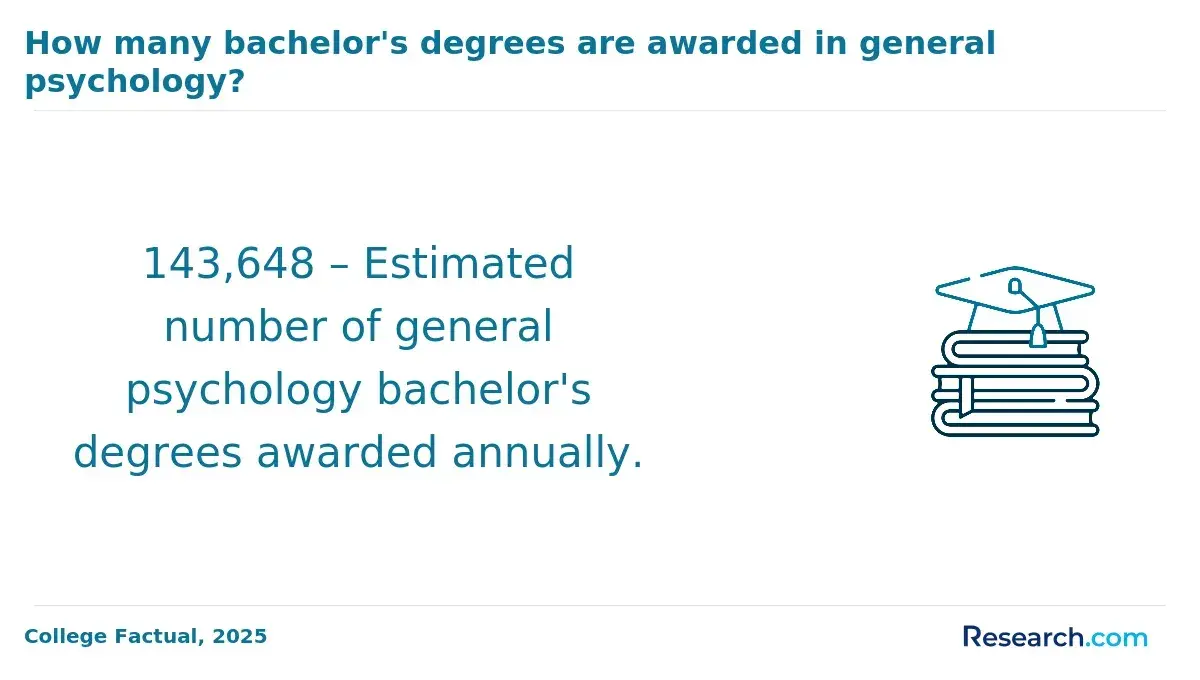
Hawaii psychology schools awarded 394 baccalaureate, 131 master’s, and 34 doctoral degrees in 2024. For most students, the pathway begins with a bachelor’s degree in psychology, counseling, human development, social science, or a related field. A bachelor’s degree can support entry-level roles in human services or research assistance, but it does not qualify someone to practice independently as a licensed psychologist.
Many students then complete a master’s degree before applying to doctoral programs. A campus-based or online psychology masters degree can strengthen research experience, clarify specialization interests, and prepare students for counseling, behavioral health, academic, or doctoral study. Master’s programs commonly take two to three years, while bachelor’s programs typically take four years.
For psychologist licensure, the key credential is the doctorate. Hawaii applicants pursuing psychologist licensure should complete an APA-accredited doctorate, such as a PhD or PsyD in psychology. Some students look for traditional campus programs, while others compare flexible options through an online psychology degree accredited pathway. However, students must be cautious: not every online psychology doctorate meets licensure expectations, internship requirements, or APA accreditation standards.
| Education level | Typical purpose | Common timeline | Licensure relevance in Hawaii |
| Bachelor’s degree | Builds foundational knowledge in human behavior, research, statistics, and abnormal psychology. | Typically four years | Useful starting point, but not enough for independent psychologist licensure. |
| Master’s degree | Supports advanced coursework, counseling preparation, research experience, or doctoral admission. | Usually two to three years | May support related counseling or human services paths, but psychologist licensure requires a doctorate. |
| Doctoral degree | Provides advanced clinical, research, assessment, ethics, and specialization training. | Can take two to eight years, depending on the track | Required for a Hawaii psychologist license when paired with supervised experience and examination. |
| Accelerated BS/BA-to-PhD or MS/MA-to-PhD/PsyD pathway | Combines stages of academic preparation to shorten the overall route. | Varies by program | Can be efficient if the program meets accreditation, internship, and licensure expectations. |
Because doctoral education can be expensive, students should compare total program cost, not just tuition per credit. Review federal grants, institutional aid, assistantships, scholarships from organizations such as the American Psychological Foundation or the National Association of School Psychologists, and Hawaii loan repayment programs. Cost planning matters because psychology licensure usually requires years of study before full independent practice is possible.
Hawaii Psychologist License Application and Renewal Process
The employment of clinical, counseling, and school psychologists in Hawaii is projected to increase by 11% through 2032, with around 80 openings each year. Students who want a clinical psychology career and salary path should treat licensure planning as a step-by-step compliance process, not as something to figure out after graduation.
- Complete a bachelor’s degree and, if useful for your goals, a master’s degree before entering doctoral study.
- Graduate from an APA-accredited doctoral program in psychology, choosing a generalist or specialized path that matches your intended practice area.
- Complete a 1,900-hour internship under the supervision of a licensed psychologist, consistent with Board of Psychology Hawaii requirements.
- Finish 1,900 hours of supervised post-doctoral experience.
- Submit the initial application for licensure by examination.
- Prepare for and pass the Examination for Professional Practice in Psychology (EPPP).
- Receive approval and licensure from the Hawaii Board of Psychology.
A total of 1,465 licensed psychologists are currently registered in Hawaii, with 1,358 active professionals. Once licensed, your credential can be checked through Hawaii psychology license verification, which helps clients, employers, and agencies confirm that you are authorized to practice.
Hawaii psychologist licenses must be renewed every two years before June 30. Licensees must complete at least 18 CE hours. Continuing education is not just an administrative requirement; it helps psychologists stay current on ethics, evidence-based interventions, telehealth practices, assessment standards, cultural responsiveness, and legal changes.
Professional networking can also help. Membership in the Hawaii Psychological Association may provide access to continuing education, referrals, advocacy updates, student resources, and peer connections. The association notes that HPA members benefit from several programs, including accredited CE courses, referrals, and student services.
| Licensure checkpoint | Decision to make | Common mistake to avoid |
| Doctoral program | Confirm accreditation, internship placement history, faculty fit, and licensure alignment. | Assuming any psychology doctorate will qualify for licensure. |
| Internship | Plan early for the required 1,900-hour internship and supervision structure. | Waiting until the final year to investigate approved training options. |
| Postdoctoral supervision | Secure supervised experience that meets Hawaii expectations. | Accepting a role without verifying supervision documentation requirements. |
| EPPP | Build a study plan before submitting final materials. | Underestimating the exam after completing coursework. |
| Renewal | Track the two-year renewal cycle and at least 18 CE hours. | Leaving continuing education until the final renewal period. |
List of Top Psychology Programs in Hawaii for 2027
The following Hawaii psychology programs can help students begin or advance toward licensure-related preparation. This list includes undergraduate and doctoral options, so readers should compare each program by degree level, accreditation, cost, supervised training opportunities, and whether the program supports their intended career outcome. Research.com experts considered program cost, accreditation, curriculum, and other important factors when developing this lineup.
1. Brigham Young University Hawaii
Brigham Young University Hawaii offers a BS in psychology designed to give students a foundation in major theories, research methods, and applied concepts. The program’s 16:1 student-to-faculty ratio can support closer interaction with instructors, which may be helpful for students who plan to request research guidance, internship support, or graduate school recommendations.
Coursework includes applied social statistics, cognitive psychology, psychotherapy, and a comprehensive internship. Students may also choose electives in specialized areas. Stated outcomes include stronger communication, effective use of technology, and an understanding of differences across diverse communities.
- Credit Hours: 43
- Estimated Tuition Cost: $268/credit (Latter-day Saint), $536/credit (non-member)
- Other Programs Offered: N/A
- Accreditation: WASC Senior College and University Commission (WSCUC)
2. University of Hawaii at Hilo
The University of Hawaii at Hilo offers a BA in Psychology that introduces students to core areas such as developmental psychology, research methods, statistical techniques, and personality studies. The curriculum can be a strong option for undergraduates who want preparation for counseling psychology, graduate study, or human services roles.
Students may complete practicum work and tutoring under instructional supervision. The major requires at least 18 semester hours in upper-division psychology courses, including a minimum of nine hours in 400-level courses. Students must maintain a grade of C- or higher and a GPA of 2.0 to remain in the program.
- Credit Hours: 120
- Estimated Tuition Cost: $306/credit (resident), $846/credit (non-resident)
- Other Programs Offered: MA in Counseling Psychology
- Accreditation: WSCUC
3. Hawaii Pacific University
Hawaii Pacific University offers a BA in Psychology with an emphasis on evidence-based practice. Students take courses such as lifespan development, psychological tests and measurements, and cognitive processes. The program also includes opportunities for applied learning in hospitals, clinics, and laboratories.
Students are encouraged to participate in research and may have opportunities to coauthor work in peer-reviewed journals. While the curriculum supports future psychology study, it can also help students develop transferable skills for related fields that value behavioral science, research literacy, and communication.
- Credit Hours: 120
- Estimated Tuition Cost: $1,355/credit
- Other Programs Offered: PsyD (under review for APA accreditation, on contingency)
- Accreditation: WSCUC
4. University of Hawaii at Manoa
The University of Hawaii at Manoa offers a Hawaii Board of Psychology-approved PhD that uses a mentorship model. Students complete coursework, research, internship requirements, comprehensive exams, a doctoral dissertation, and an oral defense.
Available concentration areas include Clinical Psychology, Cognition, Neuroscience & Psychology, and Community, Cultural & Developmental Psychology. Students may also pursue dual-specialty training in Behavioral-Clinical/Neuroscience or Ethnocultural/Health Psychology specialties. This program is especially relevant for students seeking doctoral-level preparation connected to research, clinical training, and Hawaii’s community needs.
- Credit Hours: 103-106
- Estimated Tuition Cost: $650/credit (resident), $1,402/credit (non-resident)
- Other Programs Offered: BA/BS, BA-MEd in Educational Psychology, MA-PhD
- Accreditation: WSCUC, APA
5. Chaminade University of Honolulu
Chaminade University of Honolulu offers a five-year generalist PsyD that integrates theory, clinical practice, and research. The program gives students access to resources such as a psychological assessment library and training experiences across diverse settings.
The 10:1 student-to-faculty ratio may appeal to students who prefer smaller academic environments and closer faculty guidance. Program outcomes include mastery of psychological coursework, application of ethical and legal standards, and skill in psychological assessment and intervention.
- Total Credit Hours: 103
- Estimated Tuition Cost: $1,255/credit
- Other Programs Offered: BS, MS
- Accreditation: WSCUC, APA
Why Researching the Right Psychology Program Matters
The right psychology program should do more than match your preferred location or tuition range. For students seeking psychologist licensure, the program must support doctoral preparation, supervised training, ethical practice, assessment competence, and the specific requirements of the Hawaii Board of Psychology.
Accreditation is the first filter. Students planning to become licensed psychologists should prioritize APA-accredited doctoral training and verify that the degree, internship, and supervision structure align with Hawaii rules. Undergraduate and master’s students should also check institutional accreditation, transfer policies, research opportunities, practicum options, and graduate placement outcomes.
Cultural preparation is especially important in Hawaii. Psychologists may work with Native Hawaiian, Pacific Islander, Asian American, military, rural, immigrant, and multilingual communities. A program that teaches cultural humility, community-based practice, trauma-informed care, and ethical adaptation of interventions can better prepare students for real-world practice in the islands.
Students comparing the best colleges for psychology in Hawaii should ask practical questions before applying, not after enrolling.
| Question to ask | Why it matters |
| Is the institution regionally accredited, and is the doctoral program APA-accredited when required? | Accreditation affects licensure eligibility, transferability, financial aid, and employer confidence. |
| What percentage of students secure internships and supervised placements? | Supervised experience is essential for licensure and professional readiness. |
| Does the curriculum include assessment, ethics, research, diagnosis, and evidence-based intervention? | These areas are central to psychologist training and EPPP preparation. |
| How does the program prepare students for culturally responsive practice in Hawaii? | Local practice often requires understanding culture, family systems, language, geography, and community trust. |
| What is the full cost after fees, books, travel, internship expenses, and lost work time? | Tuition alone rarely reflects the actual cost of becoming a psychologist. |
| Can the program document licensure outcomes for graduates? | Graduate outcomes help you judge whether the program has a record of helping students reach their goals. |
What role does specialization in substance abuse counseling play in Hawaii's mental health field?
Substance abuse counseling is an important specialization because many clients need integrated help for both mental health symptoms and substance use concerns. In Hawaii, this work often requires culturally responsive assessment, relapse prevention planning, family engagement, trauma-informed care, and coordination with community resources.
Psychologists who add substance use expertise may be better prepared to serve clients with co-occurring disorders, collaborate with treatment programs, and support prevention efforts. Students considering this route should review education, supervised experience, and certification expectations through resources such as how to become a substance abuse counselor in Hawaii.
Can I become a therapist without a psychology degree in Hawaii?
Yes, some therapy-related careers in Hawaii do not require a psychology doctorate, but they do require the correct degree, supervised experience, and license for the specific role. For example, counseling, marriage and family therapy, social work, and substance abuse counseling may follow different educational pathways than psychologist licensure.
The key distinction is scope of practice. A licensed psychologist typically completes doctoral training and may provide psychological assessment, diagnosis, psychotherapy, consultation, and other services within the profession’s scope. Other therapists may provide counseling or clinical services under a different license. If you are comparing routes, review how many years to become a therapist and confirm Hawaii-specific requirements before choosing a program.
What challenges do psychologists face working in Hawaii’s diverse communities?
Psychological practice in Hawaii requires more than clinical skill. Providers must understand how culture, family networks, island geography, language, historical context, military presence, and access barriers shape care. A treatment plan that works in one community may need thoughtful adjustment in another.
- Cultural responsiveness: Psychologists must build trust by respecting local values, family structures, spiritual beliefs, and community norms while still practicing ethically and evidence-based care.
- Language access: Some clients may prefer or need services in languages other than English. Interpreters, bilingual providers, and translated materials can improve understanding and safety.
- Rural and neighbor island access: Travel distance, provider shortages, and limited specialty care can make consistent treatment difficult for some residents.
- Community collaboration: Schools, primary care clinics, social workers, cultural practitioners, nonprofit organizations, and family systems may all play a role in effective care.
- Privacy concerns in small communities: Clients may worry about being recognized or stigmatized, so psychologists need strong confidentiality practices and clear communication.
Students should choose training experiences that expose them to Hawaii’s real practice environments, not only textbook examples. Practicum, internship, community research, and supervised work with diverse populations can be decisive preparation.
Is an online doctorate a viable pathway for career advancement in Hawaii?
An online doctorate can be useful for some psychology professionals, but licensure-focused students must evaluate it carefully. The critical issue is not whether the coursework is online; it is whether the program meets Hawaii licensure expectations, includes appropriate supervised clinical training, and holds the accreditation needed for the intended career.
Students comparing a PhD in psychology online should ask whether the program is APA-accredited when licensure requires it, where internships are completed, how clinical supervision is arranged, and whether graduates have become licensed in Hawaii. Online flexibility can help working adults, but it should never replace verification of licensure alignment.
Can Telehealth Bridge Gaps in Access to Psychological Services in Hawaii?
Telehealth can help reduce geographic barriers in Hawaii by allowing licensed professionals to reach clients who live far from clinics, have transportation challenges, or need specialized care unavailable locally. It can also support continuity of care when travel, weather, work schedules, or inter-island distance make in-person appointments difficult.
However, telehealth is not a cure-all. Psychologists must follow privacy requirements, practice within the states where they are authorized, use secure platforms, assess whether telehealth is clinically appropriate, and plan for emergencies. It may work well for many outpatient therapy needs but may not be suitable for every assessment, crisis, or high-risk situation.
Professionals comparing counseling pathways can also review how to become an LPC in Hawaii to understand how virtual service delivery may fit within a different licensure route.
How does Hawaii's licensure process compare to other states?
Hawaii’s psychologist licensure process resembles many other U.S. jurisdictions because it relies on doctoral education, supervised experience, board application review, and the EPPP. The details that matter most are the number of supervised hours, acceptable training settings, documentation rules, renewal deadlines, and whether mobility options such as PSYPACT become available.
| Licensure element | Hawaii approach | What applicants should verify |
| Education | Applicants pursuing psychologist licensure should complete doctoral training that meets Board expectations. | Confirm APA accreditation and whether your exact degree qualifies. |
| Internship | Hawaii requires a 1,900-hour internship under a licensed psychologist. | Check whether the internship site, supervisor, and documentation will be accepted. |
| Postdoctoral experience | Applicants complete 1,900 hours of supervised post-doctoral experience. | Clarify supervision frequency, acceptable duties, and forms before starting. |
| Examination | Applicants must pass the EPPP. | Plan exam preparation time and confirm the application sequence with the Board. |
| Renewal | Licenses renew every two years before June 30 with at least 18 CE hours. | Track CE completion and renewal deadlines early. |
| Career investment | The path requires many years of education and supervised practice. | Compare cost, opportunity cost, and goals when asking is a psychology degree worth it. |
Out-of-state applicants should not assume automatic transfer. Before relocating or accepting a job, contact the Hawaii Board of Psychology, compare your doctoral and supervised experience records with Hawaii rules, and confirm whether any additional documentation is required.
Can specializing in school psychology enhance mental health outcomes in Hawaii?
School psychology can make a direct impact because children and adolescents often show academic, behavioral, emotional, or social concerns first in educational settings. School psychologists help with evaluation, intervention planning, crisis response, behavior support, consultation with teachers, and family collaboration.
In Hawaii, this specialty can be especially valuable when schools serve culturally and linguistically diverse students or communities with limited access to outside mental health providers. Students interested in this route can review how to become a school psychologist in Hawaii to compare degree and credential expectations.
How can specializing in criminal psychology benefit your practice in Hawaii?
Criminal psychology and forensic-related practice connect behavioral science with legal and justice settings. Professionals in this area may work on risk assessment, competency-related questions, offender rehabilitation, treatment planning, consultation, or expert testimony, depending on their training, license, and role.
In Hawaii, this specialization can be useful for psychologists who want to support courts, correctional systems, public agencies, victim services, or community reentry programs. Because legal work carries high ethical stakes, students should seek specialized training and supervision before pursuing forensic practice. For pathway details, see how to become a criminal psychologist in Hawaii.
What career opportunities can licensed psychologists pursue in Hawaii?
Licensed psychologists in Hawaii may work in hospitals, community clinics, private practice, schools, universities, government agencies, correctional settings, telehealth platforms, military-connected services, or consulting roles. Students who are not yet ready for doctoral study may also ask what can you do with a masters in psychology, since master’s-level options differ from licensed psychologist roles.
| Career path | Typical work | Who it may fit |
| Clinical psychologist | Diagnoses and treats mental health conditions through assessment, therapy, and treatment planning. | Students interested in hospitals, clinics, private practice, trauma, anxiety, depression, or complex cases. |
| Counseling psychologist | Helps clients address life transitions, stress, relationships, identity, adjustment, and emotional well-being. | Students drawn to therapy, prevention, wellness, and culturally responsive counseling. |
| School psychologist | Supports students through assessment, intervention, consultation, and behavioral or emotional support. | Professionals who want to work in education and child/adolescent mental health. |
| Forensic psychologist | Applies psychology in legal, correctional, or public safety contexts. | Psychologists interested in justice systems, evaluations, rehabilitation, and expert consultation. |
| Industrial-organizational psychologist | Uses psychology to improve workplaces, leadership, training, morale, hiring systems, and performance. | Students interested in organizations rather than clinical licensure-focused practice. |
| Researcher or academic | Conducts studies, teaches students, writes grants, and contributes to psychological science. | Doctoral students who enjoy research design, data, publication, and teaching. |
| Telehealth psychologist | Provides remote psychological services when clinically appropriate and legally permitted. | Clinicians who want flexible service models and broader geographic reach. |
The best career choice depends on your preferred population, tolerance for doctoral training, interest in assessment, desire for independent practice, and comfort with documentation, ethics, and continuing education.
What distinguishes LPC licensure from psychologist licensure in Hawaii?
LPC licensure and psychologist licensure both support mental health service delivery, but they are not the same credential. A psychologist license generally requires doctoral-level psychology training, internship and postdoctoral experience, and the EPPP. An LPC route typically centers on master’s-level counseling preparation, supervised practice, and a counseling-focused licensure process.
The decision comes down to scope, timeline, cost, and career goal. Students who want psychological assessment, doctoral-level clinical authority, research-intensive training, or certain specialty roles may prefer the psychologist pathway. Students who want a shorter counseling-focused route may compare Hawaii LPC license requirements.
What other licenses are required to practice therapy in Hawaii?
Psychologist licensure is only one route into therapy-related work. Hawaii also has other professional licenses for mental health and family services. For example, those who want to work with couples and families may need an MFT license in Hawaii. Others may consider counseling, social work, substance abuse counseling, behavior analysis, or school-based credentials.
Before enrolling in any program, match the degree to the license. A common mistake is choosing a program because it sounds clinically relevant, then later discovering that it does not meet the exact requirements for the intended Hawaii credential.
How can integrated social work practices complement psychological services in Hawaii?
Psychologists and social workers often serve the same clients from different angles. Psychologists may focus on diagnosis, assessment, psychotherapy, and behavioral science, while social workers often bring strengths in case management, systems navigation, advocacy, crisis support, and community resources.
In Hawaii, collaboration can be especially helpful when clients face housing insecurity, family stress, medical needs, transportation barriers, school issues, or limited access to specialty care. Students interested in interdisciplinary work can review what degree do you need to be a social worker in Hawaii to understand how social work preparation differs from psychology training.
How Can Specialized Certifications Enhance Your Practice in Hawaii?
Specialized certifications can help mental health professionals serve narrower populations or add structured intervention skills. Examples may include behavioral, developmental, school-based, substance use, forensic, or trauma-informed areas, depending on the professional’s base license and training.
Applied behavior analysis is one example of a specialized route that may complement work with behavioral and developmental needs. Professionals interested in that area can explore how to become a BCBA in Hawaii. Certifications should be chosen strategically: they are most useful when they align with your clients, employer expectations, and legal scope of practice.
What emerging trends are shaping the future of psychology in Hawaii?
Several trends are shaping how psychologists prepare for and deliver care in Hawaii. Telepsychology is expanding access but also increasing the need for strong privacy, emergency planning, and interstate practice awareness. Workforce shortages are pushing more attention toward training pipelines, supervised practice capacity, and possible provisional or associate-level licensure models. Cultural responsiveness is also becoming a central expectation rather than an optional skill.
Technology is changing practice as well. Psychologists may use digital screening tools, measurement-based care, electronic health records, and remote platforms, but they must apply clinical judgment and protect client data. AI may assist with administrative tasks or information organization, but it does not replace licensed assessment, diagnosis, therapeutic relationship, or ethical accountability.
Students who want to enter the helping professions sooner may compare counseling routes, including the shortest path to become a counselor in Hawaii, while still weighing long-term scope and career goals.
Common Mistakes to Avoid When Pursuing a Hawaii Psychologist License
| Mistake | Why it can hurt you | Better approach |
| Choosing a program before checking accreditation | Licensure eligibility can depend on the exact accreditation status of the doctoral program. | Verify institutional accreditation and APA accreditation where required before applying. |
| Looking only at tuition per credit | Total cost may include fees, books, travel, internship expenses, relocation, and reduced work hours. | Calculate full program cost and compare aid, assistantships, and loan repayment options. |
| Assuming online means licensure-ready | Some online programs may not meet clinical training or accreditation expectations. | Ask the program to document Hawaii licensure alignment and graduate outcomes. |
| Waiting too long to plan supervised experience | Internship and postdoctoral requirements are major licensure milestones. | Start building relationships with faculty, supervisors, and training sites early. |
| Ignoring cultural preparation | Clinical skill without cultural understanding can weaken trust and treatment effectiveness. | Seek coursework, practicum, and supervision focused on Hawaii’s communities. |
| Relying only on rankings | A highly visible school may not be the best fit for your specialization, budget, or licensure needs. | Use rankings as one input, then evaluate accreditation, outcomes, cost, and fit. |
| Assuming salary outcomes are guaranteed | Earnings vary by role, employer, specialization, experience, and location. | Compare realistic career paths and talk with professionals in your target setting. |
Serve Hawaii Communities with the Right Psychology Training
A Hawaii psychologist license can lead to meaningful work, but it requires a serious investment of time, money, supervision, and ethical responsibility. The most successful students plan backward from the license they want, choose accredited education, build supervised experience intentionally, and prepare for the realities of serving diverse communities across the islands.
If you are still comparing degree options, review the types of psychology graduate programs that may lead to different roles. The right path depends on whether you want to become a licensed psychologist, counselor, school-based practitioner, researcher, consultant, or another kind of mental health professional.
Hawaii needs well-trained mental health providers, but need alone does not make every program or career route a good investment. Choose a pathway that fits your scope-of-practice goals, financial situation, preferred population, and willingness to complete doctoral-level training.
Key Insights
- Licensure requires long-range planning: Hawaii psychologist licensure involves doctoral education, a 1,900-hour internship, 1,900 hours of supervised post-doctoral experience, the EPPP, and Board approval.
- Accreditation is non-negotiable: Students seeking psychologist licensure should verify APA accreditation and Hawaii Board alignment before committing to a doctoral program.
- Hawaii has clear mental health access needs: Approximately 234,000 Hawaiians are grappling with a mental health condition, and nearly one in five adults experience a mental illness each year.
- Salary varies by specialization: The clinical psychologist salary in Hawaii is $92,780, while other types of psychologists earn $117,580 annually.
- Program fit matters as much as reputation: Compare cost, supervision, research opportunities, cultural training, licensure outcomes, and total time to completion.
- Online options require extra scrutiny: Flexibility is valuable, but students must confirm accreditation, clinical placement structure, and Hawaii licensure compatibility.
- Career alternatives exist: LPC, MFT, social work, substance abuse counseling, BCBA, and school psychology pathways may suit students who want mental health careers without following the full psychologist route.
- Renewal is part of professional practice: Hawaii psychologists renew every two years before June 30 and complete at least 18 CE hours to maintain competence and licensure.
Related Articles for Nearby States
- 2027 Alaska Psychology Licensure Requirements – How to Become a Psychologist in Alaska
- 2027 California Psychology Licensure Requirements – How to Become a Psychologist in California
- 2027 Oregon Psychology Licensure Requirements – How to Become a Psychologist in Oregon
- 2027 Washington Psychology Licensure Requirements – How to Become a Psychologist in Washington
- 2027 Nevada Psychology Licensure Requirements – How to Become a Psychologist in Nevada
- 2027 Arizona Psychology Licensure Requirements – How to Become a Psychologist in Arizona
- 2027 Idaho Psychology Licensure Requirements – How to Become a Psychologist in Idaho
- 2027 Utah Psychology Licensure Requirements – How to Become a Psychologist in Utah
- 2027 Montana Psychology Licensure Requirements – How to Become a Psychologist in Montana
- 2027 Wyoming Psychology Licensure Requirements – How to Become a Psychologist in Wyoming
References:
- American Psychological Association. (2026). CWS Data Tool: Degrees in Psychology. Retrieved from https://www.apa.org/workforce/data-tools/degrees-psychology archived degree data licensure report
- Hawaiʻi Appleseed Center for Law & Economic Justice (2024, January 31). Hawaiʻi’s serious mental health care needs take a top spot in Governor Green’s 2025 supplemental budget. Retrieved from https://hiappleseed.org/blog/hawaii-mental-health-care-governor-green-2025-supplemental-budget
- LegiScan (2026). HI SB2080 | 2026 | Regular Session. Retrieved from https://legiscan.com/HI/bill/SB2080/2026
- Mental Health America (2025). The State of Mental Health in America 2025. Retrieved from https://mhanational.org/wp-content/uploads/2025/09/State-of-Mental-Health-2025.pdf 2023 State of Mental Health in America Report
- National Alliance on Mental Illness (2025, March). Mental Health in Hawaii. Retrieved from https://www.nami.org/wp-content/uploads/2025/05/Hawaii-GRPA-Data-Sheet-8.5-x-11-wide.pdf
- O*NET OnLine. (n.d.). Hawaii employment trends clinical and counseling psychologists. Retrieved from https://www.onetonline.org/link/localtrends/19-3033.00?st=HI Commonwealth Fund state health system performance scorecard
- U.S. Bureau of Labor Statistics. (2024). Occupational Employment and Wage Statistics. https://www.bls.gov/oes/current/oes_hi.htm
Other Things You Should Know About Hawaii Psychology Licensure Requirements
Hawaii requires 1,500 hours of supervised postdoctoral experience for psychologist licensure. The experience must be completed under approved supervision after the doctoral degree is awarded and before full licensure is granted. Applicants should document the hours and supervision details for the Hawaii Board of Psychology.
The Hawaii Board of Psychology oversees the licensure process, verifying that applicants meet educational and training standards. It evaluates applications, approves licenses, and mandates adherence to state laws and ethical practices for psychologists ensuring public safety and professional integrity.
For license renewal in Hawaii, psychologists must complete at least 18 hours of continuing education, including courses in ethics and other relevant topics to stay updated with the latest practices and standards in psychology.
To transfer a psychology license to Hawaii in 2027, you must apply for licensure by credential, provide proof of an active license in another jurisdiction, pass the Hawaii jurisprudence exam, and meet any additional requirements set by the Hawaii Board of Psychology.
To become a psychologist in Hawaii in 2027, you must obtain a doctoral degree in psychology from an accredited program, complete 1,900 hours of supervised pre-doctoral internship experience, and accumulate 1,900 hours of post-doctoral supervised experience, before passing the EPPP and Hawaii state jurisprudence exam.