2027 What Can You Do With a Sports Management Degree?

Co-Founder and Chief Data Scientist
A sports management degree is for students who want to work in the business side of athletics, fitness, recreation, esports, events, or athlete services—not necessarily for those who want to coach or compete. The decision matters because the field can lead to many different jobs, but those jobs vary widely in pay, competitiveness, required experience, and day-to-day work. In 2025, over 17,486 degrees were awarded in sports and fitness management, and the number of graduates is expected to grow by over 3%, which means students need a clearer strategy for standing out.
This guide explains what you can do with a sports management degree, which roles tend to fit different strengths, how salaries compare, what employers look for, whether online programs are accepted, and how to evaluate cost, accreditation, internships, advanced degrees, and return on investment before enrolling.
Quick Answer: What Can You Do With a Sports Management Degree?
With a sports management degree, you can pursue careers in sports marketing, event operations, facility management, sponsorships, athlete representation, recreation programming, data analytics, esports management, and sports law-related business roles. The degree is most valuable when paired with internships, business skills, networking, and a clear specialization such as analytics, marketing, finance, operations, or athlete services.
Essential Facts About Sports Management Degrees
- Sports and fitness management is a large employment area, with over 735,600 professionals working in the field.
- The average wage for sports management professionals was $104,740 in 2025, although earnings depend heavily on job title, employer, location, experience, and responsibility level.
- Graduates may work for professional teams, colleges, sports facilities, event companies, recreation departments, brands, agencies, fitness organizations, media companies, or esports organizations.
- Strong candidates usually combine sports industry knowledge with leadership, communication, budgeting, negotiation, marketing, analytics, and legal awareness.
- Newer opportunities are expanding in esports, digital fan engagement, sports analytics, fitness technology, and global sports business, but these areas can be competitive and skills-driven.
- Top sports management career options
- How to choose the right sports management career path
- Industries that hire sports management graduates
- Sports management salary expectations
- Skills learned in a sports management program
- Using an online degree for sports management jobs
- Why internships matter in sports management
- Sports management job outlook
- How graduate education can improve prospects
- Current trends shaping sports management
- Related fields of study
- Part-time PhD options in sports management
- Online MBA pathways for sports management professionals
- Ethical issues in sports management
- Advanced business credentials for sports careers
- How to evaluate degree ROI
- Accelerated MBA options for sports professionals
- Certifications that can strengthen a sports management degree
- Curriculum quality and faculty expertise
- Affordable online master’s options in sports management
- Globalization and sports management careers
- Admissions requirements for sports management programs
- Financial aid and scholarships
- Why financial skills matter in sports management
- How to confirm accreditation and quality
- Mentorship and career growth
- Sports management degree cost versus online MBA cost
- Industry partnerships and career services
- Dual degrees in sports management and business
- Transferring sports management skills to other sectors
- Project management skills in sports organizations
What are the career opportunities for sports management graduates?
A sports management online degree can prepare graduates for business, operations, marketing, analytics, and administrative roles across the sports industry. The best career choice depends on whether you prefer working with people, data, venues, events, brands, athletes, or organizational strategy.
| Career path | Best fit for students who like | Main responsibilities |
| Sports Event Coordinator | Planning, logistics, deadlines, and live-event problem solving | Organizes tournaments, games, competitions, vendor relationships, ticketing, staffing, and event-day execution. |
| Athlete Manager | Relationship building, public image, communication, and negotiation | Supports athletes with career planning, endorsements, media coordination, contracts, and professional opportunities. Students from the cheapest online public relations degree programs may also find this path relevant. |
| Sports Marketing Manager | Branding, campaigns, social media, sponsorships, and fan engagement | Builds promotional strategies for teams, athletes, events, leagues, venues, or sports brands. |
| Facility Manager | Operations, safety, scheduling, maintenance, and staff coordination | Oversees stadiums, arenas, recreation centers, gyms, or athletic facilities and keeps operations compliant and efficient. |
| Sports Data Analyst | Statistics, software tools, performance trends, and decision support | Analyzes player performance, business metrics, fan behavior, and operational data to guide decisions. |
| Sports Agent | Negotiation, athlete advocacy, networking, and contracts | Represents athletes in contract talks, endorsements, career decisions, and business opportunities. |
| Recreational Sports Director | Community programming, youth sports, campus recreation, and wellness | Manages leagues, intramural programs, coaching staff, facilities, and participant experience. |
| Sports Operations Manager | Behind-the-scenes coordination, travel, scheduling, equipment, and execution | Runs daily operations for teams, departments, events, or sports organizations. |
| Sponsorship Coordinator | Sales, partnerships, proposals, and relationship management | Finds, negotiates, activates, and maintains sponsor relationships for teams, athletes, or events. |
| Sports Lawyer | Legal strategy, contracts, compliance, and dispute resolution | Advises athletes, teams, leagues, or organizations on contracts, intellectual property, regulations, and negotiations. |
How do I choose the right career path in sports management?
Choosing a sports management career should start with the work you want to do every day, not just the part of sports you enjoy watching. Many students enter the field because they love athletics, but employers hire for specific business capabilities: operations, marketing, finance, analytics, compliance, communications, and leadership.
- Match your strengths to a function. If you are organized under pressure, event operations or facility management may fit. If you are persuasive and creative, sports marketing or sponsorships may be stronger. If you prefer numbers, analytics or finance-related roles may be a better target.
- Study job descriptions early. Compare entry-level postings for sports coordinator, marketing assistant, ticketing associate, operations assistant, recreation supervisor, and analytics intern. Note the required software, experience, and skills.
- Use internships to test assumptions. A role may look exciting from the outside but feel very different in practice. Internships, volunteer event work, and campus athletics jobs can help you avoid choosing based only on image.
- Think beyond the first job. Some paths lead naturally into senior operations, athletic administration, sales leadership, brand partnerships, agency work, or graduate study. Map the first three roles you would likely need.
- Align education with the target role. A business-heavy background may support marketing, sponsorships, finance, or operations, while an accelerated communications degree can be useful for athlete relations, media, and public-facing roles.
| If you want to... | Consider focusing on... | Helpful experience to pursue |
| Work close to games and events | Event management, operations, facilities | Game-day operations, tournament volunteering, venue internships |
| Build fan and sponsor engagement | Marketing, social media, ticketing, sponsorships | Campus athletics marketing, sales internships, content projects |
| Use data to guide decisions | Sports analytics, business intelligence, performance data | Statistics coursework, analytics software, team data projects |
| Support athletes directly | Athlete management, representation, communications | Agency internships, public relations work, compliance exposure |
| Lead community programs | Recreation, youth sports, wellness programming | Coaching support, parks and recreation roles, intramural sports |
What industries hire sports management professionals?
Sports management graduates are not limited to professional teams. Many jobs exist in education, recreation, health clubs, nonprofit organizations, media, equipment companies, agencies, and esports. Students who are also interested in performance, wellness, or exercise programming may want to compare sports management with an affordable online exercise science degree.
- Educational institutions: Schools, colleges, and universities employ athletic administrators, coaches, scouts, event staff, recreation professionals, and compliance personnel. According to the U.S. Bureau of Labor Statistics, 60% of coaches and scouts work for schools, colleges, and universities.
- Professional sports organizations: Teams and leagues hire for marketing, ticketing, sponsorships, operations, analytics, fan experience, communications, and team services.
- Fitness and health clubs: Gyms, wellness companies, boutique fitness studios, and digital fitness platforms need managers who understand programming, customer service, sales, staffing, and facility operations.
- Recreational sports leagues: Local leagues and community sports organizations hire coordinators, program directors, facility supervisors, and tournament managers.
- Sports marketing and media: Agencies, broadcasters, digital platforms, and sports media brands employ professionals in campaigns, social strategy, sponsorship activation, brand storytelling, and audience growth.
- Nonprofit sports organizations: These employers often focus on youth development, access to sports, wellness, fundraising, and community impact.
- Sports equipment and apparel companies: Brands such as Nike, Adidas, or Under Armour offer business opportunities in product marketing, athlete endorsements, sponsorships, and brand partnerships. Students comparing advanced business routes may also research the cheapest online DBA programs.
- Esports: Competitive gaming organizations need tournament operations, team management, digital marketing, sponsorship, content, and community engagement professionals.
- Sports law and representation: Agencies and law-adjacent business roles involve contracts, athlete services, endorsement coordination, compliance support, and intellectual property issues.
- Self-employment: Some graduates work as officials, referees, umpires, consultants, trainers, or independent advisors. About 30% of sports officials are self-employed.
How much can I make with a sports management degree?
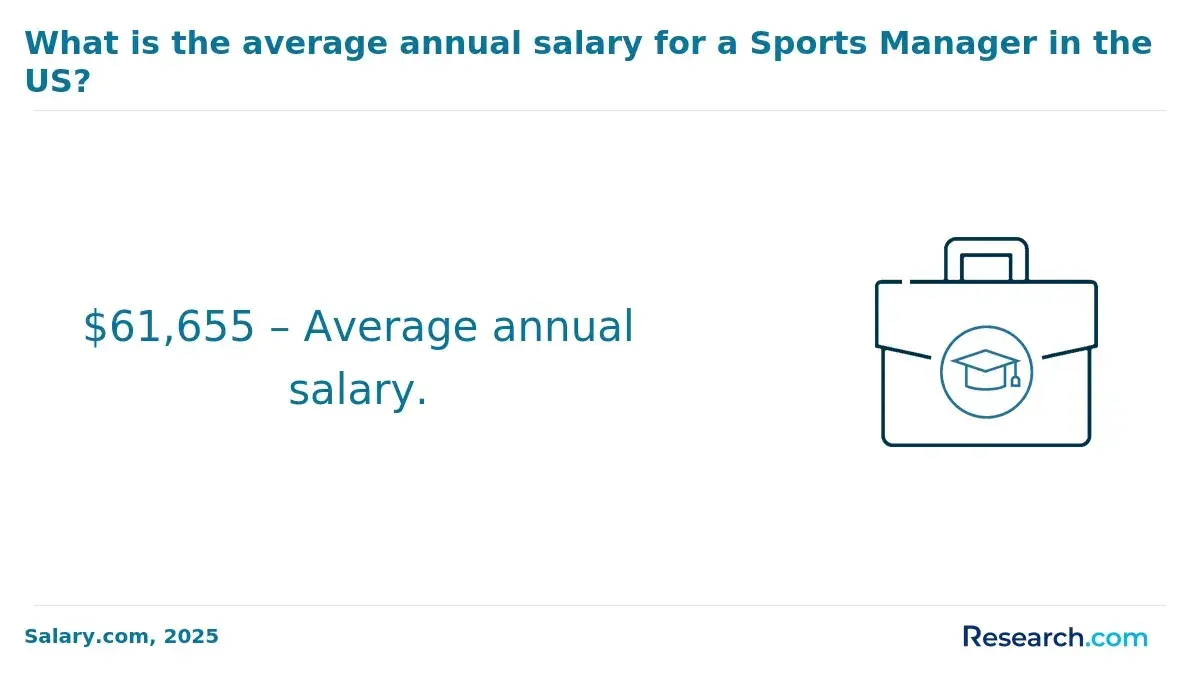
According to BLS, the average wage for sports management roles was $104,740 in 2025. That number should be treated as a broad benchmark, not a guaranteed outcome. Salaries differ by role, employer size, market, location, revenue responsibility, league level, and years of experience.
| Role | Average salary range | What can affect pay |
| Sports Event Coordinator | $46,000 - $73,000 | Event size, venue type, market, and level of logistical responsibility |
| Sponsorship Coordinator | $53,000 - $90,000 | Sponsor portfolio, revenue targets, event profile, and sales performance |
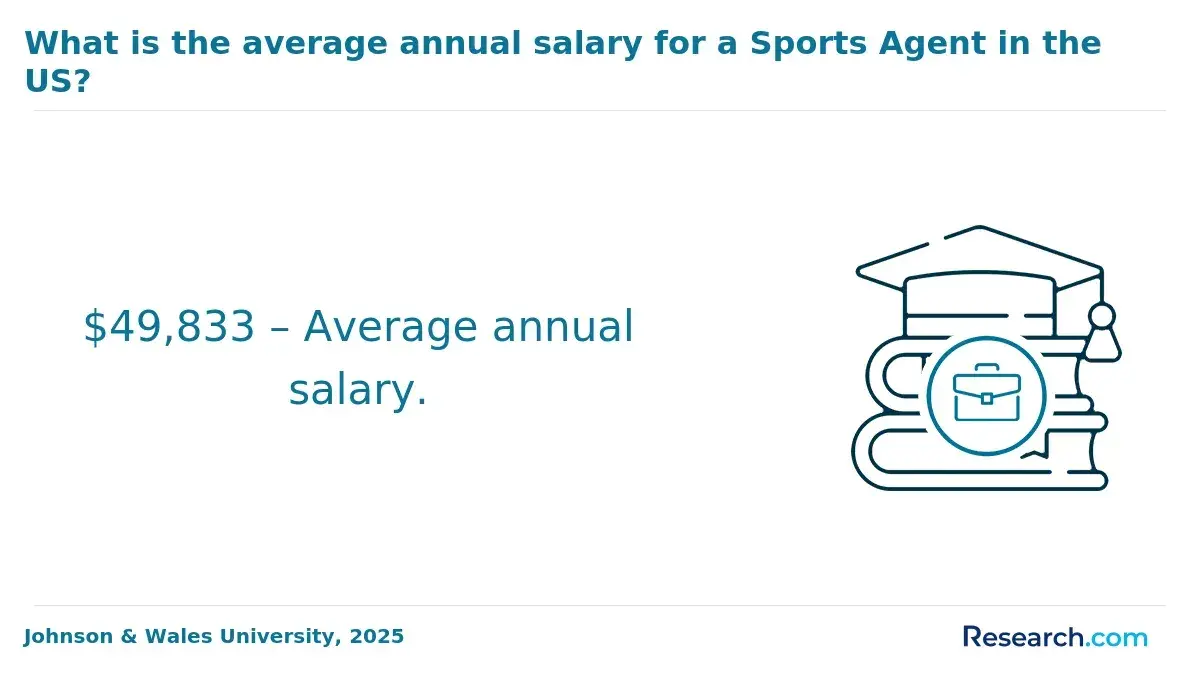
| Sports Agent | $49,000 - $92,000 | Client roster, commissions, endorsements, sport, and professional network |
| Recreational Sports Director | $55,000 - $103,000 | Organization size, public or private employer, budget, and staff responsibility |
| Sports Data Analyst | $65,000 - $107,000 | Analytics tools, technical depth, team level, and business or performance focus |
| Esports Manager | $72,000 - $134,000 | Organization size, tournament activity, sponsorship revenue, and team success |
| Sports Marketing Manager | $80,000 - $145,000 | Campaign scope, brand partnerships, leadership level, and digital performance |
| Athletic Facility Manager | $87,000 - $145,000 | Venue size, safety responsibility, event volume, and staff oversight |
| Sports Operations Manager | $96,000 - $180,000 | Team level, travel logistics, budget authority, and organizational complexity |
| Sports Lawyer | $68,000 - $228,000 | Legal specialization, client type, contract value, experience, and market |
Students aiming for senior athletic administration, operations leadership, or director-level positions may consider an online master's in sports administration. Advanced study can help, but it works best when combined with relevant work experience, a strong network, and measurable achievements.
What skills are developed in a sports management degree program?
A sports management program should build both sports-industry knowledge and transferable business skills. When comparing programs, look for coursework and projects that develop practical competencies employers can see on a resume.
- Leadership and team management: Students learn how to guide staff, volunteers, athletes, or departments. The 2024 job outlook report from the National Association of Colleges and Employers (NACE) found that over 52% of employers prioritize leadership when evaluating candidates.
- Communication: Sports professionals often communicate with fans, sponsors, athletes, coaches, vendors, executives, media, and community partners. Clear writing and confident speaking matter in nearly every role.
- Marketing and promotion: Students study fan engagement, event promotion, sponsorship strategy, digital campaigns, and brand positioning. Affordable social media marketing degree online programs may complement this path for students who want deeper digital marketing training.
- Finance and budgeting: Sports organizations need professionals who can manage event budgets, evaluate revenue opportunities, control costs, and understand sponsorship value.
- Event management: Programs often cover scheduling, venue coordination, vendor management, risk planning, ticketing, and on-site execution.
- Sports law and ethics: Students are introduced to contracts, compliance, intellectual property, athlete rights, league rules, and ethical decision-making.
- Analytics and decision-making: Data skills help graduates evaluate performance trends, fan behavior, marketing results, and operational efficiency.
- Negotiation and conflict resolution: Sports management often involves high-pressure conversations involving contracts, sponsorships, staff issues, athletes, parents, or organizational partners.
- Digital media fluency: Social media, streaming, mobile apps, and digital content now shape how fans engage with teams, events, and athletes.
- Problem-solving and critical thinking: Sports work is deadline-driven and unpredictable. Employers value candidates who can respond quickly, analyze trade-offs, and make sound decisions. In fact, 88% of employers actively seek candidates with these abilities.
Can I work in sports management with an online degree?
Yes, an online degree can lead to sports management jobs if the program is reputable, accredited, and supported by practical experience. Employers generally care less about whether coursework was online or on campus and more about whether graduates can demonstrate skills, internships, projects, professionalism, and industry understanding.
A NACE survey found that more than 87% of employers hired college graduates with an online degree. The same survey reported that employers pay graduates with online degrees the same as graduates with in-person degrees. This is important for students considering flexible pathways, including programs such as an affordable online PhD organizational leadership program.
Before enrolling online, confirm accreditation, internship access, faculty industry experience, career services, alumni outcomes, and whether the program offers networking opportunities with teams, athletic departments, event companies, or sports organizations.
How can internships help develop skills for sports management?
Internships are one of the most important parts of preparing for a sports management career. Recent data shows that 41% of students have had an internship while enrolled in college, and in sports management, experience is often the factor that separates competitive candidates from applicants with only coursework.
- They connect classroom concepts to real work. Students can apply event planning, marketing, budgeting, operations, and leadership lessons in actual sports settings.
- They build teamwork and leadership habits. Interns often support game-day crews, marketing teams, operations departments, or recreation programs, which develops collaboration and accountability.
- They expand professional networks. Sports hiring is relationship-driven. Supervisors, alumni, coaches, and event professionals can become references or sources of future opportunities.
- They expose students to industry technology. Interns may use ticketing systems, CRM platforms, event software, analytics tools, scheduling systems, or content platforms.
- They help students choose a specialization. Experience in marketing, operations, analytics, athlete services, or facilities can reveal which path fits before graduation.
| Internship setting | Skills you can build | Possible career direction |
| College athletics department | Game operations, compliance exposure, communications, ticketing | Athletic administration or sports operations |
| Professional team | Fan engagement, sales, sponsorship activation, event execution | Team business operations or marketing |
| Sports facility or arena | Venue logistics, safety coordination, scheduling, staff supervision | Facility management |
| Sports agency | Client services, athlete branding, contracts support, research | Athlete management or representation |
| Recreation department | Program planning, community outreach, league coordination | Recreation leadership |
What is the job outlook for graduates of sports management degree?
The job outlook for sports management graduates is favorable, with overall employment in entertainment and sports occupations expected to grow faster than the average for all occupations between 2024 and 2034. This growth supports opportunities in event coordination, team operations, marketing, recreation, athlete services, analytics, and related sports business roles.
About 108,900 job openings in sports and entertainment are expected each year. These openings reflect both new job creation and replacement needs as workers retire or leave the field permanently. Students should still expect competition for high-profile professional team and league roles, which makes internships, networking, and specialized skills especially important.
How does an advanced degree in sports management improve job prospects?
An advanced degree can help sports management professionals qualify for leadership, teaching, research, analytics, administration, or executive-track roles. It is most useful when the degree supports a specific goal rather than serving as a general credential without a career plan.
More than 40% of sports management professionals hold a master’s degree, and nearly 30% have earned a doctorate. Working professionals who want graduate business training may also compare sports management master’s programs with online MBA programs no GMAT options.
- Access to higher-level roles: Graduate education may support movement into athletic director, senior operations, sports administration, or strategic management positions.
- Specialized expertise: Master’s and doctoral programs can deepen knowledge in sports law, analytics, global sport, leadership, research, finance, or organizational strategy.
- Professional network growth: Graduate programs may connect students with faculty, alumni, executives, internship sites, and industry mentors.
- Potential salary upside: Advanced credentials can support higher-paying roles, especially when paired with experience. Similar patterns are often discussed in other fields, including pathways such as an online PhD in education.
What are the emerging trends in sports management?
Sports management is changing quickly because of technology, shifting fan behavior, new revenue models, global competition, and pressure for more responsible governance. Students entering the field should prepare for a business environment that is more digital, data-driven, and internationally connected than in previous decades.
Technology and Analytics
Teams, leagues, venues, and brands increasingly use data to evaluate performance, ticketing, fan engagement, marketing return, staffing, and operations. Wearables, analytics platforms, CRM systems, and digital dashboards are becoming more important for both competitive and business decisions.
Esports and Digital Competition
Esports continues to create roles in team operations, tournament management, sponsorships, community engagement, and content strategy. Global revenues exceeded $4 billion in 2025, making esports a serious career consideration for students who understand both sports business and digital audiences.
Sustainability in Sports Venues and Events
Sports organizations are paying more attention to energy use, waste reduction, supply chains, transportation, and sponsor expectations. Sustainability work can affect venue operations, event planning, purchasing, and public reputation.
Diversity, Equity, and Inclusion
DEI remains important in hiring, fan experience, athlete support, community engagement, and organizational culture. Sports managers may be asked to design policies, programs, and partnerships that reflect fairness and inclusion.
Digital Marketing and Fan Engagement
Fans now interact with teams through social platforms, live streams, mobile apps, fantasy sports, short-form video, and personalized content. Professionals who understand audience data, content strategy, and digital communities have an advantage.
Students balancing work, school, and career development may want to compare flexible options through the best online colleges for working adults.
What other fields of study are related to sports management?
Sports management overlaps with business, marketing, communications, data analytics, law, finance, kinesiology, recreation, exercise science, public relations, and healthcare administration. Students who want to understand the physical and performance side of sport may compare their options with an online kinesiology degree. Students aiming for team business roles may benefit more from business, marketing, analytics, or finance electives.
Should I Consider a Part Time PhD in Sports Management?
A part-time PhD may make sense for experienced professionals who want to research sports organizations, teach at the college level, consult, or qualify for senior leadership roles while continuing to work. It is usually not necessary for entry-level sports business jobs. The right fit depends on your research interests, time commitment, funding, and long-term goal. To compare flexible doctoral study formats, review options for a part time PhD.
Could an online MBA degree accelerate my sports management career?
An MBA can be useful for sports professionals who want broader business training in finance, strategy, leadership, accounting, operations, and management. An online MBA degree may be especially relevant for students targeting executive administration, sponsorship leadership, venue management, entrepreneurship, or sports business strategy rather than highly specialized coaching or performance roles.
What are the ethical challenges in sports management?
Sports managers often work in situations involving money, public visibility, competition, athlete welfare, contracts, and organizational pressure. Common ethical issues include conflicts of interest, sponsorship transparency, fair treatment of athletes, compliance with league or institutional rules, responsible use of data, and honest communication with fans and partners. Graduate business training, including online MBA programs, may help professionals develop stronger governance, risk management, and ethical decision-making frameworks.
How Can Advanced Business Credentials Elevate My Sports Management Career?
Advanced business credentials can strengthen a sports management background by adding skills in finance, strategic planning, operations, negotiation, digital transformation, and organizational leadership. They are most valuable for professionals who want responsibility for budgets, revenue, partnerships, or teams. Students seeking faster graduate business pathways can explore online accelerated MBA programs, but should compare workload, accreditation, cost, and career services before enrolling.
How Do I Evaluate the Return on Investment for a Sports Management Degree?
To evaluate ROI, compare the total cost of attendance with realistic career outcomes, not just advertised salaries. Include tuition, fees, books, technology, travel, lost income, loan interest, program length, transfer credits, internship access, and the strength of the school’s employer network. Comparing costs in adjacent business fields, such as the cost of online business degree, can help you judge whether a program is priced competitively.
| ROI factor | Why it matters | Question to ask |
| Total program cost | Tuition alone may not show the full financial commitment. | What is the full cost including fees, books, technology, and travel? |
| Internship access | Experience is critical in sports hiring. | Does the program help students secure internships or only suggest that they find their own? |
| Career outcomes | Job titles and placement patterns reveal program value. | Where do recent graduates work, and in what roles? |
| Employer connections | Sports careers often depend on networks. | Which teams, venues, agencies, or athletic departments partner with the program? |
| Accreditation | Accreditation affects credibility, aid eligibility, and transfer value. | Is the institution properly accredited by a recognized agency? |
Can an Accelerated MBA Elevate My Sports Management Career?
An accelerated MBA can help sports professionals build business skills quickly, but the condensed format is demanding. It may suit students who already have work experience, clear career goals, and enough time to handle an intensive schedule. Before choosing one, compare curriculum relevance, employer recognition, alumni outcomes, and cost. Research.com’s guide to accelerated MBA programs USA can help with program comparisons.
Are there certifications that can enhance my sports management degree?
Certifications can help sports management graduates signal specialized skills, especially in event management, officiating, marketing, fitness, and analytics. They should support a specific job goal rather than serve as random resume additions.
| Certification | Best for | How it may help |
| Certified Sports Event Executive (CSEE) | Event operations and sports event management | Shows focused preparation for planning, managing, and executing sports events. |
| National Association of Sports Officials (NASO) Certification | Officials, referees, umpires, and game administration roles | Provides training related to officiating standards, conduct, and ethics. |
| Certified Sports Marketing Professional (CSMP) | Marketing, promotions, sponsorships, and brand work | Supports knowledge of branding, sponsorship strategy, campaigns, and digital promotion. |
| Certified Personal Trainer (CPT) | Fitness management, wellness, athlete support, and training environments | Adds practical knowledge in exercise science, program design, and fitness instruction. |
| Sports Analytics Certification | Data-focused roles in teams, leagues, media, or operations | Builds credibility in performance analysis, statistical tools, and data-driven decision-making. |
How Important Are Curriculum Quality and Faculty Expertise in Sports Management Programs?
Curriculum quality and faculty expertise are central to program value. A strong sports management program should connect theory with applied work through case studies, projects, internships, guest speakers, industry partnerships, and current business tools. Faculty with relevant academic and professional experience can help students understand how sports organizations actually operate. Students comparing faster business credentials, including an MBA 1 year program, should use the same standard: practical curriculum, qualified instructors, employer connections, and transparent outcomes.
Can I earn my master's in sports management degree online and affordably?
Yes, many accredited institutions offer online master’s programs in sports management. Online study can make graduate school more flexible for working adults, students with family responsibilities, and professionals who cannot relocate.
Affordability depends on tuition, fees, program length, transfer or prior-learning policies, residency requirements, and financial aid eligibility. Online programs may reduce commuting or relocation costs, but students should still compare the full cost of attendance.
- Check accreditation first. Make sure the institution is accredited by a reputable agency recognized by the Council for Higher Education Accreditation (CHEA).
- Compare all required costs. Review tuition, fees, textbooks, software, travel requirements, and graduation fees.
- Ask about career support. Affordable tuition is helpful, but weak internship and networking support can reduce career value.
- Review financial aid options. Look for scholarships, grants, employer tuition assistance, payment plans, and federal aid eligibility.
Students comparing lower-cost graduate options can use Research.com’s guide to the cheapest online master's degree sports management programs.
What Impact Does Globalization Have on Sports Management Careers?
Global sports business creates opportunities in international events, sponsorships, media rights, athlete mobility, cross-border partnerships, and global fan development. It also requires cultural awareness, knowledge of different regulations, and the ability to communicate across markets. Professionals who want a broader business foundation for international work may compare sports management graduate programs with an AACSB accredited online MBA.
What Are the Admission Requirements for a Sports Management Program?
Admissions requirements vary by school and degree level, but programs commonly review academic history, GPA, professional or volunteer experience, personal statements, recommendations, and interest in the sports industry. Some graduate programs may request standardized test scores, while others place more weight on work experience and leadership evidence. Students seeking a broader business route may also compare requirements for a 1 year online MBA program.
What financial aid and scholarships are there for sports management students?
Sports management students may be able to use scholarships, grants, federal aid, work-study, loans, employer assistance, or school-based awards. Availability depends on enrollment status, accreditation, financial need, academic merit, program level, and the institution’s policies.
Scholarships for Sports Management Students
Scholarships may be based on academic performance, financial need, athletic involvement, leadership, community service, or an intended specialization such as sports marketing, sports law, event management, or recreation. Organizations such as the National Association for Sport and Physical Education (NASPE) and Sports Management Worldwide often offer scholarship opportunities to students pursuing sports management degrees.
Grants and Fellowships
Grants and fellowships can reduce the amount students need to borrow. Some are offered by colleges, government programs, foundations, or private organizations. Graduate students should also ask about assistantships connected to athletics, recreation, research, or student affairs.
FAFSA and Federal Aid
The Free Application for Federal Student Aid (FAFSA) is the starting point for many students seeking federal loans, grants, or work-study. Students considering online study should confirm that the institution and program are eligible for aid. Research.com also provides information on FAFSA-approved online certificate programs, which can help students understand how aid eligibility works in online education.
How Can Financial Acumen Impact Success in Sports Management?
Financial skills matter because sports organizations depend on budgets, revenue projections, sponsorship value, ticketing income, payroll planning, facility costs, and event profitability. Professionals who can evaluate numbers are better positioned to negotiate partnerships, control costs, and explain decisions to executives or stakeholders. Students who want deeper financial preparation may explore options such as a bachelor in finance online alongside or before graduate sports business study.
How Can I Verify the Accreditation and Quality Standards of a Sports Management Program?
Start by confirming institutional accreditation through recognized accrediting agencies and official school materials. Then review curriculum, faculty credentials, internship requirements, employer partnerships, student support, graduation requirements, and alumni outcomes. Do not rely only on rankings or marketing language. Students comparing affordability across fields may find context in Research.com’s guide to the most affordable degree in economics online, but quality and career fit should remain part of the decision.
How Does Mentorship Influence Career Advancement in Sports Management?
Mentorship can help students and professionals understand hiring expectations, avoid early career mistakes, build networks, and identify realistic next steps. A strong mentor can review resumes, recommend internships, explain industry norms, and introduce specialized career paths. Mentorship is especially useful in competitive fields such as athlete representation, professional team operations, analytics, and sponsorship sales. Students who want a stronger analytical foundation may also compare related graduate options such as an affordable master in economics online.
How does the cost of a sports management degree compare to an online MBA?
A sports management degree is more specialized, while an online MBA usually provides broader business training. The better investment depends on your career goal. Choose sports management if you want industry-specific coursework, internships, and sports employer connections. Consider an MBA if you want management mobility across industries or a broader executive credential. Reviewing the average online MBA cost can help you compare tuition and long-term value against sports management program costs.
What Role Do Industry Partnerships and Career Support Play in Advancing a Sports Management Career?
Industry partnerships can be a major difference-maker in sports management education. Programs with strong connections may offer better access to internships, guest speakers, alumni mentors, applied projects, and employer introductions. Career support should include resume help, interview preparation, internship guidance, job boards, and networking events. Students who want to strengthen event execution and operations may also explore an affordable online project management MBA.
Can a Dual Degree in Sports Management and Business Accelerate Career Success?
A dual degree can be useful for students who want both industry specialization and advanced business credibility. It may support careers in sports administration, sponsorship strategy, facility leadership, entrepreneurship, operations, or executive management. The trade-off is usually additional cost, time, and academic workload. Experienced professionals comparing executive routes may also review an affordable EMBA.
Can Skills in Sports Management Be Translated to Other Sectors Like Healthcare Administration?
Yes. Sports management develops transferable skills in operations, staffing, budgeting, event planning, communication, compliance, stakeholder management, and project coordination. These skills can apply to healthcare administration, higher education, hospitality, recreation, nonprofit management, and corporate wellness. Professionals considering a sector change may compare their background with the fastest healthcare administration online degree options.
How Can Project Management Skills Enhance Sports Management Efficiency?
Project management skills help sports professionals plan events, assign tasks, control budgets, manage risks, coordinate vendors, and keep teams aligned under tight timelines. These skills are especially valuable for tournaments, venue operations, sponsorship activations, facility upgrades, and large-scale recreation programs. Students who want structured training in this area can research an accelerated project management degree.
Common Mistakes to Avoid When Choosing a Sports Management Degree
- Choosing a program only because it sounds exciting. Review internships, employer connections, curriculum, and outcomes before enrolling.
- Ignoring accreditation. Accreditation can affect financial aid, transfer credits, graduate school options, and employer confidence.
- Assuming every sports job pays like executive-level roles. Salary ranges vary widely, and entry-level roles may start much lower than senior positions.
- Skipping internships. In sports management, experience and connections often matter as much as coursework.
- Focusing only on tuition. Include fees, travel, technology, books, lost income, and loan interest in your cost comparison.
- Relying only on rankings. A highly ranked school may not be the best fit if it lacks the specialization, flexibility, location, or industry connections you need.
- Waiting too long to specialize. Students who build skills in marketing, analytics, operations, finance, or communications early can compete more effectively.
Key Insights
- A sports management degree can lead to many careers, but the strongest path depends on your target function: marketing, operations, facilities, analytics, sponsorships, recreation, athlete services, or law-related business work.
- The job outlook is positive, with about 108,900 job openings per year in sports and entertainment expected from 2024 to 2034 due to growth and workforce turnover.
- In 2025, over 17,486 degrees were awarded in sports and fitness management, and graduate numbers are projected to grow by over 3%, so students should build experience and specialization early.
- The field is substantial, with over 735,600 professionals employed in sports and fitness management.
- More than 40% of sports management professionals hold a master’s degree, and nearly 30% have a doctorate, but advanced degrees are most valuable when tied to a clear career goal.
- In 2024, salaries for sports management professionals can exceed $200,000 per year, depending on role, experience, and location; however, salary outcomes are not guaranteed and vary significantly.
- Before choosing a program, verify accreditation, total cost, internship access, faculty expertise, employer partnerships, financial aid eligibility, and graduate outcomes.
References:
- College Factual. (n.d.). Sports management degree guide. CollegeFactual.com. Retrieved October 1, 2024.
- Data USA. (n.d.). Sport & fitness management. Data USA. Retrieved October 1, 2024.
- Glassdoor. (2024, June 6). How much does a sports event coordinator make? Glassdoor.com. Retrieved October 1, 2024.
- Glassdoor. (2024, June 6). How much does a sports agent make? Glassdoor.com. Retrieved October 1, 2024.
- Glassdoor. (2024, June 6). How much does a sports marketing manager make? Glassdoor.com. Retrieved October 1, 2024.
- Glassdoor. (2024, June 6). How much does a sports data analyst make? Glassdoor.com. Retrieved October 1, 2024.
- Glassdoor. (2024, June 6). Director of sports and recreation salaries. Glassdoor.com. Retrieved October 1, 2024.
- Glassdoor. (2024, June 6). How much does a sponsorship coordinator make? Glassdoor.com. Retrieved October 1, 2024.
- Glassdoor. (2024, June 6). Manager sports operations salaries. Glassdoor.com. Retrieved October 1, 2024.
- Glassdoor. (2024, June 6). Esports manager salaries. Glassdoor.com. Retrieved October 1, 2024.
- U.S. BLS. (2024, August 29). Occupational outlook handbook: Entertainment and sports occupations. U.S. Bureau of Labor Statistics. Retrieved October 1, 2024.
Other Things You Should Know About Sports Management Degrees
In 2027, the demand for sports management professionals has grown due to the expanding global sports industry and increased focus on sports marketing and analytics. This has led to more opportunities in sports organizations, event management, and athlete representation.
In 2027, a sports management degree program cultivates skills like strategic planning, sports marketing, financial analysis, and leadership. These skills are crucial for roles such as sports agent, event coordinator, or athletic director in the dynamic sports industry.
Many sports management programs require a capstone in the final term, often after 120 credit hours of coursework. Students complete a case study, market analysis, or event plan and present it to faculty or an advisory panel. Some programs accept an internship report instead.