
2027 How to Become a Human Resources Specialist

Co-Founder and Chief Data Scientist
If you are considering a career in human resources, the real question is not only whether you like working with people. It is whether you want a role that combines hiring, employee support, compliance, data, workplace policy, and business strategy. Human resources specialists sit at that intersection, helping organizations find talent, support employees, administer benefits, and follow employment rules.
This guide explains how to become a human resources specialist, what the job involves, what education and certifications can help, how much the path may cost, what salaries look like, and how technology is changing HR work. It is written for students, career changers, HR assistants, recruiters, and working professionals who want a practical view of whether this career is a strong fit.
Quick answer: Is becoming a human resources specialist a good career move?
Yes, becoming a human resources specialist can be a worthwhile path if you want a business career focused on people, workplace systems, and compliance. The Bureau of Labor Statistics reported a median annual wage of $67,650 for human resources specialists in May 2023, and employment is projected to grow by 8% from 2023 to 2033. A bachelor’s degree is commonly expected, while certifications such as SHRM-CP or PHR may improve credibility and advancement potential.
What are the main benefits of becoming a human resources specialist?
- Multiple career directions: HR specialists can move into recruiting, benefits, compensation, employee relations, HR analytics, HR management, consulting, or executive HR leadership.
- Solid earning potential: The median annual wage was $67,650 in May 2023, with higher earnings possible in senior, specialized, or management roles.
- Flexible education options: Many students can study HR through online, hybrid, or campus-based programs, making it easier to balance school with work or family responsibilities.
- Work across many industries: HR teams are needed in corporations, government agencies, healthcare systems, staffing firms, universities, nonprofits, and professional services organizations.
- Impact on workplace culture: HR specialists influence hiring practices, employee experience, training, benefits access, conflict resolution, and inclusion efforts.
- What is a human resources specialist?
- What does a human resources specialist do?
- How to become a human resources specialist
- What education and certifications do HR specialists need?
- What career paths can human resources specialists pursue?
- How much does it cost to become a human resources specialist?
- How much do human resources specialists earn?
- How is technology changing HR specialist work?
- How can you advance your HR career?
- How can HR specialists support diversity, equity, and inclusion?
- Can an online associate degree help start an HR career?
- Where do human resources specialists work?
- Do you need an advanced degree for HR leadership?
- Can business administration skills improve HR strategy?
- What is the job outlook for human resources specialists?
- Is a human resources specialist career worth it?
- What challenges do HR specialists face?
What is a human resources specialist?
A human resources specialist is a business professional who supports the employee side of an organization. Depending on the employer, the role may include recruiting employees, coordinating onboarding, maintaining employee records, explaining benefits, supporting training, helping resolve workplace concerns, and making sure employment practices follow applicable laws and internal policies.
If you are new to the field and want a broader explanation of the function, this guide to what HR does explains how human resources connects employees, managers, and organizational goals.
Most HR specialist roles require a mix of people skills and administrative precision. You may speak with candidates in the morning, update employee records in the afternoon, prepare compliance documentation, and advise a manager on a workplace issue before the end of the day. The work is people-centered, but it is also rules-based and data-informed.
Many professionals enter the field with a bachelor’s degree in human resources, business administration, psychology, communications, or a related area. Those aiming for senior HR leadership may later consider graduate business education, including affordable MBA programs, especially when they want stronger preparation in leadership, finance, operations, and strategy.
| HR specialist focus area | Typical work | Best fit for people who enjoy |
| Recruitment and staffing | Posting jobs, screening applicants, coordinating interviews, supporting hiring decisions | Communication, evaluation, networking, and fast-moving hiring cycles |
| Employee relations | Helping address workplace concerns, documenting issues, supporting managers and employees | Problem-solving, fairness, policy interpretation, and conflict resolution |
| Benefits administration | Explaining benefits, coordinating enrollment, maintaining records, working with vendors | Details, service, compliance, and employee support |
| Training and development | Coordinating learning programs, onboarding, compliance training, and skills development | Teaching, planning, coaching, and employee growth |
| Compliance and records | Maintaining employee files, supporting audits, tracking required documentation | Accuracy, confidentiality, regulations, and structured processes |
What does a human resources specialist do?
Human resources specialists handle the systems that help employees join, stay, grow, and work effectively within an organization. The exact duties vary by company size. In a smaller organization, one HR specialist may cover recruiting, benefits, onboarding, and compliance. In a larger employer, the role may be narrower and more specialized.
- Recruitment and staffing: Draft job postings, screen resumes, schedule interviews, communicate with candidates, and assist with hiring workflows.
- Onboarding: Help new employees complete paperwork, understand policies, enroll in systems, and transition into their teams.
- Employee relations: Support communication between employees and managers, document concerns, and help address workplace issues appropriately.
- Training coordination: Organize required training, professional development sessions, and policy education.
- Benefits support: Assist with health insurance, retirement plans, leave programs, wellness benefits, and employee questions.
- Compliance: Help the organization follow federal, state, and local employment requirements, internal policies, and recordkeeping standards.
- Performance management: Coordinate review cycles, maintain documentation, and support managers in applying performance processes consistently.
- HR data and reporting: Track headcount, turnover, hiring timelines, training completion, and other workforce metrics.
HR specialist vs. HR recruiter: what is the difference?
An HR specialist usually covers a wider set of employee lifecycle tasks, while an HR recruiter focuses mainly on attracting, screening, and hiring candidates. Recruiters are heavily involved before a candidate becomes an employee. HR specialists are often involved both before and after hiring, including onboarding, employee relations, benefits, compliance, training, and records.
If talent acquisition is the part of HR that interests you most, review the typical HR recruiter career path to compare the responsibilities, skills, and advancement options.
| Role | Main purpose | Common responsibilities | Career direction |
| Human resources specialist | Support employee programs and HR operations across the organization | Onboarding, benefits, employee relations, compliance, training, records, HR reporting | HR manager, HR business partner, benefits manager, employee relations specialist, HR analyst |
| Human resources recruiter | Find and help hire qualified candidates | Sourcing, screening, interview coordination, candidate communication, hiring manager support | Senior recruiter, talent acquisition manager, staffing manager, recruitment consultant |
How to become a human resources specialist
Becoming an HR specialist usually involves formal education, early HR experience, skill-building, and optional professional certification. As of 2023, there were approximately 933,700 human resources specialists employed in the U.S., which shows how widely the role is used across industries.
- Choose a relevant education path. A bachelor’s degree in human resources, business administration, or a related field is a common starting point. Students comparing programs can begin with accredited human resources degrees.
- Build practical experience early. Look for internships, HR assistant roles, recruiting coordinator positions, payroll assistant jobs, benefits support roles, or campus HR opportunities.
- Learn the core employment systems. Entry-level HR professionals should understand recruiting workflows, onboarding, employee records, benefits enrollment, workplace policies, confidentiality, and compliance basics.
- Strengthen communication and judgment. HR specialists handle sensitive conversations. Clear writing, active listening, discretion, and sound decision-making are essential.
- Develop comfort with HR technology. Applicant tracking systems, HR information systems, payroll platforms, learning management systems, and reporting dashboards are now part of everyday HR work.
- Consider professional certification. Certifications such as SHRM-CP or PHR may help demonstrate applied HR knowledge, especially after you have some experience.
- Keep learning after you are hired. Employment laws, benefits rules, workplace expectations, and HR technology continue to change, so ongoing professional development matters.
| Stage | What to focus on | Why it matters |
| Student or career explorer | Take HR, business, psychology, communications, and data-related courses | Builds a foundation for both people-focused and operations-focused HR work |
| Early experience | Apply for internships, HR assistant roles, recruiting support jobs, or administrative roles with HR exposure | Employers often value direct experience with employee records, hiring, and office processes |
| Entry-level HR specialist | Learn compliance, benefits, onboarding, employee relations, and HR systems | Creates the practical base needed for specialization or promotion |
| Midcareer professional | Pursue certification, specialize, lead projects, or move into HR analytics or employee relations | Shows readiness for more complex work and stronger responsibility |
| Advancement stage | Develop management, strategy, budgeting, and workforce planning skills | Prepares you for HR manager, HR business partner, director, or consultant roles |
What education and certifications do HR specialists need?
A bachelor’s degree is the most common educational route for human resources specialists. Suitable majors include human resources, business administration, organizational leadership, psychology, communications, labor relations, and related fields. Students who want to start with administrative experience may first explore the human resources assistant career path and then move into specialist roles after gaining workplace exposure.
When comparing schools, look beyond the program title. Review accreditation, curriculum, internship access, faculty experience, career services, transfer credit policies, online support, and whether the coursework includes employment law, compensation, benefits, organizational behavior, HR systems, recruiting, and analytics. Students exploring graduate business options may also compare business schools with high acceptance rates if admissions flexibility is an important factor.
Common education options for HR specialists
| Credential | Best for | Advantages | Limitations |
| Associate degree | Students seeking entry-level HR support roles or a lower-cost starting point | Can build foundational knowledge and may transfer into a bachelor’s program | May not meet the preference for bachelor’s-level education in many specialist roles |
| Bachelor’s degree | Most aspiring HR specialists | Commonly aligned with employer expectations for HR specialist positions | Requires a larger time and cost commitment than short-term credentials |
| Graduate degree or MBA | Professionals targeting HR leadership, business partner, consulting, or executive roles | Can strengthen strategy, leadership, finance, and organizational decision-making skills | Not always necessary for entry-level HR specialist jobs |
| Professional certification | HR professionals who want to validate practical knowledge | May improve credibility and support advancement | Eligibility requirements and exam preparation vary by certification |
Popular HR certifications
- SHRM Certified Professional (SHRM-CP): Offered by the Society for Human Resource Management, this credential is often associated with operational HR responsibilities.
- PHR (Professional in Human Resources): Offered by the HR Certification Institute, this certification emphasizes technical and operational HR knowledge.
- Certified Professional - Human Resource (IPMA-CP): Designed for public sector HR professionals, this credential focuses on HR practices and policies in government settings.
Certification is not a substitute for judgment, communication skill, or experience. It is most useful when paired with actual HR work, strong references, and a clear record of handling employee-related responsibilities responsibly.
What career paths can human resources specialists pursue?
Human resources specialists can grow by specializing in one HR function, moving into management, becoming an HR business partner, or shifting into consulting. Professionals with broader business training from top MBA programs may be especially interested in HR roles that connect workforce planning to executive strategy.
Common advancement options
- Human Resources Manager: Oversees HR functions, supervises staff, and aligns people operations with organizational needs.
- Senior Human Resources Consultant: Advises organizations on HR policies, systems, compliance, workforce planning, and organizational improvement.
- Human Resources Business Partner: Works closely with leadership teams to connect HR strategy with business priorities.
- Benefits Manager: Designs, administers, and evaluates employee benefits programs.
- Senior Recruiter: Handles more complex hiring needs, senior-level searches, or specialized talent markets.
- Talent Acquisition Manager: Leads recruitment strategy, employer branding, hiring processes, and talent pipelines.
- Staffing Manager: Manages staffing operations and workforce coverage plans.
- Human Resources Analyst: Uses workforce data to inform hiring, retention, compensation, performance, and planning decisions.
- Compensation and Benefits Director: Leads pay and benefits strategy while supporting competitiveness and compliance.
- Human Resources Director: Oversees HR operations at a senior level and works with executives on organizational strategy.
Consulting is another path for experienced HR professionals who enjoy solving problems across multiple organizations. If you are interested in independent or advisory work, review how to build an HR consulting career and identify which specialties, such as compliance, talent management, compensation, or employee relations, fit your background.
| Career direction | When it makes sense | Skills to strengthen |
| HR management | You want to supervise teams and manage HR operations | Leadership, budgeting, conflict resolution, compliance, performance management |
| Talent acquisition | You enjoy hiring strategy, sourcing, interviewing, and candidate experience | Recruiting technology, labor market awareness, communication, employer branding |
| Benefits or compensation | You like analytical, policy-driven work that affects pay and rewards | Data analysis, compliance, vendor coordination, plan design, attention to detail |
| HR analytics | You want to use data to improve workforce decisions | Reporting, spreadsheet skills, HR systems, metrics, data interpretation |
| HR consulting | You want project-based advisory work across employers or clients | Client communication, diagnosis, policy design, change management, business writing |
The chart below compares the salaries of these roles.
How much does it cost to become a human resources specialist?
The largest cost is usually college. Tuition for undergraduate human resources management/personnel administration programs averages $26,969 annually. Students should also plan for costs beyond tuition, including about $1,220 yearly for books and supplies, around $12,302 for room and board for on-campus students at public universities, and about $3,790 annually for transportation and personal expenses. Together, these figures produce an estimated yearly cost of $44,281 for a student living on campus.
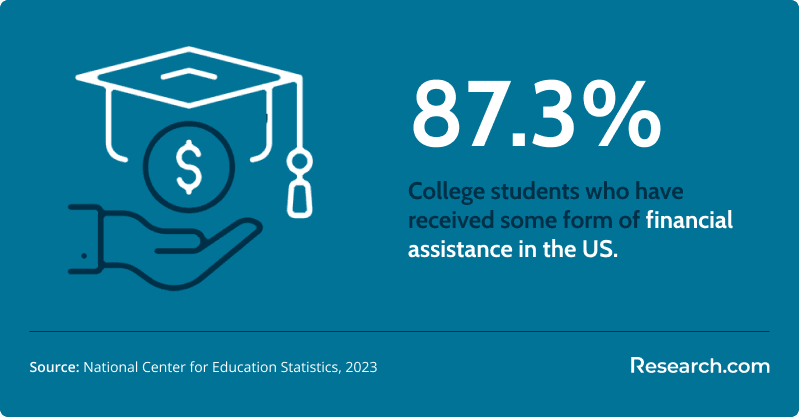
Financial aid can significantly change the final amount a student pays. According to NCES, around 87.3% of students availed of aid, which may include scholarships, grants, loans, or work-study support.
Working professionals should also check whether their employer offers tuition assistance. Some companies with MBA sponsorship programs help pay for graduate business education, often with conditions such as continued employment after graduation.
| Cost factor | Amount stated | What to ask before enrolling |
| Undergraduate tuition | $26,969 annually | Is this the full tuition rate, and does it differ for online, in-state, or transfer students? |
| Books and supplies | $1,220 yearly | Are digital materials, software, or certification prep resources included? |
| Room and board | Around $12,302 for on-campus living at public universities | Can you reduce costs through online study, commuting, or part-time enrollment? |
| Miscellaneous expenses | About $3,790 annually | How much should you budget for transportation, technology, and personal expenses? |
| Estimated yearly total | $44,281 for an on-campus student | What is your net price after aid, transfer credits, and employer support? |
Ways to reduce the cost of preparing for an HR career
- Compare total program cost, not only tuition.
- Ask whether previously earned credits can transfer.
- Consider starting at a lower-cost institution and transferring into a bachelor’s program.
- Look for paid internships or entry-level HR roles while studying.
- Use employer tuition assistance if available.
- Apply for scholarships and grants before relying on loans.
- Choose certification prep carefully; not every expensive course is necessary.
How much do human resources specialists earn?
The Bureau of Labor Statistics reported a median annual wage of $67,650 for human resources specialists in May 2023. Actual pay can be higher or lower depending on location, employer size, industry, specialization, education, certification, and experience.
Salary sites report different averages because they use different datasets and methods:
- Zippia reports an average salary of $53,143 per year.
- ZipRecruiter lists an average salary of $73,918 per year.
- Indeed reports an average base salary of $60,118 per year.
- Salary.com places the average salary between $71,428 and $87,139, with an average of $78,725.
- PayScale lists an average salary of $57,504 for HR specialists with payroll additions.
These differences are a reminder that no single salary number predicts what you will earn. A specialist working in a high-cost metro area, a large corporation, or a technical industry may see different pay than a professional in a smaller organization or lower-cost region. Specialized skills in compensation, analytics, compliance, or talent acquisition may also affect earnings.
| Factor | How it can affect salary |
| Experience | Entry-level roles usually pay less than specialist roles requiring several years of HR practice. |
| Industry | Pay may vary between staffing firms, corporate headquarters, government, healthcare, finance, technology, and education. |
| Location | Large labor markets may offer more openings but may also come with higher living costs. |
| Specialization | Compensation, benefits, analytics, and compliance skills can support movement into higher-responsibility roles. |
| Education and certification | Degrees and credentials can strengthen competitiveness, but they do not guarantee a specific salary. |
The chart below shows salary estimates for human resources specialists across several sources.
How is technology changing HR specialist work?
Technology is shifting HR specialists away from purely administrative work and toward more analytical, service-oriented, and strategic responsibilities. Applicant tracking systems can organize candidates, HR information systems can centralize employee records, payroll tools can reduce manual calculations, and analytics dashboards can help HR teams monitor hiring, turnover, training, and workforce trends.
Artificial intelligence and automation are also affecting HR. These tools may help screen applications, generate job descriptions, summarize employee feedback, schedule interviews, or identify workforce patterns. However, HR specialists still need to review outputs carefully, protect confidentiality, reduce bias, and make decisions that reflect policy, ethics, and human context.
Professionals who want graduate-level preparation for technology-driven HR roles may compare affordable options such as a low-cost online master’s degree in human resources.
| Technology trend | What it changes in HR | What HR specialists should watch |
| Applicant tracking systems | Organizes recruiting workflows, candidate records, and hiring communications | Candidate experience, fair screening practices, and accurate documentation |
| HR information systems | Centralizes employee data, benefits, payroll, time tracking, and reporting | Data privacy, record accuracy, and system permissions |
| AI-assisted tools | Can support writing, screening, scheduling, and analytics | Bias, transparency, compliance, and overreliance on automated recommendations |
| People analytics | Helps HR teams measure workforce patterns and program outcomes | Correct interpretation, ethical use of data, and clear communication to leaders |
| Remote work platforms | Supports distributed hiring, onboarding, training, and performance conversations | Engagement, equity, communication norms, and policy consistency |
How can you advance your HR career?
Career growth in HR usually comes from combining experience, credibility, specialization, and business understanding. Doing your daily tasks well matters, but advancement often depends on whether you can solve larger organizational problems, influence managers, interpret data, and lead projects.
- Move from tasks to outcomes. Instead of only processing paperwork, learn how HR work affects turnover, hiring speed, employee experience, compliance risk, and manager effectiveness.
- Build a specialty. Consider deepening expertise in recruiting, compensation, benefits, employee relations, learning and development, HR analytics, or compliance.
- Earn a recognized credential when appropriate. Certifications can help show commitment and applied knowledge.
- Learn the business. HR professionals who understand revenue, operations, budgets, and workforce planning are better prepared for leadership.
- Seek cross-functional projects. Work with finance, legal, operations, information technology, or department managers to understand how HR decisions affect the whole organization.
- Find mentors. Experienced HR managers, business partners, recruiters, and consultants can help you avoid common career mistakes.
- Consider graduate education strategically. An online MBA in human resources may be useful if your goal is management, strategy, or executive-level HR work.
How can HR specialists support diversity, equity, and inclusion?
Human resources specialists often help turn diversity, equity, and inclusion goals into everyday workplace practices. This can include improving recruiting outreach, standardizing interview processes, supporting inclusive onboarding, tracking workforce data, maintaining fair policies, and helping employees raise concerns safely.
Effective DEI work is not limited to one training session. It requires consistent attention to how people are hired, promoted, evaluated, paid, developed, and retained. HR specialists can help by using structured processes, documenting decisions, reviewing representation and retention patterns, and encouraging respectful communication across teams.
Students and professionals who want to explore HR-related career options can also review what you can do with a human resource management degree.
Practical DEI actions for HR specialists
- Use consistent interview questions and scoring rubrics.
- Review job descriptions for unnecessary requirements that may exclude qualified candidates.
- Train hiring teams on fair evaluation practices.
- Track promotion, retention, and training participation patterns.
- Make benefits and leave information easy for employees to understand.
- Maintain clear complaint and reporting procedures.
- Support managers in handling sensitive conversations respectfully and legally.
Can an online associate degree help start an HR career?
An online associate degree can be a practical first step for students who want HR knowledge without immediately committing to a four-year program. It may help prepare for HR assistant, recruiting assistant, payroll support, office administration, or benefits support roles. It can also create a transfer pathway into a bachelor’s degree.
The key is to check whether credits will transfer, whether the program covers practical HR topics, and whether career services can help students find internships or entry-level roles. For program comparisons, review options for an online associate degree in human resources.
| Online associate degree may be a good fit if | Consider another option if |
| You need a flexible, lower-cost entry point into HR education | You are targeting employers that strongly prefer a bachelor’s degree for specialist roles |
| You want to work while studying | You need extensive in-person networking or campus recruiting access |
| You plan to transfer into a bachelor’s program later | The credits are unlikely to transfer to your target school |
| You want entry-level administrative HR skills | You already have a degree and need certification or specialized HR experience instead |
Where do human resources specialists work?
Human resources specialists are employed across many sectors because most organizations need structured hiring, employee records, benefits support, training coordination, and compliance processes. According to the Bureau of Labor Statistics, industries with the highest levels of employment for human resources specialists include employment services, management of companies and enterprises, and government sectors.
Industries with strong HR specialist employment
- Employment services: Staffing and employment service firms use HR specialists to support hiring, placement, screening, and client workforce needs.
- Management of companies and enterprises: Corporate offices often need HR teams to manage internal hiring, benefits, employee relations, and workforce policies.
- Government: Public agencies employ HR specialists to support recruitment, employee services, labor policies, and compliance across departments.
The chart below highlights sectors that offer some of the highest salaries for HR professionals, showing where employers may place a premium on HR expertise.
States with high HR specialist employment
- California: The state has the highest number of HR specialist positions, reflecting its large and varied economy.
- Texas: Cities such as Dallas and Houston support a broad job market for HR professionals.
- New York: HR roles are available across public agencies, private companies, and major institutional employers.
Do you need an advanced degree for HR leadership?
An advanced degree is not always required to become an HR specialist, but it may help professionals who want to move into senior management, HR strategy, executive leadership, consulting, or specialized organizational development roles. The value depends on your current education, work experience, employer expectations, and target role.
Before enrolling, compare the cost of the degree with your likely career benefit. Ask whether the program offers HR strategy, employment law, analytics, leadership, finance, and organizational change coursework. If you are weighing graduate business education, review whether an MBA in HR is worth it for your career goals.
When an advanced degree may make sense
- You want to move from HR operations into HR leadership.
- You need stronger business, finance, and strategy skills.
- Your target employers prefer graduate education for management roles.
- You want to transition into consulting or executive-level HR.
- Your employer provides tuition assistance or sponsorship.
When an advanced degree may not be necessary yet
- You have limited HR experience and need practical exposure first.
- Your target role values certification or direct experience more than graduate education.
- The program cost would create heavy debt without a clear advancement plan.
- You are unsure which HR specialty you want to pursue.
Can business administration skills improve HR strategy?
Yes. Business administration skills can make HR professionals more effective because HR decisions affect budgets, productivity, staffing levels, risk, retention, and organizational performance. A specialist who understands finance, operations, strategy, and data can communicate more effectively with executives and managers.
This is one reason many HR professionals study business administration or pursue business-focused graduate programs. If you are still deciding on an undergraduate major, consider whether business administration is a good major for your goals.
| Business skill | How it helps in HR |
| Finance and budgeting | Supports compensation planning, benefits analysis, staffing budgets, and training investments |
| Operations management | Helps align staffing, scheduling, onboarding, and productivity needs |
| Data analysis | Improves workforce reporting, turnover analysis, recruiting metrics, and program evaluation |
| Strategic planning | Connects talent decisions to long-term organizational goals |
| Leadership communication | Helps HR professionals influence managers and explain policy decisions clearly |
What is the job outlook for human resources specialists?
The job outlook is positive. The U.S. Bureau of Labor Statistics projects employment of human resources specialists to grow by 8% from 2023 to 2033, which is faster than the average for all occupations. Demand is tied to employers’ ongoing need to recruit workers, retain employees, manage benefits, comply with employment laws, and support increasingly complex workplaces.
The BLS also expects approximately 86,200 job openings for human resources specialists each year over the decade. Many openings are expected to come from workers transferring to different occupations or leaving the labor force, including retirement.
Job seekers should still expect competition for desirable HR roles, especially in large employers or high-paying metro areas. Candidates with internships, HR systems experience, certification, strong communication skills, and knowledge of employment compliance may be better positioned.
Is a human resources specialist career worth it?
A human resources specialist career is worth considering if you want a stable business role with people-focused responsibilities, advancement options, and broad industry demand. The median annual wage was $67,650 in 2023, and top earners made over $121,800. However, the financial return depends on your education cost, location, experience, industry, and career progression.
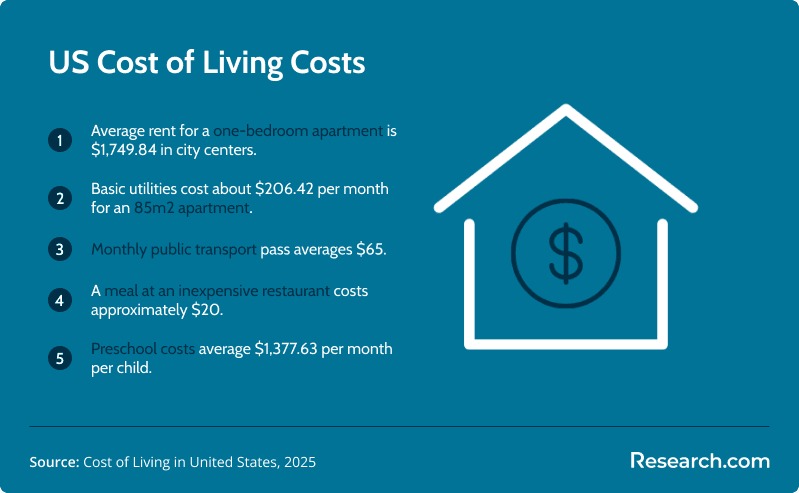
The education investment can be substantial. Average tuition for a bachelor’s degree in human resources is around $26,969 annually, and the estimated yearly total for an on-campus student can reach $44,281 when books, room and board, and miscellaneous expenses are included. Living costs also matter. Average living expenses without rent are approximately $1,172.8 per month for a single person, so a salary that feels strong in one area may stretch less in a high-cost city.
For experienced professionals seeking leadership roles, an affordable executive MBA may be one option to build management and strategic skills. It should be evaluated carefully against tuition, time, employer support, and realistic career goals.
| This career may be worth it if | You may want another path if |
| You enjoy helping people while working within business rules and systems | You dislike documentation, policy interpretation, or sensitive conversations |
| You want a role used across many industries | You prefer work with little interpersonal conflict or compliance responsibility |
| You are willing to keep learning employment rules and HR technology | You want a career where duties remain mostly unchanged over time |
| You want advancement options into management, analytics, benefits, recruiting, or consulting | You are not interested in business operations or organizational decision-making |
| You can manage education costs through aid, transfer credits, employer support, or affordable programs | The required education would create debt without a clear plan for employment or promotion |
The image below provides a general view of costs typical U.S. residents may face.
What challenges do HR specialists face?
Human resources work can be rewarding, but it is not always easy. HR specialists often handle sensitive issues, competing priorities, changing employment rules, confidential information, and emotionally charged conversations. They must support employees while also protecting the organization’s legal and operational interests.
- Balancing employee needs and employer requirements: HR must often support both fairness for employees and the organization’s policies, budgets, and legal obligations.
- Handling conflict: Employee complaints, manager concerns, performance issues, and workplace disputes require calm communication and careful documentation.
- Maintaining compliance: Employment laws, leave rules, wage practices, benefits requirements, and recordkeeping standards can change and may vary by location.
- Protecting confidentiality: HR specialists work with private employee information and must manage access carefully.
- Adapting to technology: New HR systems can improve efficiency but also require training, data accuracy, and ethical oversight.
- Supporting DEI and culture work: HR may be expected to help address systemic issues while also managing legal, organizational, and interpersonal complexity.
Professionals who want advanced preparation for broader HR roles can explore what you can do with a master’s in human resources.
Common mistakes to avoid when preparing for an HR career
| Mistake | Why it can hurt you | Better approach |
| Choosing a program without checking accreditation | Credits, financial aid eligibility, and employer recognition may be affected | Verify institutional accreditation before enrolling |
| Looking only at tuition | Books, fees, housing, transportation, and lost work hours can change the real cost | Compare total cost and net price after aid |
| Assuming a degree guarantees an HR job | Employers often look for experience, communication skills, and HR systems familiarity | Complete internships, projects, or entry-level HR work while studying |
| Ignoring technology skills | Many HR roles require comfort with applicant tracking systems, HRIS platforms, spreadsheets, and reporting | Practice with HR software concepts, data tools, and digital communication |
| Getting certified too early without a plan | Certification may have limited value if it is not tied to experience or career goals | Choose credentials that match your role, eligibility, and next career step |
| Underestimating emotional labor | HR professionals may handle complaints, layoffs, investigations, and conflict | Build resilience, documentation habits, and professional boundaries |
Questions to ask before choosing an HR degree or career path
- Is the program institutionally accredited?
- Does the curriculum include employment law, recruiting, compensation, benefits, HR systems, analytics, and employee relations?
- Can I complete an internship or applied HR project?
- What career services are available for online and campus students?
- How much will I pay after scholarships, grants, transfer credits, and employer assistance?
- Do credits transfer if I start with an associate degree?
- Which HR specialty interests me most: recruiting, benefits, compliance, training, employee relations, analytics, or management?
- Will certification help in my target job market?
- What salary range is realistic in my region and industry?
- Am I comfortable handling confidential information and difficult workplace conversations?
What HR professionals say about the career
- My HR role lets me improve the workplace in visible ways. I spend a lot of time helping people work through problems, and it is satisfying when those conversations lead to better communication and stronger team morale. Jaycee
- Studying online gave me enough flexibility to begin working in HR before finishing my program. Being able to apply coursework immediately made the transition into the field much smoother. Calum
- Recruiting and talent management became the area where I found the best fit. I like matching people with roles where they can contribute, and I enjoy knowing that hiring decisions shape the company’s future. Charlie
Key Insights
- Human resources specialists support hiring, onboarding, benefits, employee relations, compliance, training, and workforce systems.
- The BLS reported a median annual wage of $67,650 in May 2023 and projects 8% employment growth from 2023 to 2033.
- A bachelor’s degree is the common entry point, but internships, HR assistant experience, systems knowledge, and communication skills are also important.
- Certifications such as SHRM-CP, PHR, and IPMA-CP can strengthen credibility, especially when paired with real HR experience.
- The estimated yearly cost for an on-campus student can reach $44,281, so students should compare net price, aid, transfer credits, and employer support.
- Technology is changing HR work. Specialists who understand HR systems, analytics, AI risks, and data privacy may be better prepared for future roles.
- The career is a strong fit for people who can balance empathy with policy, confidentiality, documentation, and business needs.
- Before committing to a degree or graduate program, compare cost, accreditation, curriculum, work experience opportunities, and realistic salary outcomes in your location.
References:
- Bureau of Labor Statistics. Human Resources Specialists.
- Bureau of Labor Statistics. Human Resources Specialists: Job Outlook.
- College Tuition Compare. Human Resources Management/Personnel Administration.
- Education Data Initiative. Average Cost of College.
- Numbeo. Cost of Living in United States.
- Zippia. Human Resource Specialist Salaries.
Other Things You Should Know About Human Resources Specialists
To become a human resources specialist in 2027, candidates typically need a bachelor's degree in human resources, business administration, or a related field. Some employers may prefer candidates with certifications like the SHRM-CP or PHR. Relevant internships or work experience in human resources can also enhance job prospects.
Transitioning to a human resources career from another field is quite common and can be advantageous. Professionals often bring valuable transferable skills such as leadership, project management, and effective communication. These skills are foundational in HR roles, especially in areas like training and development, employee relations, and organizational planning, enhancing the adaptability and diversity within the HR department.
In 2027, the most valuable skills for a human resources specialist include strong communication abilities, proficiency in HR software, understanding of employment laws, and conflict resolution skills. These capabilities ensure effective management of workforce resources and navigate developing technological trends in HR management.


