
2027 How to Become an HR Consultant

Co-Founder and Chief Data Scientist
HR consulting is a practical career path for experienced people professionals who want to solve workforce problems across organizations instead of managing HR inside only one employer. Demand is being shaped by changing employment regulations, hybrid work, pay transparency concerns, talent retention, employee engagement, and the growing use of HR technology. The US Bureau of Labor Statistics projects employment for human resources specialists to grow by 8% from 2023 to 2033, faster than the average for all occupations (US BLS, 2025).
This guide explains what HR consultants do, how to prepare for the field, which entry-level roles build the right experience, what certifications can help, how pay varies, and how to decide whether consulting is a better fit than a corporate HR career. It is written for students, HR assistants, recruiters, HR generalists, managers, and career changers who want a realistic path into HR consulting.
Quick answer: How do you become an HR consultant?
To become an HR consultant, you usually need a strong foundation in human resources, business, employment compliance, workforce analytics, and client communication. Many professionals start in roles such as HR assistant, recruiter, HR specialist, compensation analyst, or management analyst before moving into consulting. A bachelor’s degree in human resources, business, or a related field is commonly expected for HR specialist roles, while certifications such as SHRM-CP, PHR, or SPHR can strengthen credibility. Consultants also need practical experience because clients typically hire them to solve problems, not just explain HR theory.
What are the benefits of becoming an HR consultant?
- Broader career options: HR consulting can lead to work as a human resources specialist, compensation, benefits, and job analysis specialist, management analyst, HR manager, or compensation and benefits manager, depending on experience and education.
- Competitive earning potential: In 2023, human resources specialists in the US earned a median annual wage of $67,650, while human resources managers earned $136,350 (US BLS, 2024).
- Industry flexibility: HR consultants can support employers in healthcare, manufacturing, government, professional services, insurance, finance, and other sectors that need help with people, compliance, and organizational change.
- What does an HR consultant do in 2026?
- Which industries hire HR consultants and HR professionals?
- What skills do successful HR consultants need?
- Do you need a degree to become an HR consultant?
- Which certifications are most useful for HR consultants?
- What entry-level HR jobs prepare you for consulting?
- How much can HR consultants and related HR professionals earn?
- How do HR consultants keep up with industry change?
- What challenges should HR consultants expect?
- Can advanced business degrees help HR consultants move up?
- How does technology affect HR consulting?
- What trends should HR consultants prepare for?
- Can project management skills improve HR consulting work?
- Is HR consulting in demand?
- How can HR consultants stand out in a competitive market?
- How is HR consulting different from corporate HR?
- How should HR consultants measure results?
What does an HR consultant do in 2026?
An HR consultant advises organizations on workforce strategy, HR operations, employment compliance, employee relations, compensation, hiring, training, and organizational effectiveness. Unlike an in-house HR employee who usually serves one employer, a consultant may support several clients, work on defined projects, or provide ongoing advisory services.
The work can overlap with many human resources roles and responsibilities. A consultant might revise an employee handbook, audit hiring practices, design a performance management process, recommend retention strategies, train supervisors, help resolve workplace conflict, or evaluate whether HR practices comply with applicable rules.
Some consultants are generalists, especially when serving small businesses. Others specialize in areas such as compensation, benefits, diversity and inclusion, leadership development, employee engagement, HR technology implementation, labor relations, talent acquisition, or organizational restructuring. Professionals who want a broader business foundation often compare online business administration degree programs because HR consulting requires understanding both people issues and business goals.
| Consulting service area | Typical client problem | What the HR consultant may deliver |
| Compliance and policy | The employer needs policies that reduce legal and operational risk. | Employee handbooks, policy audits, manager guidance, and compliance workflows. |
| Talent acquisition | The organization struggles to attract or select qualified candidates. | Recruiting process reviews, interview guides, job descriptions, and hiring metrics. |
| Compensation and benefits | Pay practices are inconsistent or retention is becoming difficult. | Job analysis, pay structure recommendations, benefits review, and retention guidance. |
| Employee relations | Managers need support handling conflict, complaints, or performance issues. | Investigation support, coaching, documentation practices, and escalation procedures. |
| Organizational development | The company is changing structure, leadership, or culture. | Change management plans, leadership training, engagement strategies, and communication plans. |
| HR technology | The employer needs better systems for recruiting, payroll, data, or employee records. | Needs assessments, vendor selection input, implementation support, and process redesign. |
Which industries hire HR consultants and HR professionals?
HR consultants are hired wherever employers need help managing people, pay, compliance, hiring, or organizational change. The strongest opportunities often come from industries with large workforces, complex regulations, rapid hiring needs, or specialized compensation structures.
In 2023, the largest employers of human resources specialists in the US were the following (US BLS, 2025):
- Employment Services: 16%
- Professional, Scientific, and Technical Services: 14%
- Healthcare and Social Assistance: 10%
- Government: 9%
- Manufacturing: 7%
For compensation, benefits, and job analysis specialists, the largest US employers in 2023 were (US BLS, 2024):
- Insurance Carriers and Related Activities: 19%
- Professional, Scientific, and Technical Services: 14%
- Management of Companies and Enterprises: 12%
- Healthcare and Social Assistance: 8%
- Local Government, excluding Education and Hospitals: 7%
For management analysts, the largest US employers in 2023 were (US BLS, 2024):
- Professional, Scientific, and Technical Services: 35%
- Government: 15%
- Self-employed Workers: 14%
- Finance and Insurance: 13%
- Management of Companies and Enterprises: 4%
The chart below shows the largest employers of human resources specialists in the US in 2023, based on 2024 US BLS data.
What skills do successful HR consultants need?
HR consultants need more than general people skills. They must diagnose business problems, translate HR rules into workable processes, communicate with leaders and employees, and produce recommendations that clients can implement. Students building a business foundation sometimes compare the most affordable online business administration programs to gain exposure to management, finance, organizational behavior, and operations.
| Skill area | Why it matters in consulting | How to build it |
| Employment law and HR compliance | Clients rely on consultants to identify risk and design sound policies. | Work in HR operations, complete compliance training, follow regulatory updates, and pursue HR credentials. |
| Problem-solving and analysis | Consultants must move from symptoms, such as turnover or low engagement, to root causes. | Practice HR data analysis, learn workforce metrics, and document decisions with evidence. |
| Communication | Consultants often explain sensitive issues to executives, managers, employees, and legal or finance teams. | Develop presentation, facilitation, writing, interviewing, and conflict-resolution skills. |
| Business judgment | HR recommendations must fit budget, strategy, risk tolerance, and operating realities. | Study business administration, work with cross-functional teams, and learn how organizations make decisions. |
| Project management | HR consulting projects often involve timelines, stakeholders, deliverables, and change resistance. | Lead small HR initiatives, learn project planning methods, and track outcomes. |
| Client relationship management | Consulting depends on trust, confidentiality, follow-through, and repeat engagements. | Practice expectation-setting, scope control, active listening, and clear reporting. |
Do you need a degree to become an HR consultant?
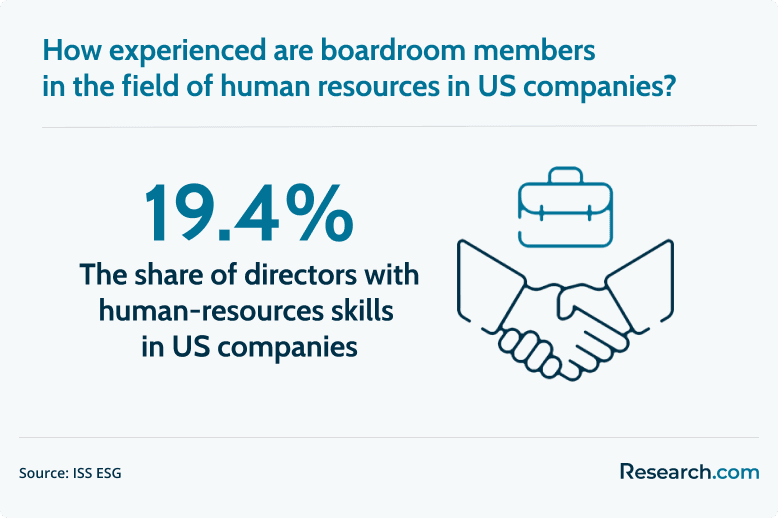
A degree is not the only thing that matters, but it often helps. Human resources specialists are typically expected to have a bachelor’s degree in human resources, business, or a related field. The same foundation can help professionals who begin in recruiting and later move into consulting; readers exploring that route can review the HR recruiter career path.
For many aspiring consultants, the best preparation is a combination of education, HR work experience, and proof of specialized expertise. A human resources degree, business degree, psychology degree, industrial-organizational background, or related credential may all be relevant depending on the consulting niche. Those interested in employee support, workplace well-being, and service-oriented roles may also consider an online human services degree.
Experience is especially important. Clients usually want a consultant who has handled real HR problems, such as hiring bottlenecks, manager training, policy gaps, compensation questions, or employee relations concerns. Professionals without an HR degree can still build a path by gaining hands-on HR experience, earning respected certifications, and developing a clearly defined specialty.
| Path | When it makes sense | Potential limitation |
| Bachelor’s degree in HR or business | You are starting your career and want eligibility for common HR roles. | A degree alone may not be enough for consulting without work experience. |
| HR experience plus certification | You already work in HR and need stronger credibility with employers or clients. | Certification requirements and exam preparation take planning. |
| Career change from operations, management, or analytics | You have business experience and want to specialize in workforce problems. | You may need targeted HR compliance and employee relations training. |
| Graduate business or HR education | You want senior advisory, leadership, organizational strategy, or executive-level work. | Cost and time should be weighed against realistic career goals. |
Which certifications are most useful for HR consultants?
HR certifications can help consultants show that they understand current HR practices, compliance concepts, and professional standards. They are most valuable when paired with relevant experience. Some professionals also compare an accelerated MBA program when they want to strengthen business strategy, leadership, and organizational decision-making skills.
| Certification | Best fit | Why it can help consultants |
| Society of Human Resource Management-Certified Professional (SHRM-CP) | HR professionals who want to demonstrate applied HR knowledge in operational or HR-related responsibilities. | It focuses on using HR principles in real workplace situations, which aligns well with advisory work. |
| Professional in Human Resources (PHR) | Professionals with experience in HR management and program implementation. | It emphasizes US employment laws, talent acquisition, compensation, and HR operations. |
| Senior Professional in Human Resources (SPHR) | Experienced HR professionals pursuing strategic, senior-level, or executive-facing consulting work. | It validates knowledge in strategic HR planning, leadership, and business management. |
The right credential depends on your background and target clients. For example, a consultant serving small and mid-sized businesses may benefit from strong compliance and generalist knowledge, while a consultant advising executives on restructuring or workforce strategy may need deeper strategic HR experience. Building experience through the HR specialist career path can also help future consultants understand the practical issues clients face every day.
What entry-level HR jobs prepare you for consulting?
Most HR consultants do not begin by consulting. They first learn how HR works inside organizations. A common starting point is HR assistant work. If you are asking what it takes to become an HR assistant, expect duties such as maintaining employee files, supporting recruiting, helping with onboarding, assisting payroll or benefits processes, and following company policies. Education requirements vary by employer, but a background in HR, business, or a related field is often useful.
Students who want a people-centered academic path may also compare an affordable online human services degree, especially if their interests include employee support, workplace wellness, organizational behavior, and service delivery.
The following roles can build experience that later translates into consulting:
- Human Resources Specialists: These professionals work on recruiting, onboarding, employee relations, HR records, and compliance. The role is useful preparation because consultants need to understand how HR policies operate in practice. In 2023, 933,700 human resources specialists were employed in the US (US BLS, 2024).
- Compensation, Benefits, and Job Analysis Specialists: These professionals analyze jobs, evaluate pay practices, and help structure compensation and benefits. Their background can lead to consulting work in pay equity, salary structures, benefits design, or retention. In 2023, 103,700 compensation, benefits, and job analysis specialists worked in the US (US BLS, 2024).
- Management Analysts: These professionals help organizations improve efficiency and solve business problems. The role can be especially relevant for HR consultants focused on organizational design, workforce planning, process improvement, or change management. In 2023, 1,018,300 management analysts were employed across the US (US BLS, 2024).
| Career stage | Common roles | What to learn before moving forward |
| Entry level | HR assistant, recruiting coordinator, benefits assistant | HR systems, documentation, employee records, onboarding, and basic compliance. |
| Early professional | HR specialist, recruiter, HR generalist, compensation analyst | Employee relations, hiring strategy, job analysis, policy interpretation, and manager support. |
| Experienced professional | HR business partner, senior specialist, HR manager, management analyst | Workforce planning, organizational change, project leadership, analytics, and executive communication. |
| Consulting-ready | Independent consultant, consulting firm analyst, HR advisor, specialized consultant | Client scoping, pricing, deliverables, measurable outcomes, and business development. |
The chart below shows employment levels for selected HR-related professionals in the US in 2023, based on 2024 US BLS data.
How much can HR consultants and related HR professionals earn?
HR consultant income varies widely because pay depends on experience, specialization, employment arrangement, client size, industry, and whether the consultant works independently or for a firm. A consultant with a narrow high-demand specialty, such as compensation design, HR compliance, workforce analytics, or executive coaching, may price services differently from a generalist serving small businesses. Professionals planning graduate study sometimes review high-paying MBA concentration options when comparing business, leadership, and HR-related tracks.
For context, the following are 2023 median annual wages for related HR and business roles in the US (US BLS, 2024):
- Human Resources Specialists: $67,650
- Compensation, Benefits, and Job Analysis Specialists: $74,530
- Management Analysts: $99,410
- Human Resources Managers: $136,350
- Compensation and Benefits Managers: $136,380
| Factor | How it affects earning potential |
| Experience level | Clients generally pay more for consultants who have handled comparable problems before. |
| Specialization | Technical areas such as compensation, compliance, analytics, or change management can support stronger positioning. |
| Client type | Large corporations, regulated employers, and fast-growing companies may have more complex HR needs than very small organizations. |
| Pricing model | Independent consultants may use hourly rates, project fees, retainers, or ongoing advisory agreements. |
| Location and market | Demand, local labor conditions, and industry mix can affect pay and consulting fees. |
The chart below visualizes 2023 median annual wages for HR-related professionals in the US, using 2024 US BLS data.
How do HR consultants keep up with industry change?
Strong HR consultants treat professional development as part of the job. They monitor employment law updates, study workforce data, follow changes in benefits and compensation practices, attend HR events, complete continuing education, and learn how new HR technology affects recruiting, employee records, analytics, and compliance. Consultants who want formal graduate-level preparation may compare the most affordable online master’s degrees in human resources to build advanced knowledge in modern HR management.
Staying current matters because outdated advice can create risk for clients. A consultant should be able to explain what has changed, why it matters, what the client should do next, and how success will be measured.
What challenges should HR consultants expect?
HR consulting can be rewarding, but it also involves ambiguity, client pressure, sensitive information, and constant change. The biggest challenges are usually not only technical; they also involve trust, communication, and implementation.
- Changing employment rules: Consultants must keep up with labor regulations and workplace requirements so clients do not rely on outdated policies or risky practices.
- Diversity, equity, and inclusion work: Clients may ask consultants to review hiring, promotion, culture, and leadership practices. This work requires care, evidence, and the ability to handle difficult conversations.
- Remote and hybrid work: Employers continue to need guidance on engagement, performance management, communication, cybersecurity coordination, and policy consistency for distributed teams.
- Scope creep: A client may ask for extra work beyond the original agreement. Consultants need clear proposals, deliverables, and change-order practices.
- Proving value: HR outcomes can take time. Consultants should define success metrics before a project begins.
Can advanced business degrees help HR consultants move up?
Advanced business education can help HR consultants who want to advise senior leaders, lead larger projects, or specialize in organizational strategy. A Doctorate in Business Administration may be relevant for professionals who want deeper training in applied research, executive decision-making, and complex organizational problem-solving. Cost matters, so professionals comparing doctoral options may want to review the most affordable online DBA programs before committing.
A graduate degree is not required for every HR consultant. It makes the most sense when the program supports a clear goal, such as executive consulting, leadership development, research-based advisory work, higher education teaching, or senior organizational strategy.
How does technology affect HR consulting?
Technology is changing what clients expect from HR consultants. Employers increasingly use cloud-based HR systems, recruiting platforms, analytics dashboards, learning systems, and AI-supported tools. Consultants who understand these tools can help clients improve workflows, strengthen reporting, reduce manual work, and make more consistent decisions.
Technology does not replace HR judgment. It increases the need for consultants who can evaluate data quality, identify bias risks, protect employee information, and explain technology decisions in practical business terms. Professionals who want a faster graduate business route may explore the best one-year online MBA programs as one way to combine management training with digital strategy and organizational leadership.
What trends should HR consultants prepare for?
Several workplace trends are shaping HR consulting. Employers need support with hybrid work practices, workforce analytics, skills-based hiring, employee retention, compliance planning, manager training, and responsible use of AI in HR processes. Consultants should also expect clients to ask for more evidence: not just recommendations, but metrics, benchmarks, implementation plans, and follow-up reporting.
Business education can be useful when consultants need to connect HR solutions to finance, operations, strategy, and leadership. Those comparing graduate options may consider affordable AACSB-accredited online MBA programs if accreditation, business rigor, and cost are important decision factors.
Can project management skills improve HR consulting work?
Project management is highly relevant to HR consulting because many engagements involve multiple stakeholders, deadlines, risks, dependencies, and deliverables. A consultant implementing a new performance review process, restructuring job descriptions, training managers, or supporting HR technology adoption needs more than subject-matter knowledge; they need a repeatable way to plan and execute.
Project management training can help consultants define scope, manage expectations, communicate progress, identify risks, and close projects with documented results. Professionals who want formal preparation in this area may compare the fastest online project management degree options to decide whether a structured program fits their goals.
Is HR consulting in demand?
HR consulting is supported by demand for HR, compensation, benefits, and management analysis expertise. Organizations need help with compliance, hiring, workforce planning, employee retention, compensation, benefits, and organizational change. US BLS projections show employment growth from 2023 to 2033 for several related roles (US BLS, 2024, 2025):
- Human Resources Specialists: 8%
- Compensation, Benefits, and Job Analysis Specialists: 7%
- Management Analysts: 11%
- Human Resources Managers: 6%
- Compensation and Benefits Managers: 2%
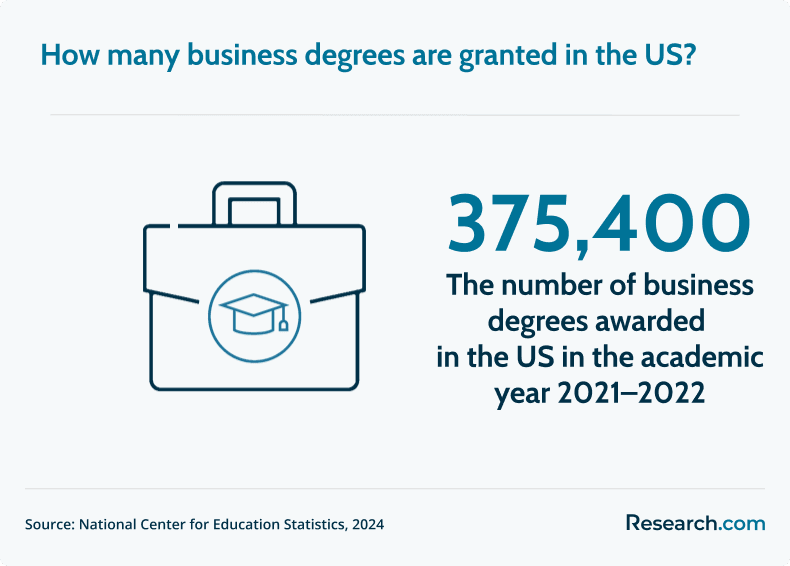
HR expertise has also become more visible at senior governance levels. CNBC reported that directors with human resources experience increased from 11.3% in 2020 to 19.4% in 2022, based on Institutional Shareholder Services (ISS) ESG data. This suggests that workplace issues have become more important in board-level conversations.
How can HR consultants stand out in a competitive market?
HR consultants build a competitive edge by becoming known for a specific, valuable outcome. Instead of marketing themselves only as “HR consultants,” they can position around problems such as reducing turnover, improving manager capability, building compliant HR processes for growing companies, redesigning compensation structures, or implementing HR technology.
- Choose a niche: A clear specialty helps clients understand when to hire you.
- Show evidence: Use case studies, before-and-after metrics, testimonials, and documented deliverables when possible.
- Build business skills: Consulting requires pricing, sales, project scoping, negotiation, and client management. Some professionals strengthen these skills through accredited online MBA programs.
- Create reusable methods: Assessment tools, audit checklists, manager training frameworks, and implementation roadmaps can make consulting work more consistent.
- Stay current: Clients pay for judgment that reflects today’s workplace, not outdated HR habits.
How is HR consulting different from corporate HR?
Corporate HR and HR consulting both focus on people, policies, and organizational performance, but the work environment is different. Corporate HR professionals usually support one employer over time. HR consultants advise clients from outside the organization or through a consulting firm, often on specific problems or projects.
| Category | Corporate HR | HR consulting |
| Employer relationship | You are an employee of one organization. | You may advise multiple clients or work for a consulting firm. |
| Primary focus | Daily HR operations, employee support, internal policies, and ongoing programs. | Problem diagnosis, strategic recommendations, project work, and implementation support. |
| Career structure | Advancement often follows internal roles such as specialist, generalist, HR business partner, manager, and director. | Growth may come through specialization, client portfolio, firm promotion, independent practice, or advisory reputation. |
| Work variety | Issues are usually tied to one employer’s workforce and culture. | Projects can vary by client, industry, size, and urgency. |
| Risk and autonomy | Income and role expectations may be more predictable. | Independent consultants may have more flexibility but also must manage sales, contracts, and client delivery. |
How should HR consultants measure results?
HR consultants should define success before work begins. Good measures connect directly to the client’s goals, such as faster hiring, stronger compliance, better manager practices, lower turnover, improved engagement, cleaner HR processes, or cost savings. Consultants should combine numbers with qualitative feedback because HR outcomes often involve both measurable changes and employee or manager experience.
| Consulting goal | Possible success measures |
| Improve recruiting | Time-to-hire, candidate quality indicators, hiring manager satisfaction, process completion rates. |
| Strengthen retention | Turnover trends, exit interview themes, engagement feedback, manager action plans. |
| Improve compliance | Policy updates completed, training participation, audit findings resolved, documentation consistency. |
| Upgrade training | Training completion, participant feedback, manager observations, post-training behavior changes. |
| Support organizational change | Milestones met, stakeholder adoption, communication effectiveness, risk issues resolved. |
Professionals planning their education can also review guidance on how long a human resources degree takes when mapping academic preparation against career timelines and consulting goals.
Common mistakes to avoid when preparing for HR consulting
| Mistake | Why it can hurt your career | Better approach |
| Trying to consult before gaining enough HR experience | Clients expect practical judgment, not only textbook knowledge. | Build experience in HR operations, recruiting, compliance, compensation, or organizational development first. |
| Choosing a degree or program without checking accreditation | Unaccredited education may not carry weight with employers, clients, or graduate schools. | Confirm institutional accreditation and evaluate program outcomes before enrolling. |
| Focusing only on tuition | Fees, books, time away from work, and transfer credit policies can change total cost. | Compare total cost, financial aid, completion time, and credit transfer options. |
| Assuming certification guarantees clients | Credentials help, but consulting also depends on reputation, results, and business development. | Pair certifications with case examples, measurable outcomes, and a clear niche. |
| Ignoring technology | Many HR problems now involve systems, data, automation, or analytics. | Learn common HR platforms, reporting practices, and responsible use of AI-supported tools. |
| Relying only on broad HR knowledge | Generalists can be valuable, but vague positioning can make marketing harder. | Develop a specific service area, target client type, or repeatable consulting method. |
Questions to ask before pursuing HR consulting
- Which HR problems do I have enough experience to solve for paying clients?
- Do I want to work independently, join a consulting firm, or consult internally within a large organization?
- Which niche fits my background: compliance, recruiting, compensation, employee relations, DEI, training, analytics, or organizational development?
- What evidence can I show that my HR work improved outcomes?
- Do I need a degree, certification, graduate program, or targeted training to close a credibility gap?
- How will I price services, define scope, and handle client expectations?
- Which industries understand and value the type of HR expertise I offer?
Key Insights
- HR consulting is best suited for professionals who can connect HR knowledge with business outcomes, client communication, and practical implementation.
- A bachelor’s degree in human resources, business, or a related field is commonly expected for HR specialist roles, but consulting credibility depends heavily on real-world experience.
- In 2023, 933,700 human resources specialists were employed in the US, and the role is projected to grow by 8% from 2023 to 2033 (US BLS, 2024, 2025).
- Certifications such as SHRM-CP, PHR, and SPHR can strengthen your profile, but they work best when paired with a clear specialty and documented results.
- Median 2023 wages show strong earning potential in related roles: $67,650 for human resources specialists, $99,410 for management analysts, and $136,350 for human resources managers (US BLS, 2024).
- The strongest consultants measure outcomes, manage scope carefully, stay current on employment and technology trends, and position themselves around specific client problems.
References:
- National Center for Education Statistics. (2024, May). Undergraduate Degree Fields. https://nces.ed.gov/programs/coe/indicator/cta
- US Bureau of Labor Statistics. (2024, August 29). Compensation, Benefits, and Job Analysis Specialists. Occupational Outlook Handbook. https://www.bls.gov/ooh/business-and-financial/compensation-benefits-and-job-analysis-specialists.htm
- US Bureau of Labor Statistics. (2024, August 29). Compensation and Benefits Managers. Occupational Outlook Handbook. https://www.bls.gov/ooh/management/compensation-and-benefits-managers.htm
- US Bureau of Labor Statistics. (2025, February 12). Human Resources Managers. Occupational Outlook Handbook. https://www.bls.gov/ooh/management/human-resources-managers.htm
- US Bureau of Labor Statistics. (2025, February 12). Human Resources Specialists. Occupational Outlook Handbook. https://www.bls.gov/ooh/business-and-financial/human-resources-specialists.htm
Other Things You Should Know About How to Become an HR Consultant
In 2027, obtaining certifications like the Professional in Human Resources (PHR) or the SHRM Certified Professional (SHRM-CP) is essential for HR consultants. These certifications, offered by recognized bodies, validate expertise in human resources practices and can significantly enhance career prospects.
To become an HR consultant in 2027, a bachelor's degree in human resources, business administration, or a related field is typically required. Advanced qualifications, such as a master's degree or specialized HR courses and certifications, may enhance job prospects and expertise.
HR consultants are commonly expected to follow the SHRM Code of Ethical and Professional Standards if they belong to SHRM, plus strict confidentiality rules in client contracts. They must avoid conflicts of interest, protect employee data, and keep client information separate from any other advisory work.


