2027 Health Systems Management Skills Gap Analysis: What Employers Want vs What Degree Programs Teach

Co-Founder and Chief Data Scientist
A recent graduate with a degree in health systems management steps into the job market only to find many employers seek skills rarely emphasized in their program. Despite mastering theoretical frameworks, they struggle to demonstrate practical capabilities like data analytics or change management during interviews. Such gaps can delay career entry or limit advancement opportunities in a rapidly evolving healthcare environment.
Employers prioritize adaptable professionals who can navigate complex systems and drive operational improvements immediately. Meanwhile, degree programs often focus on foundational knowledge without fully aligning curricula with current industry demands. This article analyzes the divergence between employer expectations and what health systems management programs teach, helping readers identify critical skill shortages and make informed decisions to enhance their workforce readiness.
Key Things to Know About Health Systems Management Skills Gap
- Degree programs in health systems management often emphasize theoretical frameworks, while employers prioritize proficiency in data analytics and operational technology, highlighting a persistent curricular-expectation mismatch.
- A 2024 survey revealed over 65% of health systems management graduates must independently develop leadership and financial modeling skills post-graduation, indicating significant on-the-job learning requirements beyond classroom instruction.
- Proactive engagement in internships and cross-disciplinary projects enhances practical problem-solving and communication skills, directly improving employability by aligning graduate capabilities with complex, real-world health system challenges.
- Key Things to Know About Health Systems Management Skills Gap Key Things to Know About Health Systems Management Skills Gap
- What Skills Do Employers Expect From Health Systems Management Graduates? Employer Expectations
- What Do Health Systems Management Degree Programs Typically Teach? Program Curriculum
- Where Is the Biggest Skills Gap Between Health Systems Management Programs and Employers? Biggest Skills Gap
- Which Technical Skills Are Most Important for Health Systems Management Careers? Technical Skills
- Which Workplace Skills Matter Beyond Technical Knowledge? Workplace Skills
- How Do Internships and Real-World Experience Improve Career Readiness? Career Experience
- How Can Students Close the Health Systems Management Skills Gap Before Graduating? Closing Skills Gap
- How Is the Health Systems Management Job Market Changing Employer Skill Requirements? How Is the Health Systems Management Job Market Changing Employer Skill Requirements?
- How Do Different Health Systems Management Programs Compare in Career Preparation? How Do Different Health Systems Management Programs Compare in Career Preparation?
- How Should Students Choose a Health Systems Management Program That Builds Career-Ready Skills? Choosing a Program
What Skills Do Employers Expect From Health Systems Management Graduates?
Employers hiring graduates from health systems management programs in 2024 seek candidates who combine technical expertise with strong professional capabilities to handle complex operational environments. Labor market data from LinkedIn and Lightcast highlight that over 60% of vacancies prioritize applicants skilled in both healthcare technologies and leadership qualities. This reflects a shift from purely administrative roles to positions requiring data proficiency, policy understanding, and interpersonal effectiveness. Graduates who can navigate healthcare IT challenges while leading multidisciplinary teams have a distinct advantage. Below are key skills employers consistently expect from health systems management graduates.
- Technical proficiency: Mastery of electronic health record (EHR) systems and health informatics tools is critical. Employers value graduates who can leverage these technologies to enhance patient data management and support data-driven decision-making processes.
- Analytical skills: The ability to interpret healthcare data and apply advanced analytics allows graduates to identify performance gaps and recommend improvements. These skills often develop through coursework involving statistics and practical software training.
- Leadership and communication: Leading interdisciplinary teams and facilitating collaboration across departments are essential workplace competencies. Many employers emphasize these skills, reflecting the need to manage change and foster alignment in dynamic healthcare settings.
- Regulatory and policy knowledge: Understanding healthcare regulations and compliance requirements ensures organizations operate within legal frameworks. Graduates who can balance policy adherence with operational efficiency help minimize risk and enhance quality.
- Financial management acumen: Employers expect graduates to contribute to budgeting and resource allocation decisions that optimize organizational performance. Exposure to healthcare finance principles prepares candidates to manage costs without compromising service quality.
- Problem-solving ability: The healthcare environment is fast-evolving, requiring professionals to quickly assess challenges and implement solutions. Real-world scenarios like rolling out new EHR modules demonstrate the necessity of combining technical savvy with pragmatic decision-making.
- Adaptability: Graduates must navigate frequent changes in technology, policy, and organizational structures. Flexibility and resilience are developed through hands-on experiences such as internships or certification programs.
Many degree programs still underprepare students in some of these essential health systems management skills employers want, particularly in practical digital competencies and leadership development. Prospective students should consider augmenting their education with targeted training, workshops, or internships to build a workforce-ready profile aligning with employer expectations. Those interested might also explore the cheapest online FNP programs to bridge clinical and management expertise for a broader career scope.
What Do Health Systems Management Degree Programs Typically Teach?
Health systems management degree curriculum is built around preparing students to handle the complexities of healthcare organizations, yet the actual content often reflects a balance between foundational theory and technical proficiency. Employers increasingly seek graduates who not only understand administrative functions but can also make strategic decisions amid uncertainty. For example, a graduate tasked with improving hospital patient flow must apply both quantitative data interpretation and leadership communication to enact changes successfully. This blend of skills is why programs emphasize a core set of competencies. Below are the major areas typically taught in health systems management programs.
- Healthcare Finance: Students learn budgeting, financial reporting, and reimbursement mechanisms critical for sustaining healthcare operations. This area underpins the ability to manage resources efficiently and influences long-term organizational viability.
- Organizational Behavior: Coursework covers how individuals and teams operate within healthcare settings, focusing on leadership, motivation, and conflict resolution. Understanding these dynamics prepares students to lead diverse teams in high-pressure environments.
- Healthcare Law and Ethics: This competency ensures graduates grasp regulatory compliance and the ethical considerations unique to healthcare delivery. Mastery here safeguards institutions from legal risk and aligns operations with patient-centered values.
- Quality Improvement Methodologies: Students explore techniques like Six Sigma and Lean management to enhance care delivery and operational workflows. Emphasizing continuous improvement supports adaptability and innovation.
- Health Informatics and Data Management: Reflecting 2024 AUPHA data highlighting increased curricular focus, programs teach students to manage electronic health records and analyze health metrics systematically. This area is vital as technology and data-driven decisions dominate healthcare management.
- Communication and Systems Thinking: Training targets effective stakeholder engagement and holistic problem-solving approaches. These skills help future managers coordinate complex systems and influence multiple departments toward common goals.
- Change Management and Strategic Planning: Despite historically less emphasis-per the 2024 NCES dataset-programs are gradually integrating modules on navigating uncertainty and leading transformation. This prepares graduates to meet evolving healthcare challenges pragmatically.
Where Is the Biggest Skills Gap Between Health Systems Management Programs and Employers?
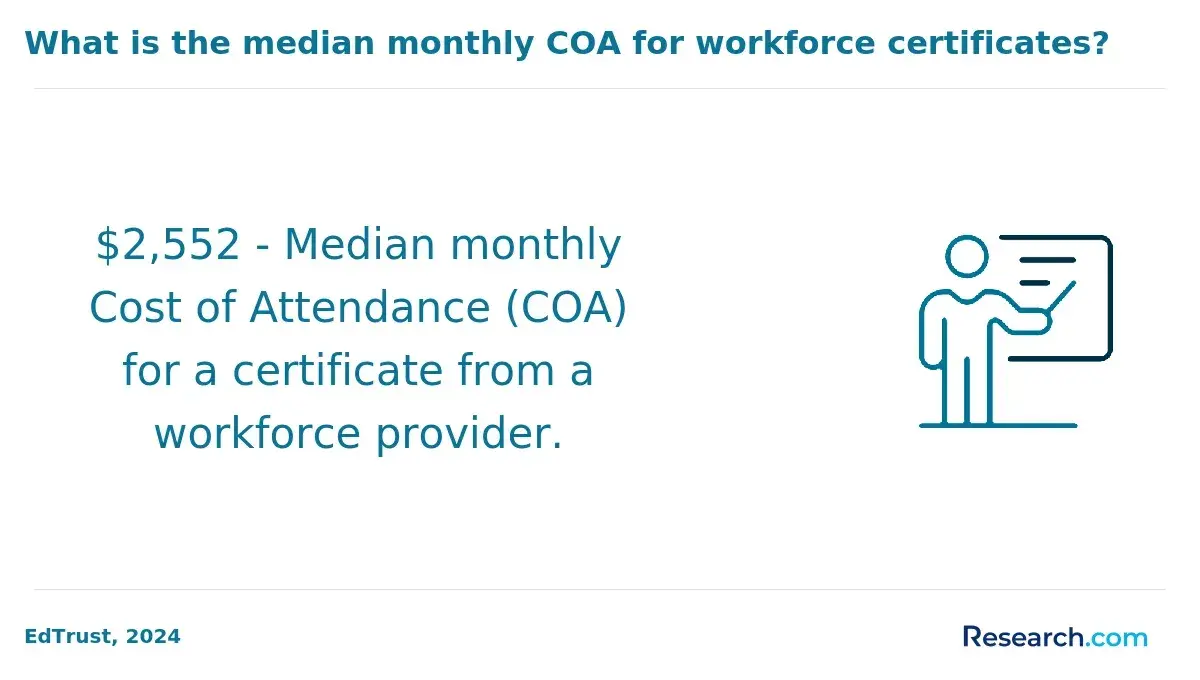
Health systems management graduates often find their theoretical knowledge well-developed, yet many employers note a persistent gap in practical skills critical for immediate impact. A 2024 survey by the American College of Healthcare Executives highlights that over 60% of hiring managers report new graduates lack sufficient readiness in applying essential competencies on the job. This disconnect mainly arises because academic programs prioritize foundational concepts over immersive problem-solving experiences that reflect operational realities. The following points outline where this gap most frequently challenges recent graduates entering complex healthcare organizations.
- Advanced Data Analytics: Employers expect new hires to interpret and utilize large-scale health data confidently, but graduates often lack hands-on experience with the sophisticated analytics platforms now integral to decision-making. Addressing this requires deliberate training through internships or projects involving real datasets and emerging technologies to bridge understanding and application.
- Financial Management Expertise: Theory-heavy curricula seldom provide deep engagement with budgeting, financial forecasting, or resource allocation specific to healthcare systems. Without this applied financial stewardship, graduates struggle to contribute meaningfully to cost management and regulatory compliance strategies. Gaining exposure through practicum roles or certifications can bolster these skills.
- Leadership in Complex Settings: While communication and leadership principles are taught, many graduates have limited experience navigating interpersonal dynamics like conflict resolution or managing cross-functional teams during transformational changes. Employers expect adaptive problem-solving under pressure-skills best developed through experiential learning such as team-based initiatives or mentorship programs.
One graduate recalled hesitating during their first major project when asked to lead a cross-departmental effort to improve patient flow efficiency. Although confident academically, they felt unprepared for the nuanced negotiation and real-time adjustment required when stakeholders disagreed. Reflecting, they credited subsequent opportunities that forced direct engagement with diverse teams and budgeting challenges as pivotal in closing their readiness gap. This highlights how practical exposure-not just classroom training-is crucial for aligning graduate capabilities with employer demands in health systems management.
Which Technical Skills Are Most Important for Health Systems Management Careers?
Technical skills serve as the bridge between theoretical knowledge earned in health systems management programs and the complex realities faced in the workplace. As healthcare delivery evolves alongside rapid technological advances, the set of most valuable technical competencies demands continuous updating to match industry needs. Employers increasingly seek professionals who can adapt data-driven tools, manage digital infrastructures, and lead projects with measurable impact. For example, a manager tasked with implementing a new electronic health record system must combine software proficiency with change management acumen to minimize disruptions while maximizing adoption. The following key technical skills consistently underpin successful careers in this field.
- Electronic Health Record Systems: Mastery of EHR platforms is crucial given their central role in patient data management, regulatory compliance, and care coordination. Students gain exposure through simulated practice and internships, preparing them to troubleshoot issues and optimize system use, which remains a foundational skill across healthcare organizations.
- Health Informatics Tools: Familiarity with informatics software supports efficient workflow design and enhances clinical decision-making. Coursework involving database management and informatics principles enables graduates to translate raw data into actionable insights, a capability that employers prize for improving organizational performance.
- Data Analytics and Visualization: The ability to interpret complex datasets using statistical tools and visualization software empowers managers to guide evidence-based improvements. Hands-on training with platforms like Tableau or SPSS fosters analytic thinking, addressing a demand reflected in the 2024 reports from the U.S. Bureau of Labor Statistics citing a 23% increase in analytics-related skills requests.
- Cybersecurity Awareness: Protecting sensitive health information against breaches has emerged as a top priority. Health systems management curricula are expanding to include cybersecurity fundamentals, equipping students to collaborate with IT teams on risk mitigation and regulatory adherence.
- Project Management Methodologies: Proficiency in Agile, Lean Six Sigma, and similar frameworks is vital for driving operational initiatives. Experiential learning through project-based assignments helps students develop structured approaches that improve efficiency and foster innovation within healthcare settings.
- Interdisciplinary Communication Technology: Competence in using communication platforms integrated with health IT ensures seamless coordination among clinical, administrative, and technical teams. Training often involves case studies emphasizing collaborative problem-solving, which translates into stronger leadership capabilities.
Which Workplace Skills Matter Beyond Technical Knowledge?
Success in health systems management requires far more than technical knowledge. Employers consistently point to professional skills-often called soft skills or durable skills-as critical to navigating complex healthcare environments and driving organizational outcomes. Recent 2024 data from the U.S. Bureau of Labor Statistics and the National Center for Education Statistics reveal significant gaps among health systems management graduates in areas like communication and leadership, which many employers find essential alongside technical expertise. Recognizing and developing these skills is key for students and recent graduates aiming to align their preparation with employer expectations. Below are key workplace competencies that matter beyond technical knowledge.
- Effective Communication: Clear interpersonal communication is vital for coordinating care teams and engaging diverse stakeholders. Health systems management students can enhance this skill through collaborative projects and real-world simulations, which improve clarity and influence, ultimately facilitating smoother operations in high-pressure healthcare settings.
- Leadership and Change Management: Employers seek graduates who can guide teams through evolving healthcare landscapes and implement strategic improvements. Coursework emphasizing leadership theory paired with internships in health organizations fosters the ability to manage change effectively and supports long-term career growth.
- Critical Thinking and Problem-Solving: In resource-constrained environments, professionals must analyze data and balance ethical and financial considerations. Developing case study analyses during academic programs sharpens these capabilities and equips graduates to respond adaptively to real-world challenges.
- Cultural Competency: Navigating diverse patient populations and professional backgrounds requires cultural awareness and sensitivity. Experiential learning and diversity-focused training enhance this skill, which directly impacts patient-centered care and team cohesion.
- Negotiation and Conflict Resolution: Managing disagreements with clinicians, administrators, or policy makers demands tactful negotiation skills. Role-playing exercises and cooperative assignments in health systems management curricula build these competencies, which promote harmonious workplace environments.
- Resilience and Adaptability: The healthcare sector's dynamic nature requires professionals capable of adjusting to rapid changes without compromising quality. Reflective learning and exposure to crisis scenarios in academic settings bolster these traits crucial for sustained success.
Evidence from employer surveys underscores that graduates who bolster technical training with these essential workplace competencies demonstrate higher employability and better career trajectories. For students exploring allied health fields, considering an online dietician program could also provide complementary insights into patient care and interdisciplinary collaboration within healthcare systems.
How Do Internships and Real-World Experience Improve Career Readiness?
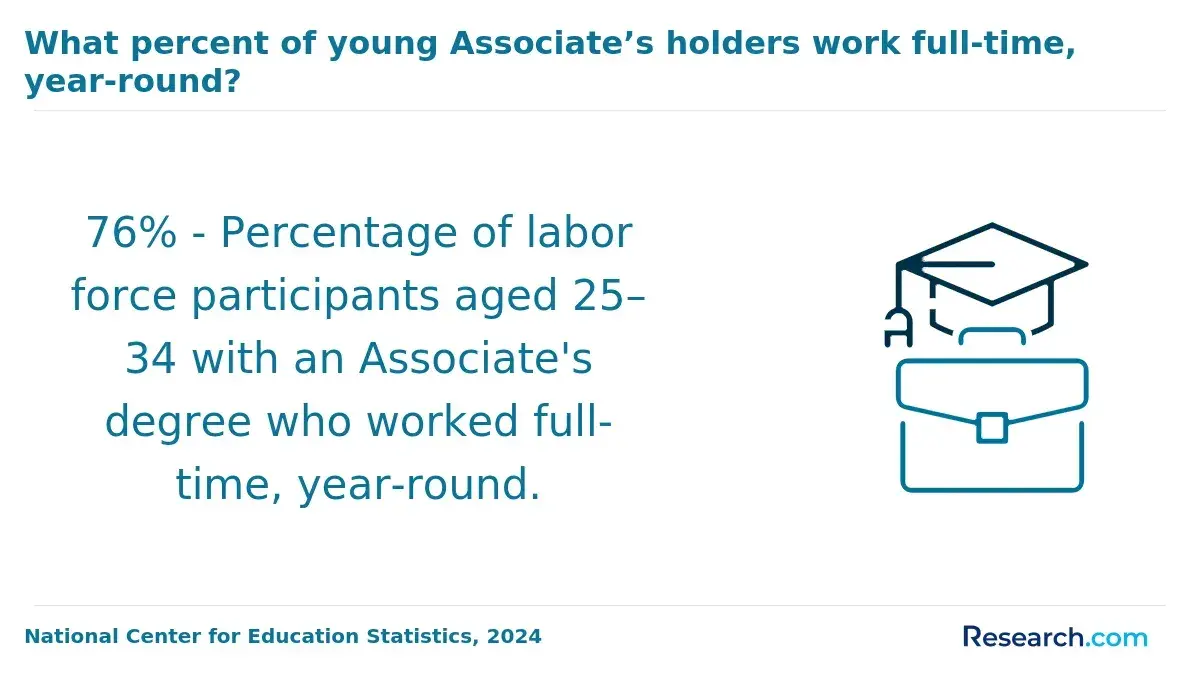
Academic coursework in health systems management often emphasizes theory and conceptual frameworks but rarely replicates the complexities of real healthcare environments. This gap means that students may graduate with solid knowledge yet lack the practical judgment and adaptive skills required to navigate the fast-changing dynamics of healthcare organizations. For instance, managing overlapping regulatory requirements while coordinating between departments requires situational awareness and decision-making that only experience can foster. Evidence from the National Center for Education Statistics (2024) highlights that graduates who completed internships before finishing their degrees have a 27% higher chance of securing employment within six months, underscoring the tangible impact of applied learning on career outcomes.
Hands-on experiences such as internships, practicums, and cooperative education immerse students in the day-to-day realities of healthcare management, where they sharpen technical competencies and develop critical soft skills like professional communication and teamwork. These opportunities also facilitate understanding of workplace culture and expectations, which are difficult to capture in classroom settings. Yet, access and structure of these experiences differ significantly across programs and healthcare sectors, sometimes limiting their effectiveness. Beyond skill development, internships offer crucial networking avenues and realistic exposure that informs more grounded career decisions. Maximizing these benefits requires early engagement with internship opportunities, active participation in applied projects, and deliberate reflection on lessons learned, aligning practical experiences with evolving professional goals.
Internships are most advantageous when integrated with strong academic performance and ongoing skill refinement, creating a comprehensive readiness profile favored by employers. Students who approach experiential learning strategically-leveraging mentorship, building professional connections, and continuously assessing their growth-can better bridge the divide between textbook knowledge and real-world challenges. This amalgamation of education and experience not only enhances immediate job prospects but also supports sustained career development in an increasingly complex health management landscape.
How Can Students Close the Health Systems Management Skills Gap Before Graduating?
Students pursuing a health systems management degree can begin closing the skills gap well before finishing their coursework by integrating practical experiences alongside academic studies. Waiting until after graduation to build workplace competencies often limits opportunities, as employers increasingly expect candidates to demonstrate job readiness through real-world skills. Proactive engagement with relevant projects and responsibilities during study not only sharpens problem-solving and leadership abilities but also significantly improves employability. Evidence from the National Center for Education Statistics reveals that students with meaningful internship experience receive job offers nearly 30% more often than those without such exposure. Below are key strategies for closing this gap before graduation.
- Quality Internships: Securing internships that provide substantive exposure to healthcare operations allows students to learn organizational dynamics and decision-making firsthand. Choosing roles with strong mentorship and responsibilities beyond clerical tasks enhances critical thinking and communication, making these roles invaluable for bridging classroom theory with workplace realities.
- Project-Based Learning: Engaging in research projects or complex case studies helps develop analytical skills essential for navigating healthcare challenges. These learner-centered approaches cultivate adaptability and problem-solving abilities that employers highly value amid evolving regulatory and technological landscapes.
- Professional Certifications: Obtaining credentials from recognized bodies like ACHE or HIMSS signals specialized knowledge and commitment to ongoing development. Certifications reinforce a graduate's practical skill set and dedication, often setting candidates apart by confirming their readiness to contribute from day one.
- Cross-Functional Collaboration: Participating in interdisciplinary teams during coursework or extracurricular activities builds teamwork skills critical in integrated healthcare environments. Exposure to varied perspectives prepares students to address multifaceted problems more effectively than isolated academic study.
- Networking Within Healthcare: Building professional relationships early taps into insider knowledge and potential mentors, often revealing hidden job opportunities not found through standard applications. Active involvement in industry groups or events complements academic credentials by fostering career-relevant connections.
- Reflective Practice: Systematically reviewing experiences and feedback encourages continuous improvement and self-awareness. This habit helps students identify skill gaps, adapt learning strategies, and demonstrate a growth mindset valued by employers.
One recent graduate recalls feeling uncertain about how to demonstrate competence beyond grades until an internship opportunity at a mid-sized hospital became available late in their final year. Initially hesitant due to ongoing coursework, the student accepted a role that involved data analysis and process improvement tasks rather than administrative duties. Working closely with a seasoned manager, they gained confidence interpreting electronic health records technology in a live environment. The experience revealed gaps between textbook knowledge and real workflows, motivating the student to seek additional projects and certifications before graduation. Ultimately, this hands-on exposure turned uncertainty into readiness, significantly easing the transition into their first full-time health systems management role.
How Is the Health Systems Management Job Market Changing Employer Skill Requirements?
Technological innovation, automation, and AI integration are reshaping employer priorities within health systems management careers. Recent U.S. Bureau of Labor Statistics and LinkedIn Talent Insights data show a rising demand for professionals skilled not only in traditional management but also in digital health technologies, data analytics, and navigating increasingly complex regulatory environments. For example, a hospital expanding telehealth services requires managers who can interpret real-time data to optimize workflows while ensuring compliance with evolving privacy laws. This evolution marks a clear shift in employer expectations towards a multifaceted skill set that blends technical acuity with strategic oversight.
These evolving health systems management job skills mean that candidates must combine a foundational understanding of healthcare administration with applied expertise in areas like electronic health records, cybersecurity, and strategic financial planning. Soft skills such as communication and cultural competence remain vital amid diverse patient populations but now must be complemented by agility and continuous learning to keep pace with rapid change. The World Economic Forum emphasizes that adaptability and problem-solving capabilities are critical amid growing industry volatility. Consequently, practical experience gained through internships or projects enhances employability by bridging the gap between academic theory and operational realities.
Prospective students should critically evaluate degree programs to ensure curricula develop relevant competencies, supplementing core coursework with certifications in data science or project management. Engaging in applied projects and professional networking supports ongoing skill development and industry alignment. Exploring specialized pathways can also be beneficial, as seen in accelerated FNP programs, which illustrate how focused, outcome-driven training helps meet current workforce demands. These strategies cultivate the resilience and versatility necessary to thrive in this dynamic job market.
How Do Different Health Systems Management Programs Compare in Career Preparation?
Career preparation in health systems management programs depends significantly on factors beyond the degree title or institutional reputation. The balance between theoretical foundations and experiential learning shapes how graduates meet employers' expectations and perform in dynamic healthcare environments. For example, a graduate who completed multiple practicums and internship placements will often adapt more quickly to operational roles than one who focused primarily on coursework. Recent 2024 data from government and industry sources reveal that programs incorporating applied projects and cross-sector collaboration yield a 30% higher job placement rate within six months of graduation. Evaluating specific program features is critical for aligning education with career readiness.
Key aspects to consider include:
- Experiential Learning Opportunities: Programs differ widely in the availability of internships, practicums, and case-based projects. These hands-on experiences bridge classroom knowledge with real-world challenges, enhancing skills in data analytics, financial management, and regulatory compliance. Prospective students should assess the quality and variety of such opportunities, as they significantly influence workforce readiness.
- Curriculum Currency: Some programs rely heavily on theoretical coursework that may lag behind evolving industry demands. Updated curricula integrating health informatics, leadership, and policy implementation better prepare graduates for immediate operational roles. Prospective students should examine how frequently curricula are reviewed and aligned with employer needs.
- Interdisciplinary Integration: Graduates from programs fostering cross-sector knowledge demonstrate greater adaptability in complex healthcare settings. However, interdisciplinary approaches require institutional resources and commitment, making them less common. Students interested in versatile career paths should prioritize programs that encourage technical proficiency alongside managerial skills.
- Mentoring and Networking: Access to industry mentors and professional networks varies significantly and shapes early career trajectories. Programs with robust connections to healthcare organizations can provide critical job placement support and insider knowledge, benefiting workforce readiness substantially.
Given these factors, students may also explore supplementing their education with certifications or practical experience, such as programs highlighted in the easiest online SLP programs to get into listings, to enhance their competencies beyond traditional coursework. Ultimately, comparison of health systems management curriculum effectiveness relies on matching program attributes with individual career goals and learning preferences rather than relying solely on degree titles.
How Should Students Choose a Health Systems Management Program That Builds Career-Ready Skills?
Each learning format in health systems management offers distinct long-term advantages and challenges shaped by students' needs and life circumstances. While online programs provide flexibility for working professionals, campus-based programs often excel in fostering networking and hands-on skills critical for early workforce integration. Hybrid formats blend these elements but require strong self-discipline to maximize benefits. Below are key factors to consider when deciding which format aligns best with your career and learning style.
- Career Networking Potential: Campus programs typically offer richer in-person connections and mentorship opportunities, benefiting students targeting leadership roles that require strong professional networks. Online learners may find networking limited, but forums and virtual events partially mitigate this.
- Practical Skill Development: Programs emphasizing experiential learning through internships or case studies support career readiness. Campus and hybrid formats more frequently integrate these experiences, critical as 2024 workforce studies show practical competencies in data analytics and strategic leadership heavily influence employment outcomes.
- Flexibility and Accessibility: Online formats excel at accommodating varied schedules, ideal for those balancing work or family while studying, though they may challenge students needing structured environments.
- Curriculum Currency: All formats must update frequently to reflect evolving healthcare technologies and regulations; students should prioritize programs with active employer partnerships and faculty experienced in industry to ensure relevancy.
- Soft Skills Acquisition: Communication, problem-solving, and ethical decision-making are integral; hybrid and campus settings often better facilitate these through live collaboration, while online formats require intentional engagement strategies.
- Self-Motivation Requirements: Online learners must exhibit high self-discipline due to less direct oversight, which can either strengthen autonomy or hinder progression depending on individual learning preferences.
References:
- Top 10 Soft Skills Needed In Health Care https://carrington.edu/blog/top-10-soft-skills-needed-health-care/
- What are the essential skills needed for health care management | UNF https://www.unfc.ca/blog/healthcare-management-skills
- Current Trends in the Healthcare Job Market https://checkrare.com/current-trends-in-the-healthcare-job-market/
- Health Management Internship Jobs (with Salaries) - SEEK https://au.seek.com/health-management-internship-jobs
- Uncover the Real Organizational Culture During an Interview https://talhealthcare.com/essential-skills-for-strong-healthcare-management/
- List of Technical Skills in Healthcare 2026 | TalentGuard https://www.talentguard.com/blog/healthcare-technical-skills-performance-management-comments-examples
- Students https://jobs.northwell.edu/students/
- My Account / Create Account https://www.practicematch.com/healthcare/articles/the-future-of-healthcare-jobs-how-ai-is-reshaping-skill-requirements.cfm
- View of Employability Skills in Health Services Management: perceptions of recent graduates https://journal.achsm.org.au/index.php/achsm/article/view/235/191
- Future Students https://www.aupha.org/resourcecenter/futurestudents
Other Things You Should Know About Health Systems Management
Employers often seek candidates who can navigate healthcare's unique regulatory and operational challenges while demonstrating solid leadership and business acumen. However, many programs emphasize either broad management principles or healthcare specifics, rarely integrating both deeply. Students must prioritize programs that offer a hybrid approach, ensuring their skills are not only transferable but also attuned to healthcare complexities. Without this balance, graduates risk being either too generic for health system employers or too narrowly focused to step confidently into leadership roles requiring strategic oversight.
Larger universities might offer wider networking opportunities and broader business resources, but their health systems management curriculum can be diluted across many disciplines. Smaller, specialized programs tend to provide targeted, industry-relevant training and closer faculty mentorship, which can enhance practical readiness. For students focused on immediate employability, smaller programs may offer better alignment with employer expectations, while those seeking long-term career flexibility might benefit from the diverse options provided by larger institutions. Deciding between these models involves weighing immediate skill acquisition against the potential breadth of career opportunities.
Data-driven decision-making is central to modern health systems management, yet not all degree programs integrate analytics and informatics robustly. Graduates from programs with limited exposure to these areas may struggle to meet employer demands for evidence-based management. This shortfall can delay career advancement or limit roles to less analytical positions. Choosing a program with strong quantitative components-or supplementing education with targeted certifications-is increasingly critical to remain competitive and effective in today's data-intensive healthcare environments.
Health systems management curricula often provide foundational knowledge but leave significant gaps in soft skills and evolving industry technologies. Students must therefore anticipate a substantial portion of their preparation will require self-motivated learning, such as seeking out internships, mentorship, or online courses. Relying solely on a formal program risks underpreparing graduates for the dynamic challenges employers present. Prioritizing proactive skill-building helps bridge this disconnect and signals to employers that candidates can adapt and grow beyond structured academic settings.