2027 Cheapest and Shortest Online Fashion Merchandising Degree Programs That Pay Well: Cost, Duration, and Salary Outlook

Co-Founder and Chief Data Scientist
Choosing an online fashion merchandising degree usually comes down to three questions: Can you afford it, can you finish it quickly, and will it help you qualify for better retail, buying, merchandising, or e-commerce roles? The answer depends less on the word “online” and more on accreditation, total program cost, transfer-credit policy, course format, internship access, and career outcomes.
This guide is for students, working adults, and career changers comparing affordable and accelerated online fashion merchandising programs. Online education enrollment has increased by over 20%, reflecting stronger demand for flexible and lower-cost study options. At the same time, fashion merchandising graduates can expect median salaries around $60, 000, depending on experience and location.
Below, you will find practical guidance on typical tuition, financial aid, the shortest degree formats, how accelerated online classes work, what skills these programs build, whether cheap programs are legitimate, and how to compare career outcomes before enrolling.
Key Benefits of the Cheapest and Shortest Online Fashion Merchandising Degree Programs That Pay Well
- Online fashion merchandising programs cut tuition by up to 40%, making education more accessible without sacrificing quality.
- Accelerated courses allow completion in as little as 12 months, enabling faster entry into the workforce and reduced opportunity costs.
- Graduates report median salaries around $55,000, reflecting strong ROI given the low cost and short duration of these degrees.
How Much Does an Affordable Online Fashion Merchandising Degree Typically Cost?
An affordable online fashion merchandising degree usually costs less than many campus-based options, but the final price depends on tuition per credit, transfer credits, fees, and how quickly you finish. A study by the National Center for Education Statistics shows that some universities offer up to 20% discounts for online tuition compared to in-person classes, but students should still compare the full cost of attendance rather than tuition alone.
| Cost factor | What to check before enrolling |
| Tuition per credit | Typical tuition for online fashion merchandising programs ranges from $250 to $500 per credit hour, depending on the school’s location, reputation, and pricing model. |
| Total program cost | Most bachelor’s degrees in this field cost between $15,000 and $35,000 in total, although transfer credits can reduce the amount you pay. |
| Online and campus fees | Online programs may charge technology, distance-learning, portfolio, or software fees. In-state public university rates may be similar for online and on-campus students. |
| Course materials and software | Budget for textbooks, digital design tools, merchandising software, market research platforms, and project materials when required. |
| Completion timeline | Accelerated online programs can be completed in about two to three years full-time, helping some students reduce opportunity costs and enter the workforce sooner. |
The cheapest program is not always the best value. A low sticker price matters, but so do accreditation, course quality, faculty experience, internship access, and employer recognition. Before choosing a program, calculate the total cost after transfer credits, scholarships, grants, fees, and expected time to completion.
Students comparing online degree costs may notice similar pricing questions in other fields, including the cheapest online mba programs. In any discipline, the strongest choice is usually the program that combines legitimate accreditation, transparent pricing, and career-relevant coursework.
Can You Get Financial Aid in the Cheapest Online Fashion Merchandising Programs?
Yes, students in affordable online fashion merchandising programs may qualify for financial aid, but eligibility depends on the school, accreditation status, enrollment level, and the student’s financial circumstances. More than half of online undergraduates receive federal aid, so students should not assume that an online format automatically limits assistance.
The first step is to confirm that the institution is eligible to participate in federal student aid programs. Then complete the FAFSA as early as possible, compare aid offers carefully, and separate gift aid from loans that must be repaid.
- Federal Grants: Pell Grants are a major source of aid for eligible low-income students and do not require repayment. FAFSA timing, income, accreditation, and enrollment status can all affect eligibility.
- Scholarships: Some schools and outside organizations offer scholarships for fashion merchandising, retail management, apparel studies, business, marketing, or first-generation college students. Apply broadly, including for smaller awards.
- Loans and Work-Study: Federal student loans and work-study may help cover remaining costs. Borrow conservatively, especially if you are pursuing an entry-level merchandising role after graduation.
- Employer Tuition Assistance: Working adults should ask whether their employer reimburses tuition for retail, business, marketing, or management-related programs. Some employers require minimum grades or continued employment after reimbursement.
- Program Costs: Typical online fashion merchandising programs range between $200 and $400 per credit. Most associate degrees can be completed in about two years, making aid planning especially important for students trying to avoid debt.
When comparing aid packages, look beyond the first term. A program may appear affordable initially but become expensive if scholarships are not renewable, summer courses cost more, or required fees are excluded from the estimate.
Students interested in accelerated study can compare financial planning needs across fields, such as 1 year msw programs online no bsw. Fast programs can save time, but they also require careful budgeting because coursework is compressed and working additional hours may be difficult.
What Are the Shortest Online Fashion Merchandising Degree Programs?
The shortest online fashion merchandising options are usually certificates, accelerated associate degrees, and bachelor’s completion programs for students who already have transfer credits. Data from the National Center for Education Statistics show that accelerated online degrees often reduce completion times by about 25% compared to traditional schedules, but faster completion usually means a heavier weekly workload.
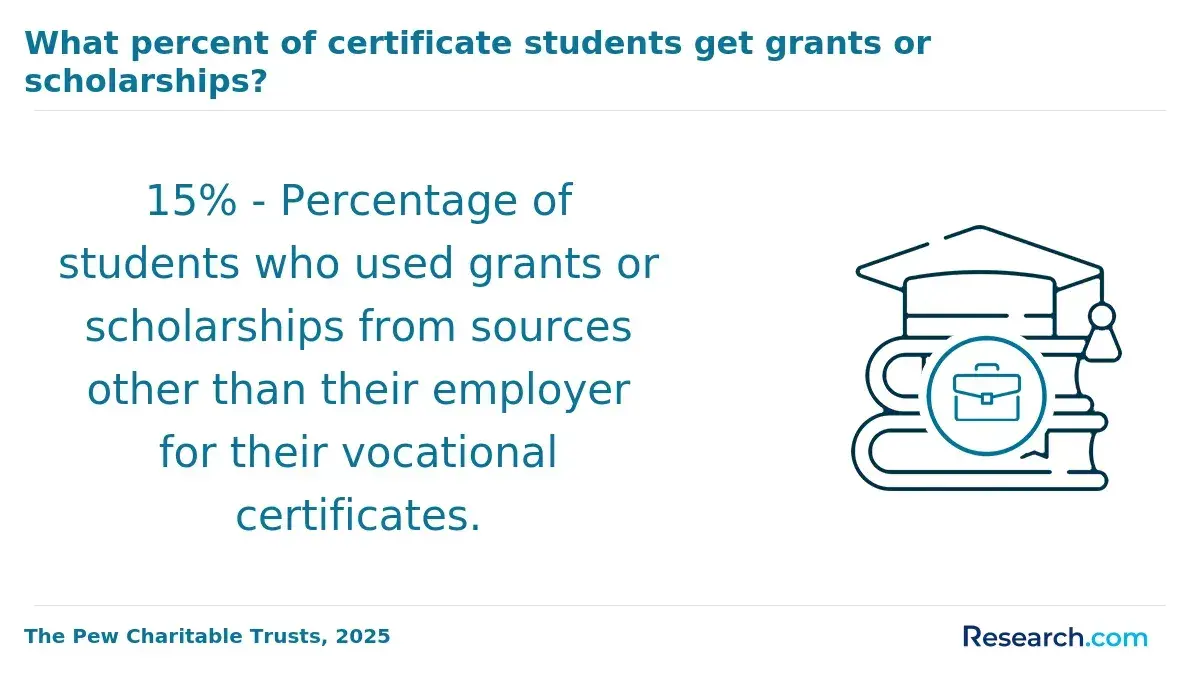
- Certificate programs: Certificates are the shortest option and focus on a specific skill area, such as merchandising, fashion marketing, retail buying, trend analysis, or e-commerce. They may help current retail professionals add targeted skills, but they do not replace a degree when an employer requires one.
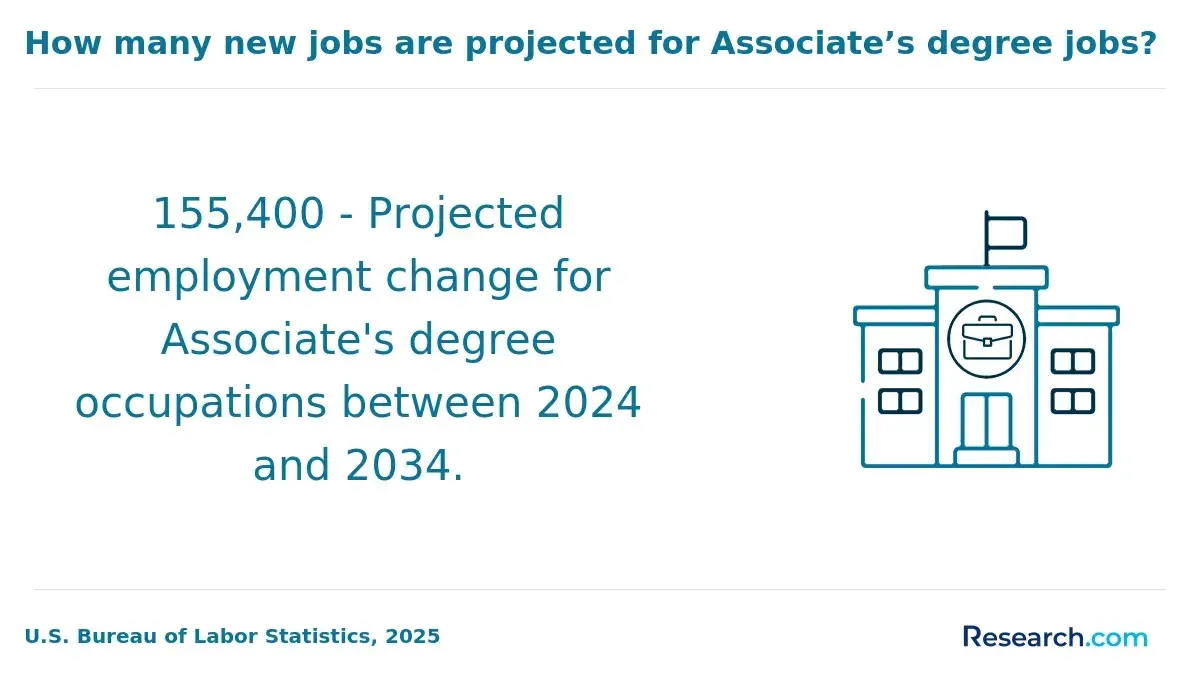
- Accelerated associate degrees: These programs typically take 12 to 18 months and cover foundational business, retail, consumer behavior, and merchandising concepts. They can be a practical entry point for students who want a faster and lower-cost credential.
- Fast-track bachelor’s degrees: These are often designed for students with prior credits or an associate degree. They may be completed in about 18 to 24 months and can support advancement into buying, planning, merchandising management, or digital retail roles.
Short programs often use year-round enrollment, condensed courses, and self-paced or asynchronous formats. Tuition averages between $200 and $400 per credit, and total costs usually remain under $15,000 for associate degrees. Graduates can expect entry-level salaries around $40,000, advancing to near $70,000 with experience, depending on role, employer, location, and performance.
The best short-track option depends on your starting point. If you have no college credits, an associate degree may be the fastest degree path. If you already completed general education courses, a bachelor’s completion program may offer stronger long-term career value. If you already work in retail or fashion, a certificate may be enough to build a specific skill without committing to a full degree.
Students evaluating affordable online programs in other disciplines may also compare related options such as online masters in psychology. The main lesson is the same: choose the credential that matches your career goal, not simply the program with the shortest timeline.
Breakdown of All 2-Year Online Title IV Institutions

What Is the Typical Format of the Shortest Online Fashion Merchandising Degree Programs?
The shortest online fashion merchandising programs usually use accelerated terms, frequent deadlines, and a structured weekly schedule. Nearly 40% of students note that shorter terms enhance their focus and course completion, but the pace can be demanding for students who work full time or have caregiving responsibilities.
- Term Length: Courses often run between 5 and 8 weeks instead of typical 15-week semesters. This format allows students to complete more courses in a year, but each class moves quickly.
- Course Delivery: Most instruction is asynchronous, so students can watch lectures, review readings, and complete assignments on their own schedule. Some courses may also include live sessions, group critiques, or instructor-led discussions.
- Overall Timeline: Depending on transfer credits and course load, some accelerated programs can be completed in as little as 12 to 18 months overall.
- Weekly Commitment: Students generally spend 15 to 20 hours per week on coursework, including lectures, projects, discussion boards, research, and assignments.
- Student Interaction: Online programs may include video meetings, peer reviews, discussion forums, virtual office hours, and group projects that simulate collaboration in retail and merchandising teams.
A strong accelerated format should still include clear instructor access, timely feedback, academic advising, career support, and realistic project expectations. Avoid programs that advertise speed but provide little information about workload, faculty availability, or assessment methods.
- : "One recent graduate described the experience as intense but manageable with a strict schedule. Balancing work and coursework was difficult, but the shorter timeline helped her stay motivated. She valued the mix of asynchronous flexibility and occasional live discussions because it allowed her to move quickly while still getting clarification from instructors."
How Do Online Classes Work for Accelerated Fashion Merchandising Degrees?
Online classes in accelerated fashion merchandising programs are usually organized around weekly modules. Students log into a learning platform, review lectures and readings, complete assignments, join discussions, and submit projects by set deadlines. These programs often combine flexibility with structure, and accelerated online learners often have 10-15% higher completion rates than those in traditional formats.
- Asynchronous learning: Students access recorded lectures, readings, assignment instructions, quizzes, and project materials at any time. This is useful for working adults, but it requires self-discipline.
- Synchronous sessions: Some classes include live video meetings for critiques, presentations, guest speakers, group work, or instructor Q&A. These sessions can improve engagement but may require schedule planning.
- Condensed weekly schedule: Modules generally last six to eight weeks instead of the standard 15. Missing one week in an accelerated course can mean falling far behind.
- Assignment pacing: Expect regular deadlines, discussion posts, case studies, trend boards, retail analyses, product assortment plans, and market research projects.
- Instructor and peer support: Strong programs offer virtual office hours, quick feedback, online discussion forums, and collaboration tools so students are not isolated.
- Digital resources: Students may use industry-specific software, online libraries, retail data tools, e-commerce platforms, and digital presentation tools from home.
Before enrolling, ask whether courses are fully asynchronous or require live attendance, whether group projects are common, how exams are proctored, and what technology is required. Also confirm whether internship, capstone, or portfolio requirements can be completed remotely or in your local area.
What Skills Do Students Gain from a Shortest-Track Online Fashion Merchandising Degree?
A shortest-track online fashion merchandising degree should build job-ready skills in retail strategy, buying, product planning, trend analysis, consumer behavior, visual merchandising, and digital commerce. Recent data shows that graduates with expertise in digital merchandising and retail analytics achieve employment rates exceeding 70% within six months, reflecting demand for graduates who can connect fashion knowledge with business decisions.
- Technical competencies: Students learn to use inventory management systems, trend analysis software, e-commerce tools, spreadsheets, and digital presentation platforms used in merchandising and retail planning.
- Retail and consumer analysis: Coursework often trains students to evaluate sales reports, consumer behavior, seasonal demand, pricing, and product performance.
- Trend forecasting: Students practice identifying style, color, fabric, lifestyle, and consumer shifts that can influence buying and product assortment decisions.
- Communication skills: Graduates learn to present recommendations clearly to buyers, designers, marketers, store teams, vendors, and executives.
- Critical thinking and problem-solving: Programs emphasize data-informed decisions, such as adjusting inventory, responding to market changes, and improving product placement.
- Professionalism and time management: The compressed structure helps students practice meeting deadlines, managing multiple projects, and communicating in remote teams.
The strongest programs require students to produce practical work samples. A portfolio might include trend boards, assortment plans, market research, visual merchandising concepts, competitive analyses, and e-commerce product strategies. These samples can be useful during interviews, especially for graduates with limited industry experience.
- : "One graduate said the fast pace forced him to become highly organized while learning to interpret sales reports and collaborate remotely. He found the workload challenging, but the experience improved his confidence before entering a real-world merchandising role."
Are Cheap and Fast Online Fashion Merchandising Degree Programs Considered Legitimate?
Cheap and fast online fashion merchandising programs can be legitimate, but price and speed should never be the only reasons to enroll. A credible program should meet recognized academic standards, provide transparent costs, teach current industry skills, and show evidence that students complete the program and move into relevant roles.
- Accreditation: Confirm that the institution is properly accredited. Recognition from reputable organizations, such as regional accreditors or the Accreditation Council for Business Schools and Programs (ACBSP), can indicate that the program follows established quality standards.
- Faculty Credentials: Instructors should have academic qualifications, fashion merchandising expertise, retail experience, or relevant professional backgrounds in areas such as buying, marketing, merchandising, e-commerce, or product development.
- Curriculum Quality: Look for courses in retail buying, fashion marketing, consumer behavior, merchandising math, trend forecasting, product planning, digital retail, and business communication.
- Professional Preparation: Be cautious of programs that make vague promises about licensing or guaranteed employment. Fashion merchandising is not typically a licensed profession, so practical skills, portfolio work, internships, and employer connections matter more.
- Employment Outcomes: Review graduation rates, job placement information, alumni roles, internship access, and career services. Strong outcomes can indicate that the program supports student success beyond enrollment.
Red flags include unclear accreditation, pressure-heavy admissions tactics, no published curriculum, vague faculty information, unrealistic salary guarantees, or a lack of student support. A legitimate affordable program should make it easy to verify tuition, fees, credit requirements, transfer policies, and expected time to completion.
What Are the Highest-Paying Roles for Online Fashion Merchandising Degree Graduates?
Online fashion merchandising graduates can qualify for roles in buying, merchandising, product planning, visual strategy, retail management, and digital commerce. Higher pay is usually tied to experience, analytics skills, employer size, location, leadership responsibility, and the ability to connect product decisions with revenue.
- Fashion Buyer: Buyers select and purchase merchandise by analyzing sales data, consumer demand, seasonal trends, budgets, and vendor relationships. According to the U.S. Bureau of Labor Statistics, the median annual wage is about $66,000, with the highest earners exceeding $115,000.
- Merchandiser: Merchandisers manage product presentation, sales strategy, inventory flow, and brand consistency. Specialized roles such as visual merchandisers or digital merchandising managers often command six-figure salaries, especially at major retail brands.
- Product Manager: Product managers coordinate product development, market positioning, pricing, launch planning, and cross-functional communication. Earnings typically range from $75,000 to $120,000, influenced by experience and location.
Students who want access to higher-paying roles should prioritize programs that teach retail analytics, digital merchandising, product planning, financial decision-making, and communication. Internships, part-time retail experience, portfolio projects, and software skills can be just as important as the degree itself.
Typical online degrees complete within 18 to 24 months, with tuition costs averaging $200 to $400 per credit. Students interested in further accelerated study may also compare one year online masters programs, especially if they later decide to move into management, business, or specialized graduate-level training.
What Is the Job Placement Rate for Online Fashion Merchandising Graduates?
Job placement rates for online fashion merchandising graduates vary by school, region, student experience, and labor market conditions. Many programs report job placement rates between 70% and 85% within six to twelve months after graduation, but students should ask how each school defines and verifies that number.
- Industry demand: Fashion and retail employers increasingly value digital marketing, e-commerce, retail analytics, inventory planning, and sustainable sourcing skills. Graduates with these skills may be more competitive.
- Internships and practicum experience: Online programs that include internships, practicums, capstones, or employer-connected projects can improve students’ resumes and professional networks.
- Program reputation and alumni networks: Accredited programs with experienced faculty, active alumni, and employer relationships may provide stronger access to merchandising, buying, planning, and retail management opportunities.
- Student background: Placement outcomes may be stronger for students who already have retail, customer service, marketing, or business experience before graduation.
When reviewing placement data, ask whether the reported rate includes only full-time jobs, whether roles must be related to fashion merchandising, and whether the data is based on graduates who responded to a survey. A high placement rate is more meaningful when the school is transparent about methodology.
Data from the National Center for Education Statistics (NCES) and the Bureau of Labor Statistics show that fashion merchandising managers earned a median annual wage of about $74,000 in 2023, with higher salaries common in metropolitan areas and at large retailers. Cost-conscious students often seek online courses with average tuition between $200 and $400 per credit, aiming to complete programs in two years or less.
Students who want to strengthen employment prospects may also explore what certifications can i get online to build complementary skills in areas such as analytics, digital marketing, project management, or retail technology.
How Do You Choose the Best Cheap Online Fashion Merchandising Degree Program?
The best cheap online fashion merchandising degree is not simply the lowest-cost option. It is the program that offers legitimate accreditation, manageable tuition, relevant coursework, strong support, and credible career outcomes for your goals.
- Confirm accreditation: Make sure the institution holds appropriate accreditation. This affects federal financial aid, credit transfer, graduate school eligibility, and employer acceptance.
- Compare total cost: Look at tuition, fees, books, software, transfer-credit limits, residency requirements, and the cost of repeating courses if needed.
- Review the curriculum: Prioritize programs covering merchandising, retail buying, trend forecasting, marketing, consumer behavior, digital commerce, visual merchandising, and retail analytics.
- Check program length and pacing: Programs that take 18 to 24 months may reduce expenses and help you enter the workforce sooner, but accelerated formats require consistent weekly study time.
- Evaluate student support: Strong advising, tutoring, faculty access, career coaching, internship guidance, and technical support can improve completion and job outcomes.
- Study career outcomes: Review graduation rates, job placement data, alumni roles, and employer partnerships. Entry-level positions in fashion merchandising typically earn between $45,000 and $70,000 annually, with higher wages attainable for experienced professionals.
A practical comparison process is to shortlist accredited programs, calculate the net price after aid, review the course sequence, speak with admissions and career services, and ask whether students graduate with portfolio-ready work. If a program is cheap but lacks transparency or career support, it may cost more in the long run.
What Graduates Say About Their Cheapest and Shortest Online Fashion Merchandising Degree
- : "I wanted to start my fashion career without taking on a heavy financial burden, so I chose an affordable online fashion merchandising program that cost me less than $10,000 overall. The flexibility helped me keep working while finishing quickly, and within months I moved into a retail buyer position. — Lauren"
- : "I compared programs where costs typically exceed $20,000 before choosing a faster, budget-friendly online option. The condensed schedule was demanding, but the pricing made it possible to advance professionally without taking on debt. It gave me stronger industry knowledge and more confidence. — Anna"
- : "As a working professional, I needed a concise and affordable program. My online fashion merchandising degree cost approximately $8,000 and helped me improve my skills in product selection and trend forecasting. Those skills supported my move into a managerial role. — Orville"
Other Things You Should Know About Fashion Merchandising Degrees
In 2027, the University of Maryland offers a competitive online fashion merchandising degree with favorable salary-to-cost ratios. The program is designed for completion in around two years, balancing affordability and strong post-graduation earning potential.
Admission requirements for online fashion merchandising programs in 2027 often include a high school diploma, basic design skills, and a personal statement. Some schools may request a portfolio or letters of recommendation to assess a candidate's fit for the program.
References
- 20 of the highest paying jobs in the fashion industry https://beyondtalentrecruitment.com/blog/high-paying-jobs-fashion
- Scholarships and Financial Aid for Fashion Designer Students - FashionDesignerBlog https://fashiondesigner.blog/financial-aid-fashion-design/
- Top Fashion Jobs for Aspiring Fashion Professionals: Key Skills and Education | Vogue College of Fashion https://www.voguecollege.com/articles/london/how-to-fashion-jobs/
- Online Courses https://www.fitnyc.edu/academics/online-learning/courses/index.php
- Istituto Marangoni | Fashion short courses https://www.istitutomarangoni.com/en/short-courses/fashion
- Top Paying Jobs in the Fashion Industry: Highest Earning Roles Explained — The Lines by Natalia https://www.thelinesbynatalia.com/blog/the-top-paying-jobs-in-the-fashion-industry
- Fashion Designers https://www.bls.gov/ooh/arts-and-design/fashion-designers.htm
- Buying & Merchandising | Online Course | FRA https://www.fashionretailacademy.ac.uk/study/courses/online-buying-merchandising
- Fashion Marketing & Merchandising Course - Short | Polimoda Fashion School https://www.polimoda.com/courses/short/fashion-marketing-merchandising/
- Fashion Retail Marketing, Merchandising, and Management - Online Course https://www.futurelearn.com/courses/careers-in-fashion-retailing