2027 BCBA Salary by State: Where Demand and Pay Are Highest

Co-Founder and Chief Data Scientist
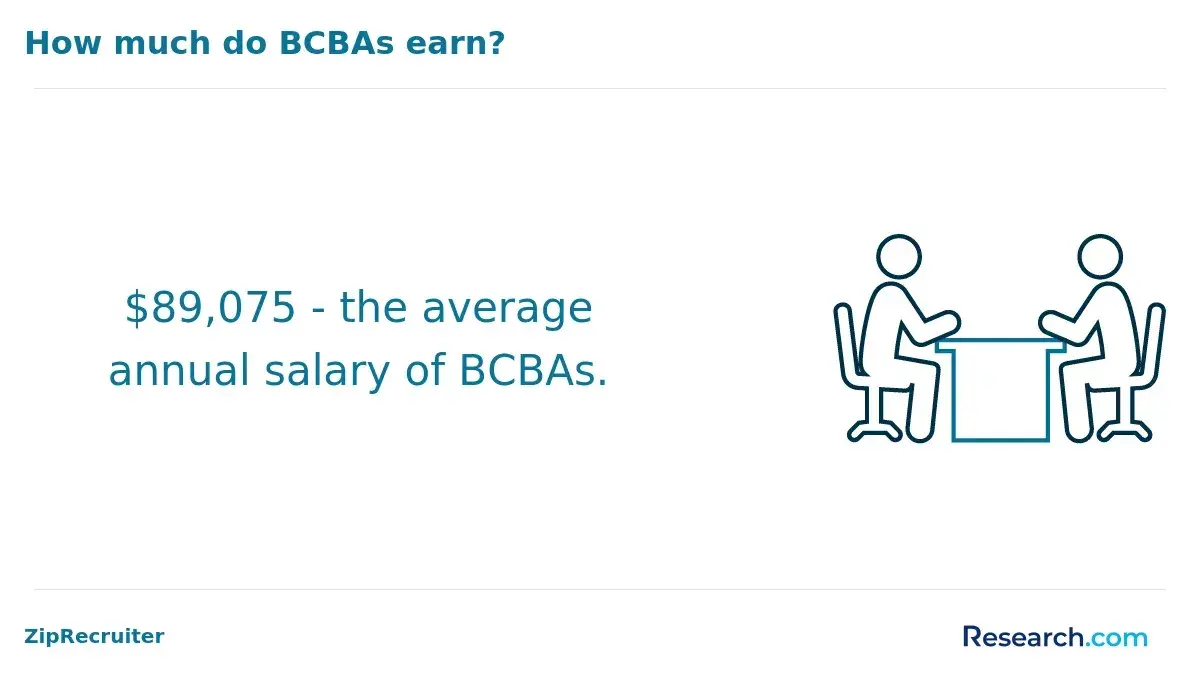
Choosing where to work as a Board Certified Behavior Analyst (BCBA) is not just a salary question. Pay can change sharply by state, but so can rent, caseload expectations, reimbursement rates, school district hiring, licensure rules, and access to supervised roles. A higher advertised salary may not always produce better take-home value if the local cost of living is high or if jobs are concentrated in competitive metro areas.
This guide breaks down BCBA salary patterns by state and explains what drives those differences. It is written for prospective BCBAs comparing graduate programs, current behavior analysts considering relocation, and professionals weighing whether further education or certification is worth the investment. You will learn where salaries tend to be strongest, what factors affect pay, what education and certification steps are required, and how to choose a BCBA program that supports both licensure eligibility and long-term career mobility.
Key Things You Should Know
- In 2026, BCBA salaries vary widely by state, with highest averages exceeding $80,000 annually in states like California and Massachusetts due to high demand and cost of living.
- States with growing populations of individuals receiving autism and behavioral services, such as Texas and Florida, show increased job opportunities but moderate salary ranges around $65,000 to $75,000.
- The national average BCBA salary is approximately $70,000 in 2026, influenced heavily by urban areas with higher living costs and insurance reimbursement rates.
What is the average BCBA salary by state?
The average BCBA salary by state varies substantially because each state has a different mix of healthcare funding, school-based demand, insurance coverage, provider shortages, and cost-of-living pressure. Washington is reported at the top in one salary comparison, with an annual average of $100,886. California, Massachusetts, and New York also commonly appear among higher-paying states, with salaries often exceeding $90,000.
Lower average salaries are more common in parts of the South and Midwest, where some reported averages fall below $65,000. That does not automatically mean those states are poor career choices. In lower-cost areas, a smaller salary can still provide competitive purchasing power, especially if job stability is strong and caseload expectations are reasonable.
How to compare BCBA salaries across states
When reviewing BCBA pay by location, look beyond the headline average. The best state for one professional may not be the best state for another, depending on career stage, specialty, and personal expenses.
- Cost of living: A high salary in a major metro area may be offset by housing, transportation, and childcare costs.
- Employer type: Private clinics, early intervention providers, school districts, hospitals, and consulting practices may pay differently.
- Experience level: New BCBAs generally earn less than professionals who supervise teams, manage programs, or hold specialized expertise.
- Service demand: States with larger autism service networks, active insurance mandates, or persistent workforce shortages may offer stronger compensation.
- Licensure rules: Some states require additional licensure beyond national certification, which can affect mobility and hiring timelines.
For many professionals, the strongest career decision is not simply moving to the state with the highest average salary. It is finding a market where pay, cost of living, demand, supervision opportunities, and lifestyle all align. Those still building credentials may also compare affordable online ABA master's programs to reduce education costs while preparing for better-paying roles.
Which states have the highest BCBA salaries?
Salary rankings can vary by source and methodology, so it is important to read “highest-paying state” lists carefully. In one set of analyses from All Star ABA and Blossom ABA Therapy, New Jersey leads with an average annual BCBA salary of $98,707. Other states frequently associated with strong BCBA compensation include California, Massachusetts, and Washington.
High-paying states often share several traits: dense population centers, strong demand for autism and behavioral health services, higher reimbursement potential, and a limited supply of experienced clinicians. California’s major metropolitan areas, for example, can offer competitive salaries because of large service needs and high operating costs. However, the same state may also require careful cost-of-living analysis before relocation makes financial sense.
Texas and Florida may offer a larger volume of openings in some markets, but pay is often more moderate compared with states such as New Jersey. For job seekers, this creates a practical trade-off: a state with more openings may provide faster entry or promotion opportunities, while a state with higher average pay may come with higher living expenses or stronger competition.
What to check before relocating for a higher BCBA salary
- Average annual salary in the state: Compare multiple sources when possible because salary estimates differ.
- Local job concentration: A strong statewide average may not reflect openings in the specific city or county where you plan to live.
- Licensure and certification requirements: Confirm whether state licensure is required in addition to BCBA certification.
- Cost of living: Housing and taxes can change the real value of a higher salary.
- Employer setting: Public schools, clinics, hospitals, private practices, and telehealth providers may offer different pay structures.
Students planning their education around high-demand markets should compare behavior analysis degree programs that align with certification standards, state requirements, and the type of employer they want to pursue after graduation.
What factors influence BCBA salary variations by state?
BCBA salary variations by state are driven by a combination of demand, funding, workforce supply, and cost of living. Oregon, for example, is reported to have an average BCBA salary of $94,178 annually, supported by growth in behavioral health programs and demand for qualified professionals. Areas with expanding ABA services and limited numbers of certified clinicians often need to pay more to recruit and retain staff.
Regional demand and workforce shortages
States with high demand for applied behavior analysis may offer stronger salaries, sign-on incentives, supervisory opportunities, or faster advancement. Demand is often highest where autism services, early intervention programs, school-based behavioral supports, and behavioral health clinics are expanding faster than the local workforce can support.
Funding and reimbursement
BCBA pay is closely tied to how services are funded. Public school budgets, Medicaid reimbursement, private insurance coverage, and early intervention funding all affect what employers can afford to pay. States with broader coverage for ABA services and stronger special education funding may support more positions and higher salaries.
Licensure and credentialing rules
State licensing requirements can affect provider supply. If a state requires additional steps beyond certification, the labor pool may be smaller, which can raise demand for qualified applicants. At the same time, extra licensing requirements may add time, paperwork, or cost for professionals moving across state lines.
Urban versus rural markets
Urban centers often pay more because employers compete for experienced clinicians and face higher operating costs. Rural areas may have fewer jobs but greater service shortages, which can sometimes create strong opportunities for BCBAs willing to serve underserved communities.
Professionals who want flexibility across state markets may benefit from graduate training that meets recognized certification expectations. An online master's in ABA can be a practical option for candidates who need to complete coursework while working or preparing to move into higher-demand regions.
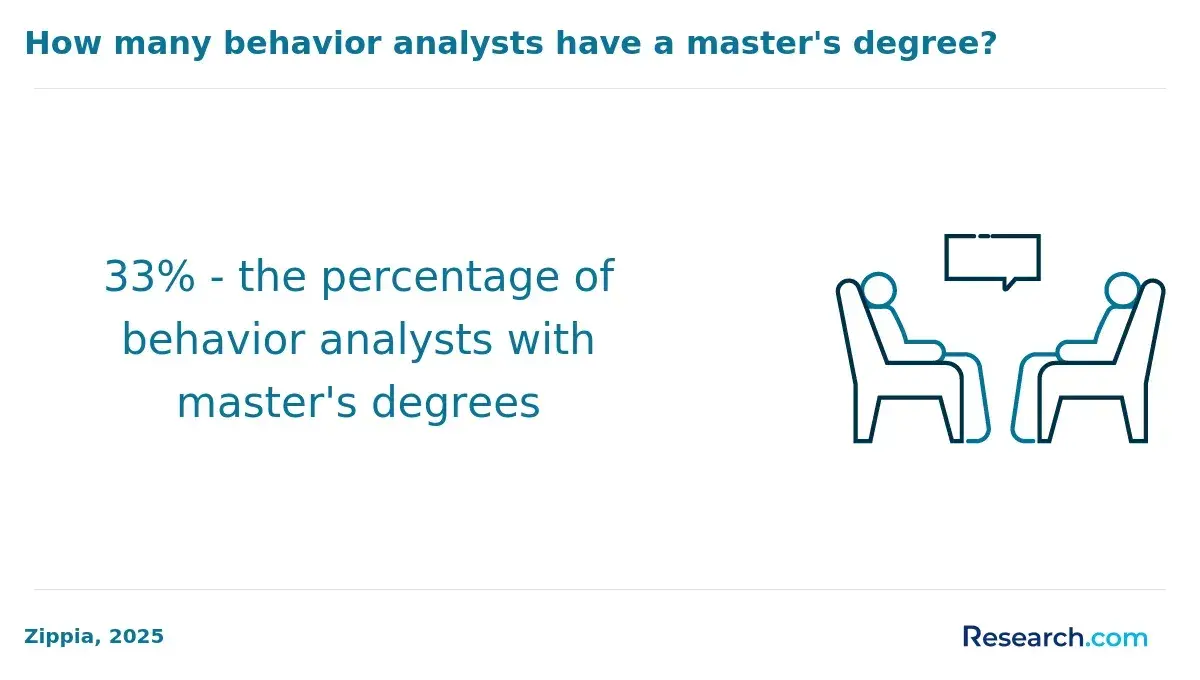
To become a Board Certified Behavior Analyst, candidates generally need a master's degree or higher from an accredited university in behavior analysis or a closely related field such as psychology, education, or special education with behavior analysis coursework. Educational requirements are tied to standards set by the Behavior Analyst Certification Board (BACB), though state licensure rules may add separate requirements.
BCBA candidates must complete an approved course sequence that covers core areas such as behavior principles, ethics, research methods, measurement, assessment, and intervention design. The coursework requirement is commonly described as 270 classroom hours. Students should verify that their program’s coursework meets current BACB requirements before enrolling, especially if they are comparing online, hybrid, and campus-based options.
Supervised fieldwork is also required. Candidates commonly complete 1,500 hours of practicum or 2,000 hours through the experience-only pathway, under the supervision of a qualified BCBA supervisor. This fieldwork is where candidates learn to conduct assessments, design intervention plans, collect and interpret data, supervise implementation, and apply ethical standards in real service settings.
After meeting education and fieldwork requirements, candidates must pass the BCBA certification examination. The exam assesses behavior-analytic concepts, measurement, experimental design, assessment, intervention, supervision, and ethics. In high-paying states such as Massachusetts, where average annual earnings are reported around $97,281, employers may be especially attentive to strong preparation, practical experience, and readiness for state practice requirements.
Prospective students should choose programs carefully because not every graduate degree automatically prepares a student for certification. Compare curriculum fit, fieldwork support, faculty expertise, and state licensure alignment when reviewing online ABA therapy programs.
Becoming a certified BCBA requires a sequence of education, supervised experience, examination, and ongoing professional compliance. The process is structured because BCBAs often make clinical decisions that affect treatment quality, client safety, family outcomes, and service access.
Steps to BCBA certification
- Earn the required graduate degree: Complete a master's degree in behavior analysis, education, psychology, or another qualifying field from an accredited institution.
- Complete approved behavior analysis coursework: Your coursework must meet BACB standards and cover the required content areas.
- Finish supervised fieldwork: Candidates typically complete 1,500 to 2,000 hours under a qualified BCBA supervisor, depending on the pathway.
- Apply for exam eligibility: Submit required documentation showing that education and fieldwork requirements have been met.
- Pass the BCBA certification exam: The exam covers assessment, intervention, ethics, research methods, measurement, and behavior-analytic principles.
- Maintain certification: Certified BCBAs must complete continuing education and follow BACB ethical standards.
Some candidates pursue accelerated or structured programs that help coordinate coursework and fieldwork. Others complete the process while working in special education, mental health, autism services, or related roles. A faster path is not always better if it limits supervision quality, narrows clinical exposure, or leaves the candidate underprepared for independent practice.
State licensure should be checked separately from certification. Some states require a license to practice behavior analysis, and requirements can affect where and when a newly certified BCBA can begin working. This is especially important for professionals planning to relocate.
Salary prospects vary by region. Wisconsin, for example, reports an average annual BCBA salary of $96,396, reflecting demand in mental health services according to All Star ABA. Candidates considering relocation should compare both pay and licensure timelines before accepting an offer.
The best BCBA degree programs are not simply the most recognizable programs or the fastest options. A strong program should prepare students for certification eligibility, supervised practice, ethical decision-making, and employment in the settings where they want to work. For most applicants, the right choice balances academic quality, fieldwork access, cost, flexibility, and state licensure alignment.
Programs that serve future BCBAs typically include graduate-level behavior analysis coursework, training in behavior assessment and intervention, research methods, supervision, and ethics. Many offer online or hybrid formats for working professionals, while campus-based options may provide more direct access to faculty, labs, clinics, or local practicum partnerships.
Local labor markets can also affect the value of a program. Santa Cruz, California, reports an average BCBA salary of $94,486, above the state average of around $81,000, according to Blossom ABA Therapy. This illustrates why students should consider not only statewide salary averages, but also regional demand and the program’s connections to employers in specific service areas.
What to look for in a BCBA degree program
- BACB-aligned coursework: The program should clearly state how its coursework supports eligibility for the BCBA exam.
- Supervised fieldwork support: Look for guidance in securing fieldwork that can satisfy the required 1,500 hours where applicable.
- Qualified faculty: Faculty with applied experience, research activity, and clinical leadership can strengthen mentorship.
- Diverse practicum settings: Schools, clinics, early intervention agencies, hospitals, and private practices provide different learning experiences.
- Licensure preparation: The program should help students understand state requirements beyond national certification.
- Transparent costs: Compare tuition, fees, financial aid, transfer policies, and expected program length before enrolling.
Students targeting strong BCBA markets such as California, Massachusetts, or Texas should also ask where graduates are employed and whether the program has relationships with regional service providers. A lower-cost program may offer better return on investment if it meets certification requirements and helps students complete high-quality supervised experience.
Yes. Online BCBA programs are widely available and can be a practical route for students who need flexibility while working, caregiving, or living far from a campus-based program. These programs may include fully online master’s degrees, graduate certificates for students who already hold a relevant graduate degree, and hybrid options that combine online coursework with local fieldwork.
Most online BCBA pathways separate coursework from supervised fieldwork. Coursework may be asynchronous, allowing students to complete lectures and assignments on a flexible schedule. Fieldwork, however, must still meet BACB supervision requirements and usually takes place in a real service setting such as a clinic, school, agency, or approved workplace.
Online access can be especially valuable in states where demand is rising but in-person training options are limited. Utah, for example, has a projected BCBA job growth of 56.1% through 2032 according to Applied Behavior Analysis Edu's analysis. For candidates in high-demand regions, online study may allow them to train without relocating while building supervised experience locally.
How to evaluate an online BCBA program
- Confirm institutional accreditation: The school itself should be properly accredited.
- Verify BACB alignment: Course content should meet the relevant BACB requirements, including alignment with the 5th Edition Task List where applicable.
- Ask about fieldwork support: Determine whether the program helps students locate supervisors or expects students to arrange supervision independently.
- Review exam preparation: Look for structured review, practice questions, faculty advising, and performance tracking.
- Check state licensure fit: If you plan to work in a specific state, confirm whether the program supports that state’s requirements.
Online BCBA education can be rigorous and career-ready, but only if the program provides clear certification alignment, credible supervision guidance, and enough academic support to prepare students for the exam and professional practice.
The job outlook for BCBAs remains strong across many parts of the United States. Demand is supported by continued need for autism services, school-based behavioral support, early intervention, mental health programs, and clinical supervision. Employers that hire BCBAs include ABA clinics, school districts, hospitals, residential programs, community agencies, consulting firms, and telehealth providers.
Market strength varies by region. States such as California, Texas, and New York may offer higher wages, sometimes exceeding the national average, but higher living costs can reduce the practical value of those salaries. In contrast, BCBAs in Northwest Arkansas are reported to earn approximately $90,000 with a lower cost of living, which may offer stronger purchasing power. These observations are supported by community discussions on Reddit r/bcba and relevant salary data.
Factors that affect BCBA job availability
- Medicaid reimbursement policies: State reimbursement rules influence how many ABA service positions providers can sustain.
- Insurance coverage mandates: Broader coverage may increase demand for qualified clinicians.
- School district hiring: Districts with strong special education and behavioral support needs may hire BCBAs directly or through contractors.
- Urban-rural differences: Cities may offer more openings, while underserved rural areas may have fewer providers and unique demand.
- Supervisory demand: Experienced BCBAs who can supervise technicians or trainees may have stronger advancement options.
New graduates can improve their job prospects by building strong assessment and data-analysis skills, documenting quality supervised experience, pursuing continuing education, and networking through ABA organizations. Candidates should also monitor state licensure updates because regulatory changes can affect hiring and practice requirements.
BCBAs can pursue careers in clinical, educational, healthcare, consulting, research, and organizational settings. While many work with children with autism spectrum disorder, the credential can also support work with adolescents, adults, families, staff teams, and organizations that need behavior-change expertise.
Common BCBA career paths
- Clinical BCBA: Designs and oversees ABA programs in clinics, home-based services, early intervention programs, or community agencies.
- School-based behavior analyst: Supports students by conducting assessments, developing behavior intervention plans, and training teachers or support staff.
- Autism services supervisor: Manages treatment quality, supervises technicians, reviews data, and coordinates with families and care teams.
- Healthcare behavior analyst: Works with patients who have autism spectrum disorder, traumatic brain injuries, developmental disabilities, or behavioral health needs.
- Consultant: Advises schools, agencies, providers, or social service organizations on behavior programs, staff training, and policy implementation.
- Organizational behavior management specialist: Applies behavior principles to improve workplace performance, safety, training, and productivity.
- Research or academic professional: Studies ABA interventions, teaches, contributes to program evaluation, or supports evidence-based practice.
- Telehealth provider or supervisor: Expands access to behavior analysis services remotely where appropriate and permitted.
- Correctional or rehabilitation behavior analyst: Applies behavior-change methods in rehabilitation, reentry, or institutional settings.
Location can significantly affect compensation. Atkinson, Nebraska, is noted for a high average BCBA annual salary of $97,531, showing that strong pay opportunities are not limited to the largest states or metro areas.
The best career path depends on the population you want to serve, your tolerance for travel or caseload intensity, your interest in supervision, and whether you prefer direct clinical work, systems-level consulting, research, or leadership. Over time, many BCBAs move from direct service into supervisory, program director, training, or consulting roles.
How to choose an accredited BCBA program?
Choosing an accredited BCBA program starts with verifying that the institution is properly accredited and that the curriculum supports BCBA certification eligibility. Applicants should also confirm how the program addresses BACB coursework expectations, supervised fieldwork planning, exam preparation, and any state licensure requirements that may apply after graduation.
A compliant program should offer graduate-level coursework in areas such as behavior assessment, intervention, measurement, ethics, and research methods. The coursework requirement is commonly described as 270 hours. Students should not assume that every psychology, education, or special education graduate program meets BCBA requirements; the behavior analysis sequence must be reviewed carefully.
Key questions to ask before enrolling
- Does the program meet BACB academic requirements? Ask for documentation showing how courses map to certification expectations.
- How is supervised fieldwork handled? Determine whether the school provides placements, maintains partnerships, or requires students to find their own supervisors.
- Is the delivery format realistic? In-person, online, and hybrid programs can all work, but the best format depends on your schedule, location, and learning style.
- What is the full cost? Compare tuition, fees, books, supervision costs, travel, and potential lost income.
- What support is available for the BCBA exam? Strong programs often provide advising, review materials, practice exams, or structured preparation.
- Where do graduates work? Graduate outcomes can reveal whether the program has strong employer relationships and practical credibility.
- Will the program support state licensure? States such as Alaska, New Mexico, and Oregon are noted for high median BCBA salaries and significant job growth, but applicants should still confirm local requirements.
Working professionals may prefer online or hybrid programs with asynchronous coursework, while students seeking intensive mentorship may prioritize campus programs with clinics, research labs, or established practicum sites. The strongest choice is the program that meets certification requirements, fits your budget, supports supervised experience, and prepares you for the state and setting where you intend to practice.
Other Things You Should Know About Applied Behavior Analysis
In 2027, California, New York, and Massachusetts are among the states offering the highest salaries for Board Certified Behavior Analysts (BCBAs). These states not only provide competitive pay but also have a strong demand for professionals in this field, making them attractive locations for BCBAs seeking career opportunities.
The Behavior Analyst Certification Board (BACB) issues BCBA certification and enforces the Ethics Code for Behavior Analysts. To stay certified, BCBAs must meet BACB renewal rules, complete continuing education, and follow certification maintenance requirements set by the BACB.
Yes, BCBA certification is a national credential issued by the Behavior Analyst Certification Board (BACB), while state licensing is regulated individually by state governments. Some states require separate licensure to practice independently as a behavior analyst, which may include additional exams or requirements beyond the BCBA certification.
In 2027, states like California, Texas, and Florida have higher demand for BCBAs due to larger populations and increased focus on behavioral health services. As demand varies, salaries and job openings fluctuate, impacting career opportunities for BCBAs geographically.
- BCBA Certification Without a Master’s Degree | Little Champs https://littlechampsaba.com/blog/bcba-without-masters-degree/
- Average BCaBA Salary By State https://www.newpatternsaba.com/blog/average-bcaba-salary-by-state
- BCBA Salary: A Comprehensive Guide to Compensation in Applied Behavior Analysis — Growing Minds ABA Therapy https://www.growingmindsabatherapy.com/blog/bcba-salary-a-comprehensive-guide-to-compensation-in-applied-behavior-analysis
- 11 Best BCBA Programs & Schools (In-Person & Online) https://www.crossrivertherapy.com/behavioral-analysts/best-bcba-programs
- Guide to Becoming a BCBA - Bluesprig Autism https://www.bluesprigautism.com/blog/guide-to-becoming-a-bcba/
- BCBA Job Opportunities: Career Paths, Growth, and Impact https://championsaba.com/bcba-job-opportunities/
- What Jobs Can a BCBA Do - What are the Roles? https://www.biermanautism.com/resources/blog/what-jobs-can-a-bcba-do/
- Top States for BCBA Salaries | True Progress Therapy https://trueprogresstherapy.com/blog/top-states-for-bcba-salaries/
- ABA Certification Explained: RBT, BCaBA, BCBA, BCBA-D https://onlinecounselingprograms.com/mental-health-careers/how-to-become-behavior-analyst-bcba/aba-certification-explained/
- BCBA Salary in New York 2026: Averages, Ranges & Factors https://abcachieve.com/bcba-salary-in-new-york/