2027 Dual Roles in ABA: Working as an RBT While Studying for BCBA

Co-Founder and Chief Data Scientist
Working as a registered behavior technician while preparing to become a Board Certified Behavior Analyst is one of the most practical paths into applied behavior analysis, but it is also one of the easiest paths to underestimate. RBT work can give you direct client experience, exposure to supervision, and a clearer understanding of ABA practice. At the same time, BCBA preparation adds graduate coursework, fieldwork documentation, exam preparation, and long-term career planning.
This guide is for RBTs who want to move into BCBA roles without losing momentum at work, delaying graduation, or choosing the wrong program. It explains how the RBT role connects to BCBA certification, what education and supervised fieldwork are required, how online and campus programs compare, what timelines and costs to expect, and how to balance clinical work with coursework in a realistic way.
Key Things You Should Know
- Working as an RBT while studying for BCBA certification offers practical experience, reinforcing applied behavior analysis principles with over 70% of students reporting improved exam readiness in 2025 surveys.
- Balancing both roles requires strong time management and supervision adherence, as BCBA candidates must complete 1,500 supervised hours alongside coursework per the Behavior Analyst Certification Board guidelines updated in 2024.
- This dual role enhances professional networking and employment prospects, with 65% of employers in 2026 preferring BCBA candidates who gained RBT experience during their studies.
What is an RBT and how does it relate to pursuing a BCBA certification?
An RBT, or Registered Behavior Technician, is a paraprofessional credentialed by the Behavior Analyst Certification Board (BACB). RBTs deliver direct applied behavior analysis services under supervision. Their work often includes implementing behavior intervention plans, collecting data, supporting skill-acquisition programs, and working closely with clients and caregivers.
The RBT role is closely connected to the BCBA pathway because it places future behavior analysts inside real ABA service settings before they take on assessment, treatment planning, and supervisory responsibilities. For many candidates, RBT work is not just a job during graduate school; it is the environment where they learn how clinical decisions affect clients, families, technicians, and treatment teams.
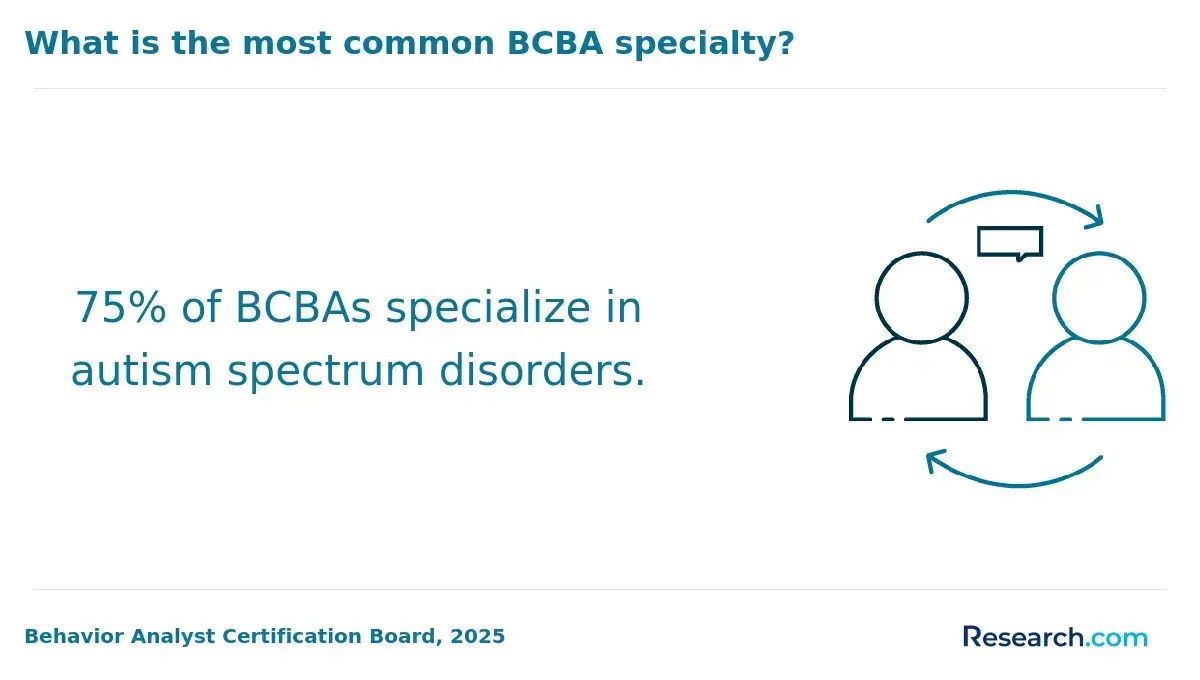
The BACB reports over 250,000 certified RBTs, far outnumbering BCBAs and BCaBAs. That scale shows why the RBT credential is a common entry point into the field. RBTs who later pursue BCBA certification often have a stronger practical understanding of behavior reduction procedures, skill-acquisition plans, data collection systems, and the day-to-day realities of providing ABA services to populations such as children with autism.
The important distinction is scope of practice. RBTs implement plans under supervision. BCBAs assess behavior, design interventions, monitor outcomes, supervise staff, and make clinical decisions within their competence. Moving from RBT to BCBA means moving from direct implementation to clinical leadership and accountability.
If you plan to advance, choose RBT roles carefully. Look for workplaces that provide consistent BCBA supervision, ethical documentation practices, diverse cases, and opportunities to observe assessment and treatment-planning processes. Candidates comparing graduate options can also review BCBA master's programs online to identify affordable routes that fit around work.
What are the educational requirements to become a BCBA while working as an RBT?
To become a BCBA while working as an RBT, you need more than clinical experience. Candidates must earn a master's degree or higher in behavior analysis, education, psychology, or a related field from an accredited institution. The degree provides the graduate-level foundation expected for advanced behavior-analytic practice.
Candidates must also complete 270 classroom hours of graduate-level coursework through a Verified Course Sequence (VCS) approved by the BACB. This coursework addresses core areas such as ethics, measurement, behavior assessment, intervention, supervision, and behavior-change procedures. RBT work can strengthen your understanding of these topics, but it does not replace the required graduate coursework.
Supervised fieldwork is the second major requirement. Candidates must complete either 1,500 hours of experience under BCBA supervision or an intensive 2,000-hour supervised practicum. Many RBTs complete a substantial portion of these hours through their workplace, but only if the experience and supervision meet BACB standards. This is why it is essential to confirm supervision arrangements before assuming your job hours will count.
Between 2022 and 2023, demand for BCBA and BCBA-D credentials increased by 14 percent. That growth makes the credential valuable, but it also means candidates should plan carefully to avoid preventable delays. Before enrolling, ask programs and employers how coursework, supervision, documentation, and fieldwork approvals will be coordinated.
A practical sequence for working RBTs is to secure admission to a qualifying graduate program, confirm the VCS requirement, identify an eligible supervisor, set up a fieldwork tracking system, and review documentation expectations at the start of every supervision period. Students comparing academic pathways can review ABA masters programs designed for BCBA preparation.
Can you work as an RBT while completing a BCBA graduate program?
Yes. Many students work as RBTs while completing a BCBA graduate program, and the combination can be highly effective when it is planned well. RBT employment gives students regular exposure to ABA implementation, client progress monitoring, data collection, and supervision. Those experiences can make graduate coursework more concrete and clinically meaningful.
The main risk is overload. Full-time RBT work, graduate assignments, fieldwork documentation, supervision meetings, and exam preparation can compete for the same limited time. A part-time or adjusted RBT schedule may be more sustainable, especially during semesters with heavy reading, projects, or practicum expectations.
Before committing to both roles, assess three factors: how predictable your work schedule is, whether your employer can provide qualified supervision, and how many hours each week you can realistically devote to coursework outside of paid work. If any of these are unstable, progress toward BCBA certification can slow quickly.
Supervisory trends show an increase from 2.07 to 2.41 RBTs per BCBA recently. This suggests growing demand, but it may also mean supervisors have heavier caseloads. Ask direct questions about supervision frequency, feedback quality, fieldwork documentation, and whether your duties will expose you to acceptable fieldwork activities.
Flexible graduate formats can help working RBTs stay on track. Candidates who need a faster or more adaptable option can compare the best ABA masters programs online while paying close attention to accreditation, supervision support, and workload expectations.
Online and campus-based BCBA programs can both prepare students for certification, but they differ in structure, scheduling, access to faculty, and how fieldwork support is delivered. The better option depends on your work schedule, learning style, location, and ability to secure supervision.
| Factor | Online BCBA programs | Campus-based BCBA programs |
| Schedule flexibility | Often better for working RBTs who need evening, asynchronous, or reduced commuting demands. | Usually more structured, with set class times and required on-campus attendance. |
| Faculty and peer interaction | May rely on discussion boards, video meetings, email, and virtual office hours. | Provides more in-person discussion, immediate feedback, and informal networking. |
| Fieldwork logistics | Students may need to arrange or self-source acceptable field placements and supervision. | May offer easier access to affiliated practicum sites, labs, and local agency partnerships. |
| Cost considerations | May reduce commuting and housing costs, though some programs charge technology-related fees. | May involve higher commuting, relocation, or campus-related costs depending on location. |
| Best fit | RBTs who are employed, self-directed, and already have a strong supervision setting. | Students who prefer structured learning, live modeling, and direct faculty access. |
Curriculum content in both formats should align with BACB expectations, but the learning experience can feel very different. Online students need strong self-management and proactive communication. Campus students may benefit from more built-in structure but may have less schedule flexibility.
Working RBTs should not choose solely by convenience. A flexible program is only useful if it also supports certification progress. Ask whether the program includes a Verified Course Sequence, how it helps students understand fieldwork requirements, whether faculty are accessible, and what outcomes data are available.
Data showing 65,300 unduplicated job postings versus 66,300 certificants highlights the competitive demand for qualified BCBAs. Choosing the right program format can affect how efficiently you complete requirements and how prepared you feel for clinical leadership. Students considering remote options can explore online ABA master's programs as one possible route.
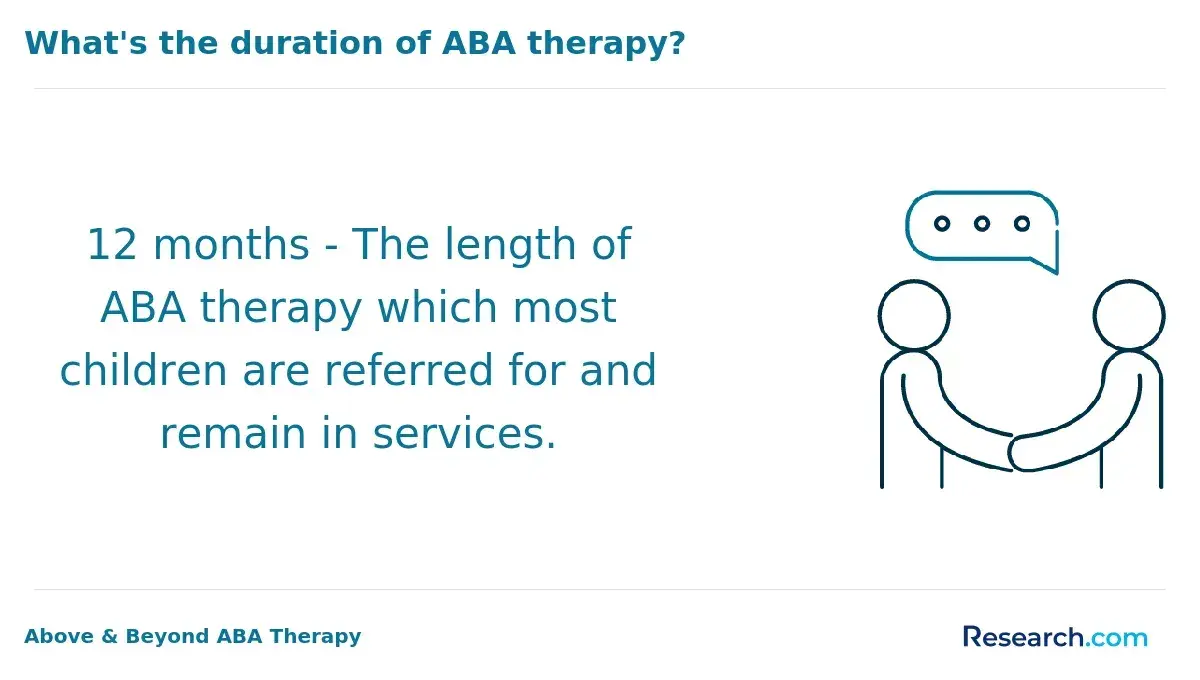
A part-time BCBA program typically takes 18 to 36 months to complete. The exact timeline depends on course sequencing, fieldwork progress, supervision availability, employer flexibility, and how many credits a student takes each term.
Working RBTs often need longer than full-time students because they are managing client sessions, documentation, travel, supervision meetings, and graduate assignments at the same time. The academic portion may be predictable, but fieldwork can be less so if supervision is limited or if your duties do not consistently qualify for required experience.
The Behavior Analyst Certification Board requires 1,500 supervised practicum hours, which can extend timelines for students with heavy work or family responsibilities. In 2022, supervising BCBAs reported overseeing an average of six RBTs, with most managing ten or fewer. Limited supervisor availability can affect how quickly candidates receive feedback, complete documentation, and accumulate eligible hours.
Some candidates finish in under two years by taking steady coursework and logging supervised hours consistently. Others take three years or more, especially if they work full time, change employers, pause coursework, or need to correct documentation gaps.
To keep a part-time timeline realistic, map each semester before it starts. Include class deadlines, work shifts, supervision meetings, fieldwork documentation, commuting, and study blocks. If the weekly plan looks impossible on paper, it will usually become harder in practice.
BCBA graduate program tuition generally ranges from $15,000 to $30,000, depending on the school, degree structure, and delivery format. Online options typically cost between $15,000 and $25,000, while campus programs may exceed $30,000. Students should also budget $2,000 to $4,000 for supervision fees, study materials, application costs, and related certification expenses.
The lowest advertised tuition is not always the lowest total cost. Working RBTs should compare tuition, fees, textbooks, supervision charges, commuting, lost work hours, technology requirements, and whether the program’s schedule allows them to maintain employment.
Financial aid depends on the institution and program type. Accredited degree programs that are eligible for Title IV funding may allow students to use federal student aid, including loans or grants. Some schools also offer scholarships, tuition discounts, monthly payment plans, or graduate assistant opportunities.
Employer tuition reimbursement can be especially relevant for RBTs. ABA agencies may support employees who are preparing for BCBA roles because those employees can later move into supervisory positions. Before relying on employer aid, review the conditions carefully. Some reimbursement programs require continued employment for a set period or repayment if you leave early.
Private scholarships and grants for behavior analysis are limited but gradually increasing. Professional organizations may offer awards based on academic performance, financial need, service, or demonstrated commitment to the field. Apply early, because deadlines may fall months before a program begins.
Ethical considerations highlighted in the BACB July 2023 Newsletter emphasize restrictions on supervisor relationships, particularly for parental RBTs, to prevent multiple relationship conflicts. This matters financially and professionally: a convenient supervisor is not always an appropriate supervisor. Choose supervision arrangements that protect your eligibility, documentation, and ethical standing.
When choosing a BCBA program in 2026, first verify that the program meets BACB coursework expectations, including whether it is offered as a Verified Course Sequence (VCS). A VCS helps confirm that the curriculum covers required content areas such as ethics, measurement, behavior assessment, intervention, and supervision.
Next, confirm institutional accreditation. The college or university should be accredited by a recognized regional or national agency, such as the Higher Learning Commission or Middle States Commission on Higher Education. Institutional accreditation is important for academic credibility and may affect access to federal financial aid.
Also examine fieldwork support. A program may provide the coursework you need but still leave you responsible for finding qualified supervision. Ask whether the program offers practicum placements, supervisor directories, documentation training, fieldwork review, or guidance on BACB supervision standards.
Before enrolling, request clear answers to these questions:
- Does the program satisfy the required BCBA coursework pathway?
- Is the institution accredited by a recognized accreditor?
- Are faculty members qualified in behavior analysis?
- Does the program publish exam pass rates, graduation rates, or employment outcomes?
- How does the program help working RBTs coordinate fieldwork and supervision?
- Are there additional fees for supervision, practicum coordination, or technology?
Since 83% of BCBAs and 88% of RBTs are female, according to Ambitions ABA Therapist Statistics, some students may also value mentorship, flexible scheduling, childcare-aware policies, and support for professionals balancing work, school, and family responsibilities. These services do not replace accreditation, but they can affect persistence and completion.
Verifying accreditation and certification alignment before enrolling protects your time, tuition investment, and eligibility to sit for the BCBA exam after graduation.
RBTs who earn the BCBA credential typically move into higher-responsibility roles with stronger earning potential. Entry-level RBTs typically earn between $15 and $25 per hour, depending on employer, location, experience, and setting. After certification, BCBAs usually transition to annual salaries ranging from $60,000 to $85,000, with highly experienced professionals in sought-after areas earning over $100,000.
The salary increase reflects a major change in role. BCBAs are responsible for assessments, treatment planning, supervision, data review, caregiver collaboration, ethical decision-making, and clinical oversight. The credential can also open doors in schools, clinics, home-based ABA programs, hospitals, community agencies, and consulting roles.
The job outlook remains strong. Demand for BCBAs continues to grow as ABA services are used in autism spectrum disorder services, behavioral health, education, and related care settings. Data shows that the number of newly certified BCBAs has risen by an average of 14% annually since 2010.
Location still matters. Urban and suburban markets may offer more openings and higher compensation, while rural areas may have fewer positions but significant unmet need. Employer type also affects pay, workload, caseload size, benefits, and advancement opportunities.
RBTs preparing for BCBA roles can improve their marketability by building skills beyond direct implementation. Useful experience includes training newer technicians, participating in data review, observing assessments, learning documentation standards, and developing strong professional communication with families and interdisciplinary teams.
The BCBA certification exam is the final step after completing the required education and supervised experience pathway. Candidates need a master's degree in behavior analysis, education, or psychology from an accredited institution, along with 2,000 hours of supervised applied behavior analysis experience following the BACB's Fifth Edition Task List.
Practical experience should prepare candidates for real BCBA responsibilities, not just observation or routine implementation. Relevant activities may include conducting assessments, designing behavior intervention plans, analyzing data, monitoring client progress, and applying ethical decision-making in supervised contexts.
The BCBA exam consists of 150 multiple-choice questions. The content covers five major areas: foundational knowledge, assessment, intervention, implementation and management, and ethical considerations. Candidates have four hours to complete the exam.
A scaled score of 500 or above is required to pass. This generally means answering about 70% of questions correctly, although exact passing criteria are not publicly disclosed. Because the exam tests application as well as recall, memorizing terms is usually not enough.
Strong preparation should begin before the final semester. RBTs should align study plans with the BACB's Task List, use practice exams to identify weak areas, review ethics scenarios, and connect exam concepts to supervised fieldwork. Study groups can help, but they should be structured around applied questions rather than passive discussion.
Work conditions also matter. RBTs pursuing BCBA certification may face job dissatisfaction and retention issues when their roles feel undervalued compared to BCBAs. Supportive employers can reduce this strain by offering predictable schedules, quality supervision, protected study time when possible, and meaningful professional development.
How do you balance RBT work experience with BCBA coursework and clinical hours?
Balancing RBT work, BCBA coursework, and clinical hours requires a system, not just motivation. The safest approach is to plan your week around fixed obligations first, then add study, documentation, and recovery time. If every hour is already assigned, burnout and missed deadlines become more likely.
Start by separating your responsibilities into three categories:
- Fixed commitments: client sessions, supervision meetings, class meetings, exams, and employer-required documentation.
- Flexible commitments: reading, discussion posts, recorded lectures, study sessions, and fieldwork log updates.
- Recovery time: sleep, meals, commuting buffers, exercise, family responsibilities, and unscheduled downtime.
Many working RBTs do best when they connect coursework to practice. For example, a unit on measurement becomes easier to understand when you are actively collecting and reviewing client data. A lesson on ethics becomes more meaningful when you discuss boundaries, consent, documentation, and scope of competence with a supervisor.
Communication with supervisors is essential. Tell your employer when major assignments, exams, or supervision deadlines are approaching. Some employers may offer schedule adjustments, reduced caseloads, or different shifts during demanding academic periods. Do not wait until you are already behind to ask for support.
Use a digital tracking system for fieldwork and supervision records. Update logs weekly, not at the end of the semester. Last-minute reconstruction creates stress and increases the risk of inaccurate documentation.
With a 23% growth in BCBA demand from 2021 to 2022, advancing from RBT to BCBA remains a meaningful career move, according to Inclusive ABA BCBA Certificant Demographics. The best strategy is steady progress: choose a manageable course load, secure ethical supervision, protect study time, and treat documentation as part of the job rather than an extra task.
Other Things You Should Know About Applied Behavior Analysis
BCBA fieldwork must be supervised by a qualified BCBA or BCBA-D under BACB standards. An RBT can still work in ABA under an RBT supervisor, but those hours do not count toward BCBA fieldwork unless the supervisor meets BACB supervision requirements and documents the experience correctly.
To obtain BCBA certification in 2027, candidates must complete 2,000 fieldwork hours, which can be gained while working as an RBT. These hours need supervision by a qualified professional and provide practical experience crucial for certification.
Yes, RBT fieldwork hours can count towards BCBA certification if they meet the BACB's specific requirements. Supervised fieldwork must align with the BCBA standards, and applicants must ensure their hours are appropriately documented and verified by a qualified supervisor.
- BCBA Certification Programs: How to Choose the Right Path https://www.operationsarmy.com/post/bcba-certification-programs-how-to-choose-the-right-path
- Can an RBT Become a BCBA? https://www.newpatternsaba.com/blog/can-an-rbt-become-a-bcba
- Best RBT Career Paths to Phenomenal Success https://www.alumacare.com/blog/best-rbt-career-path
- RBT to BCBA: The Career Progression Path https://www.appliedbehavioranalysisedu.org/2026/05/rbt-to-bcba/
- BCBA vs RBT: Understanding Differences and Career Paths - Bluesprig Autism https://www.bluesprigautism.com/blog/bcba-vs-rbt-understanding-differences-and-career-paths/
- Can An RBT Become A BCBA? https://kidsclubaba.com/can-an-rbt-become-a-bcba/
- How Long Does It Take to Get 1500 Hours for BCBA? | Blue Jay https://www.bluejayaba.com/blog/how-long-does-it-take-to-get-1500-hours
- How Long Does It Take to Become an ABA Therapist? Our Guide https://championsaba.com/how-long-does-it-take-to-become-an-aba-therapist/
- How to Become a Behavior Analyst https://onlinecounselingprograms.com/mental-health-careers/how-to-become-behavior-analyst-bcba/
- BCBA vs RBT: Responsibilities, Salary & Career Path | Which Role Is Right for You? https://abcachieve.com/bcba-vs-rbt/