2027 When to Start BCBA Exam Prep During Graduate School

Co-Founder and Chief Data Scientist
The key question for many graduate ABA students is not whether to study for the BCBA exam, but when to shift from ordinary coursework to deliberate exam preparation. Start too soon and you may spend months reviewing material before you have enough context to use it. Start too late and you may be trying to master ethics, assessment, intervention, measurement, and fieldwork documentation while also finishing graduation requirements.
This guide explains how to time BCBA exam prep during graduate school so your study plan supports—not competes with—coursework and supervised experience. It covers certification requirements, how graduate programs build exam readiness, what the exam includes, how online and campus programs differ, what programs cost, and how certification can affect career options. The goal is to help you build a realistic preparation timeline that improves retention, reduces cramming, and positions you for exam eligibility with fewer delays.
Key Things You Should Know
- Starting BCBA exam prep early in graduate school can significantly improve pass rates, with recent studies showing candidates who begin prep before final semester have up to 25% higher success.
- Balancing coursework and exam preparation reduces burnout; 2025 surveys report 60% of successful candidates allocated consistent weekly study time alongside graduate responsibilities.
- Utilizing structured study plans and current BACB task lists during graduate training aligns knowledge with exam requirements, enhancing readiness and confidence for the 2026 BCBA exam.
When Should You Start BCBA Exam Prep in Graduate School?
The best time to start BCBA exam prep is usually after you have completed your foundational ABA coursework and begun connecting course concepts to supervised fieldwork. For many graduate students, that means starting structured review by the beginning of the second year. This gives you enough background to understand the material, while still leaving time to identify weak areas before graduation and exam eligibility.
Avoid treating BCBA prep as a separate task that begins only after your degree is finished. The exam rewards applied reasoning, not simple recall. Concepts such as reinforcement, functional assessment, behavior reduction, measurement, experimental design, ethics, and intervention planning are easier to retain when you review them while seeing them in practice.
A practical timeline looks like this:
| Graduate school stage | Best exam-prep focus | Why it matters |
| Early coursework | Build vocabulary, organize notes, and connect assignments to the task list | This prevents later review from becoming a full relearning process. |
| After foundational courses | Begin weekly cumulative review and practice questions | You have enough content knowledge to study with context instead of memorizing isolated terms. |
| During advanced coursework and fieldwork | Apply concepts to cases, data, ethics scenarios, and intervention decisions | The current exam format emphasizes conceptual application and professional judgment. |
| Final months before eligibility | Use a focused study schedule, timed practice, and targeted remediation | This is when you move from broad review to exam readiness. |
Students should also account for the transition from the 5th to the 6th Edition Task List. If your coursework, study materials, or supervision discussions reference different task-list versions, confirm which content applies to your testing window and align your study plan accordingly.
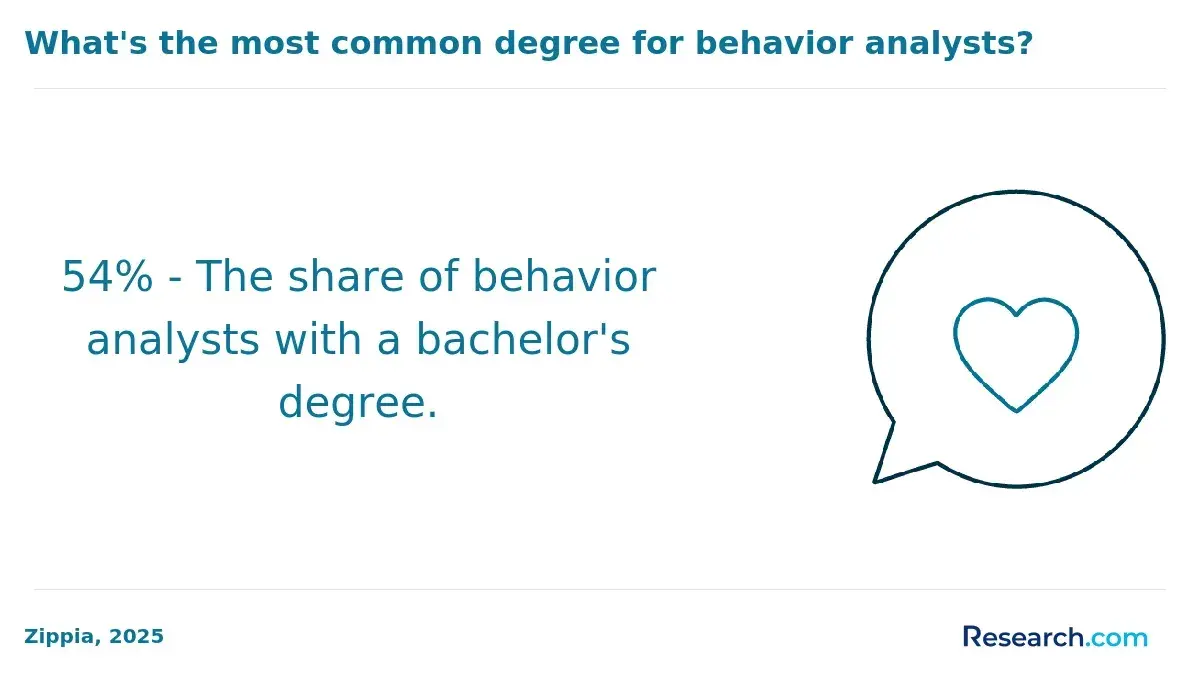
The need for consistent preparation is especially important because first-time BCBA exam pass rates dropped to 54%, largely due to the task list transition and stronger emphasis on application. That does not mean students should panic or overstudy from day one. It means they should avoid last-minute cramming and use graduate school as a long runway for repeated exposure, practice, and feedback.
If you need a format that lets you coordinate coursework, fieldwork, and study time around work or family responsibilities, compare flexible online BCBA graduate programs carefully. The right program structure can make it easier to maintain a steady preparation rhythm instead of compressing review into the final few weeks.
What Are BCBA Certification Requirements?
BCBA certification is based on three major requirements: graduate-level education, supervised practical experience, and passing the BCBA examination. Graduate students should understand these requirements early because delays in coursework verification, fieldwork documentation, or supervision planning can postpone exam eligibility.
Candidates must complete a graduate degree and coursework that aligns with Behavior Analyst Certification Board (BACB) standards. These courses are designed to cover core areas such as behavior assessment, intervention, ethics, measurement, research methods, and behavior-change procedures. For students, the most important step is to confirm that the program’s course sequence matches current BACB requirements before enrolling or transferring credits.
Candidates must also complete at least 1,500 hours of supervised practical experience following BACB guidelines. These hours may be completed through practicum, intensive practicum, or fieldwork arrangements, depending on the program and supervision model. Documentation matters: students should track hours, activities, supervisor contacts, and required forms consistently rather than trying to reconstruct records at the end.
The exam then assesses whether the candidate can apply behavior-analytic knowledge in professional situations. It is not enough to recognize definitions. Candidates need to interpret data, evaluate ethical problems, select assessments, design interventions, and make decisions consistent with behavior-analytic principles.
Pass rates vary widely across accredited graduate programs, ranging from 0% to 100% according to BACB data updated in December 2025. That range makes program selection important. When comparing BCBA master’s programs, look beyond tuition and convenience. Ask how the program supports exam preparation, how often students receive supervision feedback, and whether faculty help students connect coursework to applied practice.
For graduate students, the safest approach is to build exam preparation into the certification process rather than waiting until all requirements are finished. Coursework gives you the language, fieldwork gives you context, and exam prep helps you integrate both into the kind of reasoning the test requires.
How Does Graduate School Prepare You for the BCBA Exam?
Graduate school prepares you for the BCBA exam by giving you the formal content foundation and supervised practice needed to understand applied behavior analysis at a professional level. Core courses typically address assessment, intervention, ethics, measurement, research design, and behavior-change principles. These subjects map closely to the exam, but coursework alone is rarely enough for full exam readiness.
The strongest preparation happens when students use each course as part of a cumulative study system. Instead of filing away notes after a final exam, organize them by topic, revisit older material monthly, and connect concepts to cases from practicum or fieldwork. This turns graduate school into a long-term review cycle rather than a sequence of disconnected classes.
Supervised experience is equally important because many exam questions require applied judgment. During practicum or fieldwork, students learn how assessment data informs intervention, how ethical obligations affect clinical decisions, and how treatment plans must be adjusted based on client progress. These experiences make abstract concepts easier to recall and apply under exam conditions.
Even with strong coursework, most candidates still need 200-300 hours of focused study after completing classes, usually over 3-4 months at 15-25 hours weekly. That review period should be structured around practice questions, weak-area analysis, timed exams, and careful review of explanations—not passive rereading.
Use graduate school to reduce the burden of that final study phase. A good system includes:
- brief weekly review of previous coursework;
- a running list of concepts that remain unclear;
- practice questions tied to the topics currently being studied;
- fieldwork reflections that connect real cases to task-list concepts;
- regular check-ins with supervisors or faculty about areas that need clarification.
Students who need more control over scheduling may benefit from a master’s in applied behavior analysis online, especially if they are balancing employment, fieldwork, and family responsibilities. The key is to choose a format that supports both academic progress and consistent exam review.
What Is the BCBA Exam Structure and Content?
The BCBA exam is a four-hour, multiple-choice test with 150 questions. About 135 questions are scored, and 15 are unscored pretest questions. Candidates do not know which questions are unscored, so every item should be treated as if it counts.
The exam measures whether candidates can use behavior-analytic knowledge across major professional domains. These include foundational knowledge, client-centered responsibilities, assessment, and intervention. In practice, that means candidates must do more than define terms. They must interpret scenarios, choose ethical responses, evaluate data, and identify appropriate assessment or intervention steps.
| Exam area | What candidates should be ready to do |
| Foundational knowledge | Apply behavior principles, measurement concepts, data analysis, and single-subject research designs. |
| Client-centered responsibilities | Recognize ethical obligations, confidentiality issues, scope-of-practice limits, and professional decision points. |
| Assessment | Understand preference assessments, functional analyses, data collection methods, and behavior assessment procedures. |
| Intervention | Design and evaluate behavior-change programs, reinforcement schedules, behavior reduction strategies, skill acquisition plans, and differential reinforcement methods. |
Ethics is not an isolated topic. Questions may combine ethical requirements with assessment, supervision, treatment planning, documentation, or client communication. Candidates should study the Behavior Analyst Certification Board’s code in applied context rather than memorizing rules without examples.
The exam’s structure has a major implication for timing: preparation should begin while you are still seeing concepts in coursework and fieldwork. If you wait until after graduation, you may have to rebuild fluency with material that would have been easier to retain through steady review.
Demand for ABA therapy employment is projected to grow 8% through 2033, driven by autism diagnosis rates and insurance mandates. That outlook makes timely certification valuable, but candidates should still prioritize readiness over rushing. Students comparing online ABA master’s programs should ask how each program supports applied exam preparation, not just whether courses are delivered online.
Which Accredited Programs Offer BCBA Certification Tracks?
BCBA certification tracks are commonly offered through graduate programs in behavior analysis, psychology, education, and related fields. The most important consideration is whether the program’s coursework and supervision structure support current Behavior Analyst Certification Board requirements. Accreditation and verified coursework help reduce the risk of discovering late in the process that a course sequence does not meet eligibility standards.
Many candidates look for programs with Association for Behavior Analysis International (ABAI) Verified Course Sequences (VCS). Examples include the University of North Texas, Florida Institute of Technology, and Simmons University. A VCS can make it easier to confirm that required coursework aligns with certification expectations, but students should still verify current requirements directly with the program and the BACB because rules and task lists can change.
Program format also matters. Some tracks are fully online and designed for working professionals. Others are campus-based or hybrid, with stronger local practicum connections. The University of Southern California, for example, provides a hybrid format with robust practicum partnerships, while West Virginia University emphasizes remote coursework paired with virtual supervision options.
When comparing programs, focus on the factors that affect certification progress and exam readiness:
- Course sequence alignment: Confirm that required courses satisfy BACB expectations for your certification timeline.
- Supervision access: Ask whether the program helps arrange practicum or fieldwork or expects students to secure placements independently.
- Faculty expertise: Look for instructors with experience in the areas where you want to practice, such as autism services, schools, clinics, or organizational behavior management.
- Exam support: Find out whether the program offers review sessions, practice exams, performance feedback, or advising tied to exam readiness.
- Schedule fit: Choose a structure you can sustain while completing coursework, fieldwork hours, and personal obligations.
Salary potential can make the investment worthwhile, but it should not be the only selection factor. According to the Salary.com BCBA Salary Report, Q1 2025, the median annual salary for BCBAs reached $92,500, with higher earners exceeding $130,000 in states like California and Massachusetts. Those figures vary by location, role, experience, and employer, so students should weigh cost, completion time, supervision quality, and job-market fit together.
What Are Typical BCBA Graduate Program Costs and Length?
Typical BCBA graduate programs in the United States take 18 to 24 months to complete, depending on whether the student enrolls full time or part time. Full-time students often finish faster, while part-time students may need a longer timeline but gain more flexibility for work, caregiving, and supervised fieldwork. Some accelerated tracks can be completed in as little as 12 months.
Tuition and fees commonly fall between $40,000 and $60,000. Public institutions may cost less than private universities, but total cost depends on more than published tuition. Students should also ask about textbooks, technology fees, exam-prep resources, supervision fees, practicum-related expenses, and whether fieldwork support is included or arranged separately.
| Program choice | Potential advantage | Potential trade-off |
| Accelerated program | May shorten the path to graduation and workforce entry | Can be difficult to combine with work, fieldwork, and exam preparation |
| Full-time 18 to 24 month program | Offers a structured academic pace and faster completion than part-time study | May require reduced work hours or more intensive scheduling |
| Part-time program | Provides more flexibility for working professionals | Extends the timeline and may delay exam eligibility |
| Lower-cost program | Can reduce borrowing and improve affordability | May offer fewer built-in supports, depending on the institution |
Financing options may include scholarships, financial aid, and employer reimbursement programs. Students should compare net cost rather than sticker price and confirm whether aid applies to all terms, including summer or accelerated sessions.
The financial return can be significant for those who complete certification and enter appropriate roles. According to the Payscale Higher Ed ROI Report 2025, holders of this certification can see a lifetime return on investment of about $1.2 million compared to non-certified positions in applied behavior analysis roles. Still, ROI depends on completing the program, passing the exam, securing employment, and managing debt responsibly.
Before enrolling, build a budget and timeline together. A shorter program is not always better if it leaves too little time for fieldwork quality and exam preparation. A less expensive program is not always the best value if it provides limited advising or weak supervision support. The right choice is the one you can complete successfully while staying on track for certification.
Online vs Campus BCBA Programs: Key Differences?
Online and campus BCBA programs can both prepare students for certification, but they differ in structure, support, and how students complete supervised experience. The better option depends on your schedule, location, learning style, and access to qualified fieldwork settings.
| Factor | Online BCBA programs | Campus BCBA programs |
| Schedule flexibility | Often better for working professionals and students with family obligations | Usually more structured, with fixed class times and on-campus expectations |
| Faculty and peer interaction | May require more intentional communication through virtual meetings and discussion platforms | Provides more face-to-face interaction and immediate informal feedback |
| Practicum and fieldwork access | Students may need to secure placements independently | Programs may have local agency or school partnerships that simplify placement |
| Self-management demands | Requires strong organization, independent study habits, and proactive supervision planning | Provides more built-in routine but less scheduling flexibility |
| Exam-prep rhythm | Works well for disciplined students who can create a consistent study schedule | May support steady review through cohort pacing and in-person accountability |
Fieldwork is often the deciding factor. An online program may be convenient academically, but if you cannot find appropriate supervised experience in your area, your certification timeline may slow down. A campus program may be less flexible, but local practicum partnerships can make it easier to accumulate hours and receive consistent supervision.
Timing also matters because BCBA candidates have only eight exam attempts within two years. Students should choose a program format that supports both eligibility and readiness. Reaching eligibility quickly is not useful if you are underprepared; moving slowly can also delay career entry.
State-specific supervised experience rules may influence the best choice. Some states’ practicum hour requirements are easier to fulfill through campus-based partnerships, while online learners may need to identify appropriate placements and confirm that supervision arrangements meet required standards. Before enrolling, ask the program exactly how students in your state typically complete fieldwork.
What Admission Requirements Do BCBA Programs Have?
Admission requirements for BCBA-related programs vary by institution and program type, but applicants should distinguish between admission to a graduate program and eligibility for BCBA certification. A school may admit a student, but the student must still complete BACB-aligned coursework, supervised fieldwork, and the examination requirements to become certified.
Programs commonly review academic transcripts to determine whether the applicant’s background fits the course sequence and certification pathway. For BCBA certification, candidates need a relevant graduate degree, typically a master’s or higher, in behavior analysis, psychology, education, or a related area. Required coursework usually covers ethics, measurement, experimental design, behavior assessment, and intervention. These courses may be completed through accredited graduate programs or BACB-approved sequences.
Supervised fieldwork is also central to the pathway. Required hours range from 1000 to 1500 depending on the program format. This experience must be completed under a qualified BCBA supervisor and should include applied work with assessment, intervention, data collection, and professional documentation.
Additional admission materials vary. Programs may request GRE scores, letters of recommendation, a statement of purpose, a resume, interviews, or evidence of relevant work experience. Applicants should not assume that every program uses the same criteria or deadlines.
Before applying, take these steps:
- Confirm that the coursework aligns with current BACB requirements.
- Ask whether the program helps students secure fieldwork supervision.
- Review how the program documents and verifies required hours.
- Check whether courses are offered in the sequence needed for timely completion.
- Ask how students are advised about exam preparation in the final terms.
For exam planning, students are often advised to begin focused BCBA exam preparation about three months before graduation, studying 15-30 hours weekly. That final review is most effective when it builds on earlier coursework and supervised practice, not when it is the first serious exposure to exam-style application questions.
What Careers and Salaries Follow BCBA Certification?
BCBA certification can lead to roles in clinical services, schools, behavioral health organizations, private practice, and organizational behavior management. The exact job title, caseload, salary, and responsibilities depend on setting, location, experience, and employer needs.
| Career setting or role | Typical work focus | Salary information stated |
| Clinical BCBA | Supports individuals with developmental disorders such as autism through assessment, intervention planning, and treatment monitoring | Typically earns between $60,000 and $75,000 annually |
| School or special education BCBA | Works with students, teachers, families, and support teams to address behavior and learning needs | Usually makes between $55,000 and $70,000 |
| Organizational behavior management (OBM) | Applies behavior principles to employee performance, safety, training, and workplace systems | Often earns $70,000 to $90,000 |
| BCBA supervisor or director of behavior services | Oversees programs, supervises staff, manages clinical quality, and supports service delivery | May exceed $90,000 depending on experience and location |
Compensation can vary widely. Geographic location, employer type, population served, years of experience, additional certifications, and leadership responsibilities can all affect pay. Private practice and supervisory roles may offer higher earning potential, but they can also involve greater administrative responsibility, billing complexity, and accountability for staff performance.
Some BCBAs increase their long-term opportunities by pursuing doctoral degrees or specializing in niche populations. Others move into supervision, program management, consultation, or training roles. Certification is often the entry point, but career growth depends on clinical judgment, ethical practice, communication skills, and the ability to demonstrate outcomes.
Preparing for the BCBA exam during graduate studies matters because certification timing can affect when graduates qualify for these roles. A plan that combines coursework, fieldwork, and one to six months of targeted exam preparation can reduce delays between finishing school and entering BCBA-level employment.
What Is the Job Outlook for BCBAs?
The job outlook for BCBAs remains strong across healthcare, education, behavioral health, and private practice settings. Demand is supported by the need for qualified professionals who can assess behavior, design interventions, supervise services, and help clients with autism spectrum disorder, developmental disabilities, and mental health challenges.
The BACB’s 2024 Pass Rates Report noted a 15% increase in new certificants from 2023 to 2024. That growth signals expanding professional interest and employer demand, but it also means new graduates should expect a more competitive market in some areas. Candidates from programs with pass rates above 80% may be especially well positioned because employers often value strong training, exam readiness, and supervised experience.
Graduate students can improve their job prospects before certification by treating fieldwork as professional development, not just an hour requirement. Strong supervision, accurate documentation, ethical decision-making, and exposure to varied cases can all help students become more competitive after passing the exam.
The best employment strategy is to align exam preparation with career preparation. Start reviewing during graduate school, build relationships with supervisors and agencies, track your competencies, and seek feedback on areas such as assessment, intervention design, data interpretation, and professional communication. Passing the exam is the credentialing milestone; becoming employable requires demonstrating that you can use the credential responsibly in real practice.
Other Things You Should Know About Applied Behavior Analysis
Ideally, students should begin BCBA exam preparation approximately 6 to 9 months before their exam date in 2027. This timeline allows for comprehensive review, consistent study habits, and the integration of learned material through practical applications.
Supervision is a mandatory and vital part of BCBA practicum hours. It ensures that trainees apply behavior-analytic principles correctly and ethically under the guidance of a qualified BCBA. Supervision also provides feedback, professional development, and helps maintain high standards in both assessment and intervention practice.
It is possible to work in applied behavior analysis without BCBA certification, especially in entry-level or technician roles, often titled Registered Behavior Technician (RBT). However, BCBA certification is required for independent practice, designing behavior intervention plans, and supervising others in clinical or educational settings. The certification establishes a professional standard and greater career advancement opportunities.
Behavior analysts commonly work with populations such as children and adults with autism spectrum disorder, developmental disabilities, or behavioral challenges. They also support individuals in school settings, healthcare facilities, and community programs. Additionally, applied behavior analysis may be applied in organizational behavior management, improving workplace performance and training.
References
- What Does the BCBA Exam Consist Of? - ABA Study Guide https://abastudyguide.com/what-does-the-bcba-exam-consist-of/
- Strategies for Increasing BCBA Salary | Level Ahead ABA https://www.levelaheadaba.com/bcba-salary
- 11 Best BCBA Programs & Schools (In-Person & Online) https://www.crossrivertherapy.com/behavioral-analysts/best-bcba-programs
- Certification Pathways, VCSs, & Accreditation: A Student's Guide https://www.abatechnologies.com/blog/certification-pathways-vcss-accreditation-a-students-guide
- BCBA Job Outlook 2025 Shows Strong Growth and Demand https://blossomabatherapy.com/blog/bcba-job-outlook
- What is a BCBA? Your Guide to the BCBA Certification and Exam https://www.thechicagoschool.edu/insight/career-development/bcba-guide-bcba-certification-exam/
- BCBA Job Outlook in 2026 Explained | Divine Steps ABA https://www.divinestepstherapy.com/blog/bcba-job-outlook
- Applied Behavior Analysis (ABA)—Board Certified Behavior Analyst (BCBA) Certification - University of Mount Saint Vincent https://mountsaintvincent.edu/graduate-adult/graduate-programs/applied-behavior-analysis-aba-board-certified-behavior-analyst-bcba-certification/
- How Long to Study for Board Certified Behavior Analyst Exam: Optimal Preparation Timeline https://yourhealthmagazine.net/article/healthcare-careers/how-long-to-study-for-board-certified-behavior-analyst-exam-optimal-preparation-timeline/
- How Many Hours to Study for BCBA? Essential Guide | Blue Jay https://www.bluejayaba.com/blog/hours-study-for-bcba