2027 BCBA for School Counselors: Transition Guide

Co-Founder and Chief Data Scientist
School counselors who want to move into behavior analysis usually face three practical questions: whether their current degree qualifies them, what coursework or supervision they still need, and how long the transition will take while they continue working in schools. The path can be manageable, but only if you choose a program that aligns with certification rules, secure qualified supervision early, and understand how BCBA practice differs from counseling practice.
This guide explains how school counselors can pursue Board Certified Behavior Analyst certification, what education and supervised fieldwork are typically required, how online and hybrid programs compare, and what career and salary opportunities may follow. It is designed for counselors, educators, and graduate students who want a clear, decision-focused route into applied behavior analysis without wasting time on coursework or fieldwork that may not count toward certification.
Key Things You Should Know
- Board Certified Behavior Analyst (BCBA) credential enhances school counselors' ability to design effective behavior interventions, with 45% of U.S. schools reporting increased ABA program adoption by 2025.
- 2026 requirements include a master's degree, 1,500 supervised ABA practicum hours, and successful completion of the BCBA exam, crucial for career transition.
- Integrating ABA strategies helps school counselors address diverse student needs, improving behavioral outcomes by 30% on average according to recent educational studies.
What is a BCBA certification for school counselors?
A BCBA certification is a professional credential for practitioners who use applied behavior analysis to assess behavior, design interventions, measure progress, and adjust supports based on data. For school counselors, the credential can add a structured, behavior-focused skill set that complements counseling, student support, special education collaboration, and schoolwide intervention planning.
In a school setting, a BCBA-trained counselor may help create behavior intervention plans, support students with autism spectrum disorder, ADHD, emotional disturbances, or developmental disabilities, and train staff on consistent implementation. The work is usually more assessment-driven and intervention-specific than traditional school counseling, with an emphasis on observable behavior, environmental variables, data collection, and measurable outcomes.
To earn the credential, candidates must complete graduate-level behavior analysis coursework, meet supervised practical experience requirements, and pass the BCBA exam administered by the Behavior Analyst Certification Board. School counselors should also check state rules, district policies, and job descriptions because the ability to provide applied behavior analysis services can depend on local regulation and employer requirements.
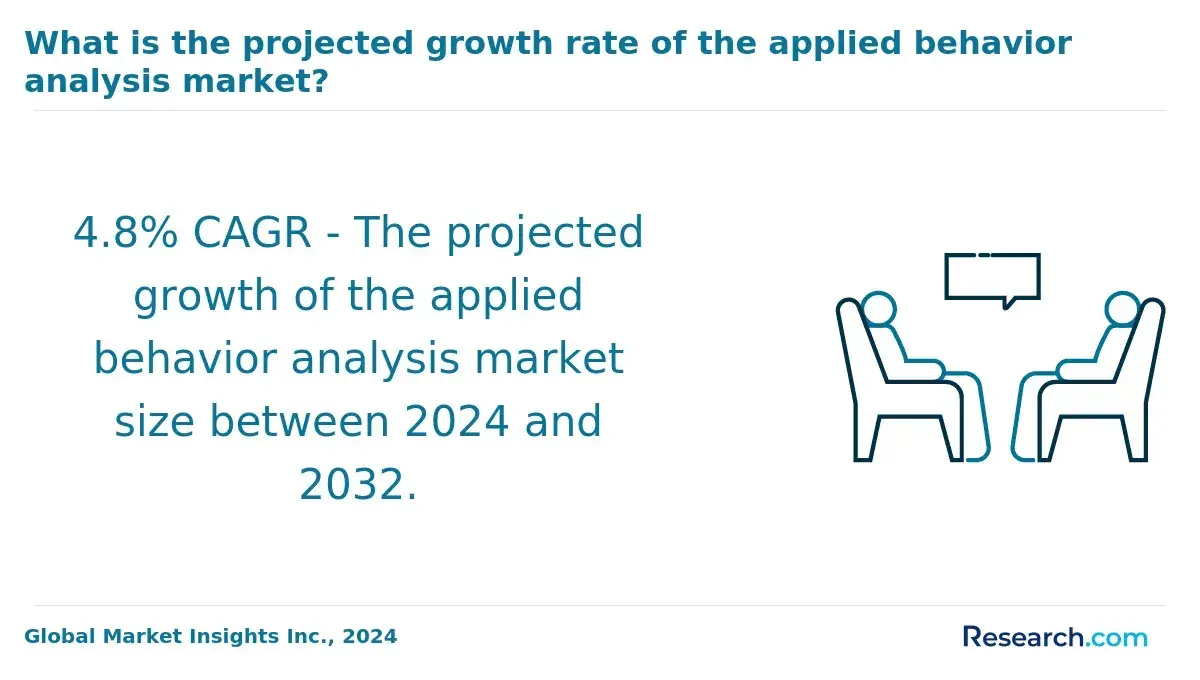
The school counselor transition to BCBA credential in North America is often driven by demand for individualized student support and more consistent behavioral intervention systems. BACB certificant sources indicate BCBA certifications have grown by more than 10% annually recently, reaching around 70,000 active certificants worldwide. Counselors comparing accessible academic options can review BCBA certification programs online while confirming that any program they choose fits their certification timeline.
Can school counselors become BCBAs?
Yes. School counselors can become BCBAs if they meet the same certification requirements as other candidates: eligible graduate education, required behavior analysis coursework, supervised fieldwork, and a passing score on the BCBA exam. A counseling background can be useful, but it does not automatically satisfy behavior analysis training requirements.
The first step is to review your existing graduate transcript. Many school counselors already hold a master's degree in counseling, education, psychology, or a related field, but their program may not have included the required behavior analysis sequence. In that case, the most direct route is often a graduate certificate, post-master's sequence, or master's program with BCBA-aligned coursework.
The requirements for school counselors to become BCBA professionals also include supervised practical experience, usually around 1,500 hours. These hours should involve behavior analytic activities such as assessment, behavior intervention planning, data collection, treatment monitoring, caregiver or staff training, and ethical decision-making under a qualified BCBA supervisor. Counselors working in schools should ask whether their current role can support fieldwork activities or whether they need an additional placement.
After coursework and fieldwork, candidates must pass the BCBA certification exam. The credential can strengthen a counselor's ability to support students with autism, learning disabilities, developmental challenges, and significant behavioral needs. It may also expand opportunities as school counselor roles are projected to grow 4% with many openings due to retirements and transfers. To avoid delays, compare program eligibility carefully and review BCBA certification schools before enrolling.
What are BCBA certification requirements?
BCBA certification requirements generally fall into four categories: an eligible graduate degree, approved behavior analysis coursework, supervised fieldwork, and the certification exam. School counselors should treat these as linked requirements. Completing a degree without the right coursework or accumulating hours without a qualified supervisor can slow down or derail certification.
Candidates seeking BCBA certification must first earn a master's degree in behavior analysis or a related field such as psychology or education from an accredited university. The academic plan should include coursework aligned with the BACB's Verified Course Sequence, including topics such as ethics, behavior assessment, measurement, intervention design, and research methods. Counselors who need flexible study options often compare ABA masters online programs to complete the education requirement while continuing to work.
Supervised practical experience is a major part of the BCBA certification process for school counselors in the US. Applicants must complete at least 1,500 hours under a qualified BCBA supervisor. Quality matters as much as quantity: the experience should expose candidates to assessment, intervention, data interpretation, collaboration, documentation, and ethical practice with real clients or students.
After meeting degree and supervised experience requirements, candidates take the BCBA certification exam. The exam evaluates knowledge of behavior analysis principles, ethical standards, measurement, assessment, intervention, and professional practice. Maintaining certification requires continuing education and ongoing compliance with ethical standards.
State-specific BCBA credential requirements for educators can vary, so candidates should verify local regulations before choosing a program or accepting a role. The credential can also affect earning potential. BCBAs earn a median annual wage of $92,000, which is 41% higher than the $65,140 median salary for school counselors. Actual compensation will still depend on setting, location, experience, bargaining agreements, and job responsibilities.
BCBA education begins at the graduate level. Candidates must earn a master's degree in a field related to behavior analysis, education, or psychology and complete behavior analysis coursework that addresses the required content areas. For school counselors, the best-fit education path is one that connects ABA principles to school-based assessment, classroom behavior support, special education collaboration, and intervention planning.
The graduate program must include at least 270 hours of coursework in applied behavior analysis content areas such as ethics, research methods, and behavioral assessment. Counselors should review whether the program is built for initial graduate study, post-master's coursework, or a certificate route. Those who already hold a master's degree may not need a second full degree if a compliant coursework sequence is available, but they must verify eligibility before enrolling.
Candidates are also required to complete supervised practical experience, comprising 1,500 hours of independent fieldwork or 2,000 hours in practicum settings, all supervised by a qualified BCBA. These hours are where counseling professionals learn to apply behavior analytic methods in practice, including direct observation, functional assessment, data-based intervention design, and collaboration with teachers, families, and multidisciplinary teams.
School-focused candidates should look for coursework and fieldwork that address K-12 realities: individualized education programs, classroom implementation, staff training, crisis prevention, inclusion, family communication, and ethical coordination with other providers. With a 25% increase in ABA services in U.S. schools due to rising autism diagnoses among K-12 students, demand for BCBAs trained for school counseling roles is growing rapidly.
After completing education and experience requirements, candidates must pass the BCBA certification exam and maintain certification through continuing education and ethical practice. Students who need a flexible format can compare applied behavior analysis degree online programs, but they should confirm how each program supports supervision, exam preparation, and school-based practice.
A BCBA program curriculum teaches students how to understand behavior, assess its function, design interventions, measure change, and practice ethically. For school counselors, the most valuable programs connect these technical skills to real school challenges such as disruptive behavior, skill deficits, attendance problems, social communication needs, and inconsistent intervention implementation.
Core coursework typically covers behavior assessment, functional analysis, measurement, data collection, experimental design, intervention selection, behavior reduction, skill acquisition, verbal behavior, and research methods. Students learn how to define behavior clearly, identify environmental variables, evaluate patterns, and make intervention decisions based on evidence rather than assumptions.
Ethics is central to the curriculum because BCBAs often work with vulnerable clients, families, teachers, and multidisciplinary teams. Post-2027 applicants must complete 45 standalone hours focused explicitly on ethics and organizational behavior management, highlighting updated requirements in professional conduct (BACB 2027 BCBA Requirements Guide).
Programs may also include school-relevant applications such as behavior intervention plans, classroom consultation, social skills training, crisis response, staff coaching, and collaboration with special education teams. These topics are especially important for counselors who plan to remain in K-12 settings instead of moving into clinical ABA roles.
Supervised practical experiences connect coursework to professional judgment. A strong fieldwork placement should require the candidate to collect and interpret data, participate in assessments, help design interventions, monitor fidelity, communicate with stakeholders, and revise plans when progress stalls. This practical component is often where school counselors make the shift from understanding ABA concepts to using them responsibly.
Yes. Many BCBA programs offer online or hybrid coursework for working counselors. These formats can be a good fit for school professionals who need to study outside the school day, remain employed, or avoid relocation. The key question is not whether the classes are online, but whether the program's coursework and supervision plan support BCBA eligibility.
Fully online programs typically deliver academic coursework remotely. They may be asynchronous, allowing students to complete weekly work on their own schedule, or synchronous, requiring live class sessions. Hybrid programs combine online coursework with in-person requirements, campus meetings, or structured fieldwork experiences.
Before choosing an online pathway, counselors should confirm three details: whether the coursework meets current certification expectations, whether the program helps students locate qualified supervisors, and whether fieldwork can be completed in a school-based role. A convenient online program can still create delays if students must find supervision on their own or if their workplace does not allow enough behavior analytic activity.
Accreditation is essential. Only APBA-accredited programs guarantee coursework that meets BACB eligibility for BCBA certification. Data from the Association of Professional Behavior Analysts shows 60% of school counselors using hybrid programs achieved eligibility by 2025, highlighting the value of this approach.
Online and hybrid programs can work well for counselors when they provide clear advising, exam preparation, fieldwork guidance, and school-relevant assignments. Prospective students should request a written plan showing required courses, estimated completion time, supervision expectations, total cost, and how the program responds if certification standards change during enrollment.
BCBA certification generally takes 1.5 to 3 years, depending on your prior graduate education, course load, access to supervision, and pace of exam preparation. School counselors who already hold an eligible master's degree may finish faster if they only need BCBA-specific coursework and fieldwork. Candidates starting a new graduate degree usually need more time.
Many universities offer dedicated BCBA tracks that can shorten the timeline to about 18 months if pursued full-time. Part-time study is often more realistic for working counselors, but it can extend the process. The biggest timeline variable is usually supervised fieldwork, because candidates must complete at least 1,500 hours of supervised fieldwork under a board-certified BCBA.
Counselors can reduce delays by arranging supervision before classes begin, confirming whether their current school duties qualify for fieldwork, and choosing placements that provide a steady flow of behavior analytic responsibilities. Waiting until after coursework to search for a supervisor is a common mistake that can add months to the process.
After coursework and fieldwork, candidates must pass the BCBA exam. Prep time often adds several months, especially for first-time test-takers. A realistic plan should include time for application review, exam scheduling, study, and possible retesting if needed.
For school counselors seeking dual BCBA certification, the benefits include a reported 28% salary premium and 15% faster job placement, according to the National Association of School Psychologists Workforce Report. To keep the timeline efficient, compare full-time and part-time options, prioritize supervisors with school-based experience, and build fieldwork activities into your current professional setting whenever possible.
BCBA certification can move school counselors into roles that focus more directly on behavior assessment, intervention design, staff consultation, and data-based student support. Some counselors remain in school counseling positions and use the credential to strengthen their practice, while others transition into dedicated behavior analyst, consultant, or special education support roles.
Common school-based opportunities include behavioral interventionist, academic support coordinator, school-based consultant, behavior specialist, and district behavior support roles. These positions may involve functional behavior assessments, behavior intervention plans, staff training, crisis prevention planning, progress monitoring, and collaboration with special education teams.
The credential may also support work with students who have autism spectrum disorder, developmental disabilities, communication needs, emotional or behavioral challenges, and intensive support plans. Counselors with BCBA training can be especially valuable when schools need professionals who understand both student mental health systems and behavior analytic intervention.
Career progression may lead to district-level roles influencing policy on behavior management, inclusion practices, transition planning, and professional development. Outside public school systems, BCBA-certified counselors may pursue educational consulting, private school support, clinical behavior analyst positions, or roles with agencies serving children and families.
Ethical practice is critical when changing roles or handing off cases. According to the BHCOE Annual Ethics Report, ethical concerns increased by 18% in 2025 audits due to insufficient six-month planning in BCBA practice transitions. School counselors seeking BCBA roles should prepare transition plans that protect continuity of services, clarify responsibilities, and ensure students are not left without appropriate support.
The average BCBA salary in 2026 ranges from $60,000 to $90,000 annually, influenced by location, experience, employer type, and whether the role is school-based, clinical, supervisory, or consultative. Entry-level professionals typically start near the lower end, while experienced BCBAs or those in supervisory roles may earn over $100,000.
School-based salaries can vary widely because public districts, private schools, charter schools, agencies, and consulting organizations use different pay structures. A counselor moving into a BCBA role should compare more than base salary. Contract length, caseload, summer work, benefits, supervision duties, travel, and after-hours expectations can significantly affect the real value of an offer.
Job growth for BCBAs remains strong in educational and clinical environments. California and Texas represented 35% of new BCBA education positions in 2025, showing a 12% year-over-year increase. Demand is tied to expanded services for students with autism spectrum disorder, developmental disabilities, and complex behavioral needs.
Urban areas may offer higher pay and more openings, but they can also come with higher living costs and heavier competition. Rural and underserved districts may offer fewer openings but may value dual-trained professionals who can support counseling, behavior intervention, and staff consultation. Additional qualifications, school-based fieldwork, and experience with multidisciplinary teams can improve job competitiveness.
To strengthen earning potential, counselors should begin supervision planning early, document school-based ABA experience clearly, and consider specializations such as early intervention, social skills training, autism support, or district-level consultation. Monitoring regional job trends through reliable tools like the BACB dashboard can help identify promising markets and salary benchmarks.
How to choose an accredited BCBA program?
Choosing a BCBA program should start with eligibility, not convenience. A program may be affordable, online, or well marketed, but it is not a good choice if its coursework, supervision support, or accreditation status does not align with certification requirements. School counselors should verify requirements directly before enrolling.
First, confirm the program's accreditation and certification alignment with the Behavior Analyst Certification Board (BACB). Ask the admissions office to provide written documentation explaining how the coursework supports BCBA exam eligibility and what students must do outside the classroom to complete fieldwork. Do not rely only on general website language.
Next, review the curriculum. It should cover required areas such as ethics, research methods, behavior assessment, measurement, intervention design, and data-based decision-making. For school counselors, it is also important to look for school-based applications, including collaboration with teachers, IEP teams, families, and administrators.
Supervision support is one of the most important differences between programs. Ask whether the program provides supervisors, helps students locate supervisors, requires a separate supervision contract, or expects students to arrange fieldwork independently. Also ask whether your current school position can count toward supervised hours and what documentation will be required.
Cost and flexibility matter, but they should be evaluated alongside completion risk. Compare tuition, fees, textbooks, supervision costs, exam preparation, financial aid options, scholarships, payment plans, course schedules, and time to completion. A lower-cost program may become more expensive if it delays fieldwork or requires students to repeat coursework elsewhere.
Workforce trends highlight growing demand: by 2030, 22% of school counselors are projected to hold BCBA certification, supported by a 15% rise in school-based ABA funding, according to U.S. Department of Education Special Ed Projections. The best program is the one that prepares you to meet certification standards, practice ethically in schools, and compete for the roles you actually want.
Other Things You Should Know About Applied Behavior Analysis
School counselors must complete 2,000 supervised fieldwork hours or 1,500 concentrated fieldwork hours under a qualified BCBA supervisor. At least 60% of the total hours must involve unrestricted activities, and supervision must be documented according to BACB standards.
School counselors must hold a master's degree in a relevant field and complete 1,500 hours of supervised fieldwork to qualify for BCBA certification in 2027. They must also pass the BCBA examination accredited by the Behavior Analyst Certification Board.
The 2027 BCBA for School Counselors: Transition Guide advises collecting behavior analysis data through direct observation and standardized assessments. It emphasizes using data to tailor interventions and monitor their effectiveness, ensuring practices are aligned with educational goals to support student development.
- BCBA School Jobs - Soliant Health https://www.soliant.com/school-healthcare-jobs/behavior-specialist-jobs/
- Guide to Becoming a BCBA - Bluesprig Autism https://www.bluesprigautism.com/blog/guide-to-becoming-a-bcba/
- Bacb - Employment Trends Dashboard https://www.bacb.com/employment-trends-dashboard
- First 30 Days: A Checklist for New (or Busy) School Counselors https://counselorblog.act.org/first-30-days-a-checklist-for-new-or-busy-school-counselors
- School Counselor: Role, Requirements & ABA Connection https://www.appliedbehavioranalysisedu.org/jobs-related-to-applied-behavior-analysis/school-counselor/
- BCBA Jobs & Board Certified Behavior Analyst Careers - LEARN Behavioral https://learnbehavioral.com/careers/advance-your-career
- ABA Certification Explained: RBT, BCaBA, BCBA, BCBA-D https://onlinecounselingprograms.com/mental-health-careers/how-to-become-behavior-analyst-bcba/aba-certification-explained/
- Master of Science in Applied Behavior Analysis (ABA) https://tsengcollege.csun.edu/programs/ABA/curriculum
- Best ABA Master’s Programs Online in 2025: Get BCBA Certified https://www.onlinemastersdegrees.org/best-programs/applied-behavior-analysis-aba/
- Association for Behavior Analysis International Accreditation Board https://accreditation.abainternational.org/accredited-programs.aspx