2027 Most Common BCBA Exam Mistakes & How to Avoid Them

Co-Founder and Chief Data Scientist
The BCBA exam is not a vocabulary test. It is a high-stakes certification exam that asks candidates to apply behavior-analytic concepts, ethics, measurement, supervision, and intervention decision-making under time pressure. That is why many prepared students still miss questions: they know the terms, but they have not practiced choosing the best action in realistic scenarios.
The challenge is real. National first-time pass rates are around 54%, and first-time pass rates for BCBA candidates are approximately 54–60% nationally. For candidates entering a field where certified BCBAs earn median salaries of approximately $76,000 annually and work across clinical, school, community, and organizational settings, avoiding preventable exam mistakes matters.
This guide explains the most common BCBA exam preparation and test-day errors, why they happen, and how to reduce them. You will learn how to build a stronger study plan, use practice exams correctly, manage timing, approach ethics questions, avoid memorization traps, and prepare more effectively if you need to retake the exam.
Key things you should know about avoiding BCBA exam mistakes
- Structured study planning targets weak domains, providing students with a clear roadmap to efficiently cover all BCBA exam content areas.
- Timed practice exams build pacing and stamina, helping candidates reduce errors and improve performance under real exam conditions.
- Applied scenario-based practice reinforces understanding, ensuring knowledge is not just memorized but effectively translated into professional decision-making.
What are the most frequent mistakes candidates make when preparing for the BCBA exam?
The most frequent BCBA exam preparation mistake is studying too narrowly. Many candidates spend weeks reviewing definitions but do not connect those terms to assessment, intervention, ethics, data interpretation, and supervision scenarios. The exam expects applied judgment, not just recognition.
Another common issue is assuming that completing coursework automatically means being exam-ready. Coursework, supervised fieldwork, and exam preparation overlap, but they are not the same. A strong plan should map study time to the current BACB content areas, include repeated practice under timed conditions, and use feedback to correct weak domains.
- Choosing coursework that is not properly aligned: A program that does not follow BACB Verified Course Sequence expectations can leave gaps in required content and terminology.
- Studying favorite topics while avoiding weaker domains: Candidates often over-review concepts they already understand and postpone difficult areas such as experimental design, ethics, data interpretation, or supervision.
- Using generic or outdated study materials: ABA textbooks and broad study guides can be useful background resources, but they may not match the structure, wording, or applied emphasis of the current exam.
- Taking too few practice exams: Without repeated mock exams, candidates may not learn how questions are framed, how distractors work, or how pacing affects accuracy.
- Separating fieldwork from study: Supervised experience should strengthen exam preparation. Candidates miss an opportunity when they do not connect fieldwork cases to assessment, measurement, ethics, and intervention concepts.
- Waiting too long to start: Last-minute cramming leaves little time to diagnose weaknesses, revisit difficult domains, or build stamina for scenario-based questions.
A practical preparation plan should begin with a content-outline checklist, a diagnostic practice test, a weekly study calendar, and a method for tracking missed questions by domain. Students comparing training options can also review online BCBA school options to understand how program structure may support exam preparation.
Why do many BCBA exam takers fail to pass on their first attempt and how can I avoid that?
Many first-time BCBA exam takers fail because their preparation does not match the way the exam asks questions. Nearly half of first-time test takers fail, often because they rely on recognition memory, underestimate applied scenarios, or do not practice making decisions quickly and accurately.
To avoid that pattern, treat the exam as a performance task. You need to know the concepts, but you also need to identify what the question is really asking, choose the most ethical and behavior-analytic response, and eliminate plausible but weaker options.
- Move beyond memorized definitions: For every term, ask: When would I use this? When would I not use it? What data would support the decision?
- Study according to exam content areas: Use the current content outline to make sure ethics, assessment, measurement, behavior change, supervision, and experimental design all receive attention.
- Practice with mixed questions: Domain-by-domain review is useful early, but the real exam mixes topics. Use mixed practice sets to build flexible decision-making.
- Review every missed question carefully: Do not only record the correct answer. Identify whether the mistake came from weak content knowledge, misreading, overthinking, poor elimination, or time pressure.
- Build a pacing routine: Practice timed sets so you know how long you can spend on difficult items before marking them and moving on.
- Simulate exam conditions: Full-length timed practice helps reveal fatigue, pacing problems, and concentration gaps that short quizzes do not expose.
Avoiding first-attempt failure is less about studying more hours and more about studying with better feedback. If your practice results do not show which domains and question types are causing errors, your study plan is probably too vague.
How can poor time management during the BCBA exam lead to avoidable errors?
Poor time management can turn answerable BCBA exam questions into missed points. The exam typically consists of 160 scored items to be completed in four hours, so candidates must maintain steady pacing while still reading carefully. Going too slowly early in the exam often leads to rushed decisions later, while rushing from the beginning increases misreads and careless mistakes.
Time pressure affects accuracy in predictable ways. Candidates may skim over qualifiers, choose the first familiar answer, or spend too long debating between two options. A pacing plan prevents difficult items from controlling the entire exam.
- Spending too long on early questions: A difficult item near the beginning can consume time that is needed for easier questions later.
- Skipping without a return plan: Marking questions is useful only if you reserve enough time to revisit them.
- Ignoring the average pace: Candidates must average about 1.5 minutes per question to finish on time.
- Rushing at the end: Fatigue and panic increase the likelihood of overlooking words such as “most,” “least,” “not,” or “best.”
- Failing to monitor the clock: Candidates who do not check progress at planned intervals may discover too late that they are behind.
- Practicing only untimed questions: Untimed review builds content knowledge, but it does not train decision-making under exam pressure.
A stronger approach is to practice in stages: first untimed for learning, then timed short sets for pacing, then full-length timed simulations for stamina. During practice, track both accuracy and time per item. If accuracy drops sharply under timed conditions, the issue may be test strategy rather than content knowledge alone.
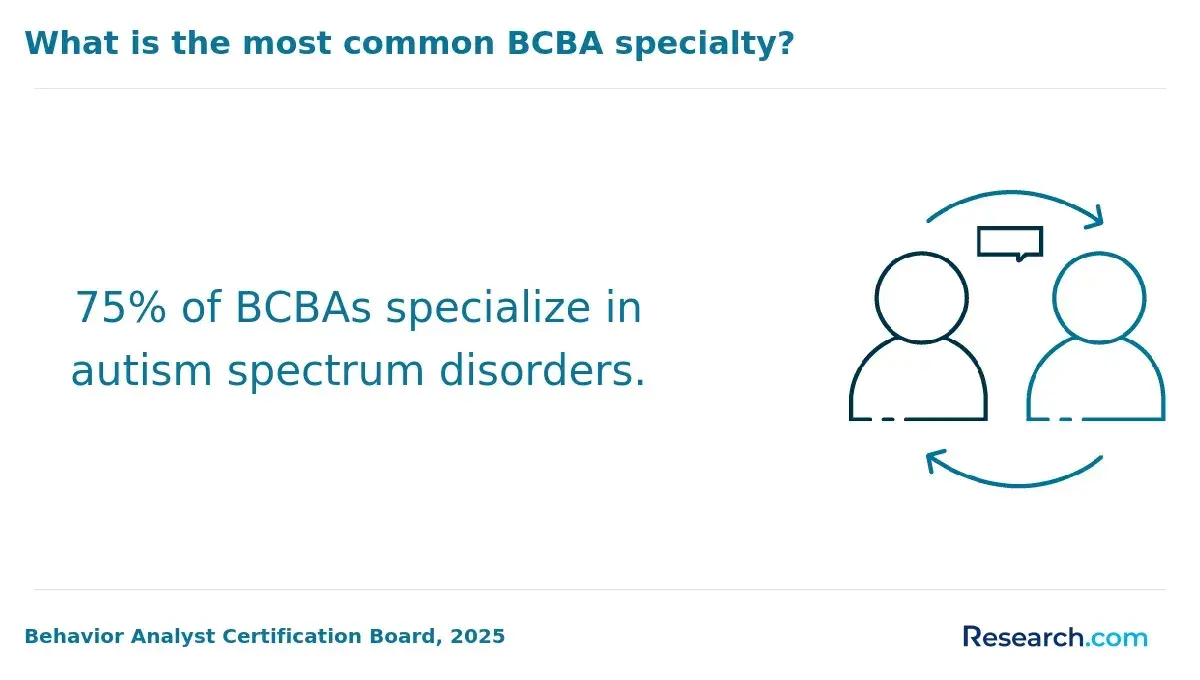
The BCBA exam spans nine domains, including Behaviorism, Concepts & Principles, Measurement, Experimental Design, Ethics, Assessment, Behavior Change, Intervention Selection, and Supervision. Mistakes often occur in areas that require interpretation rather than recall. Candidates may know the name of a procedure but struggle to decide whether it fits a specific client, data pattern, ethical concern, or supervision situation.
The most challenging domains are not always the ones with the most unfamiliar vocabulary. They are often the areas where several concepts interact in one scenario.
- Behavior-Change Procedures: Candidates may recognize reinforcement, punishment, prompting, shaping, or extinction terms but choose an intervention that does not match the function, context, or ethical constraints in the question.
- Measurement & Data Display: Errors occur when candidates misread graphs, confuse level and trend, overlook variability, or fail to connect measurement choice to the target behavior.
- Ethical & Professional Issues: Ethics questions often test judgment in ambiguous situations. The best answer may require prioritizing client welfare, competence, consent, confidentiality, supervision duties, or data integrity.
- Personnel Supervision & Management: Candidates may underestimate how often supervision questions require knowledge of performance monitoring, feedback, delegation, documentation, and scope of competence.
- Experimental Design: These questions can be difficult because they require candidates to understand logic, internal validity, replication, baseline patterns, and the relation between design choice and research question.
To improve in these areas, do not study them as isolated chapters. Pair each domain with applied questions, real or sample graphs, brief case examples, and explanation-based review. If you cannot explain why the correct answer is better than the distractors, you have not fully mastered the concept.
Memorization helps with terminology, but it is not enough for the BCBA exam. The exam often asks what a behavior analyst should do next, which intervention is most appropriate, which measurement system fits the behavior, or which ethical obligation should guide the decision. Those questions require applied reasoning.
Over-reliance on memorization usually shows up when candidates can define a term but cannot use it. For example, knowing a procedure’s definition is different from recognizing when it is clinically appropriate, ethically sound, and supported by the available data.
- Definitions without context: A memorized definition may not help if the question changes the setting, client variables, function of behavior, or data pattern.
- Too much flashcard dependence: Flashcards are useful for fluency, but they rarely reproduce the complexity of multi-step scenarios.
- Weak transfer to novel wording: Candidates who memorize exact phrasing may miss questions that describe the same concept in unfamiliar language.
- Poor integration across domains: Many questions combine measurement, assessment, intervention, ethics, and supervision. Studying one concept at a time can leave candidates unprepared for integrated items.
- Limited case-based practice: Without scenarios, candidates may not learn to choose between two answers that both sound technically correct.
A better strategy is to use a three-step review process: define the concept, apply it to a case, and explain why alternative answers are weaker. Accredited BCBA programs often build this connection between theory and applied decision-making, but candidates still need deliberate exam practice to strengthen it.
BCBA candidates can lose points even when they know the content if they use weak test-taking strategies. The most common errors involve reading too quickly, mismanaging uncertainty, overanalyzing straightforward questions, or failing to use answer choices strategically.
The goal is not to “game” the exam. The goal is to make sure your score reflects what you know rather than avoidable mistakes caused by fatigue, anxiety, or poor pacing.
- Missing qualifiers: Words such as “most,” “least,” “first,” “best,” “not,” and “except” can completely change the answer.
- Answering before identifying the task: Some questions ask for the next step, while others ask for the best intervention, ethical response, measurement system, or supervision action.
- Overthinking simple items: Spending too long searching for hidden complexity can waste time and create doubt.
- Changing answers without a reason: Revisions should be based on a specific misread or concept correction, not panic.
- Failing to eliminate distractors: Removing clearly wrong choices improves focus and reduces the chance of choosing an appealing but incomplete answer.
- Marking too many questions: If every uncertain item is marked, the review period becomes unmanageable.
- Ignoring stamina: A four-hour exam can create mental fatigue, especially for candidates who have only practiced short quizzes.
During practice exams, review not only which questions you missed but how you approached them. If you repeatedly miss items because of wording, build a habit of underlining key qualifiers mentally before looking at answer choices. If you run out of time, practice deciding when to make the best available choice and move forward.
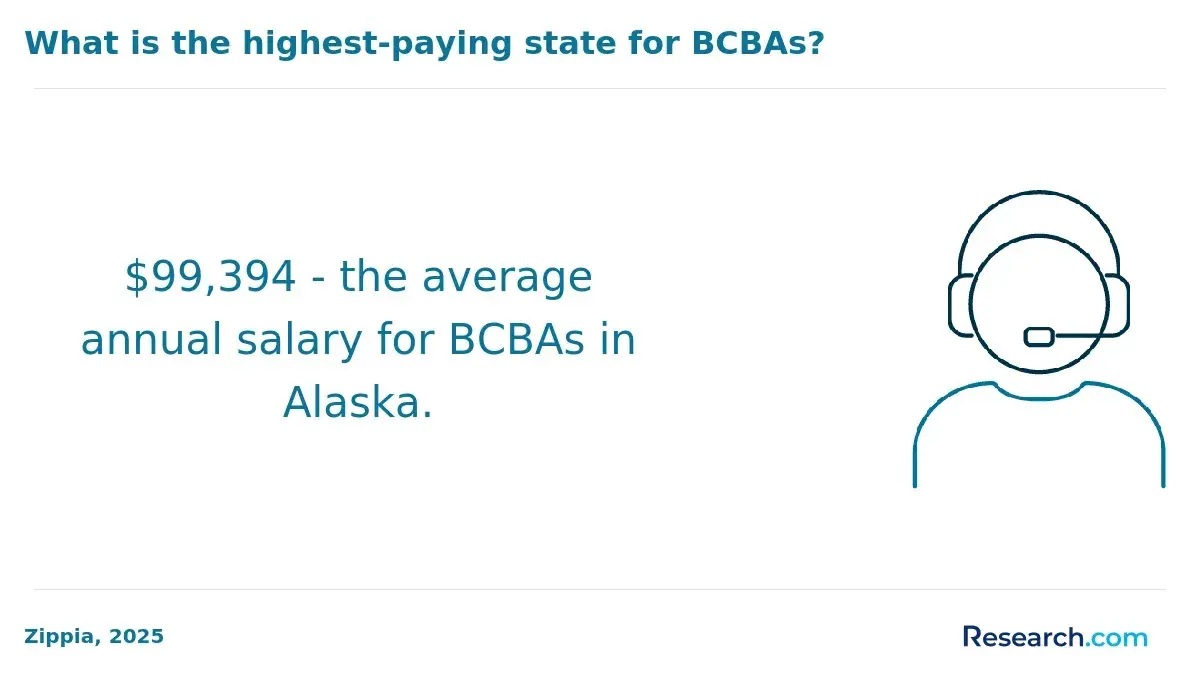
Neglecting ethics creates unnecessary BCBA exam mistakes because ethics questions are both content-based and judgment-based. Ethics questions form approximately 13% of the BCBA exam, and they often appear as scenarios where more than one answer seems reasonable. Candidates must know the standards and apply them in the correct order of priority.
Ethics is also not isolated from the rest of the exam. Ethical decision-making can appear in questions about assessment, data collection, intervention selection, supervision, confidentiality, documentation, and professional boundaries.
- Using outdated ethics materials: If a study resource does not reflect the current BACB Ethics Code, candidates may learn standards or terminology that no longer match exam expectations.
- Assuming ethics questions are common sense: Personal judgment is not enough. The exam expects behavior-analytic and code-based reasoning.
- Ignoring supervision ethics: Supervisory duties, delegation, documentation, feedback, and competence are frequent sources of mistakes.
- Failing to connect ethics with data: Candidates may overlook obligations related to accurate measurement, honest reporting, treatment effectiveness, and decision-making based on evidence.
- Choosing the answer that feels helpful but is not appropriate: The most compassionate-sounding response is not always the most ethical or professionally correct response.
- Skipping scenario practice: Ethics questions require practice because the wording often tests prioritization, not simple recall.
When comparing study pathways, do not evaluate speed alone. A fast online BCBA program should still provide serious preparation in ethics, supervision, and applied professional decision-making.
Inadequate study planning leads to uneven preparation. Outdated materials make the problem worse by directing candidates toward content, wording, or emphases that may not align with the 6th Edition Content Outline. Even motivated candidates can lose time if they study from the wrong map.
A good study plan is specific enough to guide daily work and flexible enough to change when practice data reveal weaknesses. A vague goal such as “study ethics this week” is less useful than a plan that identifies readings, practice questions, scenario review, and a short timed quiz.
- Using old Task List editions: Outdated resources can leave candidates reviewing material that is less relevant while missing current content expectations.
- Studying without milestones: Without weekly targets, candidates may not realize until too late that several domains remain underreviewed.
- Following a generic schedule: A plan that does not respond to practice scores may spend too much time on strengths and too little on weaknesses.
- Relying on non-specific resources: General ABA books can support understanding, but they may not prepare candidates for the exam’s scenario-based format.
- Ignoring the format of questions: Candidates need to practice applied questions, graph interpretation, ethics scenarios, and integrated domain items, not only content review.
- Not tracking errors: Without an error log, the same mistakes often repeat across practice exams.
An effective plan should include current resources, scheduled domain review, timed practice, full-length simulations, and a written error log. Each missed question should be categorized by topic and mistake type so the next study session is targeted rather than random.
Stress can cause BCBA exam mistakes by narrowing attention, increasing impulsive answering, and making it harder to retrieve information you actually know. Exam-day anxiety often appears as rushing, rereading the same question repeatedly, second-guessing correct answers, or becoming stuck on one difficult item.
The solution is not to eliminate stress completely. Some stress is normal. The goal is to prepare a routine that keeps stress from controlling your pacing and decision-making.
- Misreading under pressure: Anxiety can cause candidates to skip important qualifiers or overlook what the question is asking.
- Loss of stamina late in the exam: Mental fatigue increases careless errors, especially in long scenario questions.
- Spending too long on one item: Stress can make a single difficult question feel more important than it is, damaging overall pacing.
- Physical symptoms interfering with focus: Sweating, shaking, shallow breathing, or muscle tension can distract from careful reading.
- Changing answers out of panic: Anxiety can make candidates distrust their reasoning without a clear content-based reason.
- Poor logistics: Running late, misunderstanding testing rules, or arriving unprepared can raise stress before the exam begins.
Manage stress before test day by completing timed mocks, planning transportation or check-in logistics, preparing required materials, and practicing a short reset routine. During the exam, use simple tactics: pause for a slow breath, reread the stem, identify the task, eliminate weak choices, and move on if the question is taking too long.
How can I review and correct mistakes before retaking the BCBA exam?
A BCBA exam retake should start with diagnosis, not simply more studying. Retake success depends on identifying why the first attempt fell short, then rebuilding preparation around those causes. The issue may be weak content knowledge, poor application, timing, stress, outdated materials, or a combination of these.
Begin by reviewing your score information and practice history. Then create a new plan that focuses on the domains and mistake types most likely to improve your score. Repeating the same study method usually produces the same result.
- Analyze score reports: Use available performance information to identify weaker domains and avoid overstudying areas that are already strong.
- Create an error log: For each missed practice item, record the domain, concept, reason for the error, and corrective action.
- Rework missed questions: Do not stop after reading the explanation. Explain why the correct answer is best and why each distractor is wrong.
- Use full-length timed simulations: Practice under exam-like conditions to rebuild pacing, stamina, and confidence.
- Update study materials: Confirm that resources align with the latest Task List or content outline before investing more study time.
- Revise the study calendar: Set weekly goals, schedule mixed practice, and add review checkpoints to measure improvement.
- Connect study to applied examples: Use fieldwork experiences, case examples, graphs, and supervision scenarios to strengthen applied reasoning.
Candidates considering additional coursework or a stronger academic foundation can compare online ABA programs while keeping the retake plan focused on current exam requirements. The most productive retake preparation is targeted, current, and evidence-based: study what your results show you need, practice under realistic conditions, and correct the habits that caused errors the first time.
Other things you should know about avoiding BCBA exam mistakes
The best materials match the BACB BCBA Test Content Outline and the 6th Edition Task List used for certification prep. Use practice questions, Ethics Code review, and timed mock exams that cover all major domains, rather than relying on generic ABA textbooks or outdated notes.
A poor understanding of task analysis can lead to incorrect responses on the BCBA exam, especially in applied behavior analysis scenarios. In 2027, candidates should practice breaking down complex tasks in study sessions to enhance performance and improve accuracy on related exam questions.
- ABA Study Guide. (2025). What does the BCBA exam consist of? https://abastudyguide.com/what-does-the-bcba-exam-consist-of/
- ABATechnologies. (2024, February). Why behaviour-analysis certification exam pass rates matter for students. https://abatechnologies.com/blog/why-behavior-analysis-certification-exam-pass-rates-matter-for-students/
- AppliedBehaviorAnalysisEdu.org. (n.d.). BCBA Salary Guide. https://www.appliedbehavioranalysisedu.org/salaries/
- BACB. (2022). BCBA 6th Edition Task List and Test Content Outline. https://www.bacb.com
- CentralReach. (2024, April 15). Best BCBA exam study materials to pass on the first attempt. https://centralreach.com/blog/best-bcba-exam-study-materials-to-pass-on-the-first-attempt/
- Fit.edu. (2025). ABA online resources and pass rates. https://www.fit.edu/aba-online/resources/pass-rates/
- Zippia. (2025). BCBA Exam Pass Rates & Career Data. https://www.zippia.com/board-certified-behavior-analyst-jobs/