2027 BCBA Career Pathways in Behavioral Health Organizations

Co-Founder and Chief Data Scientist
Becoming a Board Certified Behavior Analyst can be a strong route into behavioral health, but the path is easy to misunderstand. You need the right graduate education, supervised fieldwork, exam preparation, and, in many states, licensure or additional credentialing before you can practice independently. For career changers, psychology graduates, educators, and behavioral health workers, the key decision is not simply whether to pursue BCBA certification, but which program and fieldwork route will actually qualify you for the roles you want.
This guide explains what BCBAs do in behavioral health organizations, which degrees and curricula support certification, what admission and fieldwork requirements look like, how long programs may take, what they can cost, and which jobs are common after certification. It also highlights workforce demand, salary considerations, and practical ways to compare accredited or BACB-aligned programs before enrolling.
Key Things You Should Know
- Behavioral health organizations increasingly prioritize board certified behavior analyst (BCBA) roles, with employment growth projected at 20% through 2030, reflecting rising demand for autism and developmental disorder interventions.
- Most BCBA positions require graduate-level education and certification updates, underscoring the need for ongoing training in evidence-based applied behavior analysis practices and telehealth delivery.
- Entry-level salaries average $65,000 annually, while advanced roles in healthcare systems and schools offer $80,000+, benefiting professionals pursuing specialization and leadership within behavioral health agencies.
What is a BCBA in behavioral health organizations?
A Board Certified Behavior Analyst, or BCBA, is a graduate-trained professional who uses applied behavior analysis to understand why behaviors occur and how environments can be changed to improve outcomes. In behavioral health organizations, BCBAs assess behavior, design intervention plans, train staff and caregivers, monitor client progress, and adjust treatment based on data.
BCBAs often work with individuals with autism spectrum disorder, developmental disabilities, severe behavior concerns, or co-occurring behavioral health needs. Their settings can include clinics, schools, hospitals, residential programs, community agencies, home-based services, and telehealth programs. The role is both clinical and supervisory: a BCBA may write treatment goals, review data trends, coach Registered Behavior Technicians, coordinate with families, and document services for compliance or insurance purposes.
At the center of the job is functional assessment. Rather than treating behavior as random or purely willful, BCBAs examine what happens before and after a behavior, identify patterns, and select interventions that teach safer, more adaptive skills. This work requires ethical judgment, strong documentation habits, and the ability to collaborate with psychologists, physicians, educators, social workers, speech-language pathologists, occupational therapists, and direct support staff.
Demand for BCBAs substantially exceeds supply; in 2025, there were 132,307 job openings needing BCBA certification but only 83,586 active BCBAs nationwide, according to CertifyNDAba. That gap creates opportunity, but it also means employers often need BCBAs who can supervise responsibly, manage caseloads, and support quality care rather than simply fill a credential requirement.
Common BCBA roles in behavioral health
- Early intervention BCBA: Works with young children, often in autism-focused home, clinic, or preschool programs.
- School-based BCBA: Supports behavior plans, classroom interventions, staff training, and family collaboration in educational settings.
- Adult services BCBA: Works in community, residential, vocational, or behavioral health programs serving adults with complex support needs.
- Clinical supervisor or program manager: Oversees technicians, reviews treatment integrity, manages caseloads, and supports compliance.
- Consultant BCBA: Advises agencies, schools, or families on assessment, intervention, training, and program design.
Prospective students comparing BCBA online masters programs should look for training in assessment, intervention planning, ethics, supervision, data analysis, and interdisciplinary communication. These skills are what turn certification eligibility into practical job readiness.
How do you become a BCBA?
To become a BCBA, you generally need to complete graduate-level education in behavior analysis or a closely related area, finish required supervised fieldwork, pass the BCBA exam, and maintain the credential through continuing education. The process is structured because BCBAs make clinical decisions that can affect client safety, educational access, treatment quality, and long-term outcomes.
The first step is choosing an eligible academic pathway. Candidates typically earn a master's degree in behavior analysis, education, psychology, or a related field and complete coursework that meets Behavior Analyst Certification Board requirements. Students comparing the best BCBA programs should confirm that the program’s coursework is designed for BCBA exam eligibility and that the institution’s accreditation and state authorization meet their needs.
Typical steps to BCBA certification
- Earn the required graduate degree. Choose a qualifying master’s or doctoral pathway in behavior analysis, education, psychology, or a related field.
- Complete required ABA coursework. Coursework usually covers measurement, assessment, intervention, ethics, supervision, research methods, and behavior-change systems.
- Accrue supervised fieldwork. Candidates need to complete 1,500 hours of supervised practical fieldwork under a qualified BCBA, using formats such as concentrated, practicum, or intensive practicum models depending on the program and pathway.
- Apply for and pass the BCBA exam. The exam evaluates knowledge of assessment, intervention, measurement, ethics, supervision, and professional conduct.
- Maintain certification. BCBAs complete continuing education units every two years and must follow ethical and professional standards.
- Check state licensure rules. Some states require behavior analysts to hold a state license in addition to national certification.
The job market reflects growing demand for BCBAs, with a 28% increase in job postings according to Certifyndaba. That growth can benefit new candidates, but employers still value applicants who have strong supervised experience, reliable data skills, and a realistic understanding of clinical workloads.
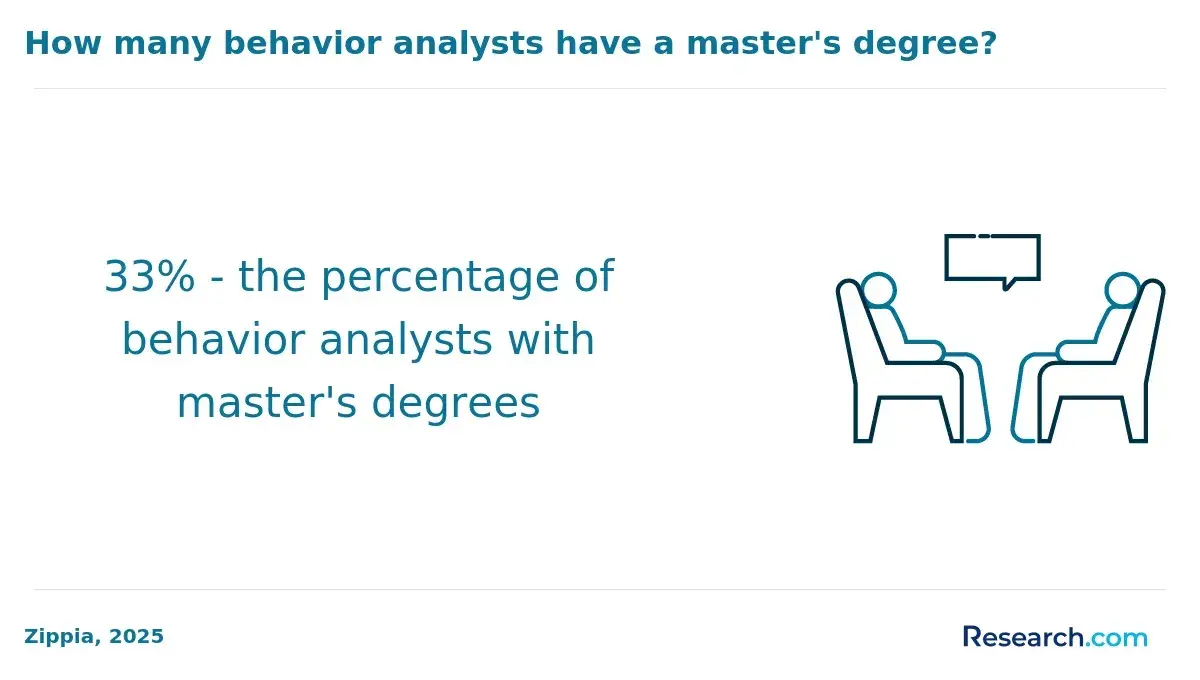
What are BCBA certification requirements?
BCBA certification requirements are built around three core components: graduate education, supervised fieldwork, and a certification exam. The Behavior Analyst Certification Board sets the national certification standards, while states may add separate licensure requirements for practice. Before enrolling in any program, candidates should verify both BACB eligibility and the rules in the state where they plan to work.
Core certification components
| Requirement | What it involves | Why it matters |
| Graduate education | At least a master's degree in behavior analysis, education, psychology, or a related field with BACB-approved or BACB-aligned coursework. | Builds the academic foundation for assessment, intervention, ethics, research, and supervision. |
| Supervised fieldwork | A minimum of 1,500 hours of hands-on experience under a qualified BCBA supervisor. | Develops practical judgment in real clinical, school, or behavioral health settings. |
| BCBA exam | A certification examination covering measurement, experimental design, assessment, intervention, ethics, and professional conduct. | Confirms readiness to practice according to professional standards. |
| Continuing education | Typically 32 hours every two years. | Helps BCBAs maintain competence as practice standards, research, and service models evolve. |
Supervised fieldwork is not a formality. It is where candidates learn how to conduct assessments, write behavior plans, train staff, evaluate treatment integrity, respond to risk, and communicate with families and interdisciplinary teams. Poor supervision can leave candidates underprepared even if they finish the required hours, so applicants should ask programs how supervisors are selected, how often feedback occurs, and what settings are available.
For professionals who already hold a graduate degree but lack the required coursework, approved coursework sequences or post-master’s options may help them meet academic eligibility. Flexible options, including masters in ABA online programs, can be useful for working adults, but candidates should confirm that online study also connects them to appropriate fieldwork and supervision.
To remain certified, professionals must complete continuing education, typically 32 hours every two years. The Economic Research Institute forecasts average BCBA salaries will reach $88,573 by 2030, with entry-level salaries starting around $65,120 annually, emphasizing the credential's value for long-term career development. Salary outcomes still depend on location, setting, role, caseload, and supervisory responsibility.
The most direct academic route to BCBA certification is a graduate degree in applied behavior analysis. However, candidates may also qualify through related graduate degrees if they complete the required behavior-analytic coursework and fieldwork. The important question is not the degree title alone, but whether the program meets current certification requirements and prepares the student for supervised practice.
Degrees commonly used for BCBA eligibility
- Master's in Applied Behavior Analysis: Usually the clearest fit for BCBA preparation because the curriculum is built around behavior-analytic concepts, assessment, intervention, ethics, and supervision.
- Master's or higher in Psychology with BACB-approved course sequences: May work well for students interested in clinical, developmental, or research-oriented behavioral health roles, provided the program includes the required ABA coursework.
- Master's in Special Education emphasizing behavioral interventions: Often useful for school-based BCBAs, autism support roles, and educational consultation.
- Doctorate in Behavioral Psychology or related disciplines: Can support advanced clinical, research, academic, or leadership pathways when paired with qualifying coursework and supervised experience.
Applicants from non-ABA programs should be especially careful. A degree in psychology, counseling, education, or social work may be valuable, but it does not automatically make a person eligible for BCBA certification. Candidates may need an additional verified course sequence, graduate certificate, or carefully documented coursework review.
Work experience is also required for BCBA certification in behavioral health organizations. Candidates must complete supervised fieldwork hours defined by the BACB to gain practical skills in assessment, intervention design, progress monitoring, ethical documentation, and team supervision.
Regional labor markets can affect both salary and opportunity. New Jersey offers the highest average BCBA salary at $95,532, followed by Wisconsin at $94,521, according to Certifyndaba. Students who are open to relocation or telehealth-supported roles may find different opportunities than those tied to a single local market.
Those comparing degree options can review the best online ABA programs to identify programs that combine academic eligibility, flexible delivery, fieldwork support, and practical preparation for behavioral health employment.
A BCBA program curriculum trains students to assess behavior, design ethical interventions, evaluate progress, and supervise others. Strong programs do more than prepare students to pass an exam; they teach candidates how to make defensible clinical decisions in settings where clients may have complex communication, developmental, educational, medical, or behavioral health needs.
Core curriculum areas
- Principles of behavior: Reinforcement, punishment, motivating operations, stimulus control, generalization, maintenance, and behavior-change processes.
- Measurement and data analysis: Defining behavior, choosing data-collection systems, graphing results, interpreting trends, and making treatment decisions from evidence.
- Behavior assessment: Functional behavior assessment, preference assessment, skill assessment, and environmental analysis.
- Intervention design: Selecting replacement behaviors, building skill-acquisition plans, reducing unsafe or interfering behaviors, and evaluating treatment effectiveness.
- Ethics and professional conduct: Consent, scope of competence, client dignity, confidentiality, documentation, cultural responsiveness, and responsible service delivery.
- Research methods and experimental design: Understanding single-case design, evaluating evidence, and applying research to practice.
- Supervision and staff training: Training technicians, giving feedback, monitoring treatment integrity, and managing service quality.
Many programs also allow students to focus on a practice area. Some emphasize pediatric autism services, while others include adult behavioral supports, school consultation, severe behavior, developmental disabilities, organizational behavior management, or health-related behavior change. A student’s curriculum should match the population and setting they want to serve after certification.
Advanced coursework may prepare graduates for leadership roles. Clinical director positions for BCBAs offer salaries between $85,000 and $100,000 annually (certifyndaba.com blog career development), reflecting the value employers place on supervision, quality assurance, and program management skills.
In practical terms, students should expect to learn how to select assessment tools, write measurable goals, build intervention plans, analyze client progress, support caregiver training, navigate insurance documentation, and collaborate with interdisciplinary teams. For certification eligibility and professional readiness, prospective students should choose programs approved by or aligned with Behavior Analyst Certification Board requirements and confirm the current standards before enrollment.
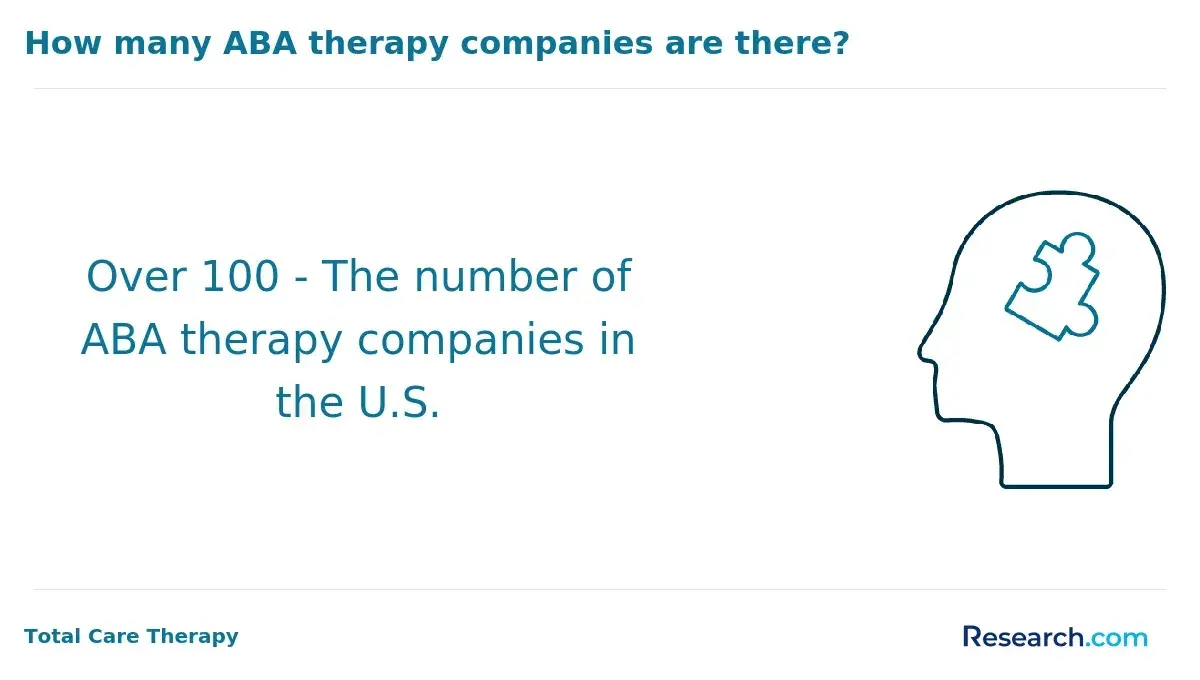
BCBA program admission requirements vary by school, but most graduate-level programs look for evidence that applicants can handle rigorous coursework, ethical clinical training, and supervised fieldwork. Applicants should review both the university’s admission rules and the certification requirements that apply to their intended BCBA pathway.
Common admission requirements
- Bachelor’s degree: Most master’s programs require a bachelor’s degree from an accredited institution.
- Academic transcripts: Schools review prior coursework and overall academic performance.
- Prerequisite background: Some programs prefer or require coursework in psychology, education, human development, statistics, research methods, or behavior-related fields.
- Statement of purpose: Applicants may need to explain their career goals, relevant experience, and interest in applied behavior analysis.
- Letters of recommendation: Programs may request references from professors, supervisors, or professionals who can speak to the applicant’s readiness.
- Resume or experience summary: Prior work with children, adults with disabilities, behavioral health clients, schools, or human services agencies can strengthen an application.
- Interview: Some programs use interviews to assess professionalism, communication skills, and fit for supervised practice.
Becoming a Board Certified Behavior Analyst requires a master's degree in behavior analysis, education, psychology, or a related field from an accredited institution. The graduate program must include verified coursework aligned with BACB's 5th edition task list, covering ethical considerations, experimental analysis, behavior assessment, and intervention strategies.
Applicants must also plan for supervised fieldwork. The original pathway information includes either 1,500 hours of independent fieldwork or 2,000 hours of practicum under a qualified BCBA supervisor, with strict documentation requirements. Because fieldwork terminology and requirements can change, applicants should confirm the current BACB rules and the program’s supervision model before enrolling.
The BCBA exam tests knowledge in principles of behavior analysis, ethics, measurement, and intervention design. Many candidates use structured review plans, study groups, practice questions, or formal exam-prep courses, but exam preparation works best when it is paired with strong coursework and high-quality supervision.
Flexible training options, such as telehealth and remote supervision, can help candidates complete fieldwork outside traditional settings. This flexibility may be especially valuable given the 93% burnout rates among behavioral health professionals reported by CertifyNDABA.com, though candidates should still make sure remote supervision is frequent, ethical, well documented, and appropriate for the clients served.
Career changers from teaching, counseling, psychology, social work, healthcare, or human services may need bridge coursework to close skill gaps. Before applying, prospective students should ask whether the program meets certification standards, whether it supports fieldwork placement, whether graduates are eligible for state licensure where applicable, and how the program helps students prepare for the exam.
BCBA programs generally take 1 to 2 years to complete, depending on whether the student enrolls full time or part time, whether the program is a full master’s degree or a graduate certificate, and how quickly supervised fieldwork can be completed. Coursework and fieldwork often overlap, but fieldwork hours can extend the total timeline if supervision, client access, or documentation is inconsistent.
Many programs include 30 to 45 credit hours covering behavioral assessment, intervention, ethics, measurement, research methods, and supervision. Supervised experience ranges from 1,500 to 2,000 hours and is often completed while the student works in an ABA clinic, school, behavioral health agency, residential program, or related setting.
Typical cost considerations
| Cost category | What to expect | What to ask before enrolling |
| Tuition | Public universities offering online graduate certificates usually charge between $10,000 and $20,000 in tuition, while private universities with full master's degrees in BCBA may exceed $30,000. | Is the price per credit, per term, or for the full program? |
| Supervision | Some students receive supervision through employment; others pay separate supervision fees. | Is supervision included, employer-provided, or billed separately? |
| Books and materials | Study materials, textbooks, and exam-prep tools may add expenses. | Are required materials included in tuition? |
| Certification and exam costs | Certification exam fees and related expenses can add several hundred to over a thousand dollars. | Which fees are paid to the school, and which are paid separately? |
| Lost time or reduced work hours | Fieldwork, coursework, and supervision meetings can affect earning capacity. | Can the program be completed while working full time? |
Flexible options exist for working professionals, including supervised independent experience pathways for those with relevant graduate credits. These alternatives can reduce both time and expenses, but they require careful documentation and reliable supervision.
Despite progress, 46% of U.S. counties lack any BCBA presence as of 2026, down from 54% in 2018, according to Certify N Daba. For students willing to serve rural, underserved, or high-need communities, completing certification efficiently may open meaningful career opportunities. However, speed should not come at the expense of training quality, ethical supervision, or exam readiness.
BCBAs in behavioral health hold clinical, supervisory, consulting, and administrative roles. Their work typically centers on assessment, behavior intervention planning, staff training, treatment monitoring, and family or caregiver collaboration. The specific job title depends on the setting, population served, and level of responsibility.
Common BCBA job titles
- Clinical BCBA: Designs and monitors behavior intervention plans for clients in clinics, homes, schools, or community programs.
- Program supervisor: Oversees cases, trains technicians, reviews data, and supports treatment quality across a team.
- Clinical director: Manages clinical operations, supervises BCBAs or technicians, supports compliance, and develops service protocols.
- Behavior consultant: Provides assessment, training, and recommendations to schools, agencies, families, or residential programs.
- Case manager or care coordinator: Tracks treatment progress, coordinates services, and communicates with families and providers.
- Telehealth BCBA: Delivers consultation, supervision, parent training, or treatment oversight through remote platforms where appropriate.
- Quality assurance or compliance specialist: Reviews documentation, treatment integrity, and program standards in behavioral health organizations.
Supervising Registered Behavior Technicians is one of the most common responsibilities. A BCBA must be able to train staff, give actionable feedback, monitor implementation, and ensure that interventions are carried out consistently and ethically. In healthcare and behavioral health settings, BCBAs may also collaborate with interdisciplinary teams to bring a data-driven behavioral perspective to treatment planning.
The 2025 BCBA first-time exam pass rate is 51%, down from 66% in 2020, creating a tighter workforce supply. Approximately 8,000 new certifications are awarded annually from 21,000 candidates, highlighting the importance of strong preparation, relevant fieldwork, internships, caregiver training experience, and remote consultation skills.
Career advancement can come through managed care organizations, special education districts, hospital-affiliated programs, residential services, autism service providers, telehealth platforms, research teams, and administrative leadership. Candidates who can combine clinical competence with documentation, supervision, billing awareness, and interdisciplinary communication are often better positioned for long-term growth.
In 2026, average BCBA salaries range from $65,000 to $90,000 annually, influenced by experience, location, work setting, caseload, supervisory duties, and specialization. Entry-level professionals usually earn between $60,000 and $70,000, while seasoned BCBAs in specialized behavioral health or private practice can surpass $90,000.
Compensation often rises when a BCBA moves from direct clinical work into supervision, program management, training, quality assurance, consulting, research, or organizational leadership. Schools, clinics, hospitals, community agencies, and private practices may structure pay differently, so candidates should compare salary alongside benefits, productivity expectations, billable-hour requirements, travel demands, caseload size, and supervision responsibilities.
Factors that affect BCBA pay
- Experience level: New BCBAs usually earn less than clinicians who can independently manage complex cases or supervise multiple teams.
- Location: Metropolitan areas may offer higher salaries, though cost of living and commute demands can reduce the practical value of higher pay.
- Setting: Private practice, specialized behavioral health programs, school districts, and healthcare organizations can differ significantly in pay structure.
- Role scope: Clinical directors, supervisors, consultants, and program developers may earn more than purely direct-service roles.
- Specialization: Experience in autism services, severe behavior, organizational behavior management, training systems, or data analysis can improve marketability.
The demand for BCBAs significantly exceeds supply. CertifyNDABA reports about 30,000 BCBAs working in direct clinical roles, while nearly 100,000 are needed nationwide. This gap points to opportunity in clinical therapy, policy advising, quality assurance, education systems, telehealth, and interdisciplinary research.
Maintaining certification, building supervision skills, documenting outcomes, and staying current through continuing education can help BCBAs remain competitive. The shortage may benefit new entrants, but sustainable career growth depends on choosing roles with ethical caseloads, strong supervision structures, and realistic expectations for client care.
How to choose an accredited BCBA program?
Choosing an accredited BCBA program should start with eligibility, not convenience. A program may be affordable, online, or fast, but if it does not meet certification requirements or does not support fieldwork, it can delay or derail the path to becoming a BCBA. Applicants should verify program status directly with the school and the relevant certification or licensing bodies before enrolling.
What to check before applying
- BACB alignment: Confirm that the program meets Behavior Analyst Certification Board standards and is listed as a Verified Course Sequence when applicable.
- Institutional accreditation: Make sure the college or university is properly accredited, especially if you plan to use financial aid, transfer credits, pursue licensure, or continue into doctoral study.
- Fieldwork support: Ask whether the program helps students find supervised placements or whether students must arrange supervision independently.
- Faculty credentials: Look for instructors with BCBA experience, research expertise, and practical knowledge of behavioral health settings.
- Exam preparation: Review pass-rate support, advising, study resources, and how the curriculum maps to exam content.
- Format and schedule: Compare online, hybrid, and on-campus options based on your work schedule, learning style, and need for real-time interaction.
- Cost and financial aid: Calculate tuition, fees, supervision costs, books, exam costs, and any income changes caused by fieldwork demands.
- State licensure fit: If your state licenses behavior analysts, confirm that the program supports those requirements as well as national certification.
Hands-on experience is one of the most important differentiators. Strong programs have clear supervision expectations, partnerships with behavioral health organizations, practicum options, or advising that helps students avoid fieldwork documentation errors. A low-cost program can become expensive if students must later pay separately for supervision or repeat coursework.
Program formats vary. Online programs may be ideal for working adults who need asynchronous coursework, while hybrid or campus-based programs may offer more direct faculty interaction and local fieldwork connections. The best choice is the one that fits your schedule without weakening supervision, feedback, or exam preparation.
Costs and program length differ widely, generally spanning one to two years. Weigh affordability against program reputation, fieldwork access, faculty support, and outcomes. The BCBA career outlook remains strong, with a projected 17% growth through 2034, driven by ongoing demand in the field according to BCBA Job Outlook 2026.
Other Things You Should Know About Applied Behavior Analysis
Applicants must keep fieldwork logs that document supervised hours, activities, and supervision meetings. The Behavior Analyst Certification Board requires monthly verification by both the trainee and supervisor, with experience under BACB fieldwork standards before sitting for the BCBA exam.
Yes, BCBA practitioners must adhere to a strict code of ethics focused on client dignity, consent, and confidentiality. They are required to use evidence-based interventions and continuously monitor treatment effectiveness to avoid harm. Ethical practice also involves clear communication with clients and caregivers about goals, procedures, and outcomes.
Supervision involves direct oversight by a qualified BCBA during the candidate's practical experience hours. This includes regular feedback, observation, and guidance to ensure proper application of behavior analytic principles. Supervision must meet specific criteria set by the Behavior Analyst Certification Board to qualify for certification.
After certification, BCBAs are required to complete continuing education units (CEUs) regularly to maintain their credential. This can include attending workshops, conferences, or completing specialized training related to applied behavior analysis. Staying current with research and best practices is essential for effective client care and ethical compliance.
- BCBA Certification Requirements - Bluebell ABA https://bluebellaba.com/blog/bcba-without-masters-degree/
- BCBA Jobs & Board Certified Behavior Analyst Careers - LEARN Behavioral https://learnbehavioral.com/careers/advance-your-career
- Mental & Behavioral Health Career Pathways | Health Workforce Initiative https://ca-hwi.org/resources/mental-behavioral-health-career-pathways/
- How Do I Get a BCBA Without a Degree? | Level Ahead ABA https://www.levelaheadaba.com/blog/how-do-i-get-a-bcba-without-a-degree
- 25+ Affordable ABA/BCBA Online Programs (Masters & Certs) https://abamastersprograms.org/affordable-online-aba-masters-programs/
- Applied Behavior Analysis (ABA)—Board Certified Behavior Analyst (BCBA) Certification - University of Mount Saint Vincent https://mountsaintvincent.edu/graduate-adult/graduate-programs/applied-behavior-analysis-aba-board-certified-behavior-analyst-bcba-certification/
- Certifyndaba - Bcba Job Outlook 2026 https://certifyndaba.com/blog/career-development/bcba-job-outlook-2026
- BCBA Programs & Schools | Sunray ABA https://www.sunrayaba.com/post/bcba-programs-schools
- Master of Science in Applied Behavior Analysis (ABA) https://tsengcollege.csun.edu/programs/ABA/curriculum
- What is a BCBA? Your Guide to the BCBA Certification and Exam https://www.thechicagoschool.edu/insight/career-development/bcba-guide-bcba-certification-exam/