2027 Graduate School Recommendation Letters for BCBA Programs: How to Get Strong Ones

Co-Founder and Chief Data Scientist
Applying to a BCBA graduate program often comes down to evidence: can you show that you are ready for graduate-level study, supervised fieldwork, ethical decision-making, and data-driven behavior analytic practice? Recommendation letters are one of the clearest ways admissions committees assess that readiness, especially when an applicant is changing careers, has limited ABA experience, or comes from a related field such as education, psychology, counseling, or human services.
A strong letter does more than say you are dependable or passionate. It explains how you work with clients, collect and interpret data, respond to feedback, collaborate with teams, and handle professional responsibility. This guide explains whom to ask, what BCBA programs typically expect, how to make the request, and how to use recommendation letters strategically when comparing online, campus, and certification-focused graduate programs.
Key Things You Should Know
- Strong recommendation letters for BCBA programs in 2026 emphasize specific examples of clinical skills and ethical practice, crucial for meeting BACB standards and boosting acceptance rates.
- Letters from supervisors with direct supervision experience are 40% more influential in admissions decisions, highlighting the need for credible, firsthand evaluators.
- In 2025, personalization in letters correlates with a 25% higher likelihood of interview invitations, underscoring the importance of detailed, tailored endorsements over generic praise.
What makes a strong recommendation letter for BCBA programs?
A strong recommendation letter for BCBA programs gives admissions committees specific, credible evidence that the applicant can succeed in applied behavior analysis. The best letters connect the applicant’s academic ability, professional judgment, and field-related experience to the work expected of future behavior analysts.
Admissions readers are not looking for generic praise. They want examples. A useful letter may describe how the applicant contributed to a functional behavior assessment, implemented a behavior intervention plan, collected accurate data, supported client progress, responded to supervision, or communicated with families, teachers, clinicians, or other team members. If measurable outcomes are available, such as improvements in client behavior or academic performance, those details make the letter more persuasive.
The recommender’s credibility matters as much as the content. The strongest letters usually come from supervisors, professors, clinical mentors, or credentialed professionals who have directly observed the applicant’s work. A letter from someone with a prestigious title but little direct knowledge of the applicant is usually weaker than a detailed letter from a supervisor who can explain the applicant’s day-to-day performance.
Elements of an effective BCBA recommendation letter
- Direct observation: The recommender has seen the applicant’s academic, clinical, research, or professional work.
- Specific ABA-related examples: The letter refers to assessment, intervention, data collection, ethical practice, or collaboration.
- Evidence of graduate readiness: The recommender comments on writing, critical thinking, reliability, and ability to handle rigorous coursework.
- Professional judgment: The letter shows how the applicant responds to feedback, protects client welfare, and follows ethical expectations.
- Clear endorsement: The recommender states whether they recommend the applicant strongly and why.
The field’s growth also raises the stakes for admissions. The U.S. Bureau of Labor Statistics projects an 18% job growth for substance abuse, behavioral disorder, and mental health counselors, including BCBAs, from 2023 to 2033. This rate is above the national average of 3%, which means programs have a strong incentive to admit candidates who appear prepared, ethical, and likely to complete the path to certification.
Applicants should give recommenders enough context to write well: a resume, transcript, draft personal statement, target programs, deadlines, and a short summary of relevant ABA, education, psychology, research, or human services experience. Strong letters can improve an application to BCBA accredited programs, but only when they are detailed, honest, and aligned with the program’s expectations.
Who should I ask for BCBA graduate school recommendations?
Ask people who can evaluate your readiness for applied behavior analysis, not simply people who know you well. For BCBA graduate school, the best recommenders are usually supervisors, professors, clinical mentors, research advisors, or credentialed behavior analysts who have seen your work closely enough to describe it with evidence.
For applicants with ABA experience, a fieldwork supervisor, BCBA colleague, clinic director, school-based behavior specialist, or direct supervisor is often the strongest choice. These recommenders can discuss client interaction, data collection, intervention implementation, professionalism, and ethical judgment. For applicants coming from education, psychology, counseling, social work, or another related field, a professor or supervisor can still write a strong letter if they can connect your experience to skills needed in behavior analysis.
| Potential recommender | When this person is a strong choice | What the letter can emphasize |
| BCBA supervisor or clinical supervisor | You have been observed in ABA, school, clinic, or human services settings. | Client work, data accuracy, intervention follow-through, ethical conduct, supervision response. |
| Professor in psychology, education, ABA, or research methods | You performed well in relevant coursework or research. | Graduate-level writing, analysis, research ability, intellectual maturity. |
| Research advisor | You assisted with data, literature reviews, experiments, or applied research. | Methodology, attention to detail, critical thinking, persistence. |
| Workplace manager | You lack ABA experience but have relevant professional responsibility. | Leadership, reliability, communication, teamwork, service to clients or students. |
A professional outside behavior analysis can still be useful if they can speak to qualities that matter in BCBA training: careful documentation, ethical behavior, patience, collaboration, analytical thinking, and the ability to learn from supervision. For example, a psychology professor who supervised a research project may be more valuable than a casual acquaintance who happens to work in an ABA setting.
Recommendation letters rank highest among admissions criteria, with a mean score of 4.8/5 in psychology doctoral programs that include behavior analysis tracks. That does not mean letters replace GPA, experience, or prerequisites, but it does mean a vague or lukewarm letter can weaken an otherwise competitive application.
Choose a balanced set of recommenders when possible. One letter can establish academic readiness, another can show applied or clinical ability, and another can highlight professional maturity. If you are comparing pathways, reviewing a behavioral analysis degree can help you understand which qualifications your recommenders should address.
How do I request recommendation letters for BCBA applications?
Request BCBA recommendation letters early, clearly, and with enough supporting material for the recommender to write a specific letter. A strong request makes it easy for the recommender to understand your goals, the program’s expectations, the deadline, and the examples you hope they can discuss.
Start by asking whether the person can write a strong recommendation, not merely whether they can write a letter. This gives the recommender a professional way to decline if they do not know your work well enough or cannot provide an enthusiastic endorsement. A polite request might say: “Would you be willing to write a detailed recommendation highlighting my experience with behavior assessment and intervention for my BCBA application?”
What to send with your request
- Your current resume or CV.
- Your transcript or a summary of relevant coursework.
- A draft personal statement or short explanation of why you are pursuing BCBA certification.
- A list of programs, deadlines, and submission instructions.
- A brief “brag sheet” with projects, cases, research, or achievements the recommender directly observed.
- Any program-specific prompts or evaluation forms.
Best practices for asking recommendation letters for BCBA applications include contacting recommenders at least 4-6 weeks before deadlines. If a deadline is close, be transparent and ask whether the timeline is realistic. Do not assume that a professor or supervisor can complete a thoughtful letter on short notice.
After the recommender agrees, provide organized instructions in one message. Include the exact deadline, whether the letter is submitted through an application portal, and whether the program requires a rating form. Send a courteous reminder one to two weeks before the deadline if the letter has not been submitted. Afterward, send a thank-you note and update the recommender on your outcome when possible.
Strong recommendation letters are part of a larger investment decision. According to the BACB 2025 Certificant Registry Report, median BCBA salaries reached $98,500, with top earners exceeding $142,000, indicating a significant return on investment. If you are preparing applications while comparing flexible options, researching BCBA online masters programs can help you match your timeline, work schedule, and certification goals.
BCBA programs expect recommendation letters to answer a practical question: is this applicant likely to handle graduate coursework, supervised experience, ethical responsibilities, and the demands of behavior analytic practice? The most useful letters give evidence rather than broad compliments.
Programs value letters that describe academic preparation, applied skill, professionalism, communication, and ethical awareness. A supervisor might explain how the applicant implemented a behavior plan, collected data accurately, adjusted to feedback, or worked with a multidisciplinary team. A professor might describe the applicant’s ability to evaluate research, write clearly, participate in advanced coursework, or analyze behavioral concepts.
Content admissions committees often look for
- Academic readiness: Evidence that the applicant can manage graduate-level reading, writing, research, and analysis.
- ABA-related experience: Examples involving assessment, intervention, data collection, or behavior support.
- Ethical responsibility: Respect for confidentiality, boundaries, client dignity, and professional standards.
- Supervision response: Willingness to receive feedback, correct errors, and improve practice.
- Collaboration: Ability to work with families, educators, clinicians, supervisors, and peers.
- Professional maturity: Reliability, judgment, communication, and persistence under pressure.
Strong letters often explain how an applicant uses data to make decisions or adapts after receiving new information. That type of example is more meaningful than a statement such as “the applicant is passionate about helping people.” Passion is helpful, but BCBA programs need evidence of disciplined, ethical, data-informed practice.
Letters from supervisors in clinical, educational, or research environments often carry significant weight because they show how the applicant performs over time. However, a professor’s letter can be equally valuable when it documents rigorous academic work, research skill, or mastery of concepts that prepare the applicant for graduate-level ABA training.
Evidence indicates applicants with three strong or highly recommended letters have a 42% higher acceptance rate into ABA graduate programs compared to those with mixed endorsements (National Association for Applied Behavior Analysis, 2025 Admissions Survey). Applicants considering graduate study or exploring ABA undergraduate programs online should therefore treat recommendation planning as an essential part of the admissions process, not a final administrative step.
You strengthen BCBA recommendation letters by choosing the right writers and giving them the information they need to be specific. The goal is not to script the letter for them. The goal is to help them recall accurate examples that show your readiness for graduate study and future behavior analytic work.
Supervisor letters are especially useful for practice-oriented programs. Strengthen your BCBA recommendation letters by choosing recommenders who have directly supervised your applied behavior analysis practice, as 47% of accepted applicants submitted at least one supervisor letter. These letters correlate with a 15% higher chance of admission into practice-oriented programs (Behavior Analyst Certification Board, 2025 Workforce Analysis).
Academic letters also matter. A professor can demonstrate that you can read research, write clearly, engage with behavioral theory, and succeed in a demanding graduate curriculum. When possible, combine different perspectives rather than submitting three letters that all say the same thing.
Practical ways to improve letter quality
- Ask early: Request letters 6 to 8 weeks before deadlines when possible.
- Choose direct observers: Prioritize people who supervised, taught, or mentored you closely.
- Provide evidence: Share a resume, transcript, personal statement, and short list of relevant experiences.
- Connect examples to BCBA work: Point to data collection, behavior plans, research, client communication, or ethical decisions.
- Clarify program goals: Tell recommenders whether you are applying to online, campus, research-oriented, or practice-focused programs.
- Avoid weak letters: Do not choose someone only because of their title if they cannot describe your work in detail.
Quantitative or outcome-based examples can strengthen a letter when they are accurate and appropriate. A recommender might describe measurable improvements in client compliance or successful implementation of behavior intervention plans. If such data are confidential or sensitive, the letter should protect privacy while still describing your contribution professionally.
The strongest set of letters usually shows three dimensions: clinical or applied competence, academic readiness, and professional character. When those perspectives reinforce each other, admissions committees get a more complete and trustworthy picture of your potential.
Graduate degrees that can lead to Board Certified Behavior Analyst (BCBA) certification typically include applied behavior analysis coursework within psychology, education, special education, behavior science, or a closely related field. The degree title alone is not enough. What matters is whether the program’s coursework and supervised experience pathway align with BACB requirements for certification eligibility.
Common graduate options include:
- Master's degrees in psychology with an emphasis on behavior analysis
- Master's in special education focusing on behavioral interventions
- Behavior analysis or behavior science graduate programs
- Master's in applied behavior analysis designed to meet BACB coursework requirements
- Clinical or counseling psychology programs incorporating verified BACB coursework
These programs usually cover behavior assessment, intervention design, data analysis, ethics, research methods, and supervision-related competencies. They also prepare students to complete supervised experience and pursue the BCBA exam, depending on the certification route and requirements in place for the student’s timeline.
Applicants should be careful not to assume that every psychology, counseling, or education master’s degree will qualify. A general degree may be academically valuable but still lack the verified coursework needed for BCBA eligibility. Before applying, confirm the program’s certification pathway, coursework sequence, supervised fieldwork expectations, and any state-specific requirements that may affect practice after graduation.
Admissions criteria are also changing. Only 22% of 2025 BCBA-eligible master's programs required letters of recommendation, down from 68% in 2020. Institutions like Ball State University exemplify this trend, possibly reflecting more standardized or alternative candidate evaluations (Source: ABA Program Directory, Association for Behavior Analysis International).
Even when letters are optional, a strong recommendation can still help if the program allows supplemental materials. When letters are required, use them to show why your academic background, professional experience, and career goals fit the specific degree path you are pursuing.
The most important credential to verify for BCBA preparation is the Behavior Analyst Certification Board's Verified Course Sequence (VCS) approval. A VCS indicates that the program’s coursework has been reviewed for alignment with BACB educational standards. Without completing appropriate verified coursework, a student may face delays or may need additional courses before becoming eligible for certification steps.
Institutional accreditation also matters, but it serves a different purpose. A college or university may hold national accreditation, such as regional accreditation recognized by the U.S. Department of Education, which supports the legitimacy of the degree for employment, transfer, financial aid, or further education. However, institutional accreditation does not automatically mean the ABA coursework meets BACB expectations.
| Credential or approval | What it tells you | Why it matters |
| BACB Verified Course Sequence (VCS) | The ABA coursework has been reviewed for certification-related educational content. | It helps confirm that coursework is designed to support BCBA eligibility requirements. |
| Institutional accreditation | The college or university meets broader academic quality standards. | It affects degree recognition, financial aid eligibility, employment credibility, and transfer options. |
| Program reputation and outcomes | The program has a track record in training behavior analysts. | It can influence mentorship, fieldwork quality, networking, and career preparation. |
A common mistake is enrolling in a regionally accredited university without confirming that the specific ABA sequence supports BCBA preparation. The institution may be legitimate, but the program may still be a poor fit for certification goals if the coursework is not aligned.
Before enrolling or requesting recommendation letters, verify programs through the BACB's official list of Verified Course Sequences. Ask admissions staff direct questions about coursework, supervised fieldwork, exam preparation, and whether program requirements have changed for your intended start date.
Planning ahead also affects recommendation quality. According to the Council of Graduate Schools 2025 Application Trends Report, requests made eight or more weeks in advance have a 91% success rate, compared with only 62% for last-minute requests. If you are applying to several programs, create a deadline tracker so recommenders are not rushed or confused by multiple submission systems.
Recommendation letters for online and campus BCBA programs should address the same core qualities: academic readiness, ethical judgment, applied skill, and professional maturity. The difference is usually the type of evidence available to the recommender.
Campus programs often receive letters from professors who have observed the applicant in classrooms, labs, practicum settings, or research teams. These letters can describe participation, writing, collaboration, face-to-face communication, and performance in structured academic environments. If a campus program emphasizes cohort learning or in-person practicum, letters that show interpersonal readiness can be especially useful.
Online BCBA programs often attract working adults who are already employed in schools, clinics, social services, or related settings. For these applicants, supervisor letters may be more persuasive than traditional classroom-based letters. A supervisor can describe work habits, client-facing skills, remote collaboration, data collection, implementation of behavior plans, and ability to manage responsibilities while studying.
| Program format | Strong recommender types | What the letter should emphasize |
| Campus BCBA program | Professors, research advisors, practicum supervisors, clinical mentors. | Academic engagement, in-person collaboration, research ability, classroom performance, practicum readiness. |
| Online BCBA program | Work supervisors, BCBAs, clinical leads, school administrators, faculty from prior coursework. | Independent learning, time management, applied experience, professional communication, measurable outcomes. |
Equipping recommenders with a detailed “brag sheet” containing CV and personal statement data greatly enhances letter quality. The Graduate Record Examinations Board 2025 Admissions Study found that recommenders with such materials were 3.2 times more likely to cite quantifiable successes.
- Campus students can encourage professors to emphasize direct teaching, mentoring, research, and practicum experiences.
- Online students should ask supervisors to describe specific behavioral interventions, data-driven results, reliability, and ability to balance work with graduate study.
- Career changers should help recommenders connect prior experience to ABA-relevant strengths such as documentation, ethics, communication, and analytical thinking.
Regardless of format, the best letters are not generic. They show how you perform, how you learn, and why the program should trust your ability to complete BCBA preparation successfully.
BCBA certification can lead to roles in clinical, educational, residential, community, and organizational settings. Many BCBAs work with individuals with autism spectrum disorder or developmental disabilities, but the credential can also support careers in schools, behavioral health organizations, early intervention, staff training, consulting, and organizational behavior management.
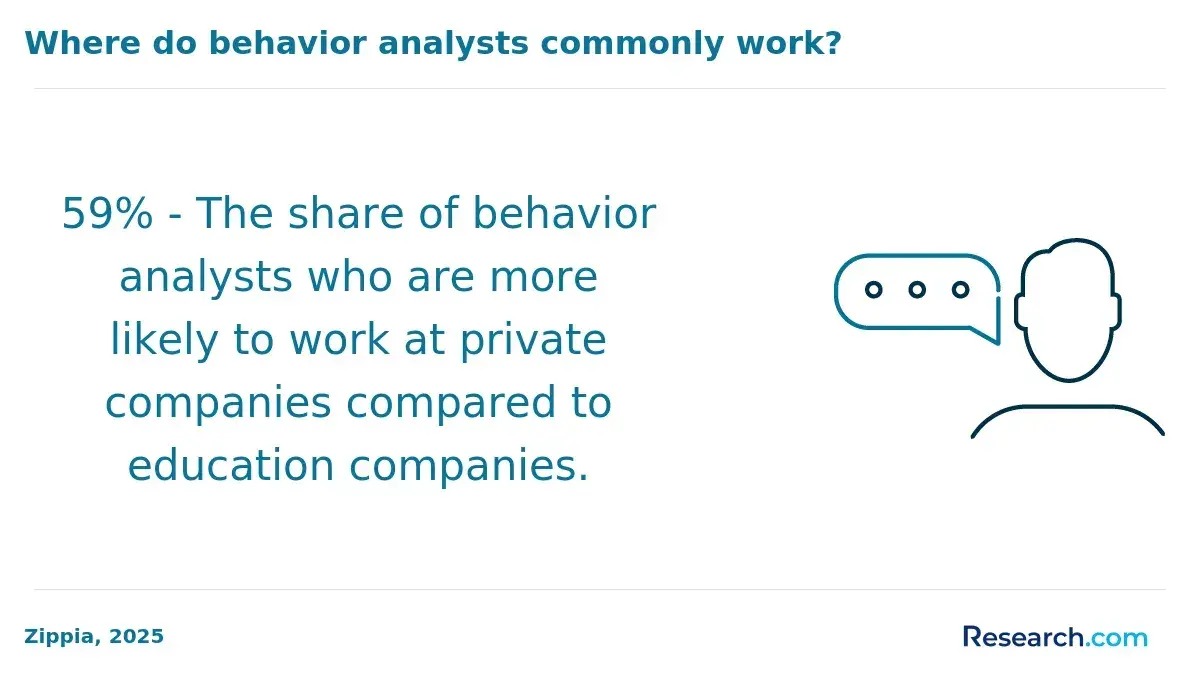
Common roles include behavior analyst, clinical supervisor, school-based behavior specialist, consultant behavior analyst, program coordinator, case supervisor, and clinical director. Some professionals work for private practices, healthcare organizations, public schools, nonprofit agencies, or specialized ABA providers. Others move into training, quality assurance, research, or leadership roles as they gain experience.
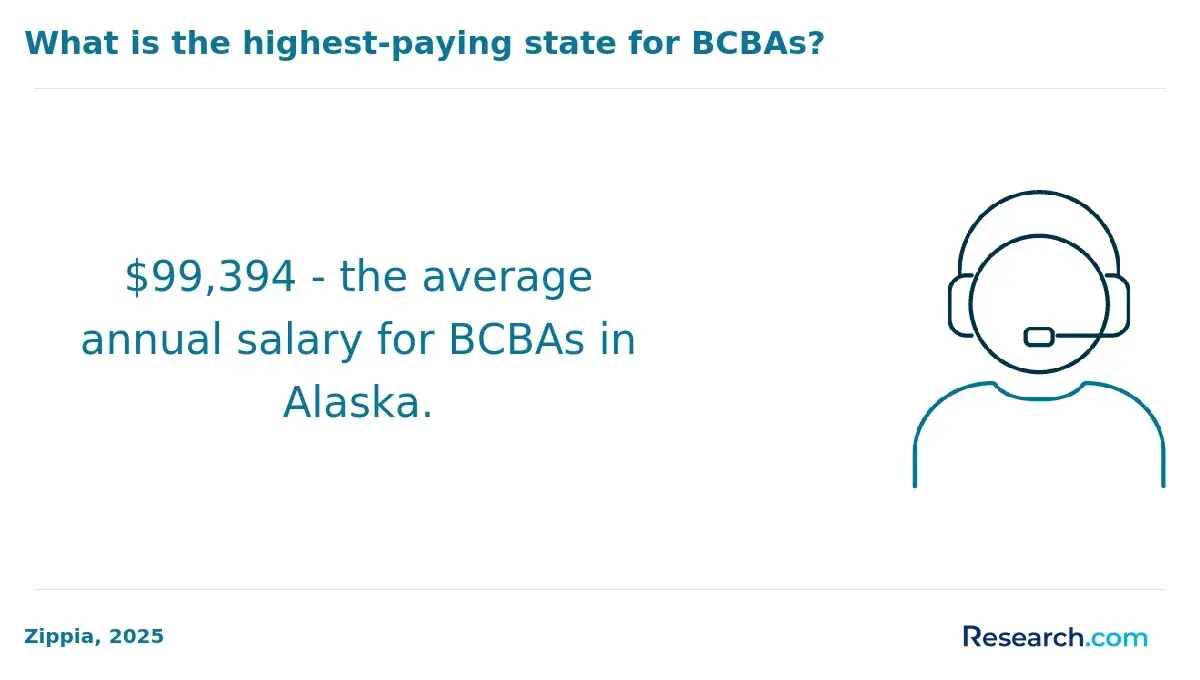
Salaries for BCBA-certified individuals typically range from $60,000 to over $90,000 annually, influenced by experience, location, and work setting. Entry-level positions in public schools usually offer between $60,000 and $70,000, while healthcare and private organizations often pay above $80,000. Advanced roles, such as supervisors or clinical directors, may exceed $100,000.
Salary should be evaluated alongside workload, supervision responsibilities, caseload size, documentation expectations, benefits, and opportunities for advancement. A higher salary may come with more travel, larger caseloads, evening hours, or leadership duties. Public school roles may offer different benefits and schedules than private clinical organizations.
Recommendation letters matter because graduate admission is the first step toward these opportunities. The Journal of Applied Behavior Analysis (2025 admissions special issue) reports that 35% of rejected ABA graduate applicants noted generic or lukewarm letters as a key rejection factor. A customized letter that describes specific skills, outcomes, and professional behavior can help distinguish a serious applicant from one who appears underprepared.
To strengthen both admission and career readiness, pursue hands-on experience, seek quality supervision, document your accomplishments, and build relationships with mentors who can later describe your growth in concrete terms.
How to choose top BCBA graduate programs?
Choose a BCBA graduate program by starting with certification fit, then comparing quality, cost, format, supervision support, and career outcomes. A program can be convenient or well-known, but if it does not align with BCBA eligibility requirements and your professional goals, it may not be the right choice.
Prioritize programs connected to the Behavior Analyst Certification Board (BACB) requirements, including verified coursework where applicable. Accreditation and course alignment affect whether your graduate study supports the certification pathway you intend to follow. Always verify current requirements directly with the program and relevant credentialing sources before enrolling.
Next, evaluate faculty and mentorship. Programs with experienced faculty who publish, supervise, or practice in behavior analysis may provide stronger advising, research opportunities, and professional networks. Some programs emphasize early intervention, autism services, school-based practice, organizational behavior management, or research, so the best choice depends on the setting where you want to work.
Program format also matters. Online programs may work well for employed students who need flexibility, while campus programs may offer more direct access to faculty, labs, practicum sites, and peer support. The better option is the one you can complete successfully while meeting fieldwork, supervision, and financial requirements.
Look closely at alumni outcomes and mentorship. According to the BACB 2025 Longitudinal Career Outcomes Report, early-career salary growth is 24% higher for BCBAs with ongoing mentors. Programs that maintain active alumni networks, fieldwork partnerships, and mentorship structures may offer value beyond coursework.
Financial fit should be part of the decision. Compare tuition, fees, required campus visits, technology costs, textbooks, financial aid, scholarships, employer tuition assistance, and assistantship options. A lower-cost program may be attractive, but only if it provides the academic and professional support you need.
Key questions when evaluating programs include:
- Does the program include coursework aligned with BCBA certification requirements?
- Is the institution properly accredited, and is the ABA sequence verified where needed?
- What fieldwork or supervision support does the program provide?
- Are faculty members active in applied behavior analysis practice, research, or professional service?
- Does the program fit your schedule, work obligations, and learning style?
- What are the total costs, including fees and required materials?
- How does the program support exam preparation, advising, and career placement?
- What kinds of recommendation letters does the program require or prefer?
The strongest applicants choose programs deliberately and prepare their recommendation letters to match. If a program emphasizes practice, use letters that show applied competence. If it emphasizes research, include an academic or research-focused letter. A well-matched application makes it easier for admissions committees to see why you are ready for the program and the BCBA path that follows.
Other Things You Should Know About Applied Behavior Analysis
Yes, BCBA programs generally require letters of recommendation. These letters should be written by individuals familiar with your academic or professional background who can attest to your potential in the field of behavior analysis.
A strong BCBA recommendation letter should come from a professor, research supervisor, or fieldwork supervisor who can verify your graduate-level performance, professionalism, and behavior-analytic skills. The BACB requires supervised fieldwork to be documented separately, so the writer should know your work in an academic or practicum setting.
Most BCBA graduate programs prefer applicants to have some prior exposure to applied behavior analysis concepts or related experience but do not always require extensive experience. Coursework and supervised practicum during the program typically provide the hands-on ABA training necessary to prepare for certification.
The process to become a certified BCBA typically takes 1.5 to 3 years, depending on the graduate program and accrual of supervised experience hours. After completing required coursework and fieldwork, candidates must pass the BACB certification exam to earn the credential.
- The Top 30 ABA Degree Programs for 2025 - ABA Masters Programs https://abamastersprograms.org/top-aba-degree-programs/
- BCBA: Why does it matter? | The Shafer Center https://theshafercenter.com/2015/03/31/bcba-why-does-it-matter/
- 8 Tips for Selecting a Fantastic ABA Graduate Program! - ABA Centers of America https://www.abacenters.com/aba-graduate-program/
- How to Become a Behavior Analyst https://onlinecounselingprograms.com/mental-health-careers/how-to-become-behavior-analyst-bcba/
- RBT ABA Therapist Letter of Recommendation https://www.teacherspayteachers.com/Product/RBT-ABA-Therapist-Letter-of-Recommendation-9500631
- References and Letters of Recommendation | Applying to ABA Graduate School — The Daily BA https://www.thedailyba.com/episodes/2021/0216/references-and-letters-of-recommendation-applying-to-aba-graduate-school
- Your First 6 Months as a BCBA: What They Don’t Teach You in a Master’s Program! https://www.verbalbeginnings.com/aba-blog/your-first-6-months-as-a-bcba/
- Top Online ABA Master's Degrees Of 2026 | Psychology.org https://www.psychology.org/rankings/best-online-masters-applied-behavior-analysis/
- Behavior Analyst Salary: Your Guide to Negotiation https://americanbss.com/behavior-analyst-salary-your-guide-to-negotiation-certification-and-career-growth/
- BCBA Salary by State | Flywheel Centers https://flywheelcenters.com/bcba-salary-breakdown/