2027 ABA Capstone vs Practicum: What BCBA Students Need to Know

Co-Founder and Chief Data Scientist
Choosing between an ABA capstone and a practicum is not just a course-planning issue for future BCBAs. It affects how quickly you build supervised experience, how you document readiness for certification, what kinds of skills you can show employers, and how manageable your final terms will be.
In applied behavior analysis programs, the practicum and capstone are often discussed together because both connect coursework to professional practice. They do different jobs. A practicum is primarily a supervised field experience built around direct application of ABA procedures. A capstone is typically a culminating academic or applied project that asks students to integrate research, ethics, assessment, intervention planning, and data-based decision-making.
This guide explains how ABA capstone and practicum requirements differ, what each involves, how supervised hours work, whether online options can meet expectations, how long each pathway may take, what costs to anticipate, and how each experience can shape BCBA career options.
Key Things You Should Know
- The ABA capstone integrates comprehensive research and analysis, while the practicum emphasizes direct client interaction and skill application, both essential for BCBA certification completion in 2026.
- Recent 2024 data shows 78% of BCBA candidates prefer practicum experience for faster skill acquisition, but combining both elements improves exam pass rates by 15%.
- Accredited programs now require minimum 1000 hours split between capstone and practicum to align with BACB 2025 standards, ensuring competency in both theoretical and practical areas.
What is the difference between ABA capstone and practicum?
The main difference between an ABA capstone and a practicum is the type of evidence each provides. A practicum shows that you can apply behavior-analytic skills with clients under qualified supervision. A capstone shows that you can synthesize ABA concepts, analyze evidence, design or evaluate interventions, and communicate professional reasoning in a structured project.
A practicum is a supervised fieldwork experience where students accumulate at least 1,000 hours of direct applied behavior analysis intervention. During this experience, students may observe clients, collect data, assist with assessments, implement behavior plans, monitor progress, and receive feedback from a qualified supervisor. Because the practicum is tied to real service delivery, it is usually the more direct preparation for clinical responsibilities after graduation.
The ABA capstone is usually an advanced integrative assignment completed near the end of the program or alongside fieldwork. It may require a formal paper, presentation, case analysis, program evaluation, literature review, or intervention proposal. Rather than emphasizing total client-contact hours, the capstone emphasizes clinical reasoning, research literacy, ethical decision-making, and the ability to connect coursework to a defensible professional product.
| Comparison point | ABA practicum | ABA capstone |
| Primary purpose | Build supervised, hands-on ABA practice skills | Demonstrate integrated knowledge through a final project |
| Main evidence produced | Documented supervised hours, evaluations, and field performance | Written report, presentation, case study, research project, or program analysis |
| Typical focus | Client interaction, data collection, assessment support, intervention implementation | Case conceptualization, research analysis, treatment design, evaluation, and professional communication |
| Best for | Students preparing for direct clinical practice | Students who want to show advanced analysis, research ability, or program-design skills |
These experiences are complementary rather than interchangeable. For example, a student might complete practicum hours in a clinic serving children with autism spectrum disorder, then use those experiences to develop a capstone that evaluates intervention design, treatment fidelity, or data-based decision-making. The practicum builds the applied skill base; the capstone helps the student explain, defend, and refine that work at a higher analytical level.
As noted by the Behavior Analyst Certification Board Workforce Report 2025, job postings for BCBA professionals rose by 28%, which makes practical readiness and clear evidence of competence especially important. Students comparing programs should look closely at how each school structures supervised fieldwork and final projects. Reviewing the best online ABA certificate programs can help prospective students compare options before committing to a pathway.
What are capstone and practicum requirements for BCBA certification?
Capstone and practicum requirements serve different roles in BCBA preparation. The practicum is the supervised applied experience component. The capstone is usually a program-level academic requirement that demonstrates synthesis of ABA knowledge. Students should not assume that completing a capstone automatically satisfies supervised fieldwork expectations.
The practicum requires a minimum of 1,500 hours of supervised experience delivering applied behavior analysis services. This experience must be supervised by a qualified BCBA supervisor and should involve activities such as direct client work, assessment participation, data collection, treatment implementation, behavior-plan development, caregiver or staff training, and professional documentation.
For students, the most important practicum requirement is not only the number of hours but also the quality and acceptability of those hours. Strong programs provide clear supervision procedures, consistent feedback, documentation systems, and opportunities to practice a range of skills instead of limiting students to narrow or repetitive tasks.
The capstone is an integrative scholarly or applied project that usually reflects major BACB task list areas. According to a 2025 survey, 72% of ABA capstone projects involved original behavioral intervention research, which corresponded to 15% higher initial job placement rates for completers. A capstone may require a proposal, literature review, ethical review or approval process, data collection, analysis, final report, and presentation.
Common ABA capstone formats include:
- single-case or small-scale intervention studies;
- case conceptualization and treatment-plan analysis;
- program evaluation using behavioral data;
- literature review with applied recommendations;
- practice-improvement projects focused on treatment integrity, caregiver training, or organizational behavior management.
Both components require planning. Practicum hours usually depend on site availability, client schedules, supervisor access, and documentation rules. Capstone projects depend on faculty approval, project scope, data access, and realistic timelines. The most common mistake is waiting until the final terms to clarify whether the program provides placements, requires students to find their own supervision, or expects a capstone proposal before data collection begins.
Prospective students should ask each program direct questions: Who supervises fieldwork? Are placements guaranteed? How are hours tracked? What happens if a site falls through? What capstone formats are accepted? Students comparing options can review the best BCBA programs to better understand how different schools organize certification preparation.
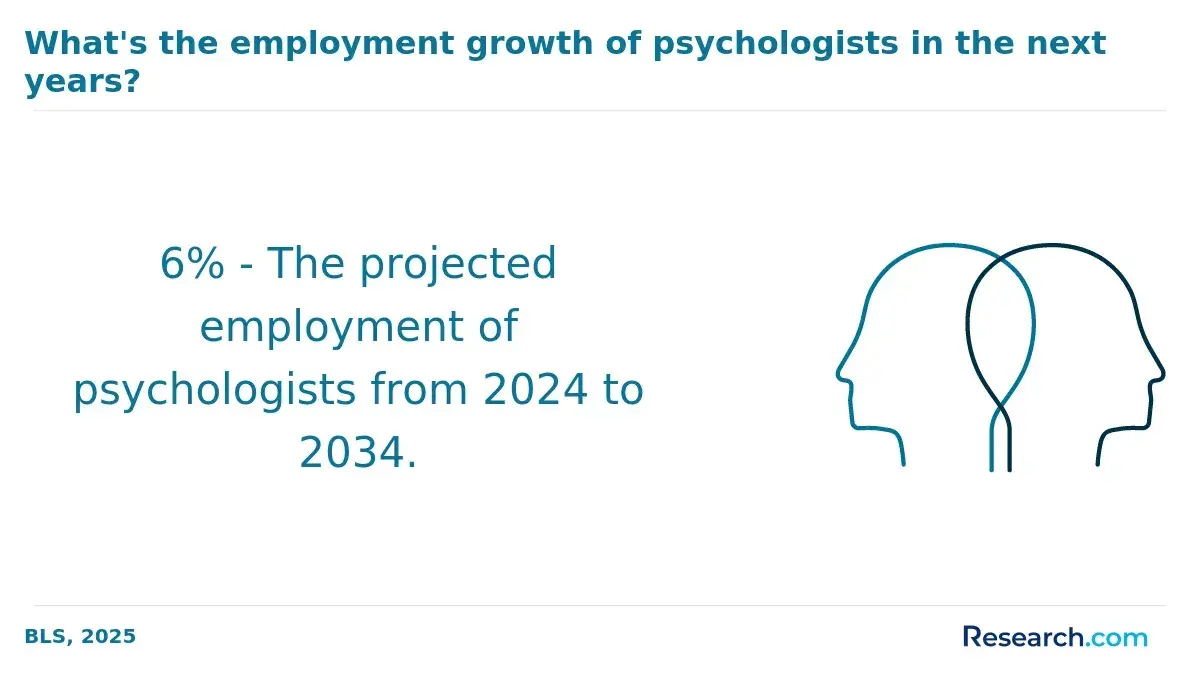
Which is better for BCBA students: capstone or practicum?
For most BCBA students preparing for client-facing practice, practicum is the more immediately valuable experience because it develops applied judgment under supervision. A capstone can be highly useful, especially for students interested in research, leadership, program evaluation, or doctoral study, but it usually cannot replace the professional learning that comes from working with clients and receiving direct feedback.
In 2026, students should evaluate “better” based on career goal, certification planning, schedule, and learning needs. Averaging 1,500 hours in 2025, practicum work gives students repeated exposure to assessment, data collection, intervention implementation, ethical decision-making, and collaboration. According to the Council for Exceptional Children ABA Standards Update 2025, students completing practicum reported 40% higher competency in client assessment than those without this experience.
The capstone is stronger for demonstrating independent thinking. It can help students show that they understand research, can evaluate evidence, and can build a structured argument for an intervention or program decision. However, a capstone typically provides less consistent client-facing practice than a practicum.
| Student goal | Stronger fit | Why |
| Become confident in direct clinical service | Practicum | Provides supervised practice with clients, data, intervention procedures, and feedback |
| Prepare for research, doctoral study, or program evaluation | Capstone | Builds evidence review, project design, analysis, and presentation skills |
| Enter school, clinic, or home-based ABA roles quickly | Practicum | Aligns closely with employer expectations for applied readiness |
| Move toward leadership, consulting, or systems improvement | Capstone plus practicum | Combines practical competence with analytical and communication skills |
Students should not frame the decision as capstone versus practicum if their program requires both. Instead, they should decide how to use each experience strategically. A practicum can generate real cases, questions, and data patterns that inform a stronger capstone. A capstone can help students interpret what they observed in fieldwork and turn it into a professional portfolio piece.
- Prioritize practicum quality if your goal is direct service, case management, or early BCBA employment.
- Prioritize capstone topic selection if you want to stand out for research, supervision, quality assurance, or program-design roles.
- Look for integrated programs if you want your capstone to build from your practicum experience instead of becoming a separate, disconnected assignment.
- Avoid programs that describe fieldwork vaguely or cannot explain how supervision is arranged.
Students looking for accredited BCBA master's programs online can explore accredited BCBA master's programs online, many of which combine online coursework with structured practicum planning.
An ABA capstone project usually requires students to identify a behavior-analytic problem, review relevant literature, choose an appropriate method of inquiry or evaluation, analyze data or evidence, and present conclusions in a formal written or oral format. The purpose is to show that the student can move beyond memorizing ABA concepts and apply them to a defensible professional question.
The exact format depends on the program. Some capstones are research studies; others are applied case analyses, intervention proposals, program evaluations, or literature-based projects with practice recommendations. A strong capstone has a focused question, a feasible scope, ethical safeguards, clear data or evidence sources, and a conclusion tied to ABA principles.
Typical ABA capstone steps include:
- selecting a topic connected to an applied behavior-analytic issue;
- developing a research question, clinical question, or evaluation aim;
- reviewing current literature and identifying gaps or practice implications;
- choosing a design, such as a single-subject design, case study, program evaluation, or structured literature review;
- addressing informed consent, confidentiality, and ethical use of data;
- collecting, organizing, or analyzing data or evidence;
- writing a final report and, in many programs, completing an oral presentation or defense.
Common project areas include behavioral interventions for children with autism spectrum disorder, caregiver training, school-based behavior supports, treatment integrity, organizational behavior management, skill acquisition, and reduction of challenging behavior. Some students replicate established interventions to examine whether they work in a specific setting. Others evaluate program outcomes or propose improvements based on data.
When comparing ABA capstone project requirements for BCBA students with practicum experiences, capstone students spend fewer hours working independently-median 320 hours versus 1,200 hours. However, graduates from capstone tracks earn starting salaries about 8% higher, reflecting employer value on strong research portfolios.
The biggest capstone risks are choosing a topic that is too broad, relying on data that cannot be accessed, underestimating review or approval timelines, and waiting too long to meet with faculty. Students should define the project early, confirm what data can legally and ethically be used, and select a question narrow enough to finish within the term.
Students who need flexibility while completing a final project may compare online ABA master's programs, especially if they need online coursework while coordinating fieldwork, employment, or research responsibilities.
Key steps in completing an ABA practicum project also emphasize rigorous design, ethical practice, and practical application, but practicum experiences usually involve more extensive fieldwork hours and closer connection to day-to-day client services.
BCBA certification mandates completing at least 1,500 hours of supervised independent fieldwork or practicum in applied behavior analysis. These hours should be supervised by a qualified BCBA or BCBA-D and documented carefully according to program and certification expectations.
Supervised practicum hours are not meant to be passive observation only. They should help students develop the professional behaviors expected of a behavior analyst, including assessment, intervention design, data-based decision-making, ethical conduct, caregiver or staff training, progress monitoring, and treatment adjustment.
Typical supervised practicum activities include:
- conducting or assisting with behavioral assessments;
- collecting and graphing behavioral data;
- helping design behavior intervention plans;
- implementing skill-acquisition or behavior-reduction procedures;
- checking treatment integrity and procedural fidelity;
- training caregivers, teachers, technicians, or staff;
- reviewing cases with a supervisor and incorporating feedback;
- documenting services and professional decisions.
Programs must meet BACB supervision intensity guidelines, often requiring about 5% of total hours (around 75 hours in 1,500) to be directly observed. This supervision is where much of the professional learning occurs. Students should expect feedback on both technical skills and professional judgment, including how they respond to data, communicate with families or teams, and identify ethical concerns.
Research shows that 65% of practicum students pass the BCBA exam on their first attempt, compared to 52% of those who completed only capstone experiences. While exam outcomes depend on many factors, this comparison highlights why supervised applied experience is central to BCBA readiness.
Before enrolling, students should verify who provides supervision, how often meetings occur, how observations are conducted, how hours are logged, and whether the program helps secure placements. A low-cost program with weak practicum support can become expensive if students must delay graduation or pay separately for supervision.
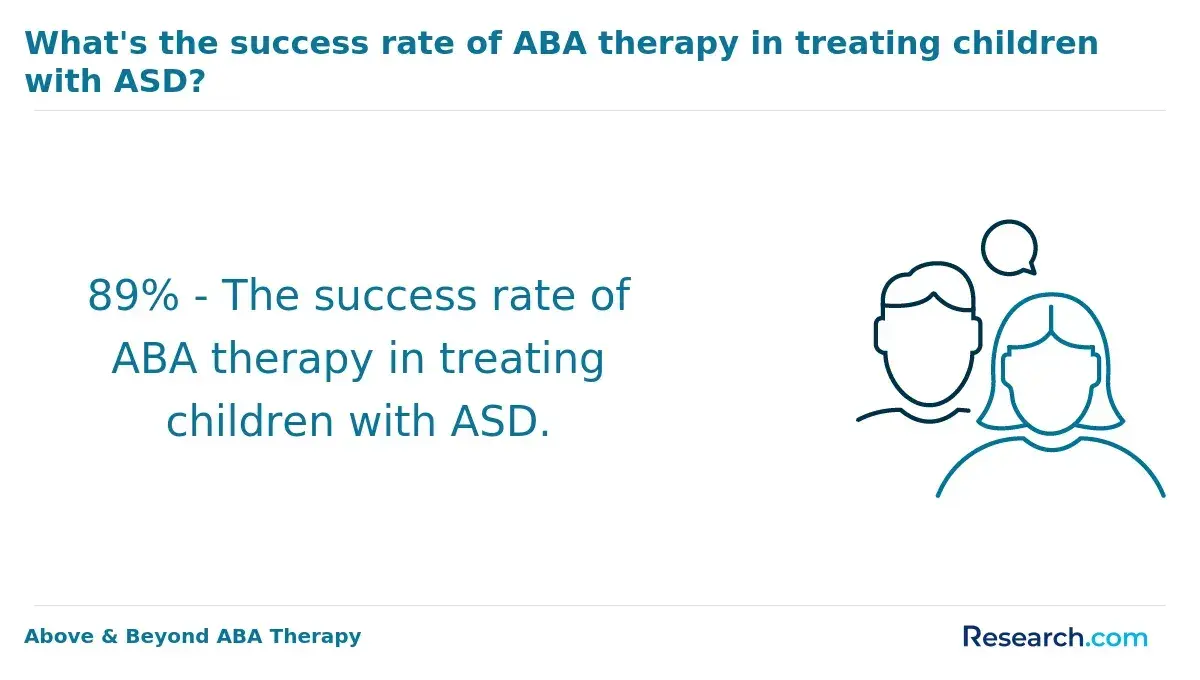
You can often complete ABA coursework and some capstone requirements online, but practicum requirements usually need live supervised applied experience. “Online” does not mean the same thing for capstone and practicum, so students should read program details carefully before enrolling.
An ABA capstone may be fully online if it involves remote faculty advising, literature review, data analysis, written submissions, and virtual presentations. Some applied capstones may still require access to a field site, agency data, client cases, or organizational information, depending on the project.
Many accredited BCBA programs now offer hybrid or partially online ABA capstone and practicum options. These may include remote supervision meetings, telehealth client sessions, secure data platforms, and online documentation systems. However, fully online experiences without any in-person clinical hours do not meet the Behavior Analyst Certification Board (BACB) requirements for supervised practicum hours. BACB mandates direct client interaction, typically requiring some face-to-face or live telehealth engagement.
Students comparing online and hybrid options should ask:
- Does the program arrange practicum placements, or must students find their own sites?
- Are telehealth practicum activities accepted and supervised appropriately?
- Who signs off on hours and documentation?
- What technology platforms are used for secure supervision and data sharing?
- Are there state-specific restrictions, employer requirements, or site policies that affect placement?
- What happens if a local practicum site becomes unavailable?
According to the U.S. Bureau of Labor Statistics Occupational Outlook 2025, ABA graduates with practicum experience secure jobs 22% faster, with starting median salaries around $78,500 annually. For that reason, students should not choose a program only because it is convenient online. The practicum structure, supervision quality, and ability to complete acceptable hours matter just as much as course delivery format.
The safest approach is to request written clarification from the program about how online, hybrid, telehealth, and in-person requirements are handled before enrolling.
ABA capstone and practicum timelines depend on enrollment pace, supervision availability, client hours, site policies, and whether the program lets students complete requirements concurrently. Practicum hours usually take longer because they depend on sustained supervised fieldwork rather than a single academic deliverable.
Practicum hours usually amount to 1,000 to 1,500 supervised hours, completed over 6 to 12 months. Capstone projects, which synthesize learning and demonstrate competence, often take an additional 3 to 6 months. Some integrated programs allow these components to run at the same time, which can reduce delays if the capstone topic is connected to fieldwork.
| Component | Typical timeline stated | Main factors that affect completion |
| Practicum | 1,000 to 1,500 supervised hours over 6 to 12 months | Client availability, work schedule, supervision frequency, approved activities, documentation pace |
| Capstone | 3 to 6 months | Project scope, faculty feedback, data access, ethics review, writing and presentation requirements |
| Integrated pathway | May shorten total time | Whether the program allows fieldwork and capstone development to overlap |
Full-time students with steady client hours and reliable supervision may move through the practicum faster. Part-time students, students working outside the field, or students in areas with limited ABA placements may need more time. For many students, the bottleneck is not coursework but access to enough appropriate supervised activities.
Capstone timelines can also stretch if the project depends on data that are delayed, a site that changes policies, or a topic that is too ambitious. Students can reduce risk by selecting a project early, setting a realistic weekly writing schedule, and confirming all approval steps before collecting or using data.
The Association of Professional Behavior Analysts Metrics found that integrated capstone and practicum programs significantly improve exam readiness and reduce overall training time, suggesting that combined pathways may help students plan more efficient entry into the workforce.
The cost of an ABA capstone or practicum is usually part of the larger degree cost, but students should not assume every required expense is included in tuition. Programs may charge separate fees for supervision, placement coordination, research materials, background checks, or technology platforms.
Many programs embed capstone and practicum costs within tuition-which averaged $42,000 according to the National Center for Education Statistics. Others list additional charges that may appear late in the program, when students have less flexibility to change plans.
| Cost category | More common with practicum | More common with capstone |
| Supervision or placement fees | Yes, especially if the program coordinates sites or remote supervision | Less common, unless tied to applied project oversight |
| Transportation and site expenses | Yes, for in-person placements | Possible if the project requires site visits or presentations |
| Background checks, immunizations, liability insurance | Often required by practicum sites | Sometimes required if human participants or site access are involved |
| Research tools and materials | Possible for data collection or assessment materials | More likely for research-intensive projects |
| Technology and remote platforms | Possible for telehealth supervision and documentation | Possible for online advising, data analysis, or presentations |
Practica often create out-of-pocket costs because students must travel to sites, meet agency onboarding requirements, or pay for documentation and compliance items. Some universities apply practicum site fees ranging from a few hundred to over a thousand dollars. Online ABA master's programs sometimes charge higher fees for remote practicum supervision, while traditional in-person programs may include practicum support in tuition.
Capstone costs tend to depend on the project. A literature review may be inexpensive if the university library provides access to journals. A research-oriented capstone may require data tools, software, assessment materials, printing, transcription, or travel for presentations.
Despite these costs, the investment is generally worthwhile. Graduates typically recoup tuition within approximately 14 months due to median annual earnings around $92,000. Still, students should request a full fee schedule before enrolling and ask whether employer tuition assistance, scholarships, assistantships, or supervised employment arrangements can reduce total cost.
BCBA career paths are shaped less by the label “capstone” or “practicum” and more by the skills, settings, and evidence of competence developed through each experience. Practicum-heavy preparation usually supports direct clinical roles. Capstone-heavy preparation can strengthen candidacy for research, program development, quality improvement, supervision, or consulting roles.
Practicum placements are especially useful for students pursuing work in schools, clinics, home-based services, early intervention programs, autism service organizations, residential programs, or community agencies. These roles require confidence with client interaction, data collection, behavior intervention, caregiver collaboration, and real-time decision-making.
Capstone projects may support career paths that require analytical writing, program evaluation, intervention design, staff training systems, policy support, or research interpretation. A capstone on treatment fidelity, for example, may be useful for quality assurance work. A capstone on caregiver training may support consulting or supervisory roles.
A 2025 poll found that 84% of ABA students preferred practicum for building confidence in real-world scenarios, with 91% recommending hybrid models combining capstone and practicum to balance applied skills and research expertise.
| Career direction | Experience that helps most | Why it matters |
| Clinical behavior analyst | Practicum | Builds direct service, assessment, intervention, and case-management skills |
| School-based BCBA | Practicum | Develops collaboration with teachers, families, and multidisciplinary teams |
| Program supervisor | Capstone plus practicum | Requires both field competence and ability to evaluate procedures and outcomes |
| Research or doctoral pathway | Capstone | Demonstrates literature review, analysis, project design, and scholarly communication |
| Consulting or quality improvement | Capstone plus practicum | Combines practical credibility with systems-level problem solving |
Students should align their choices with career goals:
- Choose strong practicum support if you want client-facing employment soon after graduation.
- Use the capstone to create a portfolio piece related to the population, setting, or problem you want to work with.
- Consider hybrid models if you want flexibility across clinical, supervisory, and research-oriented roles.
- Ask prospective employers or practicum supervisors which skills are hardest for new graduates to demonstrate, then use your practicum and capstone to build those skills deliberately.
What salaries and job outlook await BCBA graduates?
BCBA graduates typically start with salaries ranging from $55,000 to $75,000 annually, depending on role, location, employer type, experience, and training background. Entry-level practitioners with practicum experience often earn between $55,000 and $65,000, especially in direct service roles such as one-on-one therapy, school-based services, or clinic-based intervention. Graduates whose capstone work supports research, leadership, or program-development roles may start closer to $65,000 to $75,000.
Job outlook is strong, but opportunity varies by region and specialization. Job growth for BCBA professionals is supported by a 35% increase in neurodiversity clinic openings in 2025, reported by the Autism Society Workforce Trends Report 2025. Practicum graduates are often well positioned for direct-service demand, while capstone graduates may be more competitive for research, quality improvement, academic, or leadership tracks.
Location can make a major difference. Higher salaries and additional benefits such as bonuses or continuing education stipends are more common in urban hubs and states with robust ABA service networks, including California, New York, and Massachusetts. Rural and underserved areas may offer strong demand but different compensation structures, caseload expectations, or travel requirements.
Students should interpret salary ranges carefully. A higher starting salary may come with supervisory duties, larger caseloads, productivity expectations, travel, evening hours, or administrative responsibilities. A lower starting salary may still be valuable if the role provides excellent mentorship, manageable caseloads, and a path to independent practice.
The best preparation strategy is to build both marketable field skills and a clear professional story. Practicum experience can show employers that you are ready for client-facing responsibilities. A strong capstone can show that you can analyze evidence, write professionally, and improve programs. Together, they give new BCBA graduates a stronger foundation for salary negotiation, job mobility, and long-term advancement.
Other Things You Should Know About Applied Behavior Analysis
Yes, certification is generally required to practice as a Board Certified Behavior Analyst (BCBA) in the United States. This credential ensures that practitioners meet standardized educational, supervision, and examination requirements to deliver ethical and effective services in applied behavior analysis. State licensure may also be required depending on where one practices.
In 2027, a capstone project for BCBA students typically involves independent research or a comprehensive project showcasing mastery of ABA principles, while a practicum provides hands-on training under supervision, allowing students to apply theoretical knowledge in real-world settings.
BCBA trainees must complete supervised fieldwork under a qualified supervisor approved by the Behavior Analyst Certification Board, or BACB. In 2027, practicum hours must follow BACB fieldwork standards, including documented contacts, restricted activity limits, and experience verification forms signed by both trainee and supervisor.
After certification, BCBAs can work in schools, healthcare facilities, private clinics, and community agencies. Career paths include clinical service delivery, consultation, program development, research, and leadership roles. Many BCBAs also specialize in early intervention, gerontology, or behavioral safety, expanding their professional impact.
- Applied Behavior Analysis https://www.assumption.edu/graduate/applied-behavior-analysis
- College Requirements to Become a BCBA in North Carolina https://www.connectncareaba.com/blog/years-of-college-for-bcba
- BCBA Career Outlook: Essential Guide to Salary and Growth Trends https://www.hiddenlightaba.com/bcba-career-outlook-essential-guide-to-salary-and-growth-trends/
- RBT vs. BCBA Career Paths | Above and Beyond Therapy https://www.abtaba.com/blog/rbt-vs-bcba
- Best ABA Master’s Programs Online in 2025: Get BCBA Certified https://www.onlinemastersdegrees.org/best-programs/applied-behavior-analysis-aba/
- The Rate of Job Growth for BCBAs (In 2023) https://www.crossrivertherapy.com/behavioral-analysts/job-growth
- Choosing the Right BCBA Career Path | Advanced Autism Services https://www.advancedautism.com/post/bcba-career-path-to-take
- Behavior Analyst Practicum, Intensive Practicum and Field Experience | BCBA®, BCaBA® and BCBA®-D Experience Requirements https://www.appliedbehavioranalysisedu.org/aba-practicum-and-fieldwork/
- BCBA Supervision - Path 2 Potential - ABA Therapy https://www.path2potential.org/bcba-supervision/
- BCBA Jobs & Board Certified Behavior Analyst Careers - LEARN Behavioral https://learnbehavioral.com/careers/advance-your-career