2027 How to Plan BCBA Fieldwork Around a Full-Time Job

Co-Founder and Chief Data Scientist
Completing BCBA fieldwork while holding a full-time job is possible, but it is rarely simple. The real challenge is not only finding enough supervised hours; it is finding hours that meet BACB standards, fit your work schedule, and do not lead to burnout before you reach certification.
This guide is for working professionals who are pursuing, or considering, Board Certified Behavior Analyst certification and need a realistic plan for supervised fieldwork. It explains what BCBA fieldwork is, how many hours are typically required, what flexible options may be available, how to evaluate online programs, how to find supervisors, and how to build a certification timeline around a full-time job.
The goal is to help you make practical decisions: whether your current role can support fieldwork, what kind of program structure may fit your life, how much time to budget each week, and what trade-offs to expect along the way.
Key Things You Should Know
- Balancing BCBA fieldwork with a full-time job requires strategic scheduling, as practitioners must complete 1,500 supervised hours typically within 18 months, demanding consistent weekly time commitment.
- Remote supervision options, increasingly common since 2024, improve accessibility and flexibility, allowing candidates to optimize work-study integration without compromising productivity.
- Effective time management and employer support are critical; 56% of fieldwork candidates report improved success when workplaces accommodate flexible hours for applied behavior analysis practicum activities.
What Is BCBA Fieldwork and Why Is It Required?
BCBA fieldwork is the supervised practical experience required by the Behavior Analyst Certification Board (BACB) for candidates pursuing Board Certified Behavior Analyst certification. It is where coursework becomes professional practice: candidates apply applied behavior analysis principles, collect and interpret data, assist with behavior assessments, help design intervention plans, and learn how to make ethical, evidence-informed clinical decisions under qualified supervision.
The requirement exists because BCBA certification is not based on classroom learning alone. Behavior analysts often work with clients, families, schools, clinics, and care teams in situations where treatment quality, documentation, ethics, and safety matter. Supervised fieldwork gives candidates a structured way to build competence before practicing independently.
The BACB mandates between 1,500 and 2,000 total hours depending on the type of supervised fieldwork. For full-time professionals, the difficulty is usually not motivation; it is logistics. A standard workweek can make it hard to secure client-facing opportunities, attend supervision meetings, complete documentation, and maintain steady progress.
Common ways working candidates make fieldwork more manageable include:
- Using an ABA-related job as a fieldwork site, when the role and supervision arrangement meet certification requirements.
- Scheduling supervision outside standard business hours, such as evenings, early mornings, or weekends.
- Considering remote supervision where appropriate and permitted by the supervisor, site, and applicable requirements.
- Choosing a program that understands working adults, especially one with advising support and clear fieldwork guidance.
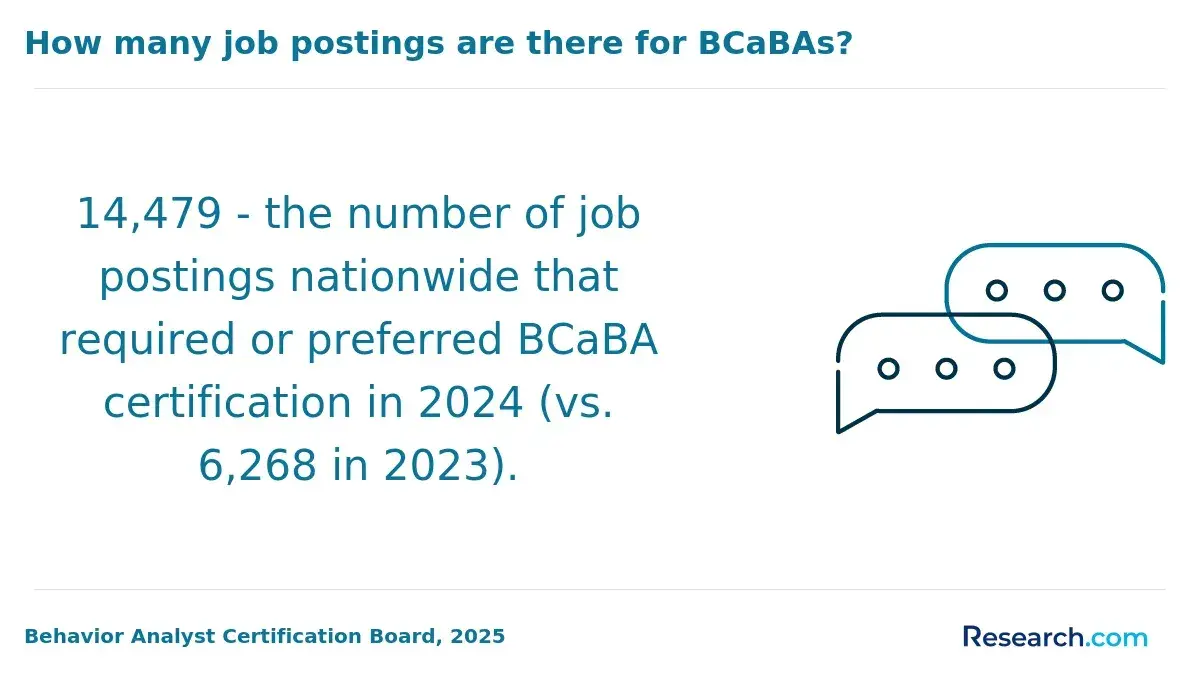
There is also a strong labor-market reason to plan carefully. Data show 65,300 unduplicated BCBA job postings nearly matching the 66,300 certificants nationwide, which points to substantial demand for credentialed behavior analysts. Still, demand does not remove the need to complete high-quality, properly documented fieldwork. Candidates comparing education and supervision expenses may also want to review how much does it cost to become a BCBA as part of their planning.
How Many Supervised Hours Are Needed for BCBA Certification?
BCBA candidates generally need between 1,500 and 2,000 supervised fieldwork hours, depending on the supervision model and pathway used. These hours must follow Behavior Analyst Certification Board standards and be documented carefully enough to withstand review or audit.
The hour requirement is only one part of the process. Candidates also need the right type of activities, qualified supervision, timely documentation, and a consistent schedule. For working adults, a smaller number of weekly hours completed reliably is often better than an aggressive plan that collapses after a few weeks.
| Planning factor | Why it matters for full-time workers |
| Total hour requirement | Candidates should plan around 1,500 to 2,000 hours, depending on the approved fieldwork format. |
| Supervision model | Concentrated and standard supervision models can affect the total hour requirement and pacing. |
| Documentation | Session notes, hour logs, supervisor signatures, and activity records should be maintained consistently, not reconstructed later. |
| Schedule fit | Evening, weekend, or job-embedded hours may be necessary for candidates who cannot reduce work hours. |
It is important to separate fieldwork activities from supervision meetings. Supervision time itself does not automatically replace the need for qualifying fieldwork activities, and candidates should confirm how each activity is counted with their supervisor. Clear expectations at the beginning can prevent lost hours, documentation errors, and delays near the end of the process.
Students who want an academic route aligned with certification planning can compare BCBA master's programs. When evaluating programs, look beyond course delivery and ask how the school helps students understand supervised fieldwork requirements, supervisor selection, and timeline management.
Can You Complete BCBA Fieldwork While Working Full-Time?
Yes, you can complete BCBA fieldwork while working full-time, but it requires a deliberate schedule and a realistic view of your capacity. Candidates commonly complete fieldwork through evening, weekend, early morning, or employer-supported arrangements. The process often requires at least 1,500 hours of supervised experience and may be spread over 18 to 30 months.
The main issue is not whether full-time workers can finish; many do. The issue is whether the plan is sustainable. A candidate working 40 hours a week who adds fieldwork, supervision meetings, coursework, commuting, documentation, and personal responsibilities needs a schedule that protects both quality and health.
Between 2023 and 2024, job openings grew 58% and assistant behavior analyst roles surged 131%, underscoring why many professionals are motivated to move efficiently toward certification. However, speed should not come at the expense of compliant supervision or meaningful skill development.
Common challenges for full-time employees
- Limited supervisor availability: Not every supervisor can meet outside standard business hours.
- Client scheduling constraints: Some client sessions occur during the same hours as a candidate’s regular job.
- Documentation fatigue: Logs and notes can become difficult to maintain after long workdays.
- Burnout risk: A schedule that works for two weeks may not be sustainable for two years.
What makes it more feasible
- Ask your current employer whether any responsibilities can qualify for fieldwork under proper supervision.
- Set fixed weekly blocks for client work, supervision, documentation, and coursework.
- Choose supervisors who are explicit about response times, meeting frequency, and documentation expectations.
- Consider part-time ABA-related work if your current role cannot support fieldwork.
For candidates who also need a flexible academic route, the best online ABA master's programs may be worth comparing, especially if faster or more flexible coursework would help align education with fieldwork progress.
The best online BCBA programs for working professionals are not simply the programs with online lectures. They are programs that combine flexible coursework, clear certification alignment, accessible advising, and practical fieldwork guidance. For a full-time employee, the difference between a manageable program and an overwhelming one often comes down to structure and support.
Institutions such as Ball State University, Simmons University, and the University of Cincinnati offer online BCBA-related coursework options that may appeal to busy adults. Ball State University is known for a primarily asynchronous structure that can help students fit coursework around employment. Simmons University uses cohort models with structured timelines, recorded lectures, and advisor support, which may benefit students who prefer more built-in accountability.
When comparing online programs, working professionals should look closely at how each program handles fieldwork. Some programs allow students to complete fieldwork at current employment sites such as schools, clinics, or service agencies, provided the placement and supervision meet requirements. This can reduce commuting time and make weekly scheduling more predictable.
| Program feature | Why it matters when you work full-time |
| Asynchronous coursework | Allows you to study before work, after work, or on weekends instead of attending fixed class meetings. |
| Cohort structure | Provides deadlines and peer accountability, but may be less flexible than self-paced formats. |
| Fieldwork advising | Helps you avoid delays caused by unclear supervision requirements or unsuitable placements. |
| Current-employer placement options | May reduce commute time and make it easier to build hours consistently. |
| Recorded lectures and accessible faculty | Supports students whose work schedules change week to week. |
Before enrolling, ask direct questions: Does the program help students locate supervisors? Can fieldwork be completed where you already work? Are courses offered in a sequence that fits your target certification timeline? What happens if your job schedule changes?
For a broader comparison of online options, review programs listed under applied behavior analysis masters degree online. The right choice should match not only your academic goals, but also your weekly availability and fieldwork plan.
To find BCBA supervisors around a full-time job, start by defining your exact availability before you begin outreach. Supervisors are more likely to respond productively when you can state your schedule clearly, such as: “I am available for supervision on Mondays and Thursdays after 6 PM and can complete fieldwork on Saturdays.”
Demand has increased the need for flexible supervision arrangements. BCBA job postings have grown over ninefold since 2017, and supervisors in private practices, telehealth settings, school-linked programs, and ABA agencies may offer evening, weekend, or hybrid options. Flexibility varies widely, so candidates should not assume every supervisor can accommodate nontraditional hours.
Where to look for supervisors
- BACB-related supervisor directories: Use official or recognized search tools to identify qualified supervisors.
- University fieldwork offices: Some programs maintain supervisor networks or agency relationships.
- ABA agencies and clinics: Agencies may offer paid roles that include supervision.
- School-based programs: These may be useful for candidates whose schedules align with school hours or after-school services.
- Professional groups and forums: Local ABA groups, social media communities, and alumni networks can surface flexible opportunities.
Questions to ask before agreeing to supervision
- Are you available for evening or weekend supervision?
- Do you offer individual supervision, group supervision, or both?
- How do you handle observation, feedback, documentation, and cancellations?
- Can any supervision occur remotely or through video review?
- What are the fees, if any, and what do they include?
- How quickly do you review logs and provide signatures?
Group supervision can be more affordable and easier to schedule, but it may provide less individualized attention. Individual supervision may offer more targeted feedback, but it can be harder to schedule and may cost more. Many candidates use a combination when appropriate.
The biggest mistake is waiting until coursework is nearly finished to search for supervision. Start early, keep a written record of outreach, and be prepared to adjust if a supervisor’s availability changes.
Flexible BCBA fieldwork options for full-time employees include employer-based fieldwork, evening or weekend placements, part-time ABA roles, remote observation where appropriate, tele-supervision, group supervision, and split placements across more than one setting. The best option depends on your current job, location, supervisor access, client availability, and energy level.
| Flexible option | Best for | Trade-off to consider |
| Current-job fieldwork | Employees already working in schools, clinics, human services, or ABA-adjacent roles | The role must include qualifying activities and appropriate supervision. |
| Evening or weekend fieldwork | Professionals with standard weekday jobs | Can reduce rest time and increase burnout risk. |
| Part-time ABA position | Candidates whose current job cannot support fieldwork | May require a second job and careful scheduling. |
| Remote observation or tele-supervision | Candidates with geographic or transportation barriers | Must be appropriate for the client, site, supervisor, and applicable requirements. |
| Multiple placements | Candidates who cannot get enough hours from one site | Documentation and coordination become more complex. |
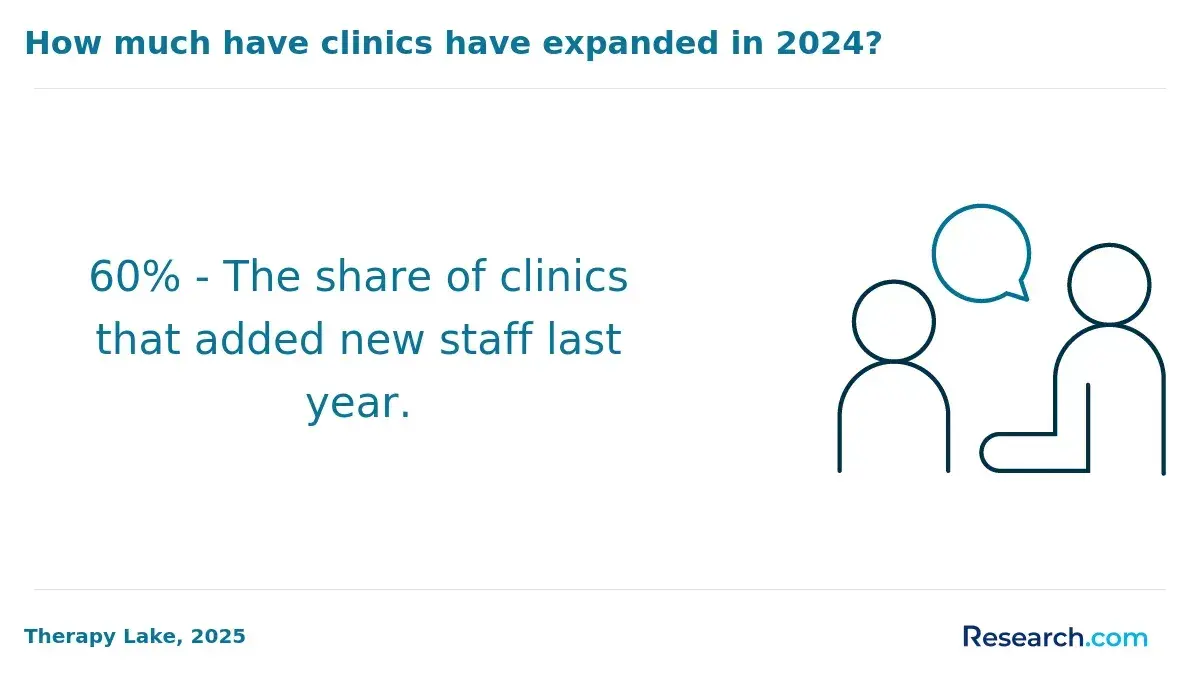
Many employers recognize that supervised fieldwork can help retain motivated staff. If you already work in a related environment, ask whether your duties can be adjusted to include qualifying activities or whether a BCBA on staff can supervise you. Do not assume hours count automatically; confirm expectations before logging them.
Consistency matters more than an ambitious schedule. Time-blocking can help: reserve specific periods for client work, supervision meetings, data review, and documentation. Digital calendars and hour-tracking tools can reduce errors and make supervisor review easier.
The Bureau of Labor Statistics projects 19% job growth for behavior-related roles through 2033, with approximately 50,000 annual openings. That demand may encourage some employers to offer flexible arrangements, but candidates still need to evaluate whether each option is compliant, sustainable, and professionally meaningful.
BCBA fieldwork commonly takes 18 to 24 months when candidates complete hours steadily while managing work and other responsibilities. A minimum of 1,500 hours of supervised practical experience is often cited, and many working candidates plan around 10 to 15 hours per week, adjusting the pace during heavier or lighter work periods.
The calendar timeline depends on more than weekly fieldwork hours. Candidates also need time for supervision meetings, documentation, data review, preparation, travel if applicable, and coursework. For a full-time employee, these “extra” tasks can be the difference between a realistic plan and an exhausting one.
| Weekly fieldwork pace | What it may feel like for a full-time worker |
| Lower weekly pace | More sustainable, but extends the total timeline. |
| 10 to 15 hours per week | Common planning range for workers balancing employment, coursework, and supervision. |
| Higher weekly pace | May shorten the timeline, but can be difficult during busy work seasons or personal obligations. |
Supervision often involves weekly or biweekly meetings lasting 1 to 5 hours, depending on the arrangement and requirements. Candidates should also budget time immediately after sessions to complete notes and logs while details are fresh.
The demand for BCaBA professionals is significant, with job postings exceeding the number of certificants, which reinforces the value of planning fieldwork carefully. A rushed or poorly documented process can delay certification even when the candidate has put in substantial effort. A sustainable schedule, reviewed regularly with a supervisor, is usually the safer path.
BCBA salaries in the United States typically range from $60,000 to $85,000 annually, with variation by location, employer type, experience, and job responsibilities. Entry-level professionals often earn around $55,000, while experienced BCBAs or those in supervisory roles can exceed $90,000.
Compensation is often higher in private-sector ABA agencies than in some school-based roles, though schools may offer different benefits, schedules, or stability. Urban areas with higher costs of living may offer better pay, but candidates should compare salary against workload, caseload size, travel expectations, benefits, and supervision responsibilities.
| Factor | How it can affect BCBA compensation |
| Work setting | Private agencies, schools, clinics, hospitals, and telehealth roles may differ in pay and workload. |
| Experience level | Supervisory and leadership roles can command higher compensation. |
| Location | Higher-cost regions may offer higher salaries, though local demand varies. |
| Caseload and travel | Higher pay may come with larger caseloads, travel, or productivity expectations. |
The job outlook remains generally positive, but regional conditions matter. Six states saw decreases in BCBA job postings in 2023: Minnesota (-17%), Colorado (-15%), California (-10%), Florida (-10%), Virginia (-1%), and Texas (-0.1%), according to BACB data cited by BH Business. This does not mean those markets lack jobs; it means candidates should research local demand rather than relying only on national trends.
Telehealth roles continue to expand opportunities beyond a candidate’s immediate area, although remote work may depend on employer policies, client needs, state rules, and service model. As you complete fieldwork, track job postings in your target region so your supervision experiences, population exposure, and resume align with the roles you want after certification.
Accredited programs with strong BCBA fieldwork support typically provide more than coursework. They help students understand supervision rules, identify appropriate fieldwork settings, connect with supervisors or partner agencies, and stay on track while balancing employment.
Schools such as Florida Institute of Technology and Simmons University provide flexible fieldwork options, including evening, weekend, and remote supervision possibilities, which may help students fit requirements around full-time work. Endicott College and Arizona State University combine online coursework with fieldwork mentoring that can support steady progress for busy professionals.
Programs accredited by the Behavior Analyst Certification Board (BACB) typically have networks of trained supervisors or fieldwork-related guidance designed to help students manage the minimum 1,500 hours required. However, support varies by institution, and candidates should verify what is included before enrolling.
What to ask programs before you apply
- Does the program help students locate fieldwork sites or supervisors?
- Can students complete fieldwork at their current workplace?
- Are evening, weekend, or remote supervision options available?
- How does the program monitor fieldwork progress?
- What happens if a placement or supervisor falls through?
- Are fieldwork costs included in tuition, or are they separate?
Demand for BCBAs is forecasted to grow by over 20% within the next eight years, which makes efficient fieldwork planning valuable. Still, students should avoid choosing a program based only on projected demand. The stronger choice is the program that fits your schedule, explains requirements clearly, and provides enough support to help you complete fieldwork without unnecessary delays or burnout.
How to Plan Your BCBA Certification Path with a Full-Time Job?
Planning a BCBA certification path around a full-time job starts with a candid schedule audit. Before choosing a program or supervisor, determine how many hours per week you can realistically commit to coursework, fieldwork, supervision, documentation, and commuting if needed. A plan that ignores your existing workload is unlikely to last.
Step-by-step planning framework
- Map your fixed commitments. List work hours, commute time, family responsibilities, and non-negotiable personal obligations.
- Choose a flexible ABA program. Prioritize online, evening, weekend, or asynchronous options if your job schedule is rigid.
- Identify possible fieldwork settings early. Start with your current employer if you work in a related setting, then explore agencies, schools, clinics, or part-time roles.
- Secure qualified supervision. Confirm availability, cost, meeting format, documentation process, and expectations before logging hours.
- Build a weekly time block. Many candidates plan for 10-15 hours weekly, divided into manageable sessions outside work hours.
- Track hours from day one. Maintain logs, notes, and supervisor approvals consistently to avoid problems later.
- Review progress monthly. Compare actual hours with your target timeline and adjust before you fall far behind.
If work becomes busier, reduce your weekly target temporarily rather than abandoning the plan. During slower periods, you may be able to increase hours. Asynchronous learning modules, recorded lectures, and structured supervision meetings can help smooth out schedule changes.
Also build a support system. Peers, supervisors, faculty advisors, and professional networks can help you troubleshoot scheduling conflicts, documentation questions, and burnout. The most successful full-time workers usually do not rely on motivation alone; they rely on systems, calendars, clear supervision agreements, and steady progress.
A realistic BCBA certification plan should answer four questions: where your hours will come from, who will supervise them, when you will complete the work, and how you will document it. Once those pieces are in place, completing fieldwork while employed full-time becomes challenging but manageable.
Other Things You Should Know About Applied Behavior Analysis
A full-time employee can complete BCBA fieldwork in 2027 as long as the monthly pace stays within BACB limits. Under the concentrated pathway, you need 160 hours per month minimum, with 10% of hours supervised; the standard pathway requires 20% supervised hours and no monthly minimum.
Yes, ethical guidelines are central to applied behavior analysis fieldwork and are outlined by the Behavior Analyst Certification Board (BACB). These include maintaining client confidentiality, obtaining informed consent, using evidence-based practices, and ensuring interventions prioritize client welfare. Supervisors play a critical role in ensuring that trainees adhere to these professional standards.
Technology can be a valuable aid for BCBA candidates balancing full-time jobs and fieldwork. Digital tools such as data collection apps, telehealth platforms, and video recordings allow for flexible monitoring and supervision. These resources help maintain accurate records and enable remote supervision, reducing the need for physical presence during every session.
- Who Can Count as a Client for BCBA Supervised Fieldwork? https://www.abaresourcecenter.com/post/clients-bcba-supervised-fieldwork
- Average BCBA Salaries https://www.magnetaba.com/blog/average-bcba-salaries
- The Rate of Job Growth for BCBAs (In 2023) https://www.crossrivertherapy.com/behavioral-analysts/job-growth
- Part-Time Job Options That Align with BCBA Fieldwork Hours https://hoomhouse.com/blog/navigating-part-time-jobs-while-collecting-bcba-fieldwork-hours
- BCBA Fieldwork Tracking: Your Ultimate Guide to Supervision Hours and Compliance https://www.operationsarmy.com/post/bcba-fieldwork-tracking-your-ultimate-guide-to-supervision-hours-and-compliance
- How Long Does It Take to Get 1500 Hours for BCBA? | Blue Jay https://www.bluejayaba.com/blog/how-long-does-it-take-to-get-1500-hours
- Flexible working https://www.gov.uk/flexible-working/types-of-flexible-working
- Timeline to Earn 1500 BCBA Supervised Fieldwork Hours https://blossomabatherapy.com/blog/how-long-to-achieve-1500-hours-for-bcba-certification
- Choosing Excellence: Discover the Best BCBA Programs Online | Brighter Strides ABA https://www.brighterstridesaba.com/blog/bcba-programs-online/
- Board-Certified Behavior Analyst (BCBA) Salary Guide â Trusted Health https://www.trustedhealth.com/allied-career-guide/behavior-analyst/salary-guide