2027 Should You Get ABA Experience Before Starting Graduate School

Co-Founder and Chief Data Scientist
Deciding whether to work in applied behavior analysis before graduate school is really a question about risk, readiness, and fit. If you are considering a master’s program in ABA, especially without an undergraduate background in psychology, education, special education, or human services, early field experience can help you confirm that the work matches your expectations before you invest time and tuition.
Prior ABA experience is not always required for admission, but it can affect how prepared you feel in graduate coursework, how competitive your application appears, and how quickly you adapt to supervised fieldwork. Roles such as Registered Behavior Technician, behavioral aide, classroom support staff member, or therapy assistant can show you what ABA looks like in practice: collecting behavior data, implementing intervention plans, working with families, and responding professionally to difficult behavior.
This guide explains when ABA experience is worth pursuing before graduate school, how admissions requirements vary, what online and campus programs offer, what the curriculum usually includes, and how ABA graduate education connects to certification, salary, and long-term career options.
Key Things You Should Know
- Gaining ABA experience before graduate school improves practical skills, increasing admission chances as over 70% of top programs prefer applicants with direct client experience in 2025.
- Hands-on ABA exposure enhances understanding of behavioral concepts, with studies showing students who interned pre-grad perform 15% better academically and professionally.
- Early ABA experience aids in meeting certification prerequisites, as the Behavior Analyst Certification Board requires substantial supervised hours, facilitating smoother post-graduate credentialing.
Should You Get ABA Experience Before Graduate School?
Yes, getting ABA experience before graduate school is usually helpful, but it is not always mandatory. The strongest reason to gain experience first is practical: ABA is a hands-on field, and many students do not fully understand the daily work until they have observed or participated in it. Early experience can help you decide whether you enjoy direct service, data collection, parent or teacher collaboration, and structured intervention work.
Common entry-level roles include Registered Behavior Technician (RBT), behavioral aide, therapy assistant, classroom behavior support staff, and volunteer roles in clinics, schools, or community programs. These positions can help you build vocabulary, observe ethical practice, and understand how behavior plans are implemented outside the classroom.
How prior ABA experience can help
- Stronger graduate applications: Relevant fieldwork can demonstrate commitment, especially if your undergraduate degree is not in psychology, education, or a related field.
- Faster adjustment to coursework: Concepts such as reinforcement, measurement, functional behavior assessment, and behavior intervention planning are easier to understand when you have seen them applied.
- Better career clarity: Direct exposure can help you decide whether you prefer autism services, school-based work, organizational behavior management, research, supervision, or another ABA-related path.
- Professional references and mentorship: Supervisors can help you understand certification expectations, write recommendation letters, and advise you on program selection.
- Improved job readiness: Experience can support later employment, particularly in a field where job growth for ABA therapists is expected to exceed 20% by 2029.
When it may be better to start graduate school without waiting
Prior experience is valuable, but delaying graduate school is not always the best move. If you already understand the profession, have access to a program with strong supervised practicum support, or need to begin a credential pathway quickly, entering graduate study first can still be reasonable. Many programs are designed to train students who are new to ABA.
The key is to avoid assuming that any ABA-related job will automatically count toward certification. If your goal is BCBA certification, ask whether the role includes supervision that aligns with current BACB requirements. Paid or volunteer experience may be useful for admissions and self-assessment even when it does not count toward required fieldwork.
Prospective students comparing cost-conscious options can review affordable online ABA master's programs while also checking whether each program supports supervised experience, exam preparation, and career placement.
What Is ABA and Why Pursue Graduate Education?
Applied behavior analysis is the scientific study and application of learning and behavior principles. In practice, ABA uses observation, measurement, assessment, and intervention to help people build useful skills, reduce harmful or interfering behavior, and improve functioning in real environments.
ABA is best known for its use in autism and developmental disability services, but the field is broader than that. Behavior analysts may work in schools, clinics, homes, hospitals, residential programs, businesses, and community organizations. Their work often involves designing behavior support plans, training caregivers or staff, monitoring progress through data, and adjusting interventions when outcomes are not improving.
Graduate education matters because independent and advanced ABA practice typically requires specialized training. A graduate program gives students the theoretical foundation, research literacy, ethics training, and supervised practice needed to move beyond basic implementation and into assessment, program design, supervision, and consultation.
Why graduate school is often necessary in ABA
- Certification preparation: Many students pursue graduate education to meet requirements connected to the Board Certified Behavior Analyst pathway.
- Clinical decision-making: Graduate study teaches students how to assess behavior, interpret data, and design interventions rather than simply follow a plan.
- Ethical practice: ABA work affects vulnerable clients and families, so training in consent, dignity, scope of competence, documentation, and supervision is essential.
- Career mobility: A graduate degree can open paths into supervision, program management, school consultation, research, and specialized clinical roles.
Hands-on experience is often part of the preparation process because ABA is not learned through theory alone. Supervised work with diverse populations, including individuals with autism or developmental disabilities, helps students connect coursework to real client needs. According to Cross River Therapy, approximately 57,000 BCBAs practice in the U.S., which reflects the scale of the profession and the importance of rigorous preparation.
Students who gain experience before graduate school often enter with clearer goals and a more realistic view of the work. Students without prior experience can still succeed, but they should choose programs with strong advising, supervised fieldwork support, and clear certification guidance. For program examples, review BCBA certification schools.
What Are ABA Graduate Program Admission Requirements?
ABA graduate admission requirements vary by institution, but most programs evaluate four areas: academic readiness, professional fit, prerequisite knowledge, and potential for ethical client-centered practice. A bachelor’s degree from an accredited institution is typically the baseline requirement. Many programs prefer applicants with backgrounds in psychology, education, special education, social work, communication disorders, or human services, but some accept students from other fields.
A minimum GPA is commonly required, often around 3.0 on a 4.0 scale. Applicants usually submit official transcripts, letters of recommendation, and a personal statement explaining why they want to study ABA. Some programs also conduct interviews to assess communication skills, maturity, and alignment with the program’s training model.
Common ABA graduate admission materials
- Official transcripts: Used to verify degree completion, GPA, and prerequisite coursework.
- Personal statement: Should explain your interest in ABA, relevant experience, career goals, and readiness for graduate-level work.
- Letters of recommendation: Strong letters often come from faculty, supervisors, or professionals who can speak to your judgment, reliability, and ability to work with clients.
- Resume or CV: Useful for documenting ABA, education, healthcare, research, or human services experience.
- Prerequisite coursework: Some programs require or prefer coursework in behavior analysis, psychology, statistics, or research methods.
- GRE scores: Standardized tests are increasingly optional, but some institutions may still require them.
- English proficiency scores: International students may need exams such as TOEFL or IELTS.
Relevant field experience can strengthen an application, especially if your academic background is unrelated to ABA. Roles such as RBT, behavioral aide, classroom support staff member, or volunteer in a behavior-focused setting can show that you understand the demands of the field. However, experience is not a substitute for meeting academic requirements.
Applicants should also look beyond admission requirements and examine outcomes. Programs like California State University, Northridge report a 100% first-time BCBA exam pass rate based on recent candidates, which may indicate strong preparation, selective admissions, effective advising, or all of these factors. Pass rates should be interpreted alongside cohort size, supervision support, cost, and fit.
Because requirements differ widely, verify each program’s current criteria before applying. Students who need flexibility can compare options such as an online masters in applied behavior analysis, but should still confirm prerequisites, fieldwork support, and certification alignment.
No, ABA graduate programs do not universally require prior field experience. Some programs admit students directly from undergraduate study, while others prefer applicants who have worked or volunteered in ABA, education, developmental disability services, mental health, or related settings. The difference usually comes down to the program’s mission, competitiveness, and how much supervised practice is built into the curriculum.
Programs that do not require field experience may still expect applicants to understand what ABA work involves. A personal statement that says only that you “want to help people” may be weaker than one that explains why behavior analysis specifically fits your goals. Even observation hours, informational interviews, or volunteer experience can help you write and speak more concretely about the field.
How program expectations differ
| Program approach | What it may mean for applicants | What to verify |
| Prior experience preferred | Experience can make the application more competitive but may not be required. | Ask what types of experience are valued and whether RBT work, school support, or volunteering counts. |
| Observation or field exposure required | Applicants may need documented exposure before admission. | Confirm the number of hours, acceptable settings, and documentation format. |
| No field experience required | Students may begin without ABA work history. | Check whether the program provides strong practicum placement guidance and supervision support. |
Gaining ABA experience before graduate school can still be a smart choice. It helps you test your interest, build comfort with clients, and develop professional habits such as punctuality, documentation, collaboration, and data accuracy. It can also reveal whether you are prepared for emotionally demanding situations, inconsistent progress, and the need for careful ethical judgment.
At the same time, lack of prior experience seldom disqualifies a qualified applicant. Florida Institute of Technology's online ABA program posted a 100% first-time BCBA exam pass rate with 11 candidates, showing that rigorous academic and practicum training during graduate study can support certification success even when students enter with varied backgrounds.
Applicants should compare prerequisites carefully and ask admissions staff direct questions about fieldwork expectations. To explore flexible graduate options, review online ABA masters programs.
Online and campus ABA programs can both prepare students for graduate-level practice, but they differ in structure, supervision access, peer interaction, and scheduling. The better option depends on your work schedule, location, learning style, and ability to secure high-quality field experience.
Campus programs often provide more immediate access to faculty, peers, clinics, research labs, and supervised practice sites. For example, Vanderbilt University's in-person ABA program maintains a 7:1 student-to-faculty ratio and reports a 94% BCBA exam pass rate. A small student-to-faculty ratio may support closer mentorship, faster feedback, and stronger professional relationships.
Online programs are often more practical for working adults, parents, military students, and people who live far from campus-based ABA programs. Flexibility can be a major advantage, but students must be proactive. An online format should not mean limited faculty access, unclear supervision, or a weak connection between coursework and practice.
Online vs campus ABA programs: key trade-offs
| Factor | Online ABA program | Campus ABA program |
| Schedule | Often better for working professionals and students who need flexibility. | May require fixed class times, commuting, or relocation. |
| Supervision access | Can be strong, but students should verify how supervision and field placements are arranged. | May offer easier access to campus-affiliated practicum sites and faculty feedback. |
| Peer and faculty interaction | Depends on live sessions, discussion structure, advising, and cohort design. | Often offers more frequent face-to-face interaction and informal networking. |
| Best fit | Students with reliable local fieldwork options and strong self-management skills. | Students who want structured mentorship, campus resources, and in-person learning. |
Before choosing an online program, ask whether courses include live interaction, how often faculty provide feedback, whether the program helps students find supervised fieldwork, and how exam preparation is supported. Students who choose campus programs should still ask about practicum quality, faculty availability, and outcomes rather than assuming in-person automatically means better training.
Students who need flexibility may prefer online study, while those who value intensive mentorship and immediate feedback may benefit from a campus model. As noted by Action Behavior Centers, program outcomes can vary, so compare supervision quality, exam pass rates, and student support rather than relying on format alone.
An ABA graduate curriculum is designed to teach students how to understand behavior scientifically, assess why behavior occurs, design ethical interventions, and evaluate whether those interventions work. Strong programs connect theory to practice rather than treating ABA as a set of techniques to memorize.
Core coursework usually covers behavior principles, measurement, experimental design, assessment, intervention, supervision, ethics, and research methods. Students learn to define behavior clearly, collect reliable data, analyze patterns, and make treatment decisions based on evidence rather than guesswork.
Common ABA graduate curriculum areas
- Principles of behavior: Reinforcement, punishment, extinction, stimulus control, motivating operations, and related concepts.
- Behavior measurement and data analysis: How to define behavior, collect data, graph results, and evaluate progress.
- Functional behavior assessment: Methods for identifying environmental variables that influence behavior.
- Intervention design: Development of behavior intervention plans, skill acquisition programs, and behavior reduction procedures.
- Ethics and professional conduct: Client dignity, consent, documentation, confidentiality, scope of competence, and responsible supervision.
- Research methods and experimental design: How to interpret and conduct behavior-analytic research, including single-case designs.
- Supervision and staff training: Preparing graduates to train technicians, collaborate with caregivers, and monitor treatment integrity.
- Specialized topics: Verbal behavior, autism spectrum disorder, developmental disabilities, organizational behavior management, or advanced research.
Many programs include supervised practicum or fieldwork so students can apply classroom concepts in real settings. This is where students learn that effective ABA requires judgment, communication, cultural responsiveness, and ongoing data-based adjustment.
Some curricula also address workplace realities such as insurance systems, funding requirements, interdisciplinary collaboration, documentation standards, and caregiver training. These topics matter because many ABA professionals work in service systems where clinical decisions must be communicated clearly to families, schools, healthcare providers, and payers.
With a 1,942% increase in demand for BCBAs between 2010 and 2018, students who combine strong coursework with practical experience may be better positioned for the job market. The most useful curriculum is not only exam-focused; it also prepares graduates to make defensible, ethical decisions with real clients.
ABA graduate programs generally take two to three years to complete, depending on whether you study full time or part time, whether the program is online or campus-based, and how fieldwork is structured. Most students pursuing the Board Certified Behavior Analyst pathway complete a master’s program that lasts about two years. Doctoral programs, often aimed at advanced research, leadership, or academic careers, require an additional two to three years beyond the master's degree.
Cost varies widely by institution type, residency status, program format, and whether supervision-related expenses are included. Public universities charge between $15,000 and $30,000 for a master's ABA program. Private institutions can exceed $40,000. Online programs may be more flexible, but they are not always cheaper and may cost as much or more.
Costs to include in your budget
- Tuition and fees: Compare total program cost, not just cost per credit.
- Books and materials: ABA programs often require textbooks, assessment resources, and exam preparation materials.
- Supervision expenses: Some students pay separately for supervision hours necessary for BCBA certification.
- Travel or residency requirements: Online programs may still require campus visits, intensive sessions, or local practicum travel.
- Reduced work hours: Full-time study or fieldwork demands may affect income while enrolled.
- Exam and certification-related costs: Budget for application and testing expenses associated with your chosen credential pathway.
When comparing programs, look at both cost and completion logistics. A lower tuition program may become expensive if it offers limited fieldwork support or forces you to arrange supervision independently. A higher-cost program may be worth considering if it provides strong advising, reliable practicum pathways, and documented exam outcomes.
Practical experience also affects financial planning. Entry-level ABA therapists typically earn less, so gaining experience before or during graduate study can help you understand realistic earnings and decide whether the career path fits your goals. According to Cross River Therapy, 85.60% of ABA therapists are women, a factor linked to gender-related salary disparities within the field employing over 33,633 individuals nationwide.
Prospective students should compare duration, tuition, supervision support, and likely career outcomes together. The best financial choice is not simply the cheapest program; it is the program that helps you complete training, meet credential requirements, and enter the field without unnecessary delay or avoidable debt.
An ABA graduate degree most commonly supports the path toward becoming a Board Certified Behavior Analyst. The BCBA credential generally involves completing appropriate graduate coursework, supervised fieldwork, and passing the BCBA exam. Graduates who pursue this route often move into roles that include assessment, treatment planning, supervision, consultation, and program oversight.
ABA career paths can differ significantly by setting. Some professionals work directly in autism therapy programs. Others support schools, train staff, consult with organizations, design behavior support systems, or contribute to research and program evaluation. The right path depends on your interests, tolerance for direct clinical work, desired schedule, and long-term leadership goals.
Common credentials and roles connected to ABA
- Board Certified Behavior Analyst: A common goal for graduate students who want to design and supervise behavior-analytic services.
- BCBA-D: A doctoral-level designation associated with advanced training, research, and high-level practice.
- Licensed Behavior Analyst: Required in some states where laws regulate independent behavior-analytic practice.
- Board Certified Assistant Behavior Analyst: Typically connected to relevant undergraduate-level preparation and supervised practice.
- Registered Behavior Technician: A paraprofessional role that often serves as an entry point before or during graduate training.
Potential job titles include behavior analyst, clinical supervisor, ABA program manager, school behavior consultant, autism services supervisor, behavioral consultant, and organizational behavior management consultant. Some graduates also continue into doctoral study or research-focused roles.
The average age of ABA therapists is 42, which suggests that many people enter ABA after experience in education, caregiving, healthcare, psychology, or related fields. That background can be valuable, but applicants should still choose a graduate program that aligns with their intended credential and state practice requirements.
Before enrolling, identify the certification or license you want and work backward. Confirm that the degree, coursework, fieldwork, and supervision structure support that goal. This is especially important if you plan to relocate, work independently, or practice in a state with behavior analyst licensure rules.
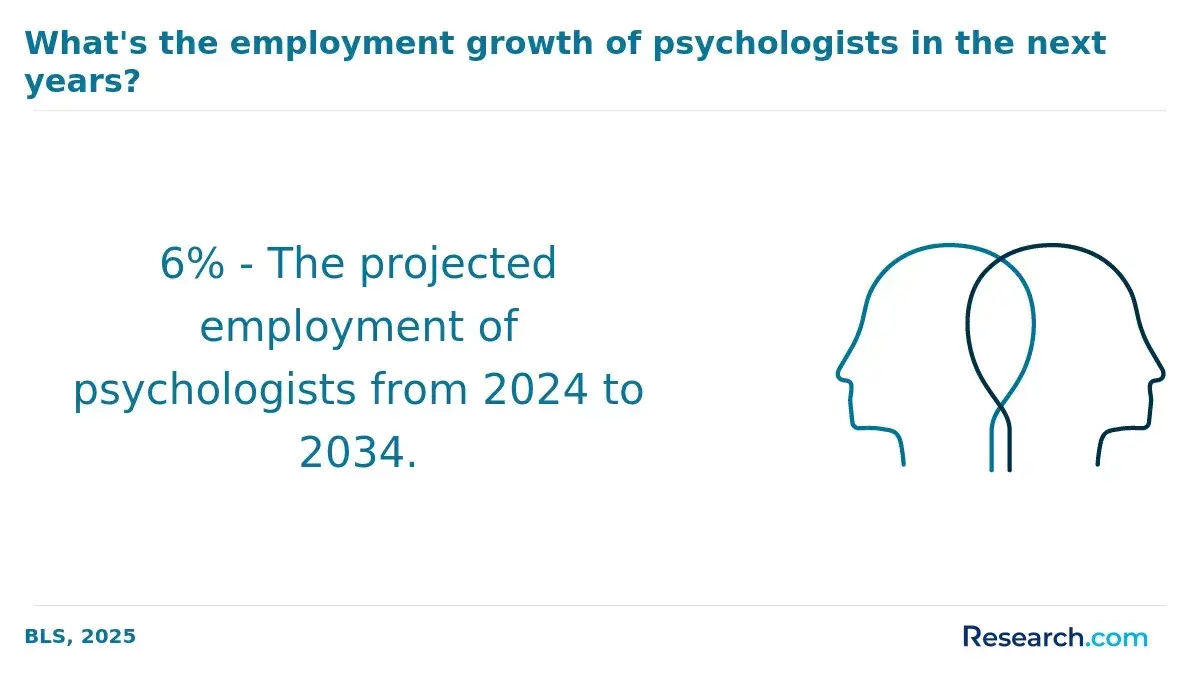
The job outlook for ABA professionals is strong, especially for those with graduate training, supervised experience, and certification. The U.S. Bureau of Labor Statistics projects around 20% employment growth for behavior specialists. Demand is linked to expanded behavioral intervention services in healthcare, education, autism services, developmental disability programs, and related support systems.
Salary depends heavily on credential level, location, employer type, supervision responsibilities, and years of experience. Entry-level positions start near $45,000 annually. Certified professionals such as Board Certified Behavior Analysts typically earn between $60,000 and $90,000. Senior BCBAs or supervisors can exceed $100,000, especially in urban or specialized clinical environments.
What affects ABA earning potential
- Certification: BCBA-level roles generally offer more responsibility and higher compensation than entry-level technician roles.
- Experience: Supervisory, assessment, and program management experience can improve advancement opportunities.
- Setting: Clinics, schools, hospitals, home-based providers, and consulting organizations may have different pay structures.
- Location: Urban and high-demand areas may offer higher salaries, though cost of living should be considered.
- Specialization: Experience with complex behavior, staff training, organizational behavior management, or leadership can affect career mobility.
For candidates without direct ABA experience, the quality of graduate preparation becomes especially important. Simmons University offers an online ABA program featuring scholarships up to $20,000 and tuition between $500 and $700 per credit. Their programs boast a 90% BCBA exam pass rate, boosting certification success and employability, according to Action Behavior Centers.
Students should treat salary figures as ranges, not guarantees. The best way to improve employment outcomes is to combine an appropriate graduate program with supervised fieldwork, strong references, ethical practice habits, and clear knowledge of state credentialing expectations.
How to Choose an Accredited ABA Graduate Program?
Choosing an ABA graduate program should start with eligibility, not marketing. Before comparing tuition, format, or convenience, confirm that the program’s coursework and institutional status support your intended certification or licensure pathway. If your goal is the BCBA credential, verify current requirements directly with the Behavior Analyst Certification Board and ask the program how its curriculum aligns with those requirements.
Do not rely only on the phrase “ABA program.” Some programs emphasize behavior analysis broadly, while others are specifically structured for BCBA preparation. You should also check whether the institution is accredited, whether the curriculum is appropriate for your credential goal, and whether the program provides transparent student outcomes.
Program factors to compare
- BACB alignment: Confirm that the coursework supports your intended BCBA examination pathway.
- Institutional accreditation: Make sure the college or university itself is properly accredited.
- BCBA exam pass rates: Compare outcomes, but interpret them with cohort size and selectivity in mind.
- Supervised fieldwork support: Ask whether the program helps students find placements or whether students must arrange everything independently.
- Faculty expertise: Look for faculty with applied, research, supervisory, and ethical practice experience relevant to your goals.
- Cost and financial aid: Compare total cost, fees, supervision expenses, and scholarship availability.
- Format and schedule: Decide whether online, hybrid, or campus study best fits your work, location, and learning style.
- Student support: Advising, exam preparation, career services, writing support, and fieldwork guidance can affect completion and certification readiness.
Program effectiveness is one of the clearest comparison points. For instance, Florida Institute of Technology's online program reports a 100% pass rate, indicating strong preparation for reported candidates. Cost should be evaluated alongside outcomes: Florida Institute of Technology charges $510 per credit hour, which Action Behavior Centers notes as part of its value comparison.
Still, no single statistic should determine your choice. A program with a strong pass rate may not be the right fit if it cannot support your schedule, fieldwork needs, state licensure plans, or preferred career setting. Likewise, a flexible online program may be a strong option only if it provides meaningful faculty access and supervision guidance.
The safest approach is to create a short list of programs and ask each one the same questions: Does the curriculum meet my credential goal? How is supervised fieldwork handled? What are the total costs? What support is available if I struggle academically or clinically? What are the program’s documented outcomes? Prioritizing eligibility, transparency, supervision quality, and fit will help you choose an ABA graduate program that supports both certification and long-term professional success.
Other Things You Should Know About Applied Behavior Analysis
Gaining ABA experience in 2027 before graduate school offers insights into real-world applications of behavior analysis. It enhances understanding, practical skills, and strengthens applications to graduate programs. This experience fosters professional growth, exposes students to diverse work environments, and may lead to networking opportunities valuable for future ABA careers.
Certification is not universally required but is strongly recommended and often preferred by employers. The Behavior Analyst Certification Board (BACB) offers the Registered Behavior Technician (RBT) and Board Certified Behavior Analyst (BCBA) credentials, which demonstrate professional competency and adherence to ethical standards. Many states also have licensure laws that mandate certification or state-specific credentials for ABA providers.
Supervision in ABA fieldwork typically involves regular observation and guidance from a Board Certified Behavior Analyst (BCBA). Fieldworkers receive feedback on skill implementation, data collection, and professional interactions to ensure quality and ethical practice. The BACB requires a certain number of supervised hours for eligibility to sit for certification exams.
Supervised ABA fieldwork is direct experience with clients under a credentialed supervisor, usually a Board Certified Behavior Analyst (BCBA). Programs often value tasks like data collection, behavior intervention implementation, and parent training support. Some graduate programs require documented hours, signed supervision forms, and a monthly supervisor meeting log.
- ABA Program Curriculum: What You Will Study - ABA Masters Programs https://abamastersprograms.org/curriculum/
- ABA Therapist Job Outlook & Career Options - Little Champs https://littlechampsaba.com/blog/aba-therapist-job-outlook/
- Future Job Outlook for ABA Therapists | Level Ahead ABA https://www.levelaheadaba.com/aba-therapist-job-outlook
- What You Should Know About an ABA Master's Program https://www.verbalbeginnings.com/aba-blog/aba-masters-program/
- Applied Behavior Analysis Graduate Programs https://www.magnetaba.com/blog/applied-behavior-analysis-graduate-programs
- The Prerequisites for Applying to an ABA Grad Program: What You Need to Know — Ruby's Nest https://www.rubysnest.com/blog/the-prerequisites-for-applying-to-an-aba-grad-program-what-you-need-to-know
- “I’m in an ABA Graduate Program … Now What?” https://www.hopebridge.com/blog/fieldwork-hours-for-aba-graduate-students/
- Career Types in Applied Behavior Analysis | Regency ABA https://regencyaba.com/career-types-in-applied-behavior-analysis/
- 20 Best Schools Offering Master's in ABA Programs https://www.appliedbehavioranalysisedu.org/20-best-schools-offering-aba-masters-programs/
- Applied Behavior Analysis Master’s—100 % Online https://www.baypath.edu/academics/graduate-programs/applied-behavior-analysis-ms/