2027 How to Choose Between ABA, Counseling, and Social Work Careers

Co-Founder and Chief Data Scientist
If you want a helping profession but are deciding among applied behavior analysis (ABA), counseling, and social work, the right choice depends on more than “working with people.” These fields overlap in human services, but they differ sharply in how they define problems, how they measure progress, which credentials are required, and where graduates can practice.
ABA is usually the best fit for students who like structured, observable, data-based interventions, often with children and adults with developmental disabilities. Counseling is a stronger fit for those drawn to therapeutic conversations, mental health treatment, and client insight. Social work suits people who want to combine direct support with advocacy, resource coordination, crisis response, and systems-level change.
This guide compares ABA, counseling, and social work across education, accreditation, licensure, online and campus formats, coursework, admissions, salaries, job outlook, and work settings so you can choose a path that matches your goals, timeline, budget, and preferred client population.
Key Things You Should Know
- The demand for applied behavior analysis professionals is projected to grow 20% from 2024 to 2034, faster than average for all occupations.
- Counseling careers emphasize mental health therapy and require master's degrees, while social work offers broader community support roles often needing licensure and social service skills.
- Applied behavior analysis careers focus on behavior modification techniques for developmental disabilities, requiring certification such as BCBA for advanced practice.
What is Applied Behavior Analysis and how does it differ from counseling and social work?
Applied behavior analysis (ABA) is a scientific and data-driven field that studies how behavior works and how it can be changed through environmental supports, reinforcement, assessment, and carefully designed interventions. ABA is widely associated with autism spectrum disorder and developmental disabilities, although behavior analytic methods can also apply in education, organizational settings, health behavior, and other areas.
The main difference is the lens each profession uses. ABA focuses on observable behavior and measurable change. Counseling focuses on emotional, psychological, and relational concerns, often through talk therapy and clinical assessment. Social work looks at the person in context, including family systems, poverty, housing, healthcare access, trauma, discrimination, policy, and community resources.
- Choose ABA if you enjoy collecting data, analyzing behavior patterns, building intervention plans, and measuring whether a strategy works.
- Choose counseling if you want to provide mental health support through therapeutic relationships, assessment, and evidence-based counseling methods.
- Choose social work if you want to help clients navigate personal challenges and the social systems that affect their well-being.
ABA practitioners, including Board Certified Behavior Analysts (BCBAs), complete specialized training in behavior science, ethics, assessment, and intervention design. Job postings for BCBAs increased by 58% in recent years, reflecting growing demand in the field. However, demand alone should not determine your choice. A strong ABA candidate should be comfortable with documentation, direct observation, treatment fidelity, and ongoing progress monitoring.
Students who want a flexible route into the field can explore BCBA coursework online, but they should verify that any program meets current certification and supervised fieldwork expectations before enrolling.
What are the educational requirements and accreditation standards for each career path?
The education pathway differs by field because each profession is governed by different accreditation bodies, credentialing rules, and scopes of practice. The most important step is to confirm that your degree program is recognized for the credential you plan to pursue. A convenient or inexpensive program can become costly if it does not qualify you for certification or licensure.
Applied behavior analysis typically requires graduate-level study in behavior analysis, psychology, education, or a related field. Students pursuing BCBA certification must meet Behavior Analyst Certification Board (BACB) requirements, including approved coursework, supervised fieldwork, and a passing score on the BCBA exam. Certification is central to the ABA career ladder and strongly affects eligibility for many roles.
Counseling careers usually require a master’s degree in counseling or a closely related clinical field. Many students look for programs accredited by the Council for Accreditation of Counselor Preparation Programs (CACREP), especially when they plan to pursue professional counseling licensure. Licensure commonly includes 2,000-4,000 hours of supervised clinical experience and a state-recognized exam. The Bureau of Labor Statistics projects 17% employment growth through 2034 for substance abuse and mental health counselors.
Social work has a different structure. A bachelor’s degree accredited by the Council on Social Work Education (CSWE) can qualify graduates for some entry-level roles, while clinical practice generally requires a CSWE-accredited Master of Social Work (MSW), supervised post-degree experience, and licensure. Because social work titles and scopes of practice vary by state, students should review state board requirements before choosing a program.
- ABA: Prioritize BACB-aligned coursework, fieldwork structure, and BCBA exam preparation.
- Counseling: Prioritize CACREP accreditation, practicum quality, internship support, and state licensure alignment.
- Social work: Prioritize CSWE accreditation, field placement support, and eligibility for the license level you want.
Before applying, compare tuition, supervised training access, exam preparation, faculty expertise, and graduate outcomes. Reviewing BCBA salary and credentialing pathways can also help you estimate the long-term value of ABA education options.
What licensing and certification credentials do I need to practice in ABA, counseling, or social work?
ABA, counseling, and social work all require formal credentials for many professional roles, but the credentialing system is different in each field. ABA relies heavily on national certification through the Behavior Analyst Certification Board (BACB). Counseling and social work are primarily regulated through state licensure boards, so requirements can vary by location.
In ABA, the best-known professional credential is the Board Certified Behavior Analyst (BCBA). Candidates typically complete a master’s degree in behavior analysis or a related field, finish supervised practical experience, and pass the BACB exam. Registered Behavior Technicians (RBTs) complete a 40-hour training program and a competency assessment and provide direct services under BCBA supervision. These credentials affect role level and pay: BCBA professionals average $68,554 annually, while ABA Therapists and RBTs earn around $35,938 and $36,218 respectively. Students who need a flexible graduate route often consider masters ABA online programs.
Counselors usually need a master’s degree in counseling or psychology, supervised clinical hours, and a passing score on a recognized exam such as the National Counselor Examination (NCE). Licensed titles often include Licensed Professional Counselor (LPC), although exact terminology and scope of practice depend on the state.
Social workers pursue credentials tied to their education level and scope of practice. Common license categories include LBSW, LMSW, and LCSW. A Bachelor or Master of Social Work (BSW/MSW) is usually required, along with an exam such as the Association of Social Work Boards (ASWB) test. Clinical social work requires additional supervised experience beyond the degree.
- For direct ABA services: RBT may be an entry point; BCBA is a higher-level clinical and supervisory credential.
- For independent counseling practice: a master’s degree, supervised hours, exam passage, and state licensure are generally required.
- For clinical social work: an MSW, supervised clinical experience, exam passage, and state licensure are generally required.
Continuing education is required in all three fields to maintain credentials. Because rules change and differ by state, students should check the appropriate licensing or certification board before enrolling, relocating, or assuming a degree will qualify them to practice.
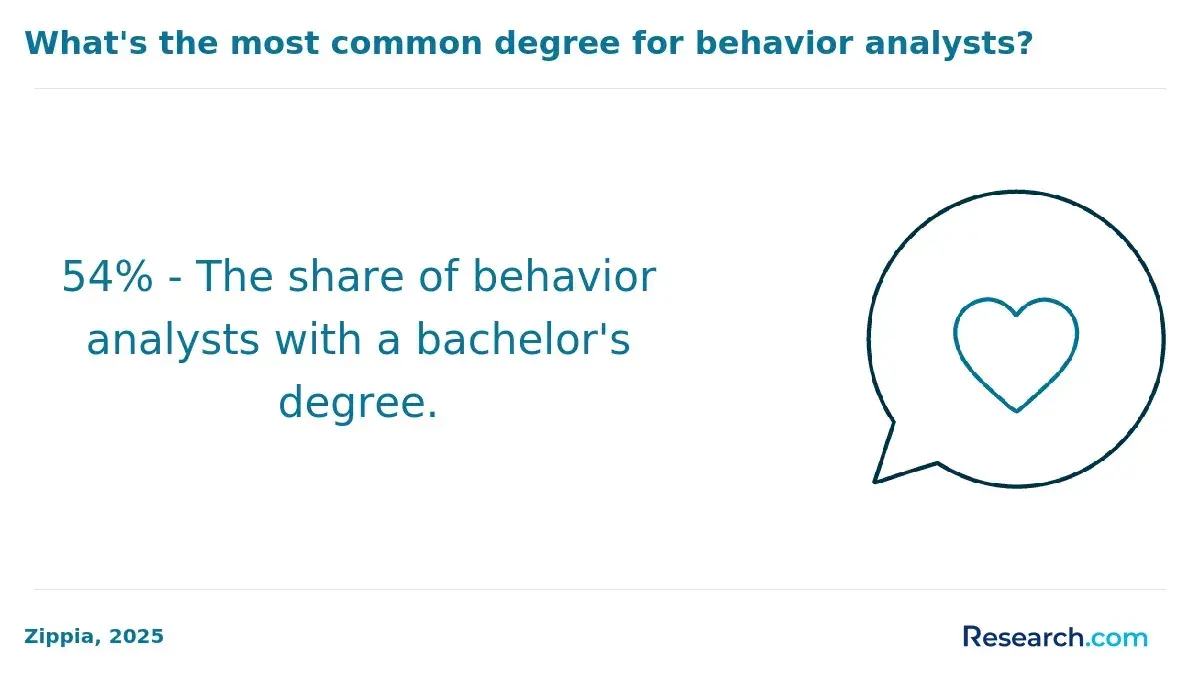
The most common degree pathway depends on the level of practice you want. ABA, counseling, and social work all offer online, hybrid, and campus-based options, but fieldwork and supervision remain essential. The degree format should support your credential goal, not just your schedule.
ABA students often begin with a bachelor’s degree in psychology, education, behavior analysis, or a related area, then complete a graduate program aligned with BACB requirements. Supervised fieldwork is a central part of BCBA preparation. The field has over 65,000 job postings competing with about 57,000 certified professionals, which makes credential readiness especially important. Students should confirm that the program clearly explains coursework, supervision, documentation, and exam preparation.
Counseling students usually complete a bachelor’s degree before entering a master’s program in counseling, clinical mental health counseling, school counseling, or a related specialty. These programs typically include practicum and internship experiences. Formats may include full-time campus study, part-time evening study, online coursework with local placements, or hybrid delivery.
Social work pathways can begin at the bachelor’s level. A BSW may qualify graduates for entry-level social service roles, while an MSW is commonly needed for advanced and clinical practice. MSW programs may be full-time, part-time, online, hybrid, or campus-based. Field education is a defining part of social work training, so students should evaluate placement quality as carefully as course format.
- Fastest entry into the workforce: social work may offer more bachelor’s-level options than counseling or BCBA-level ABA.
- Most structured certification pathway: ABA has a clearly defined BCBA route but requires BACB-aligned training and supervised experience.
- Broadest human services range: social work spans case management, clinical care, policy, advocacy, and community practice.
- Most direct mental health therapy route: counseling is designed around therapeutic practice and clinical licensure.
ABA students must complete BACB-approved coursework and at least 1,500 hours of experience. Counselors and social workers need programs aligned with state licensure boards and appropriate supervised training. Prospective ABA students who need flexibility may compare options for an online masters in behavior analysis.
Online and campus-based programs can both be strong choices when they are accredited, licensure-aligned, and built around meaningful supervised practice. The format itself does not determine quality. What matters is whether the program prepares you for certification, licensure, fieldwork, and employment in your intended state and specialty.
Campus-based programs often provide easier access to in-person faculty, peer networks, university clinics, local agency partnerships, and structured supervision. This can be valuable in counseling and social work programs where relationship-building, role-play, crisis response, and field placements are central. ABA students may also benefit from in-person observation, clinical teams, and hands-on data collection opportunities.
Online programs can be a better fit for working adults, students in rural areas, caregivers, and career changers who cannot relocate. Strong online programs use live classes, recorded lectures, virtual simulations, discussion-based learning, and locally arranged practicum or fieldwork experiences. However, online students must be more proactive about securing supervision, networking, and confirming that placements meet credential requirements.
- Choose online if you need schedule flexibility and the program has clear placement support, accreditation, and licensure alignment.
- Choose campus-based study if you want in-person networking, easier access to local agencies, and a more structured student experience.
- Choose hybrid if you want flexibility but still value periodic campus meetings, skills labs, or face-to-face supervision.
Career outcomes are strongly tied to accreditation, supervised training quality, employer partnerships, and local professional networks. Graduates from accredited campus programs often achieve higher employment rates within the first year due to strong local professional connections and job placement support. Online students can compete well when they choose reputable programs, complete strong field experiences, and build professional contacts before graduation.
The U.S. Department of Labor forecasts a 12.4% employment growth for healthcare support roles from 2024 to 2034, highlighting increased demand for allied mental health careers. To make a practical decision, ask each program how it handles placements, supervision, licensure documentation, exam preparation, and employer connections.
Admissions requirements vary by school and field, but accredited programs usually look for academic readiness, relevant experience, professional maturity, and a clear understanding of the role. Because these careers involve vulnerable clients, programs may also require interviews, background checks, references, and evidence of ethical judgment.
For ABA programs, applicants often need a bachelor’s degree in psychology, education, behavior analysis, or a related discipline. Many BCBA-focused pathways prefer or require graduate study. Useful prerequisites include behavior analysis, research methods, statistics, developmental psychology, and ethics. Programs preparing students for Board Certified Behavior Analyst (BCBA) certification require documented supervised fieldwork hours, typically ranging from 1,500 to 2,000, depending on the supervision model and accreditation.
Counseling master’s programs commonly expect a bachelor’s degree in psychology, social work, human services, or a related field, though some accept students from other majors if they can show readiness. Prerequisites may include developmental psychology, statistics, abnormal psychology, counseling theories, or research methods. Many programs hold applicants to a minimum GPA around 3.0 and may also request GRE scores. Volunteer work, crisis hotline experience, peer mentoring, or human services employment can strengthen an application.
MSW programs usually require a bachelor’s degree, with recommended or required coursework in sociology, psychology, human development, research, or social sciences. Practical experience through internships, service work, case aide roles, advocacy work, or nonprofit employment is often valued. Some programs enforce strict GPA requirements, often a minimum of 3.0, and background checks may be necessary due to client interaction.
- Career changers: explain why you are moving into the field and connect your prior experience to client service, communication, data, advocacy, or leadership.
- Applicants with unrelated majors: check whether prerequisite courses are required before admission or can be completed during the program.
- Working adults: ask whether placements can be completed near your home or workplace and whether evening or part-time options are available.
According to Ambitions ABA, about 94% of BCBAs report high job satisfaction, highlighting the professional fulfillment that can come with thorough preparation and certification. Still, admissions decisions should be based on fit: the field’s daily work should match your strengths, not just its outcomes.
Salary and job outlook vary by credential, state, employer, specialty, and years of experience. ABA, counseling, and social work can all lead to stable human services careers, but their compensation patterns differ. Advanced credentials, clinical licensure, supervisory responsibility, and private practice opportunities can affect earnings.
Behavior analysts typically earn between $60,000 and $85,000 annually. Employment for board-certified behavior analysts is expected to increase by around 20% in the coming years, driven partly by demand for ABA therapy for autism and related challenges. For instance, a 1987 study highlighted by Cross River Therapy found that 90% of autistic patients improved behaviorally after ABA, with 47% showing no traits differing from their non-autistic peers.
Counselors have median salaries ranging from $48,000 to $60,000 depending on specialization and location. Job growth for counselors is estimated at approximately 22%, with demand in schools, private practice, community agencies, healthcare, and substance use treatment settings.
Social workers earn an average salary between $50,000 and $65,000, with clinical social workers often earning more. Employment growth in social work is around 12%, particularly within healthcare, child welfare, community organizations, and related service settings.
- ABA may offer strong salary growth for professionals who become BCBAs and move into supervision, consulting, or program leadership.
- Counseling may offer broad practice options across mental health, schools, substance use, marriage and family-related services, and private practice, depending on licensure.
- Social work may offer the widest range of settings but salaries can vary significantly by agency type, clinical license, and public versus private employment.
When comparing pay, consider the cost and length of education, unpaid or low-paid fieldwork requirements, supervision fees, exam costs, state license fees, and continuing education. The highest-paying path is not always the best path if the daily work does not match your temperament, values, and preferred client population.
Graduates in ABA, counseling, and social work enter different roles because each field trains for a different type of professional service. Work settings can overlap, especially in schools, clinics, hospitals, and community agencies, but the day-to-day responsibilities are not the same.
ABA professionals may work as behavior therapists, behavior analysts, clinical supervisors, program consultants, or early intervention specialists. Common settings include schools, private clinics, healthcare organizations, autism service providers, home-based programs, and early intervention programs. Their work often involves behavior assessments, treatment plans, data collection, caregiver training, staff supervision, and progress monitoring for individuals with developmental disabilities, particularly autism spectrum disorder.
Counselors may work as mental health counselors, school counselors, substance abuse specialists, career counselors, or clinical counselors. Typical settings include schools, hospitals, community mental health centers, residential programs, outpatient clinics, correctional settings, employee assistance programs, and private practices. Their work focuses on helping clients manage anxiety, depression, trauma, addiction, grief, stress, relationship concerns, and life transitions.
Social workers may work in case management, clinical therapy, discharge planning, child welfare, policy advocacy, crisis intervention, community organizing, healthcare navigation, or program administration. Employers include government agencies, hospitals, schools, nonprofits, shelters, community organizations, and behavioral health providers. Their responsibilities often include assessment, referrals, benefits navigation, family support, safety planning, and coordination across service systems.
An important demographic fact is that 85.60% of ABA therapists are women, while men represent only 15.4%, highlighting a significant gender imbalance (Cross River Therapy). Prospective students may want to consider workplace culture, supervision style, team composition, and opportunities for advancement when evaluating employers.
- ABA work settings often require comfort with structured protocols, observation, data systems, and collaboration with families or educators.
- Counseling work settings require strong boundaries, clinical documentation, diagnostic awareness, and therapeutic communication.
- Social work settings require resourcefulness, crisis judgment, advocacy skills, and the ability to coordinate across complex systems.
Career opportunities may be full-time, part-time, contract-based, in-person, hybrid, or remote depending on the employer, credential level, client population, and state regulations.
How do I evaluate and choose a reputable, accredited program that fits my goals?
Start with accreditation and licensure alignment. A program should qualify you for the credential you plan to pursue in the state where you expect to work. For applied behavior analysis, review Behavior Analyst Certification Board (BACB) requirements. For counseling, look for alignment with the Council for Accreditation of Counseling and Related Educational Programs (CACREP) when relevant to your licensure goal. For social work, confirm accreditation from the Council on Social Work Education (CSWE).
Next, match the program to your career target. ABA programs should prepare students for evidence-based behavior interventions and Board Certified Behavior Analyst (BCBA) certification. Counseling programs should include supervised fieldwork and practicum experiences appropriate for clinical roles, with a median annual salary of $59,190 according to the Bureau of Labor Statistics. Social work programs should offer strong field education, licensure preparation, and training that fits your intended practice area.
Ask direct questions before applying:
- Does the program meet certification or licensure requirements in my state?
- Who arranges practicum, internship, or field placements?
- What are the exam pass rates and job placement outcomes?
- How many supervised hours are built into the program, and what must be completed after graduation?
- Are faculty members active in the field I want to enter?
- Does the program support online students with placement coordination and advising?
- What is the total cost, including fees, books, supervision, exams, travel, and lost work time?
Review curriculum depth, faculty credentials, student support, employer partnerships, and graduate outcomes. Be cautious with programs that emphasize speed or convenience but provide vague answers about accreditation, placements, licensure, or certification eligibility.
Finally, compare return on investment. Factor in tuition costs, scholarships, debt, salary expectations, local job demand, credential transferability, and your willingness to complete supervised experience after graduation. The best program is not simply the cheapest or fastest option; it is the one that leads reliably to the credential, job setting, and client work you actually want.
Other Things You Should Know About Applied Behavior Analysis
Applied behavior analysis primarily serves individuals with developmental disabilities, especially those diagnosed with autism spectrum disorder (ASD). It is also used for behavioral issues in children and adults and can be applied in educational settings, healthcare, and even organizational behavior management.
In 2027, a career in ABA often requires a master's degree and BCBA certification. Counseling generally requires a master's in counseling and licensure. Social work requires a Bachelor’s for entry-level positions but most clinical roles require a master's degree in social work and state licensure.
Counselors are regulated by state counseling boards, often linked to the National Board for Certified Counselors, while social workers are licensed by state social work boards and may follow standards from the Association of Social Work Boards. ABA practitioners are often certified through the Behavior Analyst Certification Board.
Yes, applied behavior analysis can be integrated with other therapies such as speech therapy, occupational therapy, and counseling to provide comprehensive treatment. Collaboration among professionals enhances overall outcomes by addressing multiple developmental and behavioral needs simultaneously.
- A Large Sample Comparison of Grade Based Student Learning Outcomes in Online vs. Face-to-Face Courses | Online Learning https://olj.onlinelearningconsortium.org/index.php/olj/article/view/454
- Graduate Program Requirements: Your Roadmap to Grad School https://bemoacademicconsulting.com/blog/graduate-program-requirements
- Admission Requirements - AWP w Lublinie https://vpu.edu.pl/admission-requirements/
- A pathway into a degree program: Forging better links | Journal of Academic Language and Learning https://www.journal.aall.org.au/index.php/jall/article/view/163
- Accredited Courses | Industry Recognised Qualification - The Career Academy https://careeracademy.co.nz/industry-accreditation-awards/
- ABA Certification Explained: RBT, BCaBA, BCBA, BCBA-D https://onlinecounselingprograms.com/mental-health-careers/how-to-become-behavior-analyst-bcba/aba-certification-explained/
- How to Fulfill Graduate School Prerequisites: Your Complete Guide to Missing Coursework - Prereqcourses https://www.prereqcourses.com/graduate-school/
- Applied Behavior Analysis (ABA) https://my.clevelandclinic.org/health/treatments/25197-applied-behavior-analysis
- School Social Worker Salary, Jobs & Degree Requirements https://www.appliedbehavioranalysisedu.org/jobs-related-to-applied-behavior-analysis/what-is-a-school-social-worker/
- ABA Therapy Curriculum | Grateful Care ABA https://www.gratefulcareaba.com/blog/aba-therapy-curriculum