2027 Online BCBA Master’s Programs: What to Expect

Co-Founder and Chief Data Scientist
Choosing an online BCBA master’s program is a certification decision, not just a graduate school decision. The right program must help you meet Board Certified Behavior Analyst requirements, build applied behavior analysis skills, and complete supervised fieldwork without disrupting your job or personal responsibilities.
Online BCBA master’s programs are designed for students who want graduate-level preparation in applied behavior analysis while studying remotely. They are especially common among educators, psychology graduates, behavior technicians, healthcare workers, and career changers who need a flexible route toward BCBA certification.
This guide explains how online BCBA master’s programs work, what they typically require, how they compare with campus-based options, what coursework and fieldwork look like, how much they may cost, and how to evaluate programs based on your certification and career goals.
Key Things to Know About Pursuing an Online BCBA Master's Program
- Over 80% of BCBA students choose hybrid or online formats for flexibility and accessibility.
- BACB-approved online programs have grown by more than 25% since 2020.
- The majority of online BCBA students are working professionals balancing full-time jobs and graduate studies.
What is an online BCBA Master’s Program and how does it prepare you for certification?
An online BCBA master’s program is a graduate program focused on applied behavior analysis, or ABA. It teaches students how to assess behavior, design evidence-based interventions, collect and interpret data, and evaluate whether behavior-change plans are working. The online format allows students to complete academic coursework remotely while arranging supervised experience in approved local settings.
The main purpose of the program is to prepare students for BCBA certification eligibility. These programs are built around the educational standards of the Behavior Analyst Certification Board (BACB), including coursework in behavioral principles, assessment, intervention, ethics, research methods, and measurement.
A strong program does more than cover theory. It helps students connect classroom learning to real cases, such as supporting individuals with developmental disabilities, improving classroom behavior systems, training caregivers, or designing treatment plans in behavioral health settings.
How the program supports certification preparation
- Graduate-level ABA education: Students complete advanced coursework in behavior analysis, ethical practice, data-based decision-making, and intervention design.
- Verified Course Sequence alignment: Completing an accredited BCBA master’s program also satisfies the Verified Course Sequence (VCS) requirement for certification.
- Applied skill development: Assignments often require students to analyze case scenarios, interpret behavioral data, and build treatment or support plans.
- Fieldwork readiness: Programs prepare students to complete supervised experience requirements and document their hours appropriately.
- Exam preparation: Proper preparation through these programs increases exam pass rates and long-term job performance in behavioral health and education settings.
Before enrolling, students should confirm that the program’s coursework matches current BACB expectations and that the school provides clear guidance on certification steps. Certification requirements can be detailed, and students are responsible for ensuring that their degree, coursework, supervision, and exam preparation align with the credential they plan to pursue.
What are some of the best online BCBA Master’s Programs available today?
Several universities offer online BCBA master’s programs recognized for flexible delivery, ABA-focused coursework, experienced faculty, and preparation for certification pathways. The best choice depends on your schedule, budget, preferred learning format, fieldwork support needs, and long-term career goals.
Programs commonly considered by prospective BCBA students include:
- University of Cincinnati: Known for its comprehensive online ABA curriculum and high BCBA exam pass rates.
- Arizona State University: Offers customizable coursework and optional on-campus intensives for networking.
- Simmons University: Features a verified course sequence with small, interactive online classes.
- Purdue Global: Designed for working professionals, offering flexible scheduling and accessible tuition.
- Florida Institute of Technology: Renowned for its long-standing behavior analysis programs and expert faculty.
When comparing schools, avoid choosing based only on name recognition. Ask whether the program fits your state, your work schedule, your intended fieldwork setting, and your preferred level of faculty interaction. A highly regarded program may still be a poor match if it offers limited practicum support in your area or requires synchronous meetings you cannot attend.
What to compare before applying
- Certification alignment: Confirm that the coursework is appropriate for BCBA eligibility and review the program’s guidance on BACB requirements.
- Online format: Check whether classes are asynchronous, live, or a mix of both.
- Fieldwork support: Ask whether the school helps identify supervisors or expects students to arrange all fieldwork independently.
- Total cost: Compare tuition, fees, supervision costs, textbooks, technology fees, and any required campus visits.
- Student support: Look for advising, exam preparation, faculty availability, and career services.
For budget-conscious learners, review this list of the cheapest bcba online program options and compare affordability against certification support, not tuition alone.
How does an online BCBA Master’s Program differ from an on-campus option?
Online and on-campus BCBA master’s programs can cover the same core curriculum and certification-related content, but the student experience is different. Online programs prioritize flexibility and remote access, while on-campus programs may offer more face-to-face interaction, structured schedules, and direct access to local university-affiliated practicum sites.
For many working adults, the biggest advantage of online study is control over time and location. Students may be able to complete lectures, readings, discussions, and assignments around employment or family responsibilities. This makes online BCBA programs especially appealing to registered behavior technicians, teachers, paraprofessionals, and other professionals already working in behavioral or educational settings.
On-campus programs may be better for students who prefer in-person learning, need a highly structured environment, or want direct access to campus labs, clinics, faculty research projects, and local professional networks.
| Factor | Online BCBA Master’s Program | On-Campus BCBA Master’s Program |
| Schedule | Often more flexible, with asynchronous or hybrid coursework | Usually follows set class meeting times |
| Location | Students can study from outside the university’s region | Students must live near or commute to campus |
| Interaction | Uses discussion boards, video meetings, online simulations, and digital feedback | Provides in-person discussion, labs, and faculty access |
| Fieldwork | Often completed locally with approved supervision arrangements | May include campus-connected clinics, schools, or partner sites |
| Best fit | Working adults, remote learners, and students who need schedule flexibility | Students who want in-person structure and campus-based professional networks |
Online learning also requires more self-direction. Students must manage deadlines, communicate proactively with instructors, and keep careful records for supervised fieldwork. A convenient format can become difficult if the student underestimates the workload or delays arranging supervision.
Before enrolling online, ask how faculty handle case-based learning, whether students receive live feedback, and how the program supports practicum coordination. Many institutions partner with local clinics or schools to fulfill supervised experience requirements remotely, but the level of support varies by school.
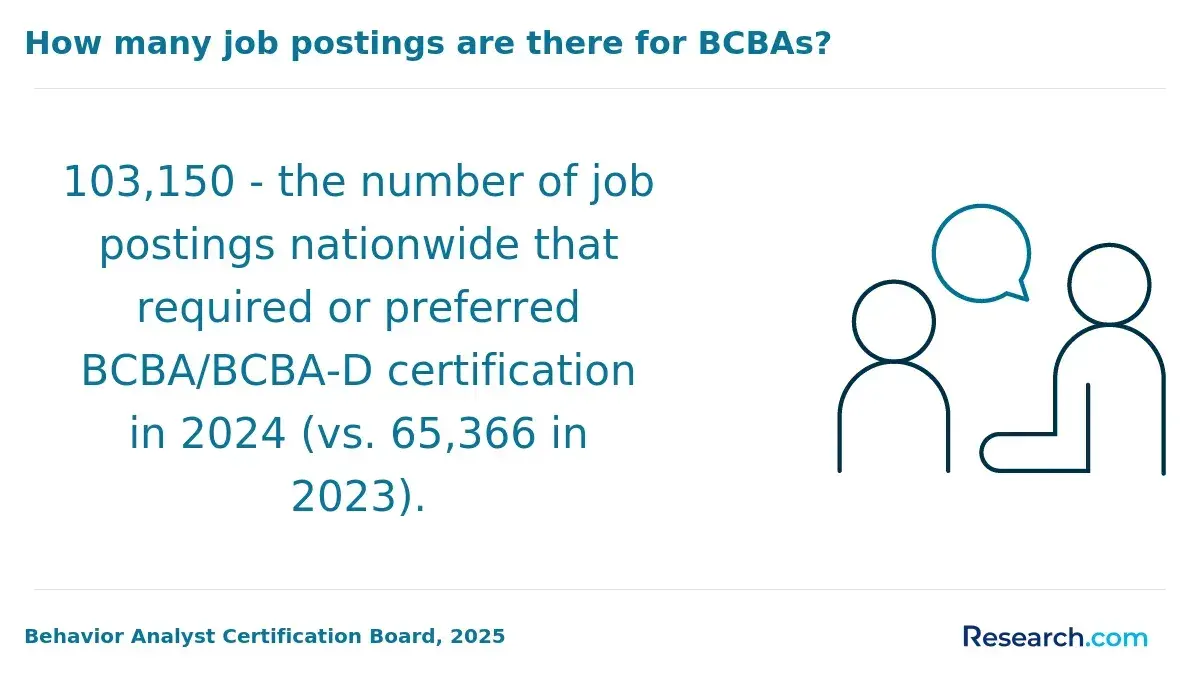
Admission requirements vary by university, but most online BCBA master’s programs look for applicants with a bachelor’s degree, academic readiness for graduate work, and a clear interest in applied behavior analysis. Many applicants come from psychology, education, special education, counseling, social work, human services, or healthcare backgrounds.
Most programs require a bachelor’s degree in psychology, education, or a related field. Applicants typically need a GPA of 3.0 or higher and must submit transcripts, recommendation letters, and a personal statement explaining their interest in applied behavior analysis. Some programs may request relevant work experience.
Common application materials
- Official transcripts: Schools use these to verify degree completion, GPA, and prerequisite coursework.
- Personal statement: This should explain why you want to study ABA, what populations you hope to serve, and how the program fits your goals.
- Letters of recommendation: Strong letters often come from supervisors, faculty members, or professionals who can speak to your academic ability and readiness for behavior analysis work.
- Resume or CV: Programs may look for experience in education, autism services, behavioral health, psychology, or direct support roles.
- Interview or writing sample: Some schools use these to assess communication skills, professionalism, and fit for the field.
Additional requirements often include prerequisite coursework in behavioral science, research methods, or statistics. Standardized test scores, such as the GRE, are sometimes optional or waived for experienced applicants. Schools may also assess professional readiness through interviews or essays.
Applicants should not assume that every online BCBA program has the same standards. Review each university’s admissions page, confirm whether prerequisite courses are required, and ask whether non-psychology or non-education majors need additional preparation before enrollment.
Meeting or exceeding baseline qualifications can improve admission odds and scholarship eligibility. For more information, review this list of schools that offer BCBA certification.
Most Online BCBA Master’s Programs take about two years to complete full-time. Part-time students, often balancing work or family obligations, may take three to four years. The actual timeline depends on course load, term structure, fieldwork planning, and whether the student takes breaks between terms.
Students who already work in an ABA-related setting may be able to coordinate coursework and supervised experience more efficiently. Students who need to find a new practicum site, change jobs, or secure a qualified supervisor may take longer.
Typical completion paths
- Full-time enrollment: Best for students who can manage a heavier course load and want to move through the degree as quickly as the program allows.
- Part-time enrollment: Better for working adults who need a manageable pace and cannot commit to multiple graduate courses at once.
- Accelerated formats: Some universities offer accelerated BCBA programs that condense coursework into shorter terms without sacrificing academic rigor.
- Extended timelines: Students may need additional time if practicum hours, supervision access, or employment schedules delay progress.
Practicum requirements often dictate final program length since supervision hours must meet BACB standards. Planning ahead is essential. Before enrolling, ask when students can begin supervised experience, whether the program allows fieldwork to overlap with coursework, and what happens if a placement changes unexpectedly.
To explore accelerated paths, review this bcba accelerated program resource.
Coursework in an online BCBA master’s program is designed to build both conceptual knowledge and practical decision-making skills. Students learn how behavior is measured, why behavior occurs, how interventions are selected, and how ethical behavior analysts evaluate outcomes over time.
Core courses typically cover behavioral principles, experimental design, data interpretation, assessment, intervention planning, and professional ethics. Students should expect a heavy emphasis on reading research, applying concepts to cases, analyzing data, and writing behavior-analytic recommendations.
Common courses include “Behavioral Assessment,” “Ethics for Behavior Analysts,” “Research Methods in ABA,” and “Advanced Applied Behavior Analysis.” Some programs also include electives in autism spectrum disorders or organizational behavior management.
Common subject areas
- Principles of behavior: Reinforcement, punishment, stimulus control, motivating operations, and behavior-environment relationships.
- Behavioral assessment: Functional behavior assessment, skills assessment, preference assessment, and assessment-based intervention planning.
- Measurement and data analysis: Data collection systems, graphing, interpretation, and treatment decision-making.
- Research methods: Single-case design, experimental logic, treatment evaluation, and evidence-based practice.
- Ethics: Professional conduct, client rights, scope of competence, supervision, documentation, and responsible service delivery.
- Advanced ABA applications: Intervention design for educational, clinical, home-based, community, or organizational settings.
Each course aligns with BACB’s Verified Course Sequence to ensure eligibility for certification. Programs often integrate case-based learning and applied research projects so students can practice translating behavior-analytic concepts into real-world intervention plans.
For students comparing options, see our list of the best masters in applied behavior analysis online programs.
Fieldwork is where BCBA students learn to apply behavior analysis with real clients, teams, and systems. A supervised practicum is a crucial component of every BCBA program. Students complete 1,500 to 2,000 hours of supervised fieldwork under a qualified BCBA mentor.
These hours are not just a graduation checklist. They help students practice assessment, data collection, intervention design, caregiver or staff training, ethical documentation, and professional communication under supervision. Fieldwork also exposes students to the realities of ABA service delivery, including scheduling, collaboration, progress monitoring, and treatment adjustment.
Online programs coordinate practicum placements locally, allowing students to work in approved schools, clinics, or home-based therapy environments. Virtual supervision sessions and documentation tools ensure compliance with BACB guidelines.
What students should confirm before starting fieldwork
- Supervisor qualifications: Confirm that your supervisor meets the required BCBA supervision standards.
- Approved setting: Make sure your workplace or practicum site provides appropriate behavior-analytic activities.
- Documentation process: Understand how hours, supervision meetings, activities, and performance feedback must be recorded.
- University role: Ask whether the school helps locate placements or only verifies that your chosen site is acceptable.
- Contingency plan: Know what happens if your supervisor leaves, your job changes, or your site no longer meets requirements.
Students track hours and performance outcomes throughout their training. Completing this requirement is mandatory for BCBA exam eligibility and post-graduate employment readiness. Because fieldwork can affect both your certification timeline and your job prospects, it should be one of the first topics you discuss with admissions and program advisors.
Tuition for Online BCBA Master’s Programs typically ranges from $20,000 to $45,000, depending on the institution and residency status. Public universities generally offer lower in-state tuition, while private schools may charge higher rates. Some programs also include technology or administrative fees that can increase overall educational costs.
The advertised tuition figure is only part of the total cost. Students should calculate the full cost of attendance before committing to a program, especially if they plan to borrow loans or reduce work hours while enrolled.
Costs to include in your budget
- Tuition: Usually charged per credit hour or by term.
- University fees: May include technology, online learning, registration, graduation, or administrative fees.
- Books and materials: ABA textbooks, assessment materials, research access, or software may be required.
- Supervision-related costs: Practicum or supervision fees may be required, adding to the total expense.
- Travel or residency costs: Some online programs may include optional or required campus intensives.
- Exam and certification-related expenses: Students should plan for costs connected to certification preparation and application steps.
When comparing programs, review tuition structures carefully. Costs are often calculated on a per-credit-hour basis, which can vary widely between schools. Ask whether the quoted cost includes all required courses, whether tuition differs for out-of-state online students, and whether financial aid applies to part-time enrollment.
It is also important to weigh cost against program quality. The least expensive program is not automatically the best value if it offers limited fieldwork guidance, weak advising, or poor certification support. Clear budgeting helps students avoid unexpected charges and choose a program they can complete without unnecessary financial stress.
According to recent data, salaries for Board Certified Behavior Analysts (BCBAs) typically range from $65,000 to $90,000 per year, depending on factors such as location, experience, and work setting. Entry-level professionals may start at lower pay ranges, while experienced BCBAs or those in leadership roles can earn significantly more.
Salary outcomes vary because BCBAs work in different environments. Common settings include autism service providers, schools, behavioral health agencies, hospitals, residential programs, early intervention programs, and consulting organizations. Compensation may also differ based on caseload size, supervisory duties, billable-hour expectations, state demand, and whether the role is clinical, educational, administrative, or consultative.
Factors that can affect BCBA earnings
- Location: Pay often reflects regional demand, cost of living, and local shortages of certified professionals.
- Experience: New BCBAs usually earn less than those with several years of independent practice or supervisory experience.
- Work setting: Schools, clinics, healthcare organizations, and private providers may use different salary structures.
- Leadership responsibilities: Clinical directors, supervisors, and program managers may qualify for higher compensation.
- Specialization: Experience with complex cases, staff training, organizational behavior management, or program development may improve advancement opportunities.
Salary growth is influenced by regional demand and the increasing recognition of Applied Behavior Analysis (ABA) across healthcare, education, and behavioral health fields. In areas with a shortage of certified professionals, compensation packages often include additional benefits, bonuses, or relocation incentives to attract qualified candidates.
The U.S. Bureau of Labor Statistics projects much faster-than-average job growth for behavior analysts, supporting strong salary stability and advancement opportunities. As demand continues to rise nationwide, earning potential for BCBAs is expected to remain competitive, making this credential a solid investment for long-term career growth.
How do you choose the right online BCBA Master’s Program for your goals?
The right online BCBA master’s program is the one that fits your certification pathway, schedule, finances, learning style, and intended work setting. Do not choose based only on tuition, speed, or brand name. A good match should help you complete required coursework, secure appropriate supervision, prepare for the BCBA exam, and build the professional skills needed for ethical practice.
Start by verifying BACB and ABAI recognition before applying. Program accreditation and verified coursework help ensure that the curriculum is aligned with national certification expectations. Then compare practical factors that will affect your day-to-day success as a student.
- Accreditation: Confirm the program’s Verified Course Sequence (VCS) status.
- Flexibility: Consider asynchronous formats or part-time options for working students.
- Faculty Expertise: Review instructor credentials and research areas.
- Practicum Support: Ask about supervised placement coordination and site approval.
- Certification Outcomes: Compare BCBA exam pass rates and alumni employment success.
Questions to ask before enrolling
- Does the program clearly explain how its coursework supports BCBA certification eligibility?
- Can you complete the program while maintaining your current job or family responsibilities?
- How does the school help students find or verify supervised fieldwork sites?
- Are faculty members accessible for advising, feedback, and career guidance?
- What is the total cost after tuition, fees, materials, and supervision-related expenses?
- Does the program provide exam preparation resources or structured review support?
- Are graduates working in the settings you hope to enter?
Choosing a program that fits both professional and personal needs increases long-term satisfaction and certification success. The best decision is usually the program that combines credible certification alignment, realistic pacing, strong fieldwork support, transparent costs, and a learning format you can sustain through graduation.
Other Things You Need to Know About Online BCBA Master’s Programs
Most programs use a learning management system such as Canvas, Blackboard, or Moodle, plus video tools like Zoom or Microsoft Teams for live instruction and supervision. These platforms support recorded lectures, assignment submission, and supervised fieldwork check-ins required in ABA coursework and BCBA training.
For a 2027 online BCBA master's program, students typically need a reliable computer, high-speed internet, and basic software like a word processor. Additionally, programs may require access to video conferencing platforms for live lectures and interactions with faculty and peers.
- Adina ABA Therapy in Ohio: At-Home ABA therapy in Ohio. (n.d.). https://www.adinaaba.com/
- Behavior Analyst Certification Board. (2024). US employment demand for behavior analysts: 2010–2023. https://www.bacb.com/wp-content/uploads/2023/01/Lightcast2024_240305-a.pdf
- U.S. Bureau of Labor Statistics. (2024, August). Occupational Outlook Handbook - Psychologists. https://www.bls.gov/ooh/life-physical-and-social-science/psychologists.htm
- Zippia. (2025). Behavior analyst salary. https://www.zippia.com/salaries/behavior-analyst/
- ZipRecruiter. (n.d.). Salary: Board-Certified Behavior Analyst (BCBA) — United States. https://www.ziprecruiter.com/Salaries/Board-Certified-Behavioral-Analyst-Salary