2027 ABA Ethics & Professional Conduct Standards: What Students Must Know

Co-Founder and Chief Data Scientist
Choosing a path in Applied Behavior Analysis means preparing for more than coursework, supervised fieldwork, and certification exams. You are also preparing to make decisions that affect clients, families, schools, healthcare teams, employers, and vulnerable communities. Ethics is the framework that helps you decide what to do when a situation is unclear, pressured, culturally complex, or professionally risky.
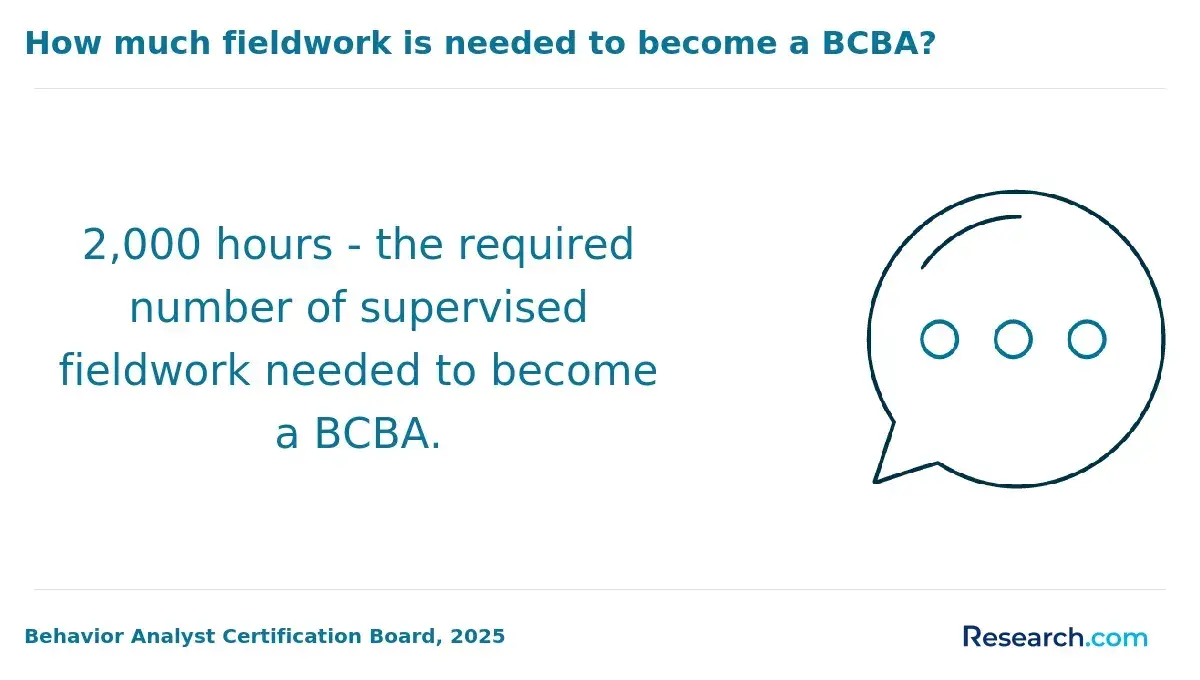
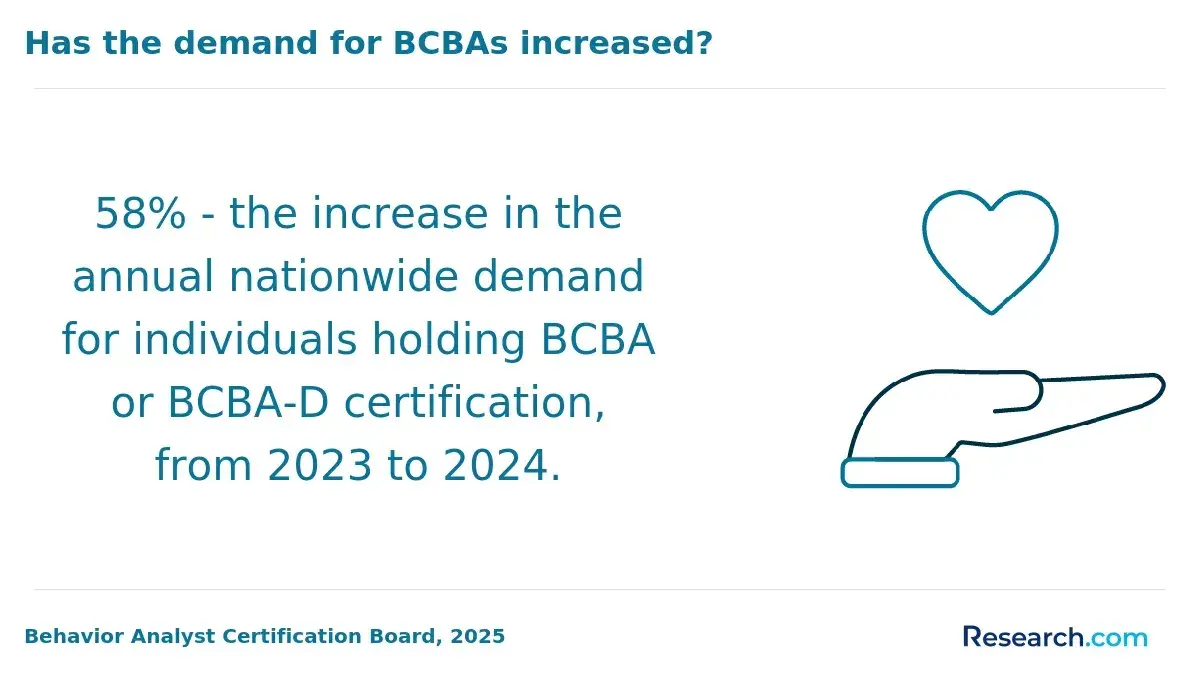
The field continues to expand, with the Behavior Analyst Certification Board (BACB) reporting over 64,000 certified BCBAs worldwide as of 2024. Growth makes consistent ethical standards even more important. Clients need protection, employers need accountable practitioners, and students need a clear model for competent practice.
This guide explains the 2025 ABA ethics and professional conduct standards in practical terms. You will learn what the standards cover, why they matter for students, how the core principles shape daily practice, and how to approach issues such as competence, confidentiality, professional boundaries, social media, and continuing professional development.
Key Benefits of Learning ABA Ethics & Professional Conduct Standards
- Mastering the ethics code allows you to build unwavering trust with clients, families, and colleagues by demonstrating a clear commitment to their well-being and rights.
- A thorough knowledge of these standards equips you with the mental framework to confidently navigate complex ethical dilemmas as they arise in your practice.
- Understanding the 2025 updates positions you as a top-tier candidate in a field that has grown to over 64,000 certified BCBAs, ensuring you meet the highest expectations for professional practice.
What are the 2025 ABA ethics and professional conduct standards?
The 2025 ABA ethics and professional conduct standards are the enforceable professional expectations that guide BCBAs, BCaBAs, and RBTs in practice. Published by the Behavior Analyst Certification Board (BACB), the document is formally known as the “Ethics Code for Behavior Analysts.” It defines how behavior analysts should protect clients, deliver services responsibly, communicate honestly, and maintain professional competence.
The code is not simply a list of rules to memorize. It is the field’s shared decision-making framework. It helps practitioners determine what is acceptable when handling client records, selecting interventions, discussing services, collaborating with other professionals, supervising trainees, billing for services, or responding to conflicts of interest.
For students, the code is especially important because it connects academic learning to real-world professional conduct. You may understand assessment, data collection, and intervention design, but ethical practice determines whether those skills are used appropriately, respectfully, and within your scope of competence.
What the standards are designed to do
- Protect clients and stakeholders: The standards prioritize client welfare, informed decision-making, privacy, dignity, and meaningful outcomes.
- Set boundaries for professional behavior: They clarify expectations for competence, supervision, documentation, conflicts of interest, communication, and relationships.
- Support consistent practice: They help behavior analysts apply a shared ethical framework across schools, clinics, homes, community settings, and organizations.
- Preserve trust in the profession: Ethical conduct affects how clients, families, funders, employers, and other professionals view ABA services.
The most useful way to study the standards is to connect each requirement to practice scenarios. Ask what the standard means for consent, data integrity, communication with families, cultural responsiveness, and the limits of your role as a student or trainee.
Why is understanding the new code crucial for students?
Understanding the 2025 code is crucial because ethics affects your certification readiness, supervised fieldwork, classroom performance, professional judgment, and future employability. Students are still learning, but they are already responsible for recognizing risk, asking for supervision, protecting client information, and acting within clearly defined limits.
The BACB periodically updates its standards to reflect changes in research, practice settings, professional expectations, and social responsibilities. Students who rely on older assumptions may miss current expectations around cultural responsiveness, collaboration, documentation, and professional boundaries.
Why students should learn the code early
- It shapes supervised fieldwork: Ethical questions often arise during observation, data collection, parent communication, and treatment implementation. You need to know when to pause and consult your supervisor.
- It supports certification preparation: Ethical reasoning is part of professional readiness, not a separate topic to review at the end of a program.
- It reduces preventable mistakes: Many ethical problems begin with unclear boundaries, poor documentation, weak communication, or working outside one’s competence.
- It improves client care: Ethical practice helps ensure interventions are individualized, evidence-based, respectful, and monitored for effectiveness.
- It strengthens your professional reputation: Employers look for candidates who can identify risk, communicate responsibly, and respond to feedback.
Choosing a strong academic pathway matters. High-quality ABA degree programs should help you connect ethical standards to practice through coursework, case discussion, supervised experience, and feedback. The goal is not just to know the code; it is to use it when the correct decision is not obvious.
What are the core principles of the ABA ethics code?
The ABA ethics code is grounded in four core principles: Benefit Others, Treat Others with Compassion, Dignity, and Respect, Behave with Integrity, and Ensure Competence. These principles give behavior analysts a foundation for professional judgment when rules, workplace demands, family preferences, or clinical realities seem to compete.
Students should treat the principles as a practical checklist. Before acting, ask whether the decision benefits the client, respects the person’s dignity and context, reflects honesty, and stays within your competence.
- Benefit Others: Your work should produce meaningful, socially significant outcomes while minimizing harm. This includes choosing interventions based on assessment, monitoring progress, and changing course when data show that a plan is ineffective or inappropriate.
- Treat Others with Compassion, Dignity, and Respect: Clients are not defined by behavior plans, diagnoses, or service goals. Ethical practice requires respect for their preferences, communication, culture, privacy, autonomy, and lived experience.
- Behave with Integrity: Integrity means being truthful, accurate, and accountable. It applies to data collection, documentation, billing, advertising, supervision, research, communication with families, and reporting your qualifications.
- Ensure Competence: You should provide services only in areas supported by your education, training, supervised experience, and current knowledge. When you encounter unfamiliar needs, ethical practice means seeking supervision, consultation, additional training, or referral.
How to apply the principles in practice
- When an intervention is not working: Benefiting others requires more than continuing a plan because it was approved. Review the data, consult your supervisor, and consider whether the intervention should be modified.
- When a family’s values differ from your assumptions: Respect requires listening carefully and avoiding a one-size-fits-all approach. Cultural and contextual variables can affect goals, procedures, and acceptability.
- When documentation is incomplete: Integrity requires accurate records, not retrospective guesswork. If an error occurs, report and correct it according to policy and supervision.
- When you are asked to do something outside your training: Competence requires clear limits. Students should not present themselves as independent experts or accept responsibilities beyond their role.
How does the 2025 update address Diversity, Equity, and Inclusion (DEI)?
The 2025 update addresses Diversity, Equity, and Inclusion (DEI) by making cultural responsiveness part of ethical behavior rather than a separate, optional concern. In practice, this means behavior analysts must consider how culture, language, access, disability, identity, family structure, socioeconomic context, and community norms may affect assessment, intervention, communication, and consent.
DEI in ABA ethics is not about using broad labels or making assumptions about a person’s background. It is about asking better questions, listening to clients and stakeholders, and designing services that are effective and respectful in the client’s actual environment.
What culturally responsive ethical practice can look like
- Assessment: Consider whether assessment conditions, materials, language, or expectations reflect the client’s context and communication needs.
- Goal selection: Prioritize goals that are meaningful to the client and stakeholders, not merely convenient for the provider or setting.
- Intervention design: Evaluate whether procedures are acceptable, feasible, and respectful in the client’s home, school, workplace, or community.
- Communication: Use language that clients and families can understand, and avoid jargon that prevents informed participation.
- Collaboration: Be prepared to work with caregivers, educators, medical professionals, and other providers whose perspectives may differ from yours.
A common mistake is treating “cultural awareness” as a short conversation at intake. Ethical practice requires ongoing attention. A plan that appears technically sound may still be inappropriate if it ignores family priorities, communication barriers, environmental constraints, or the client’s dignity and preferences.
What Is your ethical responsibility regarding professional competence?
Your ethical responsibility regarding professional competence is to provide services only within the boundaries of your education, training, supervised experience, and demonstrated skills. Competence is not a fixed status you earn once. It must be maintained as research, client needs, service settings, and professional standards evolve.
For students and early-career practitioners, competence begins with honesty. You need to know what you can do independently, what requires supervision, and what is outside your current preparation. Overstating your ability can harm clients and create serious professional risk.
What competence requires
- Clear scope of practice: Work only in areas where you have appropriate preparation and supervision.
- Evidence-based decision-making: Use procedures supported by behavior-analytic principles and relevant evidence, not convenience, habit, or pressure.
- Ongoing training: Continue learning as the field changes and as your client population or work setting changes.
- Consultation when needed: Seek help when client needs involve unfamiliar behavior, medical issues, mental health concerns, language barriers, or specialized settings.
- Accurate self-representation: Do not imply credentials, experience, or expertise you do not have.
According to the BACB, behavior analysts have a duty to maintain and expand their skills so their practice reflects current, evidence-based procedures. This duty applies whether you are a student in supervised fieldwork, a newly certified practitioner, or an experienced professional moving into a new specialty area.
Advanced education can support competence when it provides rigorous coursework, supervision preparation, and applied training. For example, students comparing affordable online BCBA programs should look beyond cost and confirm that the program supports ethical reasoning, current practice standards, and strong supervision planning.
How should students navigate ethical dilemmas in practice?
Students should navigate ethical dilemmas by slowing down, identifying the ethical issue, consulting supervision, reviewing the relevant standards, documenting the decision-making process, and prioritizing client welfare. You are not expected to solve complex ethical problems alone. You are expected to recognize when a situation requires guidance.
Ethical dilemmas often involve competing responsibilities. A caregiver may request something outside the treatment plan. A workplace may pressure staff to meet productivity targets. A school team may want behavior data shared quickly. A client’s needs may exceed your training. In each case, the safest response is a structured process rather than an impulsive answer.
A practical decision-making process
- Identify the concern clearly: State the problem in specific terms. Is it about consent, confidentiality, competence, data accuracy, boundaries, client welfare, billing, supervision, or communication?
- Consult your supervisor immediately: As a student or trainee, supervision is the correct first step. Bring facts, not assumptions, and explain what action is being requested or considered.
- Review the relevant ethics standards: Connect the situation to the code’s principles and requirements. This helps prevent decisions based only on emotion, convenience, or workplace culture.
- Consider client welfare and risk: Evaluate who could be harmed, what protections are needed, and whether services should be paused, modified, or escalated.
- Compare possible actions: Look at the benefits, risks, and consequences of each option. Consider whether additional consent, consultation, documentation, or referral is needed.
- Document the process: Record relevant facts, consultations, decisions, and follow-up steps according to organizational policy and supervision requirements.
- Reflect and learn: After the issue is addressed, discuss what could prevent similar concerns in the future.
The most common student mistake is waiting too long to ask for help. Early consultation protects clients and gives you a chance to learn ethical reasoning before you are responsible for independent professional decisions.
What are the standards for confidentiality and recordkeeping?
The standards for confidentiality and recordkeeping require behavior analysts to protect client information, maintain accurate records, and handle data responsibly across verbal, written, and electronic formats. Confidentiality is not limited to formal files. It includes conversations, emails, texts, telehealth platforms, session notes, billing information, supervision discussions, and any personally identifiable client information.
The duty of confidentiality
Your primary obligation is to safeguard client information and disclose it only with appropriate authorization or when required by law. Written consent is typically needed before sharing identifiable information with outside parties. Exceptions may apply in legally mandated situations, such as reporting suspected abuse or neglect, where protection and legal duties override ordinary confidentiality rules.
Students should be especially careful in informal settings. Discussing a case in a hallway, leaving materials visible, using identifiable details in class examples, or sending client information through unsecured channels can create confidentiality problems even when there was no harmful intent.
Professional recordkeeping practices
Records should be accurate, complete, timely, and objective. Good documentation supports continuity of care, supervision, accountability, and ethical decision-making. Poor documentation can undermine treatment decisions, create confusion among providers, and expose clients and organizations to risk.
- Record what happened: Use observable, factual language rather than speculation or judgment.
- Document promptly: Delayed notes increase the risk of missing or inaccurate information.
- Correct errors appropriately: Follow policy rather than deleting, hiding, or rewriting records in a misleading way.
- Protect access: Keep records secure and share them only with authorized individuals.
- Know retention requirements: Follow organizational, legal, and professional requirements for storing and disposing of records.
Adherence to legal frameworks like HIPAA
Client information may also be governed by federal laws such as the Health Insurance Portability and Accountability Act (HIPAA). When protected health information (PHI) is involved, you must follow applicable protocols for privacy, security, electronic records, billing, and disclosure. If you are unsure whether a communication method or recordkeeping practice is permitted, ask your supervisor before using it.
How do ethics apply to your professional relationships and social media?
Ethics apply to professional relationships and social media by requiring clear boundaries, confidentiality, honesty, and avoidance of conflicts of interest. The same standards that govern in-person conduct also apply online. A casual post, message, photo, comment, or connection request can create ethical risk if it reveals client information, blurs boundaries, or damages professional trust.
Professional boundaries
Behavior analysts must avoid relationships that could impair objectivity, exploit clients, or create conflicts of interest. Dual relationships can occur when a practitioner has both a professional role and a personal, financial, social, or other relationship with a client, family member, supervisee, or stakeholder. Even when intentions are positive, blurred boundaries can affect decision-making and client trust.
- Be cautious with gifts, favors, and personal invitations: Consider whether accepting them could change expectations or create pressure.
- Keep communication role-appropriate: Use approved channels and professional language when communicating with clients, caregivers, and team members.
- Clarify your role: Students should not present themselves as independent providers if they are working under supervision.
- Escalate boundary concerns early: Ask your supervisor when a relationship or request feels unclear.
Social media expectations
On social media, the safest standard is to behave as though every post could be viewed by clients, families, employers, supervisors, credentialing bodies, and future colleagues. Do not post client information, even if names are removed, if the person could be recognized from context. Avoid “friending” clients or their families when it could create a dual relationship or compromise professional boundaries.
Your digital presence is part of your professional identity. Ethical online conduct protects confidentiality, preserves trust, and reduces the risk that personal content will undermine your credibility as a future behavior analyst.
What is the role of ethics in professional development?
The role of ethics in professional development is to make continued learning a professional obligation. Certification or degree completion does not mean your competence is complete. Behavior analysis continues to develop, and ethical practitioners must stay current with research, supervision practices, cultural responsiveness, intervention methods, documentation standards, and legal or workplace requirements.
Professional development should be intentional. It is not just collecting continuing education units (CEUs). It is identifying gaps in your skills, choosing training that matches your practice needs, and applying what you learn responsibly.
Ways to build ethical professional growth
- Use supervision and mentorship: Seek feedback from experienced professionals, especially when entering new settings or working with unfamiliar client needs.
- Read current literature: Peer-reviewed research helps you evaluate whether your practices remain evidence-based.
- Attend relevant trainings and conferences: Prioritize content that improves your actual service delivery, not just topics that are convenient.
- Track your competence: Identify areas where you need additional training before accepting new responsibilities.
- Reflect on outcomes: Use client data, stakeholder feedback, and supervision to evaluate whether your work is effective and ethical.
For many students and practitioners, graduate study can be part of this development plan. An online master’s in behavior analysis may help deepen knowledge, but speed alone should not drive the decision. Evaluate whether the program supports ethical reasoning, supervised practice preparation, and long-term professional competence.
How do ethical standards impact your future career path in ABA?
Ethical standards shape your ABA career by influencing your reputation, employability, supervision opportunities, client trust, and long-term professional stability. Technical skills matter, but employers and families also need practitioners who can communicate honestly, protect information, follow supervision requirements, manage boundaries, and make sound decisions under pressure.
A strong ethical foundation can set you apart. Practitioners known for integrity are more likely to be trusted with complex cases, collaborative teams, leadership responsibilities, and supervisory roles. Conversely, repeated boundary issues, poor documentation, confidentiality mistakes, or working outside one’s competence can limit career options and create serious professional consequences.
How ethics affects career growth
- Hiring: Employers want candidates who understand risk, documentation, confidentiality, and scope of practice.
- Supervision: Ethical judgment is essential for anyone who plans to supervise trainees or staff.
- Leadership: Organizations need leaders who can balance client welfare, staff training, compliance, and service quality.
- Client trust: Families and stakeholders are more likely to engage when they experience transparency, respect, and professionalism.
- Compensation and advancement: Your ethical reputation can influence the responsibilities you are offered and may affect your broader career trajectory, including factors connected to BCBA salary.
Building an ethical career starts before certification. Choose coursework, supervision, and professional experiences that teach you how to think through difficult situations, not just how to pass requirements. In ABA, ethical practice is not separate from effective practice; it is what makes effective practice trustworthy, defensible, and sustainable.
Other Things You Should Know About ABA Ethics & Professional Conduct Standards
In 2027, the ABA introduced a heightened emphasis on technology and data privacy. Students are now required to be proficient in safeguarding client data, reflecting the evolving cyber landscape and the need for ethical handling of digital information.
The American Bar Association’s Section of Legal Education and Admissions to the Bar oversees the standards, while each law school must show compliance through its accreditation process. Individual conduct issues are usually handled first by the school’s dean, ethics office, or disciplinary committee under published student policies.
If a supervisor's request conflicts with the 2027 ABA Ethics & Professional Conduct Standards, document the request, express your concerns with evidence from the code, and seek guidance from a trusted mentor or ethics committee to ensure adherence to ethical principles.
References
- Bailey, J. S., & Burch, M. R. (2016). Ethics for behavior analysts (3rd ed.). Routledge. https://www.routledge.com/Ethics-for-Behavior-Analysts-3rd-Edition/Bailey-Burch/p/book/9781138949198
- Behavior Analyst Certification Board. (2022). BCBA test content outline (6th ed.). https://www.bacb.com/wp-content/uploads/2022/01/BCBA-TCO-6th-ed.-230414-a.pdf
- Behavior Analyst Certification Board. (2022). Ethics code for behavior analysts. https://www.bacb.com/wp-content/uploads/2022/01/Ethics-Code-for-Behavior-Analysts-230119-a.pdf
- Behavior Analyst Certification Board. (2024). BACB certificant data. Retrieved November 7, 2025, from https://www.bacb.com/bacb-certificant-data/
- U.S. Department of Health & Human Services. (n.d.). Health Insurance Portability and Accountability Act of 1996 (HIPAA). Retrieved November 7, 2025, from https://www.hhs.gov/hipaa/index.html