2027 How to Pay for BCBA Exam Prep, Supervision and Certification Fees

Co-Founder and Chief Data Scientist
Becoming a BCBA can be a strong career move, but the path is rarely free or simple. Candidates often have to pay for graduate coursework, supervised fieldwork, exam preparation, application fees, testing fees, and renewal requirements before they can fully benefit from the credential. For career changers and working adults, the hardest part is usually not deciding whether the credential has value; it is figuring out how to afford each step without delaying certification.
This guide explains the major costs tied to BCBA certification and where candidates commonly find support. It covers exam prep, supervision, scholarships, employer assistance, financial aid limits, online versus campus program costs, and budgeting strategies. Use it to compare options, avoid surprise expenses, and build a realistic funding plan before committing to a program or supervision arrangement.
Key Things You Should Know
- BCBA exam prep, supervision, and certification fees in 2026 together typically total between $2,000 and $3,500, depending on prep course providers and supervision hours required.
- Supervision costs vary widely, averaging $50-$150 per hour, with a minimum of 150 supervised hours needed for eligibility, making this a substantial expense in certification.
- Many candidates offset costs through employer tuition assistance, scholarships, or affordable prep options, but financial planning remains critical given rising fees in 2024 and 2025 data.
What are BCBA certification fees and requirements?
BCBA certification costs include several fixed fees paid to the Behavior Analyst Certification Board (BACB), plus larger variable costs for coursework, supervision, and exam preparation. For candidates planning around the British Columbia BCBA certification path in 2026, the listed BACB-related fees include a $245 application fee, a $195 examination fee, an initial certification fee of $175 after passing, and renewal fees of $115 every two years.
Those fixed fees are only one part of the budget. Candidates must also complete graduate-level behavior analysis coursework, often through an approved Verified Course Sequence (VCS), and complete approximately 1,500 hours of supervised practical experience under a qualified BCBA supervisor. The coursework and supervision portions usually determine whether the total cost is manageable or becomes a major financial barrier.
Core requirements to plan for
- Graduate-level coursework: Candidates generally need coursework that satisfies BACB standards, commonly documented through a Verified Course Sequence.
- Supervised experience: Candidates must complete approximately 1,500 hours of supervised practical experience and keep accurate documentation.
- Exam and certification fees: Application, examination, and initial certification fees are paid separately from school tuition and prep materials.
- Ongoing maintenance: Maintaining certification requires 32 continuing education units (CEUs) every two years, including ethics training.
The combined application, exam, and initial certification fees typically range from $600 to $700. However, candidates should not treat that figure as the total cost of becoming certified. Supervision, coursework, study materials, exam prep courses, and possible retakes can raise the real investment substantially.
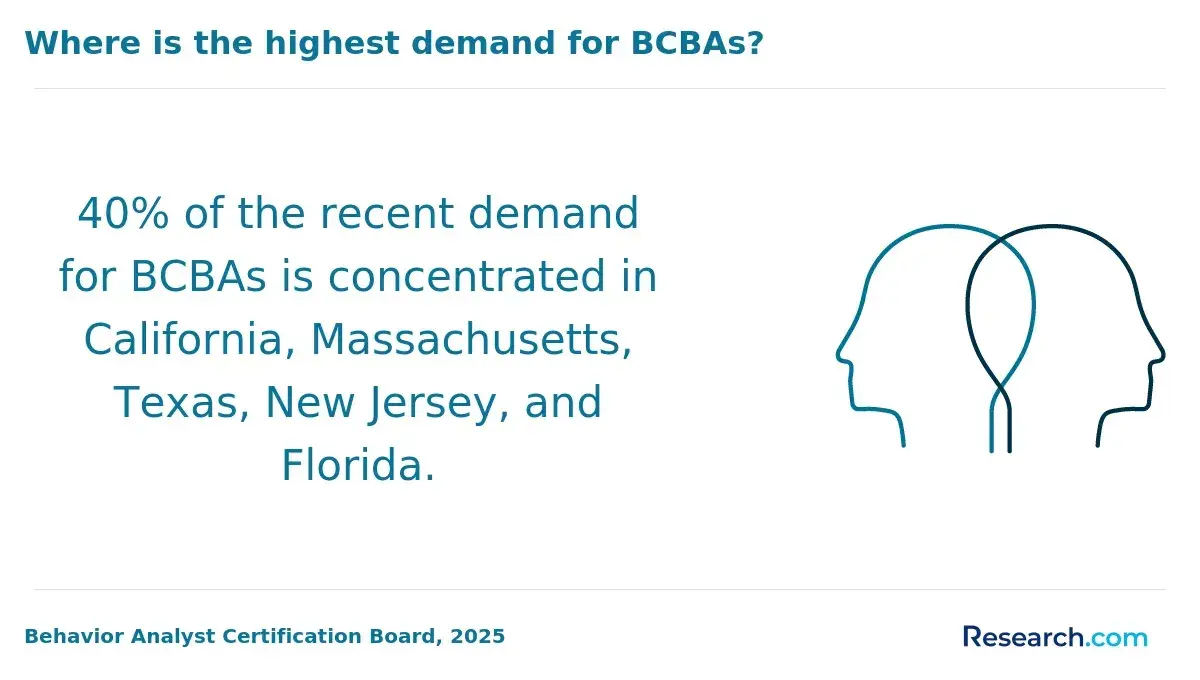
Demand is one reason many candidates still pursue the credential despite the upfront expense. Job postings for credentialed BCBAs increased by 25% between 2024 and 2025, a trend connected to expanding autism services mandates. That demand can make the credential financially worthwhile, but only if candidates plan costs early and avoid unnecessary debt.
For students comparing academic options, reviewing the best online BCBA programs can help identify lower-cost programs that still align with certification requirements.
How much does BCBA exam prep cost?
BCBA exam prep costs vary by study style, level of support, and whether a candidate needs structured instruction or can succeed with self-study. In British Columbia, candidates generally spend between $800 and $2,500 on preparation, though some spend less by using basic materials and others spend more by adding tutoring or multiple prep products.
Basic self-study packages, such as textbooks, flashcards, and practice exams, usually cost $300 to $700. More comprehensive prep courses with live or recorded lectures, question banks, coaching, and study plans generally range from $1,200 to $2,500. Candidates who add tutoring or paid study groups may spend another $50 to $100 per hour. Official BACB practice exams cost about $45 each, while mobile apps or online flashcards may add $50 to $150.
How to choose the right prep option
- Choose self-study if you have strong coursework notes, a disciplined schedule, and a history of performing well on standardized exams.
- Choose a structured course if you need accountability, a study calendar, instructor explanations, and organized practice questions.
- Use tutoring selectively for weak content areas rather than as your primary study method, since hourly costs can add up quickly.
- Budget for practice exams because they help identify readiness and reduce the risk of paying for a retake.
Quality preparation can be financially important because exam failure creates additional costs and delays. The Behavior Analyst Certification Board 2025 Compensation Report highlights a median annual salary of $92,500 for BCBAs, with the top 10% earning over $130,000 in high-demand states. Those earnings do not guarantee a specific outcome for every candidate, but they show why many professionals treat exam prep as an investment rather than a minor add-on.
Before paying for prep, compare what is included: number of practice questions, access length, instructor credentials, retake policies, coaching availability, and whether materials reflect the current exam content. Candidates still selecting an academic route can also compare BCBA schools to understand how coursework quality and exam support may affect later prep needs.
What supervision costs for BCBA certification?
Supervision is often the most difficult BCBA cost to estimate because pricing depends on the supervisor, setting, location, delivery format, and whether the candidate receives supervision through an employer, university, or private arrangement. Candidates must complete at least 1,500 hours of supervised experience before taking the exam, and that process can take months or years.
Private hourly supervision rates typically range from $50 to $150. If a candidate had to pay every hour out of pocket, the total could fall between approximately $75,000 and $225,000. In practice, many candidates avoid that full cost by working for ABA providers that include supervision as an employment benefit, enrolling in university-affiliated fieldwork options, or joining group supervision models.
The average cost of BCBA supervision and exam preparation also includes fixed testing-related fees. First-time applicants pay $370 total, made up of the $245 BACB application plus the $125 Pearson VUE exam fee, according to the BACB BCBA Handbook. Remote supervision may reduce travel expenses, but it does not automatically mean lower professional fees.
Ways to reduce supervision costs
- Ask employers about included supervision before accepting a role, and confirm whether hours count toward BACB requirements.
- Compare individual and group supervision because group formats may lower the effective cost while still providing structured feedback.
- Use university-affiliated options when available, especially if supervision is bundled with tuition or field placement support.
- Verify supervisor credentials before paying, since improperly documented supervision can delay eligibility.
- Track hours carefully and keep documentation for at least 1,500 hours of supervision time.
The cheapest supervision is not always the best choice. Poor supervision can lead to weak exam preparation, ethical risk, and fieldwork hours that are hard to verify. Candidates should compare price, documentation support, supervisor availability, population experience, and feedback quality before committing.
Those who need flexible coursework while completing fieldwork can explore an ABA program online to see whether an online format fits their schedule and supervision plan.
Funding for BCBA training usually comes from several sources rather than one single grant or scholarship. The most useful options are employer support, scholarships, university aid, military education benefits, workforce development funding, and lower-cost supervision arrangements. Candidates should start by matching each cost category—coursework, supervision, exam prep, and certification fees—to the funding sources most likely to cover it.
Common BCBA funding sources
- Employer tuition reimbursement: Some ABA, healthcare, and education employers help pay for coursework or graduate tuition.
- Paid or subsidized supervision: ABA employers may provide supervision hours as part of a role, which can substantially reduce out-of-pocket costs.
- Professional development funds: Some organizations reimburse exam fees, prep courses, conferences, or CEUs.
- Scholarships and grants: Universities, nonprofits, and ABA-focused organizations may offer limited awards for students in behavior analysis.
- Military education benefits: Veterans and active military personnel may qualify for GI Bill or other military education programs if the provider is eligible.
- Workforce development funds: Some states allocate funding for licensure and certification costs in high-demand behavioral health fields.
Private supervision can still be expensive. Private BCBA supervision typically costs $75-$150 per hour, with about 100 hours-5% of the 2,000 fieldwork hours-costing up to $15,000 out-of-pocket, according to the Pass the Big ABA Exam 2025 Cost Guide. Because of that, candidates should look for employer-based supervision, university fieldwork partnerships, group supervision, or structured peer mentorship before relying on private hourly supervision alone.
Professional organizations such as the Behavior Analyst Certification Board and local ABA chapters occasionally provide scholarships or fee waivers. These opportunities may be limited, competitive, or tied to specific programs, so candidates should apply early and keep documentation of financial need, enrollment status, and career goals ready.
A strong funding strategy often combines several smaller supports. For example, a candidate might use employer assistance for supervision, a scholarship for tuition, a payment plan for exam prep, and personal savings for certification fees. Students comparing flexible graduate options can also review an applied behavior analysis master's degree online to evaluate programs that may offer financial resources or allow continued employment while studying.
Some BCBA-related study options may qualify for financial aid, but stand-alone certification or exam-prep programs typically do not. The key distinction is whether the training is part of an eligible degree program at an institution that participates in federal student aid. Post-baccalaureate certification programs and private prep courses often fall outside traditional federal aid rules, which can exclude Pell Grants and Federal Direct Loans.
Candidates enrolled in an eligible master's degree program may have more options than those taking only certification coursework. However, candidates should confirm aid eligibility directly with the school’s financial aid office rather than assuming that any BCBA-aligned program qualifies.
Funding options when federal aid is limited
- Employer reimbursement: Some employers cover supervision hours, prep courses, graduate coursework, or certification-related expenses.
- Scholarships from ABA-focused organizations: Nonprofits, universities, and local chapters may offer need-based or merit-based awards.
- University partnerships: Some programs provide sliding-scale or low-cost supervision options through approved fieldwork arrangements.
- Private loans: These may cover some costs, but interest rates and repayment terms vary significantly.
- Military benefits: Military personnel and veterans may be able to use education benefits if the provider participates in VA programs.
- Group discounts: Candidates may reduce exam-prep expenses by purchasing materials or mock exams through group study arrangements.
Exam preparation is a separate cost that candidates should not overlook. According to Pass the Big ABA Exam 2025 Cost Analysis, candidates usually spend between $500 and $2,000 on prep, including $100-$200 for study guides and $100-$150 on mock exams. Supervision and certification fees add further financial responsibilities.
Before enrolling, ask the program three direct questions: whether it is eligible for federal aid, whether supervision is included or billed separately, and whether the school offers scholarships or payment plans for behavior analysis students. The answers can change the true cost of the credential more than the advertised tuition alone.
Paying for an ABA master's degree usually requires combining institutional aid, loans, employer support, and personal budgeting. Program costs range from $20,000 to over $70,000 depending on the institution, delivery format, and whether the student pays in-state, out-of-state, private, or online tuition rates.
The best funding approach depends on your employment status and risk tolerance. Working professionals may prioritize employer tuition assistance and part-time online study to keep earning income. Full-time students may look more closely at scholarships, assistantships, and federal loans. Candidates with limited savings should also budget for exam prep and possible retakes, not just tuition.
Main ways to fund an ABA master's degree
- Scholarships: Awards may be based on merit, financial need, service goals, or enrollment in a behavior analysis program.
- Federal loans: Direct Unsubsidized and Graduate PLUS loans can provide flexible repayment options but increase total debt.
- Private loans: These may fill funding gaps, though they often have less favorable protections than federal loans.
- Employer tuition assistance: Employers may cover 50% to 100% of tuition, often with continued employment requirements.
- Assistantships or fellowships: Teaching or research roles may provide stipends and tuition waivers, but they are limited and competitive.
- Online or part-time enrollment: These formats can reduce relocation and living costs while allowing students to continue working.
Financial planning should also include the cost of certification after graduation. The BCBA exam's increasing difficulty can affect budgets, with pass rates dropping to 35% in 2025 from 49% in 2020 according to the Reddit r/bcba 2020-2025 Exam Outcome Data Summary. Candidates may need to pay for additional study materials, tutoring, or another exam attempt if they do not pass the first time.
Apply for aid early, compare total program cost rather than tuition alone, and ask whether the program includes fieldwork support. A lower-tuition program can become expensive if students must arrange costly private supervision, while a higher-cost program may be more practical if it includes structured placements or stronger financial support.
Scholarships for BCBA candidates can help with tuition, exam fees, supervision-related costs, and certification expenses, but they are often limited and competitive. Most awards are tied to enrollment in accredited or recognized applied behavior analysis programs, academic performance, financial need, professional goals, or service to underserved communities.
Candidates should search at the university, professional association, employer, and local chapter levels. Graduate programs may offer scholarships, assistantships, or tuition remission. Professional groups like the Association for Behavior Analysis International (ABAI) may offer need-based scholarships. Nonprofit organizations and regional ABA chapters occasionally provide grants, though these opportunities may require early applications and detailed documentation.
Where to look for BCBA scholarships
- Graduate programs: Ask about department scholarships, assistantships, research funding, and awards for behavior analysis students.
- Professional organizations: Review opportunities from ABAI and other behavior analysis groups.
- Local ABA chapters: Regional organizations may offer smaller awards or conference-related support.
- Employers: Some ABA providers sponsor employees pursuing certification or reimburse exam-related costs.
- Emergency or retake funds: These can be especially useful if exam attempts create unexpected expenses.
Retake costs can strain a candidate’s budget. Retaking the BCBA exam can cost $265 per attempt, made up of the $140 application plus $125 exam fee, amid a low 15% pass rate, according to Precious Care ABA 2024-2025 Exam Statistics. Candidates should ask whether scholarships can be used for retake fees, mock exams, or additional preparation, not only tuition.
To improve your chances, prepare a short statement explaining your career goals, keep proof of enrollment and financial need available, request recommendations early, and apply before deadlines. Small awards can still be valuable when combined with employer support, payment plans, and lower-cost supervision.
Online BCBA programs usually have lower upfront tuition costs than campus programs, but the cheapest option is not always the lowest total cost. Online programs typically range from $7,000 to $15,000, while campus-based programs can cost between $15,000 and $30,000 depending on the institution and location. Supervision, certification, and exam-related expenses apply to both formats.
The biggest cost difference is often fieldwork support. Campus programs may provide easier access to in-person supervision, university clinics, faculty networks, or local practicum sites. That support may be included in tuition or charged separately at rates between $75 and $150 per hour. Online students often have more flexibility but may need to arrange supervision independently, which can create cost and scheduling uncertainty.
Cost trade-offs to compare
- Online programs: Often reduce commuting, housing, and time-away-from-work costs, but require reliable technology and independent planning for fieldwork.
- Campus programs: May cost more in tuition and living expenses, but can provide stronger in-person supervision access and direct faculty support.
- Hybrid options: May balance flexibility and fieldwork support, though fees vary by school.
Because BCBA certification requires about 1,500 supervision hours, supervision access can matter as much as tuition. Before choosing an online program, confirm whether the school helps students locate supervisors, whether it has approved placement partners, and whether supervision fees are included, discounted, or fully separate.
The overall investment for BCBA certification, including preparatory courses, supervision, and exam fees, ranges from $21,000 to $56,000 according to the Operations Army BCBA Cost Breakdown 2025. Despite costs, certified BCBAs typically recoup their investment within 1-2 years and can expect a lifetime earnings premium of approximately $1.5 million over non-certified professionals. Those figures can support the value of certification, but candidates should still compare debt, local job demand, and employer support before enrolling.
Employer tuition assistance can be one of the most practical ways to reduce BCBA certification costs, especially for candidates already working in ABA, healthcare, education, or behavioral services. Support varies widely: some employers reimburse graduate tuition, some provide paid supervision, and others help with exam prep, certification fees, or continuing education.
Approximately 20% of BCBA candidates receive financial support covering up to 50% of their preparation expenses, primarily via provider scholarships and payment plans, according to the Pass the Big ABA Exam 2025 Prep Resources Report. Employers may also partner with preferred prep providers or offer internal scholarships to employees pursuing certification.
Questions to ask your employer
- Which expenses are covered? Clarify whether the benefit applies to tuition, supervision, exam prep, application fees, exam fees, or CEUs.
- How is payment handled? Some employers pay upfront, while others reimburse only after course completion or passing grades.
- Is there a service commitment? Many employers require employees to stay for a set period after receiving support.
- What happens if you leave? Ask whether you must repay benefits if you resign, change roles, or fail to complete certification.
- Do supervision hours meet BACB rules? Employer-provided supervision must still satisfy documentation and credential requirements.
If your employer does not advertise BCBA support, it may still be worth asking. Frame the request around workforce need, client continuity, staff retention, and how certification will benefit the organization. Bring a clear cost estimate and propose options such as partial reimbursement, paid supervision time, exam fee support, or a payment plan.
Candidates often combine employer assistance with scholarships, personal savings, payment plans, and tax-advantaged accounts such as FSAs or HSAs. Nonprofit organizations and certain states may also provide grants aligned with BCBA workforce development goals. The main mistake is waiting until fees are due; start conversations with human resources or a supervisor before enrolling or signing a supervision contract.
Budgeting total BCBA certification expenses?
A realistic BCBA budget should include more than the exam fee. Candidates need to plan for coursework, supervision, exam prep, application fees, testing fees, possible retakes, state licensure, continuing education, and incidental costs such as travel or technology. Total BCBA certification and preparation expenses generally range from $3,000 to $7,000, though actual costs vary by program, state requirements, and supervision arrangement.
Major expense categories
- Exam prep: Prep courses typically cost between $1,500 and $3,000, depending on whether they are online or in-person.
- Supervision: BACB-approved practicum supervision often costs $20 to $50 per hour, adding up to approximately $1,000-$3,000 over 1,500 hours.
- Exam registration: Exam registration fees are usually around $245, with extra charges for retakes or specialty exams.
- State licensure: State BCBA licensure fees range from $175 to $450, based on location, and may include background checks and renewal costs.
- Study materials: Books, mock exams, flashcards, and other resources may cost $100-$500.
- Other costs: Professional memberships, travel for in-person supervision, and exam appointment expenses can add to the total.
Budget conservatively. Planning for at least one retake can prevent a failed attempt from becoming a financial crisis. Candidates should also ask supervisors whether they charge hourly, monthly, flat-rate, or administrative fees, and whether missed meetings or documentation support cost extra.
A practical plan is to separate fixed fees from variable costs. Fixed fees, such as applications and exams, are easier to forecast. Variable costs, such as supervision and prep, require comparison shopping. Before committing, request written fee schedules, confirm refund policies, and identify which costs may be reimbursed by an employer or scholarship.
The best BCBA budget is not simply the cheapest one. It is the plan that gets you eligible, prepared, properly supervised, and certified without unnecessary delay or avoidable debt.
Other Things You Should Know About Applied Behavior Analysis
In 2027, various financial resources can help cover BCBA-related costs. Scholarships, employer reimbursement programs, and federal student loans may provide support. Additionally, professional associations might offer grants or cost-sharing programs. Explore options early to effectively plan and manage expenses.
After completing the required graduate coursework, candidates must complete supervised experience hours before applying for the exam. This supervised period often takes between 6 months to 2 years depending on how many hours are accrued weekly. Once the experience requirement is met, exam approval and scheduling typically add an additional few months to the certification timeline.
Yes. Many employers reimburse approved professional training under a tuition or professional development policy, usually after you submit receipts and proof of completion. For BCBA candidates, ask whether the policy covers supervision hours, exam prep courses, and the Behavior Analyst Certification Board application or examination fees.
BCBA certification is recognized internationally, but requirements for practice vary by country. Many countries accept the BCBA credential as a standard for behavior analysis professionals, though local licensing or registration may be necessary. Professionals seeking to work abroad should research specific regulations in their destination country beforehand.
- How Much Does it Cost to Take (Or Retake) the BCBA® Exam? https://passthebigabaexam.com/how-much-does-it-cost-to-take-or-retake-the-bcba-exam/
- How Much Does BCBA Certification Cost In The Year 2026? https://dumpsgate.com/bcba-certification-cost/
- Home https://www.studyaba.com/
- BDS® | BCBA Exam Prep Modules - Pass guaranteed or your money back. https://www.bds.com/bcba
- 2026 BCBA CEU Requirements: Your Recertification Guide https://www.rethinkbehavioralhealth.com/resources/bcba-ceu-requirements-complete-guide/
- How Much Does It Cost to Become a BCBA? A Transparent, Line-Item Breakdown https://www.operationsarmy.com/post/how-much-does-it-cost-to-become-a-bcba-a-transparent-line-item-breakdown
- Best BCBA Exam Prep: Top BCBA Exam Study Materials & Resources https://centralreach.com/blog/best-bcba-exam-study-materials-to-pass-on-the-first-attempt/
- Applied Behavior Analysis https://www.fastweb.com/directory/scholarships-for-applied-behavior-analysis-majors
- BCBA Certification Costs: The Complete 2026 Guide https://flashgenius.net/blog-article/bcba-certification-costs-the-complete-2026-guide
- How to Find Financial Support for ABA Therapy | SoaringHigh ABA https://www.soaringhighaba.com/post/how-to-find-financial-support-for-aba-therapy