2027 How to Plan Your BCBA Journey From Undergraduate Years Forward

Co-Founder and Chief Data Scientist
If you already have a bachelor’s degree and want to become a Board Certified Behavior Analyst, the main decision is not simply “which ABA program looks affordable?” It is whether your education, supervised fieldwork, and exam preparation will line up with BCBA eligibility requirements without wasting time or money. This matters especially for career changers, working adults, education professionals, psychology graduates, and students who need online or hybrid options.
A BCBA path usually requires graduate-level study, approved behavior-analytic coursework, supervised fieldwork, and a passing score on the certification exam. The challenge is that programs can look similar on a website while differing sharply in accreditation status, fieldwork support, faculty expertise, exam preparation, cost, and flexibility. This guide explains what BCBAs do, what education is required, how to verify program quality, which undergraduate degrees help most, what admissions committees look for, and how to compare online and campus options before committing.
Key Things You Should Know
- Undergraduate students should prioritize coursework accredited by the Behavior Analyst Certification Board to fulfill eligibility for BCBA supervision and certification starting in 2027.
- Research from 2024 shows nearly 65% of BCBA candidates first complete a supervised experience during or shortly after their undergraduate programs, emphasizing early planning.
- Financial planning is critical, with most candidates facing $2,500-$3,500 in exam and supervision fees; early budgeting supports timely certification and employment entry.
What is a BCBA and its role in applied behavior analysis?
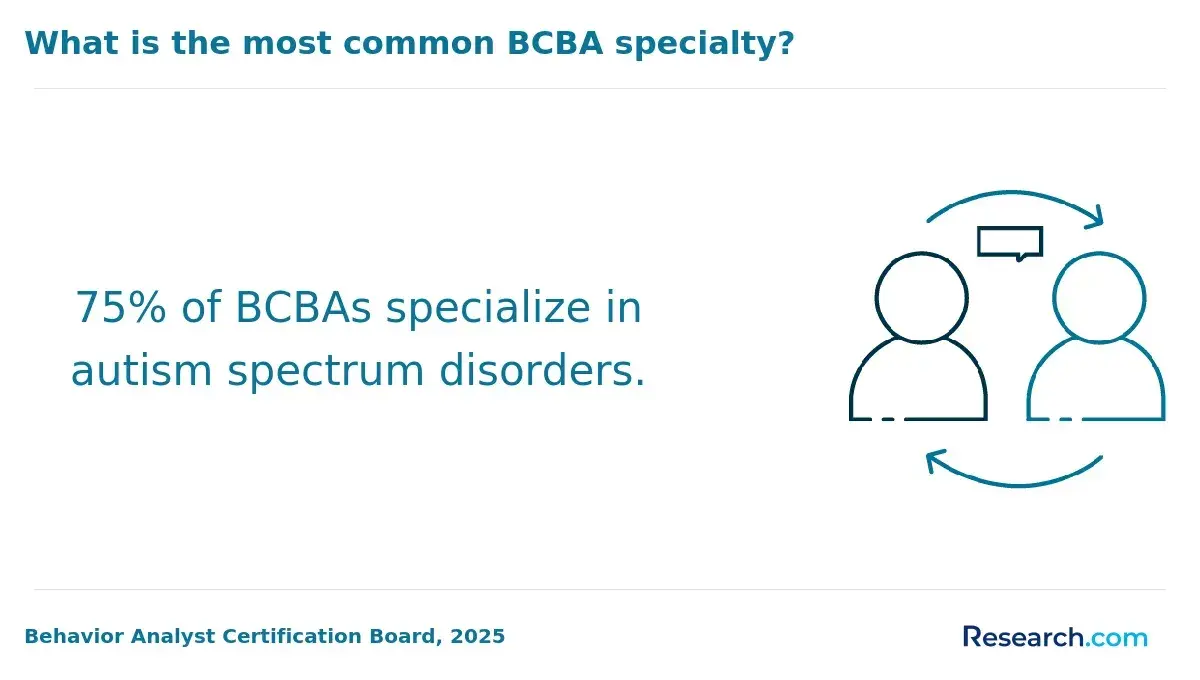
A Board Certified Behavior Analyst (BCBA) is a graduate-level professional credential for practitioners who use applied behavior analysis (ABA) to assess behavior, design interventions, supervise services, and evaluate progress with data. BCBAs often work with children and adults with autism spectrum disorder, developmental disabilities, behavioral health needs, learning challenges, and skill-building goals. They may also apply behavioral principles in schools, clinics, homes, hospitals, community programs, and organizational settings.
The role is both clinical and analytical. A BCBA does not simply “work with behavior” in a general sense. The job requires identifying why a behavior occurs, selecting an evidence-based intervention, training caregivers or staff, monitoring outcomes, and adjusting the plan when data show that progress is limited. Ethical decision-making is central because behavior plans can affect a client’s communication, safety, independence, and quality of life.
Core responsibilities of a BCBA
- Conducting functional behavior assessments and skills assessments
- Writing individualized behavior intervention and skill-acquisition plans
- Collecting and interpreting behavioral data
- Supervising behavior technicians, trainees, or other service providers
- Training parents, teachers, caregivers, and clinical teams
- Monitoring client progress and modifying treatment plans
- Following professional and ethical standards for consent, documentation, scope of competence, and client welfare
For example, a BCBA working in an autism treatment center may design a communication program, reduce unsafe behavior through function-based intervention, and coach caregivers so the plan works outside therapy sessions. In a school, a BCBA may support individualized education plans, classroom behavior systems, and staff training. In an organizational setting, behavior analysts may focus on safety, performance, training, or process improvement.
The profession has continued to expand. The number of certificants has been growing about 10% annually-from 74,125 to 81,566. That growth reflects broader use of behavior analysis in healthcare, education, and business, but it also means aspiring BCBAs should be careful about choosing a pathway that meets certification requirements. Students considering the BCBA role in applied behavior analysis practice in the US should plan for graduate coursework, supervised fieldwork, and the national exam rather than assuming an undergraduate degree alone is enough.
Career changers and working adults often begin by comparing flexible graduate options and approved coursework formats. If scheduling is a major barrier, reviewing BCBA coursework online can help you understand how online study may fit around employment while still requiring serious planning for fieldwork and supervision.
What education is required to become a BCBA?
To become a BCBA in the United States, candidates generally need a graduate degree, behavior-analytic coursework that satisfies certification standards, supervised fieldwork, and a passing score on the BCBA exam. A bachelor’s degree can prepare you for admission to a graduate program, but the BCBA credential itself is a graduate-level certification path.
Graduate study is typically completed through a master’s or doctoral program in behavior analysis, education, psychology, or a closely related field that includes applied behavior analysis coursework. The required coursework usually covers behavior assessment, intervention, measurement, ethics, research design, and the experimental analysis of behavior. These areas are essential because BCBAs must be able to make defensible clinical decisions, not just apply scripted interventions.
How undergraduate preparation fits into the BCBA path
Undergraduate preparation matters because it can affect your graduate admission options, prerequisite needs, and readiness for fieldwork. Common undergraduate majors include psychology, education, special education, applied behavior analysis, human development, and human services. Students with unrelated degrees may still be able to enter the field, but they should expect to explain their career goals and may need additional foundational coursework before or during graduate study.
Candidates without prior ABA coursework may need prerequisite courses, which can add six months to a year to their educational timeline. This is one of the most common sources of delay for career changers, especially those who discover late that their graduate program does not include the right sequence of behavior-analytic courses.
Fieldwork is not optional
BCBA preparation also includes supervised experience. Graduate programs must include 1,500 to 2,000 supervised fieldwork hours under qualified supervision. These hours allow candidates to practice assessment, intervention planning, data collection, supervision, and ethical documentation in real settings. Some students complete coursework and fieldwork at the same time; others finish classes first and then accumulate hours. The first option can shorten the timeline, but only if the student has reliable supervision and a suitable placement.
Before enrolling, confirm that the program’s curriculum, fieldwork structure, and faculty support align with current BCBA eligibility requirements. Ask whether the program has a verified or otherwise approved coursework pathway, whether fieldwork placements are built in or student-arranged, and how the program prepares students for the certification exam. To compare recognized options, review top BCBA programs and then verify details directly with the school and certification body.
How do you verify BCBA program accreditation?
To verify a BCBA program, do not rely only on phrases such as “BCBA-aligned,” “ABA-focused,” or “designed for certification.” Those claims can be useful starting points, but they are not enough. You need to confirm whether the coursework and degree pathway meet the requirements that apply to your planned certification timeline.
Start with the Behavior Analyst Certification Board (BACB) and its published eligibility guidance. The BACB’s Verified Course Sequences (VCS) list identifies programs with coursework that has been reviewed for required content. If a school claims that its courses satisfy BCBA coursework requirements, check that claim against the official source rather than relying only on admissions pages or advertisements.
What to check before you apply
- Coursework status: Confirm whether the ABA course sequence is listed or otherwise documented as meeting current BCBA coursework expectations.
- Degree fit: Make sure the graduate degree itself fits the certification pathway, not just the individual courses.
- Content coverage: Look for ethics, behavior assessment, intervention, measurement, research methods, and data-based decision-making.
- Faculty qualifications: Review whether instructors hold BCBA certification or have substantial behavior-analytic expertise.
- Fieldwork support: Ask whether supervision is embedded, arranged through partners, or left to the student.
- Exam outcomes: Request BCBA exam pass-rate information when available and ask how the curriculum supports exam preparation.
Course delivery can be face-to-face, hybrid, or fully online, but format alone does not determine quality. A well-structured online program with appropriate coursework and strong supervision support may be more useful than a campus program with limited fieldwork access. Conversely, a local campus program with established clinical partnerships may reduce the burden of finding supervision independently.
Program verification matters because the BCBA workforce has grown quickly, with the BCBA population projected to increase 50% from 54,223 in 2021 to 81,566 in 2025. As more programs market ABA credentials, students need to separate recognized pathways from programs that may delay certification. Resources that compare online BCBA programs can help you build a shortlist, but final verification should come from official program documents and certification requirements.
A practical rule: before paying an application fee or deposit, ask the program to state in writing how its degree, coursework, and supervision model support BCBA eligibility. Keep copies of catalog pages, course descriptions, and advising emails for your records.
What undergraduate degrees prepare for BCBA path?
The best undergraduate degrees for a future BCBA are usually in psychology, applied behavior analysis, education, special education, human development, or human services. These majors build the foundation for graduate-level ABA study by introducing learning theory, development, assessment, research methods, disability support, and ethical work with clients or students.
Psychology is one of the most common starting points because it gives students broad exposure to human behavior, cognition, development, statistics, and research design. Education and special education degrees are also strong options, particularly for students who want to work in schools or with children who have developmental or learning needs. Applied behavior analysis-specific undergraduate programs or concentrations can be especially helpful because they expose students earlier to behavior-analytic terminology, measurement, and intervention planning.
How common undergraduate majors compare
- Psychology: Strong preparation in behavior, development, research, and statistics; may need ABA-specific coursework later.
- Applied behavior analysis: Most directly aligned with future BCBA coursework; availability varies by institution.
- Education or special education: Useful for school-based practice, classroom intervention, and work with individualized education plans.
- Human services or social sciences: Relevant for client-facing work, but students should check whether they have enough research and behavior-analysis preparation.
- Unrelated majors: Still possible for career changers, but prerequisite coursework and relevant experience become more important.
Students should not assume that any behavioral or education-related bachelor’s degree automatically satisfies future requirements. Review course titles and syllabi for ethics, measurement, experimental design, developmental disability, behavior assessment, and intervention content. Students should verify that their program covers the BACB 5th edition Task List, including ethics, measurement, and experimental design, which are crucial for exam success.
Hands-on experience can matter as much as the major. Undergraduate students should seek work or volunteer roles as behavior technicians, classroom aides, research assistants, peer mentors, camp staff, or direct support professionals. These experiences help confirm whether the day-to-day realities of ABA work match your career goals.
Programs integrating practicum labs demonstrate higher first-time pass rates-Colorado BCBA programs report rates between 60-72%. Students who lack behavior analysis-specific undergraduate courses can supplement their background with approved classes or choose a graduate program that supports students from varied academic backgrounds. For graduate advancement after a bachelor’s degree, an online masters ABA degree can build the formal coursework and supervised preparation needed for the BCBA path.
What are common BCBA graduate program admissions?
BCBA graduate program admissions usually focus on academic readiness, relevant experience, professional fit, and the applicant’s understanding of applied behavior analysis. Most programs require a bachelor’s degree from an accredited institution. Many expect a minimum GPA often around 3.0, while more competitive programs may prefer stronger academic records or evidence that the applicant can handle graduate-level research and data analysis.
Applicants with degrees in psychology, education, special education, behavior analysis, or related fields often have a smoother admissions process. However, many programs also admit career changers from other backgrounds if they can show relevant experience, strong motivation, and readiness to complete prerequisites when required.
Typical application materials
- Official transcripts: Used to confirm degree completion, GPA, prerequisites, and research or statistics preparation.
- Personal statement: Should explain why you want to become a BCBA, which populations or settings interest you, and how you understand the ethical responsibilities of the field.
- Letters of recommendation: Ideally from faculty, supervisors, BCBAs, psychologists, educators, or professionals who can speak to your judgment, reliability, and readiness for graduate work.
- Resume or CV: Should highlight ABA experience, teaching, caregiving, research, clinical exposure, leadership, and data-related responsibilities.
- GRE scores: Some schools still ask for GRE scores, but this requirement is becoming optional in many cases.
- International documentation: International students often face additional steps including English proficiency testing and credential evaluations.
Relevant experience can strengthen an application. Work as a registered behavior technician, classroom aide, special education assistant, case manager, research assistant, or direct support professional can show that you understand client-facing work and can handle the demands of supervised practice. Admissions committees may also value maturity, ethical awareness, cultural responsiveness, and the ability to accept feedback.
Applicants without prior behavior analysis coursework may need to complete prerequisite classes. A background in statistics and research methods is frequently emphasized because BCBA training depends heavily on measurement, graphing, single-case design, and data-based decision-making. From 2017 to 2020, first-time BCBA exam pass rates worldwide improved from 63% to 65%, reflecting better alignment between coursework and exam expectations.
Common mistakes include submitting a generic personal statement, applying to programs without verifying coursework status, underestimating fieldwork requirements, and failing to ask how supervision is arranged. A stronger approach is to contact admissions advisors with specific questions about prerequisites, fieldwork placements, exam preparation, faculty credentials, and outcomes before applying.
Online vs campus BCBA programs: key differences?
The main difference between online and campus BCBA programs is not whether one is automatically better. The difference is how instruction, interaction, supervision, scheduling, and accountability are delivered. A strong online program can be an excellent option for working adults, while a strong campus program can provide structure and local clinical connections. The right choice depends on your schedule, learning style, location, and access to supervised fieldwork.
Campus BCBA programs
Campus-based programs usually offer in-person classes, direct access to faculty, peer interaction, and structured schedules. They may also have established relationships with local schools, clinics, hospitals, or autism service providers. This can make it easier to find fieldwork placements and receive timely feedback. Students who learn best through live discussion, immediate clarification, and face-to-face mentorship may prefer this format.
The trade-off is flexibility. Campus programs may require commuting, daytime attendance, relocation, or reduced work hours. For students with full-time jobs, caregiving responsibilities, or limited local program options, those requirements can be difficult.
Online BCBA programs
Online programs offer geographic flexibility and may allow students to continue working while completing coursework. This is especially valuable for students in rural areas or those who already work in ABA, education, or human services settings. However, online study requires strong time management and self-direction. Students also need to confirm how the program handles fieldwork, because some online programs provide extensive placement guidance while others expect students to find qualified supervision on their own.
Accreditation and verified coursework are more important than delivery format. Accredited programs in the U.S. and Canada have reported a 67% first-time BCBA exam pass rate, compared to 47% for international programs, highlighting the benefits of rigorous curriculum and supervision standards. Students should verify program recognition and certification alignment before choosing either format.
How to choose between online and campus study
- Choose a campus program if you want a structured schedule, in-person faculty access, local networking, and help connecting with nearby practicum sites.
- Choose an online program if you need flexibility, cannot relocate, already have a suitable work setting, or need to balance graduate school with employment or family responsibilities.
- Avoid any program, online or campus, that cannot clearly explain how its coursework and supervised fieldwork support BCBA eligibility.
- Ask online programs whether supervision is embedded, optional, locally arranged, or entirely student-managed.
- Ask campus programs whether fieldwork placements are guaranteed, competitive, or dependent on outside hiring processes.
The best program is the one that combines recognized coursework, qualified faculty, reliable fieldwork support, transparent outcomes, and a format you can sustain through graduation and exam preparation.
What does BCBA coursework and curriculum cover?
BCBA coursework teaches students how to analyze behavior, design interventions, measure outcomes, and practice ethically. The curriculum is technical because BCBAs must make decisions from observable data rather than assumptions. Students should expect a mix of theory, applied casework, research methods, ethics, and supervised skill development.
Main curriculum areas
- Principles of learning and behavior: Reinforcement, punishment, stimulus control, motivating operations, shaping, chaining, generalization, and maintenance.
- Measurement and data analysis: Defining behavior, selecting measurement systems, graphing data, interpreting trends, and making treatment decisions.
- Assessment: Functional behavior assessment, preference assessment, skills assessment, and functional analysis when appropriate.
- Intervention design: Selecting behavior-change procedures, teaching replacement skills, reducing harmful or interfering behavior, and monitoring treatment integrity.
- Research design: Single-subject research methods, experimental control, visual analysis, and evaluation of intervention effects.
- Ethics and professional conduct: Consent, confidentiality, scope of competence, supervision, documentation, cultural responsiveness, and client-centered practice.
- Supervision and consultation: Training staff, supporting caregivers, giving feedback, and working across multidisciplinary teams.
Strong programs connect these topics to real cases. For example, students may learn how to define a target behavior, collect baseline data, identify the behavior’s function, design an intervention, train implementers, and evaluate whether the plan is working. This sequence matters because poor assessment can lead to ineffective or even harmful interventions.
Ethics should not be treated as a single isolated course. Ethical practice affects nearly every decision a BCBA makes, including which goals are appropriate, how consent is obtained, how restrictive procedures are evaluated, how cultural and family priorities are respected, and when a case falls outside the practitioner’s competence.
The 2025 first-time BCBA exam pass rate was notably low at 51% for 23,151 candidates, yielding 8,021 new certificants. That figure shows why students should choose a rigorous program and engage deeply with the material rather than relying on test-prep shortcuts. A strong curriculum should prepare students to reason through cases, interpret data, and apply ethical standards under exam and workplace conditions.
How long does BCBA certification take and cost?
BCBA certification commonly takes two to four years after the bachelor’s degree, depending on the student’s graduate program, fieldwork pace, employment status, and prior preparation. The fastest candidates usually complete graduate coursework and supervised fieldwork at the same time. Students studying part time, changing careers, searching for supervision, or completing prerequisites may need longer.
Typical timeline
- Graduate degree: A master’s degree in behavior analysis or a related field typically takes about two years after an undergraduate degree.
- Supervised fieldwork: Candidates must complete 1,500 to 2,000 hours of supervised fieldwork as required by the Behavior Analyst Certification Board (BACB), usually taking one to two years full-time.
- Exam preparation and testing: After coursework and fieldwork requirements are met, candidates must prepare for and pass the BCBA exam.
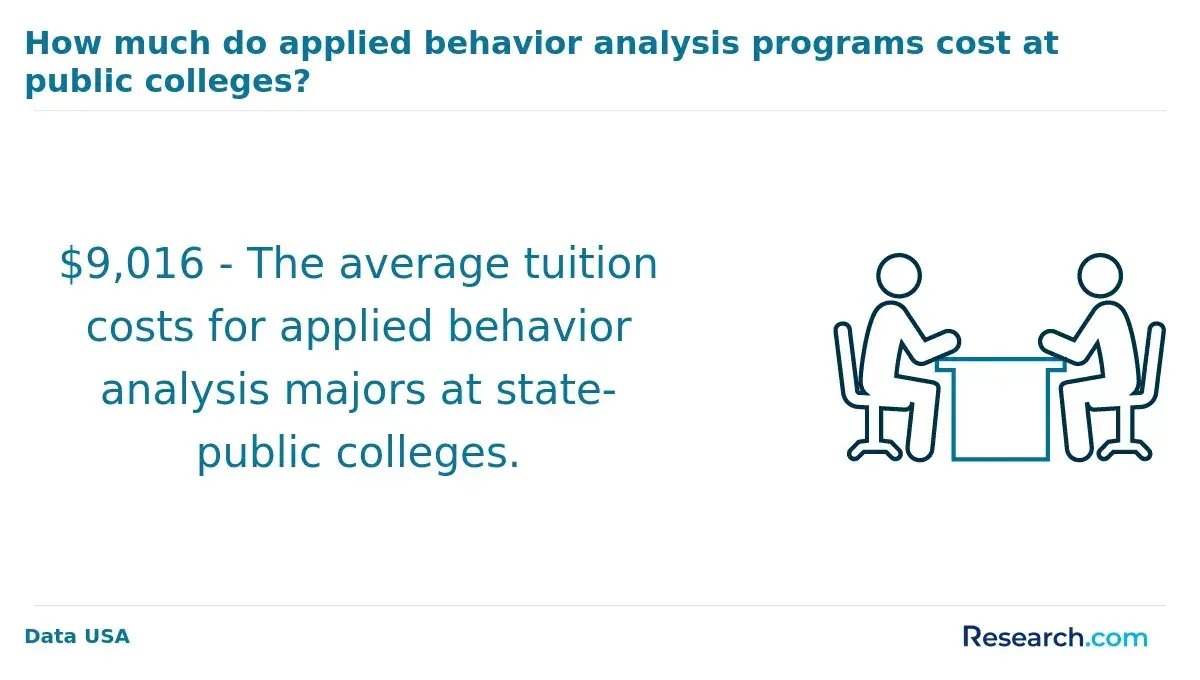
Costs vary widely. Graduate programs in behavior analysis can range from $15,000 to more than $40,000 depending on the institution and format, such as online or in-person. Students should also budget for fees, books, technology, transportation or commuting, exam preparation resources, and any costs associated with supervised experience. The BACB exam fee is approximately $245. Supervision can be included in employment or a program placement, but in some cases candidates pay separately for qualified supervision.
Questions that affect total cost
- Is supervision included in tuition, connected through the program, provided by an employer, or paid separately?
- Can you complete fieldwork while employed, or will you need unpaid practicum hours?
- Does the program charge separate fees for practicum, online course access, background checks, or liability insurance?
- Will you study full time or part time?
- Does the program provide exam preparation, or will you need outside prep materials?
Exam difficulty should be part of your planning. Only 54% of nearly 10,000 first-time BCBA test takers passed the exam, according to the BACB Annual Data Report. That does not mean the path is unrealistic, but it does mean students should choose programs with strong instruction, applied practice, supervision quality, and exam support.
The most common way students extend their timeline is by waiting too long to plan fieldwork. Before enrolling, map out when you will begin supervised hours, who will supervise you, where the hours will occur, and how your work schedule will support the required activities. A lower-tuition program may not be the better value if it leaves you without a clear fieldwork plan.
What jobs can BCBA hold and salary expectations?
BCBAs can work in clinical, educational, residential, community, research, and organizational settings. Although many people associate the credential with autism services, the broader field includes behavior assessment, intervention design, staff training, caregiver consultation, school support, developmental disability services, behavioral health programs, and organizational behavior management.
Common BCBA job titles and settings
- Clinical BCBA: Designs and supervises ABA programs in clinics, homes, early intervention agencies, or autism treatment centers.
- School-based behavior analyst: Supports individualized education programs, classroom behavior plans, teacher training, and student assessments.
- Behavior consultant: Works with families, schools, agencies, or community programs to address behavior and skill-building needs.
- Supervisor or clinical director: Oversees behavior technicians, trainees, treatment quality, documentation, and service delivery systems.
- Research or program evaluation specialist: Uses behavioral data to evaluate interventions, outcomes, and service effectiveness.
- Organizational behavior management specialist: Applies behavior principles to workplace performance, training, safety, or process improvement.
Salary expectations vary based on experience, location, employer type, caseload, supervisory responsibilities, and specialization. Entry-level BCBAs typically earn between $55,000 and $65,000 annually, while professionals with five or more years of experience may earn $75,000 to $90,000 or higher. Specialized roles in healthcare or private consulting often exceed $100,000. These figures should be treated as broad expectations, not guarantees, because compensation can differ substantially by region and setting.
Job seekers should compare more than salary. Benefits, billable-hour expectations, supervision responsibilities, documentation load, travel requirements, caseload size, administrative support, and ethical fit all affect job quality. A higher salary may come with heavy productivity requirements, while a school or hospital role may offer a different schedule and benefits structure.
Where BCBAs commonly work
- K-12 school systems supporting individualized education programs
- Health care facilities addressing developmental disabilities and behavioral disorders
- Private agencies providing autism spectrum disorder therapies
- Early intervention programs and community-based service providers
- Hospitals, residential programs, and behavioral health organizations
- Corporate environments applying behavior principles for staff training and safety
Challenges include managing insurance reimbursement, maintaining documentation quality, supervising staff effectively, preventing burnout, and completing continuing education requirements. New BCBAs should look for roles with strong mentorship, ethical caseload expectations, and clear supervision systems rather than choosing solely by pay.
What is BCBA job outlook and demand trends?
The job outlook for BCBA professionals remains strong through 2026, supported by demand for evidence-based behavioral services in healthcare, schools, autism treatment, developmental disability support, and organizational settings. Demand continues to exceed supply in many markets because more employers, families, schools, and insurers recognize the role of behavior analysis in improving measurable outcomes.
Over 21,000 candidates took the BCBA exam by 2025, reflecting rapid growth and diverse educational backgrounds in the field. This growth creates opportunity, but it also raises the bar for preparation. Employers increasingly look for candidates who can do more than hold the credential; they want BCBAs who can supervise responsibly, interpret data, communicate with families and teams, and manage complex ethical situations.
Factors supporting BCBA demand
- Legislative requirements and insurance mandates for behavior analytic services across many states.
- Wider integration of behavioral interventions in schools and clinical settings.
- Employer recognition of BCBAs' impact on patient outcomes and cost efficiency.
- Expansion of telehealth using behavior analytic methods to reach rural and underserved populations.
Students can improve their long-term outlook by choosing a verified or otherwise recognized educational pathway, beginning supervised experience early, and developing competence in high-need areas such as pediatric autism, severe behavior, school consultation, caregiver training, early intervention, supervision, or organizational behavior management. Geographic flexibility can also improve job options, especially in areas with provider shortages.
At the same time, prospective students should enter the field with realistic expectations. ABA work can be demanding, documentation-heavy, and emotionally challenging. Quality employers should provide ethical caseloads, appropriate supervision structures, training, and support for continuing education. The strongest career strategy is to pair the BCBA credential with practical experience, sound judgment, cultural responsiveness, and ongoing professional development.
Other Things You Should Know About Applied Behavior Analysis
BCBA candidates must complete a specified number of supervised practical experience hours under a qualified BCBA supervisor. These hours include both concentrated and practicum fieldwork designed to provide hands-on experience delivering applied behavior analysis services. Supervision ensures candidates develop the necessary skills to implement behavior-analytic interventions effectively and ethically.
Work experience may count if it was supervised by a credentialed BCBA and meets the Behavior Analyst Certification Board's standards for fieldwork. The experience must be carefully documented and aligned with the specific categories of fieldwork hours required for certification. Prior experience without proper supervision or documentation cannot be applied toward BCBA certification.
BCBAs must adhere to the Behavior Analyst Certification Board's Professional and Ethical Compliance Code. This includes responsibilities such as maintaining client dignity, securing informed consent, avoiding conflicts of interest, and ensuring the effectiveness of interventions. Ethical compliance is regularly reviewed during certification maintenance and in professional conduct investigations.
In 2027, undergraduates should focus on related coursework in psychology or education, gain experience through internships in behavior analysis, and seek mentorship from certified BCBAs. Attending workshops and conferences can also provide networking opportunities and further insight into the field.
References
- Choosing Excellence: Discover the Best BCBA Programs Online | Brighter Strides ABA https://www.brighterstridesaba.com/blog/bcba-programs-online/
- Association for Behavior Analysis International Accreditation Board https://accreditation.abainternational.org/accredited-programs.aspx
- Is Becoming a BCBA a Good Career in 2026? Salary, Growth, and What to Expect https://mindfulsproutsaba.com/blog/is-becoming-a-bcba-a-good-career-in-2026-salary-growth-and-what-to-expect/
- What BCBAs Are Looking for in a Job: Survey Results https://www.abaresourcecenter.com/post/what-bcbas-look-for-in-a-job
- How to Pass the BCBA Exam: Tips & Preparation https://www.crossrivertherapy.com/behavioral-analysts/pass-exam
- BCaBA vs BCBA: What’s the Difference Between a BCaBA and a BCBA? - LEARN Behavioral https://learnbehavioral.com/blog/bcaba-vs-bcba-whats-the-difference-between-a-bcaba-and-a-bcba
- BCBA Career Outlook: Essential Guide to Salary and Growth Trends https://www.hiddenlightaba.com/
- How Much Does it Cost to Take (Or Retake) the BCBA® Exam? https://passthebigabaexam.com/how-much-does-it-cost-to-take-or-retake-the-bcba-exam/
- The Ultimate Guide to Becoming a BCBA - Blog https://www.powerbackpediatrics.com/blog-posts/the-ultimate-guide-to-becoming-a-bcba
- What Does a Behavior Analyst Do? - How to Become a BCBA | UMass Global https://www.umassglobal.edu/blog-news/what-does-a-behavior-analyst-do