2027 Master's in ABA vs Master's in Psychology: Which Leads to Better Outcomes

Co-Founder and Chief Data Scientist
Choosing between a master's in applied behavior analysis and a master's in psychology is not just a question of subject preference. It determines which credentials you can pursue, what type of clients or populations you are prepared to serve, how quickly you may qualify for specialized roles, and whether your degree aligns with state licensing or certification rules.
A master's in ABA is usually the more direct route for students who want to become behavior analysts, work with autism and developmental disability services, or design data-based behavior interventions in schools, clinics, and community settings. A master's in psychology is broader and may be a better fit for students interested in counseling, research, human behavior, assessment, or doctoral study, but it may not automatically meet the requirements for behavior analyst certification.
This guide compares both degrees across curriculum, careers, salaries, licensing, admissions, and program format so you can choose the option that matches your professional goal rather than selecting a program that looks similar on the surface but leads somewhere different.
Key Things You Should Know
- Master's in applied behavior analysis (ABA) programs provide targeted skills for behavior intervention, leading to a 25% higher certification pass rate compared to general psychology graduates.
- Psychology master's degrees offer broader theoretical knowledge, enabling diverse career paths but often requiring additional ABA certification for specialized behavioral roles.
- ABA graduates report 15% higher employment rates within six months post-graduation in clinical and educational settings than psychology graduates without ABA credentials.
What is a Master's in ABA vs Master's in Psychology?
A master's in applied behavior analysis is a graduate degree focused on how behavior is learned, measured, changed, and maintained. Students learn to assess behavior, identify environmental factors that influence it, design intervention plans, collect data, evaluate outcomes, and follow ethical standards in applied settings. Many graduates use the degree as preparation for Board Certified Behavior Analyst certification, commonly known as the BCBA credential.
ABA programs are especially common among students planning to work with children with autism, individuals with developmental disabilities, school behavior teams, clinical service providers, or organizations that need structured behavior intervention. Demand for BCBA professionals has surged, with job postings increasing by 58% between 2023 and 2024, according to Northeastern University Bouvé College of Health Sciences.
A master's in psychology is broader. It studies human thought, emotion, development, behavior, assessment, and research through areas such as clinical psychology, counseling psychology, developmental psychology, social psychology, and cognitive psychology. Depending on the program, students may prepare for counseling-related roles, research positions, school-based support roles, human services jobs, or doctoral study.
The main distinction is scope. ABA is narrower and more credential-focused, while psychology is wider and may require additional training or a later degree for some licensed clinical roles.
| Degree | Primary focus | Typical outcome | Best fit for |
| Master's in ABA | Behavior assessment, intervention, data collection, ethics, and behavior change | Preparation for BCBA-related roles and behavior intervention careers | Students who want a direct path into applied behavior analysis practice |
| Master's in Psychology | Human behavior, cognition, mental health, development, research, and assessment | Preparation for counseling-adjacent, research, human services, or doctoral pathways | Students who want broader training in psychology and more flexible academic or clinical options |
If your goal is to become a behavior analyst, confirm that the program includes the coursework and supervised experience needed for certification eligibility. If cost is a major factor, comparing affordable online ABA master's programs can help you narrow options without losing sight of credential requirements.
What are the key differences between ABA and Psychology Master's programs?
The key difference is that ABA master's programs are built around applied behavior change, while psychology master's programs provide broader training in how people think, feel, develop, and behave. Both study behavior, but they prepare students for different professional systems.
In an ABA program, the curriculum is usually structured around measurable intervention. Students study behavior assessment, functional analysis, single-subject research designs, ethics, supervision, data-based decision-making, and treatment planning. Fieldwork is a central part of many programs because employers often expect graduates to be ready for supervised behavior analysis practice.
Psychology master's programs vary more by concentration. A counseling-oriented psychology program may emphasize helping skills, psychopathology, assessment, and practicum. A research-oriented program may emphasize statistics, experimental design, cognition, development, or social behavior. This broader structure can be useful, but it may not satisfy BCBA coursework requirements unless ABA-specific courses are included.
| Comparison point | Master's in ABA | Master's in Psychology |
| Curriculum focus | Behavior analysis, intervention, data collection, ethics, and treatment planning | Psychological theory, research methods, assessment, development, cognition, or counseling |
| Credential alignment | Often designed around BCBA preparation | May not meet BCBA requirements without additional ABA coursework |
| Typical practice setting | Autism services, schools, clinics, home-based programs, behavioral health organizations | Counseling settings, research labs, schools, community agencies, human services organizations |
| Career flexibility | Strong within behavior analysis and intervention roles | Broader across psychology-related fields, but some roles require additional licensure or doctoral training |
| Salary positioning | BCBA-certified professionals earn a median salary of $75,000-$95,000 in high-demand areas | Entry-level psychology roles are often broader but may start lower depending on licensure, setting, and specialization |
Students who already know they want BCBA certification should look for a program that clearly documents its coursework, supervised experience structure, faculty qualifications, and graduate outcomes. Reviewing accredited BCBA programs can help you compare options that are designed for behavior analysis careers.
Which degree leads to better career outcomes?
The degree with the better career outcome depends on the career you want. For behavior analysis roles, a master's in ABA is usually the stronger and more direct option because it is designed around the competencies, fieldwork, and certification pathway employers recognize. For broader psychology, counseling-adjacent, research, or doctoral-preparation goals, a master's in psychology may offer more flexibility.
In the ABA field, credential alignment matters. Top ABA master's programs report first-time BCBA exam pass rates of 88-90%, significantly exceeding the national average of 54%, according to Silveira Behavior Consulting expert rankings (2025). Higher pass rates can improve a graduate's ability to move from degree completion into credentialed employment, although individual outcomes still depend on supervision quality, exam preparation, location, and employer demand.
ABA graduates commonly move into roles in clinics, schools, autism service organizations, developmental disability services, and behavior intervention agencies. These roles often value direct experience with assessment, intervention design, data collection, parent or staff training, and ethical practice.
Psychology graduates may also find strong opportunities, but the route can be less direct. Some positions require additional supervised hours, state licensure, certification, or doctoral education. A psychology master's can be valuable if you want a broader foundation, plan to pursue a PhD or PsyD, or are considering roles that combine assessment, mental health, research, and human services.
- Choose ABA if your target job requires or strongly prefers BCBA preparation.
- Choose psychology if you want broader training and are comfortable verifying licensure or doctoral requirements before enrolling.
- Avoid assuming that any psychology master's will qualify you for behavior analyst roles; the coursework and fieldwork must match the credential pathway.
- Avoid choosing only by tuition or speed if the program does not meet certification or licensing needs in your state.
Students focused on behavior analysis should compare accredited ABA master's programs and delivery formats carefully. A master's in behavior analysis online may be useful for working professionals, but only if it provides the required academic and supervised training structure for your goal.
A master's in ABA prepares students for careers centered on behavior assessment, intervention, and behavior support. The most recognized pathway is becoming a Board Certified Behavior Analyst, but graduates may also work in supervisory, school-based, consulting, or clinical behavior roles depending on credential status and state requirements.
Common ABA-related roles include:
- Board Certified Behavior Analyst
- Behavior therapist
- Clinical supervisor
- Behavior intervention specialist
- Autism services program coordinator
- Special education consultant
- Behavioral consultant in schools, clinics, or community agencies
A master's in psychology can lead to a wider but more varied set of roles. Graduates may work in mental health support, research, community services, education, human resources, case management, or psychological support positions. However, independent clinical practice may require state licensure, and some psychology careers require doctoral education.
Common psychology-related roles include:
- Mental health counselor, where permitted by state licensure pathway
- Psychological assistant
- Research coordinator
- Human services professional
- Case manager
- School or educational support specialist
- Behavioral consultant, if the program includes relevant ABA coursework and supervised experience
Some students try to combine both paths by choosing a psychology program with ABA coursework. Graduates who have completed ABA coursework within their psychology degree gain access to 25% more career paths beyond traditional behavior analysis, which expands their options for specialized clinical and counseling roles. This insight is supported by Reddit r/bcba analysis of BACB pathways.
The best choice depends on how specific your goal is. If you want a credentialed behavior analysis career, ABA is usually the cleaner path. If you want broader exposure to mental health, research, and human behavior, psychology may be more appropriate, provided you understand the licensing limits. Prospective students can compare ABA degree programs to see which options match their preferred career setting.
Salary differences between ABA and psychology master's graduates depend heavily on certification, licensure, employer type, location, experience, and whether the graduate can practice independently. The degree title alone does not guarantee a specific income.
Graduates with a master's in ABA often pursue BCBA certification, which can raise their market value in autism services, schools, clinics, and behavior intervention agencies. The Behavior Analyst Certification Board reports a median salary range for BCBAs in the U.S. between $65,000 and $85,000 annually, with seasoned professionals in specialized roles earning more than $100,000.
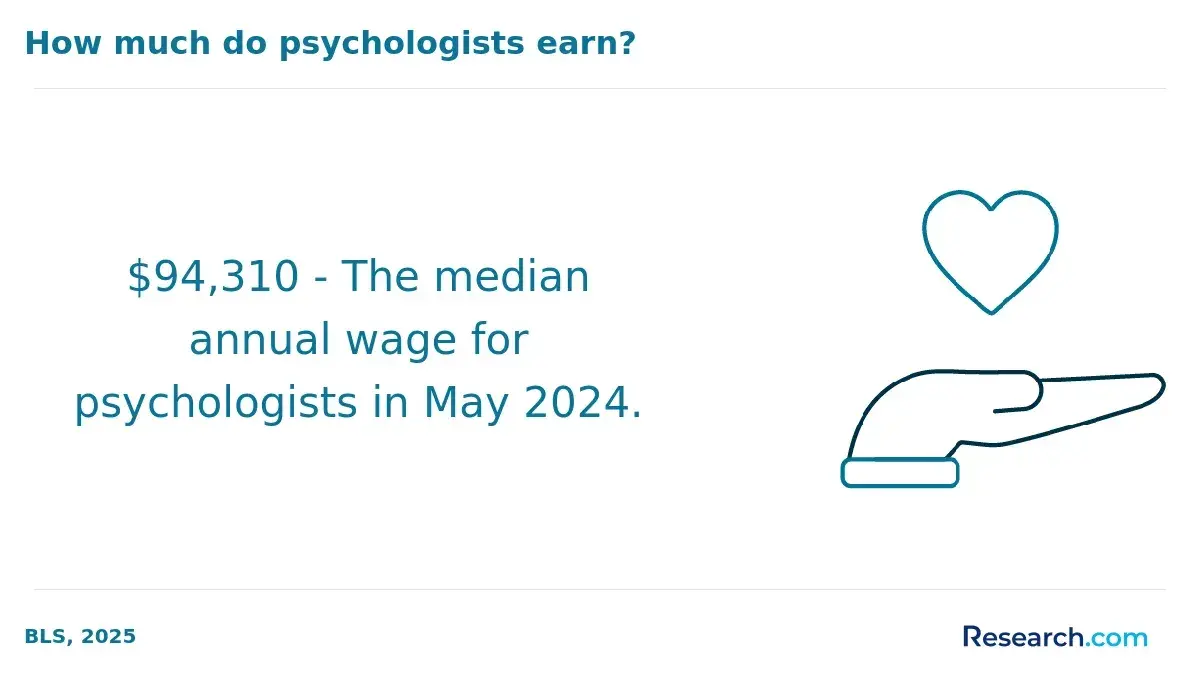
Graduates with a master's in psychology enter a broader labor market. Some work as therapists, counselors, research assistants, psychological assistants, or human services professionals. According to the U.S. Bureau of Labor Statistics, mental health counselors with a graduate degree earn around $48,000 per year on average, with potential to reach $75,000 in high-demand or clinical settings.
| Field | Salary information stated | Job outlook information stated | Important caveat |
| Applied behavior analysis | BCBAs in the U.S. report a median salary range between $65,000 and $85,000 annually; seasoned professionals in specialized roles may earn more than $100,000 | The Bureau of Labor Statistics forecasts a 21% growth in behavior analyst employment through 2031 | Higher earnings often depend on BCBA certification, experience, supervision responsibilities, and local demand |
| Psychology-related counseling roles | Mental health counselors with a graduate degree earn around $48,000 per year on average, with potential to reach $75,000 in high-demand or clinical settings | Psychology-related roles like counselors and therapists are expected to grow about 23% | Licensure rules and scope of practice vary by state and may limit job options without additional credentials |
ABA specialists are increasingly needed, especially in services for individuals with autism spectrum disorder and behavior challenges, supported by funding mechanisms and insurance coverage in many settings. Psychology-related roles are also expanding as demand for mental health services grows.
Program efficiency can also affect the financial picture. Programs such as William James College's online ABA master's demonstrate high efficiency, with an 80% graduation rate and average completion time of 23 months, highlighting the strong demand for ABA-trained professionals. Students should compare tuition, completion time, supervision support, exam preparation, and graduate employment outcomes before assuming one degree has a better return.
Accreditation and licensing are among the most important differences between a master's in ABA and a master's in psychology. A program can be academically legitimate but still fail to meet the specific certification or licensure requirements you need for your target job.
For ABA students, the critical issue is whether the program's coursework and supervised fieldwork align with Board Certified Behavior Analyst requirements and any state licensure rules that apply where you plan to work. Many ABA employers require or strongly prefer BCBA certification. State licensure compliance may also depend on completing approved coursework, supervised experience, and the required examination process.
Psychology master's programs typically rely on institutional regional accreditation, but licensure pathways differ widely by state and role. Some master's-level psychology pathways may lead to titles such as licensed psychological associate or counseling-related credentials, while other clinical or counseling psychology roles require doctoral education. State-specific requirements can include a qualifying graduate degree, supervised experience, and passing the Examination for Professional Practice in Psychology.
Cost is another practical factor. The average in-state tuition for online ABA master's programs is approximately $15,912, often lower than psychology programs due to their specialized focus. Lower tuition can help, but it should not outweigh certification alignment, supervision quality, or state eligibility.
Questions to ask before enrolling
- Does the program meet the educational requirements for the credential or license I want?
- Will I need additional coursework after graduation?
- Does the program provide or help arrange supervised fieldwork?
- What are the program's exam pass rates and graduate employment outcomes?
- Does my state require a separate license in addition to national certification?
- If I choose psychology, will this degree support independent practice, or will I need a doctorate?
Students should verify requirements with the relevant credentialing body, state licensing board, and program advisor before applying. This step is especially important for online students who may study in one state but seek licensure or certification in another.
Admission requirements for ABA and psychology master's programs overlap, but each field evaluates applicants through a slightly different lens. ABA programs often look for evidence that the applicant understands behavioral practice and can succeed in a structured, field-based professional program. Psychology programs may place more weight on research preparation, foundational psychology coursework, or fit with a specific concentration.
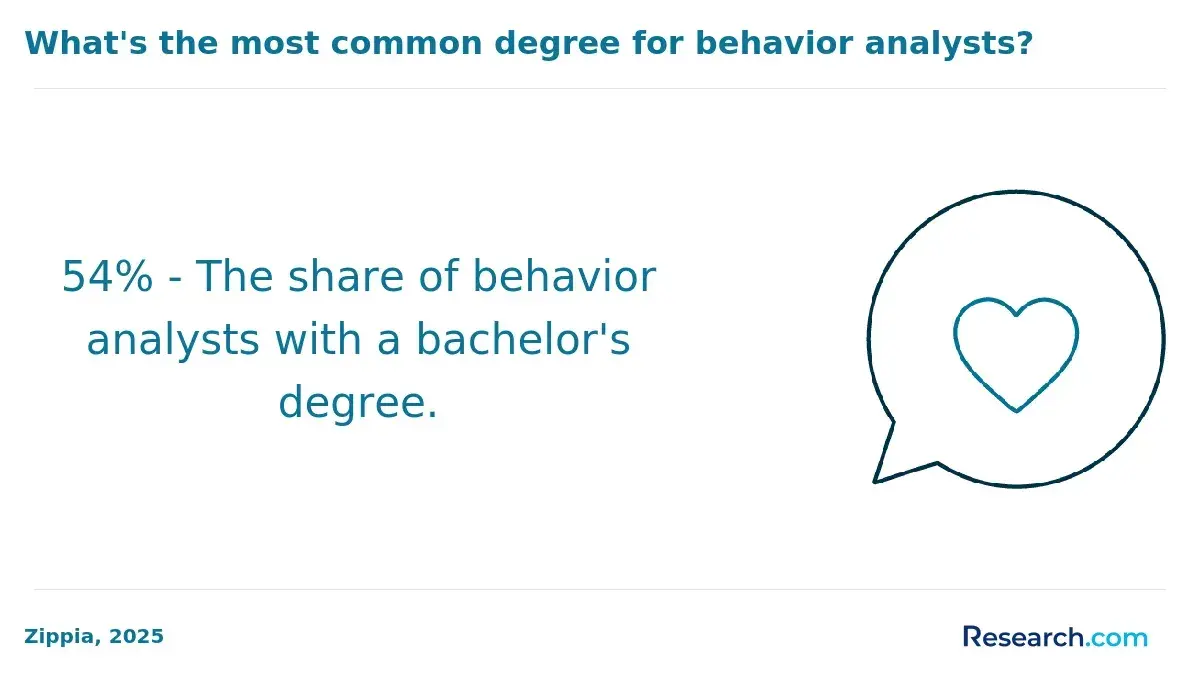
For ABA master's programs, applicants typically need a bachelor's degree in psychology, education, behavioral science, or a related field. Some programs accept students from unrelated majors if they complete prerequisites in behavior analysis, psychology, research methods, or statistics. Letters of recommendation are important, particularly when they can speak to work with children, individuals with disabilities, education, healthcare, social services, or research.
Competitive GRE scores, often above the 50th percentile, may be needed; however, many ABA programs waive this requirement in 2026. Personal statements should explain why the applicant wants ABA training, which populations they hope to serve, and how they understand the ethical responsibilities of behavior intervention.
Psychology master's programs usually prefer applicants with a bachelor's degree in psychology or a related field. Students from other majors may need introductory psychology, statistics, research methods, or abnormal psychology coursework. GRE scores remain more commonly required for psychology, especially for research-focused tracks. Applicants may also need to identify faculty research interests, describe prior lab or clinical exposure, or explain their longer-term licensure or doctoral plans.
| Requirement | ABA master's programs | Psychology master's programs |
| Bachelor's degree | Often psychology, education, behavioral science, or related field | Often psychology or related field |
| Prerequisites | May include behavior analysis, psychology, statistics, or research methods | May include psychology foundations, statistics, research methods, or abnormal psychology |
| GRE | May be waived by many programs in 2026 | More commonly required for research-focused tracks |
| Experience | Behavioral, educational, disability services, clinical, or human services experience is useful | Research, clinical support, counseling-related, or human services experience is useful |
| Statement of purpose | Should emphasize ABA practice goals, ethics, and target populations | Should emphasize research interests, clinical interests, or doctoral/career goals |
Both fields commonly expect minimum GPAs around 3.0, with competitive programs requiring higher, and prefer recent bachelor's degree completions within 5 to 10 years. According to AppliedBehaviorAnalysisEdu.org's analysis, ABA master's degrees offer a 3-year return on investment of 150-200% based on salary gains versus costs, making admissions planning especially important for students who want a career-focused graduate degree.
Online and campus formats can both work, but they create different learning experiences. The right choice depends on your schedule, need for structure, access to local fieldwork, learning style, and career stage.
Online ABA programs are popular with working adults because they allow students to complete coursework without relocating. This can be especially useful for students already employed in schools, clinics, autism service agencies, or behavioral health settings. Many online ABA programs combine asynchronous coursework with synchronous meetings, virtual simulations, and local supervised fieldwork. The main risk is that students must be self-directed and proactive about arranging field experience and staying connected with faculty.
Campus psychology programs often offer more in-person interaction, research labs, practicum connections, faculty mentoring, and peer collaboration. These features can be valuable for students pursuing research-intensive psychology, clinical preparation, or doctoral study. The trade-off is less flexibility, possible relocation, commuting costs, and fixed class schedules.
Retention rates highlight these format contrasts: online ABA programs average about 53% retention, reflecting challenges in sustaining student engagement despite flexibility (Psychology.org top online degrees 2026). Campus formats may provide more structure and built-in support, but they can be harder for nontraditional students to access.
| Format | Strengths | Trade-offs | Best for |
| Online | Flexible scheduling, no relocation, better fit for working professionals, access to programs outside the local area | Requires self-discipline, may offer less immediate interaction, fieldwork quality depends on local arrangements | Students already working in relevant settings or balancing work and family obligations |
| Campus | More face-to-face support, easier access to labs and campus resources, stronger peer interaction | Less flexible, may require commuting or relocation, can add housing and transportation costs | Students who want structured learning, research involvement, or in-person practicum support |
| Hybrid | Combines online convenience with periodic in-person learning | May still require travel and scheduled campus visits | Students who want flexibility but also value direct faculty and peer contact |
Before choosing an online program, ask how fieldwork is supervised, whether the program helps students find placements, how often students interact with faculty, and what technology or residency requirements apply. Before choosing a campus program, calculate the full cost of attendance, including housing, commuting, fees, and lost work time.
The curriculum in an ABA master's program is more specialized and practice-oriented than the curriculum in most psychology master's programs. ABA courses are designed to teach students how to define behavior, measure it, analyze why it occurs, and design interventions that produce socially meaningful change.
Typical ABA coursework includes behavior assessment, functional analysis, behavior intervention planning, ethics, supervision, experimental analysis, research design, data collection, and behavior change procedures. Students also learn how to evaluate whether an intervention is working and how to adjust plans based on measurable outcomes. This preparation supports BCBA certification goals and aligns with demand for specialized ABA skills, especially given the 58% increase in ABA job growth recently, significantly outpacing the broader psychology field's 12% rise.
A master's in psychology covers a wider range of topics. Depending on the concentration, students may study cognition, emotion, development, psychopathology, counseling theory, psychological assessment, research methods, statistics, personality, social psychology, or clinical practice. Practical experience may include research assistantships, practicum, internships, or supervised helping roles, but the structure varies significantly by program.
| Curriculum area | Master's in ABA | Master's in Psychology |
| Theory base | Behaviorism and applied behavior analysis | Multiple psychological theories and subfields |
| Methods | Direct observation, functional assessment, data-based intervention, single-subject designs | Research methods, statistics, assessment, counseling methods, or experimental approaches |
| Practice focus | Behavior intervention across schools, homes, clinics, and community settings | Varies by track: counseling, research, assessment, development, or human services |
| Credential preparation | Often aligned with BCBA-related coursework and supervised experience | May support counseling, research, doctoral study, or psychology-related roles, but licensure varies |
Students should review actual course titles, practicum requirements, supervision structure, and credential alignment rather than relying on the program name alone. A psychology program with one or two behavior courses is not the same as a full ABA curriculum, and an ABA program may not provide the broader mental health or counseling preparation found in psychology programs.
How to choose the right accredited program?
Start with the career outcome you want, then work backward to the degree, accreditation, coursework, supervision, and licensing requirements that support it. Many students make the mistake of choosing the fastest or cheapest option first, then discovering later that the program does not meet credentialing rules in their state.
For ABA programs, confirm that the coursework and supervised fieldwork align with BCBA eligibility and any state behavior analyst licensure requirements. The job market favors aba-related roles, with a 22% projected growth by 2032, largely fueled by increasing autism service demands. In comparison, growth for general psychologists is estimated at 6%, highlighting the value of applied behavior analysis training for employment opportunities.
For psychology programs, verify institutional accreditation, state licensure pathways, practicum expectations, and whether the degree supports the level of practice you want. Psychology programs should align with regional accreditation and relevant American Psychological Association standards where applicable, especially if you plan to continue into doctoral study or a clinical pathway. Remember that many independent psychology roles require more than a master's degree.
Program selection checklist
- Credential fit: Does the degree meet the academic requirements for the certification or license you want?
- Accreditation: Is the institution properly accredited, and does the program meet field-specific expectations?
- Supervised experience: Does the program provide, arrange, or clearly support fieldwork or practicum requirements?
- Graduate outcomes: What are completion rates, credential exam pass rates, job placement patterns, and alumni roles?
- Faculty expertise: Do faculty members have applied, research, or clinical experience in your area of interest?
- Format: Does online, campus, or hybrid delivery match your schedule and learning style?
- Total cost: Look beyond tuition and include fees, travel, supervision costs, books, lost work time, and exam preparation.
- State rules: Confirm requirements in the state where you plan to work, not only where the school is located.
If your goal is behavior analysis practice, the right ABA program should make its certification pathway transparent. If your goal is counseling, research, or doctoral psychology training, the right psychology program should clearly explain its licensure limits and next-step opportunities. The best accredited program is the one that reduces friction between graduation and the work you actually want to do.
Other Things You Should Know About Applied Behavior Analysis
A master's degree in applied behavior analysis or a related field is typically required to pursue certification as a Board Certified Behavior Analyst (BCBA). The Behavior Analyst Certification Board (BACB) mandates specific coursework and supervised clinical experience, which are generally part of master's-level programs. Without completing these requirements, candidates are ineligible to sit for the BCBA exam.
Most master's programs in applied behavior analysis take about two years of full-time study to complete. Part-time options may extend this duration depending on the student's pace and program flexibility. Additionally, gaining supervised clinical hours required for certification may add to the overall timeline.
BCBA candidates need 2,000 concentrated supervised fieldwork hours or 2,000 standard supervised fieldwork hours under the Behavior Analyst Certification Board. The supervision period must include at least 4 weekly contacts each month, with one contact being individual supervision, and the supervisor must meet BACB eligibility rules.
- What Is Curriculum? Simple Guide For Students & Parents (2026) https://www.uscaacademy.com/blog/what-is-curriculum/
- Master’s in ABA - Is It Worth It? https://onlinecounselingprograms.com/online-counseling-degrees/online-masters-in-aba-programs/reasons-to-get-aba/
- Steps to Finding the Right Accredited Institution https://www.ieac.org.uk/26-Steps-to-Finding-the-Right-Accredited-Institution-blog.php
- Psychology Degrees with a Focus in Applied Behavior Analysis | Degrees in Psychology with ABA Track https://www.appliedbehavioranalysisedu.org/degrees-in-psychology-with-a-focus-in-aba/
- In-Person vs. Online Courses: Which Is Right for You? | StraighterLine https://www.straighterline.com/blog/in-person-vs-online-courses
- Careerometer: A tool to compare jobs https://www.careerpilot.org.uk/information/careerometer
- How is Applied Behavior Analysis Different From Psychology? https://leafwingcenter.org/how-is-applied-behavior-analysis-different-from-psychology/
- High School Classes Required for College Admission - National Association for College Admission Counseling (NACAC) https://www.nacacnet.org/high-school-classes-required-for-college-admission/
- Admission Requirements | Undergraduate Admissions + Programs https://www.ualberta.ca/en/admissions/how-to-apply/admission-requirements/index.html
- What Is Curriculum in Education? A Guide for Parents, Educators, and Schools - Sunbeam World School 1 https://sunbeamworldschool.com/blog/what-is-curriculum-in-education/