2027 BCBA Skills Employers Value Most in New Hires

Co-Founder and Chief Data Scientist
Choosing a BCBA pathway is not only a school decision. It is a career-readiness decision: employers want candidates who can assess behavior accurately, design ethical interventions, read data, supervise staff, and communicate clearly with families, teachers, clinicians, and clients.
This guide explains the BCBA skills employers value, what Board Certified Behavior Analysts do, how certification typically works, what to look for in a program, and how costs, online study, salary expectations, and career options should factor into your decision. It is written for prospective students, career changers, graduate students, and professionals who want to understand whether BCBA certification fits their goals.
Key Things You Should Know
- Proficiency in data analysis and functional behavior assessment remains essential, with 78% of employers prioritizing these skills to inform effective intervention planning in 2026.
- Strong communication and collaboration abilities are critical, as 65% of BCBA employers value teamwork with families and interdisciplinary professionals for successful treatment outcomes.
- Competence in telehealth delivery has surged; over 50% of job postings now require experience with virtual sessions due to increased remote service demand in recent years.
What BCBA skills do employers value most?
Employers value BCBA candidates who can turn behavior-analytic knowledge into safe, measurable, and ethical client outcomes. A strong academic record helps, but hiring managers usually look for practical competence: can you assess why behavior occurs, build a realistic intervention plan, train others to implement it, and use data to adjust treatment?
The most valued BCBA clinical skills include functional behavior assessment, treatment planning, data analysis, supervision, and communication. Employers also look for judgment: knowing when an intervention is working, when it needs revision, and when collaboration with other professionals is necessary.
Core technical skills employers expect
- Functional behavior assessment: identifying the environmental variables and functions that maintain behavior rather than relying on assumptions.
- Behavior intervention planning: designing individualized plans that are practical for the setting, ethical, and tied to measurable goals.
- Data collection and interpretation: selecting appropriate measures, reviewing trends, and using data to make treatment decisions.
- Applied behavior analysis principles: using reinforcement, prompting, fading, shaping, stimulus control, and related procedures appropriately.
- Progress monitoring: knowing when to continue, modify, or discontinue an intervention based on evidence.
- Ethical practice: protecting client dignity, obtaining appropriate consent, working within competence, and following professional standards.
Professional skills that help candidates stand out
BCBAs rarely work in isolation. They often coordinate with teachers, speech-language pathologists, occupational therapists, physicians, social workers, caregivers, and registered behavior technicians. For that reason, employers place high value on candidates who can explain complex findings in plain language and adapt recommendations to real-world constraints.
- Communication: translating assessment results and treatment plans into clear guidance for families and teams.
- Collaboration: aligning interventions with classroom routines, home environments, clinical goals, and family priorities.
- Cultural responsiveness: adapting services to the client’s language, values, preferences, and community context.
- Leadership: training, supervising, and giving feedback to registered behavior technicians and other team members.
- Flexibility: adjusting plans for different settings, including schools, clinics, homes, and community programs.
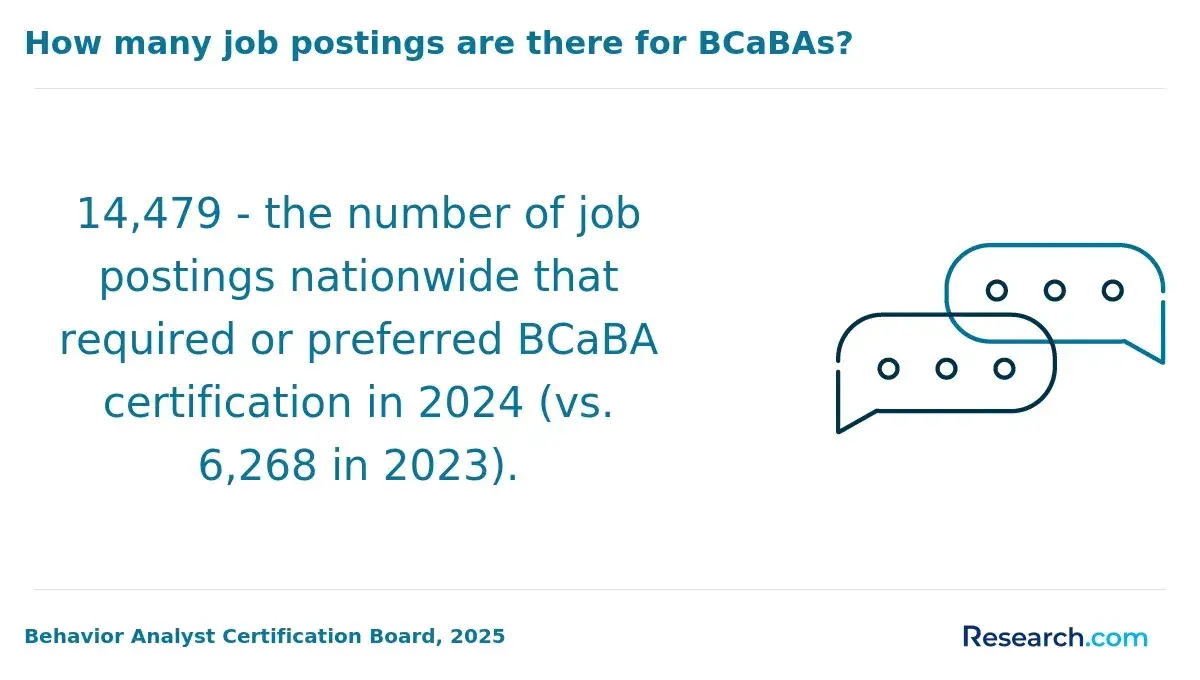
Job market data from YouTube's The Demand for Behavior Analysts shows dramatic growth, with BCBA postings surpassing 132,000 in 2025, up from just 789 in 2010. That growth makes the credential valuable, but it also means employers can be selective about readiness. Candidates who combine strong analytic skills with supervision, documentation, and stakeholder communication are better positioned to compete.
Prospective students who need formal preparation can compare online ABA master's programs and evaluate whether each option builds both the coursework foundation and the applied skills employers expect.
What is a BCBA and what do they do?
A BCBA, or Board Certified Behavior Analyst, is a credentialed professional who applies behavior analysis to improve socially significant behaviors. BCBAs assess behavior, identify why it occurs, design intervention plans, train others to implement those plans, and use data to evaluate progress.
Many BCBAs work with children with autism spectrum disorder, developmental disabilities, or behavioral challenges, but the role is not limited to one population. BCBAs may also support adolescents, adults, families, schools, clinics, residential programs, community agencies, and organizations that use behavior-analytic strategies.
Common BCBA responsibilities
- Conducting functional behavior assessments to understand the purpose or context of behavior.
- Creating behavior intervention plans tied to measurable goals.
- Teaching replacement skills, communication strategies, daily living skills, or classroom readiness skills.
- Using positive reinforcement and other evidence-based procedures to support behavior change.
- Collecting and reviewing data to determine whether an intervention is effective.
- Training caregivers, educators, and registered behavior technicians to implement plans consistently.
- Revising treatment recommendations when data show limited progress.
- Documenting services and following ethical, professional, and organizational requirements.
BCBAs work in settings such as schools, healthcare facilities, homes, clinics, and community agencies. In each setting, the work requires both technical accuracy and practical communication. A plan that looks strong on paper is only useful if the people supporting the client can understand and implement it correctly.
Skills required for BCBA professionals include data collection and analysis, behavior intervention design, client advocacy, ethical decision-making, and collaboration with families and interdisciplinary teams. These competencies help BCBAs adjust plans based on ongoing progress monitoring rather than relying on one-time recommendations.
Demand for qualified BCBAs remains strong, especially in regions like Maryland, where salaries range between $70,000 and $90,000 annually, notably within Baltimore metropolitan areas, according to Connect n Care ABA Blog.
Students and graduates considering this path should review certification requirements early and compare programs carefully. A recognized BCBA degree can help prepare candidates for the academic, supervised experience, and exam components connected to the profession.
How do you become a certified BCBA?
Becoming a certified BCBA generally requires graduate-level education, behavior-analytic coursework, supervised fieldwork, and a passing score on the BCBA certification exam. Candidates should always verify current requirements directly with the Behavior Analyst Certification Board (BACB), because eligibility rules, accepted pathways, and documentation standards can change.
Typical steps to BCBA certification
- Earn an eligible graduate degree. Candidates must earn at least a master's degree in behavior analysis or a related field such as psychology, education, or special education.
- Complete required behavior-analytic coursework. Coursework should cover behavior assessment, intervention procedures, measurement, research methods, ethics, and other core applied behavior analysis content.
- Complete supervised practical experience. Candidates accumulate 1,000-1,500 hours of supervised practical experience. This experience involves either 1,000 hours of independent fieldwork or 1,500 hours of practicum under direct supervision by a qualified BCBA.
- Apply for exam eligibility. Candidates submit documentation showing that education, coursework, and supervised experience requirements have been met.
- Pass the BCBA certification exam. The exam tests applied behavior analysis knowledge, ethical decision-making, assessment, intervention, measurement, and professional practice.
- Maintain certification. Ongoing continuing education is mandatory to maintain certification and stay aligned with evolving research and professional standards.
Many candidates pursue ABA masters online programs because online coursework can make graduate study more manageable for working professionals. However, online convenience should not be the only factor. Candidates should confirm that the program’s coursework, advising, and fieldwork guidance align with certification needs.
Common mistakes to avoid
- Choosing a program before confirming whether its coursework supports BCBA eligibility.
- Assuming the school automatically arranges supervised fieldwork.
- Waiting until graduation to understand BACB documentation requirements.
- Underestimating the time needed to complete supervised hours.
- Focusing only on exam preparation instead of developing practical assessment and treatment skills.
As market demand for BCBAs grows, especially in states where top earners exceed $95,000 annually, maintaining current certification and documenting continuing education carefully become increasingly important for long-term employability.
BCBA certification educational requirements in the United States include earning a master's degree in behavior analysis, education, psychology, or a related field. The degree should include coursework that satisfies behavior-analytic content requirements, including ethical conduct, measurement, data analysis, behavior assessment, intervention strategies, research methods, and professional practice.
Prospective students should confirm that a program’s coursework is recognized for certification eligibility before enrolling. A school may offer a psychology, education, or special education graduate degree, but that does not automatically mean the coursework satisfies BCBA requirements.
What to verify before choosing a program
- Coursework alignment: Confirm that the curriculum covers required Applied Behavior Analysis content.
- Verified course sequence status: Check whether the coursework is listed as a verified course sequence when applicable.
- Fieldwork support: Ask whether the school helps students locate supervisors or approved fieldwork settings.
- Faculty qualifications: Review whether instructors have BCBA experience and applied practice backgrounds.
- Exam preparation: Look for structured support, practice exams, and advising tied to certification milestones.
- Student outcomes: Ask about exam pass rates, completion rates, and graduate employment support when available.
Candidates must also complete supervised fieldwork, which involves a minimum of 1,500 hours of independent fieldwork or 1,000 hours of concentrated fieldwork supervised by a qualified BCBA. This practical experience is vital because BCBA work requires more than classroom knowledge. Students must learn to apply principles to actual clients, settings, data systems, teams, and ethical dilemmas.
The final step involves passing the BCBA exam, which tests knowledge across major ABA domains. Some students fulfill course requirements through universities specializing in ABA therapy programs, while others use accredited online platforms for added flexibility while working or relocating.
The master's degree criteria for BCBA credentialing emphasize both rigorous academics and hands-on experience. Given the national shortage of certified BCBAs, which nearly matches the number of open positions, meeting these requirements efficiently can significantly enhance employment prospects. For more information on program options, consider exploring ABA therapy programs.
A BCBA program curriculum is designed to build the knowledge and applied judgment needed to assess behavior, design interventions, evaluate outcomes, and practice ethically. Strong programs connect theory to field-based decision-making so students can move from textbook concepts to client-centered treatment planning.
Core curriculum areas
- Behavioral principles: reinforcement, punishment, extinction, stimulus control, motivating operations, prompting, fading, and generalization.
- Measurement and data collection: frequency, duration, latency, interval recording, graphing, reliability, and data-based decision-making.
- Behavior assessment: functional behavior assessments, preference assessments, skills assessments, and interpretation of assessment results.
- Intervention design: individualized behavior intervention plans, skill-acquisition programs, replacement behavior teaching, and treatment evaluation.
- Ethics: ethical guidelines from the Behavior Analyst Certification Board (BACB), client dignity, confidentiality, consent, supervision, and professional boundaries.
- Research methods: single-case design, literature evaluation, treatment integrity, and evidence-based practice.
- Supervision and leadership: training staff, giving feedback, monitoring implementation, and supporting registered behavior technicians.
- Communication and collaboration: explaining data and treatment recommendations to clients, families, educators, and interdisciplinary teams.
Students commonly learn to conduct functional behavior assessments, identify the causes of challenging behavior, design individualized interventions, and evaluate whether treatment is producing meaningful change. Many programs also include content related to autism spectrum disorder, school-based supports, early intervention, and service delivery across diverse populations.
Curriculum variants exist, but programs intended to prepare students for BCBA certification must meet the relevant certification coursework requirements. Students should review the course sequence, fieldwork expectations, and advising structure before enrolling.
With employment for BCBAs projected to grow 22% through 2029, mastering these curriculum elements is vital. The strongest graduates are not only prepared to pass an exam; they are prepared to enter the field with assessment, intervention, documentation, and collaboration skills that employers can trust.
Yes, online BCBA programs can be legitimate when they provide coursework that aligns with certification requirements and when students can complete supervised fieldwork under qualified supervision. The delivery format alone does not determine quality. What matters is whether the program meets the academic requirements, supports fieldwork planning, prepares students for the BCBA exam, and has credible faculty and student outcomes.
Students should verify whether the program appears in the BACB Verified Course Sequence (VCS) directory when applicable. This helps confirm that the coursework has been reviewed for alignment with required behavior-analytic content. Candidates should also confirm current certification rules directly with the BACB before enrolling.
Types of online BCBA program formats
- Fully asynchronous courses: Students complete lectures and assignments on a flexible schedule, which can help working professionals or those in remote locations.
- Synchronous online courses: Students attend scheduled live sessions, which can provide more direct interaction with faculty and peers.
- Hybrid models: Online coursework is combined with in-person practicum, campus meetings, or fieldwork components.
- Specialized tracks: Some programs focus on areas such as autism, school-based practice, severe behavior, or organizational behavior management.
How to judge whether an online program is credible
- Confirm coursework eligibility through the appropriate verification source.
- Ask how the program supports supervised fieldwork and whether students must find their own placements.
- Review faculty credentials and applied behavior analysis experience.
- Ask about BCBA exam preparation and first-time pass rate information if available.
- Check whether the program provides advising on documentation, supervision contracts, and eligibility timelines.
- Avoid providers that make vague promises about certification without explaining coursework, supervision, and exam requirements.
Employers generally value BCBA credentials earned online when the candidate has completed legitimate coursework, documented supervised experience, and can demonstrate competent practice. Job postings for BCBAs have grown rapidly, causing increased competition and employer bidding wars, as reported by the Connect n Care ABA Blog. Graduates from robust online programs that include mentorship and applied training are better positioned to compete in that market.
BCBA program costs and timelines depend on whether you need a full graduate degree, only the required BCBA coursework, or additional supervised fieldwork support. Students should compare total cost, not just tuition per credit, because certification preparation can include fees for courses, supervision, books, exam preparation, applications, and exam attempts.
Costs for BCBA programs vary widely, typically ranging from $6,000 to $15,000 depending on the university, program format, and whether classes are online or in person. Pursuing a full master's degree that includes BCBA coursework can run between $20,000 and $50,000, though many schools offer coursework separately for those with existing graduate degrees, lowering overall expenses.
Typical cost factors
- Program type: standalone coursework is usually less expensive than a full master's degree.
- Institution: public, private, nonprofit, and for-profit providers can differ substantially in tuition.
- Format: online programs may reduce relocation or commuting costs but can still charge technology or distance-learning fees.
- Supervision: some students receive supervised hours through employment, while others may need separate supervision arrangements.
- Exam preparation: study materials, practice exams, and review courses may add to the total cost.
- Exam fees: additional costs to budget include exam fees, currently $245, study materials, and possible exam retakes.
Program length depends on prior education and enrollment status. Students with relevant graduate degrees can complete BCBA coursework in 1 to 2 years. Full master's programs usually take 2 to 3 years. Part-time and online formats can help working professionals continue employment, but they may extend the timeline beyond 3 years.
Students must complete supervised fieldwork, commonly at least 1,500 hours, alongside coursework. This requirement can affect the timeline more than the classes themselves, especially if practicum opportunities are limited or if the student is completing hours part time.
- Financial aid, scholarships, payment plans, and employer tuition assistance may help reduce out-of-pocket costs.
- Employment for BCBAs grew 23% between 2022 and 2023, increasing program demand and potentially impacting costs.
Before enrolling, ask each program for a full cost breakdown and a realistic completion timeline based on your work schedule, fieldwork access, and prior graduate coursework.
BCBA certification can lead to roles in clinical services, education, early intervention, behavioral consultation, supervision, research support, public health programs, and organizational behavior management. The right path depends on the population you want to serve, the setting you prefer, and whether you want direct clinical work, leadership, consultation, or systems-level change.
Common BCBA career paths
- Clinical behavior analyst: develops and monitors treatment plans for individuals with autism spectrum disorder, developmental disabilities, or behavioral challenges.
- School-based behavior specialist: supports students, teachers, and special education teams through behavior plans, data review, classroom strategies, and staff training.
- Early intervention consultant: works with young children and families to build communication, social, adaptive, and learning readiness skills.
- Supervisor or clinical director: oversees registered behavior technicians, case quality, staff training, treatment integrity, and ethical service delivery.
- Organizational behavior management practitioner: applies behavior-analytic principles to improve employee performance, workplace safety, training, and systems in sectors such as healthcare, manufacturing, and corporate environments.
- Research or program evaluation role: supports data collection, intervention evaluation, quality improvement, or applied research projects.
- Public health or social services consultant: designs and evaluates behavior-change programs in community and agency settings.
Many certified BCBAs begin in direct clinical or school-based roles and later move into supervision, program management, consulting, or specialized practice. Career growth often depends on more than certification. Employers look for BCBAs who can manage cases responsibly, lead teams, communicate with families, and document progress clearly.
Soft skills such as communication, leadership, and problem-solving are vital for advancement. A survey by PMC: Professional Skills for Behavior Analysts highlights these as crucial for promotions. Combining technical expertise with interpersonal skills boosts employability and leadership potential.
Prospective BCBAs should consider their preferred environment and target population before choosing fieldwork sites or electives. A student who wants school-based work should seek experience with educators and individualized support plans, while someone interested in clinical leadership should prioritize supervision, treatment integrity, and caregiver training experience.
The average salary for a Board Certified Behavior Analyst (BCBA) in the United States ranges from $65,000 to $95,000 annually, with higher earnings common in metropolitan areas or specialized roles. Entry-level professionals typically start near the lower range, while experienced BCBAs can earn over $100,000. Actual pay depends on location, employer type, caseload, years of experience, supervisory duties, and specialization.
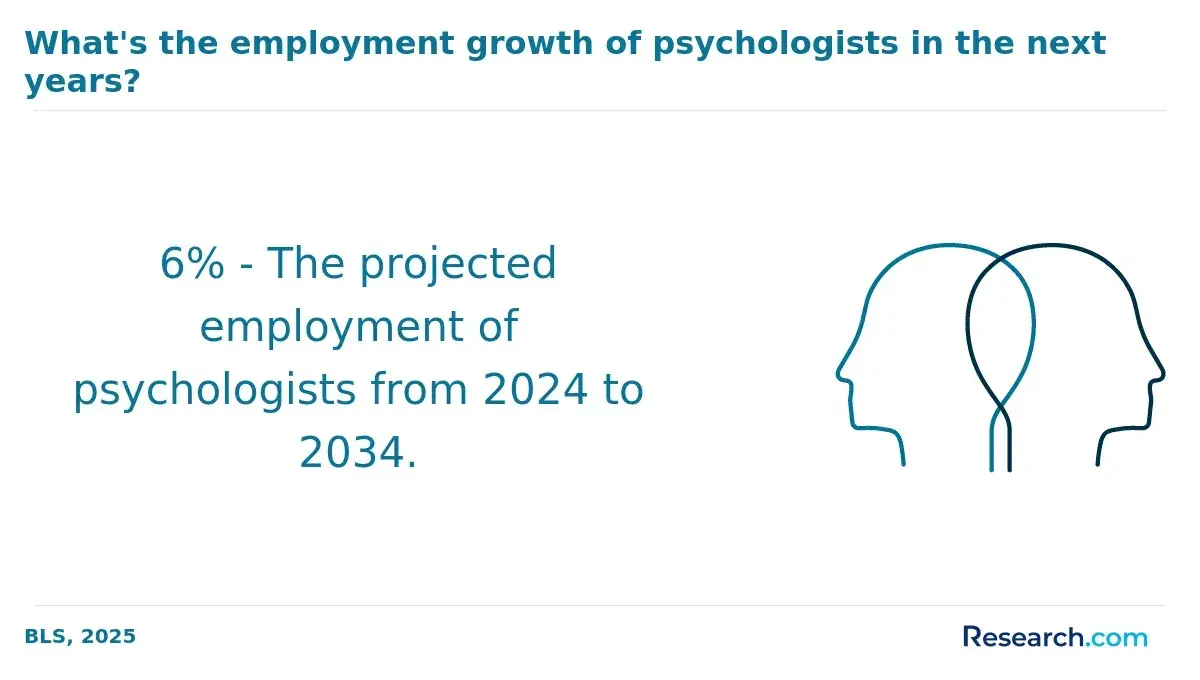
Job prospects remain strong because demand for behavioral intervention services continues across healthcare, education, home-based therapy, private clinics, and community programs. According to projections by the U.S. Bureau of Labor Statistics, employment for behavior analysts is expected to grow by more than 20% over the next decade. This reflects growing recognition of treatment for autism spectrum disorders and related developmental conditions.
Factors that can affect BCBA salary
- Geography: metropolitan areas and high-demand regions may offer higher compensation.
- Setting: clinics, schools, hospitals, private agencies, and consulting roles may pay differently.
- Experience: BCBAs with supervisory, severe behavior, early intervention, or program leadership experience may have stronger earning potential.
- Caseload and responsibility: roles involving staff supervision, clinical direction, or multi-site oversight often carry higher pay.
- Specialized training: additional expertise in autism services, school systems, adult services, organizational behavior management, or complex cases can improve marketability.
Effective communication skills are crucial for success. Employers, as noted by Every Special Child Blog, emphasize the need for BCBAs to clearly explain assessments and treatment plans to families and multidisciplinary teams. Technical expertise alone is not enough if the BCBA cannot build trust, train implementers, and coordinate care.
To improve employability and salary potential, candidates should seek experience across multiple service delivery models, such as early intervention and adult services, when possible. Maintaining certification, completing specialized training, and monitoring salary trends by region and sector can also help BCBAs negotiate compensation and identify stronger career opportunities.
How to choose an accredited BCBA program?
Choosing a BCBA program should start with eligibility, quality, and fit. The best program for you is not simply the cheapest, fastest, or most convenient option. It is the one that supports certification requirements, provides credible instruction, helps you complete supervised fieldwork, and prepares you for the type of BCBA work you want to do.
Key criteria to evaluate
- Certification alignment: Confirm that the program’s coursework aligns with BACB's Verified Course Sequence (VCS) requirements and covers all necessary competency areas.
- Accreditation and recognition: Verify the institution’s accreditation status and confirm whether the behavior-analytic coursework supports BCBA eligibility.
- Fieldwork support: Supervised fieldwork is mandatory, typically requiring at least 1000 hours under qualified BCBA supervision. Ask whether the program offers placements, partnerships, supervision guidance, or documentation support.
- Applied training: Look for real-world case studies, assessment practice, intervention design, data analysis, and opportunities to connect coursework with field experience.
- Faculty expertise: Review whether instructors have BCBA credentials, applied experience, research expertise, or specialization in your area of interest.
- Delivery format: Compare on-campus, online, and hybrid formats. If choosing online study, confirm that supervision quality and advising are not weaker than the coursework format.
- Student outcomes: Graduate success indicators such as high first-time BCBA exam pass rates, 90% or above, and strong employment placement reflect program quality and support.
- Total cost: Assess tuition transparency, fees, supervision costs, exam preparation costs, and availability of scholarships or financial aid.
Questions to ask before enrolling
- Does this program’s coursework currently support BCBA exam eligibility?
- Will I need to find my own supervised fieldwork site?
- Who verifies my fieldwork documentation and helps me avoid eligibility problems?
- What is the first-time BCBA exam pass rate?
- How does the program teach data collection, interpretation, and treatment decision-making?
- Are there faculty or fieldwork options related to my preferred population or setting?
- What is the total expected cost through graduation and exam preparation?
Employers prioritize mastery in precise data collection and interpretation because those skills are central to tracking client progress. Programs that combine rigorous coursework with hands-on data practice, ethical decision-making, and supervised applied experience better prepare students for professional demands.
Finally, avoid choosing a program based only on speed. A shorter timeline may be useful, but only if the program still gives you the coursework, supervision, exam preparation, and practical competence needed to practice responsibly as a BCBA.
Other Things You Should Know About Applied Behavior Analysis
BCBA professionals frequently work in a variety of environments including schools, healthcare facilities, private clinics, and home-based services. They often collaborate with families, educators, and other healthcare providers to deliver behavior intervention plans tailored to individual needs. This diversity of settings allows BCBAs to address behavioral challenges across different age groups and populations.
Data collection is essential in applied behavior analysis as it provides objective evidence to guide clinical decisions. BCBAs systematically record behaviors and intervention outcomes to assess treatment effectiveness and make data-driven adjustments. Reliable data supports ethical and effective practice by ensuring interventions are based on measurable progress rather than assumptions.
BCBAs adhere to a strict professional code of ethics established by the Behavior Analyst Certification Board. This includes prioritizing client welfare, maintaining confidentiality, obtaining informed consent, and avoiding conflicts of interest. Ethical practice also requires ongoing professional development and honest communication with clients and stakeholders.
Employers value proficiency with electronic health record systems, graphing tools, and spreadsheet software because these skills support accurate treatment notes, progress monitoring, and data analysis. New hires should also know how to protect confidential client records under HIPAA and follow agency documentation timelines, often completed within 24 hours of service.
- BCaBA vs BCBA: What’s the Difference Between a BCaBA and a BCBA? - LEARN Behavioral https://learnbehavioral.com/blog/bcaba-vs-bcba-whats-the-difference-between-a-bcaba-and-a-bcba
- BCBA Programs & Schools | Sunray ABA https://www.sunrayaba.com/post/bcba-programs-schools-203c1
- Exploring the Roadmap to a Rewarding BCBA Career - apricott ABA https://www.apricott.com/resources/bcba-career-path-to-take
- BCBA Job Opportunities: Career Paths, Growth, and Impact https://championsaba.com/bcba-job-opportunities/
- Master of Science in Applied Behavior Analysis (ABA) https://tsengcollege.csun.edu/programs/ABA/tuition-and-fees
- Board-Certified Behavior Analyst (BCBA) Salary Guide â Trusted Health https://www.trustedhealth.com/allied-career-guide/behavior-analyst/salary-guide
- Association for Behavior Analysis International Accreditation Board https://accreditation.abainternational.org/accredited-programs.aspx
- What Employers Really Look for in New Hires https://www.brightdirectiontraining.co.uk/post/what-employers-really-look-for-in-new-hires
- How to Become a Behavior Analyst https://onlinecounselingprograms.com/mental-health-careers/how-to-become-behavior-analyst-bcba/
- Is Becoming a BCBA a Good Career in 2026? Salary, Growth, and What to Expect https://mindfulsproutsaba.com/blog/is-becoming-a-bcba-a-good-career-in-2026-salary-growth-and-what-to-expect/