2027 What Students Wish They Knew Before Starting a BCBA Program

Co-Founder and Chief Data Scientist
Choosing a BCBA program is not just a graduate school decision. It affects your eligibility for certification, how quickly you can complete supervised fieldwork, how prepared you are for the exam, and whether the program fits your work schedule and budget.
Many students enter Applied Behavior Analysis training with a general interest in helping people improve behavior, communication, learning, and daily functioning. The difficult part is often the pathway: understanding degree requirements, confirming that coursework meets Behavior Analyst Certification Board expectations, arranging supervision, preparing for the exam, and comparing online and campus-based programs without relying on marketing claims.
This guide explains what BCBA certification requires, how degree pathways differ, what to expect from coursework and fieldwork, how long programs usually take, what they may cost, and how salary and job prospects vary by setting and location. It is designed for prospective graduate students, career changers, educators, psychology graduates, and working professionals who want a practical roadmap before committing to a program.
Key Things You Should Know
- BCBA programs require completion of 1,500 supervised hours; many students underestimate the time commitment beyond coursework.
- Certification pass rates vary but averaged around 60% in 2024, highlighting the need for targeted exam preparation.
- The field's median salary grew by 7% from 2023 to 2025, reflecting increasing demand for behavior analysts nationally.
What is a BCBA certification and what does it require to earn one?
Board Certified Behavior Analyst certification is a professional credential for practitioners who design, implement, supervise, and evaluate behavior-analytic services. It signals that a candidate has met education, supervised experience, and examination requirements established by the Behavior Analyst Certification Board. For many clinical, school-based, and behavioral health roles, the BCBA credential is either required or strongly preferred.
The pathway has three core parts: graduate-level education, supervised fieldwork, and the BCBA exam. Candidates typically complete a master's degree in behavior analysis, education, psychology, or a closely related field, with coursework that covers ethics, behavior assessment, intervention design, measurement, research methods, and professional practice.
Supervised experience is just as important as classroom learning. Candidates must complete allowable fieldwork under an eligible BCBA supervisor. Two common options are concentrated supervised fieldwork requiring 750 hours and standard supervised fieldwork requiring 1,500 hours. The right option depends on how much supervision you can access, how intensive your placement is, and whether your work setting provides enough qualifying activities.
The final step is passing the BCBA examination. It is a demanding exam; only 51% of first-time test takers passed recently. That pass rate makes program quality, consistent study habits, and supervised practice especially important. Students should plan for exam preparation early rather than treating it as a final-month task.
Online and part-time programs can be valid options when they meet BACB requirements and provide clear guidance on fieldwork. Students comparing online ABA master's programs should look beyond tuition and ask whether the program helps them verify eligibility, secure supervision, track hours, and prepare for the exam.
BCBA certification requirements at a glance
| Requirement | What it means for students |
| Graduate education | Complete an eligible master's-level pathway with behavior-analytic coursework that matches certification expectations. |
| Supervised fieldwork | Plan for either 750 hours of concentrated supervision or 1,500 hours of standard supervision under a qualified BCBA. |
| BCBA exam | Use coursework, fieldwork, practice questions, and review resources to prepare for a challenging certification exam. |
| Ongoing compliance | After certification, follow renewal, ethics, continuing education, and any state-specific requirements that apply. |
What are the educational prerequisites and degree pathways to become a Board Certified Behavior Analyst?
To become a Board Certified Behavior Analyst in the US, candidates need at least a master's degree from an accredited institution. Common graduate fields include behavior analysis, psychology, education, and special education. The degree must also include the required behavior-analytic coursework needed for certification eligibility.
A master's degree is the minimum educational prerequisite for BCBA certification, although some students pursue doctoral study for research, faculty, leadership, or specialized clinical roles. For most candidates, the practical question is whether to choose a full ABA master's program, a related master's degree with the required course sequence, or a post-master's certificate if they already hold a qualifying graduate degree.
Required coursework generally includes ethical guidelines, behavioral assessment, intervention procedures, research methods, data analysis, and professional practice. Students should confirm that the curriculum is designed for BCBA eligibility rather than assuming that any psychology, counseling, or education degree will qualify.
Supervised fieldwork is also required before the exam. This experience helps candidates apply behavioral principles in schools, clinics, homes, community agencies, and other service settings. A strong program will explain how fieldwork is documented, who can supervise it, and what happens if a student changes employers or placements.
Exam outcomes can vary sharply by institution, which is why program comparison matters. For example, the University of Kansas has a 93% pass rate, while the University of Dayton's pass rate stands at 29%. Pass rates are not the only measure of quality, but they can reveal differences in curriculum design, student support, selectivity, and exam preparation.
Common BCBA education pathways
| Pathway | Best fit | Key caution |
| Master's in behavior analysis | Students who want the most direct academic route into ABA practice. | Confirm fieldwork support, exam preparation, and state requirements before enrolling. |
| Master's in education, psychology, or special education with BCBA coursework | Students who want ABA training connected to schools, developmental disabilities, or behavioral services. | Do not assume the degree alone is enough; verify the required course sequence. |
| Post-master's certificate | Professionals who already hold an eligible graduate degree and need BCBA coursework. | Make sure the certificate plus your prior degree satisfies eligibility rules. |
| Doctoral study | Students interested in research, advanced leadership, teaching, or specialized practice. | Doctoral study is not required for the standard BCBA pathway. |
Before applying, review accreditation status, curriculum alignment, faculty experience, fieldwork policies, student advising, and BCBA exam outcomes. Comparing BCBA accredited programs can help you identify options that are more likely to support both certification eligibility and professional readiness.
How do online BCBA programs compare to campus-based options in terms of accreditation and outcomes?
Online and campus-based BCBA programs can both prepare students for certification when the coursework meets Behavior Analyst Certification Board requirements and the student completes approved supervised fieldwork. The delivery format matters less than whether the program is transparent about eligibility, supervision, exam preparation, and student outcomes.
Online BCBA programs are often attractive to working adults, teachers, paraprofessionals, and students who do not live near a campus-based ABA program. The main advantage is flexibility. The main risk is assuming that online coursework automatically includes fieldwork support. Some online programs help students identify local supervisors, while others expect students to arrange supervision independently.
Campus-based programs may offer easier access to faculty, labs, clinics, school partnerships, peer cohorts, and local fieldwork sites. They can be a good fit for students who want structured in-person interaction or who are new to behavioral services. However, campus programs may be less convenient for students working full time or living far from the institution.
Comparative outcomes of online and campus BCBA programs can be similar when both are well designed. The more important distinction is support quality: advising, supervision systems, course sequencing, exam preparation, technology access, and clear communication about certification rules. Demand for BCBAs continues to surge, growing by 10% annually from 74,125 to 81,566 certificants, so choosing a credible program matters for entering the field efficiently.
Online vs. campus-based BCBA programs
| Factor | Online programs | Campus-based programs |
| Flexibility | Often better for working students and those outside major metro areas. | Usually requires scheduled in-person attendance. |
| Faculty access | May rely on video meetings, email, learning platforms, and virtual office hours. | Often provides more face-to-face contact and informal networking. |
| Fieldwork | May require students to secure local supervision. | May have established local practicum or fieldwork relationships. |
| Peer interaction | Depends heavily on cohort design and online engagement. | Often easier through classes, labs, and campus events. |
| Best for | Self-directed students who need schedule flexibility. | Students who want more structure and in-person support. |
When comparing programs, evaluate:
- Whether the coursework is recognized for BCBA eligibility.
- How supervised fieldwork is arranged, monitored, and documented.
- Whether academic advising and technical support are easy to access.
- Graduation rates, BCBA exam pass rates, and student support services.
- Total cost, fees, supervision expenses, and financial aid options.
Students seeking flexible options can review the top applied behavior analysis graduate programs to compare format, speed, and program structure.
A BCBA-aligned degree program should teach students how behavior works, how to measure it, how to assess why it occurs, and how to design ethical interventions based on data. The curriculum should connect theory to applied practice rather than treating behavior analysis as a set of isolated techniques.
Core coursework usually includes principles of behavior, behavioral assessment, measurement and data analysis, experimental analysis of behavior, intervention planning, ethics, research methods, and supervision. Students also learn how to conduct functional assessments, develop behavior-change programs, monitor progress, and revise interventions when data show that a plan is not working.
High-quality programs emphasize direct observation and decision-making. Students should expect to collect data, interpret graphs, write behavior plans, review ethical scenarios, and evaluate intervention effects. The goal is not simply to complete courses; it is to build the judgment needed to practice responsibly with clients, families, educators, and interdisciplinary teams.
Applied experience often takes place in settings such as schools, clinics, homes, and community programs. Many students complete around 1,500 supervised fieldwork hours, depending on the fieldwork pathway they choose. Supervision should include feedback on assessment, intervention, documentation, professional conduct, and collaboration.
Electives may focus on autism spectrum disorder interventions, verbal behavior, organizational behavior management, behavioral consultation, severe behavior, or school-based services. Online and hybrid formats can improve access for working professionals, but students should still confirm that practical training expectations are realistic for their location and schedule.
The education investment can lead to strong earning potential, although salary varies by market, experience, employer, and responsibilities. Average BCBA salaries reach $92,500, and top states like California pay over $110,000. These figures should be weighed against tuition, fieldwork costs, local demand, and time to certification.
Typical BCBA curriculum areas
| Curriculum area | What students learn |
| Behavior principles | How reinforcement, punishment, stimulus control, motivation, and learning histories affect behavior. |
| Assessment | How to identify behavior patterns, conduct functional assessments, and select appropriate measures. |
| Intervention | How to design, implement, monitor, and revise behavior-change procedures. |
| Ethics | How to protect clients, practice within competence, document services, and resolve professional dilemmas. |
| Research and data | How to use single-case designs, measurement systems, visual analysis, and evidence-based decision-making. |
| Supervision and consultation | How to support staff, collaborate with families and teams, and maintain service quality. |
Students who need a flexible graduate option can compare an applied behavior analysis masters degree online with campus-based and hybrid alternatives.
A BCBA program generally takes between 1.5 and 3 years to complete. Full-time students often finish coursework in 18 to 24 months, while part-time students may take closer to 3 years. The actual timeline depends on course availability, fieldwork pace, work obligations, transfer credits, and how quickly a student can prepare for and pass the certification exam.
Fieldwork is often the biggest scheduling variable. A program may have a clear academic timeline, but students still need enough qualifying hours and supervision to meet certification requirements. Each program requires at least 1,500 hours of supervised fieldwork, and weekly availability can significantly affect total completion time.
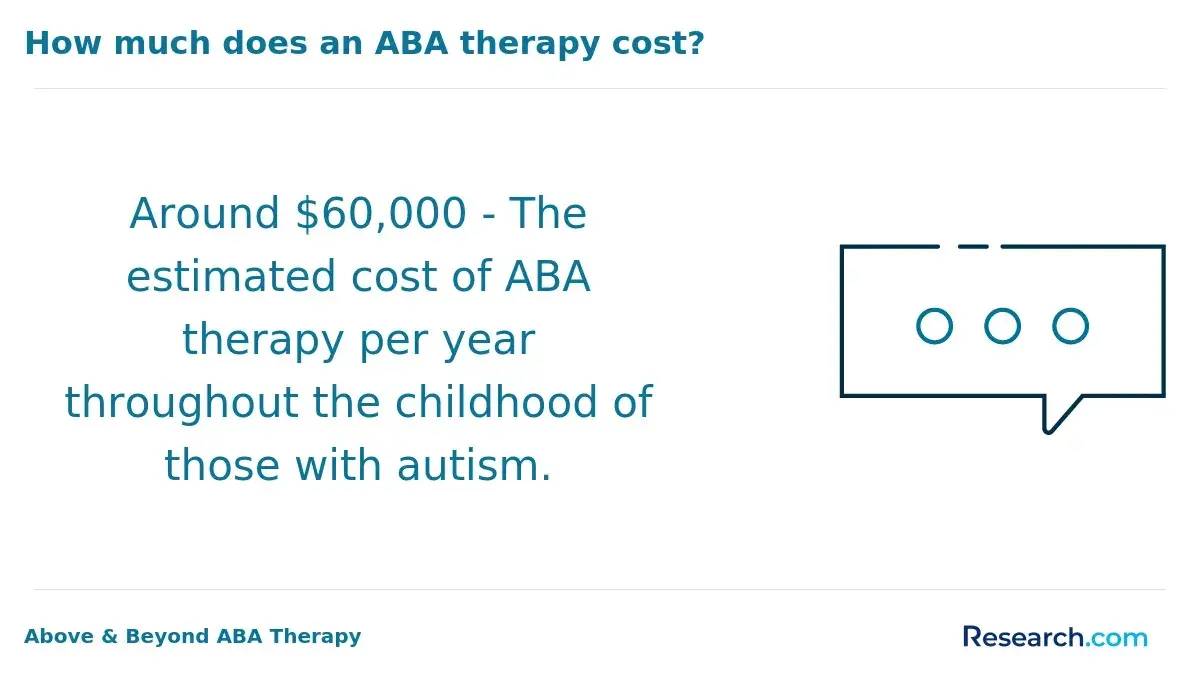
Tuition for BCBA programs varies widely, from around $15,000 up to over $50,000. Cost differences often reflect public versus private institutions, online versus in-person delivery, residency status, credit requirements, and university fees. A lower tuition price may still become expensive if supervision, travel, exam preparation, or repeated coursework adds costs.
Students should also budget for books, technology, application fees, background checks, supervision fees, exam preparation materials, and possible exam-related expenses. Some employers provide tuition assistance or supervision as part of a job, which can reduce out-of-pocket costs. Others expect students to pay for supervision separately.
Questions to ask before estimating total cost
- Is tuition charged by credit, term, or full program?
- Are university fees, technology fees, or practicum fees included?
- Does the program provide supervision, or must students pay an outside supervisor?
- Are exam preparation resources included in tuition?
- Can working students complete fieldwork at their current job site?
- What happens financially if a student needs to slow down or retake a course?
- Which scholarships, employer benefits, assistantships, or federal aid options are available?
| Cost or time factor | Why it matters |
| Enrollment pace | Full-time study may shorten the program, while part-time study can make work-life balance easier. |
| Fieldwork access | Slow or inconsistent supervision can extend the certification timeline even after coursework is complete. |
| Program format | Online programs may reduce commuting costs, while campus programs may provide more built-in support. |
| Supervision fees | These can be a major added expense if not included through the program or employer. |
| Exam preparation | Strong preparation can reduce the cost and delay associated with retaking the exam. |
Most BCBA graduate programs require a bachelor's degree from an accredited institution. Many applicants come from psychology, education, special education, human services, or related fields, but some programs accept students from unrelated undergraduate backgrounds if they can demonstrate readiness for graduate study.
Applicants from outside psychology, education, or behavior analysis may need prerequisite coursework in areas such as research methods, statistics, human development, behavior analysis, or learning theory. The purpose is to make sure students can handle graduate-level ABA coursework and understand the scientific basis of the field.
Typical application materials include official transcripts, letters of recommendation, a statement of purpose, a resume or CV, and sometimes an interview. Many programs look for a minimum GPA of around 3.0. GRE scores are occasionally required, though this is less common now.
Experience requirements vary. Some programs prefer applicants who have worked or volunteered in schools, clinics, autism services, residential programs, behavioral health agencies, or related settings. Others are designed for students who will build applied experience during the program. International students may need English proficiency tests such as TOEFL or IELTS and credential evaluations.
Students should confirm that the curriculum aligns with the BACB's 5th Edition Task List and supports eligibility for the BCBA exam. Admissions staff should be able to explain the course sequence, fieldwork expectations, supervision options, and any state-specific considerations.
Programs boasting 80%+ BCBA exam pass rates can offer a significant return on investment-200-300% within three years post-graduation. That said, students should evaluate such claims carefully by considering tuition, local salaries, completion rates, support services, and the likelihood of finishing fieldwork on time.
How to strengthen a BCBA graduate application
- Explain clearly why behavior analysis fits your career goals.
- Show evidence of academic readiness through strong grades or relevant prerequisites.
- Highlight experience with children, adults, people with disabilities, education, mental health, or behavioral services.
- Ask recommenders who can speak to your professionalism, ethics, writing ability, and reliability.
- Use your statement of purpose to show that you understand the demands of supervision, data-based practice, and certification.
- Contact admissions advisors before applying if your undergraduate major is unrelated.
The job outlook for Board Certified Behavior Analysts remains strong across healthcare, education, autism services, behavioral health, social services, and community-based programs. Employers seek BCBAs who can assess behavior, design intervention plans, supervise staff, train caregivers, analyze data, and document outcomes.
According to the Bureau of Labor Statistics, BCBA roles are expected to grow faster than average, reflecting increased recognition of behavior analysis interventions. Demand is especially visible in services for individuals with autism and developmental disabilities, school-based behavioral support, early intervention, and clinical programs that need qualified supervisors.
Strong demand does not mean the pathway is easy. The BCBA certification process remains challenging, and the exam pass rate dropped to just 25% in 2024. Candidates who delay exam preparation, choose weak supervision arrangements, or underestimate fieldwork documentation can face certification delays that affect job start dates.
Prospective students should plan around several employment realities:
- Certification delays can create employment gaps, so early supervisor guidance and structured study resources are important.
- Job availability varies by region, with urban and suburban areas often offering more opportunities than rural locations.
- Post-certification wages and job stability often increase quickly, especially in clinical and educational environments.
- Experience with diverse populations, including children with developmental disabilities and adults with behavioral challenges, can improve employability.
- Employers may prefer candidates who already understand documentation, insurance requirements, school systems, staff training, and family collaboration.
Students should use graduate training to build a practical portfolio, not just meet minimum eligibility rules. Strong fieldwork experiences, clear supervisor feedback, ethical decision-making, and experience with data systems can help a new BCBA stand out in a competitive hiring process.
Common BCBA employment settings
| Setting | Typical responsibilities |
| ABA clinics | Assess behavior, write treatment plans, supervise technicians, meet with families, and monitor progress. |
| Schools | Support behavior intervention plans, consult with teachers, train staff, and collaborate on student services. |
| Home and community services | Provide family-centered support and generalize behavior-change strategies across daily routines. |
| Healthcare and behavioral health agencies | Work with interdisciplinary teams and support clients with complex behavioral needs. |
| Organizational settings | Apply behavioral principles to staff performance, training, safety, and systems improvement. |
BCBA salaries vary by experience, employer, location, service model, supervision responsibilities, and local demand. Entry-level BCBAs nationally typically earn between $55,000 and $65,000 annually, while median salaries often rise to $75,000 or more with experience.
Geography can make a substantial difference. In higher-cost and high-demand markets such as California and New York, salaries often reach $80,000 to $90,000 or beyond. In rural or lower-cost states, offers may be closer to $50,000 to $60,000. A higher salary should always be compared with cost of living, caseload expectations, commute time, and benefits.
Work setting also affects compensation. Private healthcare facilities and corporate roles tend to offer salaries from $85,000 up to $100,000, especially when the position includes supervisory, administrative, or program leadership duties. Public schools and nonprofit organizations usually pay between $50,000 and $65,000, but may offer schedule stability, public benefits, or mission-driven work.
Program quality can influence how quickly graduates reach the job market. Graduates from high-pass-rate BCBA programs benefit from faster job placement, with data showing a 40% quicker employment rate for top 10% programs compared to those in the bottom 10%. Faster employment can support earlier income growth, but students should still compare tuition, debt, supervision quality, and local hiring conditions.
Salary factors to weigh before choosing a program or job
| Factor | How it can affect pay |
| Location | High-demand and high-cost areas often pay more, but living expenses may reduce the advantage. |
| Experience | New BCBAs usually earn less than those with proven supervisory and clinical leadership experience. |
| Employer type | Private healthcare and corporate roles may pay more than public schools or nonprofits. |
| Responsibilities | Caseload size, staff supervision, on-call expectations, travel, and documentation requirements affect the value of an offer. |
| Program outcomes | Programs with stronger exam preparation and placement support may help students enter paid BCBA roles sooner. |
When evaluating an ABA program, connect the salary question to the full return on investment: total tuition, supervision costs, time to completion, exam pass likelihood, local job openings, benefits, and long-term advancement opportunities.
Choosing a BCBA program starts with verification. Do not rely only on phrases such as “BACB-aligned” or “prepares students for certification.” Ask the program to show exactly how its coursework supports current BACB eligibility requirements and whether graduates have historically been eligible to sit for the exam.
Programs may be online, campus-based, or hybrid. Format should be a secondary decision after eligibility, fieldwork, student support, and outcomes. A convenient program is not a good investment if it leaves you uncertain about supervision, documentation, or exam readiness.
Confirm that supervised fieldwork can meet BACB requirements-usually 1,500 hours under a qualified BCBA supervisor. Some programs offer direct supervision or approved practicum relationships, while others require students to find their own supervisors. This distinction can affect both timeline and cost.
Program length and cost differ widely, ranging from one to three years. Students should compare tuition, fees, supervision costs, financial aid, scholarships, employer reimbursement, and whether the program allows part-time enrollment. Graduation rates and BCBA exam pass rates can help you evaluate how well the program supports students through completion and certification.
Faculty quality also matters. Look for instructors with applied experience, research engagement, ethical practice standards, and familiarity with the populations you want to serve. If you plan to work in schools, autism services, adult services, or organizational behavior management, ask whether the program offers relevant coursework, supervision, or electives.
Finally, verify state licensure requirements. Some states impose requirements beyond BACB standards, and these may affect coursework, supervised experience, exams, or professional practice. Contact program advisors and, when applicable, state licensing boards before enrolling.
BCBA program selection checklist
- Does the program clearly explain how graduates meet BACB coursework requirements?
- Are BCBA exam pass rates published or available on request?
- Who is responsible for finding supervised fieldwork placements?
- Are supervisors included, recommended, or separately paid?
- Can working students complete fieldwork at their current job?
- What student support is available for advising, hour tracking, ethics questions, and exam preparation?
- How much will the program cost after tuition, fees, books, supervision, and exam preparation?
- Does the program meet or support state-specific licensure requirements where you plan to work?
What professional certifications and continuing education requirements apply after earning your BCBA?
Earning the BCBA credential is not the end of professional responsibility. Certificants must maintain the credential through continuing education, ethical practice, renewal deadlines, and any additional state or employer requirements that apply to their role.
The Behavior Analyst Certification Board requires renewal every two years. Certificants must complete 32 continuing education units, including at least 4 focused on ethics and professional conduct. The remaining 28 units may cover topics such as advanced assessment, supervision, research methods, intervention procedures, cultural responsiveness, documentation, or specialty practice areas.
Renewal typically involves documenting completed continuing education and paying a renewal fee. Missing requirements can lead to inactive status or loss of certification, which may limit employment, billing eligibility, supervision authority, or advancement opportunities.
State requirements can add another layer. Some states require a behavior analyst license or related professional authorization in addition to BCBA certification. These rules may include separate applications, fees, background checks, jurisprudence exams, continuing education, or practice restrictions. Employers may also require training in mandated reporting, crisis prevention, data privacy, or organization-specific procedures.
Some BCBAs pursue additional specialization in areas such as autism services, organizational behavior management, supervision, ethics, severe behavior, or school consultation. Specialization can be useful as the field becomes more competitive, especially considering a 50% increase in certificants between 2021 and 2025.
How to stay compliant after certification
- Track continuing education units as you earn them instead of waiting until renewal season.
- Keep certificates, agendas, provider information, and completion records in one organized file.
- Plan ethics continuing education early so the 4-unit requirement is not rushed.
- Review state licensure rules annually, especially if you move or provide telehealth services.
- Choose continuing education that strengthens your actual practice area, not just the easiest available option.
- Confirm whether your employer has additional training, documentation, or supervision requirements.
A strong post-certification plan protects your credential and improves your professional value. The best BCBAs treat continuing education as a way to improve client outcomes, supervision quality, and ethical judgment rather than simply a renewal obligation.
Other Things You Should Know About Applied Behavior Analysis
Most BCBA programs require a bachelor’s degree and prerequisite coursework in behavior analysis or psychology. To qualify for BACB certification, applicants must complete graduate-level coursework from an accredited or approved program and meet the Behavior Analyst Certification Board’s verified course sequence and fieldwork requirements.
In 2027, students entering a BCBA program may find navigating the rapid integration of technology in ABA practices challenging, requiring them to adapt quickly to new digital assessment and intervention tools. Additionally, balancing rigorous coursework with practical experience demands time management and resilience.
Supervision is a mandatory component of BCBA training hours, providing trainees with essential guidance and feedback. It ensures that candidates properly apply behavior-analytic principles while delivering services. Quality supervision helps consolidate skills and prepares candidates to meet certification requirements confidently.
Professionals in applied behavior analysis often encounter challenges such as managing diverse client needs and adapting interventions to different settings. They may face high caseloads and the emotional demands of working with individuals with complex behavioral issues. Staying current with research and balancing administrative duties further adds to the profession's demands.
- The Rate of Job Growth for BCBAs (In 2023) https://www.crossrivertherapy.com/behavioral-analysts/job-growth
- 40+ Best Online ABA Masters Programs [for 2025] https://abamastersprograms.org/online-aba-masters-programs/
- BCBA Programs & Schools | Double Cara ABA Blog https://doublecareaba.com/post/bcba-programs-schools
- BCBA Certification Guide: Requirements & Timeline (2026) https://certifyndaba.com/blog/aba-certification/bcba-certification-guide
- BCBA Certification Without a Master’s Degree | Little Champs https://littlechampsaba.com/blog/bcba-without-masters-degree/
- Continuing Education – Behavior Analyst Supervisor https://behavioranalystsupervisor.com/bcba-exam-prep-4/
- Master of Science in Applied Behavior Analysis (ABA) https://tsengcollege.csun.edu/programs/ABA/admission-requirements
- Investigating the Best BCBA Programs & Schools - Big Dreamers ABA https://www.bigdreamersaba.com/blog/bcba-programs-and-schools
- “I’m in an ABA Graduate Program … Now What?” https://www.hopebridge.com/blog/fieldwork-hours-for-aba-graduate-students/
- BCBA Programs & Schools | Advanced Therapy Clinic https://www.advancedtherapyclinic.com/blog/bcba-programs-schools