2027 What Is Applied Behavior Analysis (ABA) & Why It Matters

Co-Founder and Chief Data Scientist
Choosing a path in applied behavior analysis (ABA) means understanding both the science and the day-to-day work. ABA is not simply a therapy format; it is a data-based approach for identifying why behavior happens, teaching useful skills, and reducing behaviors that interfere with safety, learning, communication, or independence.
The field matters because demand for qualified ABA professionals continues to grow in schools, clinics, homes, community programs, and organizational settings. With approximately 66% of children referred for ABA therapy in the U.S. starting treatment, families and service providers need practitioners who can deliver ethical, individualized, evidence-based support.
This guide explains what ABA is, how it works, who it helps, what BCBAs do, which qualifications matter, where ABA professionals work, and what challenges and career prospects aspiring practitioners should consider before entering the field.
Key Things You Should Know About Applied Behavior Analysis & Why It Matters
- About 20% of ABA professionals work in professional or organizational settings, applying behavior analysis to improve performance and workflow.
- There are roughly 48,300 openings per year in related behavioral counseling fields, reflecting demand driven by both growth and workforce replacement.
- Candidates must complete 1,500–2,000 hours of supervised experience to qualify for BCBA certification, ensuring practical, hands-on training.
What is applied behavior analysis, and how does it work?
Applied behavior analysis is the scientific study and application of learning and behavior principles to improve meaningful outcomes. In practice, ABA helps practitioners understand the relationship between what happens before a behavior, the behavior itself, and what happens afterward. That pattern is often described as antecedent, behavior, and consequence.
ABA works by defining behavior in observable terms, collecting data, identifying why the behavior may be occurring, and then using structured interventions to teach replacement skills or strengthen helpful behaviors. The goal is not simply to stop a behavior. A strong ABA plan helps a person communicate, learn, participate, and function more safely and independently.
Core parts of ABA practice
- Behavioral assessment: Practitioners identify what triggers or maintains a behavior, including environmental factors, communication needs, sensory factors, or access to attention, items, or escape from difficult tasks.
- Measurable goals: ABA goals are written so progress can be observed and tracked, such as increasing independent requests, completing daily living routines, or reducing unsafe behavior.
- Individualized intervention: Plans are tailored to the client’s needs, strengths, preferences, age, communication style, and setting.
- Positive reinforcement: Desired skills are strengthened by meaningful consequences, such as praise, preferred activities, access to choices, or other reinforcers that matter to the individual.
- Data-based decisions: Practitioners collect and review data to determine whether an intervention is working or needs adjustment.
- Skill generalization: Effective ABA plans help clients use skills across people, places, and situations, not only during therapy sessions.
- Caregiver and team collaboration: Parents, teachers, caregivers, and other professionals often help reinforce skills and maintain consistency outside formal sessions.
ABA is commonly associated with autism services, but the method can also apply to education, developmental disability services, behavioral health, safety training, and organizational behavior management. For students comparing professional training options, understanding ABA’s scientific foundation is a useful first step before exploring pathways such as online BCBA masters programs.
What are the seven dimensions of applied behavior analysis?
The seven dimensions of ABA describe what high-quality behavior-analytic work should look like. They help distinguish ABA from informal behavior management by requiring interventions to be practical, measurable, research-based, and effective in real life.
- Applied: The intervention focuses on behaviors that matter in the client’s daily life, such as communication, safety, classroom participation, social interaction, self-care, or independence.
- Behavioral: The target behavior must be observable and measurable. Instead of vague goals like “improve attitude,” ABA uses specific behaviors such as “requests help using words, signs, or a device.”
- Analytic: Practitioners use data to show that the intervention is responsible for behavior change, rather than assuming improvement happened by chance.
- Technological: Procedures are written clearly enough that another trained professional could implement them consistently.
- Conceptually Systematic: Interventions are connected to established behavioral principles, such as reinforcement, prompting, shaping, extinction, or stimulus control.
- Effective: The change must be meaningful, not merely statistically visible. A successful plan should improve the client’s functioning or quality of life.
- Generality: Skills should last over time and transfer across settings, people, and related behaviors. For example, a child who learns to request a break in therapy should also be able to use that skill at school or home.
For future practitioners, these dimensions are more than exam terms. They guide ethical decision-making, treatment planning, supervision, documentation, and evaluation. They are also foundational concepts in training routes such as BCBA master's programs online.
Who benefits from ABA therapy?
ABA can benefit people who need structured support to build skills, reduce harmful behavior, or improve functioning across daily environments. The best candidates are not defined by one diagnosis alone; they are individuals whose goals can be translated into measurable, teachable behaviors.
- Children with Autism Spectrum Disorder (ASD): ABA is widely used to support communication, social engagement, adaptive skills, learning readiness, and reduction of behaviors that interfere with safety or participation.
- Individuals with developmental disabilities: ABA can help build daily living skills, independence, functional communication, safety routines, and community participation.
- Students with behavioral challenges: In schools, ABA-informed strategies can support classroom behavior, attention to tasks, transitions, peer interaction, and individualized behavior intervention plans.
- Adults with behavioral or mental health needs: ABA strategies may support habit change, functional routines, workplace behaviors, social skills, and behavior patterns related to ADHD, anxiety, or other concerns.
- Families and caregivers: Caregivers benefit when they learn practical strategies for prompting, reinforcement, communication support, and consistent responses to challenging behavior.
- Organizations and workplaces: ABA principles can be used in organizational behavior management to improve performance, training, safety compliance, and workflow efficiency.
How to decide whether ABA is appropriate
ABA may be a good fit when goals are specific, observable, and important to the person’s daily life. It is less appropriate when a provider ignores client preferences, uses rigid protocols without individualization, or focuses only on compliance rather than skill-building, autonomy, safety, and quality of life. Families and students evaluating the field should look for programs and providers that emphasize ethical practice, collaboration, and measurable outcomes, including training options such as BCBA certification schools.
What is the role of a board certified behavior analyst?
A board certified behavior analyst, or BCBA, is responsible for assessing behavior, designing intervention plans, supervising implementation, reviewing data, and ensuring that services are ethical and effective. BCBAs often work with clients directly, but a major part of the role is clinical leadership: making decisions about what should be done, why it should be done, and whether it is working.
- Assessment and evaluation: BCBAs conduct assessments, including functional behavior assessments, to understand the purpose a behavior may serve and what skills need to be taught.
- Program design: They create individualized behavior intervention plans and skill-acquisition programs based on client goals, assessment results, and evidence-based ABA principles.
- Supervision of staff: BCBAs train and supervise behavior technicians and other team members to ensure interventions are implemented correctly and consistently.
- Data collection and analysis: They review data to determine whether a plan is producing meaningful progress and make changes when the data show limited improvement.
- Family and caregiver training: BCBAs coach parents, teachers, and caregivers so strategies can be used across home, school, community, and clinical settings.
- Ethical compliance: They ensure interventions follow the BACB Professional and Ethical Compliance Code and protect client dignity, safety, privacy, and choice.
In practical terms, a BCBA must balance science, communication, supervision, documentation, and ethical judgment. Strong technical knowledge is not enough; the role also requires collaboration with families, schools, medical providers, and direct-care staff.
What qualifications do ABA professionals need?
ABA qualifications depend on the role. Entry-level technicians, assistant behavior analysts, and BCBAs have different education, supervision, and certification requirements. Anyone planning an ABA career should verify current certification and state requirements before enrolling in a program, because licensure and practice rules can vary by location.
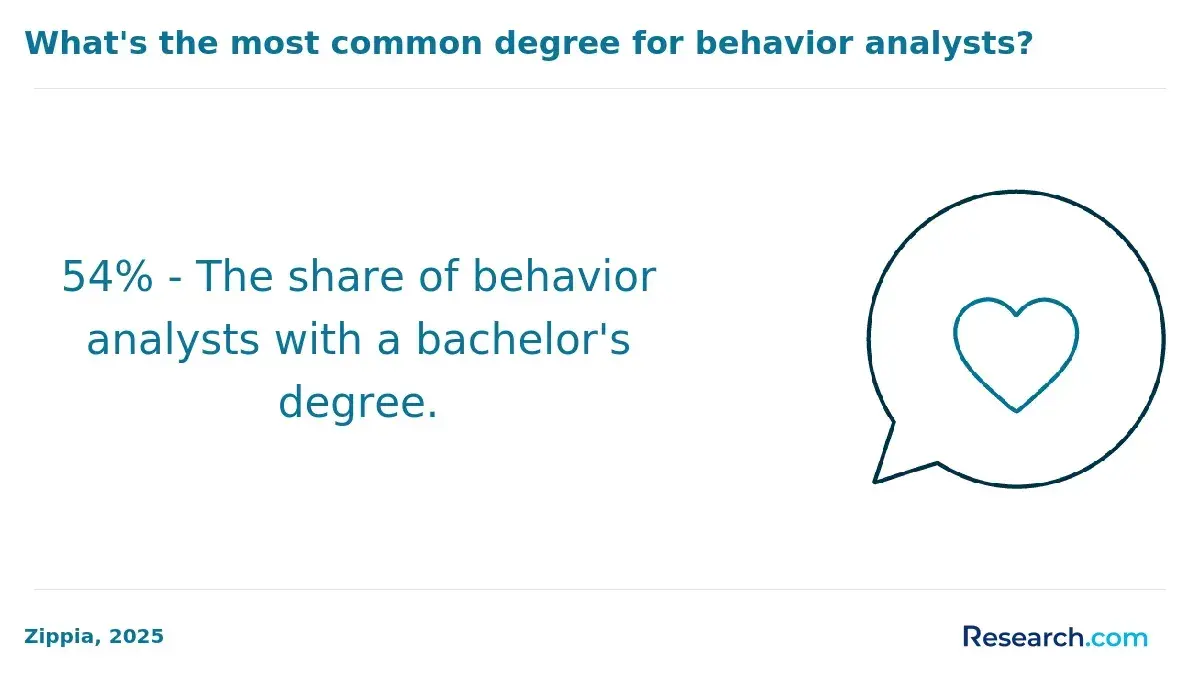
- Relevant degree: Many ABA professionals hold a bachelor’s or master’s degree in psychology, education, applied behavior analysis, special education, or a related field.
- BACB-approved coursework: Certification pathways typically require coursework aligned with the Verified Course Sequence, covering behavioral assessment, intervention, ethics, measurement, supervision, and data analysis.
- Supervised fieldwork: Candidates complete 1,500–2,000 hours of supervised practical experience, applying ABA principles under the guidance of a certified BCBA.
- BCBA or BCaBA certification: Professionals may pursue certification through the BACB, which includes meeting education and fieldwork requirements and passing an exam that measures knowledge of ABA principles and practice.
- Continuing education: Certified professionals must complete ongoing education, including ethics and professional development requirements, to maintain competence and stay current.
- Specialized training: Some roles may require additional preparation in areas such as autism services, severe behavior, feeding, early intervention, school consultation, or organizational behavior management.
What to check before choosing a training program
- Accreditation and recognition: Confirm that the institution and program meet the requirements relevant to your intended credential and location.
- Fieldwork support: Ask whether the program helps students find supervised placements or whether students must arrange supervision independently.
- Faculty experience: Look for instructors with practical ABA experience, research expertise, and familiarity with current ethical standards.
- Exam preparation: Review how the curriculum supports certification exam readiness without relying only on test-prep materials.
- Flexibility: Working adults may need online, hybrid, part-time, or evening formats, including options such as online ABA masters programs.
Where do ABA therapists typically work?
ABA therapists and behavior analysts work wherever behavior change, skill development, and performance improvement are important. The right setting affects caseload, schedule, supervision, client population, documentation demands, and long-term career options.
- Health Care (29%): Many ABA professionals work in clinics, hospitals, autism centers, or private practices, providing therapy and behavior support for individuals with autism, developmental disabilities, or behavioral disorders.
- Education (21%): Schools employ ABA professionals to support students with special needs, design behavior intervention plans, train staff, and collaborate with teachers, special educators, and families.
- Professional Services (20%): Some practitioners apply ABA principles in consulting, corporate training, performance improvement, safety programs, and workflow design.
- Nonprofit Organizations (9%): ABA professionals may work in community programs, advocacy organizations, residential services, or specialized programs supporting underserved populations.
- Government Agencies (8%): Opportunities may exist in public health, social services, juvenile programs, disability services, or publicly funded behavioral support programs.
How work settings differ
- Clinics often provide structured environments, team-based supervision, and regular access to materials and colleagues.
- Homes and communities can improve generalization but may require travel, flexible scheduling, and strong caregiver collaboration.
- Schools require coordination with educational goals, classroom routines, individualized education plans, and school staff.
- Organizations may focus less on therapy and more on systems, training, safety, productivity, and performance outcomes.
Students should consider not only where jobs are available, but also which setting matches their strengths. A practitioner who enjoys direct family coaching may prefer home-based services, while someone interested in systems-level change may prefer school consultation or organizational behavior management.
What are common misconceptions about ABA?
ABA is often discussed in simplified or outdated ways. Some criticism reflects poor implementation rather than the core science; other concerns highlight real ethical issues that modern practitioners must take seriously. Understanding the difference helps families choose better services and helps future professionals practice responsibly.
1. ABA is only for autism
ABA is strongly associated with autism services, but it is not limited to autism. The principles can apply to developmental disabilities, education, behavioral health, safety training, caregiver coaching, and workplace performance. The unifying feature is not the diagnosis; it is the use of measurable behavior goals and data-based intervention.
2. ABA is punitive
Contemporary ABA should emphasize positive reinforcement, skill-building, prevention, and respect for the client. Ethical practice does not rely on harsh punishment or coercion. When a behavior is reduced, the plan should also teach a safer or more functional replacement behavior.
3. ABA is a one-size-fits-all approach
Good ABA is individualized. A plan should reflect the client’s communication style, preferences, culture, family priorities, age, learning history, and environment. Programs that use identical goals or procedures for every client should raise concerns.
4. ABA is only for children
ABA can be used across the lifespan. Adults may benefit from support with independent living, employment routines, social functioning, health-related habits, safety skills, or workplace performance.
5. ABA lacks scientific support
ABA is grounded in behavioral science and uses observation, measurement, and data analysis to evaluate outcomes. However, scientific support does not remove the need for ethical judgment. Interventions should still be socially meaningful, respectful, individualized, and acceptable to the client and caregivers.
What are the ethical considerations in ABA practice?
Ethics are central to ABA because interventions can affect communication, autonomy, daily routines, family life, and access to services. A technically effective plan is not enough if it ignores dignity, consent, cultural context, or the client’s quality of life.
- Client dignity and respect: Interventions must protect the individual’s rights, preferences, privacy, and autonomy. Goals should improve the client’s life, not simply make life easier for others.
- Evidence-based practice: ABA techniques should be supported by behavioral science and selected because they fit the client’s needs, not because they are convenient or familiar.
- Informed consent: Clients or guardians should understand the goals, procedures, expected benefits, risks, alternatives, and data practices before services begin.
- Assent and participation: Ethical practitioners should attend to signs of willingness, discomfort, refusal, and preference, especially when working with clients who communicate nonverbally or use alternative communication.
- Data integrity: Accurate data collection and honest reporting are necessary for evaluating progress and making responsible treatment decisions.
- Confidentiality: ABA professionals must protect client information and follow applicable privacy requirements in clinical, school, home, and organizational settings.
- Supervision and competence: Practitioners should work within the limits of their training and seek supervision or referral when a case requires expertise they do not have.
- Cultural sensitivity: Goals and procedures should respect the client’s cultural, linguistic, family, and community context.
- Least restrictive effective intervention: Ethical ABA favors supportive, skill-building approaches and avoids unnecessarily restrictive procedures.
For aspiring professionals, ethics should influence every career decision: program selection, supervision arrangements, employer choice, documentation habits, and willingness to question ineffective or inappropriate practices.
What are common challenges in ABA therapy?
ABA can produce meaningful progress, but it is not effortless. The most common challenges involve consistency, access, time, team coordination, and the complexity of real human behavior. Recognizing these barriers early helps families and practitioners set realistic expectations.
- Complex client needs: Many clients have overlapping behavioral, developmental, medical, communication, or mental health needs. Plans often require coordination with other professionals.
- Consistency across settings: A strategy that works in a clinic may not automatically transfer to home, school, or community settings without training and practice.
- Time-intensive process: ABA requires assessment, planning, data collection, implementation, review, and adjustment. Families and practitioners should expect progress to vary by goal and context.
- Caregiver involvement: Outcomes often improve when caregivers understand the plan and can apply strategies consistently, but time, stress, work schedules, and limited resources can make participation difficult.
- Professional burnout: High caseloads, emotionally demanding work, travel, documentation, and staffing shortages can contribute to burnout among ABA therapists and supervisors.
- Access and affordability: ABA services may be difficult to obtain in some areas, and cost can be a barrier. Insurance coverage, public programs, school-based services, and financial aid options may affect access.
- Implementation quality: Poor training, weak supervision, inconsistent data collection, or overly rigid protocols can reduce effectiveness and undermine trust.
How to reduce common ABA barriers
- Set clear priorities: Focus first on goals that improve safety, communication, independence, or daily functioning.
- Review data regularly: If progress stalls, the team should adjust the plan rather than continue the same procedure indefinitely.
- Train across settings: Skills should be practiced with different people and in different environments when appropriate.
- Support caregivers: Strategies should be realistic for the family’s routine, resources, and capacity.
- Protect practitioner sustainability: Employers and supervisors should monitor caseloads, provide training, and create systems that reduce burnout.
What are job growth projections for ABA careers?
Job prospects for ABA professionals are strong because ABA is used in healthcare, education, community services, and other settings that need behavior support and skill-building expertise. Employment of professionals holding BCBA or BCBA‑D credentials is projected to grow 14%, much faster than the average for all occupations.
Demand is supported by expanded recognition of ABA services, continued need for autism and developmental disability supports, and growing use of behavior-analytic methods in schools, clinics, and community programs. On average, there are about 48,300 openings per year in related behavioral counseling fields, many of which result from workforce replacement as professionals retire or move to other occupations.
What this means for aspiring ABA professionals
- Credentials matter: Employers often look for candidates who meet certification, supervision, and state practice requirements.
- Experience matters: Fieldwork with strong supervision can be as important as coursework because ABA is a hands-on profession.
- Setting matters: Clinics, schools, home-based providers, community agencies, and professional services firms may offer very different responsibilities and career paths.
- Ethical practice matters: As demand grows, employers and practitioners must avoid shortcuts in supervision, documentation, assessment, and client-centered care.
For students comparing ABA careers, the strongest preparation combines rigorous coursework, high-quality supervised fieldwork, exam readiness, and a clear understanding of the populations and settings they want to serve.
Other Things You Should Know About Applied Behavior Analysis & Why It Matters
ABA practitioners follow the BACB Ethics Code, which requires informed consent, client dignity, data-based decision-making, and protection from harmful procedures. Clinicians must also document progress, supervise assistants appropriately, and use the least restrictive, evidence-based interventions to support meaningful behavior change.
In 2027, Applied Behavior Analysis (ABA) remains vital as it offers evidence-based strategies to improve socially significant behaviors. It helps individuals—especially those with autism—develop essential skills, leading to better quality of life and increased independence. Its importance lies in tailored interventions that address unique behavioral needs, ensuring effective outcomes.
References
- Behavior Analyst Certification Board. (2023). US employment demand for behavior analysts: 2010–2022. Littleton, CO: Author. Retrieved from BACB
- Behavior Analyst Certification Board. (n.d.). Board certified behavior analyst (BCBA) – overview. Retrieved from BACB
- Behavior Analyst Certification Board. (2022, January). BCBA Handbook. Retrieved from BACB
- Behavior Analyst Certification Board. (2022, January). BCBA compliance code and code enforcement system. Retrieved from BACB
- Association for Behavior Analysis International. (n.d.). Verified course sequence directory. Retrieved from ABAI
- Bureau of Labor Statistics. (n.d.). Substance abuse, behavioral disorder, and mental health counselors. Retrieved from BLS
- EducationData.org. (n.d.). Student loan debt statistics. Retrieved from EducationData.org
- Zippia. (n.d.). Behavior analyst demographics and statistics in the US. Retrieved from Zippia