
2027 How to Become a CPS Worker: Education, Salary, and Job Outlook

Co-Founder and Chief Data Scientist
Choosing a Child Protective Services (CPS) career means choosing work where decisions can affect a child’s immediate safety, a family’s future, and a court’s understanding of risk. CPS workers respond to reports of suspected abuse or neglect, interview children and caregivers, assess home environments, document evidence, coordinate services, and recommend next steps to protect children while supporting family stability whenever possible.
This guide is for students, career changers, and human services professionals who want a realistic view of the path into CPS work. It explains the credentials agencies commonly expect, the skills that matter on the job, how careers typically progress, what salary information can and cannot tell you, where to look for experience, and how to decide whether the emotional and practical demands of the role fit your strengths.
What are the benefits of becoming a CPS worker?
- The job outlook for CPS workers is projected to grow 9% by 2025, reflecting increasing demand for child protection services nationwide.
- Average annual salary ranges from $40,000 to $60,000, varying by location and experience, offering financial stability.
- A career in CPS provides meaningful impact opportunities, strong job security, and paths for professional advancement in social services.
What credentials do you need to become a CPS worker?
Most CPS agencies expect candidates to have at least a bachelor’s degree, relevant human services training, and the ability to meet state or agency-specific hiring requirements. Exact credentials vary by state, county, job title, and whether the position involves investigation, ongoing case management, supervision, or clinical services.
The most common credential path includes the following:
- Bachelor's Degree: Entry-level CPS positions typically require a bachelor's degree in social work (BSW) or a closely related field such as psychology, sociology, counseling, criminal justice, or human services. A BSW is especially useful because it usually includes coursework in social welfare policy, interviewing, ethics, case management, and field practice.
- Master of Social Work (MSW): An MSW is often preferred, and in some agencies it is required for advanced, supervisory, clinical, or specialized roles. MSW programs generally include advanced coursework and field placements that can be aligned with child welfare, trauma, family systems, or behavioral health.
- State Licensure or Certification: Licensure requirements differ widely. Some CPS roles do not require clinical licensure at entry, while advanced roles may require state social work licensure. For example, California requires becoming a Licensed Clinical Social Worker (LCSW) for advanced positions, which entails earning an MSW and completing a licensure exam.
- Specialized Training: Agencies may require training in forensic interviewing, mandated reporting, trauma-informed care, domestic violence, substance abuse, child development, safety assessment, crisis intervention, and court documentation. Some training is completed after hiring through the agency’s onboarding process.
- Continuing Education: CPS practice changes as laws, court expectations, risk assessment tools, and evidence standards evolve. Continuing education helps workers maintain compliance and strengthen judgment in complex cases.
Before choosing a degree, review job postings from the state or county where you plan to work. Compare the minimum qualifications for investigator, family services worker, ongoing caseworker, and supervisor roles. If you are still early in your education planning, you can also compare flexible pathways, including research the best accelerated associate degrees, while keeping in mind that most CPS caseworker roles require education beyond the associate level.
What skills do you need to have as a CPS worker?
CPS work requires more than compassion. Workers must make safety decisions using incomplete information, communicate with people under stress, document facts clearly, and coordinate with courts, schools, healthcare providers, law enforcement, and community agencies. The strongest candidates combine emotional steadiness with practical investigative and administrative skills.
- Investigative skills: CPS workers must gather information through interviews, home visits, collateral contacts, records review, and observation. The goal is not to prove assumptions but to evaluate safety, risk, protective factors, and the credibility of available information.
- Legal and regulatory knowledge: Workers need to understand mandated reporting laws, confidentiality rules, child welfare statutes, agency policy, court timelines, and the limits of their authority. Strong legal awareness reduces errors that can affect children, families, and court outcomes.
- Documentation and reporting: Case notes, assessment summaries, safety plans, and court reports must be factual, timely, and specific. Poor documentation can weaken a case even when the worker made sound field decisions.
- Case management: CPS workers often manage competing deadlines, urgent safety concerns, service referrals, family meetings, and court requirements. Prioritization is essential because not every task carries the same level of risk.
- Crisis intervention: Workers may encounter volatile home environments, distressed children, angry caregivers, or emergency placement needs. De-escalation and calm decision-making are critical.
- Service planning: Effective workers identify what must change for a child to be safe and connect families with appropriate services, such as parenting support, substance abuse treatment, mental health care, housing resources, or domestic violence services.
- Data analysis: CPS decisions require reviewing reports, prior history, medical information, school records, police reports, and service provider input. Workers must separate relevant evidence from noise.
- Communication: The role demands clear writing, careful listening, direct questioning, and the ability to explain difficult decisions to families, attorneys, judges, supervisors, and partner agencies.
- Cultural competency: Workers must recognize how culture, poverty, disability, language, immigration status, and family structure can shape a case. Cultural responsiveness helps prevent bias while still keeping child safety central.
One common mistake is assuming that being “good with people” is enough. CPS workers also need disciplined judgment, strong boundaries, and the ability to stay professional when clients are frightened, angry, ashamed, or resistant. Training, supervision, field experience, and reflective practice are essential for building these skills over time.
What is the typical career progression for a CPS worker?
CPS careers usually begin with direct practice: investigations, safety assessments, service coordination, documentation, and court-related work. Over time, workers may move into specialized caseloads, senior casework, supervision, training, policy, program management, or related child welfare roles.
| Career stage | Typical responsibilities | What helps you advance |
| Entry-level CPS worker | Conducts initial assessments under supervision, learns agency policy, completes case documentation, and develops crisis response skills. | Strong field training, accurate documentation, reliable follow-through, and openness to supervision. |
| After 1-2 years | Handles a fuller caseload, prepares service plans, coordinates referrals, participates in family meetings, and may provide court testimony. | Time management, sound risk assessment, court readiness, and effective collaboration with community providers. |
| With 2-7 years of experience | May take on complex cases, mentor newer workers, participate in agency committees, or specialize in areas such as forensic interviewing or substance abuse. | Specialized training, consistent case outcomes, leadership potential, and strong professional judgment. |
| Senior or lead CPS worker | Guides team practice, reviews case decisions, supports difficult investigations, and helps improve unit processes. | Demonstrated expertise, credibility with peers, and the ability to coach without taking over cases. |
| Supervisor or manager | Oversees staff, monitors policy compliance, reviews safety decisions, manages workloads, and supports staff development. | Leadership training, an MSW in many settings, supervisory readiness, and skill in balancing safety, policy, and staff well-being. |
Some CPS professionals remain in direct service because they value fieldwork and family contact. Others pursue a Master of Social Work (MSW) to qualify for higher-level roles, clinical licensure pathways, program leadership, or specialized positions. Lateral options may include family therapy, child advocacy, foster care and adoption services, policy advocacy, nonprofit management, training, or quality assurance.
Career growth in CPS is not only about title changes. Workers who build expertise in court practice, safety planning, trauma-informed care, domestic violence, substance use, and family engagement often become more effective and more competitive for advancement.
How much can you earn as a CPS worker?
CPS pay varies by agency, state, local budget, union structure, education level, licensure, overtime rules, and job classification. Salary figures should be treated as planning estimates rather than guarantees, because a CPS investigator, ongoing caseworker, supervisor, and clinical child welfare social worker may be paid under different systems.
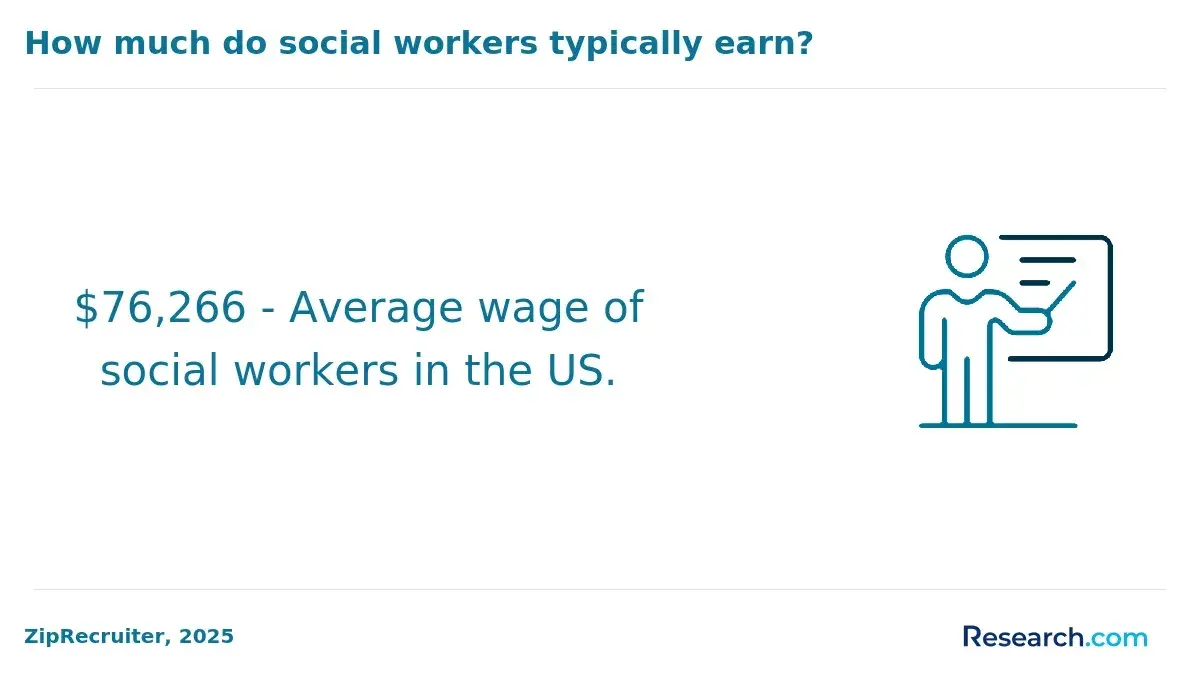
How much can you earn as a CPS worker? The average annual salary in the U.S. is approximately $78,890, or about $37.93 per hour. Entry-level positions start around $60,000, while seasoned professionals in the top 10% can earn more than $115,500 annually.
Salaries vary widely by state and city, with CPS worker salary in Florida 2025 estimated similarly to national averages, but lower-paying cities like Chicago, Illinois offer about $56,820. In contrast, the highest paying states for CPS workers include Iowa and California, with averages near $110,760 and $77,050 respectively.
| Factor | How it can affect earnings |
| Experience | Pay often rises as workers move from entry-level roles into full caseloads, senior casework, supervision, or program management. |
| Education | An MSW can support eligibility for advanced practice, supervisory, or specialized roles, depending on agency requirements. |
| Licensure | Clinical or advanced social work licensure may be required for certain higher-level or healthcare-adjacent positions. |
| Location | State and local budgets, cost of living, and agency staffing needs can create large pay differences. |
| Specialization | Skills in forensic interviewing, medically complex cases, domestic violence, substance abuse, or court-focused work may improve competitiveness for advanced roles. |
When comparing offers, look beyond base pay. Consider overtime expectations, on-call duties, mileage reimbursement, safety policies, health insurance, retirement benefits, tuition support, supervision quality, and caseload levels. A higher salary may not be the better choice if the workload is unsustainable.
If you are planning the education needed to qualify for higher-paying roles, reviewing flexible admissions options such as what is the best open enrollment college to attend can help you compare programs that fit your schedule and long-term career goals.
What internships can you apply for to gain experience as a CPS worker?
Internships and field placements are one of the best ways to test whether CPS work fits you before committing to a full-time role. A strong placement exposes you to child welfare documentation, family engagement, court processes, safety planning, and multidisciplinary collaboration while still providing supervision and learning structure.
- Government agencies: State departments of social services often offer internships or field placements tied to child protective services, family preservation, foster care, or ongoing case management. Students may observe intake, assessment, home visits, team meetings, and service planning, depending on agency rules and confidentiality requirements.
- Child welfare organizations: Community-based child welfare agencies can provide experience with family support, reunification services, foster care, permanency planning, and case documentation. These placements help students understand how services continue after an initial safety decision.
- Healthcare settings: Children's hospitals and clinics may offer medical social work internships where students learn how illness, injury, neglect concerns, caregiver stress, and mandated reporting intersect. These settings build assessment and communication skills in high-pressure environments.
- Nonprofit child advocacy groups: Child advocacy centers and victim service organizations may expose interns to trauma-informed care, forensic interviewing processes, multidisciplinary team coordination, and support services for children and families involved in investigations.
When evaluating an internship, ask what you will be allowed to observe, whether you will receive regular supervision, how confidentiality is handled, and whether the placement includes exposure to documentation and interagency collaboration. A placement that only involves administrative support may still be useful, but it may not fully prepare you for CPS fieldwork.
Students who plan to continue into graduate education can also compare options among the highest paying masters programs, especially if they are weighing the cost of an MSW or related graduate degree against long-term advancement goals.
How can you advance your career as a CPS worker?
Advancement in CPS usually follows one of two paths: becoming a stronger specialist in direct child welfare practice or moving into leadership, supervision, training, policy, or program management. Both paths require more than tenure. Agencies look for workers who make sound decisions, document well, manage pressure, collaborate effectively, and help improve practice.
- Obtain Advanced Degrees and Certifications: Earning a Master of Social Work (MSW) can improve eligibility for supervisory, administrative, specialized, or licensure-track roles. Certifications or formal training in trauma-informed care, forensic interviewing, substance abuse, domestic violence, motivational interviewing, and child welfare law can also strengthen your advancement profile.
- Specialize in Emerging or Traditional Expertise Areas: Developing expertise in child welfare data analytics, forensic interviewing, substance abuse, medically complex cases, domestic violence, permanency planning, or family preservation can make you valuable beyond a generalist caseload. Specialization is especially useful when agencies create expert units, training roles, or quality improvement positions.
- Develop Professional Networks and Find Mentors: Strong CPS careers are rarely built in isolation. Seek mentors who can help you handle court testimony, high-risk cases, ethical dilemmas, and career decisions. Join agency committees, multidisciplinary teams, and professional groups to build visibility and leadership experience.
To prepare for promotion, document your own professional growth. Keep a record of trainings completed, complex case experience, committee work, mentorship roles, policy projects, and outcomes you helped improve. When applying for lead or supervisory positions, concrete examples are more persuasive than general claims about dedication.
Where can you work as a CPS worker?
CPS workers are most commonly employed by public child welfare agencies, but the broader child protection field includes nonprofits, hospitals, schools, foster care organizations, and advocacy centers. The right workplace depends on whether you want investigative authority, ongoing family work, clinical services, advocacy, permanency planning, or prevention-focused support.
- State Departments of Social Services: Many CPS workers are employed by state agencies. For example, the Texas Department of Family and Protective Services (DFPS) offers positions in investigative and family-based services focused on child safety and family support.
- Local County Offices: In some states, CPS is administered through county offices. These roles may involve close coordination with local courts, schools, law enforcement, service providers, and community organizations.
- Children's Advocacy Centers: Nonprofits like the Children's Advocacy Center for North Texas focus on coordinated responses to child abuse allegations, including forensic interviewing, victim support, and multidisciplinary collaboration. These settings may appeal to workers interested in child advocacy center careers in Tennessee and beyond.
- Adoption and Foster Care Agencies: Organizations such as Upbring support children and families involved in foster care, adoption, kinship care, and permanency services. These roles may involve placement stability, caregiver support, reunification, or permanency planning.
- Hospitals and Clinics: Healthcare settings may employ social workers who coordinate with CPS when abuse, neglect, medical neglect, or family crisis concerns arise. Some roles may require additional licensure or clinical experience.
- Schools: School districts may hire social workers, counselors, or liaisons who support at-risk students and coordinate with CPS when safety concerns emerge. These roles often require knowledge of education systems and school-based intervention.
CPS jobs typically combine office-based work with field responsibilities. Expect documentation, case planning, meetings, home visits, court appearances, phone contact, and coordination with multiple systems. Some roles involve irregular hours, emergency response, or on-call schedules.
To find openings, start with your state child welfare agency, county human services department, civil service job board, and reputable nonprofit child welfare organizations. Review the minimum qualifications carefully because “CPS worker,” “family services specialist,” “child welfare caseworker,” and “investigator” can mean different things by state.
If you need an affordable path into the field, compare relevant programs through resources such as the best inexpensive online colleges, then verify that any program you choose aligns with the hiring requirements in your target location.
What challenges will you encounter as a CPS worker?
CPS work is meaningful, but it is also demanding. Workers often operate in situations where the stakes are high, information is imperfect, resources are limited, and families may not want agency involvement. Understanding these challenges before entering the field can help you choose a better-fit agency and build healthier coping strategies.
- High caseloads: Heavy caseloads can make it difficult to complete visits, documentation, court preparation, and service coordination on time. High volume also increases the risk of burnout and decision fatigue.
- Emotional strain: CPS workers may be exposed to abuse, neglect, family violence, substance use, severe poverty, grief, and child trauma. Over time, this exposure can contribute to compassion fatigue or secondary traumatic stress.
- Limited resources and support: Even when a worker identifies what a family needs, services such as housing, treatment, childcare, transportation, or mental health care may be unavailable, delayed, or difficult to access.
- Low compensation: Despite rigorous education and licensing requirements, pay often falls short, contributing to job dissatisfaction and frequent turnover.
- Public misunderstanding: CPS workers may be criticized both for intervening and for not intervening enough. Misunderstanding of the role can lead to hostility from families, media scrutiny, or community distrust.
Before accepting a job, ask practical questions: What is the average caseload? How are emergencies assigned? How often do workers rotate on call? What safety protocols exist for home visits? How available are supervisors? What mental health or employee assistance resources are offered?
Long-term success depends on more than personal toughness. Sustainable CPS work requires supervision, peer support, manageable workloads, training, clear policies, and personal boundaries. Workers should treat self-care, consultation, and professional development as part of ethical practice, not as optional extras.
What tips do you need to know to excel as a CPS worker?
Success as a CPS worker in 2026 depends on balancing child safety, family engagement, legal compliance, and personal resilience. The best workers are not the ones who try to handle everything alone; they are the ones who assess risk carefully, document clearly, use supervision well, and keep learning.
- Build strong crisis intervention and early assessment skills so you can identify immediate danger, protective factors, and the next appropriate step.
- Practice active listening, especially with resistant or involuntary clients. Families may be fearful or angry, and your ability to listen without losing authority matters.
- Document facts, not assumptions. Clear records should show what was reported, what you observed, who you contacted, what decisions were made, and why.
- Learn court expectations early. Understand how to prepare testimony, organize evidence, meet deadlines, and communicate with legal professionals.
- Stay current on substance abuse, domestic violence, mental health, child development, disability, and trauma because these issues often overlap in CPS cases.
- Use trauma-informed and family-first practices while still maintaining a clear focus on child safety. Support for families should not replace risk assessment.
- Use case management technology efficiently. Good systems help you track deadlines, referrals, contacts, and documentation, but they do not replace professional judgment.
- Seek mentorship and peer consultation. Complex cases are easier to manage when you have experienced professionals helping you think through risk and ethics.
- Set boundaries around availability, emotional labor, and workload where possible. Burnout can reduce judgment, empathy, and retention.
- Pursue advanced education and certifications if you want to move into supervision, training, specialized practice, or policy roles.
- Promote equity by examining how bias, poverty, race, disability, language access, and service availability affect child welfare decisions.
Avoid the common mistake of measuring success only by whether a case closes quickly. In CPS, strong practice means making timely, well-documented, legally sound decisions that prioritize safety and use the least intrusive appropriate intervention.
How do you know if becoming a CPS worker is the right career choice for you?
CPS can be a strong fit if you want mission-driven work, can tolerate uncertainty, and are willing to make difficult decisions with careful documentation and supervision. It may be a poor fit if you need predictable days, low-conflict interactions, or quick evidence that your work is producing results.
- Empathy: You need to understand children and families without excusing harm or losing professional boundaries. Empathy in CPS means caring deeply while still making safety-focused decisions.
- Cultural competence: You must work respectfully with families from different backgrounds and remain alert to your own assumptions. Cultural humility helps reduce bias while preserving accountability.
- Patience and persistence: Family change can be slow, and progress may be uneven. CPS workers need to stay engaged without becoming discouraged by setbacks.
- Emotional resilience and stress tolerance: CPS work is emotionally challenging. You may face anger, grief, trauma exposure, urgent deadlines, and public criticism.
- Crisis intervention and decisiveness: Some situations require quick action. You must be able to consult, decide, and follow policy under pressure.
- Communication skills: The work requires interviewing, explaining decisions, writing case notes, preparing reports, advocating for services, and testifying in court.
- Work environment adaptability: CPS work often includes home visits, court appearances, irregular schedules, and unexpected emergencies. It is not a predictable desk job.
- Relevant experience and education: Volunteer work, social work coursework, internships, and exposure to human services can help you assess fit before entering the field full time.
If you are unsure, seek informational interviews with current or former CPS workers, volunteer with child-serving organizations, or complete a child welfare internship. Pay attention not only to whether you care about the mission, but also to whether you can function well in the environment.
For readers asking, “What is the best job for introverts?” CPS is not automatically a poor fit for introverted professionals, but it does require frequent high-stakes communication. This resource on what is the best job for introverts? can help you compare CPS with careers that may offer more independent or lower-conflict work settings.
What Professionals Who Work as a CPS Worker Say About Their Careers
- : "Working as a CPS worker has provided me with incredible job stability in a field that is always essential. The salary potential reflects the responsibility we carry daily, and knowing that I have a steady career path means a lot to me personally and financially. Eli"
- : "The unique challenges in child protective services have truly shaped my professional outlook. I've encountered situations that require quick thinking and empathy, which has made my job both demanding and deeply rewarding. This career constantly pushes me to be better and stay adaptable. Kairo"
- : "One of the greatest benefits of pursuing a CPS career is the continuous professional development available. From specialized training programs to leadership opportunities, it's a field that encourages growth and advancement, allowing me to expand my skills and make a bigger impact over time. Lincoln"
Other Things You Should Know About Becoming a CPS worker
In 2027, to become a CPS worker, you'll typically need a bachelor's degree in social work or a related field. Some positions may require a Master of Social Work (MSW) degree. While certifications are not always mandatory, becoming a Licensed Social Worker (LSW) or obtaining a Certification in Forensic Social Work can enhance job prospects and demonstrate expertise.
In 2027, the salary range for Child Protective Services (CPS) workers varies widely, with entry-level positions starting at approximately $40,000 per year and experienced workers earning upwards of $70,000, depending on the state and specific employer.
The Bureau of Labor Statistics projects a 12% job growth for social workers, including CPS workers, from 2021 to 2030. This faster-than-average growth is driven by the increased need for child and family social services to address various societal challenges.
References
- 8 Skills of a Social Worker | University of Nevada, Reno https://onlinedegrees.unr.edu/blog/skills-of-a-social-worker/
- What Makes A Good Child Social Worker? | Social Care People https://jobs.socialcarepeople.co.uk/what-makes-a-good-child-social-worker
- 5 Common Issues with Child Protective Services https://www.jjlaw2.com/5-common-issues-with-child-protective-services/
- Tripod Partners https://www.tripodpartners.com/career-advice/social-work/how-to-excel-in-your-first-year-as-a-social-worker-essential-tips-for-new-social-workers/
- Children's Social Work Matters https://www.childrenssocialworkmatters.org/social-work-roles-career-progression
- 10 Essential Skills You Need to Succeed as a Social Worker https://www.herzing.edu/skills/social-worker
- Organization Tips for School Social Workers https://www.sswaa.org/post/organization-tips-for-school-social-workers
- South Carolina Department of Social Services https://dss.sc.gov/about/careers/internships/
- Child Protective Services Social Worker (CPS Social Worker) Job Description | NASW https://joblink.socialworkers.org/career/child-protective-services-social-worker-cps-social-worker/job-descriptions
- Career stages | BASW https://basw.co.uk/careers/career-stages


