
2027 Engineering Management vs. Project Management Degree: Explaining the Difference

Co-Founder and Chief Data Scientist
Choosing between an Engineering Management degree and a Project Management degree is really a choice about the kind of leadership role you want. If you want to stay close to technical decisions, engineering systems, product development, manufacturing, infrastructure, or research-driven work, Engineering Management is usually the stronger fit. If you want to lead projects across many industries by managing timelines, budgets, stakeholders, vendors, and risk, Project Management may offer broader flexibility.
The two fields overlap in important ways. Both develop leadership, budgeting, communication, planning, and team coordination skills. The difference is depth and context: Engineering Management applies management to technical and engineering environments, while Project Management focuses on delivering defined projects across technical and nontechnical settings.
This guide compares Engineering Management and Project Management degree programs by curriculum, admissions expectations, difficulty, skills, career outcomes, cost, and decision factors so you can choose the degree that matches your background, strengths, and career goals.
Key Points About Pursuing an Engineering Management vs. Project Management Degree
- Engineering Management degrees blend technical engineering skills with leadership, typically lasting 1-2 years, and average tuition ranges from $20,000 to $40,000, focusing on innovation management.
- Project Management degrees emphasize planning and execution across industries, often shorter (1 year), with tuition around $15,000 to $30,000, targeting versatile managerial roles.
- Career-wise, Engineering Management suits technical leadership in STEM fields, while Project Management offers broader roles in construction, IT, and business, with PMP certification enhancing prospects.
What are Engineering Management Degree Programs?
Engineering Management degree programs combine advanced technical knowledge with business, leadership, operations, and strategy training. They are designed for students and professionals who want to manage engineers, technical teams, engineering projects, product development, operations, or technology-driven organizations.
Most programs are built for people who already have an engineering or quantitative background. Admission generally requires a bachelor's degree in engineering or a related quantitative discipline. Some schools may also request GRE results, professional experience, recommendation letters, or evidence that the applicant can handle graduate-level technical coursework.
At the graduate level, Engineering Management programs typically span 30 to 36 credits and can be completed within one to two years of full-time study. Coursework often connects management decisions to technical constraints, such as cost, reliability, quality, safety, production capacity, systems design, and technology adoption.
Common Engineering Management coursework
- Engineering operations: How to improve technical processes, workflows, capacity, and productivity.
- Project management: How to plan, monitor, and deliver engineering projects with defined schedules and resources.
- Financial decision-making: How to evaluate engineering investments, budgets, trade-offs, and business cases.
- Technology strategy: How organizations choose, implement, and manage technical innovation.
- Supply chain logistics: How materials, vendors, production, and distribution affect technical operations.
- Product development: How engineering teams move ideas from design through testing, launch, and improvement.
- Operational excellence: How organizations improve quality, reduce waste, and standardize high-performing processes.
The main value of an Engineering Management degree is that it helps technical professionals move from individual contributor roles into leadership positions without leaving the engineering environment entirely. Graduates are expected to understand both the business impact of decisions and the technical realities behind them.
What are Project Management Degree Programs?
Project Management degree programs prepare students to plan, execute, monitor, and close projects in organized, measurable ways. Unlike Engineering Management, these programs are not limited to engineering environments. Graduates may work in IT, construction, healthcare, finance, government, consulting, education, logistics, or other project-based industries.
The curriculum emphasizes the tools and judgment needed to move a project from an initial goal to a completed result. Students study scheduling, budgeting, team leadership, risk analysis, stakeholder communication, procurement, supply chain management, organizational behavior, and project controls.
Bachelor's degrees typically span three to four years of full-time study. Many undergraduate programs include a capstone project or internship so students can apply project planning and team coordination in a practical setting. Graduate programs, including master's degrees, generally require around 33 credit hours and often combine foundational project management courses, advanced electives, and a final capstone project.
Typical admissions expectations
- Undergraduate programs: Usually require a high school diploma and standard college application materials.
- Master's programs: Usually require a completed bachelor's degree. The undergraduate major may be more flexible than in Engineering Management programs.
- Professional experience: Some graduate programs prefer applicants who have worked on teams, coordinated projects, supervised staff, or managed budgets.
A Project Management degree is a good fit for students who want a structured management skill set that can transfer across industries. It is especially useful for people who enjoy organizing complex work, communicating with different groups, anticipating risks, and keeping teams accountable to scope, schedule, and budget.
What are the similarities between Engineering Management Degree Programs and Project Management Degree Programs?
Engineering Management and Project Management degree programs both prepare students for leadership roles where results depend on people, resources, schedules, budgets, and communication. Neither degree is only about theory; both are applied fields that train students to make decisions under constraints.
The overlap is strongest when engineering work is organized as projects. An engineering manager may need project management skills to launch a product or upgrade a process. A project manager working in a technical industry may need enough technical awareness to communicate with engineers and understand risk.
- Leadership development: Both programs teach students how to guide teams, clarify responsibilities, resolve conflicts, and maintain accountability.
- Planning and execution: Students learn how to define objectives, create schedules, allocate resources, monitor progress, and adjust when conditions change.
- Budget and resource management: Both fields require practical decision-making about time, money, personnel, equipment, and vendor support.
- Risk management: Coursework commonly addresses how to identify threats, estimate impact, prepare mitigation plans, and communicate issues early.
- Stakeholder communication: Graduates must be able to translate complex work into clear updates for executives, clients, team members, and external partners.
- Operations and quality focus: Both programs may include operations management, organizational behavior, quality control, and process improvement.
- Applied learning formats: Lectures, case studies, simulations, group projects, internships, and capstone experiences are common in both degree types.
- Similar graduate timelines: At the master's level, both can generally be completed in one to two years of full-time study, depending on course load and program format.
Where the overlap matters most
The shared skill set is most valuable in roles that sit between strategy and execution. For example, a technical project lead, operations supervisor, product development manager, or implementation manager may benefit from either path, depending on how technical the role is.
Working professionals who need flexibility can often find part-time or online formats in both fields. Students still building an academic foundation may also compare entry-level pathways such as the best associate's degree in 6 months before moving toward a bachelor's or graduate program.
What are the differences between Engineering Management Degree Programs and Project Management Degree Programs?
The main difference is that Engineering Management is a technical management degree, while Project Management is a project delivery degree. Engineering Management prepares students to lead engineering people, systems, processes, and innovation. Project Management prepares students to lead defined projects from start to finish, often across a wider range of industries.
| Comparison area | Engineering Management | Project Management |
| Primary focus | Managing technical teams, engineering systems, operations, and technology strategy. | Planning, executing, controlling, and closing projects across industries. |
| Technical depth | Higher. Coursework is often tied to engineering principles, systems, process optimization, and product or operations decisions. | Lower. Coursework focuses more on methods, coordination, communication, scope, time, cost, quality, and risk. |
| Typical applicant background | Often requires a bachelor's degree in engineering or a related quantitative discipline. | Usually open to a broader range of academic backgrounds, especially at the graduate level. |
| Common industries | Manufacturing, aerospace, energy, technology, research and development, infrastructure, and engineering services. | IT, healthcare, finance, construction, consulting, government, logistics, and other project-based sectors. |
| Career orientation | Best for people who want to supervise engineers, shape technical strategy, or manage technical operations. | Best for people who want to coordinate teams, manage deliverables, and lead projects across departments or industries. |
| Credential emphasis | Technical education and engineering experience often carry significant weight. | Professional certifications such as PMP or PRINCE2 are often valued alongside or after the degree. |
How the difference shows up at work
An engineering manager may decide whether a design is feasible, how to allocate engineers across product lines, or how to improve a manufacturing process. A project manager may be responsible for keeping a software implementation, facility upgrade, vendor rollout, or cross-functional initiative on schedule and within budget.
In short, Engineering Management is usually the better fit if you want to remain anchored in technical decision-making. Project Management is usually the better fit if you want a portable management discipline that can apply to many kinds of projects and employers.
What skills do you gain from Engineering Management Degree Programs vs Project Management Degree Programs?
Both degrees build leadership skills, but they train you to apply those skills in different environments. Engineering Management develops leaders who can evaluate technical work and guide engineering teams. Project Management develops leaders who can organize work, coordinate stakeholders, and deliver results within project constraints.
Skill Outcomes for Engineering Management Degree Programs
- Technical decision-making: Students strengthen their ability to evaluate engineering trade-offs, technical feasibility, process performance, and systems-level consequences.
- Systems thinking: Graduates learn to see how design, production, quality, cost, safety, people, and technology interact inside an organization.
- Process optimization: Programs often emphasize improving technical operations, reducing waste, increasing reliability, and strengthening quality.
- Leadership and mentoring: Students learn how to guide engineering teams, support technical staff, run design or process reviews, and connect technical work to business priorities.
- Technology strategy: Graduates are trained to assess emerging technologies, innovation opportunities, and long-term technical investments.
- Engineering software awareness: Some programs build or reinforce familiarity with tools such as CAD and BIM, especially when students are preparing for hands-on leadership in technical environments.
These skills support roles such as engineering manager, technical director, operations manager, product development leader, or technical program leader. The degree is strongest when a role requires credibility with engineers and the ability to explain technical decisions to business stakeholders.
Skill Outcomes for Project Management Degree Programs
- Project planning: Students learn how to define project scope, build schedules, identify dependencies, and set realistic milestones.
- Resource allocation: Programs train students to manage budgets, staffing, vendor needs, tools, and competing priorities.
- Risk management: Students learn to identify risks early, assess severity, plan responses, and keep stakeholders informed.
- Stakeholder communication: Graduates develop the ability to communicate progress, trade-offs, decisions, and changes to executives, clients, users, and project teams.
- Methodology fluency: Programs may cover frameworks and practices associated with Agile and PMP, helping students understand structured approaches to project delivery.
- Change and issue management: Students learn how to respond when scope shifts, deadlines move, budgets tighten, or team capacity changes.
Project Management programs are especially useful for people who want to lead work across departments or industries. The role often rewards organization, negotiation, communication, and calm decision-making under pressure. As industry demand grows-with a 33% increase in project management roles through 2027-these programs may appeal to students seeking a broad management path. Students comparing flexible education options can also review the top online degree programs for seniors.

Which is more difficult, Engineering Management Degree Programs or Project Management Degree Programs?
Engineering Management is generally more difficult for students who do not have a strong technical or quantitative background. Project Management is usually more accessible to students from varied academic backgrounds, but it still requires discipline, organization, communication skill, and comfort with ambiguity.
The difficulty of Engineering Management comes from the combination of advanced technical content and management expectations. Students may need to apply mathematics, engineering principles, systems thinking, operations analysis, and problem-solving while also studying leadership, finance, strategy, and organizational behavior. Capstone projects or independent research may require students to integrate technical and managerial judgment in a single deliverable.
Project Management programs tend to be less technically intensive. The challenge is different: students must learn to manage uncertainty, negotiate with stakeholders, document decisions, control scope, build schedules, assess risk, and lead teams that may not report directly to them. Assessments often involve simulations, case analysis, group projects, and applied planning assignments rather than deep technical research.
Which students may find each degree harder?
| Student profile | Likely challenge |
| Strong technical background but limited management experience | Engineering Management may feel manageable academically, but leadership, finance, and organizational coursework may require adjustment. |
| Business, communications, or liberal arts background | Project Management may be more accessible because it typically requires less engineering depth. |
| Comfortable with math, systems, and technical problem-solving | Engineering Management may be a good challenge and a better career fit. |
| Strong organizer and communicator who dislikes technical coursework | Project Management may align better with natural strengths. |
Both degrees can be demanding, especially for working adults balancing employment, family, and coursework. The better question is not only which degree is harder, but which kind of difficulty you are prepared to handle. If you are exploring advanced but budget-conscious academic options, you may also review low cost doctoral programs.
What are the career outcomes for Engineering Management Degree Programs vs Project Management Degree Programs?
Both degrees can lead to strong career outcomes, but they point to different labor markets. Engineering Management graduates usually compete for leadership roles in technical organizations. Project Management graduates often pursue roles in industries where structured project delivery is central to operations, transformation, compliance, technology, construction, or client service.
Career Outcomes for Engineering Management Degree Programs
Engineering Management career opportunities are often concentrated in technical sectors where employers need leaders who understand both engineering work and business priorities. The demand for engineering managers is projected to grow about 4% from 2022 to 2032, reflecting average occupational growth. Median salaries are relatively high because the role combines technical expertise, people leadership, planning, and accountability. The annual median wage was $159,920 in 2023.
- Engineering Manager: Leads engineering teams, assigns technical work, manages schedules and resources, and supports project completion in industries such as manufacturing and aerospace.
- Technical Director: Guides broader engineering strategy, innovation priorities, technical standards, and long-term product or systems direction.
- Operations Manager: Oversees daily technical operations, improves productivity, coordinates resources, and supports quality and efficiency goals in technical firms.
Engineering Management may offer stronger salary potential in roles where employers require both leadership and technical credibility. However, these positions may also require significant prior engineering experience, not just the degree.
Career Outcomes for Project Management Degree Programs
The project management degree job outlook is broad because many industries organize work around projects. The Project Management Institute forecasts 2.3 million new project-oriented roles annually through 2030. Common sectors include IT, healthcare, finance, construction, logistics, consulting, and public-sector work. Median earnings are generally lower than engineering management, at $95,370 in 2023, though experienced project managers in high-demand industries can earn competitive incomes.
- Project Manager: Plans and leads projects from initiation through completion, managing scope, timelines, budgets, risks, and stakeholder communication.
- Program Manager: Oversees multiple related projects and keeps them aligned with organizational goals, shared resources, and strategic priorities.
- Portfolio Manager: Manages a group of projects and programs, focusing on value, prioritization, resource balance, and risk mitigation.
Project Management may be the more flexible option for career changers because the skill set transfers across industries. Engineering Management may be the better option for professionals who already have an engineering foundation and want to move into technical leadership. Students comparing costs and aid options can review schools with low tuition programs that accept fafsa.
How much does it cost to pursue Engineering Management Degree Programs vs Project Management Degree Programs?
Costs vary by institution type, degree level, residency status, delivery format, and whether a student studies full time or part time. Public universities are often less expensive than private universities, and online programs may reduce relocation, commuting, and campus-based costs. However, tuition is only one part of the total cost. Students should also budget for fees, books, software, technology, transportation, housing, and lost work time if they reduce employment.
For a master's in Engineering Management, annual tuition at public universities usually falls between $12,000 and $25,000. Private university costs are higher, often ranging from $30,000 to over $50,000 per year. Online Engineering Management options tend to be more affordable, with some programs priced between $10,000 and $20,000 for the entire degree.
Project Management master's degrees can range from about $6,870 annually at budget-friendly schools to nearly $58,000 at prestigious private universities. Public institutions typically charge an average of $12,394 per year. Online programs may offer competitive per-credit rates, such as $730, with total costs usually between $10,000 and $30,000.
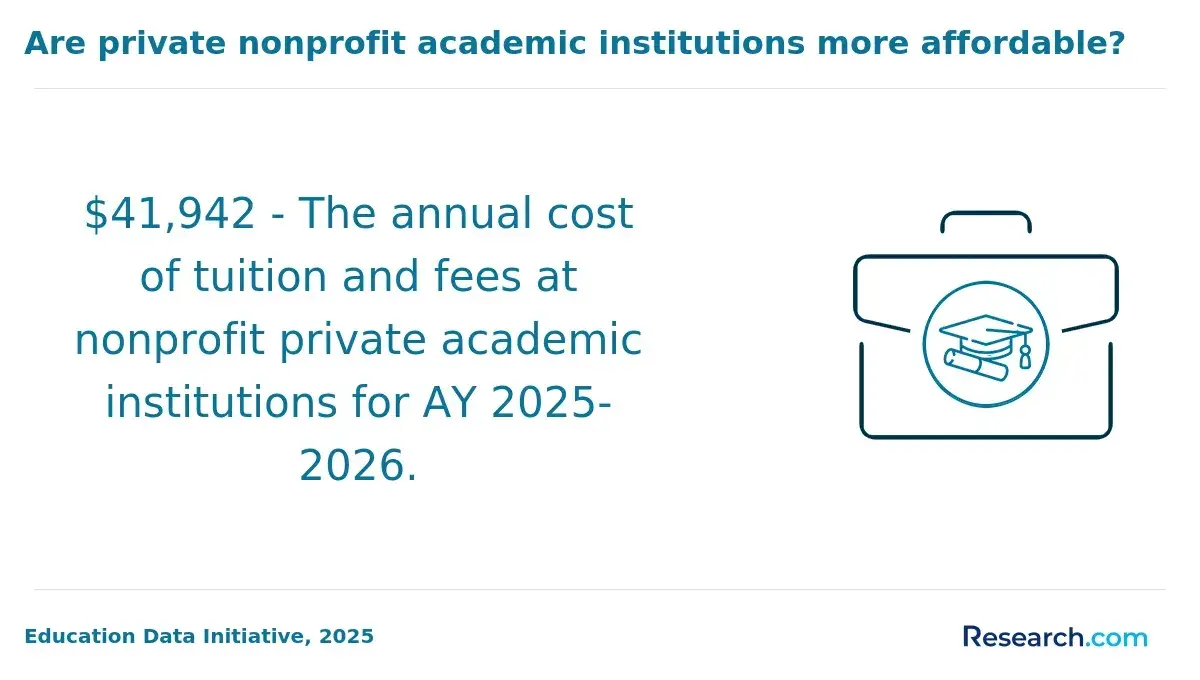
At the bachelor's level, tuition fees for both fields are broadly comparable. Public schools commonly charge less than $10,000 annually for in-state students, while private schools often exceed $30,000 per year. The final price depends heavily on transfer credits, scholarships, employer tuition assistance, financial aid, and how long a student takes to finish.
Cost factors to compare before enrolling
- Accreditation and eligibility for aid: Choose an accredited institution if you plan to use federal financial aid, employer reimbursement, or transfer credits.
- Total program cost: Look beyond advertised per-credit tuition and calculate fees, books, technology, residency requirements, and graduation fees.
- Time to completion: A cheaper annual tuition may not save money if the program takes longer to finish.
- Employer support: Working professionals should ask whether their employer offers tuition assistance, reimbursement, or paid time for study.
- Return on investment: Compare cost against your likely career path, not just average salaries. Engineering Management may require prior technical experience for higher-paying leadership roles, while Project Management may offer broader entry points across industries.
How to choose between Engineering Management Degree Programs and Project Management Degree Programs?
Choose Engineering Management if you want to lead in technical environments and have the background to understand engineering work. Choose Project Management if you want a more transferable management skill set focused on delivering projects across industries. The best choice depends on your current education, work experience, preferred work style, and long-term career target.
Decision checklist
- Career focus: Engineering Management is better aligned with leading technical teams, improving engineering systems, and shaping technology or operations strategy. Project Management is better aligned with planning, coordinating, and delivering projects within defined constraints.
- Academic background: Engineering Management usually requires a technical undergraduate degree or strong quantitative preparation. Project Management commonly accepts students from more diverse academic backgrounds, including business, communications, and other fields.
- Preferred work: Engineering Management suits people who enjoy technical problem-solving, process improvement, and mentoring engineers. Project Management suits people who enjoy organizing teams, managing scope, negotiating priorities, and communicating with stakeholders.
- Industry goals: Engineering Management is stronger for manufacturing, aerospace, energy, technology, research and development, and engineering services. Project Management offers broader mobility across IT, healthcare, finance, construction, consulting, and public-sector roles.
- Credential strategy: Engineering Management often depends on technical credibility and engineering experience. Project Management careers may place more emphasis on methodology knowledge and certifications such as PMP or PRINCE2.
- Salary expectations: Engineering management positions typically offer higher median salaries, but they may be harder to enter without an engineering background. Project management may offer more entry points and industry flexibility.
- Program format: Compare full-time, part-time, online, hybrid, and accelerated options based on your schedule and learning style.
- Cost and aid: Review tuition, fees, financial aid, scholarships, employer tuition support, and total time to completion before deciding.
Simple rule of thumb
If you want to manage engineers, technical systems, or innovation, Engineering Management is likely the better fit. If you want to manage projects, people, timelines, risks, and deliverables across many possible settings, Project Management is likely the better fit.
Students seeking the best degree for engineering management or project management career success should start with the role they want after graduation, then work backward to the curriculum and admissions requirements. If affordability is a major concern, comparing a cheap accelerated bachelor's degree online may help identify lower-cost pathways toward these careers.
What Graduates Say About Their Degrees in Engineering Management Degree Programs and Project Management Degree Programs
- : "The Engineering Management program challenged me with rigorous coursework that balanced technical skills and leadership training. The hands-on projects gave me practical experience and helped prepare me for complex roles in manufacturing and technology firms. This degree improved my confidence and changed the direction of my career. — Bryson"
- : "What stood out most in the Project Management degree was the chance to collaborate across industries through case studies and internships. The program's focus on agile methodologies and risk management shaped how I approach problems now. Looking back, it was an important step toward meaningful project leadership roles. — Tripp"
- : "After completing the Engineering Management degree, I saw a clear improvement in my earning potential, which matched the growing demand in sectors like aerospace and energy. The structured curriculum strengthened my strategic thinking and helped me drive innovation under pressure. Professionally, it has been a game changer for managing multidisciplinary teams. — Joshua"
Other Things You Should Know About Engineering Management Degree Programs & Project Management Degree Programs
Both degrees offer pathways to career advancement; however, an Engineering Management degree may provide a competitive edge in technical industries by combining engineering expertise with leadership skills, while a Project Management degree is versatile across various industries, focusing on the efficient execution of projects.
In 2027, Engineering Management degrees prepare graduates for leadership roles within technical teams, focusing on integrating engineering principles with business acumen. Conversely, Project Management degrees equip students with skills to manage various project types across sectors, emphasizing planning and execution methodologies.
An Engineering Management degree should ideally come from a program accredited by ABET’s Engineering Accreditation Commission or, for management-focused business programs, AACSB. ABET accreditation matters most for technical credibility and many engineering licensure pathways, while AACSB signals recognized business-school quality.
References
- Engineering Management vs. Project Management | Jellyfish https://jellyfish.co/library/engineering-management-vs-project-management/
- What is Engineering Management? | MEML@Rice https://engineering.rice.edu/academics/graduate-programs/online-meml/blog/what-is-engineering-management
- Career Switch: Engineering to Project Management | Cerence AI https://www.cerence.com/newsroom/blog/career-switch-engineering-to-project-management
- Cause, Effect, and Alleviation of Stress for Project Management Practitioners in the Built Environment: A Conceptual Framework | Proceedings | Vol , No https://ascelibrary.org/doi/10.1061/9780784483237.073
- Management - IT Project Management, Master's degree programs, magisterskie | WSB Merito University in Gdansk https://www.merito.pl/english/gdansk/educational-offerings/masters-degree/programs/management-it-project-management
- Engineering Manager vs. Project Manager: Which Career Is Right for You? https://engineeringmanagement.org/engineering-management-vs-project-management/
- What Can You Do With A Project Management Degree? https://www.georgefox.edu/adult-degree/what-is-project-management.html
- Engineer to Project Manager: Skills, Certifications & MBA Path https://www.mywestford.com/blog/how-to-transition-from-an-engineer-to-a-project-manager/
- How to Make a Transition from Engineering to Project Management? https://staragile.com/blog/transition-from-engineering-to-project-management
- What can I do with a Master of Engineering Management degree? | Ohio State Online https://online.osu.edu/content-hub/blogs/what-can-i-do-with-a-master-of-engineering-management-degree/


