2027 Health Informatics Job Market Report: Open Roles, Salary Bands, and Hiring Momentum

Co-Founder and Chief Data Scientist
The health informatics job market reflects a complex interplay of technological innovation, regulatory updates, and shifting organizational priorities. Recent accelerations in electronic health record integration and data interoperability standards have reshaped employer expectations, favoring candidates with adaptive skills in emerging analytic tools.
Concurrently, geographic clustering of roles in urban health hubs contrasts with slower adoption in rural systems, influencing job distribution and compensation patterns. Credentials tied to evolving privacy regulations also delineate pathways to employment.
These dynamics reveal not only where talent shortages persist but also signal transformations in the profession's knowledge demands. This report explores open roles, salary bands, and hiring momentum as indicators of these broader labor market forces that shape the trajectory of health informatics.
Key Things to Know About Health Informatics Job Market
- Open roles in health informatics increasingly demand hybrid skills, combining clinical knowledge with data science, signaling a tradeoff where purely technical or purely clinical backgrounds may limit immediate job access.
- Salary growth tends to favor candidates with experience in emerging interoperability standards, reflecting employer prioritization of agile skills for evolving healthcare data systems and influencing workforce development focus.
- Hiring momentum remains strong but varies regionally, prompting prospective students to weigh program costs against local job market dynamics and timing of graduation for optimal entry opportunities.
- Key Things to Know About Health Informatics Job Market Key Things to Know About Health Informatics Job Market
- How Strong Is Demand for Health Informatics Graduates in Today's Job Market? Demand for Graduates
- Which Health Informatics Careers Have the Most Open Job Opportunities? In-Demand Careers
- What Salary Bands Are Employers Offering Across Health Informatics Careers? Offered Salary Bands
- Which Industries Are Hiring the Most Health Informatics Graduates? Top-Hiring Industries
- How Does Hiring Demand Vary by State, Region, and City? Hiring Demand by Location
- What Skills Are Employers Prioritizing in Health Informatics Job Postings? In-Demand Skills
- Which Certifications Increase Employability and Salary Potential? High-Value Certifications
- How Do Remote and Hybrid Opportunities Affect the Health Informatics Job Market? Remote and Hybrid Opportunities
- Which Health Informatics Careers Show the Strongest Long-Term Hiring Momentum? Strongest Careers
- How Can Students Use Job Market Data to Make Better Career Decisions? Utilizing Job Market Data
How Strong Is Demand for Health Informatics Graduates in Today's Job Market?
The demand for health informatics graduates in the United States remains notably strong in 2024, with labor market data indicating faster-than-average growth in related occupations. The U.S. Bureau of Labor Statistics projects employment for medical and health services managers, encompassing many health informatics roles, to increase by approximately 28% between 2022 and 2032, driven by the intensified integration of electronic health records and health data analytics.
Recent LinkedIn Workforce Reports further reveal that employers seek candidates who blend clinical insights with IT expertise, ensuring that workforce readiness involves not only theoretical knowledge but also the ability to deploy and optimize health information systems. This nuanced demand reflects an evolving job market trend where hybrid skill sets command a competitive edge, especially in urban areas with deeper talent pools.
Several factors underlie the expanding need for health informatics professionals, including accelerating technological innovation and regulatory pressures mandating data interoperability and security compliance. The shift toward value-based care and the proliferation of artificial intelligence tools heighten the requirement for specialists adept at managing complex health information systems.
However, supply constraints exist due to a shortage of candidates with both healthcare experience and technical proficiency, compelling employers to prioritize applicants with practical, hands-on exposure to data analytics and certification in health information management. Regional disparities also emerge, as some local economies exhibit stronger hiring momentum linked to healthcare industry concentration and digital health investment.
Prospective students often weigh options such as pursuing a 1 year MSN to DNP program to expedite their qualifications while gaining relevant skills.
Which Health Informatics Careers Have the Most Open Job Opportunities?
Job opportunity distribution within health informatics careers is being reshaped by rapid healthcare sector growth, persistent skills shortages, and evolving employer priorities focused on digital transformation and regulatory compliance. Open roles should be viewed as indicators of broader labor market shifts rather than isolated job listings.
Demand concentration in certain health informatics job categories reflects how organizations prioritize the integration of technology with clinical workflows, governance of sensitive data, and advanced analytics. These factors combine to make some roles particularly vital and frequently recruited across healthcare systems nationwide.
- Clinical Informatics Specialist: These professionals remain at the forefront of hiring due to their critical role in optimizing electronic health record (EHR) systems and supporting clinical decision-making workflows. Health systems, especially large hospital networks, value candidates who blend clinical knowledge with IT skills to improve care quality and patient safety. Demand is fueled by ongoing efforts to achieve data interoperability and meet Meaningful Use criteria, making this role essential as digital health initiatives expand.
- Health Information Manager: Employers, particularly in hospitals and integrated delivery networks, prioritize this position to ensure compliance with health regulations like HIPAA and to manage secure patient record storage. The rise in telehealth and digital documentation intensifies the need for skilled managers who can navigate both administrative and technical domains. Certified health information managers with understanding of data governance frameworks are highly sought after amid the ongoing digitization of clinical data.
- Health Data Analyst: The growing leverage of big data for population health management and operational efficiency drives robust job openings for analysts. Increasingly, healthcare organizations expect these analysts to use predictive modeling, data mining, and visualization techniques to translate raw data into actionable insights. Analytical proficiency coupled with knowledge of healthcare data standards and statistical software is commonly emphasized, reflecting the sector's prioritization of data-driven decision-making.
- Informatics Nurse Specialist: Bridging clinical expertise and informatics, this role is crucial for designing, implementing, and evaluating health IT solutions that fit nursing workflows. Hospitals experiencing nursing shortages and increased patient acuity often look to informatics nurses to help optimize digital tools that improve nursing efficiency and patient outcomes. The role requires both bedside experience and informatics certification, highlighting a hybrid skill set.
- Health IT Project Manager: Managing complex health informatics projects, including EHR implementations and system upgrades, this role sees heightened demand given the scale and complexity of healthcare technology initiatives. Employers seek professionals skilled in coordinating multidisciplinary teams and ensuring projects meet regulatory and budget requirements. Strong grasp of health IT standards and change management is often necessary as organizations tackle digital transformation challenges.
- Clinical Data Specialist: Focused on validating, curating, and ensuring the integrity of clinical datasets, these specialists are increasingly employed by research institutions, pharmaceutical companies, and hospital systems expanding clinical trials and evidence-based practice. They require deep understanding of both clinical content and data quality controls, reflecting heightened industry emphasis on reliable data for outcomes research and regulatory submissions.
- Health Informatics Consultant: With diverse healthcare entities needing tailored guidance on IT strategy, regulatory compliance, and technology adoption, consultants are in demand to deliver focused expertise across variable organizational contexts. Their roles involve assessing workflows, recommending solutions, and sometimes facilitating vendor selection. Employers value consultants who can blend technical competence with practical operational insight amid dynamically changing healthcare environments.
What Salary Bands Are Employers Offering Across Health Informatics Careers?
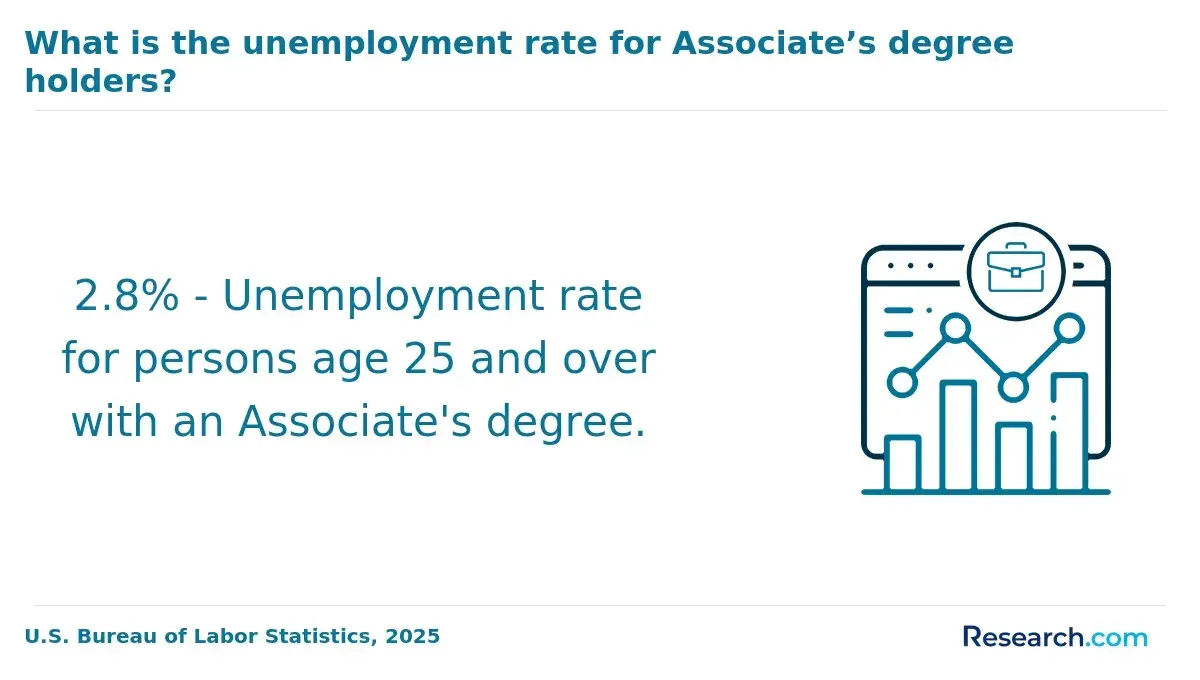
Salary bands within health informatics careers reveal a structured progression aligned with experience and role complexity, drawing from 2024 labor market data by the U.S. Bureau of Labor Statistics and LinkedIn Salary Insights. Entry-level positions generally range from $60,000 to $85,000 annually, targeting roles such as Health Informatics Specialists or Junior Data Analysts who handle core data tasks but often lack project leadership duties.
Mid-level salaries increase to between $85,000 and $120,000, reflecting advanced technical skills and responsibilities typical of Clinical Informatics Analysts or Health IT Project Managers. Senior roles command $120,000 to over $180,000, encompassing leadership positions like Directors of Health Informatics or Chief Medical Information Officers, where strategic oversight, regulatory compliance, and team management become primary functions.
The variation across these salary bands stems from several critical factors interacting within the health informatics labor market. Specialization depth and the ability to navigate complex interoperability and data governance challenges heighten compensation, while geographic location influences pay scales due to regional cost of living and institutional density.
Larger healthcare organizations tend to offer higher wages, reflecting the greater resources and operational complexity they manage. Furthermore, scarcity of candidates who combine clinical knowledge with technical and managerial skills drives competition for talent, particularly at senior levels, reinforcing wage premiums tied to demonstrated multidisciplinary expertise.
One graduate recalled how the rolling admissions process for a health informatics program introduced unexpected uncertainty. Although prepared to start immediately, they hesitated after submitting initial materials because subsequent interview scheduling was irregular and feedback slow.
This delay caused them to weigh alternative plans but, in the end, persevered by requesting updated timelines and clarifications from admissions staff, which gave enough assurance to commit and begin their studies without further postponement. Their experience highlights how timing and communication during admission can significantly affect decision-making for prospective students navigating competitive programs.
Which Industries Are Hiring the Most Health Informatics Graduates?
Demand for health informatics graduates is heavily concentrated in sectors undergoing rapid digital transformation, workforce growth, or facing persistent skill shortages. These industries are integrating advanced data analytics and technology into operational processes, creating a structural need for professionals who can translate complex clinical and operational data into actionable insights.
Rather than isolated hiring surges, this demand reflects broader shifts toward evidence-based decision-making, regulatory modernization, and cutting-edge healthcare delivery models.
- Healthcare Providers: Hospitals, outpatient clinics, and physician groups lead hiring largely due to widespread electronic health record (EHR) adoption and ongoing efforts to streamline clinical workflows. Providers prioritize candidates with strong capabilities in clinical data management, interoperability standards, and knowledge of healthcare regulations. According to the U.S. Bureau of Labor Statistics (2024), this sector accounts for over half of new roles, underscoring its central role in absorbing graduates.
- Health Insurance Companies: Payers are expanding health informatics positions as they increasingly leverage data to optimize care management, reduce costs, and improve population health. The industry values skillsets that combine clinical understanding with expertise in predictive analytics, risk stratification, and healthcare IT systems. Growth in this area has been nearly 20% over recent reporting periods, driven by intensified pressure for value-based care outcomes.
- Pharmaceutical and Biotechnology Firms: These industries hire informatics professionals for managing clinical trial data, ensuring regulatory compliance, and accelerating drug development timelines. Employees with proficiency in data integrity, biostatistics integration, and regulatory frameworks are highly sought after. Recent workforce analyses show a staffing increase exceeding 15%, highlighting a growing reliance on informatics to support innovation pipelines. Students can also consider bioinformatics career paths as an alternative.
- Government and Public Health Agencies: Public sector entities including federal health agencies are expanding roles to support population health programs and IT infrastructure modernization. Emphasis is placed on candidates with skills in epidemiological data analysis, public health informatics standards, and large-scale data governance. The federal workforce experienced notable expansion efforts in 2024, reflecting national priorities for health data modernization.
How Does Hiring Demand Vary by State, Region, and City?
Hiring demand for health informatics by state in 2024 reflects significant variation influenced by the concentration of healthcare institutions and technology firms within broader regional economies. States such as California, Massachusetts, and Texas stand out due to their dense healthcare ecosystems encompassing hospitals, research centers, and health IT companies, which generate higher volumes of job openings and sustain faster workforce growth.
The Northeast and West Coast regions, driven by innovation-intensive healthcare environments and urban population density, consistently lead in attracting employers seeking specialized skills in data analytics and health information systems. In contrast, the Midwest exhibits more moderate demand, largely supported by national insurers and hospital networks headquartered in that region.
The southern states experience uneven hiring patterns where urban hubs like Atlanta and Miami present strong opportunities, while more rural areas show slower growth, reflecting the differing economic bases and health service infrastructures across these regions.
At the city level, demand intensifies in metropolitan areas that serve as healthcare and technology hubs, affecting not only the number of openings but also salary structures and competitive conditions for health informatics professionals. Cities such as Boston, San Francisco, Seattle, and Dallas combine large healthcare provider networks and thriving health IT startups, fostering labor markets with higher starting wages that attract early-career professionals despite heightened living costs.
These urban centers benefit from robust talent pipelines and infrastructure investments, which intensify employer competition and raise expectations for candidates with advanced skills like AI and machine learning application in healthcare. Conversely, smaller cities and regions with less developed health technology sectors prioritize broader clinical informatics expertise and adaptability, offering more accessible yet often lower-paying roles.
For students and job seekers weighing these factors, understanding the interplay between local economic conditions, industry clustering, and workforce ecosystems is essential when considering regional job opportunities in health informatics and planning educational pathways such as an exercise science degree online.
What Skills Are Employers Prioritizing in Health Informatics Job Postings?
Employer demands in health informatics continue to shift in response to rapid technological advancements, automation of data management, and the increasing complexity of healthcare delivery systems. Job postings from 2024 reveal a growing emphasis on a blend of technical expertise and interdisciplinary skills that mirror the field's expanding scope.
This dynamic landscape requires candidates who not only handle digital tools efficiently but also navigate regulatory frameworks and collaborate across diverse teams. The evolving priorities signal that adaptable, data-savvy professionals with a comprehensive understanding of healthcare operations are more competitive in the labor market.
- Electronic Health Record (EHR) System Proficiency: Mastery of EHR platforms such as Epic, Cerner, or Meditech remains a top requirement for over three-quarters of openings, reflecting their central role in clinical workflows and data exchange. Employers prioritize this skill because seamless use of these systems directly impacts patient care quality and operational efficiency.
- Data Analytics and Querying Skills: Fluency in SQL and programming languages like Python or R is critical for transforming raw healthcare data into actionable insights. This capability supports predictive modeling and evidence-based decision-making, increasingly vital as healthcare organizations harness big data for quality improvement and cost containment.
- Regulatory and Compliance Knowledge: Understanding HIPAA and related healthcare privacy laws is indispensable for ensuring data security and ethical handling of patient information. Employers look for this expertise to mitigate legal risks and maintain organizational compliance amid mounting regulatory scrutiny.
- Interdisciplinary Communication and Collaboration: The necessity for clear communication across clinical, technical, and administrative divisions underscores the role of health informaticists as connectors. Strong interpersonal skills enable effective problem-solving and smooth integration of health IT solutions in clinical practice.
- Critical Thinking and Problem-Solving Abilities: The capacity to analyze complex challenges, troubleshoot system issues, and innovate workflow improvements is highly valued. These cognitive skills reflect the increasing responsibility of informaticists to bridge technology with patient-centered care goals.
According to a 2024 Healthcare Information and Management Systems Society report, 75% of health informatics roles specifically require competencies in EHR software, signaling how integral these platforms are to employer expectations. Meanwhile, data analytics prowess is rising alongside the expansive adoption of AI and machine learning tools in healthcare, making it a differentiator in both entry-level and advanced positions.
The heavier emphasis on regulatory knowledge and soft skills highlights a labor market where technological fluency alone is insufficient without a contextual grasp of healthcare delivery complexities and collaborative dynamics. This evolving pattern shapes how prospective professionals must tailor their skill development to remain relevant and employable amid continuous industry transformation.
Which Certifications Increase Employability and Salary Potential?
Certifications in the health informatics field function as critical indicators of specialized expertise, technical competence, and readiness to meet evolving industry demands. These credentials complement formal education by providing recognizable benchmarks that employers use to assess candidate qualifications beyond academic transcripts.
As hiring managers face increasing skill shortages particularly in data analytics, systems management, and clinical information workflows, certifications become strategic tools for applicants to differentiate themselves and justify higher salary offers.
- Certified Health Data Analyst (CHDA): Valued for its emphasis on data management and interpretation skills, the CHDA credential signals proficiency in transforming raw clinical data into meaningful insights. Employers see this certification as bridging a critical skills gap where efficient data analysis directly impacts quality of care decisions and operational efficiency, often resulting in noticeable salary premiums.
- Registered Health Information Administrator (RHIA): This certification confirms broad competence in managing health information systems, compliance, and information governance. It aligns well with organizational demands for administrative oversight and regulatory adherence, making RHIA holders attractive for leadership roles that typically come with enhanced compensation.
- Certified Professional in Healthcare Information and Management Systems (CPHIMS): Recognized for validating both technical and managerial abilities, CPHIMS is favored in leadership-track hiring where strategic planning and technology integration are priorities. Its association with elevated placement rates in executive roles reflects a labor market premium on hybrid skill sets combining IT knowledge and healthcare operations expertise.
- Registered Health Information Technician (RHIT): Focused on clinical coding and medical record accuracy, the RHIT credential addresses niche operational needs in health data quality and regulatory compliance. While its salary impact is somewhat more modest than broader credentials, it remains crucial for roles demanding specialized, detail-oriented skills.
The practical value of these certifications is reinforced by data from the American Health Information Management Association's 2024 report showing certified professionals are roughly 20% more likely to secure job offers compared to those without credentials. This statistic underscores how signaling validated skills influences employer decisions in an increasingly competitive field.
One recent graduate of a health informatics master's program described their experience weighing certification timing amid rolling admissions. They delayed pursuing any professional exams during their studies due to workload but felt pressure after graduation when potential employers expected immediate credential validation.
The uncertainty about when to sit for exams and the unpredictability of processing times led to hesitation and urgent last-minute preparations once job interviews began. This personal dilemma highlighted that beyond earning certifications, strategic planning around credential acquisition schedules can significantly affect early career momentum and salary negotiation strength.
How Do Remote and Hybrid Opportunities Affect the Health Informatics Job Market?
Remote and hybrid opportunities have notably reconfigured hiring patterns in health informatics, reflecting broader shifts identified in 2024 workforce analytics from major industry reports. Employers are extending their search beyond traditional geographic limits, tapping into a more diverse talent pool while layering increased expectations for digital proficiency and autonomous work capabilities.
This expansion intensifies competition, especially for mid-career and specialized roles where skills in telehealth platforms and data analytics are prioritized. The growing prevalence of hybrid models further complicates recruitment strategies, as organizations weigh candidates' adaptability to both remote and in-person collaboration, marking a shift toward evaluating time management and communication effectiveness alongside technical acumen in digital health environments.
These work arrangements are reshaping how job seekers navigate health informatics job availability, with geographic mobility becoming less of a barrier but salary scales reflecting regional cost-of-living variations and organizational premium offerings. As employers recalibrate talent sourcing strategies, there is a tightening focus on digital communication skills and cross-functional collaboration tools, which influence hiring decisions and long-term workforce stability.
Such trends foreshadow an evolving labor market where compensation structures and role expectations will continue adjusting to hybrid flexibility pressures. For prospective professionals, integrating competencies for virtual team communication alongside sector-specific technologies is essential, a reality parallel to developments seen in other healthcare fields such as those outlined in the FNP to acute care NP bridge program.
Which Health Informatics Careers Show the Strongest Long-Term Hiring Momentum?
Long-term hiring momentum in health informatics careers stems from structural changes in healthcare delivery and technology integration rather than transient labor market shifts. This momentum reflects enduring economic and technological trends that continuously reshape workforce needs.
Sustainable demand in health informatics is predominantly influenced by healthcare's increasing reliance on digital data management, regulatory pressures, and evolving care models prioritizing efficiency and patient outcomes. Recognizing these forces helps clarify which roles maintain strong, lasting employment prospects.
- Clinical Informaticists combine clinical expertise with technology skills to optimize electronic health records and healthcare workflows. Their role is critical as health systems mandate interoperable, secure, and user-friendly information systems. Persistent regulatory emphasis on data security and interoperability underpins long-term demand for this hybrid skill set.
- Health Data Analysts focus on interpreting complex healthcare data to inform decision-making in value-based care environments. The shift away from volume-based reimbursement models drives organizations to invest in analytical talent capable of translating data into actionable insights, securing stable job growth for these professionals.
- Health Information Managers oversee the lifecycle of health information, ensuring compliance with legal standards and data quality. With ongoing expansion of telemedicine and personalized medicine, organizations require skilled managers to maintain data integrity across distributed platforms, reinforcing career sustainability.
The U.S. Bureau of Labor Statistics projects a 28% growth in medical and health services managers, which includes many informatics roles, between 2022 and 2032. This projection underscores how long-term hiring momentum corresponds with the broad digital transformation of healthcare systems rather than short-lived trends.
Salaries reflect this importance, typically rising to six figures for mid- to senior-level clinical informaticists. Success in these roles depends heavily on strong educational foundations that blend health sciences with IT competencies, alongside practical clinical experience and fluency in data analytics or programming tools.
These career pathways demand continual learning to keep pace with evolving health technologies and regulations. Prospective candidates should carefully evaluate programs that offer integrated curricula aligned with current workforce expectations.
For individuals interested in related fields or seeking foundational knowledge, exploring options such as accredited online colleges for drug and alcohol counseling can provide valuable context on how specialized healthcare education pathways adapt to workforce needs.
How Can Students Use Job Market Data to Make Better Career Decisions?
Students can leverage job market data sources like recent labor reports, hiring platforms, and up-to-date salary databases from 2024 onward to gauge demand, compensation, and growth prospects within health informatics fields. These data points reveal which specializations and employer types are expanding, as well as prevailing salary bands for roles requiring varying education and credential levels.
By mapping these trends against regional nuances and industry sectors such as healthcare systems, technology firms, and government agencies, learners refine their understanding of practical workforce needs and align educational choices with market realities rather than assumptions.
Interpreting this data demands a nuanced approach that weighs long-term career stability against short-term hiring momentum. Students must assess geographic flexibility, skill alignment, and credentialing paths while balancing their interests and realistic employability outcomes. Overreliance on temporary spikes or isolated salary figures risks skewed expectations.
Instead, combining labor market insights with personal goals and program feasibility fosters more strategic, data-informed decisions. Such frameworks help prioritize competencies with enduring relevance in a dynamic health informatics landscape, improving alignment with employer expectations and career sustainability.
References
- 50+ Free Personality Tests — Big Five, MBTI, DISC, Enneagram | JobCannon https://jobcannon.io/skills-for/health-informatics-specialists
- Why Pursue a Master’s in Health Informatics? | 23% Job Growth Outlook https://www.usfhealthonline.com/resources/health-informatics/why-pursue-a-masters-in-health-informatics/
- What Health Informatics Jobs Are Available With The Government? - Healthcare Administration Degree Programs https://www.healthcare-administration-degree.net/faq/health-informatics-jobs-government/
- Healthcare Informatics careers | Philips https://www.careers.philips.com/global/en/healthcare-informatics
- MGMA Stat | Remote and hybrid work are here to stay, but does healthcare have room to grow? https://www.mgma.com/mgma-stat/remote-and-hybrid-work-are-here-to-stay
- Health Informatics Careers and Jobs https://www.publichealthdegrees.org/careers/health-informatics/
- Health Informatics Specialist Certifications: Best Credentials to Advance Your Career | Teal https://www.tealhq.com/career-paths/health-informatics-specialist-certifications
Other Things You Should Know About Health Informatics Job Market
Programs with a narrow focus on specific technologies or healthcare settings may make graduates highly marketable in certain niches but limit adaptability. Broader curricula that balance technical skills, healthcare systems understanding, and data analytics tend to enhance long-term employability amid shifting employer demands. Prioritize programs that integrate cross-disciplinary training and practical experience to navigate evolving job requirements rather than those that specialize too heavily in outdated or overly narrow skill sets.
Higher-paying roles often correspond to increased responsibilities such as managing complex clinical data systems or driving enterprise-wide IT projects, which can mean longer hours and higher stress. Entry-level positions with moderate salaries might offer more predictable schedules and lower workload intensity, benefiting those seeking balance. Candidates should assess whether short-term salary gains justify potential burnout risks, especially when early experience and stable work routines can foster better career longevity.
Switching specializations during periods of hiring slowdown requires weighing the cost of retraining against the benefits of entering a more in-demand subfield. If your current specialization faces shrinking opportunities or stagnant salaries, pivoting toward emerging areas like population health analytics or interoperability may pay off, but only if you can realistically obtain new skills without excessive delay or financial strain. Focus on specializations with clear, sustained employer interest matched to your learning capacity and timeline rather than chasing every emerging trend.
Employers with strong reputations can offer structured training, clearer career advancement, and stability, but roles may be more narrowly defined or bureaucratic. Conversely, lesser-known organizations might provide broader responsibilities and hands-on leadership opportunities, accelerating skill development but with potentially less job security. Early-career professionals typically benefit more from interesting responsibilities that build transferable competencies, even if it means initially sacrificing well-known employer branding.