2027 Health Informatics Student Debt Report: Borrowing, Monthly Payments, and Repayment Risk

Co-Founder and Chief Data Scientist
Health informatics programs often combine coursework with rigorous practical components, such as internships and clinical projects, influencing student borrowing patterns distinctly. Extended program durations driven by accreditation requirements and the need for specialized technology access can increase total borrowing compared to related fields. Moreover, the integration of evolving health data standards necessitates continuous skill development, potentially affecting repayment timelines.
In 2024, workforce data show fluctuating salary trajectories for health informatics graduates, complicating monthly payment projections. The notable presence of mid-career entrants into health informatics programs suggests shifting workforce demands and varied educational access, shaping how graduates manage and prioritize their student debt obligations over their careers.
Key Things to Know About Health Informatics Student Debt
- Average monthly payments for health informatics graduates often exceed 10% of entry-level income, highlighting a tradeoff between accelerated credentialing and manageable debt burdens.
- Employers increasingly prioritize practical data management experience over advanced degrees, affecting long-term ROI on student debt for purely academic health informatics paths.
- Rising program costs timed with evolving certification requirements create repayment risks, as delayed employment or credential updates extend financial obligations beyond typical grace periods.
- Key Things to Know About Health Informatics Student Debt Key Things to Know About Health Informatics Student Debt
- How Much Student Loan Debt Do Health Informatics Graduates Typically Have at Graduation? Average Studen Loan Debt
- What Factors Have the Biggest Impact on Health Informatics Student Loan Debt? Student Debt Key Factors
- What Is the Average Monthly Student Loan Payment for Health Informatics Graduates? Average Monthly Payment
- How Do Repayment Rates Compare Between Public and Private Institutions? Public vs. Private Institution Repayment Rates
- Do Online Health Informatics Graduates Have Different Repayment Outcomes Than Campus-Based Students? Online vs. On-Campus Student Loan Repayment
- Which Industries Provide the Best Financial Return Relative to Borrowing Costs? Which Industries Provide the Best Financial Return Relative to Borrowing Costs?
- Does Student Debt Affect Which Jobs Health Informatics Graduates Accept? Does Student Debt Affect Which Jobs Health Informatics Graduates Accept?
- What Factors Increase Student Loan Repayment Risk for Health Informatics Graduates? Loan Repayment Risk Factors
- How Can Health Informatics Students Reduce Student Loan Debt While Earning Their Degree? Tips to Reduce Student Debt
- How Should Prospective Students Evaluate Borrowing Risk Before Enrolling? Evaluating Student Debt Risk
How Much Student Loan Debt Do Health Informatics Graduates Typically Have at Graduation?
Health informatics graduate student loan debt amounts typically range from around $25,000 to $50,000 at the point of graduation, reflecting the combined influence of program costs and duration. Data from 2024 sources such as the National Center for Education Statistics show that graduates with bachelor's degrees often incur debts near the mid-$30,000s, while master's degree holders frequently surpass $40,000, especially for full-time study.
Community college pathways or associate degrees offer lower debt burdens, sometimes below $15,000, though these may come with tradeoffs in earning potential. This variability in average student loan borrowing for health informatics degrees underlines the complexity behind simple headline figures and invites a deeper look at tuition structures and enrollment decisions.
Debt differences arise largely from institutional and enrollment factors, including the choice between public and private schools and distinctions between in-state and out-of-state tuition rates. Scholarship availability and employer tuition assistance also alter borrowing needs but tend to vary widely across programs and student demographics. Part-time students, many of whom are working professionals, often spread out borrowing and may rely less on federal loans, influencing their debt load at graduation.
Program length and credit requirements further expand these variations, complicating straightforward comparisons and shaping individual financial outcomes in ways prospective students should carefully assess. Since entry-level salaries in health informatics generally fall between $60,000 and $80,000 annually, cumulative debt burdens exceeding $40,000 can pose significant repayment challenges, especially without income-driven repayment plans or employer loan assistance.
These financial pressures affect not only loan servicing but also broader career decisions and long-term financial stability. Understanding these nuanced factors, including opportunities such as online FNP programs as part of broader educational financing strategies, equips students and graduates to better navigate borrowing realities and evaluate affordability risks in the evolving health informatics job market.
What Factors Have the Biggest Impact on Health Informatics Student Loan Debt?
Student loan debt levels among health informatics students are shaped by a complex interplay of institutional pricing mechanisms and individual financial circumstances rather than any single factor. The structure of tuition and fees, coupled with the availability of financial aid and the student's own enrollment and borrowing strategies, heavily influence total debt accumulation.
Understanding these dynamics helps clarify why borrowing burdens vary widely across health informatics programs and student profiles.
- Institution Type and Tuition Pricing: Public versus private institutions demonstrate significant differences in tuition costs, with public universities typically charging substantially lower rates, especially for in-state students. This pricing disparity can reduce borrowing needs by up to 40% annually in health-related technology programs according to recent data from the National Center for Education Statistics. However, lower sticker prices at public institutions do not guarantee less debt if financial aid is insufficient or if students face additional costs outside tuition.
- Program Length and Degree Level: Lengthier programs and advanced degrees inherently increase total tuition and related expenses, driving up borrowing levels. For example, bachelor's degree programs generally require four years, while master's degrees often extend additional years, increasing debt exposure. The Institute for College Access & Success reports that median student debt for graduate degrees in health fields approaches $50,000, markedly higher than the undergraduate median near $30,000, reflecting how enrollment decisions critically influence debt formation.
- Financial Aid Availability and Employer Support: Access to scholarships, grants, and employer tuition reimbursement schemes significantly alters how much students must borrow. In health informatics, employer reimbursement policies vary across sectors, often leaving borrowers responsible for substantial upfront costs. These aid dynamics intersect with institution type and program format, sometimes mitigating borrowing pressures but frequently adding unpredictability to debt trajectories.
- Living Expenses and Indirect Costs: Non-tuition expenses such as housing, textbooks, technology fees, and reduced earning capacity during studies often necessitate additional borrowing. These indirect costs compound the primary tuition burden and vary widely based on geographic location and personal circumstances, further complicating borrowing patterns and repayment outlooks.
- Student Financial Behavior and Socioeconomic Background: Borrowing decisions are influenced by individual circumstances, including income level and work-study balance. Students from lower-income backgrounds may incur higher debt due to limited alternative resources, while those working part-time might reduce borrowing but face protracted repayment periods. Understanding these behaviors is essential to assessing the real-world impact of debt on health informatics graduates.
These factors collectively illustrate why health informatics program borrowing patterns exhibit wide variation, reflecting differing institutional cost structures, program choices, and personal financial strategies. Prospective students should weigh these elements carefully as they anticipate debt levels and long-term repayment commitments consistent with employer expectations and labor market realities surrounding health informatics roles and biology degree jobs.
What Is the Average Monthly Student Loan Payment for Health Informatics Graduates?
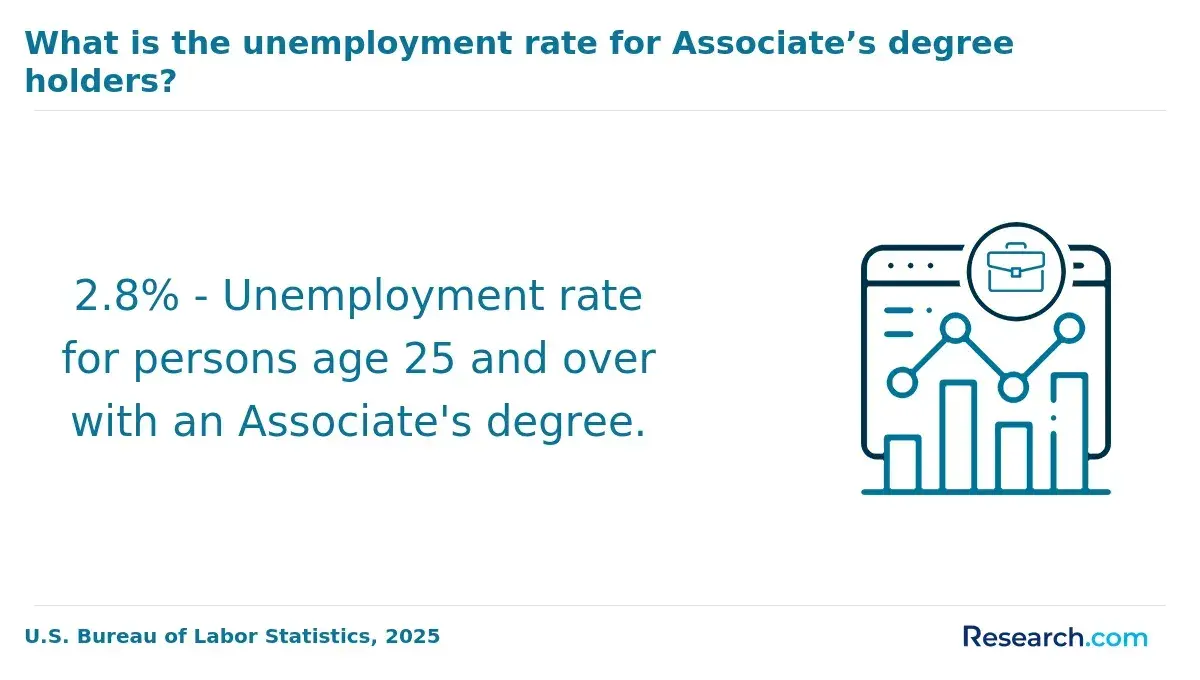
Recent analyses from the U.S. Department of Education and Federal Reserve data indicate that monthly student loan payments for health informatics graduates typically range from about $300 to $450. This moderate payment window reflects average borrowing levels in the $25,000 to $40,000 range seen among these graduates. These figures suggest repayment demands lower than more clinical healthcare fields but still subject to considerable individual variation depending on loan terms and post-graduate financial status.
Differences in monthly payments largely stem from whether graduates opt for standard 10-year repayment plans or income-driven repayment (IDR) options, which adjust payments based on earnings and can significantly lower initial monthly amounts. Interest rates and total debt burden also heavily influence payment size, especially for those who borrow closer to the upper end of the typical range.
Furthermore, wage disparities by employer and region impact how manageable these payments feel, underscoring the need for careful alignment of borrowing decisions with realistic income expectations and repayment options tailored to individual financial situations. One graduate recalled the pressure of deciding when to enroll due to rolling admissions and balancing financial readiness.
She hesitated after receiving her acceptance, uncertain if waiting a semester might help her secure a better financial aid package or more savings to reduce loan reliance. This delay introduced stress about rising tuition rates and program start dates but ultimately helped her submit a stronger application with clarified funding plans, reflecting how timing and preparatory steps can subtly influence debt outcomes even before repayment begins.
How Do Repayment Rates Compare Between Public and Private Institutions?
Data from the U.S. Department of Education's College Scorecard and 2024 Federal Reserve student loan reports indicate that graduates of health informatics degree programs from public institutions demonstrate marginally higher student loan repayment rates than those from private universities within five years after completing their degrees. Public university graduates typically achieve approximately a 58% repayment or on-time payment rate, while private institution graduates hover closer to 50% within the same period.
These figures reflect underlying systemic differences rather than surface-level variations, highlighting distinct repayment trajectories associated with institutional sectors. The divergence in repayment outcomes stems largely from variation in tuition costs and borrowing patterns. Public institutions generally offer lower tuition, resulting in smaller average loan balances for their students, which directly influences the feasibility of timely repayment.
In contrast, private university graduates often carry heavier debt burdens, which can delay consistent repayment despite potentially higher earning potential. Additionally, public sector graduates frequently benefit from state-specific loan assistance programs and more predictable earnings linked to stable employment opportunities in public or affiliated healthcare systems. Private institution graduates face wider income variability and higher default risk, reflecting both debt-to-income challenges and differing institutional resources aimed at financial support or career placement.
This repayment performance disparity carries broader implications for financial stress and long-term economic mobility among health informatics graduates. More manageable debt service from public programs can translate into better credit outcomes and reduced default rates, which in turn affect perceptions of program value and institutional accountability.
Understanding these structural dynamics assists prospective students in weighing not only educational quality but the financial viability of their health informatics pathways as they navigate costs, borrowing decisions, and career planning in an evolving healthcare labor market.
Do Online Health Informatics Graduates Have Different Repayment Outcomes Than Campus-Based Students?
Repayment rates for graduates in health informatics display notable divergences when comparing public and private institutions, as reflected in recent 2024 government datasets and independent analyses. Public university graduates typically show higher three-year loan repayment rates, averaging near 58%, whereas private, particularly for-profit, institution graduates report rates closer to 45%.
These figures underscore systemic differences that extend beyond institutional type, shaped by varying borrower characteristics and program structures. Such disparities are central to understanding online health informatics graduate loan repayment comparisons, since online program graduates are more heavily concentrated in private institutions, often magnifying overall repayment challenges.
Several intertwined factors drive these repayment outcomes. Public institutions generally charge lower tuition and thus result in reduced average borrowing, which eases repayment pressure relative to many private colleges where tuition tends to be higher, and debt burdens grow accordingly. Graduates' earnings and employment stability also influence repayment trajectories; public university affiliations often facilitate stronger connections to regional healthcare employers, generating steadier income streams aligned with debt obligations.
Financial aid packaging and demographic differences add nuance, with private institution borrowers frequently facing higher risk profiles and less robust career support, further complicating debt management. Prospective students evaluating campus versus online health informatics student debt outcomes should weigh not only sticker price but also the institutional capacity to deliver stable postgraduation employment matched to loan repayment demands.
The repayment stress borne by health informatics graduates links directly to long-term financial mobility and perceptions of program value within the field. Lower repayment performance from private institution alumni may signal heightened financial vulnerability, influencing institutional accountability and student decision-making around educational investments.
Those interested in educational pathways that balance costs and career returns might also consider related fields and options, such as an online degree in nutrition, where borrowing levels and repayment risks can differ markedly. Integrating these complex factors helps align educational choices with realistic financial and professional outcomes in health informatics.
Which Industries Provide the Best Financial Return Relative to Borrowing Costs?
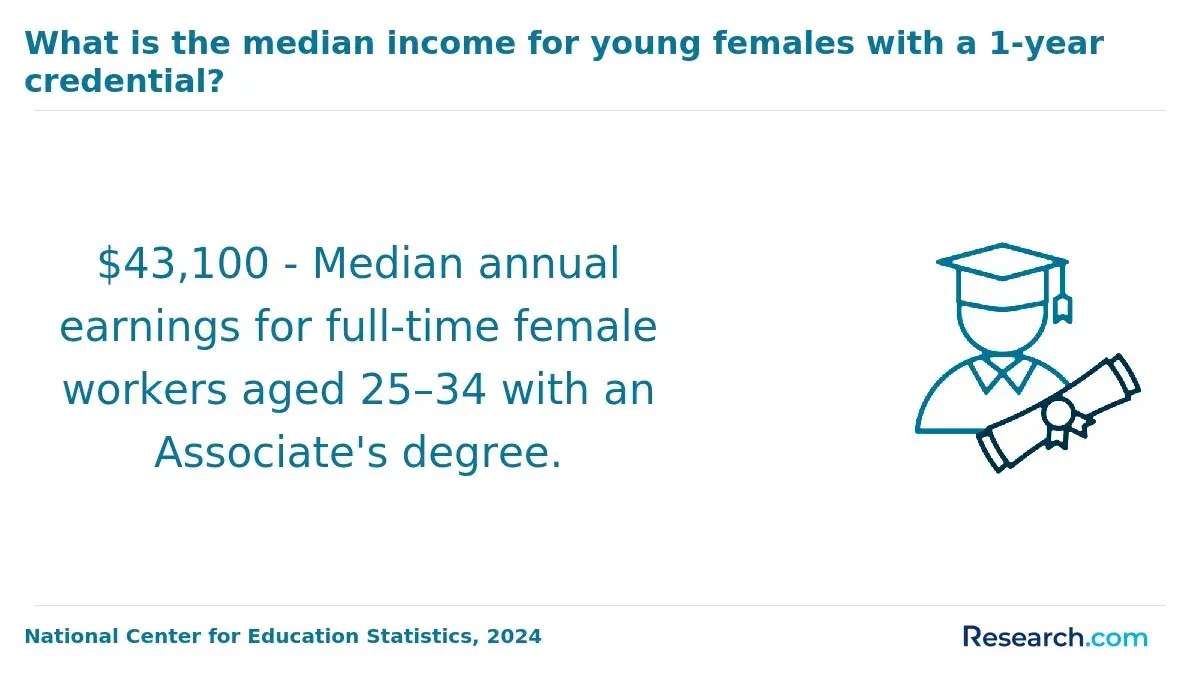
Financial return on health informatics degrees varies widely across industries and hinges on a balance between earnings potential and typical borrowing levels. Rather than focusing solely on salaries, it is essential to consider how salary progression, labor market demand, and repayment capacity influence the ability to service student debt effectively.
Industries that rapidly increase income relative to initial debt provide stronger long-term ROI for graduates, while those with slower advancement or lower entry wages may extend debt repayment timelines and increase financial risk.
- Hospital Systems: This sector generally offers the highest financial returns for health informatics graduates. Median salaries commonly exceed $85,000 within five years, which aligns well with average borrowing amounts around $50,000-$60,000. The combination of stable employment demand and structured career progression supports manageable loan repayment and reduces default risk.
- Ambulatory Healthcare Services: Often mirroring hospital systems, this industry shows competitive wages and steady job openings. Earnings typically scale quickly, assisting graduates in maintaining a comfortable debt-to-income ratio and shortening repayment periods.
- Health Information Technology Vendors: Earnings in this area vary considerably depending on firm size and role. Top-tier companies can provide lucrative salaries that offset borrowing costs efficiently, but entry-level positions may not immediately cover typical loan payments, which can delay financial recovery.
- Public Health Agencies: Positions in these organizations commonly start with salaries between $55,000 and $65,000. Given the borrowing loads, this slower growth in earnings can extend debt obligations and limit immediate repayment capacity despite broader social benefits.
- Clinical Research Organizations: Smaller research firms often offer lower initial pay, creating a tighter financial margin relative to student debt. The pace of salary increases is frequently slower, extending the time required to achieve positive financial returns post-graduation.
According to data from the U.S. Bureau of Labor Statistics and the National Center for Education Statistics (2024), industries with higher starting salaries and robust demand for health informatics skills substantially improve loan repayment feasibility. Graduates aligned with these sectors experience better income trajectories that ease debt servicing, while those entering lower-paying or less stable environments face amplified financial challenges requiring deliberate career and borrowing strategies.
Does Student Debt Affect Which Jobs Health Informatics Graduates Accept?
Graduates of health informatics programs often make job acceptance decisions that closely reflect the magnitude of their student debt, particularly when repayment obligations weigh heavily on monthly finances. With nearly 65% of graduates carrying an average debt of $38,000 according to the 2024 National Postsecondary Student Aid Study, the pressure to secure positions with competitive salaries is substantial.
This debt load drives many toward roles in larger healthcare systems or technology firms that can provide stable income and benefits, rather than smaller organizations or public health entities that may align more closely with their professional interests but offer lower compensation. The need to manage debt-to-income ratios and meet monthly loan payments-averaging around $350 for borrowers in this field-limits the range of financially viable employment options shortly after graduation.
Beyond immediate salary considerations, the presence and scale of student debt influence broader employment behaviors and career trajectories. Graduates with high debt burdens tend to prioritize job security and benefits, which can restrict geographic flexibility or the willingness to transition into emerging or entrepreneurial roles within the health informatics landscape.
Conversely, those with lower or no debt may pursue niche specialties or nonprofit sectors where long-term satisfaction might outweigh short-term financial gain. These financial constraints also affect decisions around further education or certifications, with heavy debt discouraging additional investment in credentials that might delay income growth. Ultimately, debt shapes not just where graduates work initially but also how they navigate career mobility and growth within an evolving labor market.
One recent graduate described waiting anxiously during a rolling admissions period for a coveted health informatics master's program. The uncertainty over acceptance timing complicated planning, especially since the candidate juggled part-time work to steadily reduce existing loan balances.
After several weeks without news, the pressure to commit to a job offering stable income grew, leading to hesitation about delaying entry into the field for further education. When acceptance finally arrived late in the cycle, they reflected that earlier notification would have eased financial stress, illustrating how timing and debt interplay to influence critical career and education decisions.
What Factors Increase Student Loan Repayment Risk for Health Informatics Graduates?
Repayment risk for health informatics graduates arises from a complex interaction of financial, academic, and labor market factors that influence both debt accumulation and post-graduate earning capacity. Rather than a single cause, the likelihood of facing repayment difficulties depends on borrowing levels, employment stability, and economic conditions that shape graduates' ability to meet loan obligations.
Understanding these interconnected drivers aids prospective students and graduates in anticipating challenges specific to health informatics graduate repayment risk factors in the United States.
- Borrowing Amounts and Program Costs: Higher tuition and extended enrollment periods increase total debt, inflating monthly payments relative to often entry-level salaries. Health informatics programs, including online and campus options, can vary significantly in price, and elevated loan balances amplify financial vulnerability.
- Employment Sector and Wage Variability: Graduates entering nonprofit or public health sectors generally face lower wages than private industry counterparts, complicating repayment. The variability of employer demand and geographic salary differences play a critical role in shaping repayment capacity and default risk.
- Economic and Industry Shifts: Fluctuations in health IT budgets, hiring freezes, or slower technology adoption can restrict job growth and wage progression. Such conditions undermine graduates' long-term financial stability and increase repayment strain.
- Enrollment Status and Time to Completion: Longer or part-time programs delay full-time employment and heighten borrowing duration, contributing to elevated indebtedness. Extended education timelines compress repayment windows and escalate default risks.
- Personal Financial and Demographic Factors: Lack of familial financial support, credit history, and dependent responsibilities heighten repayment pressure. Access to income-driven repayment plans can mitigate risks but varies across borrower profiles.
According to a 2024 dataset from the National Center for Education Statistics, nearly 28% of health informatics degree holders with federal student loans were delinquent or in default within five years of repayment. This statistic underscores the tangible challenges many face amid the intersecting repayment risk factors.
For those assessing options, comparing health informatics with alternatives, such as reviewing NASP-accredited school psychology programs, may offer insight into relative cost and employment tradeoffs.
How Can Health Informatics Students Reduce Student Loan Debt While Earning Their Degree?
Reducing student loan debt while earning a health informatics degree requires proactive planning, informed decision-making, and strategic use of available resources from the outset. Debt reduction is not solely about cutting expenses but involves optimizing academic pathways, financial aid, and institutional opportunities to minimize borrowing without compromising educational quality.
Combining financial awareness with academic efficiency allows students to balance affordability and career-relevant training effectively.
- Choose Accredited Online or Hybrid Programs - Selecting accredited online or hybrid health informatics programs can significantly reduce overall educational costs by avoiding relocation and daily commuting expenses. According to a 2024 report by the National Center for Education Statistics, students enrolled in online formats save an average of 15% on total expenses compared to traditional in-person programs, making this a practical debt-minimizing strategy.
- Leverage Employer Tuition Assistance - Many healthcare employers offer tuition reimbursement or work-study arrangements for employees pursuing degrees related to their roles. Utilizing these benefits reduces out-of-pocket spending and decreases loan reliance, presenting one of the most effective health informatics student loan repayment strategies available.
- Prioritize Federal Loans Over Private Loans - Federal student loans generally provide more flexible repayment terms, including income-driven repayment plans and loan forgiveness programs tailored to public health sectors. Prioritizing federal aid lowers long-term financial risk and monthly repayment burdens compared to private alternatives.
- Complete Prerequisites at Community Colleges - Starting coursework at community colleges for prerequisite classes helps cut tuition costs substantially before transferring to four-year institutions. This approach preserves academic progress while minimizing borrowing during early program stages.
- Plan Academic Progress Efficiently - Careful academic planning reduces the risk of extended enrollment periods that increase tuition costs and borrowing. Close advising supports timely completion, limiting needless expenses that often compound student loan debt.
- Assess Program Quality Versus Cost - While affordability is critical, students must balance lower-cost program options with potential tradeoffs in networking opportunities and employer preferences for traditional campus experience. This nuanced assessment informs borrowing decisions aligned with career goals.
Students considering a career change into nursing may also want to research the easiest ABSN programs to get into, which offer another accelerated, cost-conscious route into a healthcare-related field.
These actionable strategies collectively contribute to managing and reducing student loan obligations throughout health informatics degree programs. Understanding how to minimize debt during health informatics programs requires both disciplined financial behavior and strategic academic choices that reflect employer expectations and evolving workforce demands.
How Should Prospective Students Evaluate Borrowing Risk Before Enrolling?
Evaluating borrowing risk before enrolling in a health informatics program is critical for understanding the long-term financial implications tied to student debt and career earnings. Borrowing risk hinges on balancing total anticipated debt against projected post-graduation income, which influences repayment capacity and financial stability. This process requires a nuanced review of institutional costs, expected salary ranges, and loan repayment terms to make an informed enrollment decision.
- Total Cost of Attendance: Analyzing tuition, fees, and living expenses helps determine the full debt exposure needed for completion. A realistic estimate of total costs enables students to compare borrowing levels against likely income scenarios.
- Debt-to-Income Comparison: With median salaries for health informatics graduates near $65,000 annually, according to the U.S. Department of Education's College Scorecard (2024), borrowers should evaluate whether loan payments remain within 10-15% of gross monthly income to avoid repayment stress.
- Employment Outcomes and Salary Ranges: Reviewing employment rates and typical salary spreads for program graduates assists in forecasting earnings and job market stability, essential for assessing repayment feasibility.
- Available Financial Aid: Understanding scholarships and savings reduces the borrowing requirement, easing future repayment obligations and mitigating financial risk.
- Loan Repayment Terms: Assessing interest rates, repayment schedules, and monthly payment estimates clarifies the real cost of borrowing and aids in financial planning.
- Program Completion and Time to Repayment: Programs with higher graduation rates and shorter repayment periods reduce the accumulation of additional interest and financial burden.
- Market Risks and Geographic Factors: Considering regional job demand fluctuations and competition helps gauge potential employment challenges that might affect income stability post-graduation.
References
- Student Debt: Bad for your Wallet, Bad for your Health - Protect Borrowers https://protectborrowers.org/student-debt-bad-for-health/
- Student Loan Debt by Major [2026]: Highest + Lowest Average Debt https://educationdata.org/student-loan-debt-by-major
- Healthcare Under Pressure: Financial Risk Factors and Steps for Mitigating Them https://www.bdo.com/insights/industries/healthcare/healthcare-under-pressure-financial-risk-factors-and-steps-for-mitigating-them
- How to form a student loan repayment strategy | Urology Times https://www.urologytimes.com/view/how-form-student-loan-repayment-strategy
- Does Debt Affect Career Choice? | HESA https://higheredstrategy.com/does-debt-affect-career-choice/
- Does College Pay Off? A Comprehensive Return On Investment Analysis - FREOPP https://freopp.org/whitepapers/does-college-pay-off-a-comprehensive-return-on-investment-analysis/
- Risk-sharing: An efficient mechanism for funding student loan safety nets | Brookings https://www.brookings.edu/articles/risk-sharing-an-efficient-mechanism-for-funding-student-loan-safety-nets/
- How Student Loans Affect Healthcare Professionals https://luvohealthcare.com/how-student-loans-affect-healthcare-professionals/
- Student Loan Debt Reduction Strategies for Medical Students | PracticeMatch https://www.practicematch.com/physicians/articles/student-loan-debt-reduction-strategies-for-medical-students.cfm
- Health Science Degrees Online with Financial Aid https://www.edumed.org/online-schools/health-informatics-degrees/financial-aid/
Other Things You Should Know About Health Informatics
Longer programs typically increase total borrowing because students pay tuition and living expenses over more semesters. However, extended programs often allow for part-time study or work-study balance, enabling some to earn while learning, which can ease immediate financial strain. The tradeoff is that higher debt might translate into larger monthly payments after graduation unless the program's extended duration comes with more employer connections or certifications that substantially boost employability and income.
Employers in health informatics often value certifications and hands-on experience as much as degrees, which can pressure graduates to pursue additional credentials post-graduation, increasing financial burdens. Repayment risk rises if borrower income doesn't grow fast enough to cover both loan payments and ongoing credentialing costs. Therefore, prioritizing programs with integrated practical training and recognized certifications reduces long-term repayment risk by improving job placement and salary trajectories.
Choosing a repayment plan with lower monthly payments can ease short-term budgeting but may extend debt duration and increase total interest paid, which impacts long-term financial health. For health informatics graduates who expect steady but moderate income growth, balancing monthly affordability with an accelerated payoff schedule is often better to avoid prolonged debt strains, especially in tech-related healthcare roles where constant upskilling might require flexible finances.
Federal loans generally offer more borrower protections like income-driven repayment plans and loan forgiveness options that can reduce repayment risk, especially in public health sectors. Private loans might have lower interest rates initially but lack flexibility, exposing graduates to financial stress if income fluctuates. For those uncertain about salary trajectory or intending to switch between clinical and IT roles, federal borrowing reduces long-term risk more effectively and should be prioritized.