2027 Is Economics a Hard Major? What Students Should Know

Co-Founder and Chief Data Scientist
Economics is often perceived as a challenging major due to its blend of quantitative analysis and theoretical concepts. In fact, approximately 15% of economics undergraduates in the U.S. struggle with advanced coursework involving statistics and calculus, highlighting the rigorous nature of the field. Many students underestimate the analytical skills required before enrolling.
This article explores the demands of economics programs, covering course rigor, workload expectations, and essential skills like mathematical proficiency. It also examines how factors such as prior preparation and personal interest influence whether students find economics difficult or manageable.
Key Benefits of Economics as a Major
- Economics equips students with analytical and quantitative skills valuable across careers, supporting career changers adapting to data-driven roles.
- It offers flexible learning paths, ideal for full-time workers balancing work and study with accessible online and part-time options.
- Traditional undergraduates gain confidence handling complex models and theories, with 70% reporting improved problem-solving abilities after coursework.
Where Does Economics Rank Among the Hardest College Majors?
Economics is frequently listed among the most challenging college majors in the United States, often ranking within the top five to ten hardest fields based on national studies. These rankings typically assess factors such as the intensity of coursework, the level of technical or analytical skills required, and the overall student workload. Unlike disciplines that demand extensive lab or fieldwork, economics relies heavily on quantitative analysis, statistics, and critical thinking, accompanied by frequent problem sets that can be time-consuming. For example, a recent study found the average GPA for economics majors to be around 2.95, highlighting the subject's academic rigor and demanding nature.
The difficulty of economics varies widely depending on the institution and a student's individual background. At highly competitive schools like Columbia or MIT, the curriculum and peer environment make economics especially challenging. Students confident in mathematics and analytical reasoning often handle the major more easily, whereas those less prepared may struggle. Compared to majors such as chemical engineering or physics, which generally involve intense lab work and technical complexity, economics is somewhat less technical but still more demanding than business administration or communications. Ultimately, the perceived challenge depends on a student's strengths and academic preparation, making economics a major that can be manageable or difficult depending on one's skills and interests.
What Factors Make Economics a Hard Major?
Several academic and skill-related demands make economics a challenging major for many students. These demands shape the learning experience by requiring a blend of mathematical capability, critical thinking, and practical application.
- Technical and analytical rigor: Economics programs often require strong mathematical skills, with nearly 67% of undergraduate degrees demanding at least single-variable calculus and 10% requiring multivariable calculus. Basic econometrics, combining statistics with economic theory, is mandatory in over half of the programs, intensifying the quantitative workload.
- Time commitment: Economics majors typically complete about 43 credits within the discipline along with general education courses. This extensive workload requires sustained effort across many semesters, making it demanding to balance the requirements effectively.
- Academic rigor: The core curriculum includes microeconomics, macroeconomics, and quantitative methods, often culminating in senior capstone projects or theses. These components demand strong critical thinking, abstract reasoning, and synthesis of complex information, elevating the challenge for students.
- Field-specific demands: Applying theoretical economic models to real-world situations and gaining proficiency in statistical software for data analysis are essential. These tasks require both conceptual understanding and empirical skills, adding layers of difficulty specific to the economics major.
The combination of these factors explains why economics major difficulty factors often revolve around the need for sustained technical skills and rigorous academic discipline. For students exploring options, it is worth considering resources like fast track programs that may help manage the demanding pace of study in economics. Understanding what makes economics hard can better prepare candidates for the commitment involved in this challenging path.
Who Is a Good Fit for a Economics Major?
Identifying the right student profile is essential for success in economics, as this major demands strong analytical and quantitative skills. Understanding the characteristics of successful economics students helps potential majors evaluate their readiness for the program's challenges and rigor.
Key traits for students who thrive in economics include:
- Analytical Thinkers: These students excel at breaking down complex problems, interpreting data, and building logical models. Their critical thinking skills help them draw sound conclusions from abstract concepts essential in economics coursework.
- Strong Quantitative Skills: Comfort with mathematics, especially calculus and statistics, allows students to handle the major's heavy data analysis requirements. This proficiency gives them an advantage in managing coursework that many find challenging.
- Curious and Inquisitive: A genuine interest in social, financial, and policy-related issues drives these students to engage deeply with theoretical content and real-world applications.
- Detail-Oriented: Attention to data accuracy and precision is crucial for interpreting complex relationships and supporting evidence-backed arguments, enhancing academic performance.
- Resilient and Self-Motivated: Given economics' academic rigor, students with strong perseverance maintain high standards despite workload pressures and benefit from better decision-making skills.
These personality traits for economics majors align with demands such as abstract reasoning and sustained effort. For those exploring pathways through economics, reviewing the quickest certifications to get that pay well may offer complementary options to boost career prospects.
Many students find economics challenging due to its blend of quantitative analysis and critical thinking. However, adopting the right approaches can greatly reduce the difficulty and improve academic success.
- Build a strong foundation early: Grasping core principles from the start prevents gaps later since economics topics build on one another sequentially.
- Enhance quantitative and analytical abilities: Focus on boosting skills in statistics, calculus, and logical reasoning, which form the backbone of economic study.
- Engage actively with material: Go beyond reading by solving problems, working through examples, and self-testing regularly to deepen understanding.
- Participate in class: Regular attendance and interaction during lectures helps clarify difficult concepts and reinforces learning.
- Use available resources effectively: Take advantage of office hours, tutoring, study groups, and reputable online materials to fill knowledge gaps and stay on track.
A graduate who majored in economics shared that the course felt overwhelming initially-especially during quantitative courses-but found that consistent, small study sessions helped her manage content without burnout. She recalled, "I realized that cramming just didn't work, so setting weekly goals made a big difference." Exploring different resources, from peer discussions to online lecture notes, also gave her new perspectives when tough topics stalled her progress. She admitted it was frustrating at times but said, "Once I began thinking of economics as a series of interconnected puzzles instead of isolated facts, studying became more engaging." Her experience highlights how strategic habits and mindset shifts can transform the challenge of an economics major into an achievable academic journey.
Admissions to economics programs at leading U.S. universities are highly competitive due to a combination of large applicant pools and limited spots available. These programs attract many students because economics is a popular major, increasing the demand beyond available capacity. Additionally, students often must meet specific prerequisites like calculus or introductory economics to be considered. Overall, acceptance rates at top schools like MIT, Stanford, and Harvard hover below 6%, reflecting the competitiveness driven by both quantity and quality of applicants.
Selectivity factors differ by institution but often include high GPA requirements, typically close to 4.0, and strong backgrounds in mathematics, statistics, or related fields. For graduate programs, recommendation letters from well-known academics can be crucial. At less selective schools, standards may be slightly lower, but competitive GPA thresholds and coursework remain important. Growing interest in economics continues to push these admission standards higher across many universities.
I once spoke with a professional who majored in economics about his experience applying to these programs. He described the process as intense and demanding, recalling how challenging it was to maintain top grades while completing advanced math courses. He needed to carefully choose recommenders who could speak to his analytical abilities, which was a nerve-wracking yet pivotal step. Reflecting on it, he said, "The effort was worth it because it prepared me well and made me appreciate the competitive nature of the admissions process."
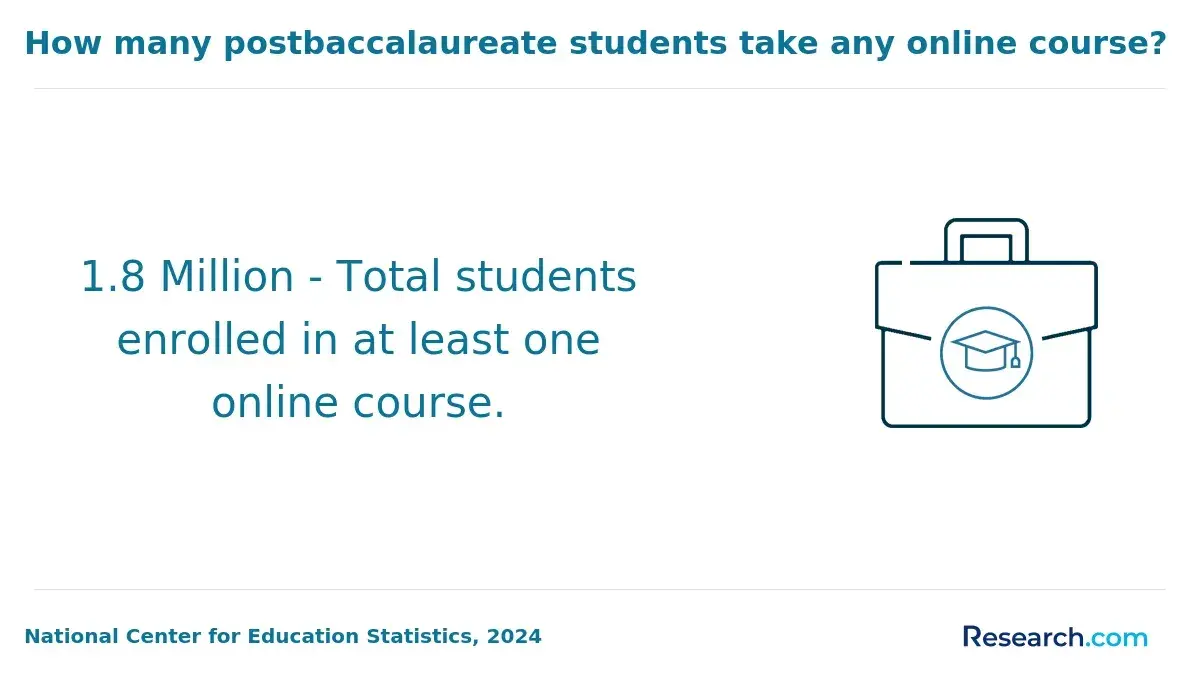
Online economics degree programs are neither categorically harder nor easier than traditional classroom formats; their difficulty varies based on several key factors. Different challenges arise in each delivery method, influencing how students engage with content and demonstrate mastery.
Here is a comparison of the online economics degree vs traditional classroom experience across important aspects:
- Academic Expectations and Assessment: Studies show that exam scores are similar when controlling for student backgrounds, but online exams without proctoring often yield higher grades, indicating varying assessment integrity rather than content difficulty.
- Learning Environment and Support: On-campus students benefit from direct interaction with instructors and peers, while online learners rely more on self-direction, which can lead to retention advantages if discipline and engagement are strong.
- Workload and Pacing: Online courses may require 40 to 60 percent less time than face-to-face classes, reflecting streamlined instruction rather than less challenging material.
- Challenges Unique to Each Format: Online economics courses demand more independent problem-solving, while traditional settings provide immediate clarification that can ease complex topic comprehension.
The difficulty of online economics courses largely depends on self-motivation and individual learning preferences rather than the instructional format itself. For those seeking cost-effective options, exploring the cheapest masters degrees online can be a valuable resource.
Accelerated economics programs are generally harder than traditional formats due to condensed timelines, rapid course pacing, and more intense workloads. These factors compress the same volume of material into a shorter period, increasing demands on students' time management and cognitive processing.
Below is a comparison highlighting key differences between accelerated and traditional economics programs:
- Course Pacing and Content Density: Accelerated programs cover material much faster, often completing 15 weeks of content in 5 to 8 weeks, requiring a high level of focus and stamina.
- Workload Management for Different Students: Students balancing jobs or family may find accelerated formats challenging, as sustained effort and quick assimilation are essential for success in an accelerated economics master's program workload.
- Academic Expectations and Skill Demands: Rigorous standards remain, but accelerated formats demand sharper skills in rapid learning and problem-solving with less opportunity for review.
- Learning Retention and Stress Levels: Intensive course load vs traditional economics degree formats may impact long-term retention and increase stress, especially for those needing more time to master quantitative analysis.
- Flexibility and Structure in Scheduling: Accelerated paths offer less flexibility with fewer breaks and more rigid daily commitments, while traditional programs allow more time for internships and extracurriculars.
For students seeking flexible but challenging options, reviewing offerings at top accredited non profit online universities can help identify programs that balance workload demands with need for support and scheduling adaptability.
Students can realistically balance a part-time job while majoring in economics, but this depends on several key factors. The major's demanding coursework involves intensive reading, technical assignments, and projects that peak during exams. Flexible job schedules and strong personal study habits significantly affect a student's ability to manage both commitments. Those with effective time management and adaptability tend to handle the workload more successfully.
Many students maintain part-time roles related to their studies, such as tutoring or research assistantships, which offer flexibility and relevant experience. Balancing work with economics courses often involves limiting credits during heavier academic periods and utilizing campus or online resources to stay on track. The discipline's rigorous assignments and unpredictable project deadlines can challenge time management, making it easier for some students to juggle responsibilities than others. Ultimately, the balance hinges on careful planning and prioritization amid the major's consistent workload and technical demands.
Career paths for economics majors vary widely in difficulty, responsibility, and required skill sets. While some jobs align closely with the academic rigor of the degree, others may feel less demanding or challenge different competencies such as interpersonal or practical skills.
Here are common roles for economics graduates and how their demands compare to the major itself:
- Financial Analyst: Financial analysts evaluate investments and analyze financial data to forecast market trends. This role requires strong quantitative skills and matches the challenging pace and intensity encountered in an economics degree due to high expectations in the finance industry.
- Economic Consultant: Economic consultants examine complex economic situations and advise on strategy or policy. The job's analytical rigor parallels that of the economics major, especially in statistical modeling, but it also demands excellent communication skills to interact with clients.
- Data Scientist: Data scientists interpret and analyze data to inform decisions, often requiring advanced programming and statistical expertise. These technical demands typically exceed undergraduate economics coursework, making the role more challenging in practice.
- Budget Analyst: Budget analysts conduct cost-benefit analyses and assist organizations in resource allocation. Though quantitatively similar to economics studies, this role usually focuses more on applied decision-making and communication, making it somewhat less conceptually demanding.
- Management Consultant: Management consultants solve operational issues and enhance efficiency through teamwork and presentations. Challenges here tend to be practical and interpersonal rather than theoretical, distinguishing it from the intensity of economic study.
Recent research on economics degree jobs and salaries in the US suggests that while the economics major carries a moderate-to-high academic workload (average GPA about 3.2), the difficulty of working as an economist or related roles depends largely on the career chosen. For students exploring options, investigating the most affordable bachelor's degree online can be a strategic step in managing both educational rigor and cost effectively.
There is a link between higher salaries and majoring in economics, but this is not simply because the major is harder. While economics demands strong analytical, quantitative, and problem-solving abilities, salary differences are more closely tied to the practical skills students gain and the high demand for those skills in the workforce. Academic rigor can prepare graduates for complex positions, yet earnings are mainly driven by employer needs such as proficiency in data interpretation, economic modeling, and critical thinking. Thus, it is the market value of these skills rather than the major's difficulty that largely influences pay.
Several factors shape the earnings of economics graduates beyond academic challenges. Industry choice plays a crucial role, with high-paying sectors like finance, consulting, and data analytics often hiring these graduates. Geographic location also impacts salary, as those working in major metropolitan areas or financial centers typically earn more. For example, the median starting salary for economics majors ranges from $54,000 to $62,000, surpassing many other social sciences. Additionally, work experience, internships, and networking can significantly increase earning potential over time, with salaries often nearly doubling within a decade.
What Graduates Say About Economics as Their Major
- Esteban: "Pursuing economics was definitely challenging, especially when grappling with complex theories and quantitative methods, but it was incredibly rewarding. The cost of attendance was significant, averaging around $25,000 per year, yet the career opportunities in finance and policy made the investment worthwhile. I'm grateful for how economics sharpened my analytical skills and opened doors I hadn't considered before."
- Alexis: "Economics wasn't the easiest major, but it offered a fascinating lens through which to understand the world. Balancing tuition costs, which were quite steep, with the depth of knowledge I gained felt like a fair trade. Today, I apply the concepts daily in my consulting job, making the effort and expense worthwhile."
- Eli: "Studying economics was intellectually demanding, no doubt, yet the practical benefits have been immense. The overall cost of pursuing the degree was high, but I see it as an investment in my future, providing a stable foundation for diverse career paths. It has truly transformed how I think about markets and decision-making professionally."
Other Things You Should Know About Economics Degrees
Students should develop strong analytical, mathematical, and statistical skills to excel in an Economics major in 2027. Courses often require proficiency in calculus and econometrics, and familiarity with software like Stata or R is beneficial for data analysis tasks within the curriculum.
For an Economics major in 2027, students typically need a solid foundation in mathematics, including calculus and statistics. Some programs may require completion of courses like Calculus I and II before enrolling in advanced economics courses, ensuring adequate preparation for the analytical demands of the major.
- An Online Economics Professor Reveals All - Freakonomics https://freakonomics.com/2007/10/an-online-economics-professor-reveals-all/
- Studying Economics Increases Wages a Lot - Marginal REVOLUTION https://marginalrevolution.com/marginalrevolution/2020/10/studying-economics-increases-wages-a-lot.html
- What are the Pros and Cons of an Accelerated Degree Program? - Best Degree Programs https://www.bestdegreeprograms.org/faq/what-are-the-pros-and-cons-of-an-accelerated-degree-program/
- Why Economics? https://econ.uic.edu/undergraduate/why-study-economics/
- | Knowledge Lust https://knowledgelust.com/how-to-self-study-economics-like-an-econ-major-a-12-step-roadmap/
- Is Economics a Hard College Major to Get in With? - College Majors - College Confidential Forums https://talk.collegeconfidential.com/t/is-economics-a-hard-college-major-to-get-in-with/2033399
- How Challenging Is Economics as a College Major? - Nova Scholar https://www.novascholar.org/blog-posts/how-challenging-is-economics-as-a-college-major
- What you can do with an economics major: School of Liberal Arts at Tulane University https://liberalarts.tulane.edu/economics/undergraduate/what-you-can-do-economics-major
- 6 careers paths you can take with an Economics degree https://www.bcu.ac.uk/blog/accounting-finance-and-economics/6-careers-economics
- Is Economics a Hard Major? https://admissionsight.com/is-economics-a-hard-major/