
2027 Hardest and Easiest Courses in an Economics Degree Program

Co-Founder and Chief Data Scientist
Many students pursuing an economics degree struggle with balancing coursework difficulty and career preparation. Approximately 65% of economics graduates report challenges with quantitative and theory-intensive courses, affecting graduation timelines and job readiness. The growing demand for data analysis skills in the labor market adds pressure to master complex subjects early.
Understanding which courses demand the most effort can help students allocate study time wisely and maintain academic momentum. This article, prepared by career planning experts, identifies the hardest and easiest economics courses, providing insights to help students plan their semesters effectively and improve their chances of success in both academics and their future careers.
Key Things to Know About the Hardest and Easiest Courses in a Economics Degree Program
- Courses focusing on advanced econometrics are often the hardest due to complex statistical concepts and intensive data analysis requirements, which demand strong mathematical proficiency.
- Introductory economics courses tend to be easier, benefiting students with diverse backgrounds through straightforward theory and less frequent high-stakes assessments.
- Online microeconomics courses may present challenges in engagement and comprehension, affecting perceived difficulty despite flexible learning formats and self-paced study options.
What Are the Hardest Core Courses in a Economics Degree Program?
Certain core economics courses stand out as more challenging due to their technical complexity, heavy workload, and the analytical skills they demand. These factors contribute to why some of the hardest core economics courses in degree programs require disciplined study and mastery of quantitative methods.
Below are five commonly recognized difficult courses.
- Microeconomic Theory: This course explores the behavior of individuals and firms using abstract models. It requires strong analytical and calculus skills, making it demanding for students to grasp complex mathematical proofs.
- Macroeconomic Theory: Covering economic-wide topics like inflation, unemployment, and growth, this course integrates multiple theoretical frameworks that involve advanced mathematics and critical thinking.
- Econometrics: Focused on statistical techniques for analyzing economic data, it demands proficiency in statistics, probability, and often software tools, adding to its technical challenges.
- Mathematical Economics: This combines linear algebra, optimization, and other advanced math fields, challenging students to solve rigorous quantitative problems essential for economic modeling.
- Economic Policy Analysis: This course requires applying economic theory to real-world scenarios, with assessments emphasizing critical thinking, extensive writing, and case studies, which increase the workload considerably.
The most challenging required classes in economics degrees often blend theoretical content with intense assignments and exams, pushing students to develop strong analytical skills and effective study habits. Students interested in understanding the balance between academic rigor and practical application may also find value in exploring related fields through resources on MSW online programs.
What Are the Easiest Required Courses in a Economics Degree Program?
"Easiest" in economics degree programs commonly refers to courses that students find more manageable due to applied content, assessment style, or connections to prior knowledge. This perception does not reduce the academic value of these courses but reflects factors like higher pass rates or a generally lower conceptual barrier.
Some economics courses report completion rates exceeding 85%, indicating broad student success and accessibility. Below are several core economics classes with low difficulty, often chosen for their practical focus and clearer real-world connections.
- Principles of Microeconomics: Focuses on basic economic behavior with many practical examples drawn from everyday life. The course often includes project-based assessments that make concepts easier to grasp and apply.
- Principles of Macroeconomics: Covers broad economic policies and concepts with less mathematical complexity than other economics courses. Its real-world applications in policy and finance appeal to students seeking clear, understandable material.
- Economic History: Emphasizes narrative learning about economic development over time and typically uses essay assignments rather than technical exams. This approach suits students who prefer qualitative analysis over quantitative methods.
- Introductory Statistics for Economists: Applies statistical concepts directly to economic data, prioritizing interpretation and real data analysis instead of abstract theory, which lowers barriers for many students.
These easiest required economics courses tend to attract higher completion rates because of their practical relevance and versatile assessment methods. Students planning their workload should consider these offerings when exploring economics degree tracks or seeking less challenging options. For those interested in related opportunities, exploring online business degree programs accredited can provide complementary skills.
What Are the Hardest Elective Courses in a Economics Degree?
The term "hardest" electives in economics degree programs generally describes those courses that involve complex technical material, substantial workloads, or cumulative exams demanding strong analytical abilities and independent effort.
Below are some of the most demanding electives commonly found in these programs:
- Econometrics: This course merges statistical techniques with economic theory, requiring solid mathematics skills and proficiency with specialized software, making it one of the most technically intensive electives.
- Mathematical economics: Known for its abstraction, it heavily relies on advanced calculus and linear algebra, demanding a deep understanding of mathematical concepts applied to economic problems.
- Behavioral economics: Challenging due to its interdisciplinary nature, it combines psychology and economics, often involving independent experimental design and research projects.
- Advanced game theory: Involving complex models of strategic decision-making, this elective requires sharp logical reasoning and the ability to apply theoretical frameworks to practical, real-world situations.
- Environmental economics: This course integrates economic analysis with environmental policy and scientific data, demanding students to synthesize diverse perspectives and engage in detailed policy modeling.
"Easiest" electives in economics degree programs usually refer to those with lighter workloads, more applied or familiar content, and assessment methods that prioritize projects or presentations over intensive exams. These courses tend to be more approachable and less technically demanding.
Below are five electives that students often find more manageable.
- Behavioral Economics: This course examines psychological influences on economic decisions, using straightforward examples and avoiding complex mathematical models, making it more relatable and accessible.
- Environmental Economics: Focused on the intersection of economics and environmental issues, this class emphasizes case studies and discussions rather than deep quantitative methods, which reduces technical challenges.
- Personal Finance: Covering essentials like budgeting and investing, this subject connects directly to everyday life, making it engaging with practical tasks instead of abstract theory.
- Sports Economics: Analyzing economic factors in sports industries, this course often involves qualitative assessments and entertaining content, avoiding heavy numerical work.
- Economics of Gender: Exploring economic disparities related to gender, this elective typically relies on essays and class discussions, minimizing emphasis on complex calculations.
Many economics courses demand a high level of technical proficiency due to their reliance on quantitative methods, specialized software, and complex analytical techniques. Recent data show that about 60% of students in economics programs report needing advanced data analysis skills and fluency with statistical software to excel in their studies.
Some of the most technical economics classes commonly found in degree programs include:
- Econometrics: This course centers on statistical techniques used to analyze economic data. Students develop skills in using programs like Stata, R, or Python for tasks such as regression analysis and hypothesis testing, applying mathematical models to real-world datasets.
- Microeconomic Theory: Students tackle rigorous mathematical frameworks to study consumer behavior, market equilibrium, and strategic interactions through game theory. Proficiency in calculus and algebra is essential to solve optimization and decision-making problems.
- Computational Economics: This class involves simulation and programming, where learners use coding languages such as MATLAB or Python to model economic systems and generate forecasts under varying assumptions.
These courses exemplify the increasing demand for technical skills in economics curricula. For those balancing coursework with other commitments, exploring an executive online MBA might offer valuable options to advance professionally. Understanding which economics courses with highest technical skills can help students better plan their academic paths toward data-driven careers.
Writing-intensive economics courses often shape students' perceptions of difficulty due to the added challenge of effectively communicating complex ideas in writing. A recent survey found that nearly 60% of economics students spend more time on writing assignments than on problem sets or exams, underscoring the increased workload in these classes.
Several factors influence whether these courses feel harder or easier for students; key considerations include:
- Time management: Balancing the demands of thorough research, data analysis, and multiple drafts can strain students' schedules. Effective planning is essential to meet writing deadlines alongside other coursework.
- Research requirements: Writing-intensive classes typically require comprehensive literature reviews and well-supported arguments. This additional research burden can elevate the overall effort needed compared to quantitatively focused classes.
- Assessment style: These courses emphasize clarity, coherence, and synthesis rather than simple computation. Students unfamiliar with academic writing may find this assessment less straightforward, impacting their confidence and performance.
- Technical-writing integration: Students must not only grasp economic models and statistics but also explain their significance in a clear narrative. For those with strong quantitative backgrounds but limited writing practice, this dual demand can increase stress and perceived difficulty.
- Prior experience: Individuals with established writing or research skills often find these courses more manageable. Writing-intensive economics courses may even feel easier for them compared to peers who lack such preparation.
Choosing to develop strong writing abilities alongside economic analysis can improve success in these demanding classes and ease the challenges associated with the hardest writing intensive economics courses. For students interested in further advancing their expertise, pursuing an online doctorate in organizational leadership might offer valuable skills applicable beyond economics programs.
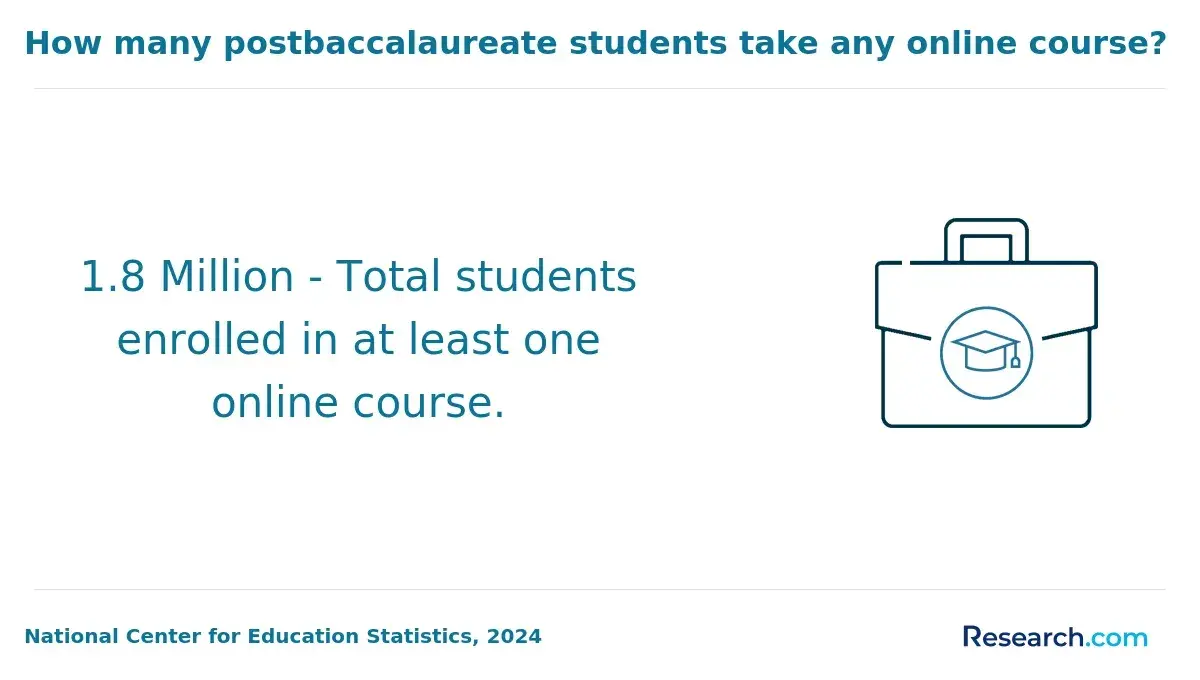
Course format significantly shapes how students experience difficulty in economics programs, with online course completion rates roughly 10% lower than traditional classes according to recent data from the National Center for Education Statistics. This gap highlights the different demands remote learning places on students compared to in-person settings.
Several factors contribute to these differences:
- Self-discipline demands: Online learners must independently manage time and maintain motivation without the structured environment of campus schedules, which can heighten perceived challenge.
- Instructor interaction: Limited synchronous engagement in online courses often means less immediate clarification, making complex economic concepts tougher to grasp for some.
- Resource availability: While digital materials and forums are accessible remotely, the lack of on-site tutoring or library support can impact how easily students obtain help.
- Flexibility advantage: The ability to study anytime eases balancing academics with work or family responsibilities, potentially lowering stress for many online students.
- Assessment style: Online courses frequently use open-book exams and written assignments, which can shift how difficulty is perceived compared to traditional in-person tests.
Weekly time commitments play a vital role in academic planning for economics students, with many dedicating around 2 to 3 hours of study per credit hour outside of lectures. This aligns with standard university credit-hour frameworks and reflects the effort needed to grasp course material effectively.
Various elements shape the amount of time students spend on their economics coursework each week.
- Course Level: Higher-level economics classes typically require more hours due to the complexity of topics and advanced concepts, demanding deeper analysis and understanding.
- Technical Intensity: Courses focused on quantitative skills, such as econometrics or statistics, often involve extensive problem-solving and practice, increasing study time significantly.
- Writing Requirements: Assignments like research papers or essays extend time demands because they need searching for sources, organizing ideas, drafting, and revising content.
- Learning Format: Online or hybrid courses usually require students to be more self-motivated, which can add to independent study time compared to traditional in-person classes.
- Student Background: Those with prior experience in math or economics might spend less time studying, whereas newcomers to these subjects often invest additional hours to build foundational knowledge.
Course difficulty and GPA are closely linked concerns for many students, especially in economics where harder courses can significantly impact academic performance. Research indicates that upper-level economics classes often have an average GPA about 0.3 points lower than introductory courses, reflecting the increased challenge. This impact of challenging economics courses on GPA can affect student planning and success.
Several key factors explain how these harder economics courses influence GPA outcomes:
- Grading rigor: Professors in advanced courses typically apply more stringent grading standards to assess students' mastery and critical thinking effectively, making high grades harder to earn.
- Assessment structure: Higher-level economics classes often include complex problem sets, essays, and cumulative exams, increasing academic demands and the difficulty of maintaining top marks.
- Course sequencing: Prerequisites require students to build foundational knowledge before tackling advanced topics. However, gaps in preparation can negatively affect performance and result in lower GPAs.
- Student preparation: Success depends heavily on quantitative and theoretical readiness, so those less prepared in math or statistics may experience a decline in grades when facing difficult economics coursework.
- GPA weighting policies: Some institutions weigh upper-division courses differently on GPA calculations, either lessening or amplifying the effect of challenging courses on overall academic performance.
Students seeking a less intensive academic route might explore the easiest bachelor degree to get online as an option to balance their workload and academic goals effectively.
Many students link taking more challenging economics courses with improved job prospects, a view backed by research showing that 62% of employers favor candidates who have completed advanced quantitative coursework. This preference underscores the belief that tougher classes prepare students better for the demands of the labor market.
Below are key reasons why engaging in rigorous economics study can impact career opportunities.
- Skill development: More difficult courses push students to sharpen critical thinking, analytical abilities, and quantitative reasoning. These competencies are essential for roles that require handling complex economic data and making informed decisions.
- Employer perception: Successfully finishing demanding classes sends a signal to recruiters about a candidate's determination, intellectual strength, and work ethic, increasing their attractiveness during hiring.
- Internships and projects: Advanced coursework often includes practical assignments and research components that expose students to real-world problems, boosting their hands-on experience and appeal to employers.
- Specialization signaling: Taking tough electives in specialized areas like econometrics or financial economics showcases focused expertise, helping candidates differentiate themselves in competitive fields.
- Career advancement: A solid background from challenging courses lays a foundation for future growth, easing the path toward senior positions and graduate studies.
What Graduates Say About the Hardest and Easiest Courses in a Economics Degree Program
- Ellah: "Taking both challenging and easier courses in my online economics degree taught me valuable time management skills. While some classes pushed me to my limits, others offered a welcome balance that kept me motivated. Considering the average cost of attendance, I felt the investment was worthwhile because my degree significantly boosted my opportunities in financial consulting. "
- Amariz: "The balance of hard and easy courses in my economics program was a journey of self-discovery. The hard classes were demanding but necessary, and the easier ones helped me maintain a steady pace without burning out. Given the rising costs of higher education, I appreciate how my degree opened doors in market analysis without leaving me in overwhelming debt."
- Drake: "Completing an economics degree online required a strategic approach to tackling difficult and simpler subjects. The coursework was rigorous, but cost-effective compared to traditional routes, which made the financial commitment manageable. Professionally, this degree provided me with the analytical framework that has been crucial in my role as a policy advisor."
Other Things You Should Know About Economics Degrees
In 2027, essential technology tools for economics courses include statistical software like SPSS and R, data visualization tools such as Tableau, and learning management systems like Canvas. Proficiency in these tools is crucial for handling complex datasets and performing quantitative analysis effectively.
Having a solid background in high school mathematics, particularly algebra and basic calculus, greatly improves a student's ability to grasp quantitative aspects of economics. Many economics courses build on these skills to teach models and graphs that explain economic behavior. Lack of mathematical preparation can make foundational courses more challenging.
In 2027, group projects in economics programs can enhance learning but also introduce challenges. They facilitate the application of theoretical knowledge, improve collaborative skills, and mirror real-world economics issues. However, they may increase course difficulty for students preferring individual assignments or facing scheduling conflicts.
- What is the hardest class you have ever taken? | Wall Street Oasis https://www.wallstreetoasis.com/forum/off-topic/what-is-the-hardest-class-you-have-ever-taken
- Best Economics Courses & Certificates [2025] | Coursera Learn Online https://www.coursera.org/courses
- Is Studying Economics Hard? - Vinayaka Mission's School of Economics and Public Policy - Vinayaka Mission's School of Economics and Public Policy https://vsep.edu.in/is-studying-economics-hard/
- How many hours of lectures for Economics? https://www.thestudentroom.co.uk/showthread.php
- What Can You Do with an Economics Degree? https://www.furman.edu/blogs/what-can-you-do-with-an-economics-degree/
- MBA Deans Share The Hardest Classes They Ever Took https://poetsandquants.com/2017/07/14/mba-deans-share-the-hardest-classes-they-ever-took/3/
- Econ hardest course vs. Finance hardest course https://www.econjobrumors.com/topic/econ-hardest-course-vs-finance-hardest-course
- Why Study An A Level Business Or Economics Course? https://www.nec.ac.uk/insight/why-study-an-a-level-business-or-economics-course/
- Most Useful Economics Courses https://www.urch.com/forums/topic/142262-most-useful-economics-courses/
- Additional Courses to Improve Your Prospects in a Career in Economics | INOMICS https://inomics.com/advice/additional-courses-to-boost-your-economics-degree-and-job-market-prospects-747447


