2027 Online Occupational Therapy Master's Degree Program Costs: Tuition & Fees

Co-Founder and Chief Data Scientist
Many prospective students face uncertainty about the total cost of an online occupational therapy master's degree, hindering their ability to plan finances effectively. With tuition and fees varying widely-averaging around $30,000 annually for such programs-unexpected expenses can delay graduation or increase student debt.
Additionally, industry data shows that nearly 40% of online graduate students reconsider enrollment due to affordability concerns. Understanding the full scope of tuition, fees, and additional costs is crucial for making an informed decision. This article breaks down these expenses to help prospective students evaluate program affordability and maximize their educational investment.
Key Things to Know About the Online Occupational Therapy Master's Degree Program Costs
- Tuition for online occupational therapy master's programs typically ranges from $20,000 to $60,000, influenced by institution type and program length.
- Additional fees such as technology, lab, and clinical placement costs can add $1,000 to $3,000 annually to total expenses.
- Overall program costs may vary widely, but students should budget for tuition, mandatory fees, and potential material or travel expenses for fieldwork.
How Much Does an Online Occupational Therapy Master's Degree Cost?
Online occupational therapy master's degree programs in the United States typically have a total tuition range between $40,000 and $70,000. The average total tuition for these programs is about $55,000, reflecting the cost to complete the degree without additional fees. This figure helps prospective students understand the overall financial commitment associated with online occupational therapy master's programs.
The variation in average tuition and fees for online occupational therapy master's programs is influenced by several factors such as program length, the depth of clinical practicum requirements, faculty expertise, and the resources available to students. Programs with more extensive clinical training or affiliations with research-intensive institutions usually fall at the higher end of the cost spectrum.
Students evaluating their options should focus on total tuition to better compare affordability and returns on investment, rather than per-credit or miscellaneous fee breakdowns often shown separately. For those interested in accelerated healthcare training, some may also explore accelerated medical assistant programs as alternative or supplementary career pathways.
Do certain specializations in an online occupational therapy master's program cost more than others?
While the base tuition for an online occupational therapy master's program often remains consistent across various tracks, total costs can differ significantly depending on the chosen specialization. Several factors contribute to these variations beyond the core curriculum, reflecting the unique demands of each field. Key contributors include:
- Credit Hour Requirements: Certain specializations mandate a higher number of credit hours to cover specialized knowledge and skills, directly impacting tuition costs due to the extended coursework.
- Specialized Fees: Some tracks require additional fees for labs, clinical placements, or specialized equipment. These costs are typically associated with hands-on learning components that are essential for specific occupational therapy concentrations.
- Certification Preparation: Expenses linked to preparing for certifications tailored to technical, clinical, or licensure pathways vary by specialization and add to overall program fees.
- Practicum and Internship Hours: Specializations involving longer or more intensive practicum experiences often extend program duration, increasing tuition and related costs such as supervision and administrative fees.
Specializations like pediatric occupational therapy or assistive technology often require investment in unique resources, including specialized training modules and software licenses or access to distinct clinical environments. These necessities result in higher expenses beyond the standard tuition framework. Similarly, concentrations with extended fieldwork or more demanding clinical hours tend to elevate the total financial commitment needed for degree completion.
Prospective students researching cost differences in occupational therapy specializations online should account for these factors when assessing affordability and return on investment. Those considering related healthcare graduate pathways might also explore options such as a DNP degree to compare program structure and expenses.
What additional fees are charged in online occupational therapy master's programs?
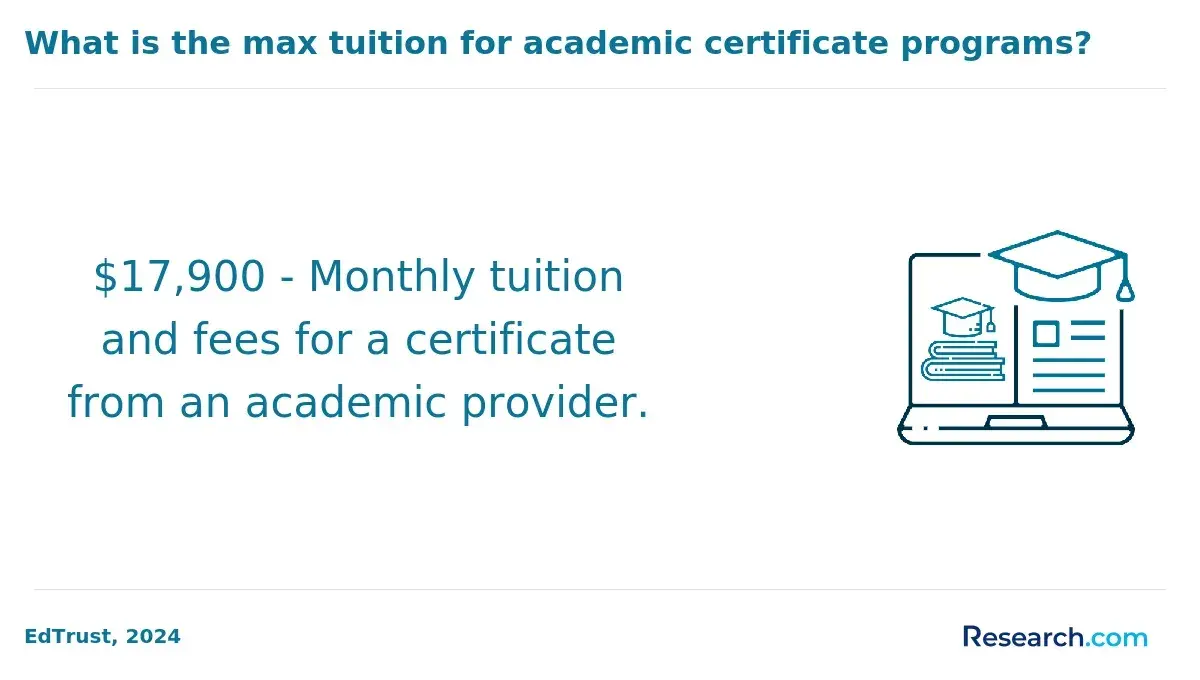
Published tuition rates for online occupational therapy master's programs rarely encompass all associated expenses, as additional fees can add as much as 15% to the total cost. Besides the per-credit charges, students usually face various program-specific and administrative fees throughout their studies. The most frequent of these fees include the following:
- Technology Fees: These cover IT support, maintenance, and access to digital learning platforms. Typically billed each term, they contribute incrementally to the overall cost beyond tuition.
- Online Learning Platform Fees: Charged per course, these fees support the proprietary software and virtual environments that facilitate course delivery and interaction.
- Digital Course Materials: While some programs bundle e-books and resources within tuition, others itemize these separately, usually as per-course charges, adding to course expenses.
- Lab or Simulation Fees: For courses requiring virtual labs or specialized equipment for skill acquisition, these fees may apply and are often charged on a per-term or per-course basis.
- Practicum or Clinical Placement Fees: These fees support the administrative efforts needed to arrange and manage fieldwork sites. They are usually assessed once or per placement, representing a significant but necessary cost component.
- Graduation Fees: A one-time charge covering the processing of degree conferral, transcripts, and diplomas.
- Student Services Fees: These fund access to career counseling, tutoring, and other support services, often included per term.
- Proctoring or Exam Fees: Assessed per exam, these fees pay for monitored or online testing services, which are vital for maintaining academic integrity in remote assessments.
When asked about his experience with these additional fees, a graduate of an online occupational therapy master's degree shared that navigating them felt like an unexpected puzzle during his studies. "It wasn't just about paying tuition - I had to budget carefully for technology fees each semester, and the practicum placement charges were higher than I anticipated," he noted.
He described the process of uncovering the full cost as "confusing at first," emphasizing that transparent communication from the program could have eased financial planning. "I learned the hard way that these fees add up quickly and are an essential part of what makes the program run smoothly," he added, reflecting on the balance between costs and the quality of education received.
Part-time enrollment in an online occupational therapy master's program typically involves a lighter course load per term but a longer overall program duration compared to full-time study. Although tuition rates per credit usually remain unchanged, the total tuition might not decrease in direct proportion due to factors like added fees and extended enrollment periods. Several critical elements influence whether part-time study reduces overall costs.
- Per-Credit Tuition: Most programs charge the same tuition per credit regardless of full- or part-time status, so total price depends heavily on credits completed. Spreading credits out may not lower per-credit expenses but affects cumulative tuition timing.
- Program Fees: Some online occupational therapy programs apply fees each semester or term. Enrolling part-time often extends the number of semesters, potentially increasing these additional costs.
- Extended Time-to-Degree: Taking longer to complete the program can mean paying tuition and fees across more semesters, sometimes offsetting savings gained from fewer classes each term.
- Financial Aid Eligibility: Many scholarships or loans require full-time enrollment, which can limit financial aid options for part-time students and impact net costs.
- Opportunity Costs: Part-time students may maintain employment while studying, which can balance tuition expenses by preserving income. Assessing this tradeoff is essential when considering part-time enrollment.
Prospective students assessing if part-time enrollment in an online occupational therapy program reduces tuition expenses should weigh these factors carefully. Those seeking more affordable routes might also explore the cheapest online NP programs for additional cost comparisons and financial planning strategies.
Tuition structures for online programs often differ from traditional on-campus rates, especially regarding out-of-state charges. Many institutions offer online occupational therapy master's programs at a consistent annual rate of about $15,000 for all graduate students, regardless of residency. Several important considerations can affect these tuition models and related costs.
- Tuition Parity: Many online programs charge the same tuition fee to both in-state and out-of-state students, aiming to simplify payment and increase access for nonlocal learners.
- Regional Reciprocity: Certain states participate in agreements that reduce or eliminate out-of-state tuition for online students residing in member states, making education more affordable within these compacts.
- Program-Specific Fees: Additional charges such as technology fees, clinical supervision, or laboratory expenses may differ depending on the program and a student's residency status, influencing total costs.
- Additional Residency Costs: Despite flat tuition rates, learners may face residency-related expenses like licensing exam fees or state-mandated background checks, which vary by location.
Tuition rates for public universities offering online occupational therapy master's degrees generally run lower than those at private institutions. For instance, in-state tuition at public schools tends to fall between $500 and $800 per credit hour, while private universities often charge $1,000 or more. Several factors influence these costs, which can be broken down as follows:
- Base Tuition Differences: Public institutions benefit from state funding, allowing them to offer reduced tuition compared to private schools that rely mainly on tuition and private resources, resulting in higher sticker prices.
- Residency Impacts: In-state students at public universities typically pay significantly less than out-of-state counterparts, whose tuition may approach or even exceed private university rates, narrowing the affordability gap.
- Program Fees: Additional expenses such as technology fees, clinical placement charges, and course materials vary widely and can substantially affect the total cost for online students across both sectors.
- Financial Aid Availability: Private universities sometimes provide more robust scholarships and aid packages, which may offset higher base tuition and alter net costs, complicating direct comparisons.
A professional who earned her online occupational therapy master's from a public university shared reflections on affordability. She recalled feeling cautious yet optimistic, noting that navigating residency requirements and potential fees was critical to budgeting effectively.
Despite occasional surprises related to ancillary expenses, she found the program's overall cost manageable due to state subsidies and transparent tuition breakdowns. Her experience highlighted that while public universities can offer more economical options, students still need to assess all financial factors carefully to determine true affordability for their circumstances.
Accelerated online occupational therapy master's degree programs differ from traditional online formats primarily by offering a heavier course load over a shorter duration, typically billed by term. While this compressed timeframe may increase the intensity of study, accelerated pathways sometimes cost about 15% more per credit hour but allow students to complete their degrees roughly six months sooner than standard programs.
This dynamic influences the total financial commitment in notable ways. Below are key cost considerations prospective students should evaluate when comparing these options.
- Per-Credit Tuition: Accelerated programs usually have a higher tuition rate per credit to reflect the condensed schedule and the greater allocation of faculty and support resources. This variation can be more pronounced when comparing purely online programs to hybrid formats, where in-person components may add to costs.
- Additional Fees: Fees related to technology, lab access, or clinical placements tend to be similar across both accelerated and traditional track formats. However, accelerated students might encounter extra charges if the faster pace requires more frequent clinical supervision or specialized equipment usage.
- Financial Aid Eligibility: Both accelerated and standard programs generally qualify for federal financial aid. Yet, the compressed enrollment periods within accelerated tracks can affect the timing of aid disbursements and loan budgeting, potentially impacting cash flow throughout the program.
- Potential Savings: The ability to complete a degree faster can reduce indirect costs such as lost income and living expenses. These savings may offset the higher per-credit tuition, making accelerated options financially appealing overall. When reviewing affordability, also consider programs like nursing programs that don't require TEAS, which sometimes offer alternative cost-saving educational routes.
Prior learning assessment (PLA) is a process that allows graduate students in occupational therapy programs to earn academic credit by demonstrating knowledge and skills gained outside of traditional coursework. Universities typically evaluate professional experience, industry certifications, military service, or previous relevant courses to determine eligibility.
Examples of acceptable learning include validated work in healthcare environments, specialized professional training, and nationally recognized credentialing. PLA often results in course waivers or direct credit transfer, reducing the total number of credits required for graduation.
According to the Council for Adult and Experiential Learning, some graduate programs award between 12 and 30 credit hours through PLA, potentially cutting tuition costs by 25% or more. This makes it a valuable option for students seeking to minimize expenses in graduate occupational therapy education.
The impact of PLA on total tuition costs can be significant, but programs typically limit PLA credits to about one-third of degree requirements to maintain academic rigor. Differences exist between online and campus-based graduate occupational therapy programs, with some online options offering more flexibility in PLA acceptance.
Students considering PLA should plan carefully, as the process often involves submitting portfolios, taking exams, or participating in interviews. Additionally, PLA may not cover all administrative fees, and some programs charge application fees for credit evaluation. Prospective students interested in reducing tuition through PLA should consult academic advisors and explore fast track programs that integrate PLA into their curriculum to maximize the benefit of prior learning assessment for online occupational therapy master's degree pathways.
Tuition is a significant component of the cost for an online occupational therapy master's degree, but students must also account for fees, materials, and living expenses. Many online graduate students in the U.S. utilize diverse funding sources to manage these costs.
On average, online graduate students receive about $14,000 annually in financial aid, which can include loans, grants, scholarships, and employer support. The following outlines common financial aid options available to students pursuing this degree.
- Federal Loans: These loans are accessible to most U.S. citizens and eligible non-citizens. They typically offer fixed interest rates coupled with income-driven repayment plans, allowing students to spread tuition costs over time while benefiting from borrower protections.
- Private Loans: Offered by banks and credit unions, private loans require good credit and usually have variable interest rates. They serve as supplemental funding when federal aid is insufficient, but borrowers should consider potential higher costs and less flexible repayment terms.
- Grants and Scholarships: These funds do not require repayment and often depend on merit, financial need, or affiliation with professional organizations. While some campus-based grants may be less accessible to online learners, many scholarships remain fully available.
- Employer Tuition Reimbursement: Working professionals often leverage employer programs that cover part or all of their tuition. These reimbursements typically require maintaining employment for a specified period, making them particularly valuable for students balancing work and study.
- Military and Veteran Benefits: Active service members, veterans, and their families can use benefits such as the GI Bill to substantially reduce education costs. These benefits generally apply regardless of whether the program is online or in-person.
Though certain aid options may vary in accessibility between online and campus settings, federal aid and employer reimbursement remain reliably available. Students should carefully review eligibility criteria and application deadlines to maximize financial support for their online occupational therapy master's degree.
Salary prospects play a vital role in measuring the return on investment for graduate education in occupational therapy. According to the U.S. Bureau of Labor Statistics and other labor market data, master's degree holders in this field in the United States typically earn between $80,000 and $95,000 annually. Median compensation is commonly about $87,000, with variations influenced by several factors. Below are key elements that affect salary levels:
- Industry Sector: Professionals working in hospitals or specialized rehabilitation settings generally receive higher pay than those employed in educational institutions or outpatient clinics.
- Geographic Location: Metropolitan regions and areas with a higher cost of living tend to offer increased salaries to occupational therapy graduates.
- Years of Experience: Entry-level therapists usually earn less, while seasoned practitioners with certifications or advanced skills command higher wages.
- Specialization: Focusing on fields such as pediatric, geriatric, or neurological occupational therapy can positively influence earnings.
- Leadership Responsibilities: Taking on management positions or clinical supervisory roles often results in additional salary premiums.
What Graduates Say About Their Online Occupational Therapy Master's Degree Program Costs
- Erwin: "I was initially worried about the tuition costs for an online occupational therapy master's degree, but the flexibility of the online format allowed me to continue working full-time and save on commuting expenses. This balance made the investment feel more manageable and practical. Since graduating, I've seen a clear return on investment with new job opportunities opening up in my field. "
- Laura: "Reflecting on my journey, the fees for the program were reasonable compared to traditional campuses, especially considering the accessibility it offered. The asynchronous classes reduced extra costs related to housing and travel, which was a significant relief financially. Graduating has definitely enhanced my professional credibility, allowing me to advocate more effectively for clients in clinical settings. "
- Melissa: "The cost of pursuing an online occupational therapy master's degree was a big consideration, but choosing an online program helped me avoid relocating and additional fees. I appreciated how the financial savings enabled me to focus on learning rather than worrying about expenses. Professionally, the degree boosted my confidence and earning potential as I advanced into leadership roles within healthcare."
Other Things You Should Know About Occupational Therapy Degrees
Level I and Level II fieldwork usually adds travel, housing, and lost-work costs beyond tuition and fees. Accreditation standards require supervised fieldwork hours, and many programs schedule at least one full-time Level II placement, which can last 8 to 12 weeks and may be completed away from home.
The average tuition cost per credit hour for 2027 online occupational therapy master's programs typically ranges from $500 to $800. This cost can vary depending on the institution and may not include additional fees such as technology or service charges.
In 2027, students in online occupational therapy master’s programs may face additional fees such as technology fees, lab fees, and graduation fees. These costs typically vary by institution but can add several hundred dollars annually to the overall financial commitment.
- Online CScD in Occupational Therapy Program Tuition and Costs | Pitt SHRS https://www.shrs.pitt.edu/academics/ot/cscdot/cost/
- Which OT Degree? (MSOT, OTD, PPOTD, & More!) • OT Potential https://otpotential.com/blog/occupational-therapy-degree
- Tuition and Financial Aid | Post-Baccalaureate Master of Occupational Therapy https://grad.qu.edu/programs/masters-degree/post-baccalaureate-master-of-occupational-therapy/tuition-and-financial-aid/
- Online Occupational Therapy Programs for Aspiring OTs https://www.scuhs.edu/otd-article/online-occupational-therapy-programs-for-aspiring-ots/
- Best Value: Most Affordable OT Master’s Degrees with 100% Exam Pass Rates | HealthGrad https://www.healthgrad.com/physical-health/best-value-most-affordable-ot-masters-degrees-with-100-exam-pass-rates/
- Master of Science in Occupational Therapy Program https://www.mountunion.edu/academics/graduate-degrees/master-of-science-in-occupational-therapy-degree
- most affordable occupational therapy schools in 2025 https://www.accio.com/biz-cheap/most-affordable-occupational-therapy-schools
- Master of Science in Occupational Therapy Master's Degree https://www.edx.org/masters/russell-sage-college-master-of-science-in-occupational-therapy/tuition
- 2025's Best Online Master's Programs in Occupational Therapy https://www.onlinemastersdegrees.org/best-programs/occupational-therapy/
- Occupational Therapy Programs Online: Finding the School for You https://www.edumed.org/online-schools/occupational-therapy-programs/