2027 How Much Does a Cybersecurity Degree Program Cost? Tuition, Fees & Total Expense Breakdown

Co-Founder and Chief Data Scientist
Estimating the true cost of a cybersecurity degree program often confuses students due to rising and varied tuition fees. Over the past five years, tuition rates for cybersecurity programs have increased by nearly 15%, placing additional financial pressure on prospective students. Many also overlook indirect expenses like technology fees and lab costs, which significantly add to the total amount.
This article, prepared by career planning experts, breaks down tuition, fees, and total expenses associated with cybersecurity degrees, helping students create realistic budgets. By understanding key cost components, readers can more effectively compare schools, plan financial resources, and avoid unexpected charges throughout their academic journey.
Key Benefits of Knowing the Cybersecurity Degree Program Cost in 2026
- Knowing total costs helps students plan finances accurately, reducing debt and allowing for better budgeting throughout the cybersecurity degree program.
- Understanding fees breakdown reveals hidden expenses like lab materials or certification tests essential for practical cybersecurity skills development.
- Detailed cost awareness aids in comparing programs effectively, ensuring students invest in high-value education aligned with cybersecurity industry demands.
What Expenses Are Included in the Full Cost of a Cybersecurity Degree?
Accurately estimating the full cost of a cybersecurity degree program requires recognizing all expense components beyond tuition. A detailed understanding of these costs helps students create realistic budgets and avoid surprises during their studies.
The cybersecurity degree program's total expenses generally include the following key elements:
- Tuition: This is usually the largest cost, varying significantly by institution. In-state public universities average around $10,940 annually, while private colleges can charge over $38,000. Specialized cybersecurity programs may incur premium fees due to expert faculty and advanced resources.
- Mandatory fees: Covering student services, technology support, and facility upkeep, these fees tend to range from several hundred to over a thousand dollars yearly. Cybersecurity students might face higher technology fees because of lab and software needs.
- Books and supplies: Expenses often total between $1,200 and $1,500 per year. Given cybersecurity's evolving nature, students might also invest in updated references or specialized software licenses.
- Technology requirements: A capable laptop or desktop is essential for running security applications and virtual labs, which can cost between $800 and $1,500.
- Lab or clinical fees: For programs with hands-on simulations, these fees range from $100 to $1,000 depending on intensity and available resources.
- Living expenses: Housing, food, transportation, and personal costs vary widely. The U.S. Department of Education estimates on-campus room and board at about $11,000 annually, with off-campus costs differing by location.
Those looking into accelerated study options may also consider a 1 year masters program online as an alternative path. This can sometimes reduce overall financial commitments while providing comparable education.
The full cost breakdown of cybersecurity degree reflects how each of these categories contributes to the overall budgeting process, helping prospective students make informed decisions on where to allocate resources.
What Is the Average Total Cost of a Cybersecurity Degree Program in 2026?
The average total cost of a cybersecurity degree program typically ranges between $40,000 and $80,000 in the U.S. This total cost includes tuition, fees, textbooks, supplies, and other educational expenses, all of which are crucial for prospective students to consider when planning their academic and financial futures.
Public universities offer more affordable tuition rates, usually between $15,000 and $25,000 per year for in-state students, while private institutions may charge $35,000 or more annually. These figures reflect an important 2026 cybersecurity degree tuition and fees breakdown that highlights the variability in expenses based on institution type and enrollment status.
Program format, such as online versus on-campus study, significantly influences costs, with online degrees often providing savings on commuting and housing. However, accelerated or specialized programs can command higher tuition.
Regional cost differences also play a role, as urban areas tend to have higher expenses. Additional fees, such as for labs or technology, add approximately 15-20% to base tuition. For those interested in cost-effective study options, exploring easy online masters programs may be beneficial when considering degree affordability and flexibility.
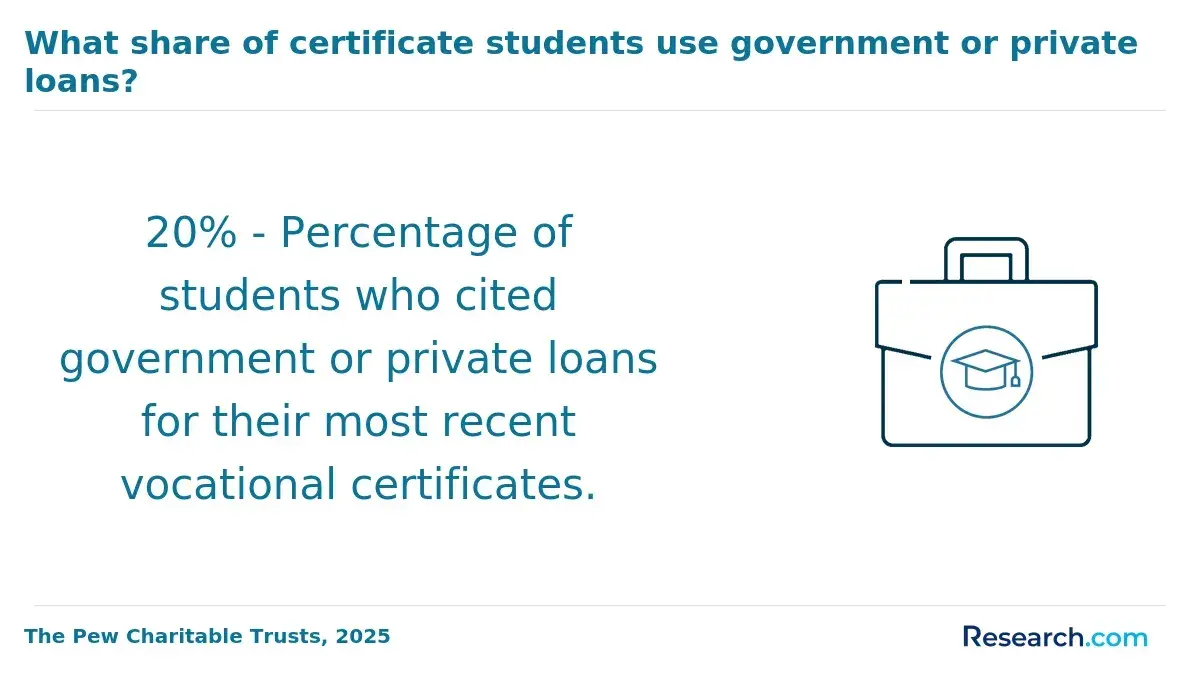
What Mandatory Fees Do Schools Charge for a Cybersecurity Program in 2026?
Mandatory fees in cybersecurity degree programs refer to additional charges beyond tuition that cover essential resources and services. These fees ensure students have access to specialized tools and support needed for the successful completion of their studies.
Below is an overview of common mandatory fees students can expect for cybersecurity programs, illustrating how they contribute to total program costs.
- Technology Fee: This fee, typically ranging from $100 to $500 per semester, supports maintenance and upgrades of computer labs, software licenses, and online learning platforms, which are vital for cybersecurity studies.
- Lab or Practical Fees: Required annually between $200 and $600, these fees fund hands-on experiences such as simulated cyberattacks and forensic analysis labs, integral to practical learning.
- Student Services Fees: Usually $100 to $300 per term, these cover access to counseling, career services, and campus activities, enhancing student support and engagement.
- Assessment or Testing Fees: Ranging from $50 to $200 per course, these fees cover certification exam costs or proctoring services linked to program assessments.
- Campus Facilities Fees: Typically $50 to $150 per semester, these fees help maintain classrooms and common areas essential for in-person instruction and collaboration.
Mandatory cybersecurity program fees often add 10% to 20% over base tuition costs for STEM-related fields like cybersecurity. Prospective students should carefully review their institution's fee schedules to budget effectively for additional costs associated with their education. For those exploring flexible options, programs such as a PhD without dissertation may offer alternative pathways with differing cost structures.
Understanding cybersecurity degree additional costs is crucial for prospective students aiming to make informed financial decisions before enrollment.
Students pursuing a cybersecurity degree should anticipate additional program-specific fees beyond standard tuition and general university charges. These supplementary costs vary by institution but are commonly required to support specialized curriculum components. Below is a list of typical extra fees that cybersecurity majors may encounter:
- Specialized lab fees: Charges for access to secure virtual or physical labs essential for hands-on learning, often ranging from $200 to $600 per semester.
- Program-specific software licenses: Fees for necessary tools used in practical exercises like firewall management and penetration testing, typically costing between $100 and $400 annually.
- Certification exam preparation fees: Expenses related to study materials and courses for industry certifications such as CompTIA Security+ or CISSP, which can total $300 to $700.
- Required equipment or supplies: Costs for devices like laptops configured for cybersecurity tasks or specialized security tools, often adding several hundred dollars to overall expenses.
- Fieldwork or practicum fees: Charges related to supervision, site access, or background checks during practical experience components, generally ranging from $150 to over $500.
Accurately estimating the costs of supplies and equipment is essential for planning the full expense of a cybersecurity program. These items often represent a significant portion of additional fees beyond tuition, influencing overall budgeting decisions.
Below is a list of common supplies and equipment required for students pursuing a cybersecurity degree, along with typical price ranges.
- Specialized Software Licenses: Required for coursework and practical exercises, these licenses typically cost between $200 and $600 annually, depending on the program's curriculum.
- Computing Hardware: A reliable laptop or desktop with enhanced specifications to run virtualization and security tools usually ranges from $800 to $1,500.
- Lab Kits and Security Tools: Physical kits or devices used in hands-on training can cost approximately $150 to $400, providing practical experience with security testing and analysis.
- Protective Equipment: Occasionally needed for in-person labs, this gear adds minimal expense but ensures safety during physical activities.
Overall, students should anticipate spending about $1,000 to $2,000 on these supplies and equipment, although some institutions may offer software access or loaner hardware to help reduce costs.
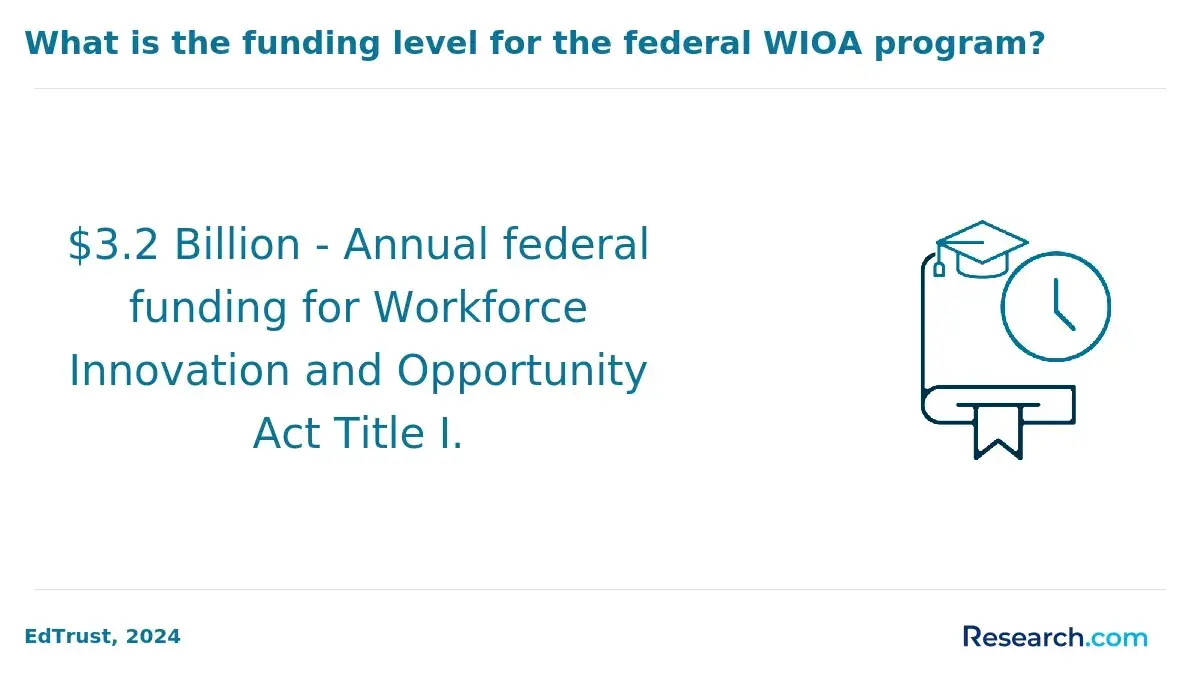
Living, food, and travel costs are key components of the total price students face when pursuing a cybersecurity degree. These expenses fluctuate based on geographic region, personal habits, and lifestyle choices, impacting overall affordability and budgeting.
Below are typical categories of costs students should consider:
- Housing: On-campus room and board averages around $11,600 per year at public universities, though off-campus rents differ widely, from $8,000 up to $15,000 or more annually in expensive urban areas.
- Utilities: Costs for electricity, water, and internet vary by housing type; shared accommodations can reduce individual expenses, while private apartments typically incur higher bills.
- Groceries and Dining: Annual food expenses generally range between $3,000 and $5,000, influenced by whether students prepare meals themselves or frequently use campus dining services or eat out.
- Local Transportation: Commuting costs such as public transit passes or parking fees usually total between $500 and $1,200 per year, depending on proximity to campus.
- Travel for Internships or Placements: Students attending schools far from home or completing off-site internships should budget for occasional trips, which may amount to several hundred dollars annually.
Many cybersecurity degree programs incorporate internships or residencies to provide practical experience, though requirements vary by institution. These hands-on components, often either required or strongly encouraged, help bridge academic theory with real-world skills. Internships typically occur at government bodies, private companies, or nonprofit organizations and can last several months or an entire semester.
Some programs include capstone projects or simulated residencies in partnership with industry stakeholders. Whether mandatory or optional, these experiential elements frequently affect the overall program cost.
Additional expenses tied to internships or residencies depend on factors such as travel, temporary lodging near the placement site, necessary professional equipment, or special insurance coverage. According to a 2024 CyberSeek survey, these costs usually range between $1,000 and $3,500, influenced by geographic location and duration.
To manage such expenses, students should proactively consult academic advisors, investigate potential stipends or employer reimbursements, and seek internship opportunities close to home to minimize financial impact.
Students can usually switch between part-time and full-time enrollment in cybersecurity programs, though each institution has specific policies governing these changes. Typically, switching requires submitting a formal request or a change of status form before the start of the semester.
Many schools allow this flexibility to accommodate different life circumstances, but the process depends on institutional rules. Key considerations include the student's academic progress, deadlines, and eligibility for the desired enrollment status. Transitioning between part- and full-time formats is designed to help students manage workload and personal commitments more effectively.
Common restrictions often involve the student's academic standing-those in good standing generally have more freedom to change enrollment. Financial aid eligibility may be affected, especially for scholarships or federal aid, which often require a minimum number of credits.
Course scheduling can also limit options, as some classes may only be available to full-time or part-time students at certain times. Additionally, academic advising or approvals are typically required to ensure the change supports graduation goals and timelines, which can sometimes extend if course load decreases.
Evaluating the cost differences between part-time and full-time enrollment is crucial for planning finances and making informed decisions about a cybersecurity degree. Knowing how tuition, fees, and additional expenses compare can help students select the best fit for their budgets and schedules.
Below is a structured comparison highlighting key factors that influence the total cost of these program formats.
Full-Time Cybersecurity Degree Cost
- Tuition Per Credit: Full-time students typically pay a higher tuition rate each semester because they enroll in 12 to 15 credits, accelerating degree completion in about two years.
- Total Program Cost: The condensed schedule means fewer semesters overall, but each semester's tuition is higher, resulting in significant upfront payments.
- Mandatory Fees and Supplies: Annual fees for labs, software, and supplies add approximately $1,000 to $2,000 regardless of enrollment status but may feel more concentrated during full-time study.
- Living and Travel Expenses: Full-time students often spend more time on campus or may relocate, increasing costs for housing, transportation, and daily living.
Part-Time Cybersecurity Program Tuition Comparison
- Tuition Per Credit: Part-time learners usually take 6 to 9 credits per semester, paying less in immediate tuition but extending the program duration to three or more years.
- Total Program Cost: Although individual semesters cost less, the longer timeframe can increase accumulated expenses, impacting overall affordability.
- Mandatory Fees and Supplies: Similar to full-time programs, annual fees for access to labs and specialized software apply, spread over more semesters.
- Living and Travel Expenses: Part-time students often balance employment with studies, potentially lowering indirect costs related to relocation or campus time.
Tuition per credit hour in cybersecurity programs averages $400 to $700 at public universities and $700 to $1,200 at private institutions, according to recent data from the National Center for Education Statistics. Financial aid options and scheduling flexibility vary between full-time and part-time formats, influencing how students manage total expenses.
For those exploring degrees that pay well, comparing these elements alongside program duration and costs is essential to optimizing investment in education.
What Graduates Say About the Cost of Their Cybersecurity Degree
- Raphael: "Pursuing a cybersecurity degree was initially daunting because of the cost, which for many averages around $20,000 to $30,000 a year. However, I found that managing living expenses alongside the program really taught me discipline and budgeting skills. Now, seeing the return on my investment in a rewarding career makes every dollar well worth it. "
- Russell: "Reflecting on my time studying cybersecurity, I can honestly say it was a balancing act between coursework and covering living costs, which sometimes felt overwhelming. The tuition fees were significant, but scholarships and part-time work helped ease the financial strain. In the end, the high ROI of this field-through strong job prospects and salary growth-has justified every sacrifice. "
- Althea: "From a professional standpoint, the cost of a cybersecurity degree can seem steep, but the comprehensive learning experience prepares you for an in-demand sector with impressive earning potential. I managed living expenses carefully by prioritizing part-time consulting gigs, which also enhanced my practical skills. The financial and career returns have exceeded my expectations, making the degree an excellent investment. "
Other Things You Should Know About Cybersecurity Degrees
In 2027, cybersecurity students can access federal student aid, scholarships, and grants to help cover tuition expenses. The FAFSA form determines eligibility for federal aid, while specific scholarships are available from professional organizations like the (ISC)² and CompTIA for those pursuing cybersecurity degrees.
Some cybersecurity degree programs may require access to specialized software tools used for network security, penetration testing, or digital forensics. However, many schools provide these software licenses through campus resources or institutional agreements, reducing or eliminating individual costs. Students should verify with their program whether software expenses are covered or need to be purchased separately.
Hidden fees, such as lab fees, technology fees, and software subscriptions, can significantly impact the total cost of a cybersecurity degree in 2027. Students should carefully review their university's fee structure to budget accurately for these additional expenses, which often vary by institution.
- The Latest Cybersecurity Associate's Degree Info (2025) https://programs.com/programs/cybersecurity-associate-degree/
- Cyber Security Course Cost: 5 Top Course Options to Explore https://flearningstudio.com/cyber-security-course-cost/
- Most Affordable Online Cybersecurity Degrees - 2025 Guide https://www.mastersinai.org/degrees/affordable-online-cybersecurity-degrees/
- What are the costs associated with cybersecurity for businesses? https://www.nucamp.co/blog/coding-bootcamp-cybersecurity-what-are-the-costs-associated-with-cybersecurity-for-businesses
- Cybersecurity Courses vs. Traditional Degrees: Pros and Cons | Cybrary https://www.cybrary.it/blog/cybersecurity-courses-vs-degrees
- Cyber Security and Computer Networks - Vistula University https://vistula.edu.pl/en/major/cyber-security-and-computer-networks
- The rising cost of cybersecurity expertise https://fieldeffect.com/blog/rising-cost-cyber-security-expertise
- What is the Average Cost of Cyber Security Services? A Complete Price Guide - Binary IT https://binaryit.com.au/average-cost-of-cyber-security-services/
- How to Pay for a Degree in Cybersecurity | CyberDegrees.org https://www.cyberdegrees.org/resources/how-to-pay-for-a-degree/