2027 What Are the Prerequisites for Nursing School?

Co-Founder and Chief Data Scientist
Applying to nursing school is not just a matter of choosing a campus or submitting transcripts. Most programs expect applicants to complete specific science, math, communication, and general education courses before admission, and many also require entrance exams, minimum grades, clinical exposure, essays, interviews, background checks, or state-specific documentation.
This guide explains the prerequisites for nursing school in practical terms: what courses are commonly required, where you can complete them, how requirements differ by program type, what nonacademic expectations to prepare for, and how to compare nursing programs before investing time and money. It is written for high school students, career changers, LPNs, RNs, and college graduates considering traditional, bridge, accelerated, online, or advanced nursing pathways.
The decision matters now because healthcare systems continue to face workforce pressure. By 2025, the world will need approximately 15 million more healthcare professionals to fill the 80 million new health-sector jobs, according to WHO data cited in this article. As a growing share of Europe and North America enters older adulthood, nurses will remain central to patient care, prevention, chronic disease management, and health system access.
Prerequisites for Nursing School Table of Contents
- Why nursing school prerequisites matter
- Where you can complete nursing prerequisites
- Common nursing school prerequisite courses
- Other admission requirements beyond coursework
- Soft skills nurses need to succeed
- How to choose the right nursing program
- Accelerated nursing pathways
- How to plan financially for nursing schoolCost planning checklistProgram comparison questionsSkills checklistAdmissions checklist
- How long ADN-to-NP pathways can take
- Whether bridge programs can advance your nursing careerADN-to-MSN planning
- What affects nursing school costs
- How advanced nursing degrees can change your career options
- Whether affordable LPN programs are a practical starting point
- How to build a stronger nursing school application
- How to prepare beyond academic prerequisites
- Healthcare trends future nurses should understand
- How to evaluate online nurse practitioner program valueNursing workforce trends
Quick Answer: What Prerequisites Do You Need for Nursing School?
Most nursing schools require prerequisite courses in anatomy and physiology, biology, microbiology, chemistry, communication, lifespan growth and development, nutrition, psychology, and statistics. Many programs also expect a minimum grade in prerequisite and general education courses, a competitive GPA, standardized test scores such as TEAS or HESI where required, a personal statement, recommendation letters, and proof that applicants can meet clinical eligibility requirements.
Requirements vary by credential. LPN, ADN, BSN, accelerated BSN, RN-to-BSN, direct-entry MSN, and nurse practitioner programs may have different academic expectations, clinical-hour requirements, transfer credit rules, and state board approval standards. Before enrolling in any prerequisite course, compare the exact admissions checklist for each school you plan to apply to.
| Applicant goal | Typical prerequisite focus | Decision point |
| Start as an LPN | Basic sciences, math, English, health-related foundations, and program-specific admission requirements | Best for students who want a faster entry point into patient care and may bridge later |
| Earn an ADN and become an RN | Anatomy and physiology, microbiology, psychology, communication, math or statistics, and general education | Best for students seeking an RN pathway that may later lead to BSN or MSN study |
| Earn a traditional BSN | College-level lab sciences, statistics, nutrition, development, psychology, writing, and broader general education | Best for students who want a four-year nursing foundation and broader advancement options |
| Enter an accelerated BSN or direct-entry MSN | Science-heavy prerequisites completed before admission, often with strict grade expectations | Best for career changers who already hold a non-nursing bachelor’s degree |
| Move from RN to BSN or graduate nursing | Prior nursing license, transfer credits, statistics, research or evidence-based practice preparation, and clinical documentation | Best for licensed nurses seeking advancement, specialization, or leadership roles |
Why Nursing School Prerequisites Matter
Nursing prerequisites are not arbitrary hurdles. They help schools determine whether applicants have the academic base needed for pharmacology, pathophysiology, clinical judgment, patient assessment, and safe care delivery. They also protect students from entering a demanding program without enough preparation in science, communication, and evidence-based reasoning.
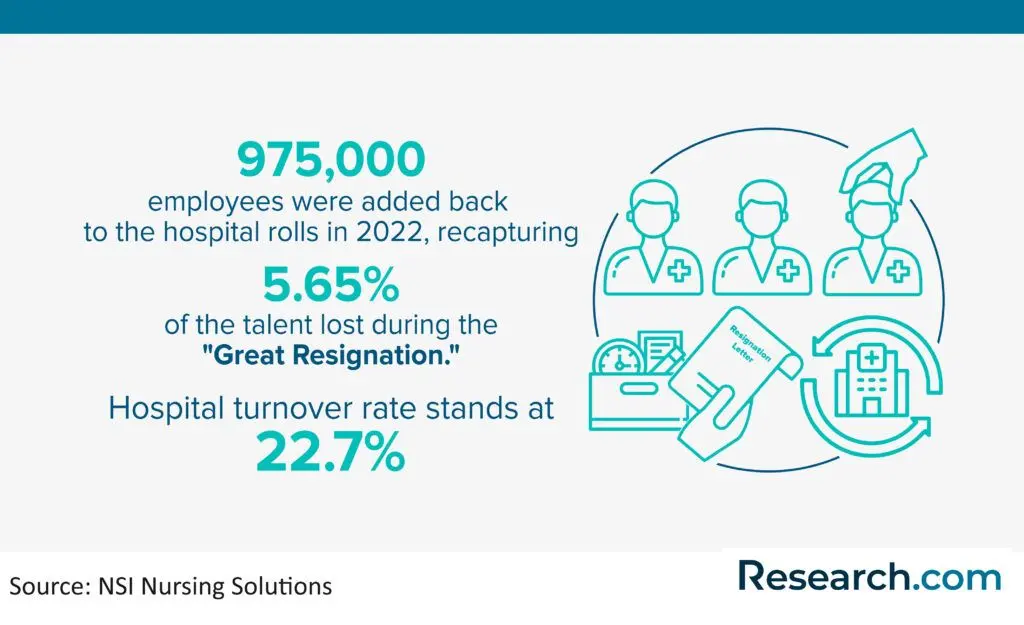
The stakes are high because nursing education is tied directly to workforce capacity. Hospitals recaptured 5.65% of lost talent from the “Great Recession" in 2022, yet still faced a 22.7% turnover rate and ongoing nursing shortages. Without annual 8% growth in the US nursing workforce and better retention by 2025, projections cited in the source material warn of a possible shortage of 200,000 to 450,000 nurses. Over the next decade, African, Southeast Asian, and Eastern Mediterranean nations may lack an estimated 6 million nurses.
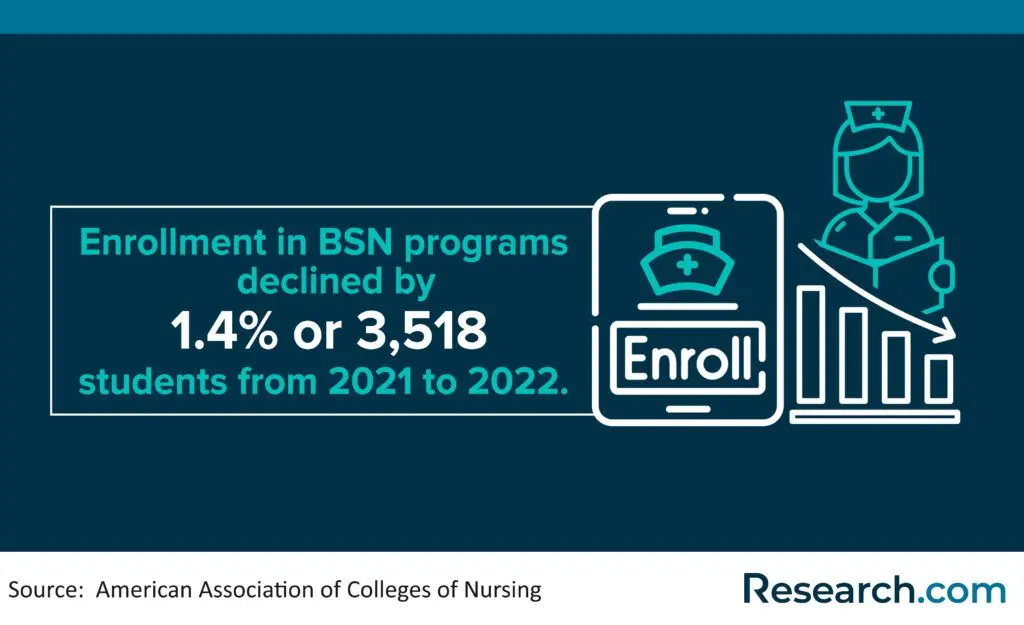
Nursing education is also under pressure. The American Association of Colleges of Nursing reported that nursing program enrollments declined by 3.4% in 2024 compared with the prior year. When fewer students enter programs while care demand increases, each qualified applicant becomes more important to the healthcare pipeline.
For students, the first practical step is to understand which pathway fits their background. A student beginning college may compare ADN and BSN options, while a working RN may evaluate affordable online RN-to-BSN programs. A first-time applicant can also review what it means to earn a nursing degree before choosing prerequisite courses.
Nursing prerequisites are important because they help you build the following foundations before clinical training begins:
- Scientific readiness: Courses such as anatomy, physiology, microbiology, and chemistry prepare students to understand disease processes, medications, infection control, and patient assessment.
- Academic discipline: Nursing school moves quickly. Prerequisites give students practice managing rigorous reading, lab work, exams, and applied problem-solving before entering the professional sequence.
- Professional commitment: Completing required courses shows admissions committees that applicants can follow a structured path and persist through challenging material.
- Clinical language: Nurses must communicate accurately with physicians, therapists, pharmacists, patients, and families. Prerequisite coursework introduces the terminology used in healthcare settings.
- Preparation for advanced study: Strong undergraduate preparation can support future education in research, leadership, or specialized healthcare fields, including options such as a master’s in clinical research in the USA.
- Understanding of healthcare systems: Prerequisites help students see nursing as more than bedside tasks. They introduce prevention, public health, lifespan needs, data use, communication, ethics, and interdisciplinary care.
Where You Can Complete Nursing School Prerequisites
You can complete nursing prerequisites through several routes, but the best choice depends on your timeline, budget, transfer needs, and target program. In 2024, the AACN reported a 4.4% decrease in enrollment for entry-level baccalaureate nursing programs in the U.S. and a 0.3% decrease in degree conferment despite increasing enrollment. These pressures make careful planning even more important: missing one required course or taking a nontransferable version can delay admission.
Before registering, confirm that each course will be accepted by the nursing schools on your list. A biology course for non-majors, for example, may not satisfy a lab science requirement for a BSN program.
- Community colleges: Community colleges are often a practical place to complete anatomy, physiology, microbiology, chemistry, English, psychology, and statistics at a lower cost. They may also offer pre-nursing associate pathways that align with local nursing programs.
- Four-year colleges and universities: Students planning to enter a BSN program may complete prerequisites as part of their first years of study before applying to the nursing major. This route can work well for students who want a traditional campus experience.
- High school and advanced placement courses: Strong high school preparation in biology, chemistry, math, and writing can help students enter college ready for nursing prerequisites. However, each nursing program decides whether AP or dual-enrollment credit satisfies a requirement.
- Online prerequisite courses: Online courses may be convenient for working adults, but lab science courses must meet the receiving school’s standards. Students comparing online nursing degree programs should ask whether online labs, virtual labs, or hybrid labs are accepted.
- Post-baccalaureate prerequisite programs: Career changers who already hold a bachelor’s degree can use post-baccalaureate or non-degree courses to complete the science and general education requirements needed for accelerated BSN or direct-entry MSN programs.
| Where to take prerequisites | Best fit | What to verify first |
| Community college | Cost-conscious students and local applicants | Transferability, lab requirements, minimum grades, and course expiration rules |
| University | Students already enrolled in a bachelor’s program | Whether admission to the nursing major is separate from admission to the university |
| Online provider | Working adults and students needing scheduling flexibility | Acceptance of online labs and regional accreditation of the institution |
| Post-baccalaureate coursework | Career changers pursuing accelerated BSN or direct-entry MSN programs | Whether all required sciences can be completed before the application deadline |
| High school AP or dual enrollment | Students planning early for nursing admission | Whether the nursing school accepts the credit for required prerequisites |
Common Nursing School Prerequisite Courses
More than 2,600 US colleges and universities offer nursing degrees, including more than 800 online programs, with hundreds offering graduate nursing programs, according to AACN data cited in the source material. Although each school sets its own admissions policies, many programs require a similar core of science, math, and communication courses.
Students comparing nursing with adjacent health fields should note that prerequisite lists differ by profession. For example, students researching the best major for occupational therapy will encounter a different set of expectations than nursing applicants.
| Prerequisite course | Why nursing programs require it | What to watch for |
| Anatomy and Physiology | Builds understanding of body systems, assessment findings, and disease processes | Many programs require lab components and may require both Anatomy and Physiology I and II |
| Biology | Introduces living systems, cellular processes, and foundations for later clinical science | Confirm whether the course must be for science or health majors |
| Microbiology | Supports infection prevention, pathogen awareness, and safe care practices | Usually requires a lab; some programs have course age limits |
| Chemistry | Helps students understand chemical processes, medication concepts, and body function | Check whether general, organic, or introductory chemistry is required |
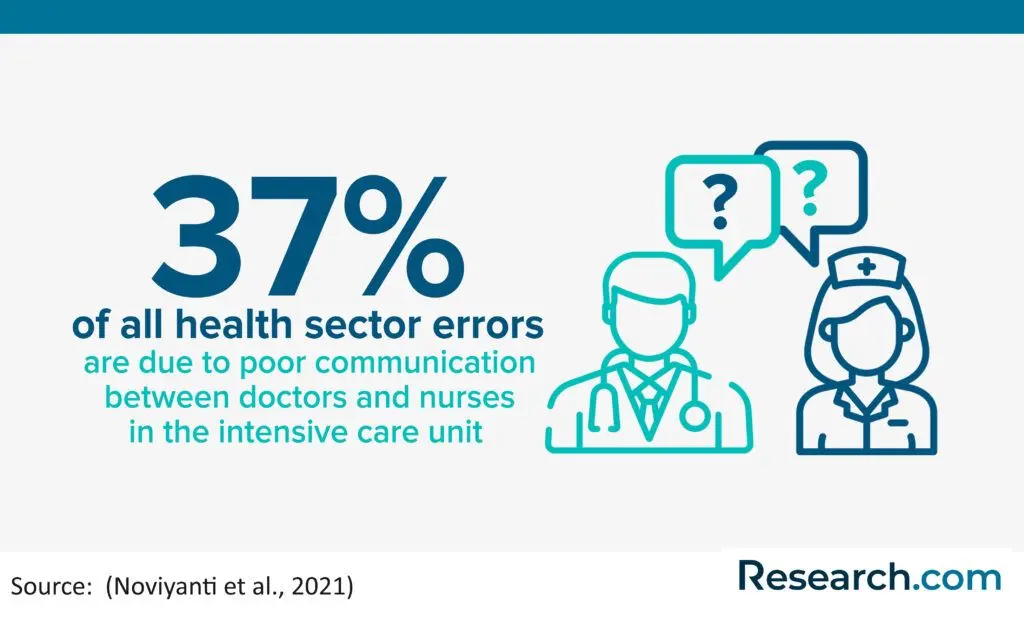
| Communication | Prepares students to communicate with patients, families, and care teams; poor communication between doctors and nurses in intensive care has been linked to 37% of all health sector errors | Some schools require public speaking, interpersonal communication, or English composition |
| Lifespan Growth and Development | Explains physical, cognitive, and psychosocial changes from infancy through older adulthood | Make sure the course covers the full lifespan, not only child development |
| Nutrition | Connects diet, disease prevention, recovery, chronic illness, and patient education | Some programs require a health-science-focused nutrition course |
| Psychology | Supports understanding of behavior, stress, mental health, and patient interaction | Programs may require general psychology, developmental psychology, or both |
| Statistics | Prepares students for evidence-based practice, research interpretation, and quality improvement | Graduate and RN-to-BSN programs often expect college-level statistics |
Because requirements vary, create a spreadsheet listing each target school, every prerequisite, minimum grade, lab requirement, expiration policy, and application deadline. This simple step can prevent repeated coursework and missed admissions cycles.
Other Admission Requirements Beyond Coursework
Prerequisite courses are only one part of nursing admission. Competitive programs often evaluate whether applicants are academically prepared, clinically eligible, emotionally mature, and able to meet professional standards in healthcare environments.
- Minimum grades in prerequisite and general education courses: Nursing schools commonly set grade expectations for sciences such as biology and chemistry, as well as English, math, and social science courses. A passing grade may not be competitive if the program receives more qualified applicants than available seats.
- Overall GPA and science GPA: Some schools calculate a separate GPA for science prerequisites. A strong science GPA can help demonstrate readiness for the pace of nursing coursework.
- Entrance exams: Programs may require standardized assessments such as TEAS or HESI to evaluate reading, math, science, and English skills. Ask whether the school sets a minimum score, allows retakes, or considers the highest attempt.
- Personal statement or essay: Essays give applicants a chance to explain why nursing fits their goals, what patient care experiences shaped their motivation, and how they handle responsibility, stress, and teamwork.
- Recommendation letters: Strong letters usually come from instructors, supervisors, or healthcare professionals who can describe your reliability, communication, judgment, and work ethic.
- Clinical eligibility documentation: Before clinical placement, students may need immunization records, CPR certification, drug screening, health clearance, background checks, liability insurance, or other school and facility requirements.
- Interview or group activity: Some schools use interviews to assess professionalism, communication, ethical reasoning, and understanding of the nursing role.
Nonacademic preparation also matters because healthcare work is demanding. Americans experience worse health outcomes than many international peers, with life expectancy at birth in 2024 being approximately 76.4 years, roughly 3.5 years lower than the OECD average, and the highest rate of avoidable mortality among comparable nations. Nurses entering this environment need more than course credit; they need patient-care readiness, adaptability, and comfort with technology.
- Clinical knowledge: Applicants and students benefit from familiarity with CPR, vital signs, hygiene, wound care basics, specimen collection, patient safety, and nursing ethics.
- Mental health exposure: Experience supporting people with mental health conditions can strengthen empathy, de-escalation skills, and confidence in patient interaction.
- Personal care experience: Work in home health, rehabilitation, long-term care, or nursing homes can build comfort with mobility support, hygiene assistance, and daily patient needs.
- Activities of Daily Living: Helping patients with eating, bathing, grooming, bathroom use, and dressing develops patience, respect, and practical care skills.
- Technology use: Nursing students should be comfortable learning software systems, electronic documentation, and common productivity tools. Healthcare software and hospital management systems are increasingly part of everyday practice.
Soft Skills Nurses Need to Succeed
Nursing programs can teach procedures, assessment frameworks, and documentation standards, but successful nurses also rely on interpersonal and emotional skills. These qualities affect patient trust, safety, teamwork, and resilience.
| Soft skill | Why it matters in nursing | How applicants can demonstrate it |
| Empathy and compassion | Patients may be frightened, in pain, confused, or grieving. Nurses need to respond with dignity and emotional awareness. | Volunteer experience, caregiving roles, patient-facing work, and reflective essays |
| Communication | Nurses explain care plans, listen for changes, document accurately, and coordinate with interdisciplinary teams. | Strong essays, interview performance, public speaking, tutoring, or customer service experience |
| Adaptability | Priorities can shift quickly during clinical rotations and healthcare work. | Examples of balancing school, work, family responsibilities, or changing demands |
| Attention to detail | Medication administration, charting, patient monitoring, and safety checks require precision. | Strong lab performance, careful documentation, and recommendations that mention reliability |
| Teamwork | Nurses rarely work alone. They coordinate with physicians, aides, therapists, pharmacists, families, and other nurses. | Group projects, healthcare employment, athletics, service roles, or leadership activities |
| Emotional intelligence | Nurses must manage stress while staying professional and attentive to patient needs. | Personal statement examples showing self-awareness, conflict resolution, and maturity |
Applicants should avoid simply claiming these traits. Strong applications show them through specific experiences, such as caring for a family member, volunteering in a clinic, working as a CNA, supporting community health events, or managing responsibilities under pressure.
How to Choose the Right Nursing Program
The right nursing program is the one that meets licensure requirements, fits your background, offers appropriate clinical training, matches your budget, and supports your career goal. Rankings and convenience can be useful, but they should not replace accreditation, state board approval, NCLEX preparation, and clinical placement quality.
1. Confirm Accreditation and State Board Approval
Look for recognized nursing accreditation, such as CCNE or ACEN, and verify that the program is approved by the state board of nursing where you plan to seek licensure. Accreditation can affect transfer credit, graduate school eligibility, employer recognition, and financial aid access.
2. Match the Program Type to Your Starting Point
- Traditional BSN programs: Often best for first-time college students who want a broad nursing foundation.
- ADN programs: Often a practical route for students who want to become RNs and may complete a BSN later.
- Accelerated BSN programs: Designed for students who already hold a non-nursing bachelor’s degree.
- LPN-to-RN and RN-to-BSN bridge programs: Built for licensed nurses who want to move to the next credential.
- Online nursing programs: Useful for flexibility, especially for licensed nurses, but prelicensure programs still require hands-on clinical experiences. Students comparing accessibility may also review guidance on nursing schools that are easier to get into, while still checking quality and licensure fit.
3. Evaluate Clinical Placement Support
Clinical education is central to nursing preparation. Ask where students complete rotations, whether the school arranges placements, how far students may need to travel, and what happens if placements are limited.
4. Review Faculty Qualifications and Student Support
Experienced faculty, tutoring, simulation labs, advising, mental health support, and NCLEX preparation can make a major difference in student persistence. Ask current students or recent graduates what support actually looks like during difficult courses.
5. Compare NCLEX Pass Rates Carefully
NCLEX pass rates can indicate how well a program prepares graduates for licensure, but they should be interpreted with context. Also ask about graduation rates, retention, clinical placement access, and how many students are admitted versus how many complete the program.
6. Understand the Full Cost
Do not compare schools by tuition alone. Include fees, books, uniforms, background checks, health requirements, testing fees, technology costs, transportation to clinicals, and lost income if you must reduce work hours.
7. Check Scheduling and Flexibility
Working adults and caregivers should ask whether the program offers part-time enrollment, evening or weekend options, online theory courses, or predictable clinical schedules. Flexibility can affect whether you can realistically finish.
Questions to Ask Before Enrolling
- Is the program approved by the state board of nursing for the license I want?
- Is the program accredited by a recognized nursing accreditor?
- Which prerequisites must be completed before applying, and which can be in progress?
- What minimum grade is required for each prerequisite?
- Do prerequisite courses expire after a certain number of years?
- Who arranges clinical placements?
- What are the NCLEX pass rate, retention rate, and graduation rate?
- Can I transfer prior credits, and how will they be evaluated?
- What is the total estimated cost of attendance?
- Will the program meet licensure requirements in the state where I plan to work?
Accelerated Nursing Pathways: When Fast-Tracking Makes Sense
Accelerated nursing pathways can reduce time to a credential, but they are not easier. They compress demanding coursework and clinical expectations into a shorter period, which can be difficult for students working full time or managing major family responsibilities.
What Accelerated Nursing Pathways Include
Accelerated routes may include accelerated BSN programs for career changers, direct-entry MSN programs for non-nurses with bachelor’s degrees, fast-track RN-to-BSN options, LPN-to-RN bridge programs, and ADN-to-MSN pathways. The common feature is that prior learning or licensure is used to shorten the next step.
Who Should Consider an Accelerated Program
- Career changers with a completed bachelor’s degree: If you already finished general education and can complete science prerequisites, an accelerated BSN or direct-entry MSN may be efficient.
- Licensed RNs with an ADN: RN-to-BSN programs can build leadership, evidence-based practice, population health, and care coordination skills.
- LPNs ready for RN preparation: Bridge programs may recognize practical nursing experience while adding RN-level clinical reasoning and scope of practice preparation.
- Students with strong time management: Fast programs require focus, reliable support systems, and a realistic plan for work hours.
When an Accelerated Program May Be a Poor Fit
- You still need many prerequisites and cannot complete them before the deadline.
- You need to work full time and the program has daytime clinicals or intensive weekly demands.
- You are choosing speed over accreditation, state approval, or clinical quality.
- You have not planned for tuition, fees, transportation, and reduced income.
Current RNs who want a flexible bachelor’s completion route can compare fast-track RN-to-BSN online programs. These programs commonly build on existing RN preparation while adding upper-division nursing coursework.
How to Build a Financial Plan for Nursing School
Nursing school costs can include far more than tuition. A strong financial plan should account for direct school charges, clinical-related expenses, lost work time, commuting, licensing exam costs, and emergency savings. Students considering intensive options such as direct-entry MSN programs with more accessible admissions should be especially careful because accelerated graduate pathways can limit work flexibility.
Estimate the Full Cost of Attendance
- Tuition and mandatory fees
- Lab, simulation, technology, and testing fees
- Textbooks, software, and exam preparation materials
- Uniforms, shoes, stethoscope, supplies, and clinical equipment
- Background checks, immunizations, CPR certification, health screenings, and drug testing
- Transportation, parking, childcare, and meals during clinical rotations
- Licensure application and NCLEX-related expenses
- Reduced income if you must cut work hours
Use Multiple Funding Sources
Compare federal aid, state grants, institutional scholarships, private scholarships, employer tuition reimbursement, healthcare workforce programs, and loan options. If you already work in healthcare, ask your employer whether tuition support requires a post-graduation work commitment.
Build a Monthly Budget Before Classes Start
Nursing school schedules can be unpredictable. Estimate your monthly essentials, identify where you can reduce expenses, and decide how much you can safely borrow. A lower-tuition program is not automatically better if it lacks clinical support or delays graduation, but a high-cost program should have clear value for your goals.
Consider Healthcare Work Strategically
Part-time work as a CNA, patient care technician, unit clerk, phlebotomist, or caregiver may provide income and relevant experience. However, do not overload your schedule if it puts prerequisite grades or clinical performance at risk.
Evaluate Return on Investment Realistically
Nursing can offer many career paths, but salary outcomes are not guaranteed. ROI depends on program cost, completion time, debt, local wages, specialty, shift differentials, overtime, licensure success, and whether you pursue advanced credentials later.
| Cost factor | Why it matters | Question to ask |
| Program length | Longer programs may increase living costs and delay full-time earnings | How long do students usually take to graduate? |
| Clinical travel | Rotations may require commuting, parking, or relocation | How far are typical clinical sites? |
| Transfer credits | Accepted credits can reduce time and tuition | Will my completed prerequisites transfer? |
| Work flexibility | Some programs make full-time work difficult | Can students realistically work during the program? |
| Licensure preparation | NCLEX success is essential for RN employment | What support is provided for students at risk of failing? |
How Long Does It Take to Transition from ADN to NP?
The timeline from ADN to nurse practitioner depends on the bridge structure, transfer credits, whether the student must earn a BSN along the way, specialty requirements, clinical-hour expectations, enrollment status, and state licensing rules. ADN-to-MSN and ADN-to-NP pathways may combine bachelor’s-level completion work with graduate nursing preparation, but they still require careful planning around prerequisites, RN licensure, clinical placements, and costs.
Students considering this route should compare admission requirements, accreditation, practicum support, and whether the program’s NP specialty aligns with state scope-of-practice expectations. For a focused overview of this pathway, review Research.com’s guide on how long ADN-to-NP routes can take.
Are Bridge Programs an Effective Pathway to Advance Your Nursing Career?
Bridge programs can be effective when they recognize prior nursing education without skipping the advanced competencies required for the next license or credential. They are commonly used by LPNs moving toward RN status, RNs completing a BSN, or ADN-prepared nurses pursuing graduate study.
The strongest bridge programs have proper accreditation, clear state approval, transparent clinical expectations, academic support, and realistic pacing. They may reduce duplicated coursework and shorten the time to advancement, but students should not assume every online or accelerated option meets licensure requirements. LPNs comparing faster routes can review online LPN-to-RN program options while confirming state eligibility and clinical requirements directly with each school.
What Factors Influence Nursing School Costs?
Nursing school cost is shaped by more than the sticker price. Public versus private status, in-state versus out-of-state tuition, program length, transfer credit policies, fees, clinical expenses, commuting, supplies, testing, and whether you can keep working all affect the final amount you pay.
Students should also consider opportunity cost. A cheaper program that delays clinical placement or requires repeated coursework may become more expensive over time, while a higher-cost program may be difficult to justify if it does not improve licensure preparation, scheduling flexibility, or career access. For broader cost benchmarks and planning guidance, see Research.com’s guide to how much nursing school costs.
How Can Pursuing an Advanced Nursing Degree Impact Your Career?
Advanced nursing education can expand career options into advanced practice, leadership, education, informatics, research, quality improvement, and policy-related roles. MSN and DNP pathways can be valuable for nurses who want more autonomy, specialized clinical preparation, or organizational influence.
The decision should be tied to a specific goal. A nurse interested in executive leadership may need a different program than a nurse pursuing family practice, psychiatric mental health, nurse anesthesia, education, or informatics. Compare accreditation, clinical placement support, certification alignment, faculty expertise, and cost. Nurses exploring doctoral options can start with Research.com’s overview of the most affordable online MSN-to-DNP programs.
Are Affordable LPN Programs a Viable Starting Point for a Nursing Career?
Affordable LPN programs can be a practical starting point for students who want to enter healthcare sooner, gain bedside experience, and later bridge into RN or BSN education. This route may appeal to students who need a shorter initial program or want to test their fit for nursing before committing to a longer degree.
The trade-off is that LPN scope of practice, advancement options, and wages differ from RN and advanced nursing roles. Students should verify state approval, clinical hours, local employer demand, bridge agreements, and total cost. To compare lower-cost options, review Research.com’s guide to the most affordable online licensed practical nurse programs.
How Can You Build a Compelling Nursing School Application?
A strong nursing school application connects academic readiness with evidence of service, responsibility, communication, and patient-centered motivation. Admissions committees are not only asking whether you can pass science courses; they are also asking whether you understand the demands of nursing.
- Show academic readiness: Highlight strong prerequisite grades, especially in lab sciences and statistics.
- Explain your motivation clearly: Use your personal statement to describe specific experiences that shaped your interest in nursing rather than relying on broad statements about helping people.
- Document healthcare exposure: Include CNA work, caregiving, shadowing, volunteering, community health activities, or patient-facing employment.
- Choose recommenders carefully: Ask people who can speak to your reliability, ethics, learning ability, and interpersonal skills.
- Prepare for interviews: Be ready to discuss teamwork, stress, cultural humility, ethical situations, and current healthcare challenges.
- Apply strategically: Compare prerequisites, deadlines, entrance exam policies, and acceptance criteria across multiple programs.
Applicants interested in advanced practice pathways should also understand that nurse practitioner programs evaluate RN experience, graduate readiness, specialty fit, and clinical placement requirements. Research.com’s guide to more accessible nurse practitioner degree programs can help students compare flexibility while still prioritizing quality.
How to Prepare for Nursing School Beyond Academic Prerequisites
Strong applicants prepare for nursing school as both students and future healthcare professionals. Academic prerequisites matter, but clinical exposure, ethical awareness, digital literacy, cultural competency, and realistic expectations can make the transition smoother.
- Gain clinical or service experience: Volunteering, caregiving, CNA work, hospice support, hospital service roles, or community health activities can help you understand patient needs. Students can explore healthcare-related volunteer opportunities through organizations and local agencies.
- Build technology and informatics awareness: Nurses use electronic health records, clinical decision tools, data systems, and patient monitoring technology. Students interested in this area may later consider programs such as an online master’s in health informatics.
- Develop cultural humility: Nurses care for patients with different languages, beliefs, identities, disabilities, family structures, and health experiences. Cultural competency is especially important for students considering relocation or comparing the best states to work as a nurse.
- Understand ethics and professional responsibility: Nursing requires confidentiality, accountability, patient advocacy, and safe practice. The American Nurses Association’s Code of Ethics for Nurses provides an ethical foundation for professional nursing practice.
- Practice stress management: Nursing school can involve long study hours, high-stakes exams, emotionally difficult clinical experiences, and shifting schedules. Build routines for sleep, organization, support, and recovery before the program begins.
Common Mistakes to Avoid
- Taking prerequisites before checking transfer rules: Always confirm that the exact course, lab format, and institution will be accepted.
- Choosing a program based only on speed: Fast does not help if the program lacks state approval, clinical placement support, or licensure alignment.
- Ignoring accreditation: Accreditation can affect financial aid, transfer options, graduate study, and employer confidence.
- Assuming online means fully remote: Prelicensure nursing programs require hands-on clinical training, even when theory courses are online.
- Comparing only tuition: Fees, supplies, travel, testing, and reduced work hours can substantially change the real cost.
- Waiting too long to prepare for entrance exams: TEAS or HESI scores can influence admission, so build study time into your application calendar.
- Submitting a generic essay: A vague personal statement is less persuasive than one grounded in real experience and clear professional goals.
Healthcare Industry Trends Future Nurses Should Understand
The nursing profession continues to face workforce challenges linked to turnover, vacancies, educational capacity, and rising patient demand. Before the pandemic, scholars had predicted a shortage of 450,000 registered nurses by 2025. The source material also notes that the percentage of newly registered nursing licenses declined to 1% in 2020, compared with an average rate of 4% from 2016 to 2019.
Hospitals continue to report staffing pressure. In 2023, 78% of hospitals in the United States had RN vacancies that exceeded 7.5%, according to NSI data cited in the source material. The US may face a shortage of 200,000 to 450,000 nurses if the nursing workforce does not grow by 8% annually. If retention does not improve by 2025, African, Southeast Asian, and Eastern Mediterranean countries may face a shortage of 5.7 million nurses by 2030.
Education capacity is part of the problem. Declines in BSN enrollment make it harder to grow the future workforce, while limited clinical placements, faculty and preceptor shortages, and budget constraints can prevent schools from accepting more qualified applicants. For prospective students, this means preparation matters: completing prerequisites early, applying strategically, and choosing programs with strong clinical partnerships can improve the chances of staying on track.
Technology is another trend to watch. Nurses increasingly work with electronic health records, remote monitoring, clinical data, medication systems, and digital communication tools. AI and automation may change documentation, triage support, scheduling, and administrative workflows, but they do not replace the need for clinical judgment, hands-on assessment, ethical decision-making, and patient advocacy.
Which Online Nurse Practitioner Programs Offer High Value for Money?
High-value online nurse practitioner programs balance affordability with accreditation, certification alignment, faculty expertise, clinical placement support, and student outcomes. The cheapest program is not always the best value if students must arrange clinical placements alone or if the curriculum does not align with their intended certification area.
Prospective NP students should compare tuition, fees, specialty tracks, practicum requirements, board certification preparation, state authorization, and support for working nurses. Research.com’s guide to the cheapest online nurse practitioner programs can help narrow options, but students should verify licensure and clinical requirements directly with each school.
Long-Term Career Opportunities and Salary Expectations for Nurses
Nursing can lead to many long-term paths, including bedside care, case management, pediatrics, gerontology, emergency nursing, critical care, public health, informatics, education, administration, research, and advanced practice. Career growth depends on licensure, degree level, specialty training, experience, geography, employer type, and ongoing professional development.
One advanced specialty is psychiatric mental health nursing. Students interested in that path can research psychiatric nurse practitioner salary by state to understand how compensation can vary by location. Salary research should be used as a planning tool, not a guarantee, because earnings vary widely by market and role.
Getting Ready for Nursing School
Preparing for nursing school starts with a clear plan: identify your target credential, compare program requirements, complete the correct prerequisites, protect your GPA, prepare for required exams, gain relevant experience, and budget for the full cost of attendance. Students who do this early are less likely to lose time to missing courses, nontransferable credits, or misunderstood admissions rules.
Nursing is not the only healthcare path, and comparing related fields can clarify your goals. Students interested in population health can explore what you can do with a bachelor’s degree in public health, while those drawn to infant care may want to learn how to become a neonatal nurse. Nurses who later move toward management or systems leadership may also consider an online doctorate in healthcare administration.
The best next step is simple: choose three to five nursing programs that match your goal, download each admissions checklist, and compare prerequisites line by line. Then build a course, exam, application, and financial timeline around the strictest requirements on your list.
Key Insights
- Most nursing schools require a science-heavy prerequisite base: Anatomy and physiology, biology, microbiology, chemistry, statistics, psychology, communication, nutrition, and lifespan development are among the most common requirements.
- Requirements vary by pathway: LPN, ADN, BSN, accelerated BSN, RN-to-BSN, direct-entry MSN, and NP programs have different expectations, so students should never assume one school’s checklist applies to another.
- Accreditation and state approval are nonnegotiable: Before enrolling, confirm that the program supports licensure eligibility and is recognized by the appropriate nursing education and state regulatory bodies.
- Clinical placement quality affects real value: A flexible or inexpensive program can become risky if students receive weak clinical support or must solve placement problems alone.
- Costs go beyond tuition: Fees, supplies, health requirements, travel, testing, and reduced work hours should be included in every nursing school budget.
- Soft skills are part of readiness: Empathy, communication, attention to detail, teamwork, adaptability, and emotional intelligence help students succeed in clinical settings and professional practice.
- The workforce need is real, but admission is still competitive: Nursing shortages do not mean every applicant is accepted. Strong grades, completed prerequisites, relevant experience, and a focused application still matter.
- The smartest applicants plan backward: Start with the license and role you want, identify the programs that can get you there, and complete only the prerequisites that those programs will accept.
References:
- WHO. (2024). Global health workforce statistics 2024. World Health Organization. https://www.who.int/data/gho/data/themes/health-workforce
- Buchan, J., Duffield, C., & Jordan, A. (2024). The global health workforce: a global challenge. The Lancet Global Health, 12(4), e675-e678. https://doi.org/10.1016/S2214-109X(24)00050-0
- U.S. Department of Health and Human Services. (2024). The future of the nursing workforce: projections and implications. https://bhw.hrsa.gov/sites/default/files/docs/bhpr/nursing-workforce-priorities.pdf
- American Association of Colleges of Nursing. (2024). 2024-2025 enrollment and graduations in baccalaureate and graduate programs in nursing. https://www.aacnnursing.org/Portals/42/News-Statistics/2024-Enrollment-and-Graduation-Report.pdf
Other Things You Should Know About the Prerequisites for Nursing School
Common course prerequisites for nursing school in 2027 typically include subjects such as anatomy, physiology, microbiology, and chemistry. Colleges often require completion of these courses with a minimum grade, and some schools may also expect students to have finished certain general education requirements.
Yes, nursing school prerequisites can differ by state in 2027. Each state's board of nursing may have specific requirements, so it is important to check with the respective state's regulations. Common variations include required courses, standardized test scores, and clinical experience hours.
For nursing school admission in 2027, applicants typically need a minimum GPA of 3.0 on a 4.0 scale. Some programs may require higher GPAs due to competitive admission processes, so applicants should check specific program requirements for the most accurate information.
Yes. Many nursing programs require a criminal background check, drug screening, and proof of immunizations before clinical placement. Common vaccines include MMR, varicella, hepatitis B, Tdap, and seasonal flu. Some schools also require a current CPR certification from the American Heart Association.