
2027 Arkansas Nursing License Requirements

Co-Founder and Chief Data Scientist
Arkansas needs more licensed nurses, and the state is investing directly in the pipeline. In a 2024 press release, Governor Sarah Huckabee Sanders announced $20 million for higher education institutions to expand nursing apprenticeships, increase clinical rotations, grow program capacity, and support tuition reimbursement.
For prospective nurses, that funding matters because the biggest barriers to licensure are often program seats, clinical placement availability, exam readiness, and cost. A nursing license is not just a credential; it is the legal permission to provide nursing care in Arkansas and the foundation for entering bedside care, community health, advanced practice, leadership, education, travel nursing, and specialty roles.
This guide explains how to become a licensed nurse in Arkansas in 2026. You will learn which license type fits your goal, what education and exam requirements apply, how to apply through the Arkansas State Board of Nursing, how renewal works, how the Nurse Licensure Compact affects practice, what costs to expect, and how to choose a nursing program that supports long-term career growth.
Quick answer: How do you become a licensed nurse in Arkansas?
To become a licensed nurse in Arkansas, you generally need to complete a state-approved or accredited nursing program, pass the appropriate NCLEX exam, submit an application through the Arkansas State Board of Nursing, complete required background checks and fingerprinting, pay the required fees, and meet any additional requirements tied to your license type. RNs take the NCLEX-RN, LPNs take the NCLEX-PN, and APRNs must hold graduate-level nursing education and national certification.
Key things to know before applying for an Arkansas nursing license
- Licensing authority: The Arkansas State Board of Nursing (ASBN) regulates nursing licensure and practice standards in the state.
- Required exam: RN applicants must pass the NCLEX-RN, while LPN applicants must pass the NCLEX-PN.
- Education requirement: Applicants must graduate from an approved nursing program. RN candidates commonly complete an Associate Degree in Nursing (ADN) or Bachelor of Science in Nursing (BSN), while LPN candidates complete a practical nursing program.
- Application materials: Expect to submit an online application, official transcripts, proof of required education or certification, and criminal background check materials.
- Typical fees: The Arkansas nursing licensure application fee is commonly around $100, with separate costs for the NCLEX and background checks.
- What is an Arkansas nursing license?
- Which nursing license type should you choose in Arkansas?
- What are the core Arkansas nursing license requirements?
- How much does it cost to become a nurse practitioner in Arkansas?Review basic licensure requirements
- How do you apply for an Arkansas nursing license?
- How does Arkansas nursing license renewal work?
- Can compact nurses work in Arkansas?
- How can out-of-state nurses get licensed in Arkansas?
- How can Arkansas nurses advance their careers?
- Which nursing specialties may lead to stronger earning potential?
- How can nurses track Arkansas regulatory changes?
- Is travel nursing realistic for Arkansas LPNs?
- Can pharmacy licensure support a broader healthcare career?
- What does it take to become an LPN in Arkansas?Compare related healthcare credentials
- What non-bedside healthcare paths can nurses consider?
- How can you prepare for the Arkansas nursing licensure exam?
- What is the pathway for nurse midwives in Arkansas?
- How can you become a licensed vocational nurse in Arkansas?
- What financial aid options can help Arkansas nursing students?
- What challenges and trends are shaping Arkansas nursing?
- How should you choose a nursing school in Arkansas?
- Can online nursing education help Arkansas nurses advance?
- What nursing specializations are available in Arkansas?
What is an Arkansas nursing license and why is it necessary?
An Arkansas nursing license is the state-issued authorization that allows a person to practice nursing legally in Arkansas. It confirms that the nurse has met minimum education, examination, background check, and professional conduct standards. Without the proper license, a person cannot independently practice as an RN, LPN, or APRN in the state.
The Arkansas State Board of Nursing plays three major roles:
- Approving and monitoring education: The Board sets expectations for nursing programs and reviews whether programs meet required standards.
- Regulating practice: It defines professional responsibilities, investigates complaints, and enforces rules tied to safe nursing care.
- Protecting the public: Licensure gives patients, employers, and healthcare organizations a way to verify that a nurse has completed required training and passed the appropriate exam.
Arkansas has different nursing license categories, including Registered Nurse, Licensed Practical Nurse, Advanced Practice Registered Nurse, and other specialized credentials. Each category has a different scope of practice, education pathway, and level of clinical responsibility. The ASBN also provides guidance for special applicant groups, including military personnel and their families.
Licensure matters because Arkansas is trying to strengthen its healthcare workforce while demand remains high. RN jobs are projected to grow by 6% from 2022 to 2032, adding 177,400 positions. That does not guarantee employment for every graduate, but it does show why properly trained and licensed nurses remain central to healthcare delivery.
-
: "
One Arkansas nurse described receiving her license as the moment years of training became real. She still felt nervous on her first day, but she said the license reminded her that she had earned the right to care for patients and now had to earn their trust through competent, compassionate practice.
"
What types of nursing licenses are available in Arkansas?
Arkansas nursing licenses differ by education level, exam requirement, supervision rules, and scope of practice. Choosing the right license depends on how quickly you want to enter the workforce, how much responsibility you want, and whether you plan to pursue advanced practice later.
| License type | Typical education path | Primary role | Best fit for |
| Registered Nurse (RN) | Accredited ADN, BSN, or approved nursing diploma pathway | Assesses patients, administers medications, coordinates care, educates patients, and collaborates with providers | Students who want broader clinical responsibility and future advancement options |
| Licensed Practical Nurse (LPN) | Practical nursing program, often completed in about one year | Provides basic nursing care, monitors patients, performs routine procedures, and works under supervision | Students who want a faster entry into nursing practice |
| Advanced Practice Registered Nurse (APRN) | Graduate nursing degree plus national certification | Provides advanced clinical care as a nurse practitioner, clinical nurse specialist, nurse anesthetist, or nurse midwife | Licensed RNs who want expanded diagnostic, prescribing, specialty, or independent-practice responsibilities |
| Psychiatric Technician Nurse | Specialized training focused on mental health care | Supports patients with behavioral health and psychiatric needs | Students drawn to mental health settings and structured psychiatric care roles |
RNs generally have a wider scope than LPNs, while APRNs build on RN licensure with graduate preparation and national certification. If you begin with an ADN or diploma and later want a bachelor’s degree, fast track RN to BSN online programs may help you advance without repeating the RN licensure exam.
Career planning should also include pay and specialty differences. For example, comparing RN roles with advanced practice roles such as psychiatric mental health care can help you understand how education level affects opportunities; this guide to psychiatric nurse practitioner salary by state can support that comparison.
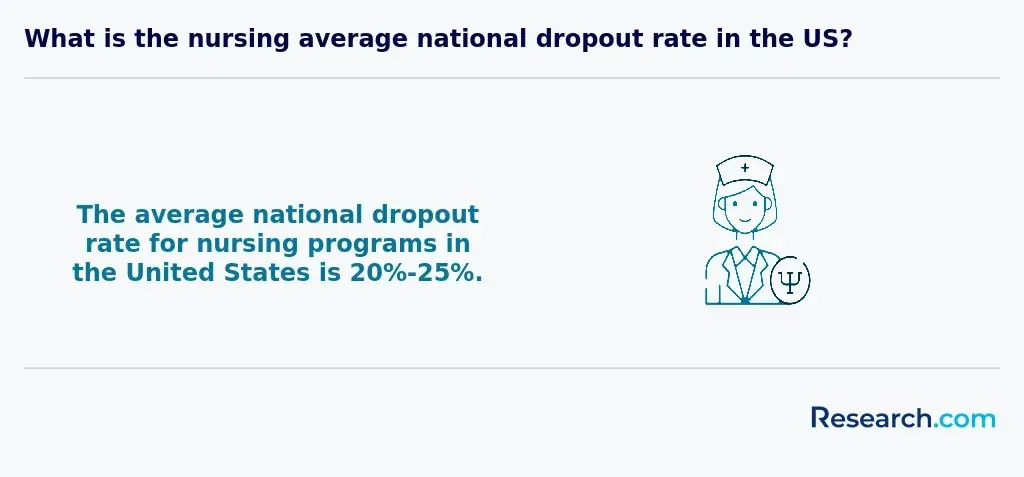
Nursing school is demanding. Students often balance lectures, labs, clinical rotations, exams, and personal responsibilities. The average nursing student dropout rate is 20%–25%, so prospective students should look carefully at program support, scheduling flexibility, tutoring, clinical placement reliability, and NCLEX preparation before enrolling.
What are the requirements for an Arkansas nursing license?
Arkansas nursing licensure requirements vary by license type, but most applicants must satisfy three core requirements: approved education, clinical training, and a passing licensure exam. The ASBN reviews applications to confirm that candidates meet the standards for safe entry-level practice.
- Complete an approved nursing program: RN and LPN candidates must graduate from a program that meets Arkansas requirements. If you are comparing entry-level routes, review the differences between LPN certificates vs. nursing associate degrees before choosing a program.
- Finish required clinical training: Nursing programs include supervised clinical experiences in healthcare settings. These rotations help students apply classroom knowledge to patient care, communication, documentation, safety, and teamwork.
- Pass the correct NCLEX exam: RN candidates take the NCLEX-RN, while LPN candidates take the NCLEX-PN. The exam evaluates whether a candidate is prepared for safe, entry-level nursing practice.
- Meet character and background requirements: Applicants must complete required state and federal criminal background checks, including fingerprinting.
- Submit required documents and fees: The ASBN application generally requires official education records, application forms, background check documentation, and payment of applicable fees.
Some recent graduates may qualify for temporary permits while waiting for exam results. A temporary permit can be helpful, but applicants should understand its limits, expiration rules, and any supervision conditions before accepting work.
One Arkansas nurse recalled that clinical hours felt exhausting at the time, but later became the reason he felt prepared during his first months in practice. That experience reflects a practical truth: clinical placement quality can affect your confidence as much as your classroom grades.
Licensure can also lead beyond bedside roles. Nurses who earn graduate degrees may move into teaching, curriculum development, research, simulation education, or leadership. Nurse instructors help prepare future nurses and support the long-term strength of the nursing workforce.
The chart below illustrates the highest employment levels for nurse instructors in the U.S.
How much does it cost to become a nurse practitioner in Arkansas?
Becoming a nurse practitioner in Arkansas requires several layers of investment: undergraduate nursing education, graduate education, clinical preparation, certification, state licensure, background checks, supplies, and continuing education. The total cost depends heavily on whether you attend a public or private school, study online or on campus, enroll full time or part time, and receive employer or scholarship support.
| Cost category | Amount stated | What it covers |
| BSN education | $20,000–$60,000 | Undergraduate nursing preparation before graduate NP study |
| Graduate NP education | $15,000–$50,000 annually | MSN or DNP coursework, advanced clinical preparation, and specialty training |
| Books, supplies, and program fees | $1,000–$3,000 yearly | Textbooks, clinical equipment, technology fees, and required materials |
| Certification exams | $250–$395 | National certification testing for the NP specialty |
| State licensure | $100 | Arkansas licensure application cost |
| Background checks | $50–$100 | Required screening and fingerprint-related expenses |
| Continuing education | $100–$500 annually | Professional development needed to maintain competence and credentials |
| License renewal | $100 biennially | Recurring renewal cost |
Financial aid can reduce the burden. Options may include the Arkansas Nursing Student Loan Forgiveness Program, employer tuition reimbursement, scholarships, federal aid, and loan repayment programs tied to service in shortage areas. For a focused discussion of the NP pathway, see this guide on how much does it cost to become a nurse practitioner in Arkansas.
The best financial decision is not always the cheapest program. Compare total cost, graduation rates, certification exam support, clinical placement assistance, part-time options, employer partnerships, and whether the program qualifies you for the role and state authorization you want.
How do you apply for a nursing license in Arkansas?
The Arkansas nursing license application process is completed through the ASBN and requires careful timing. Begin before graduation if your school provides guidance, because transcripts, background checks, fingerprinting, and exam registration can take time.
- Create an Arkansas Nurse Portal account: Use the portal to start, track, and manage your application.
- Gather required documents: Confirm what the ASBN needs for your license type. Your nursing program must send official transcripts directly to the Board.
- Complete fingerprinting and background checks: Applicants must complete state and federal criminal background checks. Fingerprints may be submitted through a fingerprint card to the Arkansas State Police or through Live Scan when available. Background check results are valid for one year.
- Register for the NCLEX: RN applicants register for the NCLEX-RN, while LPN applicants register for the NCLEX-PN.
- Pay application and processing fees: Applicants should budget for the licensure application, online processing charges, background check costs, and exam fees.
- Apply for a temporary permit if eligible: A temporary permit may allow practice while waiting for full licensure. It is valid for up to six months and requires a separate fee.
- Monitor your application status: Respond quickly to missing-document notices so your approval is not delayed.
| Application item | Who usually provides it? | Common mistake to avoid |
| Official transcript | Nursing school | Uploading an unofficial copy when the Board requires direct submission |
| Fingerprinting/background check | Applicant through approved process | Waiting until the last minute and delaying licensure eligibility |
| NCLEX registration | Applicant | Assuming the school registers you automatically |
| Application fee | Applicant | Forgetting separate costs for exam and background screening |
| Temporary permit request | Applicant, if eligible | Assuming temporary permission equals full licensure |
For students weighing long-term advancement, LPN entry can be a practical start. LPN employment is expected to grow by 5% from 2022 to 2032, totaling an estimated 689,900 jobs by 2032. Nurses who want advanced primary care roles may later compare affordable online FNP programs as part of a future graduate pathway.
How often do you need to renew your nursing license in Arkansas?
Arkansas nursing licenses must be renewed every two years. Renewal confirms that you remain authorized to practice and have met ongoing professional requirements. Missing a renewal deadline can affect employment, credentialing, and your ability to provide patient care.
The renewal process is usually more straightforward than initial licensure, but it still requires planning.
- Complete continuing education: Nurses must meet continuing education requirements before renewal.
- Keep documentation organized: Save certificates, course records, and proof of completion in case the Board requests verification.
- Submit the renewal application: Complete the required renewal through the appropriate ASBN process.
- Pay the renewal fee: Pay on time to avoid a lapse in licensure.
- Address background or legal-status issues if needed: Some nurses may need additional review if there have been legal, disciplinary, or extended-practice-gap concerns.
Renewal is also a good time to reassess your career plan. CNAs, LPNs, and ADN-prepared nurses may consider bridge options such as cheap RN to BSN online programs, while RNs may evaluate graduate degrees, specialty certifications, leadership training, or educator roles.
-
: "
An Arkansas nurse said renewal felt less complicated than initial licensure but still stressful because she feared missing a deadline. Her advice was simple: track renewal dates early, store CE records in one place, and do not wait until the final week.
"
Can a Compact Nurse practice in Arkansas?
Yes. Arkansas participates in the Nurse Licensure Compact, which allows eligible RNs and LPNs/VNs with a valid multistate license to practice in participating states without obtaining a separate single-state license. The NLC was enacted in 2000, and as of 2024, 42 jurisdictions have joined the compact.
Arkansas became part of the NLC in 2019. To practice in Arkansas under the compact, a nurse must hold a valid multistate license from the nurse’s home state and meet the compact’s uniform requirements, including completion of an approved nursing education program and a criminal background check.
The compact can be valuable for nurses who live near state borders, accept telehealth assignments, work temporary contracts, or respond to staffing needs across participating jurisdictions. It does not erase employer credentialing rules, facility onboarding requirements, or role-specific practice limits, so nurses should verify both licensure and job requirements before accepting a position.
In the U.S., RNs employed by government healthcare institutions receive the highest wages, at $99,840. A multistate license may improve geographic flexibility, but earnings still depend on role, employer, experience, specialty, location, shifts, and local labor demand.
The chart below further shows the highest-paying industries for U.S. RNs.
How can nurses licensed in other states obtain a license in Arkansas?
Nurses who already hold a license in another state may be able to practice in Arkansas through compact privileges or obtain Arkansas licensure by endorsement. The correct route depends on your home state, current license status, and whether you hold a multistate license.
For licensure by endorsement, applicants generally need to:
- Submit an Arkansas licensure by endorsement application to the Board.
- Verify an active nursing license in good standing from the state where they are licensed.
- Complete a criminal background check with fingerprinting.
- Pay the required application fee, currently set at $100.
Foreign-educated nurses may need additional documentation, such as:
- A credential evaluation from a recognized agency showing that the nursing education meets U.S. standards.
- NCLEX-RN passage if the exam has not already been completed.
- English proficiency documentation through tests such as TOEFL or IELTS when applicable.
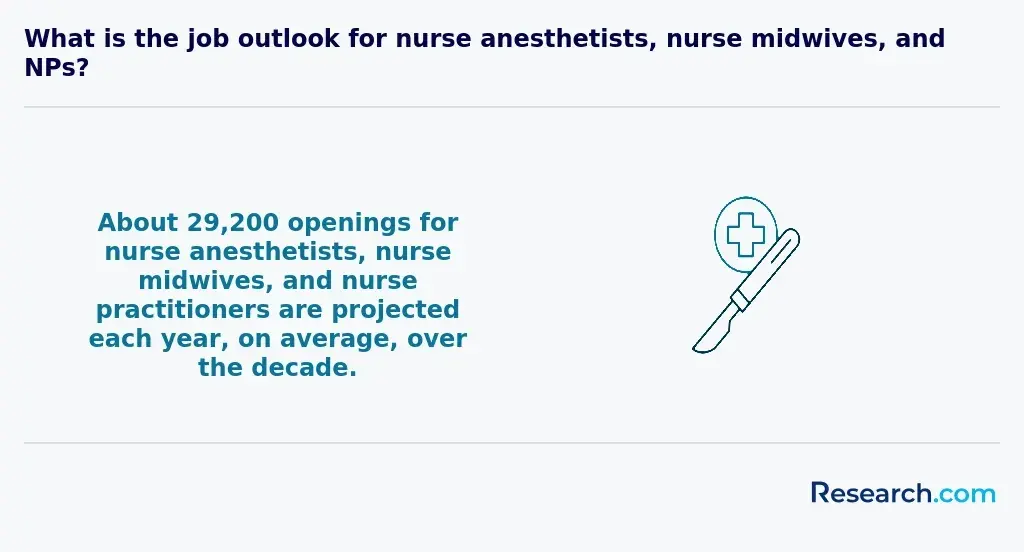
RNs and LPNs may benefit from the compact, but APRN mobility is more limited because APRN compact implementation depends on state legislation. Around 29,200 employment opportunities for APRNs, including nurse anesthetists, nurse midwives, and nurse practitioners, are expected annually over a decade, but practice authority often remains tied to individual state rules.
What career advancement opportunities can propel your nursing career in Arkansas?
After earning an Arkansas nursing license, advancement usually comes from one of four moves: earning a higher degree, specializing clinically, moving into leadership, or shifting into education, quality, informatics, or administration. The best path depends on whether you want more direct patient responsibility, a different schedule, greater autonomy, or a role outside traditional bedside care.
| Career goal | Potential next step | When it makes sense |
| Move from LPN to RN | LPN-to-RN or ADN pathway | You want broader practice responsibility and more job options |
| Move from ADN to BSN | RN-to-BSN program | You want to qualify for more leadership, specialty, or graduate-school options |
| Enter advanced practice | MSN, DNP, and national certification | You want to become an NP, nurse midwife, nurse anesthetist, or clinical nurse specialist |
| Lead teams or systems | Leadership, administration, or quality credentials | You prefer management, operations, patient safety, or policy work |
| Teach future nurses | Graduate nursing degree and educator preparation | You want to work in academic, simulation, or clinical instruction roles |
RNs interested in advanced clinical practice can compare nurse practitioner programs in Arkansas to understand program format, specialty tracks, clinical support, and admissions expectations.
What nursing specialties yield the highest earning potential in Arkansas?
Specialty choice can influence compensation, but pay is never guaranteed. Earnings depend on education, certification, employer type, experience, shift differentials, geographic location, and whether the role is staff, leadership, advanced practice, contract, or travel-based.
Advanced practice roles and high-acuity specialties often provide stronger earning potential because they require additional training, certification, and responsibility. Nurses considering NP roles should compare specialty options carefully; this overview of the highest-paid nurse practitioner specialties can help frame the decision.
How do you stay updated with regulatory changes in Arkansas?
Nursing rules can change through Board action, legislation, compact updates, continuing education revisions, and employer policy shifts. Nurses should not rely only on school advisors or social media for regulatory information.
- Check the Arkansas State Board of Nursing website regularly.
- Subscribe to official Board notices or newsletters when available.
- Review renewal requirements before every renewal cycle.
- Ask employers how policy changes affect your specific unit, role, and documentation responsibilities.
- Use professional associations and continuing education programs to interpret regulatory updates.
Students starting from the beginning can also review how to become a nurse in Arkansas for a broader overview of education and licensure planning.
Are travel nursing opportunities a viable option for Arkansas LPNs?
Travel nursing may be an option for Arkansas LPNs, but it requires flexibility, strong clinical fundamentals, and careful licensure planning. Assignments can vary by facility, patient population, shift, contract length, and state requirements. LPNs should confirm whether a position accepts compact privileges, requires single-state licensure, or has additional employer credentialing rules.
Travel roles can build adaptability and expose nurses to different care settings, but they are not ideal for everyone. Consider travel nursing if you are comfortable changing teams frequently, learning new documentation systems quickly, and managing temporary housing or scheduling demands. For a step-by-step look at this route, see how to become a travel LPN.
Can pursuing pharmacy licensure enhance your healthcare career in Arkansas?
Some nurses and healthcare workers explore pharmacy as a separate credential path when they want deeper medication expertise, a different clinical role, or broader interdisciplinary options. Pharmacy licensure is not a nursing advancement shortcut; it is a distinct professional pathway with its own education, exams, experiential requirements, and licensing process.
If you are considering a major healthcare career shift, compare time to completion, tuition, prerequisite coursework, licensing requirements, job duties, and return on investment. This guide to how to become a licensed pharmacist in Arkansas can help you understand whether pharmacy aligns with your goals.
What are the requirements to become a LPN in Arkansas?
To become an LPN in Arkansas, you must complete a state-approved practical nursing program, gain supervised clinical experience, pass the NCLEX-PN, submit an application to the Arkansas State Board of Nursing, complete required background checks, and pay applicable fees.
This path can appeal to students who want to enter nursing more quickly than a traditional RN route. However, LPN scope of practice is more limited than RN practice, so students should think ahead. If your long-term goal is RN, BSN, or APRN practice, ask schools about transfer credits, bridge programs, and how graduates perform on the NCLEX-PN. For a detailed step-by-step explanation, review what are the requirements to become a LPN in Arkansas?
What alternative career pathways can expand your role in Arkansas healthcare?
A nursing license can lead to more than bedside care. Some nurses move into healthcare informatics, case management, utilization review, quality improvement, patient education, public health, risk management, administration, or billing and coding. These paths may appeal to nurses who want different physical demands, more predictable schedules, or work involving systems and data.
Medical billing and coding is one option for professionals interested in reimbursement, documentation, claims, and healthcare data. It is different from nursing licensure, but clinical experience can help with terminology and chart interpretation. Learn more about medical billing and coding certification in Arkansas if you are considering a non-bedside healthcare transition.
What tips and resources can help you through the licensing exam in Arkansas?
The NCLEX is not an exam you should prepare for casually. It measures clinical judgment, safety, prioritization, pharmacology, patient care, and decision-making. Strong preparation starts with understanding the test plan and building a study schedule that fits your graduation timeline.
- Use ASBN guidance first: Confirm exam and application requirements through the Arkansas State Board of Nursing before relying on third-party advice.
- Start with a diagnostic test: Identify weak areas early instead of rereading every textbook chapter equally.
- Practice NCLEX-style questions daily: Focus on rationales, not just whether you got the answer right.
- Review high-risk topics: Prioritize safety, infection control, medication administration, delegation, prioritization, and patient education.
- Join a structured study group: Peer accountability can help, but avoid groups that become unfocused or anxiety-driven.
- Protect sleep and test-day readiness: Burnout can undermine performance even when content knowledge is strong.
Professional organizations such as the Arkansas Nurses Association may offer networking, continuing education, peer support, and study-related resources. Online forums and social groups can also be useful, but verify any licensing advice against official ASBN information.
-
: "
One Arkansas nurse said she passed after replacing unfocused studying with a weekly calendar, question-bank review, and a local study group. The structure reduced her anxiety and made her preparation measurable.
"
What are the educational and clinical pathways for nurse midwives in Arkansas?
Nurse midwifery is an advanced nursing pathway that builds on RN licensure, graduate education, women’s health training, and supervised clinical experience. Candidates typically complete advanced coursework in reproductive health, pregnancy, birth, postpartum care, newborn care, and primary care for women across the lifespan.
Before enrolling, verify accreditation, clinical placement support, state authorization, certification preparation, and Arkansas APRN requirements. Program quality matters because midwifery practice requires both technical competence and strong judgment in time-sensitive clinical situations. For a detailed pathway overview, review the educational requirements for a nurse midwife in Arkansas.
How can I become a licensed vocational nurse in Arkansas?
Arkansas commonly uses the term Licensed Practical Nurse, while Licensed Vocational Nurse is more common in some other states. If you are searching for LVN information in Arkansas, you are usually looking for the practical nursing pathway: complete an approved practical nursing program, finish required clinical training, pass the NCLEX-PN, complete background checks, and apply for state licensure.
Because terminology can vary, always confirm that the program you choose meets Arkansas requirements and prepares graduates for the correct licensure exam. For additional guidance, see how to become an LVN in Arkansas.
What financial assistance options are available for nursing students in Arkansas?
Nursing school costs can include tuition, fees, books, uniforms, supplies, background checks, immunizations, transportation to clinical sites, testing fees, and lost work hours. Students should compare total attendance cost, not just posted tuition.
- State grants and scholarships: The Arkansas Department of Higher Education offers programs such as the Arkansas Academic Challenge Scholarship for eligible students.
- Loan repayment and forgiveness: The Arkansas State Loan Repayment Program (ASLRP) may assist nurses who commit to working in underserved areas in the state.
- Federal financial aid: Eligible students may qualify for Pell Grants, Perkins Loans, and Federal Supplemental Educational Opportunity Grants (FSEOG), depending on financial need.
- Nursing-specific scholarships: Arkansas organizations such as the Arkansas Nurses Foundation and the Arkansas Association of Nurse Anesthetists offer scholarship opportunities for nursing students.
- Employer support: Some healthcare employers offer tuition reimbursement, loan repayment, apprenticeships, or paid training support.
Questions to ask before accepting financial aid
- Does the award require service in a specific facility, county, or shortage area?
- What happens if I withdraw, fail a course, or change majors?
- Can I use the aid for books, clinical supplies, testing, or transportation?
- Is the aid renewable each year, and what GPA must I maintain?
- Will employer reimbursement require a work commitment after graduation?
What are the current challenges and future outlook in Arkansas nursing?
Arkansas nursing is being shaped by workforce shortages, limited clinical training capacity, burnout, rural access needs, and demand for nurses who can manage complex patients. The state’s $20 million investment is intended to expand the education pipeline, but students should understand that funding alone does not eliminate every bottleneck.
Several trends are especially important for 2026 planning:
- Clinical placement capacity matters: A program may have classroom seats but still face limits in clinical scheduling and site availability.
- Technology skills are increasingly expected: Nurses work with electronic health records, telehealth tools, remote monitoring, and digital medication systems.
- Burnout remains a practical career concern: Students should evaluate work environment, staffing models, shift demands, and employer support before accepting a role.
- Specialty and advanced practice roles are expanding: Chronic disease management, geriatrics, behavioral health, emergency care, and primary care all create opportunities for focused expertise.
- Program choice affects resilience: NCLEX preparation, tutoring, faculty access, and clinical coaching can make the difference between completing a program and leaving before licensure.
If admission competitiveness is a concern, students can explore what is the easiest nursing school to get into, but they should not choose a school based on admissions ease alone. Accreditation, outcomes, clinical quality, cost, and licensure eligibility are more important for long-term success.
What factors should you consider when choosing a nursing school in Arkansas?
The right nursing school is the one that can get you from enrollment to licensure with strong preparation, manageable cost, and clinical experiences aligned with your goals. Rankings can be helpful, but they should not replace your own due diligence.
| Factor | Why it matters | Question to ask |
| Approval and accreditation | Licensure eligibility and graduate-school options can depend on program recognition | Is the program approved for Arkansas licensure and accredited by a recognized nursing accreditor such as CCNE or ACEN? |
| NCLEX preparation | The license depends on passing the required exam | How does the program support students who struggle with NCLEX-style questions? |
| Clinical placements | Hands-on experience affects confidence and job readiness | Who arranges clinical placements, and how far might I need to travel? |
| Total cost | Fees, supplies, testing, and transportation can add up | What is the full cost of attendance, not just tuition? |
| Schedule format | Work and family responsibilities can affect completion | Are evening, weekend, hybrid, or part-time options available? |
| Student support | Nursing programs are rigorous and attrition can be significant | What tutoring, advising, simulation, and remediation services are available? |
| Bridge options | Your first credential may not be your final goal | Can credits transfer into LPN-to-RN, RN-to-BSN, MSN, or DNP pathways? |
Students comparing schools can start with best nursing schools in Arkansas, then verify each program directly with the school and the ASBN.
How can online education enhance your nursing career in Arkansas?
Online nursing education can be useful for working nurses who need flexibility, especially in RN-to-BSN, MSN, certificate, and continuing education formats. It can help nurses build leadership, public health, informatics, education, or advanced practice knowledge without leaving the workforce.
However, online does not mean “no clinical requirements.” Many nursing programs still require in-person labs, practicum hours, simulations, precepted clinical experiences, or local placements. Before enrolling in top online nursing programs in Arkansas, confirm state authorization, accreditation, clinical placement support, licensure alignment, technology requirements, and whether the program fits your schedule.
What are the opportunities for specialization in Arkansas nursing careers?
Specialization can help nurses focus on the patient populations and settings that match their strengths. It may also support career advancement, certification eligibility, leadership opportunities, and higher job satisfaction, although salary outcomes vary.
- Emergency nursing: Best for nurses who can make quick decisions, prioritize unstable patients, and work well in high-pressure environments such as emergency departments, urgent care, or trauma settings.
- Geriatric nursing: Focuses on older adults, chronic disease, mobility limitations, medication complexity, dementia care, and end-of-life support in nursing homes, assisted living, home health, and hospital settings.
- Pediatric nursing: Involves caring for infants, children, and adolescents, requiring strong family communication, patience, and understanding of developmental stages.
- Critical care nursing: Centers on patients with life-threatening conditions and requires advanced assessment, monitoring, teamwork, and comfort with complex equipment.
- Home health nursing: Provides patient-centered care in the home, often requiring independence, strong documentation, patient education skills, and comfort traveling between patients.
RNs who want more advancement options may consider a bachelor’s degree through the cheapest RN to BSN online program options. A BSN can support movement into specialty certification, leadership, public health, case management, and graduate study.
Common mistakes to avoid when pursuing Arkansas nursing licensure
| Mistake | Why it can hurt you | Better approach |
| Choosing a program without verifying approval or accreditation | You may face licensure, transfer, or graduate-school problems | Confirm program status with the ASBN and recognized accrediting bodies |
| Looking only at tuition | Fees, supplies, testing, uniforms, and travel can change affordability | Compare full cost of attendance and available aid |
| Assuming online programs automatically meet Arkansas requirements | State authorization and clinical rules can vary | Ask the school and ASBN whether the program supports Arkansas licensure or advancement |
| Waiting too long on fingerprinting or transcripts | Application review may be delayed | Start documentation early and track deadlines |
| Relying only on rankings | A highly ranked program may not fit your schedule, budget, or location | Use rankings as one tool, then compare outcomes, support, and clinical access |
| Assuming salary or job placement is guaranteed | Labor markets vary by role, region, and employer | Review local job postings, employer requirements, and specialty demand |
Related Articles for Nearby States
- 2027 Missouri Nursing License Requirements
- 2027 Oklahoma Nursing License Requirements
- 2027 Tennessee Nursing License Requirements
- 2027 Mississippi Nursing License Requirements
- 2027 Louisiana Nursing License Requirements
- 2027 Texas Nursing License Requirements
- 2027 Kentucky Nursing License Requirements
- 2027 Kansas Nursing License Requirements
- 2027 Alabama Nursing License Requirements
- 2027 Illinois Nursing License Requirements
References:
- Arkansas Department of Health. (n.d.). Arkansas State Board of Nursing. Retrieved July 31, 2024, from https://www.healthy.arkansas.gov/programs-services/topics/arkansas-board-of-nursing
- Arkansas Governor. (2024, May 13). Sanders, Commerce Department announce $20M to grow state’s nursing pipeline. Press Releases. https://governor.arkansas.gov/news_post/sanders-commerce-department-announce-20m-to-grow-states-nursing-pipeline
- Pelletier, D., Duffield, C., Gallagher, R., Soars, L., Donoghue, J., & Adams, A. (1994). The effects of graduate nurse education on clinical practice and career paths: a pilot study. Nurse Education Today, 14(4), 314-21. https://pubmed.ncbi.nlm.nih.gov/7968981
- U.S. Bureau of Labor Statistics. (2024, April 3). Occupational employment and wage estimates - Arkansas. Occupational Employment and Wage Statistics. https://www.bls.gov/oes/current/oes_ar.htm
Key Insights
- Arkansas nursing licensure is regulated by the Arkansas State Board of Nursing and generally requires approved education, clinical training, background checks, fees, and the correct NCLEX exam.
- The fastest common entry route is LPN, while RN licensure offers broader clinical responsibility and stronger long-term advancement flexibility. APRN roles require graduate education and national certification.
- Arkansas participates in the Nurse Licensure Compact, so eligible RNs and LPNs/VNs with multistate licenses can practice in Arkansas without a separate single-state license.
- Costs vary widely. Nurse practitioner preparation can include $20,000–$60,000 for a BSN, $15,000–$50,000 annually for graduate study, plus exam, background check, supply, continuing education, and renewal expenses.
- Choosing the right nursing school is a licensure decision, not just an admissions decision. Verify approval, accreditation, NCLEX support, clinical placements, total cost, and transfer or bridge options.
- Do not wait until graduation to understand application steps. Fingerprinting, official transcripts, NCLEX registration, temporary permits, and background checks all require planning.
- Arkansas’s $20 million nursing pipeline investment may help expand training capacity, but students should still evaluate program quality, clinical access, affordability, and career fit before enrolling.
Other Things You Should Know About Nursing Licenses in Arkansas
The Arkansas State Board of Nursing regulates nursing licenses in Arkansas in 2027. It sets licensure standards, approves applications, issues and renews licenses, and enforces nursing practice rules. Nurses can check board requirements directly through the board’s official licensing and verification systems.
You can verify your Arkansas nursing license through the Arkansas State Board of Nursing's online verification system. It provides real-time information and confirms the validity and status of your license in 2027, ensuring compliance with state regulations.
To practice as a registered nurse in Arkansas in 2027, you must have a valid nursing license. This entails completing an approved nursing program, passing the NCLEX-RN exam, and applying for licensure through the Arkansas State Board of Nursing. Unlicensed practice is not allowed.


