2027 Best Careers After a Digital Photography Degree

Co-Founder and Chief Data Scientist
Choosing a digital photography degree is really a career decision: will formal training help you earn, compete, and build a sustainable creative path? The U.S. Bureau of Labor Statistics reported a May 2024 median annual wage of $42,520 for photographers, but income varies widely by specialization, location, portfolio strength, and business skills.
This guide is for students, career changers, and self-taught photographers weighing degree options. You will learn which careers fit the degree, how salaries and demand look, and how to choose a program that supports your goals.
Key Things You Should Know
- A digital photography degree can lead to roles in commercial photography, portrait and event photography, photo editing, media production, ecommerce imaging, digital asset management, and creative direction.
- According to BLS May 2024 wage data, photographers had a median annual wage of $42,520, while related visual media roles such as film and video editing or camera operation may offer different pay ranges depending on technical specialization.
- The strongest career outcomes usually come from pairing degree coursework with a market-ready portfolio, internships or assistant work, editing software fluency, client communication skills, and a clear niche.
What careers can you pursue with a digital photography degree in the United States?
A digital photography degree prepares students to create, edit, manage, and publish still images for commercial, editorial, artistic, social, and technical uses. Unlike casual photography training, degree programs usually combine image capture, lighting, post-production, visual storytelling, business practices, and portfolio development.
The best career path depends on whether you want client-facing work, studio production, media employment, ecommerce operations, or a broader creative role. The table below summarizes common career directions and what each one typically involves.
| Career path | Typical work setting | What graduates commonly do | Best fit for |
| Commercial photographer | Studios, agencies, brands, freelance businesses | Create product, advertising, corporate, food, fashion, or lifestyle images | Students who enjoy business clients, lighting control, and brand-oriented visuals |
| Portrait or wedding photographer | Independent business, studios, event venues | Photograph individuals, families, weddings, engagements, school portraits, or professional headshots | People with strong interpersonal skills and comfort managing clients under time pressure |
| Photojournalist or editorial photographer | Newsrooms, magazines, nonprofits, freelance assignments | Document events, people, communities, and stories for publication | Students interested in storytelling, ethics, deadlines, and field assignments |
| Photo editor or retoucher | Media companies, ecommerce teams, agencies, studios | Select, color-correct, composite, restore, or polish images for publication or campaigns | Detail-oriented graduates who prefer post-production and image quality control |
| Ecommerce or product imaging specialist | Retailers, marketplaces, brand studios | Photograph catalog products, maintain visual consistency, and prepare images for web use | Students who want repeatable studio workflows and steady production systems |
| Digital asset coordinator | Museums, universities, brands, publishers, marketing departments | Organize, tag, archive, license, and distribute digital image libraries | Graduates who combine photography knowledge with organization and metadata skills |
| Visual content producer | Marketing departments, social media teams, agencies | Plan and produce images, short-form video, campaigns, and cross-platform visual assets | Students comfortable blending photography with video, social media, and brand strategy |
A degree is most valuable when the curriculum maps to the work you want. For example, someone aiming for museum imaging or digital archives should look for coursework in color management, preservation, metadata, and digital workflow, while a future wedding photographer needs client relations, contracts, lighting, and small-business training.
Many graduates also combine photography with adjacent design, media, or spatial visualization skills. If you are still exploring creative degrees and want a built-environment path rather than a visual media path, comparing photography with an online architecture degree can clarify whether your interests lean more toward image-making, design documentation, or technical design.
How does a digital photography degree compare to self-taught or certificate training?
A digital photography degree is not the only way into the field. Many photographers build careers through self-study, workshops, apprenticeships, certificates, or assistant roles. The right choice depends on your starting skill level, budget, career target, and need for structure, credentials, or access to studio resources.
The comparison below shows where each route tends to be strongest. Use it to decide whether you need a full degree or a shorter, lower-cost credential.
| Training route | Main advantage | Main limitation | When it makes sense |
| Associate degree | Structured technical foundation with a shorter timeline than a bachelor's degree | May offer fewer advanced electives or internship pipelines | You want portfolio training, transfer options, or entry-level preparation at a lower cost |
| Bachelor's degree | Broader preparation in visual theory, production, business, internships, and portfolio critique | Higher time and cost commitment | You want roles that value a four-year degree, advanced creative development, or future graduate study |
| Certificate | Focused training in specific skills such as lighting, editing, or digital workflow | May not carry the same weight as a degree for some employers | You already have general education or experience and need targeted technical training |
| Self-taught path | Flexible, low-cost, and portfolio-driven | Can leave gaps in lighting, business, critique, legal issues, or professional workflow | You are disciplined, have access to clients or mentors, and can build a strong body of work independently |
| Apprenticeship or assistant work | Real-world exposure to clients, sets, equipment, and production pace | Training quality depends heavily on the mentor or studio | You learn best by doing and can accept entry-level support work while building skills |
A degree is usually worth stronger consideration if you want a structured portfolio, faculty feedback, studio access, internships, and a credential that can support broader creative employment. It may be less necessary if your goal is a small freelance business and you already have strong technical skills, business support, and a client pipeline.
Before choosing, compare the opportunity cost as well as tuition. A self-taught path may cost less upfront but can take longer if you lack feedback, while a degree may cost more but provide critique, deadlines, equipment access, and peer networks that accelerate your development.
What entry-level and advanced job roles are available for digital photography graduates?
Most photography careers develop in stages. Early roles often involve assisting, editing, production support, and portfolio building. Advanced roles require a stronger creative point of view, client management, business judgment, and the ability to lead shoots or visual teams.
The career ladder below shows how responsibilities commonly progress. It is not a fixed sequence, but it helps you understand how graduates move from technical support to higher-responsibility creative work.
| Career stage | Example roles | Typical responsibilities | What helps you advance |
| Entry level | Photo assistant, studio assistant, junior retoucher, ecommerce imaging assistant | Set up lights, manage gear, prepare files, support shoots, perform basic edits | Reliability, software fluency, file organization, and professional set etiquette |
| Early professional | Staff photographer, product photographer, photo editor, content producer | Plan shoots, capture assigned images, edit to brand standards, coordinate with marketing or editorial teams | A polished portfolio, consistent style, client communication, and deadline management |
| Mid-career | Commercial photographer, lead retoucher, visual content manager, freelance studio owner | Lead projects, manage clients, price work, supervise assistants, maintain production workflows | Specialization, business systems, repeat clients, and strong visual problem-solving |
| Advanced | Creative director, director of photography for stills, senior art director, imaging operations manager | Set visual direction, lead teams, manage budgets, approve final image standards, align visuals with brand strategy | Leadership, campaign experience, cross-functional collaboration, and a track record of successful projects |
Students often make the mistake of aiming only for the title "photographer." In practice, many sustainable careers sit around photography: retouching, production, content operations, digital asset management, studio management, and visual marketing. These roles can be a better fit if you like images but prefer predictable workflows or team-based employment.
If you want to move from entry-level work into higher-value assignments, focus on the following practical steps. These actions help employers and clients see that you can deliver professionally, not just take good pictures.
- Build a portfolio around one or two clear niches, such as product, portrait, food, editorial, or real estate photography.
- Document complete projects, including planning, lighting setup, editing decisions, and final deliverables.
- Seek assistant work with established photographers to learn pricing, client communication, set safety, and production habits.
- Track your strongest work outcomes, such as published images, campaign use, repeat clients, or improved ecommerce image consistency.
- Update your portfolio every term or quarter so it reflects your current skill level rather than every image you have ever made.
What are typical salary ranges and earning potential in digital photography careers?
Photography earnings vary more than many degree-related fields because professionals work across staff jobs, freelance assignments, commissions, seasonal events, and business ownership. The BLS May 2024 median annual wage for photographers was $42,520, which is a useful benchmark but not a promise of what any individual graduate will earn.
The table below gives a practical salary context for photography and nearby visual media work. These categories are not interchangeable, but they show how technical specialization and industry setting can influence earning potential.
| Role category | Common pay structure | Salary context | What affects earnings most |
| Photographer | Hourly, salary, freelance fee, day rate, package pricing | BLS reported a May 2024 median annual wage of $42,520 | Niche, region, client type, portfolio strength, repeat business, and pricing skill |
| Photo editor or retoucher | Salary, hourly, contract project rate | Pay often depends on employer type and editing complexity | Software fluency, speed, color accuracy, compositing skill, and brand standards experience |
| Commercial or product photographer | Salary, day rate, licensing fee, project fee | Can exceed general photography averages when tied to advertising, ecommerce, or corporate clients | Lighting skill, production efficiency, usage licensing, client management, and niche demand |
| Visual content producer | Salary or contract fee | May command broader compensation when combining photography, video, social media, and campaign planning | Cross-platform production skills, marketing knowledge, editing speed, and analytics awareness |
| Freelance studio owner | Business revenue minus expenses | Income can be volatile and depends on bookings, pricing, expenses, and seasonality | Business planning, local market demand, client acquisition, referrals, and cost control |
When evaluating earning potential, do not compare only top-end photographers on social media. A more realistic approach is to estimate your likely market, equipment costs, editing time, taxes, insurance, travel, software subscriptions, and marketing expenses. Freelancers also need to price for unpaid work time, such as consultations, file delivery, bookkeeping, and portfolio updates.
Students comparing photography with other career paths should use the same salary-evaluation discipline across fields: look at role requirements, median pay, growth outlook, and how income varies by industry. For an example of that kind of career-pay analysis outside the visual arts, see this guide to sports analytics salary.
What is the job outlook and industry demand for digital photography professionals?
Demand for digital photography professionals is mixed rather than simply "good" or "bad." Traditional staff photography roles are competitive, but images remain central to ecommerce, branding, real estate, events, journalism, education, nonprofits, and social media. The strongest candidates usually combine photography with editing, video, content strategy, or production management.
The BLS Occupational Outlook Handbook projects photographer employment to change modestly over the current projection period, with openings continuing to arise from worker exits and replacement needs. For readers, the key takeaway is that the field is not usually a high-growth hiring market; it rewards specialization, adaptability, and entrepreneurial skill.
Several current trends are reshaping career decisions in digital photography. These trends do not remove the need for skilled photographers, but they change what clients and employers expect.
- AI-assisted editing is becoming normal: Tools for masking, noise reduction, background cleanup, generative fill, and image selection can speed workflow, but professionals still need judgment, ethical standards, and consistent style control.
- Content volume is increasing: Brands, retailers, and creators need frequent visual assets for websites, social platforms, email campaigns, and marketplaces, which creates demand for efficient content production.
- Hybrid photo-video skills matter: Many employers prefer candidates who can produce still images and short-form video rather than only one format.
- Authenticity and rights management are more important: Clients increasingly care about model releases, licensing terms, image provenance, and whether AI-generated or altered content is disclosed when appropriate.
- Local competition is intense: Entry barriers are lower because equipment and editing tools are more accessible, so graduates need a distinct niche and professional delivery process.
A practical way to read the outlook is this: a photography degree can help, but it is not enough by itself. Graduates who can solve visual business problems, manage deadlines, work with clients, and adapt to new tools are better positioned than those who rely only on artistic talent.
What coursework and technical skills do accredited digital photography programs usually teach?
Accredited digital photography programs usually combine hands-on image production with theory, critique, technology, and professional practice. The goal is to help students understand not only how to capture an image, but also how to plan, edit, deliver, and defend creative decisions.
The table below outlines common course and skill areas. Individual programs differ, so students should compare actual course catalogs rather than relying only on program titles.
| Course or skill area | What students learn | Why it matters for careers |
| Camera operation and exposure | Manual settings, lens selection, composition, depth of field, motion control | Builds technical control across studio, event, and location work |
| Lighting | Natural light, studio strobes, continuous lighting, modifiers, lighting ratios | Separates professional image-making from casual photography in commercial and portrait work |
| Digital editing | RAW processing, color correction, retouching, compositing, file preparation | Supports client-ready delivery and visual consistency |
| Color management and printing | Monitor calibration, printer profiles, proofing, paper choice, output standards | Important for fine art, product accuracy, archives, and professional presentation |
| Visual storytelling | Sequencing, narrative, editorial judgment, documentary ethics | Useful for journalism, nonprofit, documentary, and brand storytelling work |
| Business and professional practice | Pricing, contracts, copyright, releases, licensing, invoicing, client communication | Critical for freelancers and small studio owners |
| Portfolio development | Project selection, critique, artist statements, website presentation | Often the most important hiring or client-acquisition tool |
Technical skills should be paired with durable professional habits. Programs that include critique, deadlines, collaborative assignments, and capstone projects can help students practice the kind of feedback and revision cycles they will face in the workplace.
Before enrolling, ask whether the program teaches current software and workflow practices. Students should look for training in non-destructive editing, backup systems, metadata, digital asset management, color accuracy, accessibility considerations for web images, and ethical use of AI-assisted tools.
How do online digital photography degrees differ from campus-based programs?
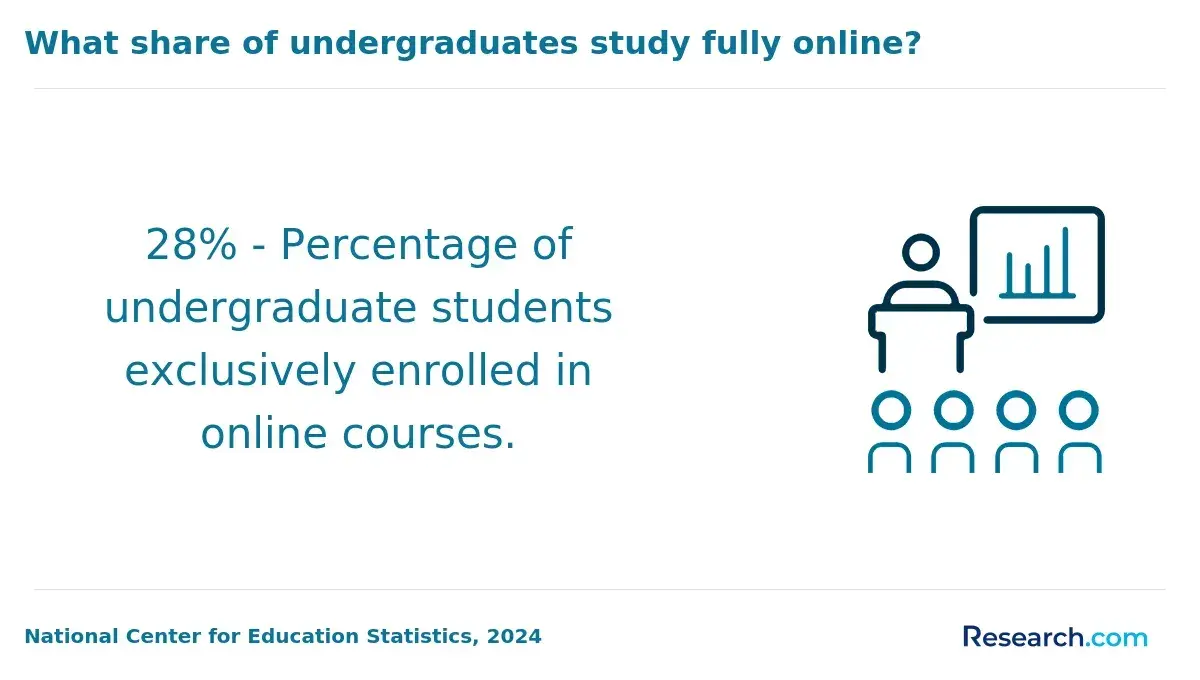
Online and campus-based digital photography degrees can both be legitimate, but they create different learning experiences. The best choice depends on your schedule, access to equipment, learning style, and need for in-person studio feedback.
The table below compares the formats on factors that matter most for photography students. It can help you decide whether flexibility is worth the trade-offs in studio access and face-to-face critique.
| Factor | Online digital photography degree | Campus-based digital photography degree |
| Schedule flexibility | Often better for working adults, parents, military learners, and students outside major metro areas | Usually follows fixed class, lab, and studio schedules |
| Studio access | Students may need to supply cameras, lighting, backdrops, and editing equipment | May provide access to studios, labs, lighting kits, printers, and shared gear |
| Critique experience | Often delivered through video meetings, discussion boards, recorded feedback, or digital submissions | More likely to include live critique, peer review, and in-person demonstrations |
| Networking | Can include virtual peers, remote instructors, and online portfolio communities | May offer stronger local industry connections, gallery events, and studio assistant opportunities |
| Best fit | Self-directed students who already have equipment access and need flexibility | Students who want hands-on facilities, structured schedules, and in-person production support |
Online study can be a strong option if the program requires substantial portfolio work and gives detailed critique rather than relying only on readings and quizzes. Students comparing photography colleges online should pay special attention to equipment requirements, course delivery, faculty feedback, and whether the degree comes from an accredited institution.
Campus programs can be worth the commute or housing cost when they provide professional lighting studios, darkroom or print labs, gallery opportunities, internship connections, and access to equipment that would be expensive to buy independently.
How long does a digital photography degree take, and what does it cost?
Most associate degrees in digital photography take about two years of full-time study, while bachelor's degrees usually take about four years. Part-time students may take longer, and transfer students may finish faster if prior credits apply.
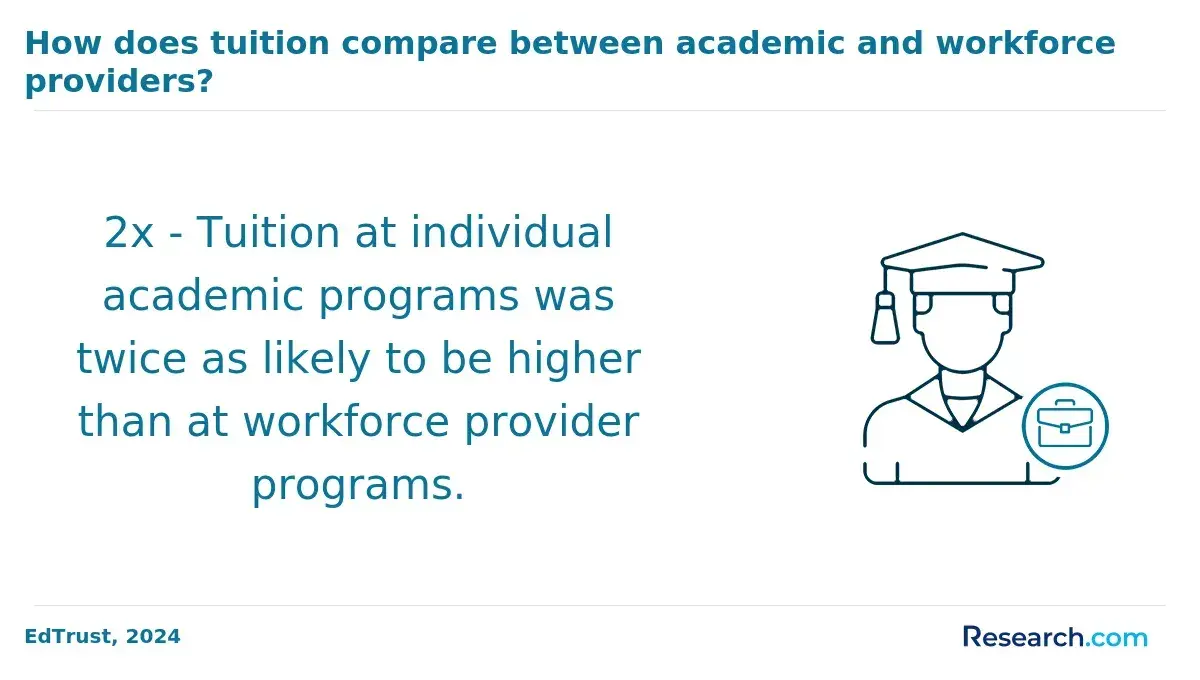
Cost depends on institution type, residency status, online fees, equipment, software, travel, printing, and portfolio production. College Board's 2024-25 published tuition and fee averages put public two-year in-district tuition at $4,050, public four-year in-state tuition at $11,610, and private nonprofit four-year tuition at $43,350; these figures show why program type and transfer planning can strongly affect total cost.
In addition to tuition, photography students should budget for program-specific expenses. These costs can change the affordability picture even when tuition looks manageable.
- Camera body and lenses that meet course specifications
- Memory cards, storage drives, backup systems, and card readers
- Editing software subscriptions and possible computer upgrades
- Lighting kits, tripods, reflectors, color calibration tools, or studio accessories
- Printing, mounting, portfolio cases, website hosting, and exhibition materials
- Travel, location fees, model fees, props, wardrobe, or production supplies for advanced projects
Students who need maximum scheduling flexibility may also compare programs with frequent admission cycles. Some online schools with multiple start dates can help working adults begin sooner, but faster entry should not replace checking accreditation, cost, faculty support, and portfolio quality.
To reduce costs, consider starting at a community college, transferring credits into a bachelor's program, buying used gear that meets course requirements, using student software discounts, and choosing a program with equipment checkout options. The cheapest program is not always the best value if it lacks critique, portfolio development, or career support.
How do you evaluate and choose a reputable, accredited digital photography program?
A reputable digital photography program should be accredited, transparent about costs, realistic about career outcomes, and strong in portfolio development. Accreditation matters because it can affect credit transfer, eligibility for federal financial aid, employer recognition, and future graduate study.
Use the following steps to compare programs before applying. These actions can help you avoid expensive mistakes and choose a degree that matches your career goal.
- Confirm institutional accreditation through the school's official accreditation page and the U.S. Department of Education's recognized accreditation resources.
- Review the course catalog to make sure the curriculum includes lighting, editing, workflow, business practices, copyright, and portfolio critique.
- Ask what equipment is provided, what students must buy, and whether online learners need a home studio setup.
- Look for evidence of student work quality, such as portfolio galleries, exhibitions, publications, competitions, or capstone projects.
- Ask about internships, assistantship connections, career services, alumni outcomes, and local employer relationships.
- Compare total cost, not only tuition, including fees, software, gear, printing, commuting, housing, and lost work time.
- Check transfer credit policies if you plan to start at a community college or already have prior coursework.
- Speak with faculty or admissions staff about your target niche and ask which courses directly support it.
Common red flags include vague accreditation claims, no visible student portfolios, outdated software or equipment expectations, weak faculty profiles, no critique structure, unrealistic salary promises, and pressure to enroll immediately. A strong program should welcome detailed questions and explain both the benefits and limits of the degree.
Also avoid choosing based only on rankings, brand recognition, or a beautiful campus. For photography, the better question is whether the program helps you produce better work, receive serious critique, understand clients, and leave with a portfolio that matches your intended market.
What certifications, portfolios, or licenses strengthen a digital photography career path?
Photography careers are usually portfolio-driven, but credentials and licenses can still strengthen employability or business credibility. The most useful additions depend on whether you want employment, freelance clients, technical imaging work, or a business of your own.
The table below summarizes career-building assets that can support a digital photography degree. None of them replaces strong work, but each can reduce risk for employers or clients.
| Career asset | What it demonstrates | Most useful for |
| Professional portfolio | Creative style, technical ability, consistency, and client-ready delivery | Nearly every photography career path |
| Adobe or editing software certification | Verified software knowledge in tools used for image editing and design workflows | Retouching, content production, marketing, and in-house creative roles |
| Drone pilot certification | Legal readiness to conduct certain commercial drone operations under FAA rules | Real estate, construction documentation, tourism, events, and aerial imaging |
| Business license or local permits | Compliance with local business rules where required | Freelancers, studio owners, and event photographers |
| Copyright and licensing knowledge | Ability to protect image rights, negotiate usage, and avoid legal disputes | Commercial, editorial, fine art, and freelance work |
| Professional association membership | Commitment to industry learning, networking, and ethical practice | Freelancers, portrait photographers, wedding photographers, and commercial specialists |
Your portfolio should be curated, not exhaustive. A hiring manager or client should understand your niche within minutes, see consistent quality, and find clear contact information. Include full projects when possible, because a complete campaign or photo story often shows more professional maturity than isolated single images.
Licensing requirements vary by activity and location. For example, many photographers do not need a state license just to take portraits, but business registration, sales tax rules, insurance, location permits, drone regulations, or school/event vendor requirements may apply. Check state and local rules before accepting paid work.
To strengthen your career path, prioritize the assets that match your target role. A product photographer may benefit most from lighting tests and ecommerce workflow samples, while an event photographer needs galleries that show low-light skill, candid timing, delivery speed, and client trust.
Other Things You Should Know About Digital Photography
It can be, especially if the program includes business, contracts, pricing, copyright, marketing, and portfolio development. Freelancers need more than creative skill; they also need client acquisition, budgeting, editing efficiency, and a clear service niche.
In 2027, it’s not necessary to have a high-end camera before starting a digital photography degree. Modern programs often provide access to quality equipment, allowing students to learn and experiment. Understanding the fundamentals of composition and lighting is more crucial than gear in advancing your skills.
Some roles can be remote or hybrid, especially photo editing, retouching, digital asset management, and content coordination. Image capture work is usually location-based because it requires products, people, events, or studio setups.
Yes, many self-employed photographers must register a business and obtain a local business license before accepting paid work. In the United States, rules vary by city and county, and some states also require sales tax registration if you sell prints, albums, or digital files.
References
- Careers in photography https://www.unitemps.com/career-advice/careers-in-photography/
- Digital Photography Career Paths | F.I.R.S.T. Institute https://www.first.edu/your-career/photography-career-paths/
- Online Photography Degrees | Photography Programs & Courses https://www.onlinecolleges.net/degrees/photography/
- College Certificate vs Online Photography School | Cameraderie https://cameraderie.org/threads/college-certificate-vs-online-photography-school.56322/
- Should you Study Photography at College or are There Better Options Now? https://digital-photography-school.com/should-you-study-photography-at-college-or-are-there-better-options-now/
- Industries & Fields - Vault https://vault.com/industries/photography/industry-outlook
- The Photography Institute https://www.thephotographyinstitute.com/ph/en/blog-evaluating-online-courses
- Focus: Is taking a photography course worth it, or is self-taught better? https://focus.picfair.com/articles/is-taking-a-photography-course-worth-it-or-is-self-taught-better
- What Can You Do With a Photography Degree? https://pnca.willamette.edu/academics/bfa/photography/career-options
- Photography Jobs Outlook 2026: Is Studying Photography Still a Good Career Investment? https://www.baph.co.uk/blog/photography-jobs-outlook-2026--is-studying-photography-still-a-good-career-investment-